
Europe’s bucket-list destinations are buckling under the weight of overtourism, with Venice installing turnstiles, Barcelona residents protesting, and Santorini setting cruise ship limits. But this magical continent still harbors secret spots where you can experience authentic culture without battling influencers or queuing for overpriced coffees.
These under-the-radar gems offer all the charm of Europe’s greatest hits—historic architecture, mouthwatering cuisine, stunning landscapes—minus the Instagram hordes. From sun-drenched Mediterranean coastlines to fairytale medieval towns, these destinations let you experience the Europe of your daydreams, not your nightmares.
26. Narbonne, France
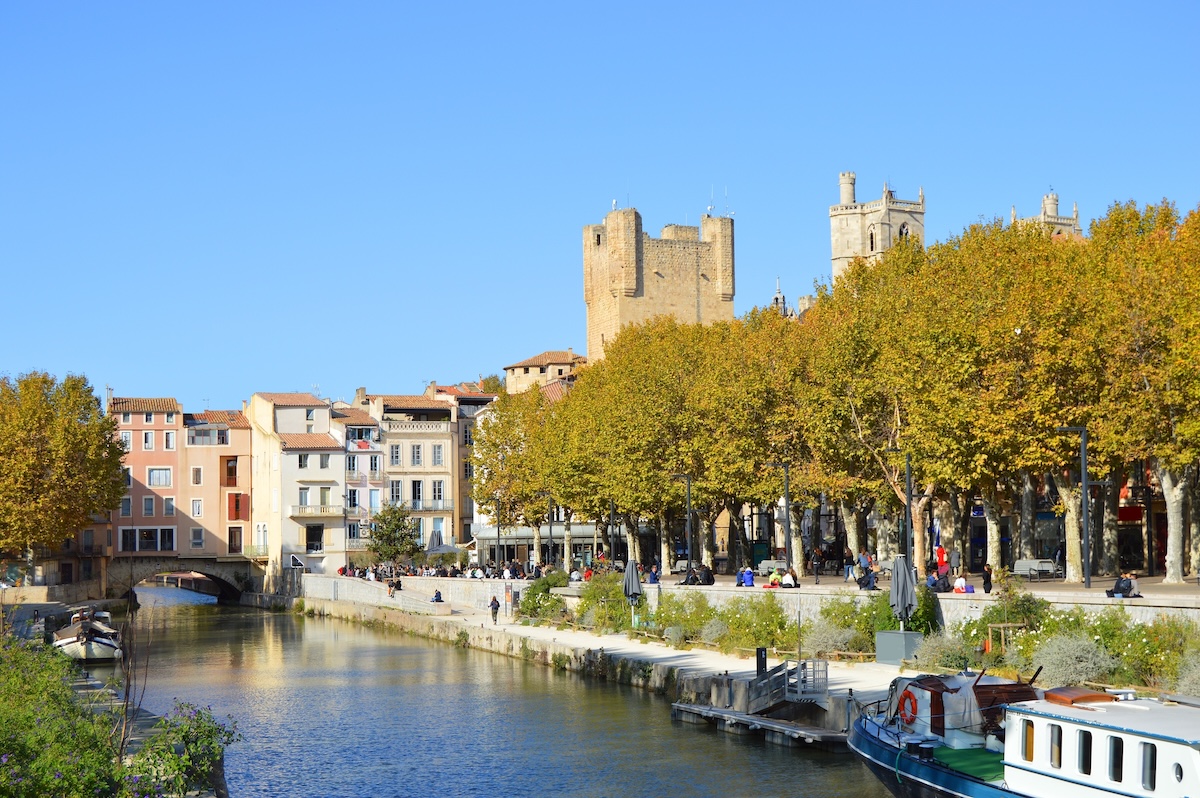
Narbonne sits quietly in southern France’s Occitanie region, where most travelers just hurry past on their way to bigger cities. This ancient Roman settlement has over 2,000 years of history but rarely lands on busy travel itineraries.
The Canal de la Robine cuts right through town, lined with leafy paths and historic bridges. You can wander these peaceful waterways without dodging tour groups. Roman heritage pops up everywhere—from ancient underground passages to old monuments that seem to appear around every corner.
Spend a weekend here exploring medieval architecture and sampling local wines, all without the chaos of France’s famous destinations. The countryside nearby holds quiet villages and vineyards that stay blissfully empty. Narbonne keeps its charm precisely because it hasn’t turned into a tourist magnet. It’s French culture, unfiltered.
25. Saaremaa, Estonia
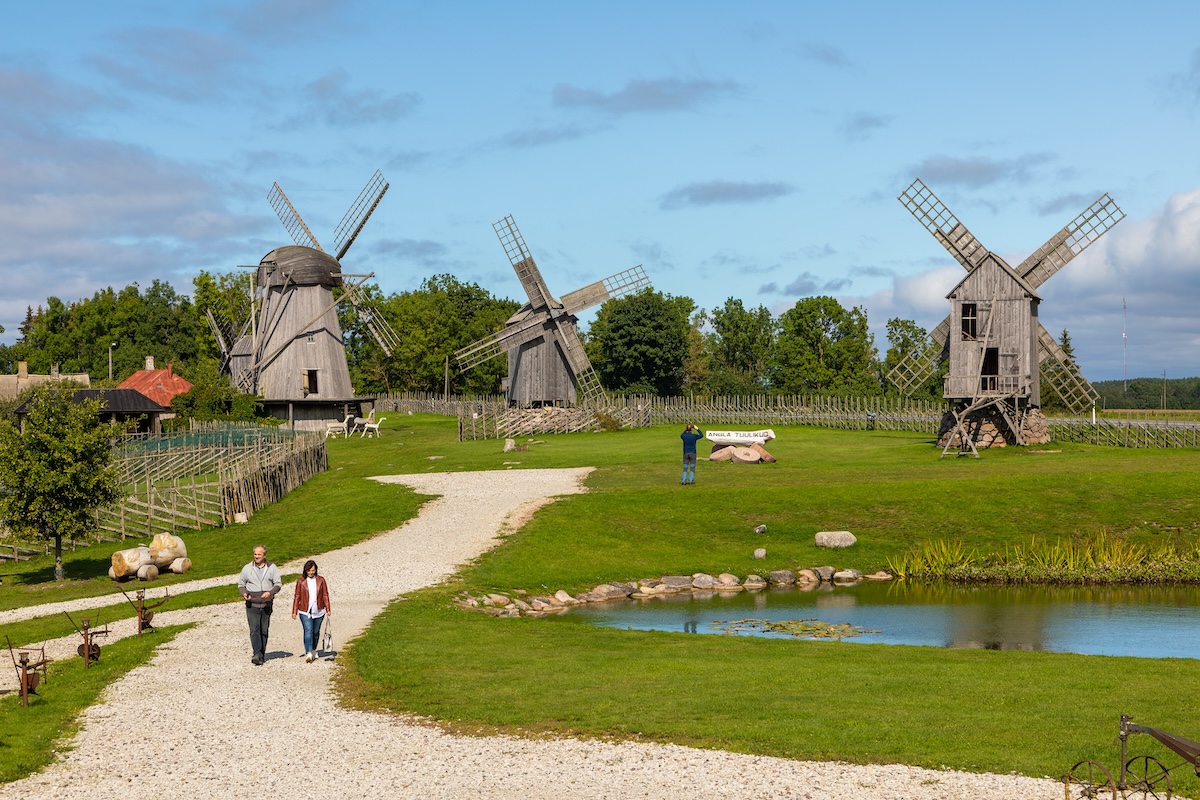
Real peace feels possible on Estonia’s biggest island. Saaremaa sits off the mainland, and just getting there by ferry weeds out most casual travelers. The island moves at its own pace. You can check out Kuressaare Castle, one of the Baltic region’s best-preserved medieval forts, without bumping elbows with crowds. The Kaali meteor crater stands out—how often do you get to stand inside an actual meteorite impact site?
Forests cover nearly half the island, so there’s plenty of space to wander. Rugged coastlines stay mostly empty, perfect for quiet beach walks. Local spas use mineral-rich mud from the island, and you won’t need to book weeks ahead.
The juniper-scented air and ancient windmills give Saaremaa a timeless feel. Estonian culture here stays real, not packaged for mass tourism.
24. Zamora, Spain
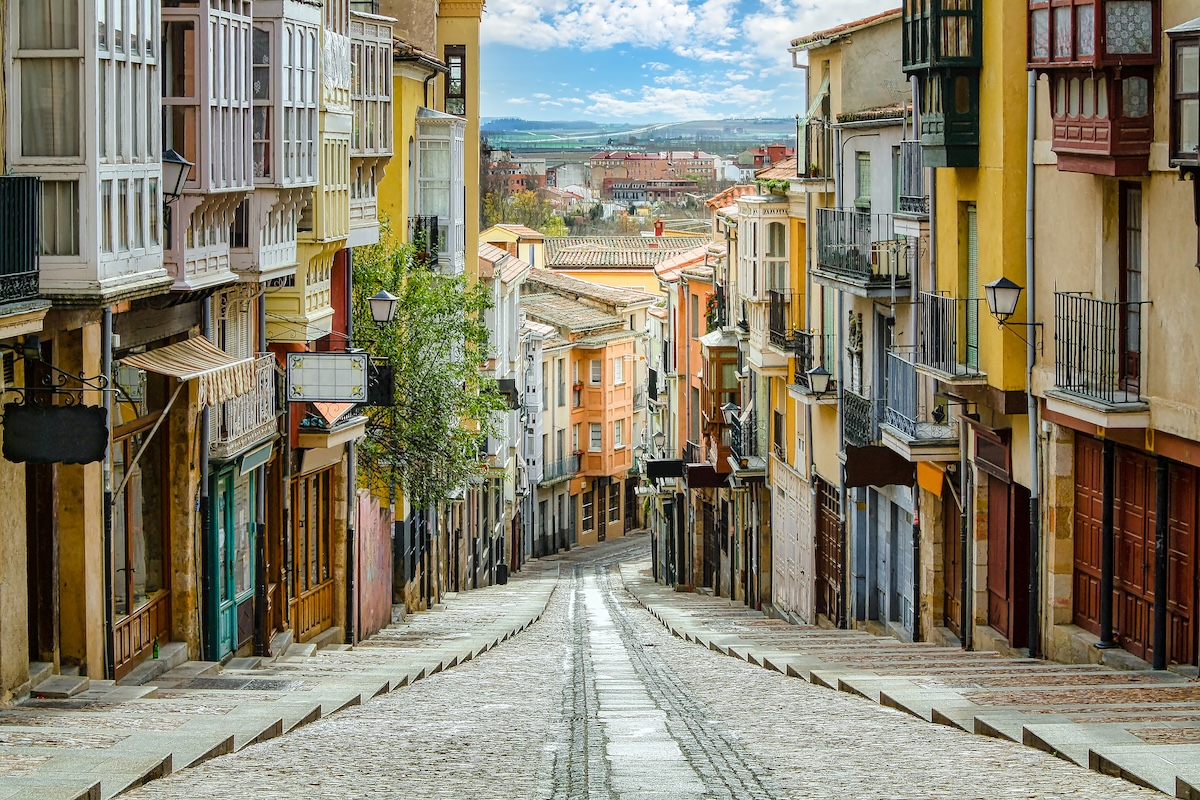
Zamora sits near the Portuguese border in Castilla y León. Most travelers skip this medieval town, heading straight for Madrid or Barcelona, which makes it a great spot to avoid crowds.
The city hugs the Duero River and packs in centuries of history, all without the tourist buses. Wander past ancient churches and explore the old castle—no lines, no photo battles.
The medieval architecture here is the real deal. Zamora boasts more Romanesque churches than almost anywhere else in Europe, and you can actually enjoy them in peace.
Stroll through the historic center at your own pace. Grab tapas at local bars where you’ll actually meet residents. The Mirador del Castillo viewpoint gives you sweeping views of the city and countryside. Zamora flies under the radar, so you get an authentic Spanish experience. No crowds, just culture and history as it should be.
23. Setesdal Valley, Norway
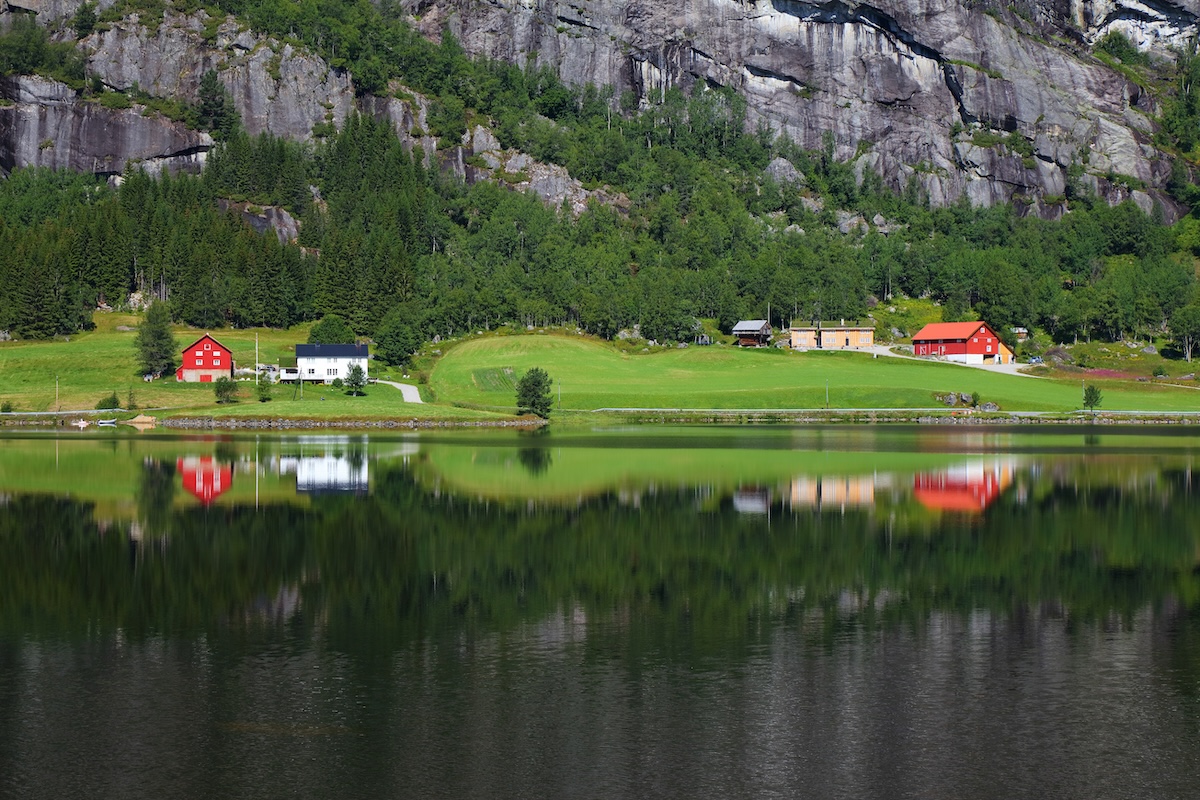
Setesdal stretches through southern Norway, running about 147 kilometers from Evje to Hovden. The river Otra snakes through the valley, connecting small villages most tourists never see.
The region keeps old Norwegian traditions alive in a way that feels genuine. Local families still craft by hand and farm using methods passed down for generations. As you travel north, the landscape shifts—from lush lowlands to wild mountain terrain.
National Road 9 guides you through the valley, winding past historic wooden farms and quiet river spots. Setesdal is perfect if you want outdoor adventures without the crowds that flood Norway’s famous fjords. The pace here slows down, letting you see Norway beyond the usual highlights.
22. Lake Ohrid, North Macedonia
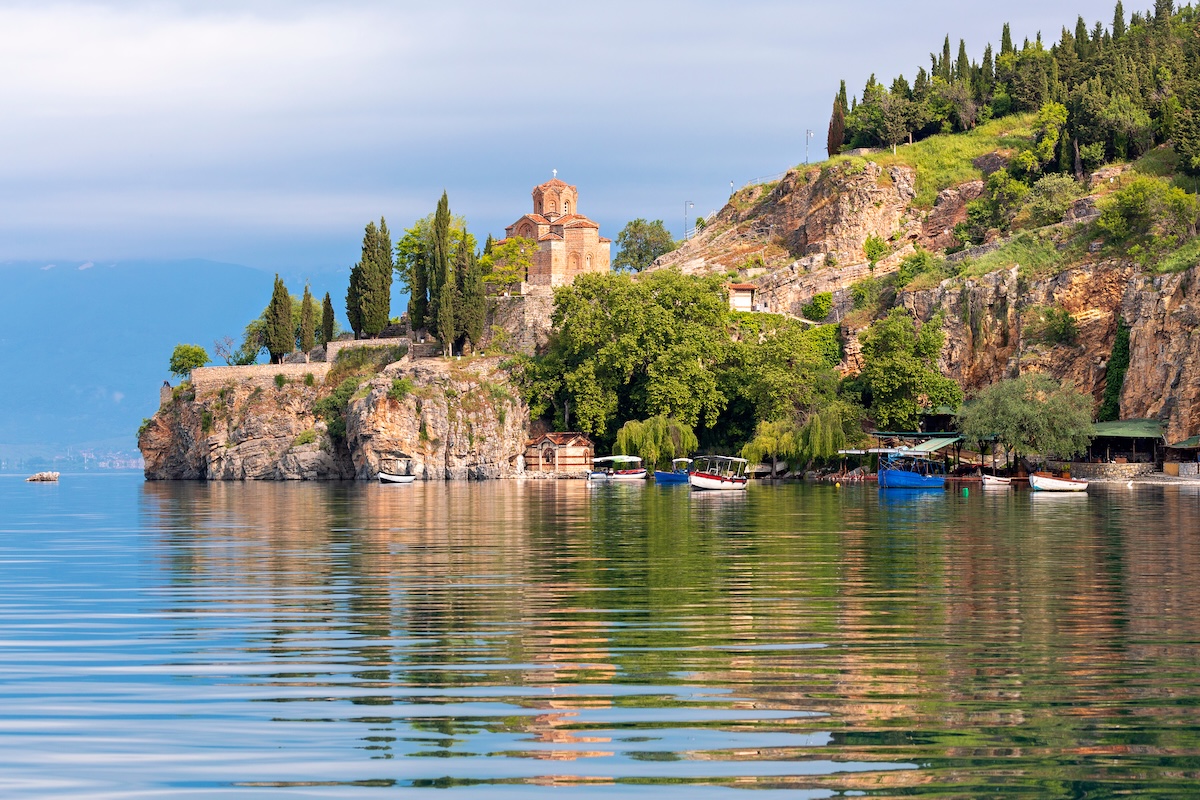
One of Europe’s oldest lakes hides in North Macedonia’s southwestern corner. Lake Ohrid has existed for millions of years, but most travelers have no idea it’s there. The town of Ohrid hugs the water. You can wander narrow streets lined with Byzantine churches and sip coffee at lakeside cafes—no tour groups clogging the way.
The lake is a UNESCO World Heritage Site and home to over 200 species found nowhere else, including the famous Ohrid trout. Swim in clear waters, explore ancient monasteries, or just relax on pebble beaches. The old town feels authentic, untouched by mass tourism.
North Macedonia remains one of Europe’s least-visited countries. That means stunning views and deep history without the usual crowds.
21. Ardennes, Belgium
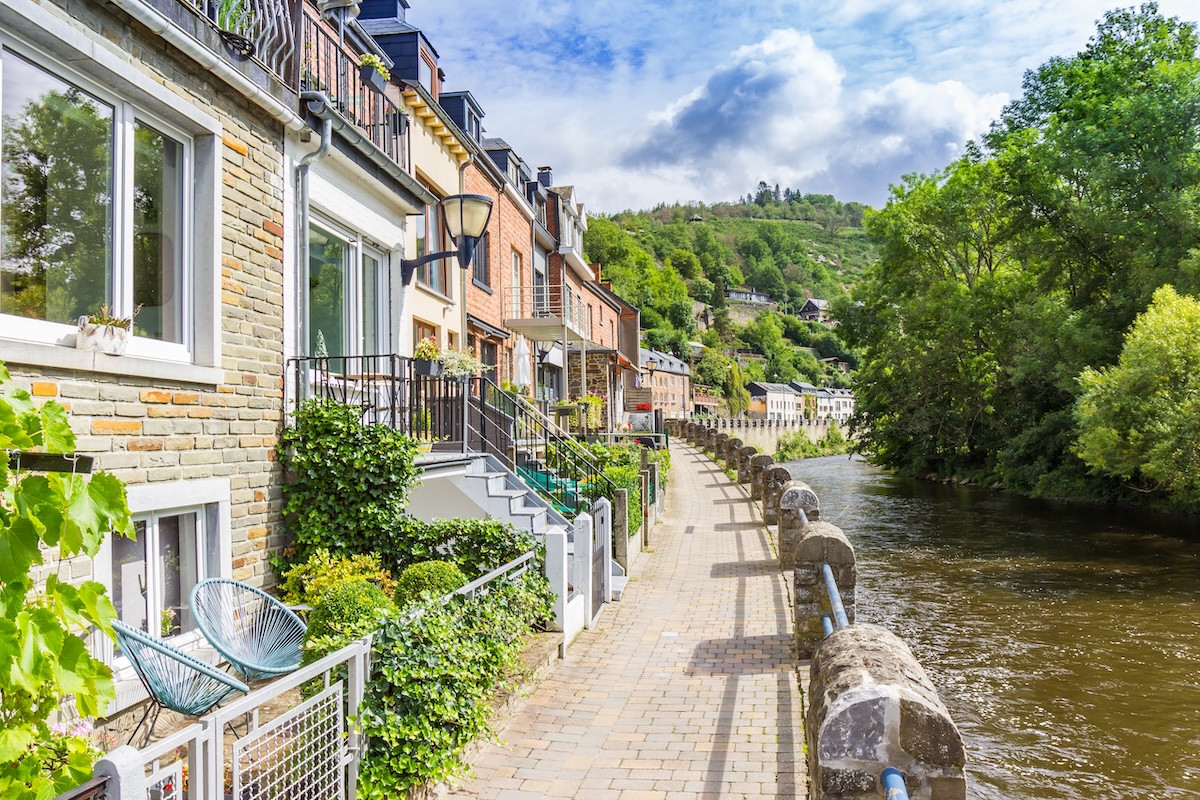
The Belgian Ardennes sits quietly in the southeast, far from the tourist-packed streets of Brussels or Bruges. Dense forests, winding rivers, and small villages seem frozen in time.
The region feels wild and untamed compared to Belgium’s cities. Rolling hills stretch out, cut through by valleys hiding medieval castles and ruins. The forests are thick enough to hike for hours without seeing anyone else.
Explore caves, kayak down the Lesse River, or mountain bike through forest trails—no crowds to dodge. Towns stay small and real, with locals outnumbering visitors, even in peak season. Spring and fall work best for visiting. The Ardennes gives you that rare European experience where nature takes center stage and you don’t have to share every viewpoint.
20. Innsbruck, Austria
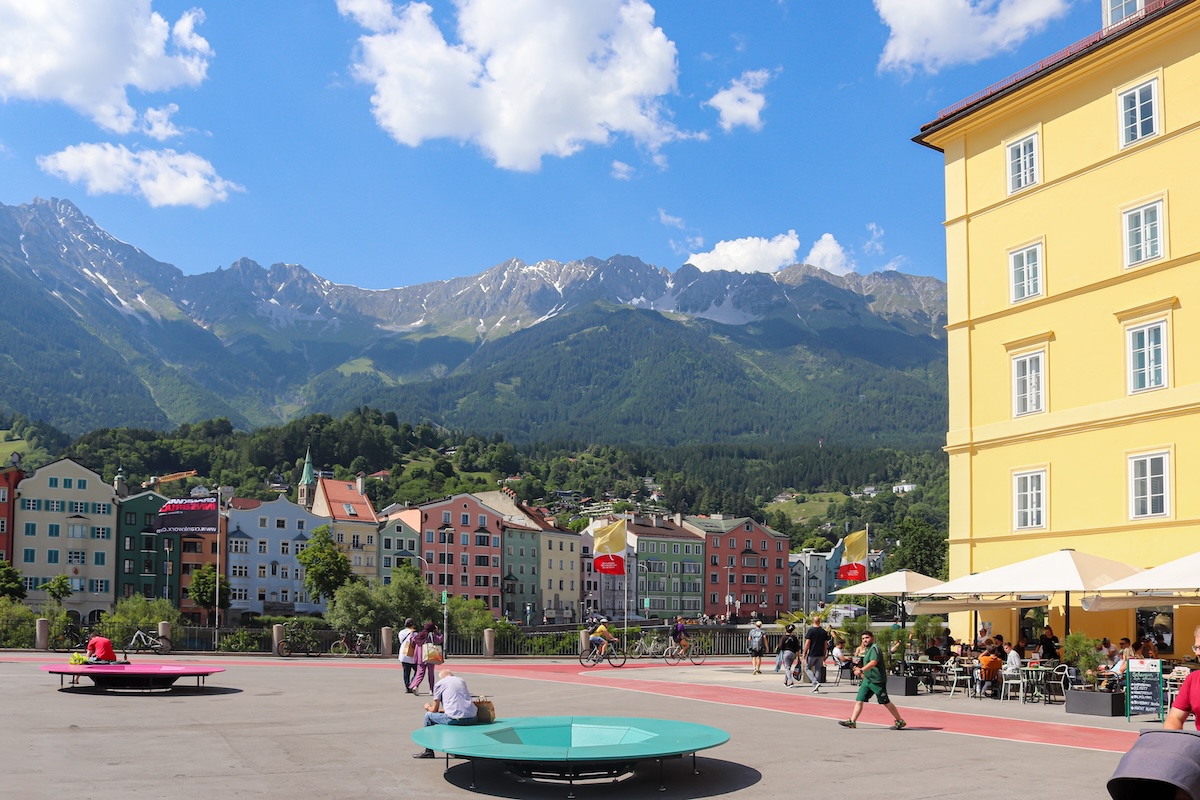
Innsbruck nestles between towering Alpine peaks and offers a quieter alternative to Austria’s busy tourist cities. You’ll find fewer crowds here than in Vienna or Salzburg, especially during shoulder seasons.
The old town feels lived-in. Local cafes outnumber tourist traps, and you can wander the colorful medieval streets without weaving through tour groups. Cable cars whisk you into the mountains in minutes—hiking trails stay surprisingly empty even in summer.
Spring and fall offer the most solitude. Explore historic churches, ride scenic gondolas, and browse local markets. The city strikes a nice balance between mountain adventure and cultural attractions. Even in winter, when skiers arrive, the town never feels overwhelming. Quiet corners and peaceful mountain views are easy to find.
19. Maramureș, Romania
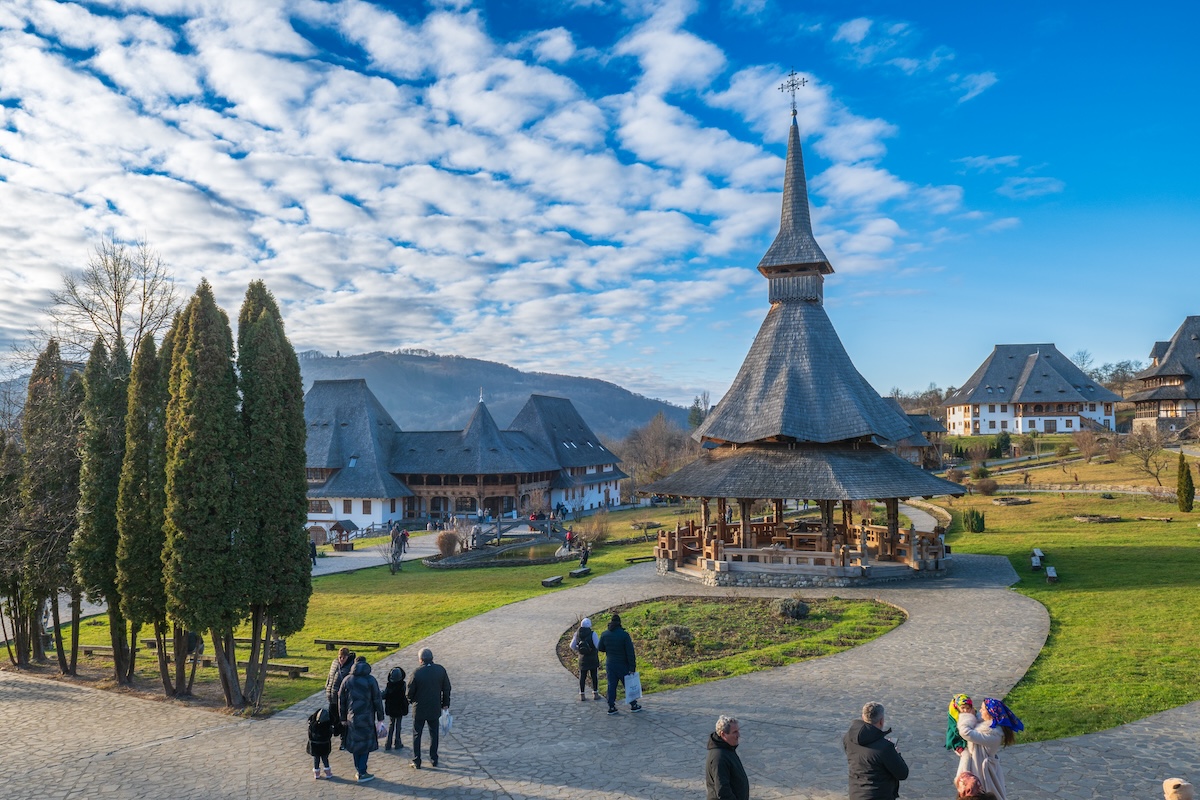
In Romania’s northwest, Maramureș remains one of Europe’s most authentic rural regions. Locals still follow traditional ways of life that haven’t changed much in generations.
The region is famous for its wooden churches, many now UNESCO World Heritage Sites. Builders constructed these without nails, and their tall spires dot the countryside. In small villages, you’ll still see horse-drawn carts and farmers working by hand.
The Maramureș Mountains Natural Park offers hiking through rugged peaks and green valleys. You won’t run into tour buses or crowded attractions. Locals often welcome visitors and share their customs. It’s a rare chance to see European village life as it once was, without the crowds found elsewhere.
18. Gothenburg, Sweden
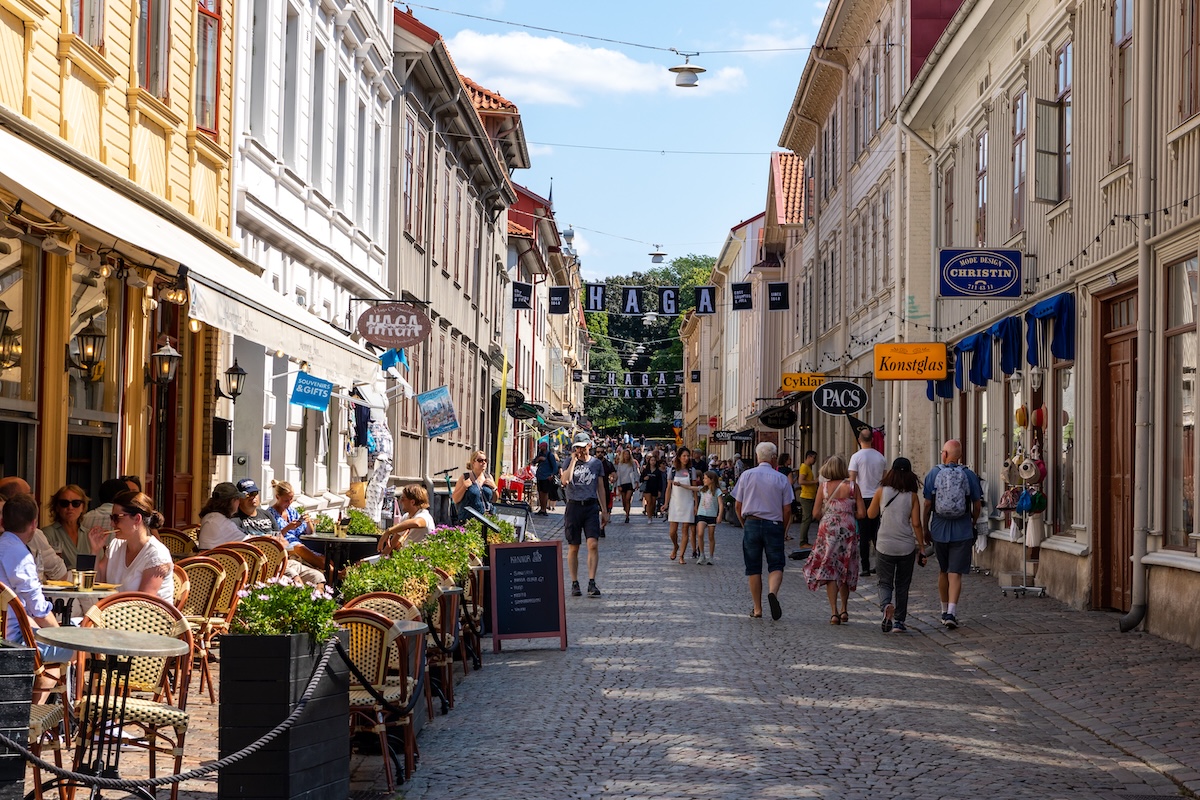
Sweden’s second-largest city, Gothenburg, gives you a break from the usual tourist crowds. Sitting on the west coast, it mixes urban energy with coastal calm—no chaos like Stockholm or Copenhagen.
Getting around is easy thanks to a well-connected public transport system. You can visit the Gothenburg City Museum for Viking relics, or relax in green spaces like Jonsered Gardens. The food scene here is worth your attention. There are Michelin Guide restaurants and fresh seafood straight from the coast.
Day trips to the nearby archipelago bring beaches and island adventures. The city balances culture, nature, and sustainability in a way that feels genuine, not touristy.
17. Asturias, Spain
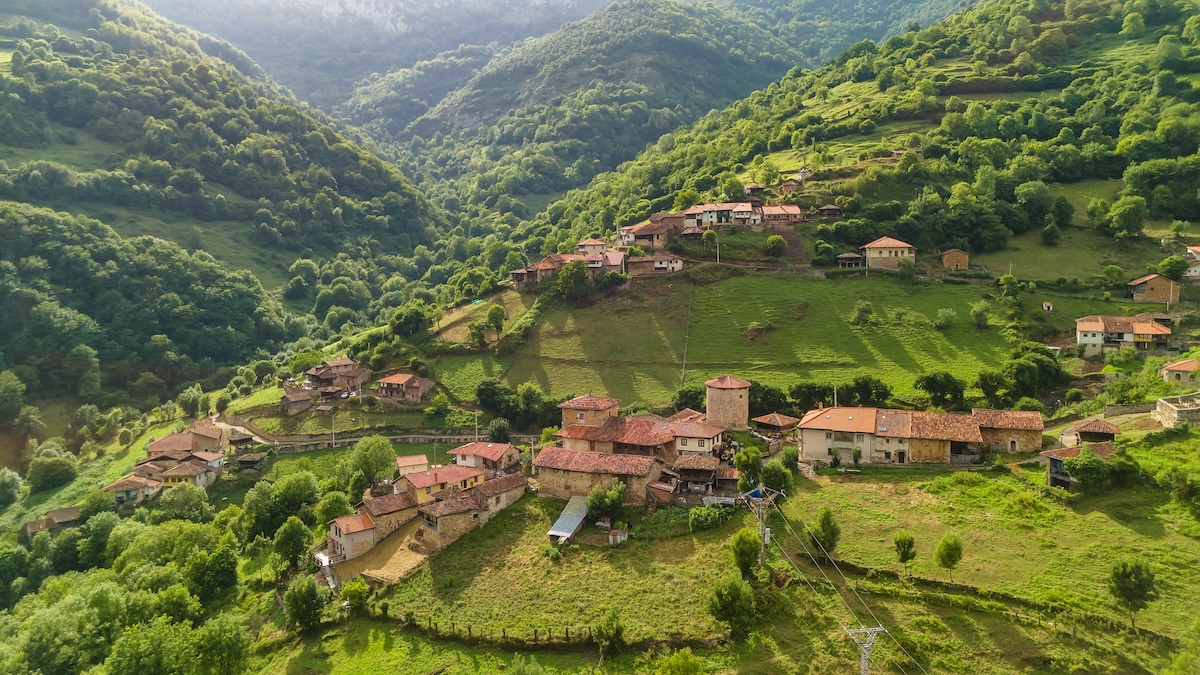
Asturias, tucked along Spain’s northern coast, sits between Galicia and Cantabria. It offers green mountains and rugged beaches—without the crowds.
The Picos de Europa mountains rise just 15 kilometers from the Atlantic. You can hike through dramatic peaks in the morning and relax on wild coastline by afternoon. Medieval villages fill the valleys, and locals still pour cider the traditional way.
The food here rivals anywhere in Spain, and you won’t need to fight for a table. Fresh seafood, local cheeses, and hearty bean stews fill the menus. Getting around takes a bit of effort since Asturias doesn’t attract package tours. But that’s exactly why it works if you want real Spain, free from selfie sticks and tour buses.
16. Gozo, Malta
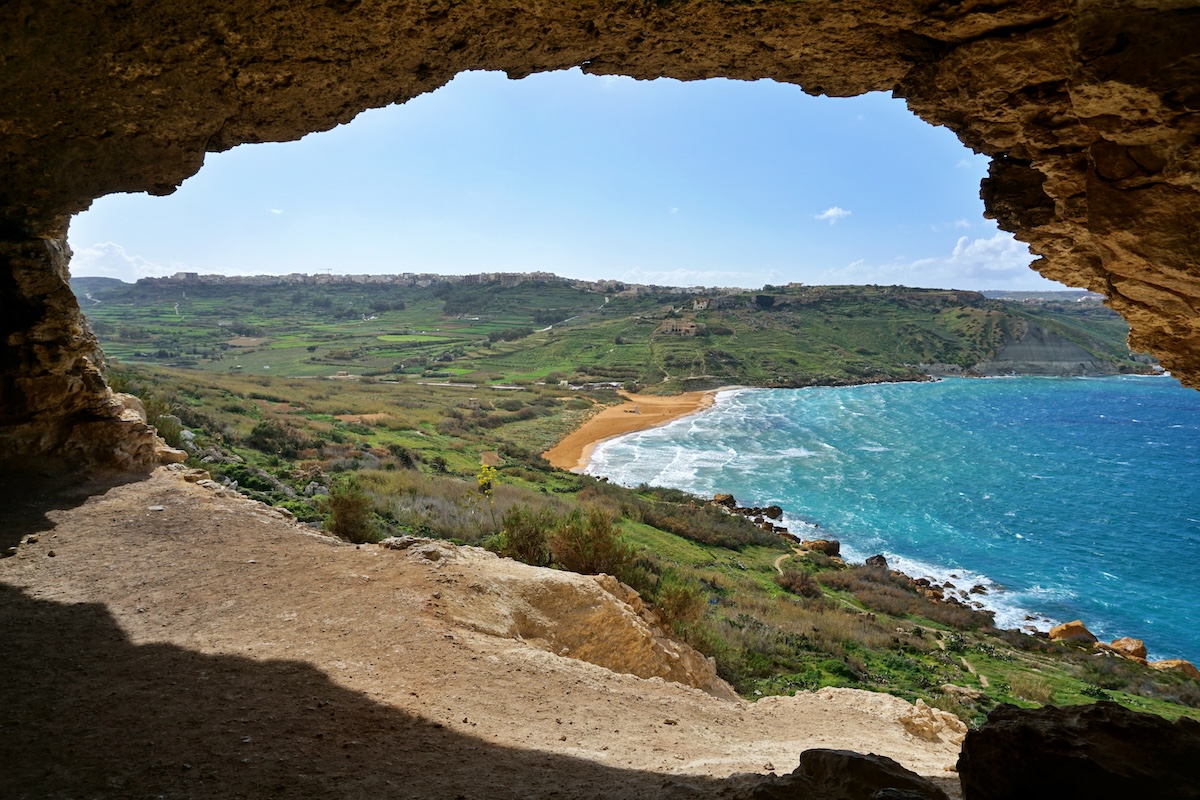
Gozo, just a short ferry ride from Malta’s main island, feels like a world apart. The pace slows down here. Villages like Nadur and Xaghra have quiet streets, and locals greet visitors with genuine warmth. Wander ancient temples, hike along cliffs, or find hidden coves—no crowds in sight.
Gozo stays greener and more traditional than its busier neighbor. Beaches offer clear water for swimming and snorkeling, and you won’t need to stake out your spot early.
The island shines when you want authentic experiences over polished attractions. Village festivals pop up throughout the year, giving you a peek into real island life. Your days can be as simple or adventurous as you like.
15. Finnish Lapland
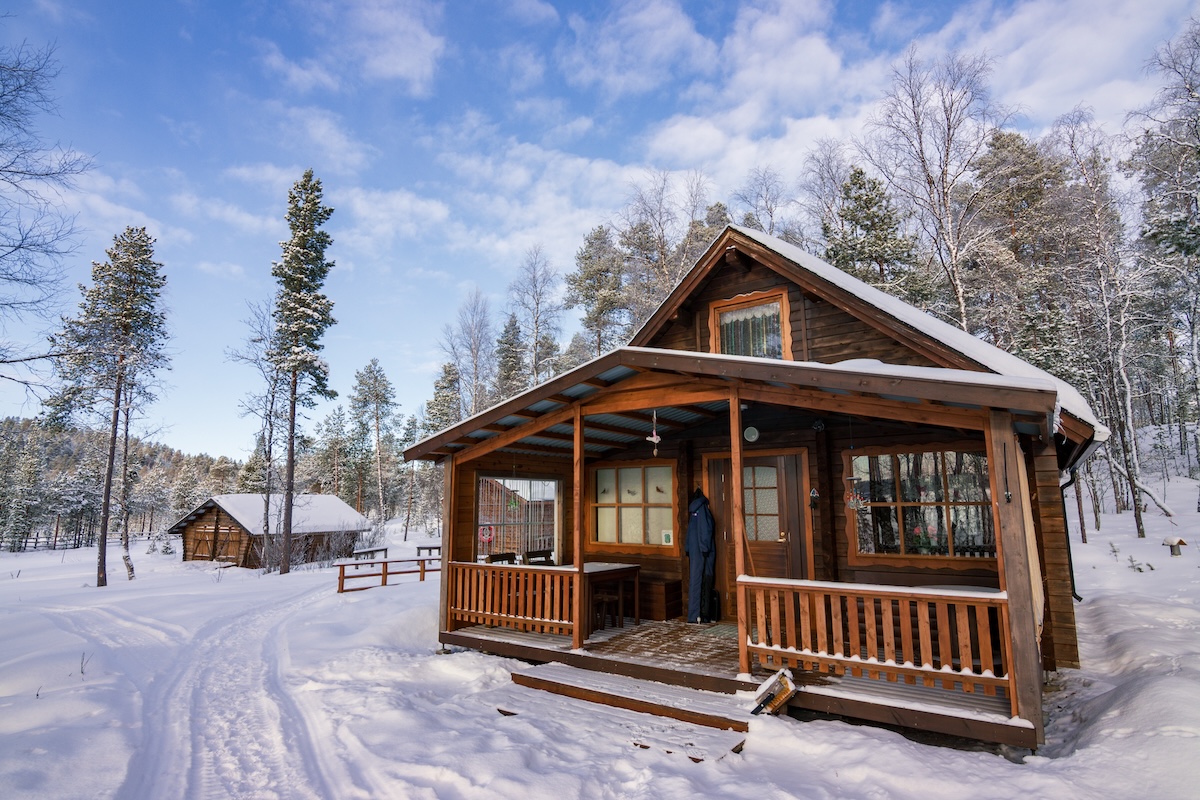
Finnish Lapland lets you truly leave the crowds behind. This vast region, about the size of Portugal, has only 180,000 residents—and more reindeer than people.
Skip the busy tourist hubs and head for quieter spots like Saariselkä. Remote villages offer authentic Arctic experiences without packed attractions. Stay in luxury cabins hidden in the forest or glass igloos where you can watch the Northern Lights from bed.
There are 21 different municipalities to explore, each with its own flavor. Visit frozen waterfalls, meet reindeer, and enjoy private saunas in total peace. Winter brings snow-covered forests and magical landscapes that feel like another world.
14. Rila Mountains, Bulgaria
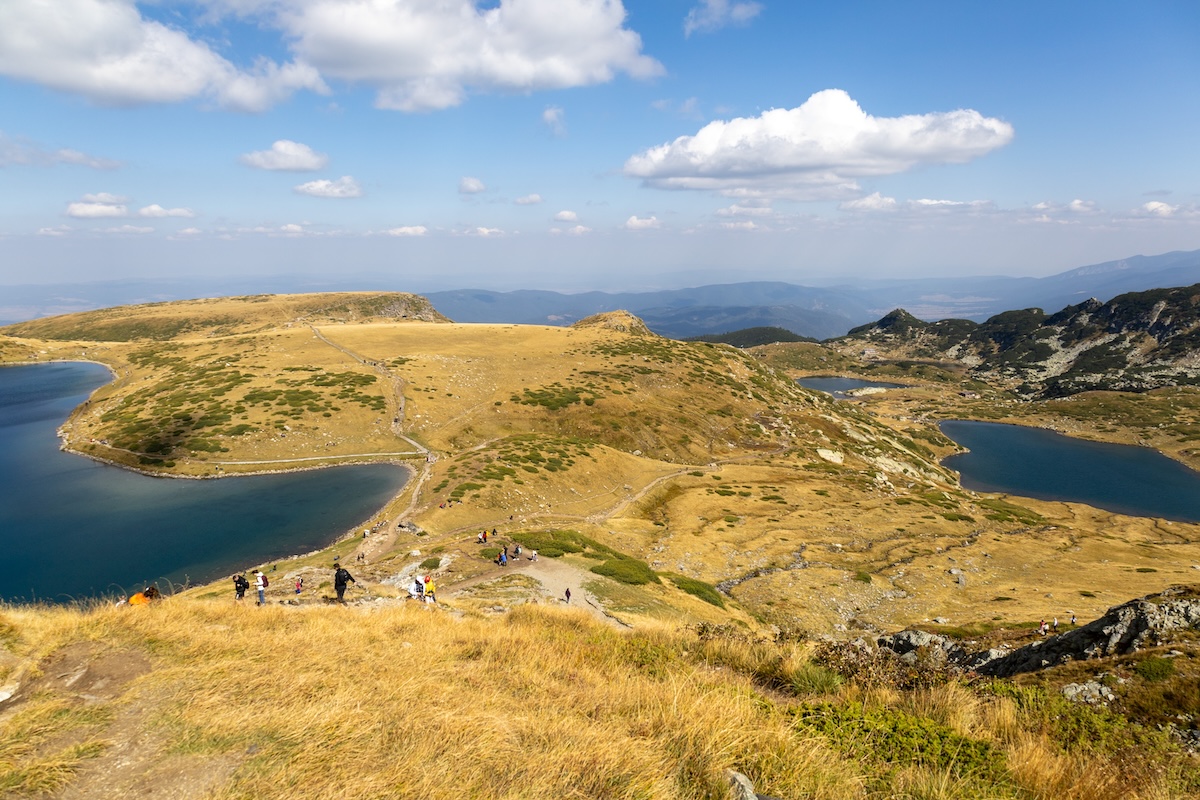
The Rila Mountains rise in southwestern Bulgaria as the highest range between the Alps and the Caucasus. Mount Musala stands at 2,925 meters, the tallest summit in the Balkans. Far fewer tourists make it here than to Europe’s famous mountain ranges. Trails wind through jagged peaks and old forests that most travelers miss.
The Seven Rila Lakes are the main draw. These glacial lakes sit over 2,000 meters high, each named for its shape—”eye,” “tear,” “kidney,” and so on. Take a chairlift partway or hike the full route yourself.
Rila National Park protects much of the area and offers hiking paths for all levels. Early morning hikes mean clear views and empty trails. Even during peak season, the mountains stay quiet.
13. Dundee, Scotland
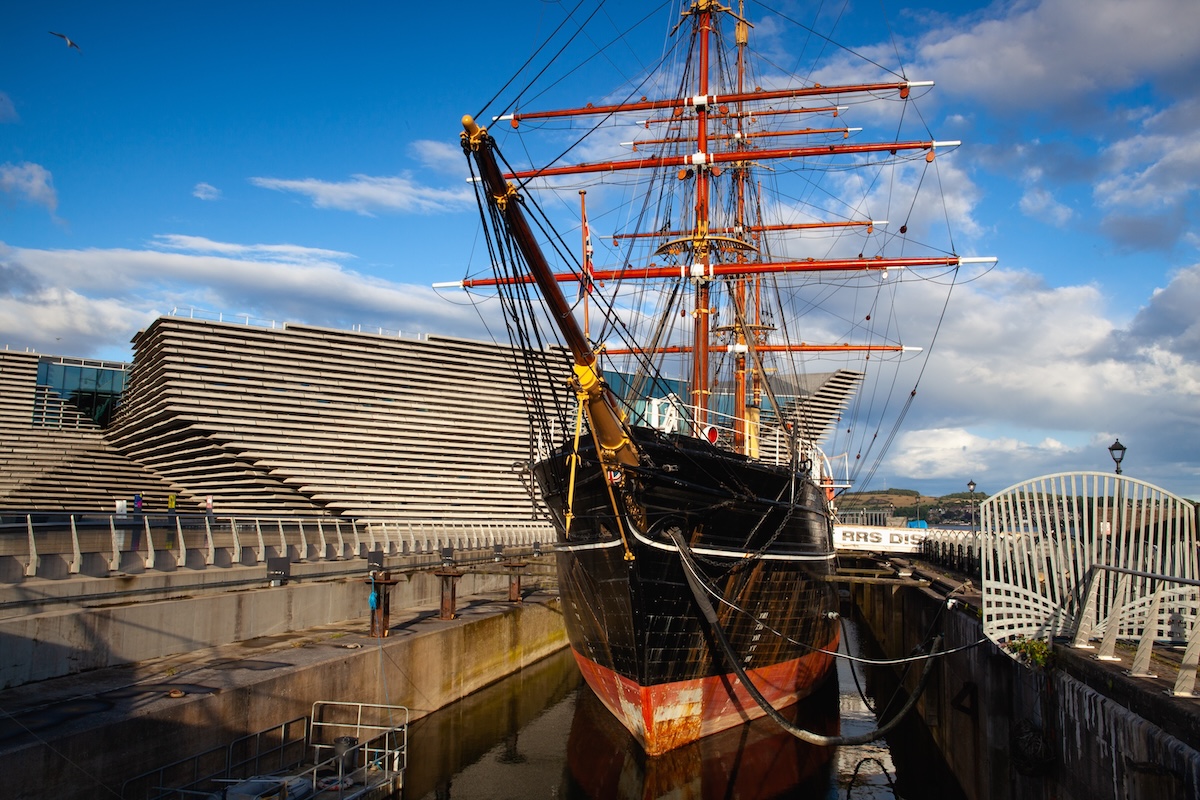
Dundee sits on Scotland’s east coast and gives you a real break from tourist-heavy Edinburgh and Glasgow. You can explore the V&A Museum, Scotland’s first design museum, without battling crowds. The waterfront area now features modern architecture and public spaces that rarely feel packed.
The city makes it easy to find street art and creative neighborhoods. Independent shops and cafes fill the streets, and locals actually outnumber visitors. Dundee also works well as a base for nearby adventures.
Day trips to quieter parts of Perthshire and Angus are simple from here. Ticket prices stay reasonable compared to bigger Scottish spots, and you won’t spend your day waiting in lines or jostling for photos at landmarks.
12. Herceg Novi, Montenegro
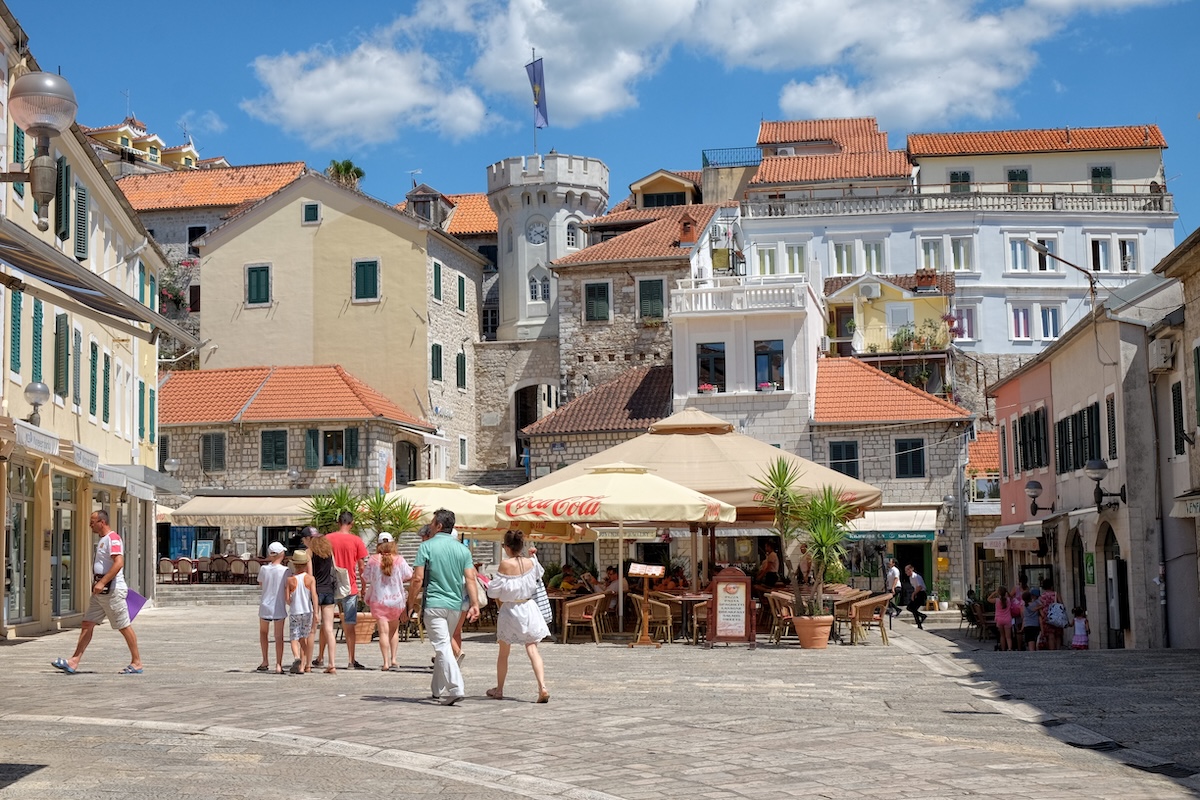
Herceg Novi sits at the entrance to the Bay of Kotor, but somehow, it doesn’t pull in nearly as many visitors as its famous neighbors. While crowds cram into Kotor and Budva, this coastal town stays pretty mellow and—honestly—refreshing.
There’s over 15 miles of coastline here, and you won’t get hit with those wild price tags you’ll find at the more hyped-up beach spots. The old town’s a mix of historic fortresses, churches, and cozy squares—wander around at your own speed. St. Jeronim Square gives you sweeping views, and nobody’s elbowing you out of the way for the perfect shot.
Down by the water, the cafes and restaurants have more locals than tourists. You might hop on a boat for a cruise along the coast or just sprawl out on the beach for a while. Herceg Novi hasn’t hit the big leagues in terms of fame, which means you get the Adriatic’s beauty without the hassle. Feels like a bit of a secret, doesn’t it?
11. Auvergne, France
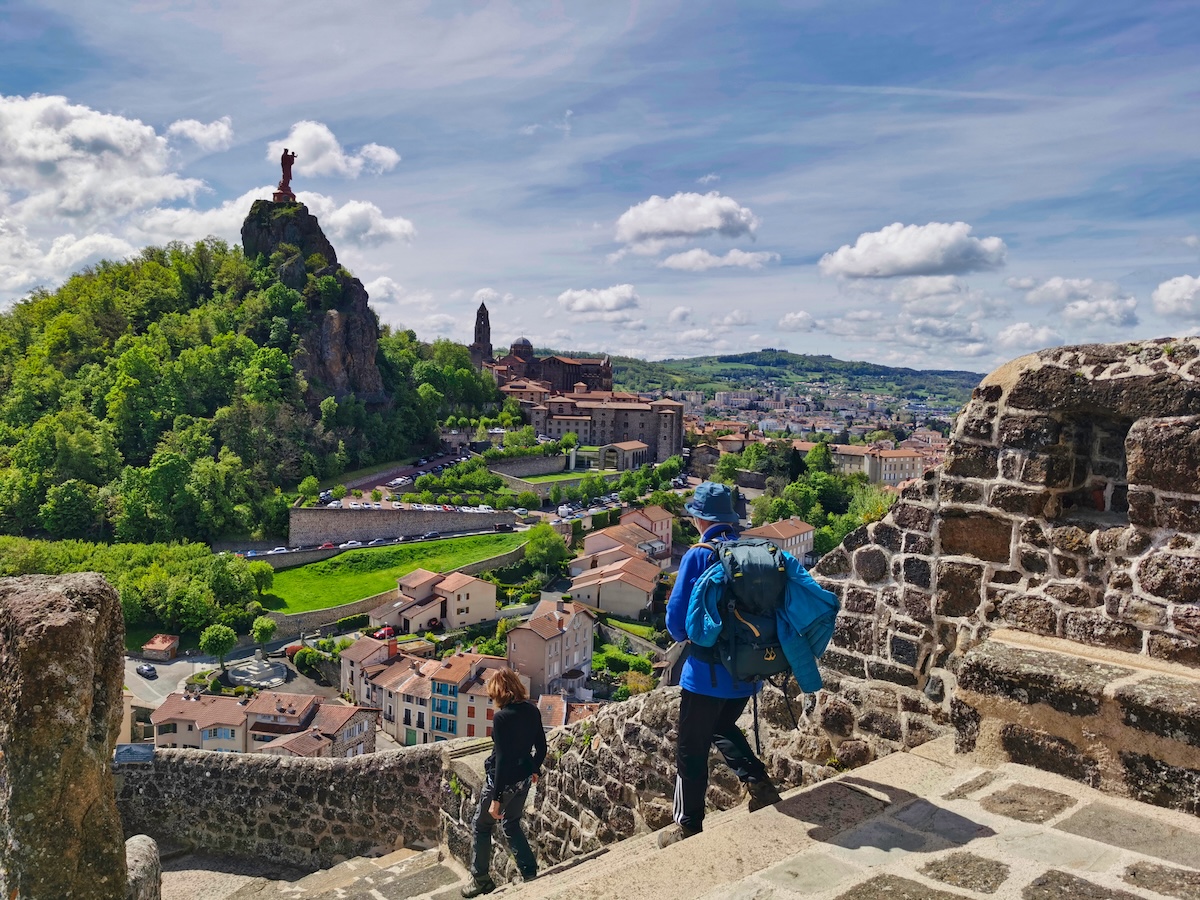
You’ll find one of France’s best-kept secrets tucked away in the Auvergne region. Most international travelers haven’t stumbled across this spot yet, so you won’t have to dodge crowds of tourists. This region sits right in the heart of France, showing off its volcanic mountains and dense forests. Spend your days hiking quiet valleys, biking peaceful trails, maybe even fishing or riding horses if that’s your thing.
French visitors come here for spa towns like Vichy and Le Mont Dore. That means you get a real French vibe—no tourist traps, just locals and affordable wine. You’ll actually hear French spoken everywhere, which feels refreshing.
The volcanic landscape sets this place apart from the usual French destinations. Explore hot springs, climb old peaks, or just kick back by a calm lake. It’s a different pace, and honestly, that’s part of the charm.
10. Aveiro, Portugal
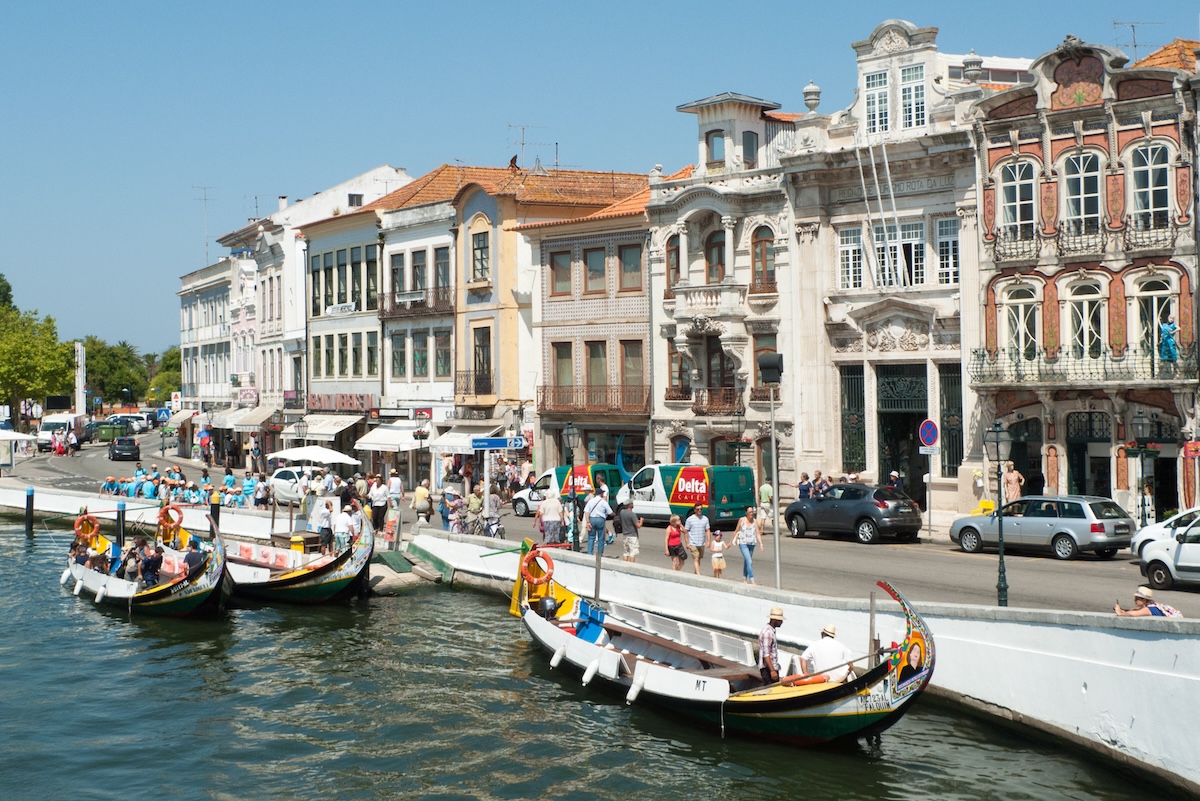
Often called “Portuguese Venice” (though locals roll their eyes at the comparison), Aveiro offers colorful canals without the crushing crowds or prices. Brightly painted moliceiro boats slide through waterways lined with art nouveau buildings in ice-cream colors.
The town’s salt pans create surreal landscapes and produce fleur de sel that chefs swoon over. Don’t miss ovos moles, sweet egg-yolk treats traditionally made by local nuns. Just 45 minutes from Porto by train, Aveiro makes a perfect day trip or better yet, an overnight stay when day-trippers vanish and you can enjoy sunset canal-side drinks in peace.
9. Abruzzo, Italy
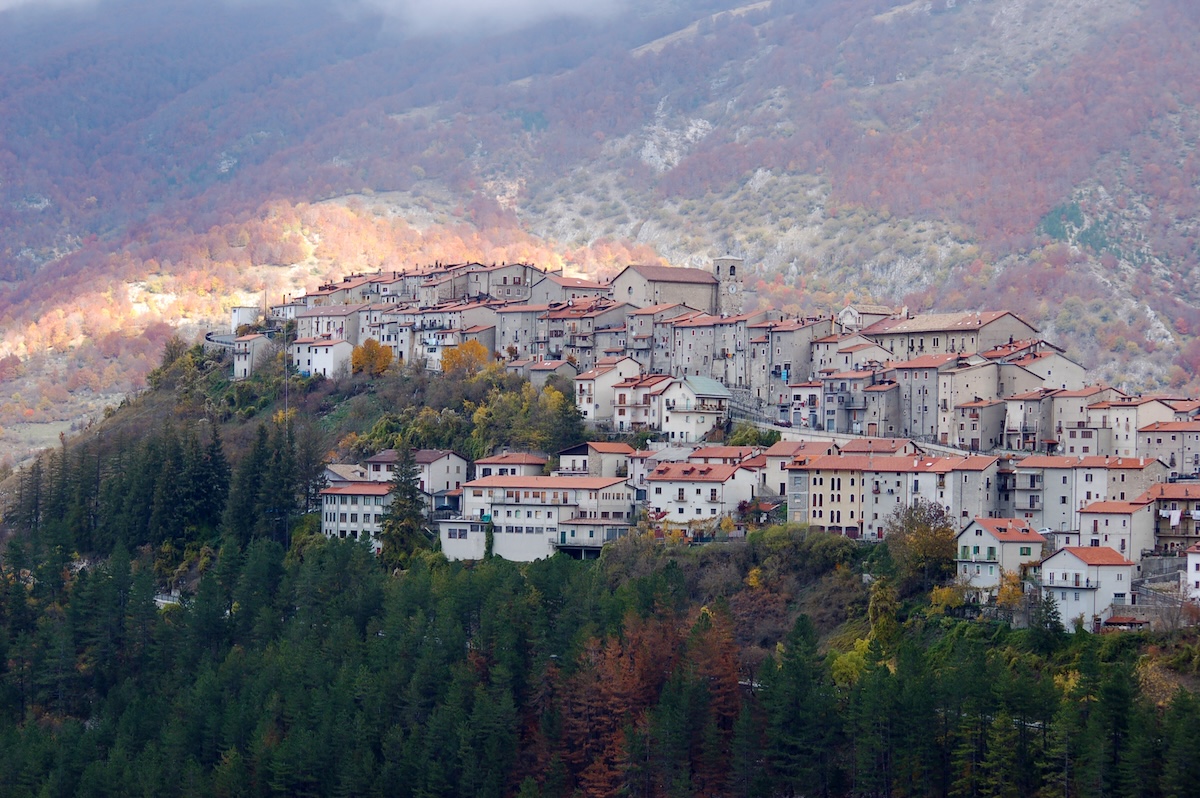
While tourists clog Tuscany’s hills and overwhelm the Amalfi Coast, Abruzzo sits remarkably untouched despite being just a two-hour drive from Rome. This rugged region offers the perfect Italian trifecta: mountains, beaches, and medieval villages—all with minimal tourist infrastructure and maximum authenticity.
A third of the region is protected in national parks where wolves and bears still roam. The coastline stretches 130km with Blue Flag beaches often empty outside August. In hilltop towns like Santo Stefano di Sessanio, you’ll find restored alberghi diffusi—”scattered hotels” spread throughout historic buildings—where you’ll likely dine with locals rather than other tourists.
8. Kefalonia, Greece
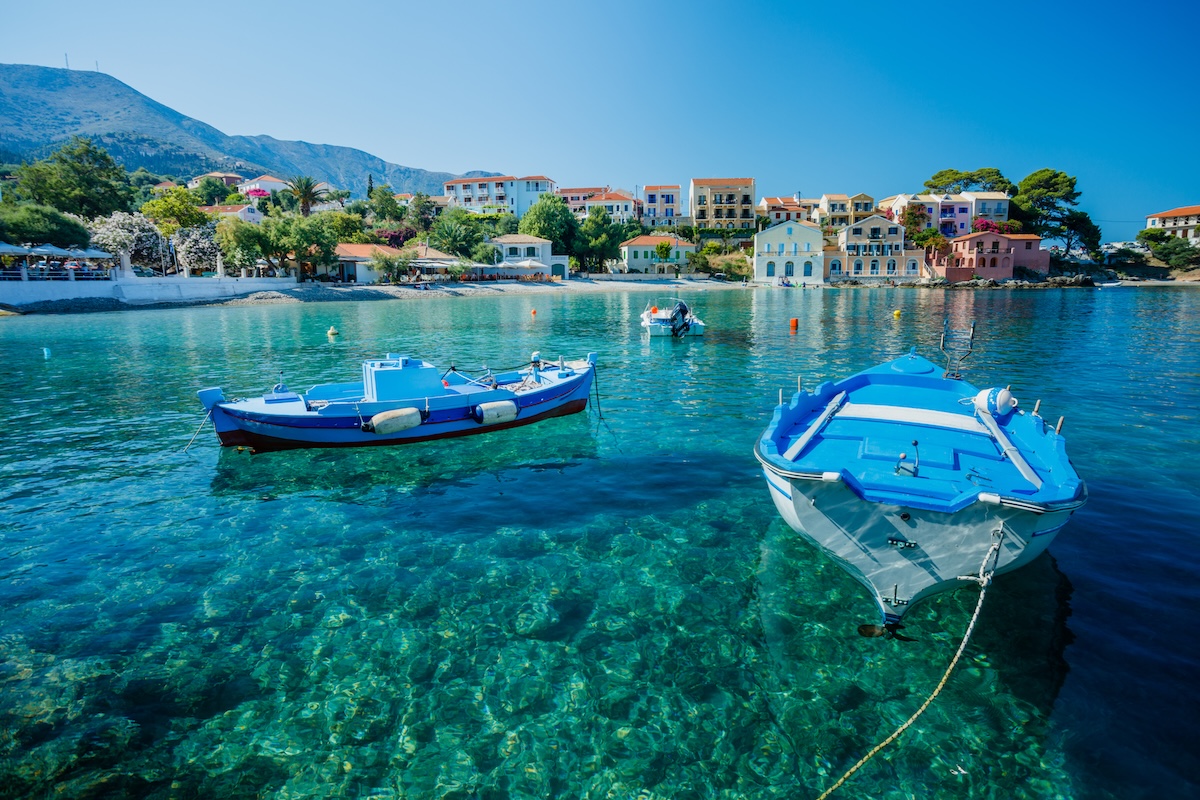
While Santorini groans under sunset-seekers and Mykonos prices reach stratospheric heights, Kefalonia remains surprisingly untrampled despite starring in “Captain Corelli’s Mandolin.” The largest Ionian island offers dramatically diverse landscapes: limestone cliffs plunge into azure waters at Myrtos Beach, while underground Lake Melissani glows in otherworldly blue when sunlight penetrates its collapsed roof.
The island’s size means crowds disperse naturally, with enough hidden coves that finding your own private swimming spot isn’t fantasy. Fiskardo, the only village left standing after the 1953 earthquake, offers Venetian-era charm without Cycladic price tags. The local Robola wine and just-caught seafood provide perfect accompaniments to those legendary Greek sunsets.
7. Kutná Hora, Czechia
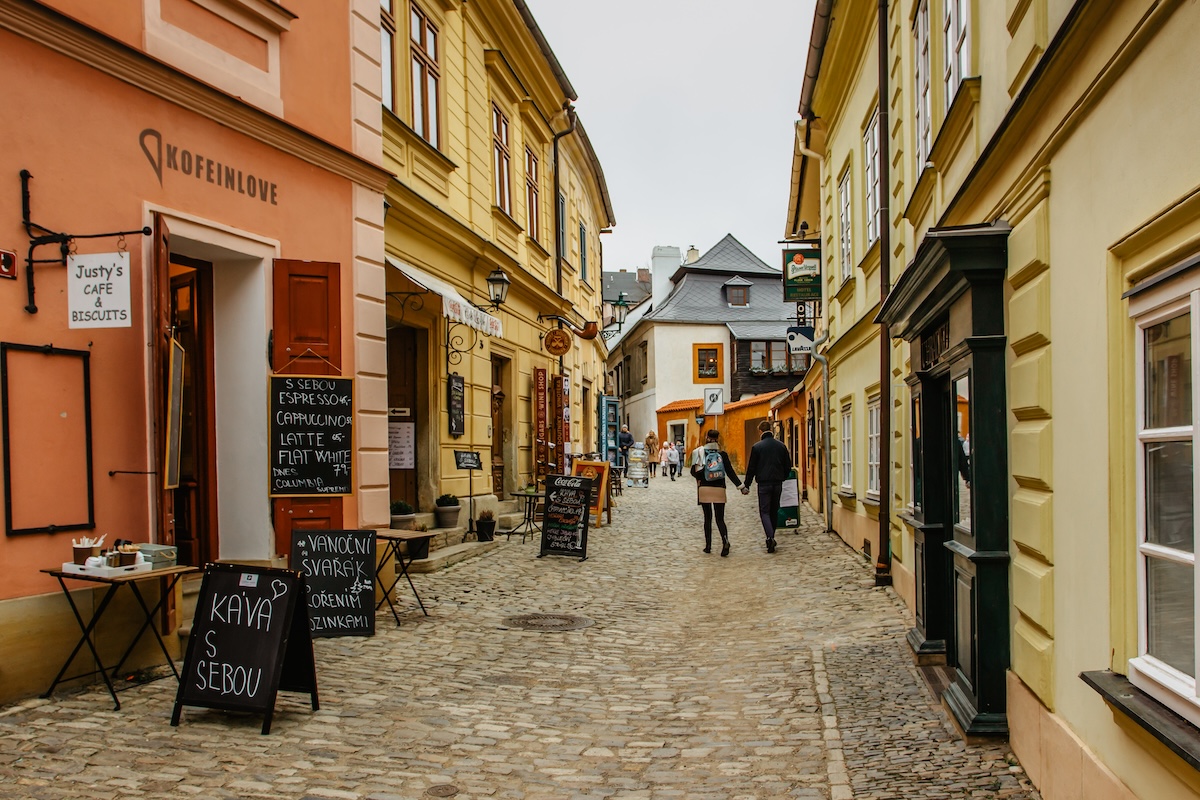
While Prague’s Charles Bridge becomes nearly impassable in high season, medieval Kutná Hora sits just an hour away, offering architectural splendors with room to breathe. Once Bohemia’s second city thanks to silver mining, today’s Kutná Hora retains stunning Gothic architecture and a decidedly unhurried atmosphere. The UNESCO-listed St. Barbara’s Church rivals Prague’s most impressive cathedrals, while the former royal mint tells the story of what was essentially medieval Europe’s Fort Knox.
Yes, the famous Sedlec Ossuary—decorated with the bones of 40,000 people—attracts day-trippers, but they rarely venture into the atmospheric old town. Visit mid-week and you might have the cobbled streets largely to yourself.
6. Utrecht, Netherlands
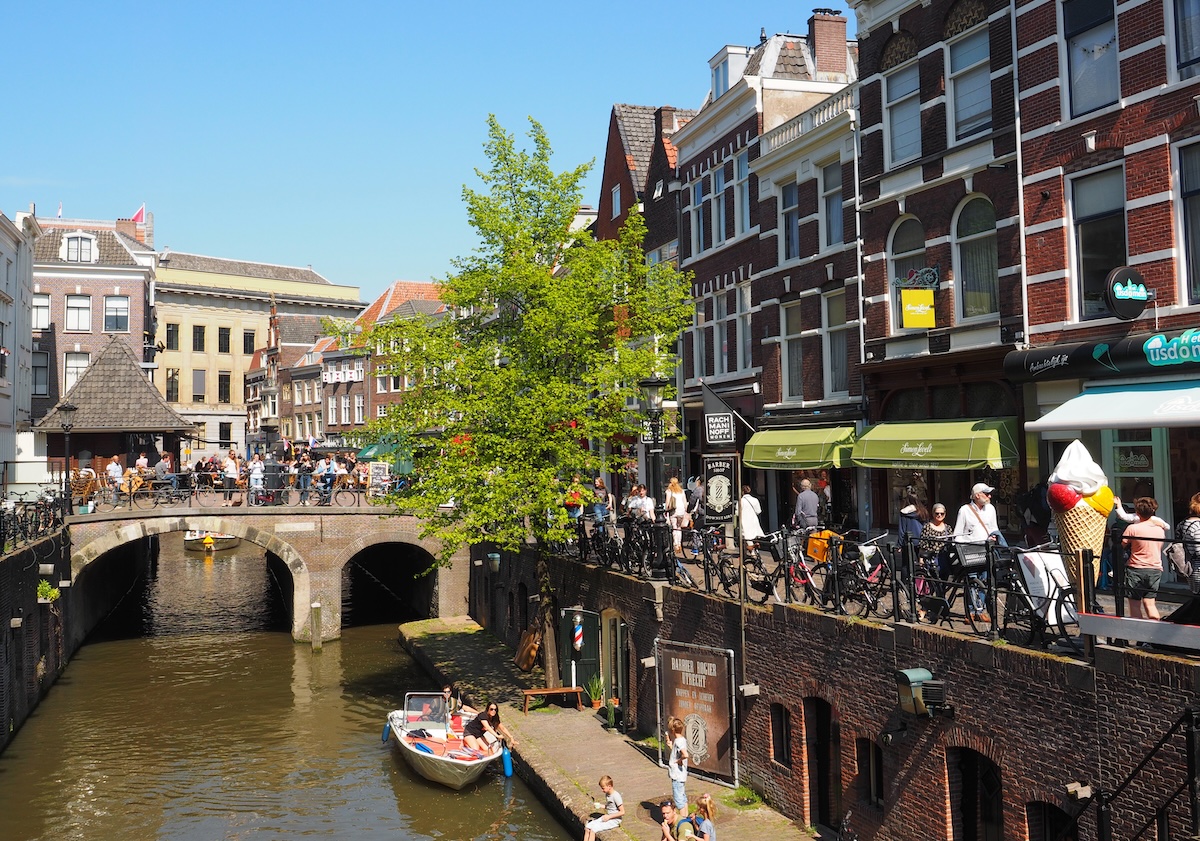
While tourists pack Amsterdam’s narrow streets, locals know that Utrecht offers similar canal-side charm with a fraction of the crowds. Just 25 minutes by train from Amsterdam, this university city features distinctive split-level canals with waterside cellars now housing cozy cafés and restaurants. The Dom Tower soars 112 meters above the medieval center, while the striking Rietveld Schröder House showcases Dutch modernist design at its finest.
Utrecht’s cycling paradise status exceeds even Amsterdam’s, with the world’s largest bicycle parking garage holding 12,500 bikes. The floating flower market, excellent museums, and vibrant food scene check all the Dutch-experience boxes, but you’ll be sharing them primarily with locals, not tour groups.
5. Himare, Albania
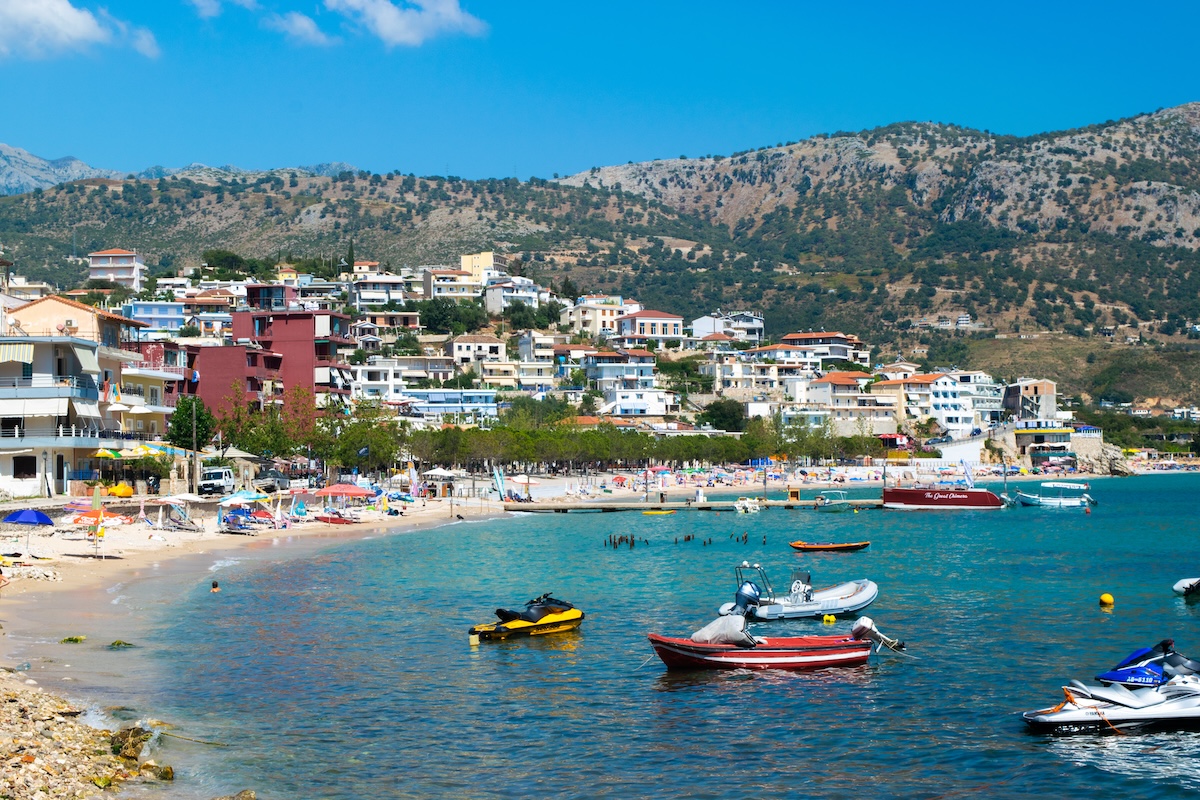
The Albanian Riviera delivers Mediterranean perfection at a fraction of neighboring Greece’s prices—and with a delightful lack of development. Himare anchors this stunning coastline with a laid-back vibe that the rest of Europe’s beach destinations lost decades ago. The town splits between a hillside old quarter with Byzantine ruins and a beachfront stretch where family-run restaurants serve fresh seafood practically on the sand.
Crystal-clear waters rival anything in more famous destinations, while nearby Gjipe Beach—accessible only by boat or a rugged hike—offers the kind of secluded beauty that disappeared from most Mediterranean coastlines years ago. Albania’s complicated history kept mass tourism at bay until recently, creating today’s rare opportunity to experience unspoiled beaches.
4. Wrocław, Poland

While Kraków struggles with bachelor parties and Warsaw attracts business travelers, Wrocław (pronounced “vrot-swaf”) remains Poland’s most charming yet overlooked city. Built across several islands on the Oder River, this colorful university town offers architectural eye candy spanning Gothic to Art Nouveau, often compared to Prague but with locals still outnumbering visitors.
The medieval market square rivals any in Europe, surrounded by pastel-colored burgher houses and crowned by a magnificent Gothic town hall. Wrocław’s whimsical side emerges through hundreds of tiny bronze gnome statues scattered throughout the city—originally symbols of the anti-communist Orange Alternative movement. Cathedral Island’s religious buildings illuminated at night create magical reflections on surrounding waters.
3. Faroe Islands
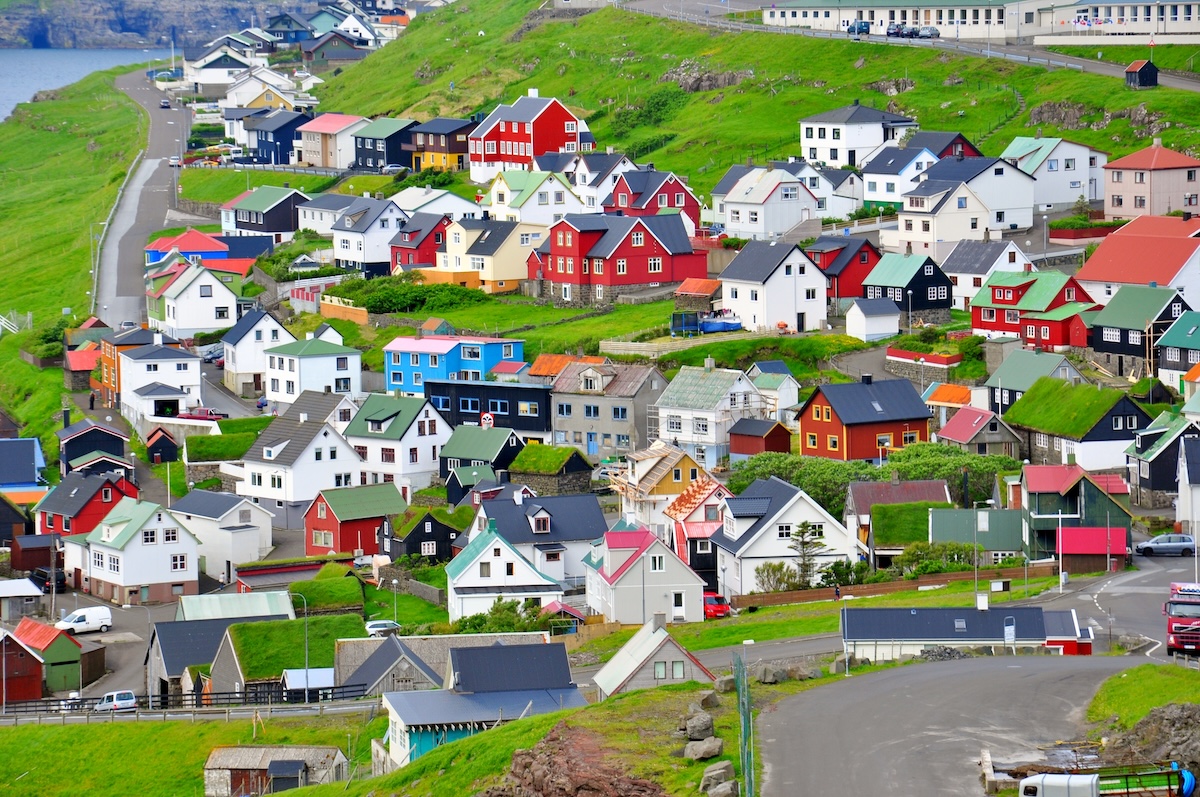
When your nearest neighbors are Scotland and Iceland but you’re still considered “remote,” you know crowds won’t be an issue. This self-governing Danish archipelago of 18 volcanic islands offers drama on a mythological scale: sea stacks puncturing fog banks, sheer cliffs plunging into churning seas, and waterfalls that appear to flow upward in strong winds.
The Faroes limit tourism deliberately, focusing on sustainability over numbers—there’s even an annual “Closed for Maintenance” weekend where tourists can visit only if they help with conservation projects. Grass-roofed wooden houses cluster in tiny villages where sheep outnumber humans. Hiking trails deliver heart-stopping vistas without another soul in sight.
2. Turin, Italy
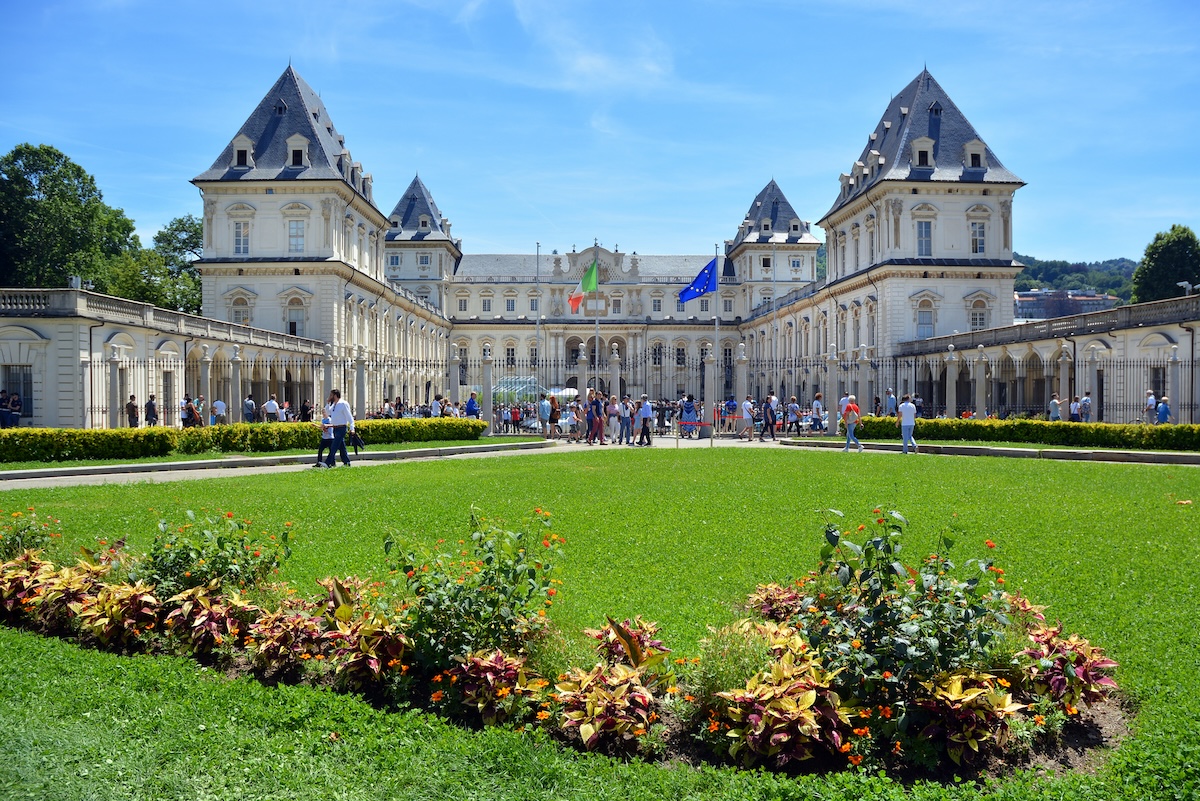
While tourists mob Rome-Florence-Venice, sophisticated Turin radiates northern Italian elegance without the crowds. The former seat of the Savoy dynasty and Italy’s first capital boasts baroque architecture, 11 miles of arcaded shopping streets, and more parkland than any other Italian city. The Egyptian Museum houses the most important collection of Egyptian artifacts outside Cairo, while the Shroud of Turin occasionally goes on display in the Cathedral.
Coffee culture reaches religious proportions in historic cafés where Italy’s chocolate tradition was born—try bicerin, the heavenly layered coffee-chocolate-cream concoction. Beyond city limits, the Alps provide a dramatic backdrop, with Piedmont wine country and its renowned Barolo vineyards just a short drive away.
1. Mérida, Spain

While Barcelona and Seville strain under tourism’s weight, Mérida keeps its extraordinary Roman treasures relatively visitor-free. Spain’s best-preserved Roman city contains monuments that would be swarmed if located elsewhere—including the spectacular Teatro Romano, which still hosts summer performances against an astonishingly intact ancient backdrop.
The Los Milagros Aqueduct and Temple of Diana testify to Roman engineering prowess, while the National Museum of Roman Art houses one of Spain’s finest archaeological collections. Located in Extremadura, Spain’s least-visited autonomous community despite its extraordinary heritage, Mérida offers authentic experiences increasingly rare in Spanish tourism hotspots. Visit during the Classical Theatre Festival to see ancient venues used as their Roman builders intended.