
Touropia Logo

Touropia Travel

Discover the World

  • Destinations
  • Videos

This Picturesque Town Was Voted One of the West’s Most Stunning Destinations — Explore the Best of Its Natural Wonders

By Alex Schultz · Last updated on May 13, 2026

Downtown Springdale

Towered over by soaring sandstone cliffs, this tiny desert town sits in one of the most spectacular settings in the American Southwest. Dramatic red rock landscapes and sweeping canyon views make it a breathtaking place to visit.

Springdale lies just outside the entrance to Zion National Park and is often used as a base for exploring its famous trails and towering canyon walls. Despite its small size, the town itself offers plenty to enjoy.

Visitors can wander its charming downtown, take in the surrounding scenery, or set out on outdoor adventures nearby. Floating along the Virgin River and cycling across the rugged landscapes of Gooseberry Mesa are just two of the most popular things to do in Springdale while exploring this remarkable corner of the Southwest.

5. Downtown Springdale
Downtown Springdale

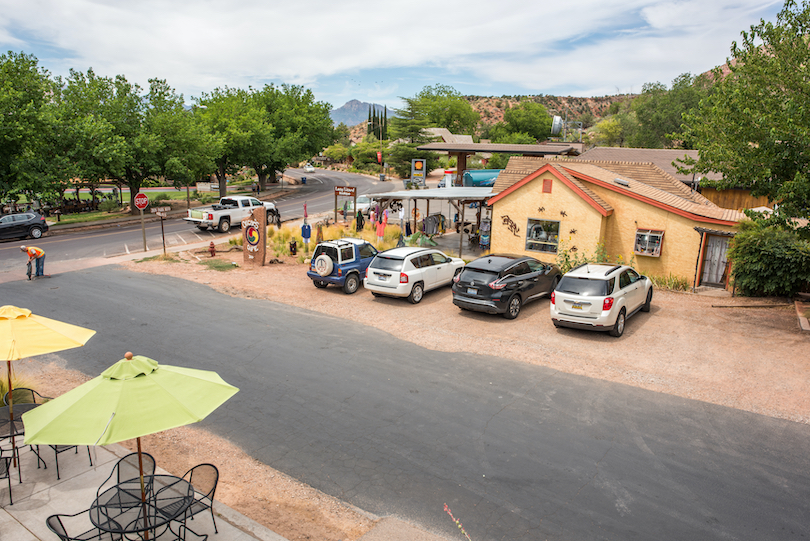
Despite its small size, Downtown Springdale has a surprising amount to see and do, from local stores and restaurants to art galleries and theaters, lining its main drag.

Although the downtown district amounts to just one street, it has cosy cafes and excellent eateries that serve delicious dishes and fresh local produce. You’ll also find countless small shops that sell Native American artworks and jewellery, plus camping supplies and souvenirs aimed at tourists.

As Springdale is a base from which to visit Zion National Park, the downtown district has several cosy inns and lodges for guests to stay at. If you’re looking for something to do whilst in town, there are a handful of fine art and photography galleries. Additionally, two theaters host concerts, shows, and festivals.

4. Gooseberry Mesa Cycling

Gooseberry Mesa Cycling

Set half an hour’s drive to the southwest of Springdale is one of the most rewarding places to go cycling in the region: the gorgeous Gooseberry Mesa.

Gooseberry Mesa has over 200 kilometers of tantalizing trails with most of them being aimed at intermediate mountain bikers. As off-roading is not allowed in Zion National Park, keen bikers head here instead to enjoy the incredible network of trails crisscrossing the massive mesa.

While some are quite simple to cycle, others involve shooting down steep, sharp descents, jumping obstacles and navigating tricky stunt sections. In addition to the challenging terrain, you can cycle along its rugged rim which offers phenomenal panoramas out over mountains, vast valleys and red rock formations.

3. Float the Virgin River
Float the Virgin River

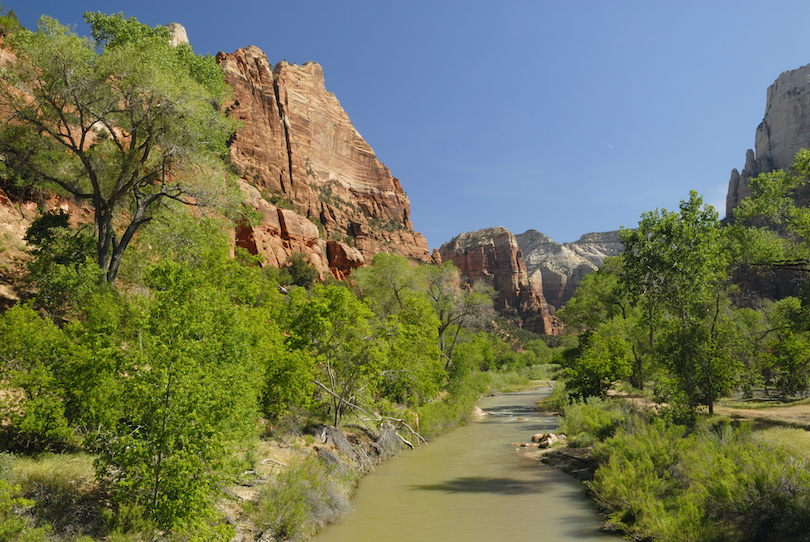
Winding its way alongside Springdale and through Zion National Park is the fast-flowing Virgin River. In the summer months, people go tubing on the river and sit back, relax and take in the sublime scenery as they go.

In Springdale, you can find a couple of companies that will rent you inner tubes and then pick you up downstream after your float. It usually takes around two hours to tube your way to the pick-up point, which is around three or four kilometers further on.

While some scenic stretches are ideal for idyllic drifting, at other parts you may have to drag your tube over shallow sections or navigate rocky rapids. Floating along the Virgin River is an unforgettable experience, as you pass beneath towering sandstone cliffs with beautiful scenery and nature all around you.

2. Grafton Ghost Town
Grafton Ghost Town

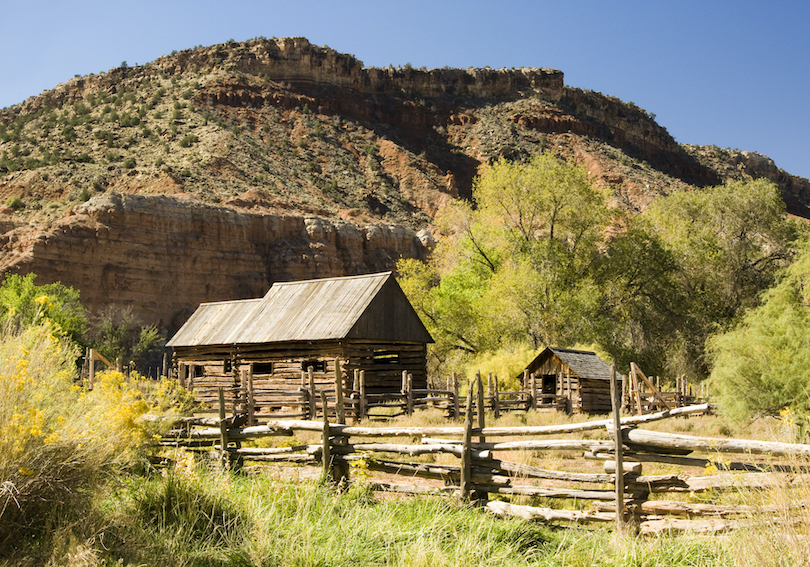
Situated 15 minutes’ drive to the southwest of Springdale is the small settlement of Grafton, one of the most famous ghost towns in the whole of the American West. Abandoned long ago, it’s now a popular tourist attraction with thousands of people visiting each year.

The scenic and secluded spot next to the Virgin River was first settled by Mormon families in 1859. Initially, it grew quickly but floods and feuds with Native Americans eventually led to the town being abandoned. Its last remaining residents finally left in 1944.

Nowadays visitors to Grafton can wander around its well-preserved pioneer cabins; a school, church and graveyard are to be found on-site. Due to its eerie atmosphere, the town has appeared in numerous films over the years; In Old Arizona and Butch Cassidy and the Sundance Kid being the most famous.

1. Zion National Park
Zion National Park

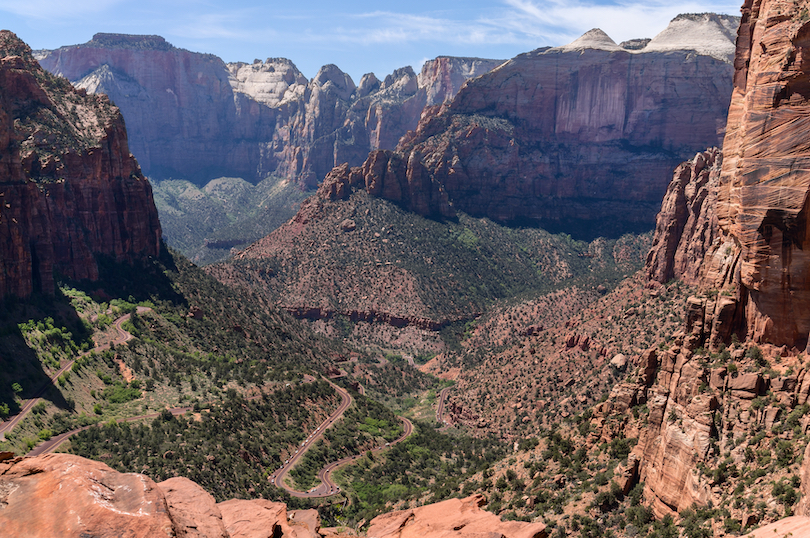
As mentioned, the main reason that most people visit Springdale is due to its proximity to Zion National Park. This is a must-visit for its natural wonders and wealth of outstanding outdoor activities.

Encompassed within its sprawling confines are prominent plateaus and peaks, massive mesas and monoliths, and the winding Virgin River at the bottom of its cavernous canyon. Founded in 1919, the park protects elk and black bears residing amidst its verdant forests and flower-filled meadows.

Hiking and rock climbing around Zion National Park are a treat, with some great camping and canyoneering to be had in both Zion and Kolob canyons.

Map of Things to Do in Springdale

Primary Sidebar

Latest

Bardstown, Kentucky

Bourbon Made This Town Famous, but That’s Not What Makes It Special

George Peabody Library Baltimore Visitor Guide Most visitors don't expect to find one of the most striking interiors in America tucked behind a row of white columns in a quiet Baltimore neighborhood. You walk through the doors of the Peabody Institute in Mount Vernon, turn a corner, and suddenly you're standing beneath a skylit atrium that climbs six stories above a polished marble floor. It stops you cold. The George Peabody Library Baltimore is that kind of place. It doesn't announce itself from the street. There's no flashy signage, no grand plaza. But step inside the stack room and you'll see why people call it a "cathedral of books." Over 300,000 volumes line the walls, and the space itself feels like something pulled from a 19th-century novel you half-remember reading. Johns Hopkins University runs the place as part of its Sheridan Libraries system. This isn’t a museum replica—it’s a working research collection. You can visit for free during public hours, which makes it one of the easiest cultural stops in Baltimore. Whether you’re chasing that perfect symmetrical shot up through the iron balconies or just want a quiet ten minutes surrounded by something genuinely beautiful, the library delivers without asking much of your time or your wallet. Cast-Iron Balconies And The Soaring Atrium The first thing that hits you is the scale. Five tiers of ornamental cast-iron balconies rise from the ground floor and climb 61 feet to a massive skylight that floods the room with natural light. The effect is vertical and dramatic, like standing inside a very elegant cage made of books and ironwork. Each balcony tier is lined with gold-and-black volumes shelved behind low railings, and the repeating geometric patterns of the iron railings create a visual rhythm that photographers obsess over. Point your camera straight up from the center of the floor and you'll get that iconic symmetrical shot that's all over travel feeds. The image almost looks digitally generated, but it's real, and it's been here since 1878. The marble floor adds to the atmosphere. Sound carries differently in here. Footsteps echo softly, and conversations drop to whispers without anyone being told. The reading room on the ground level sits just off the main atrium, offering a quieter space with wooden tables and the kind of warm, worn-in feeling that modern libraries rarely manage. The light keeps the space from feeling like a museum. On a clear afternoon, sunlight pours through the skylight and shifts across the iron railings and book spines, changing the room's character every hour. You could visit twice in the same day and walk away with completely different impressions. A Quick History Of The Landmark George Peabody, a financier who got his start in Baltimore before heading off to London, founded the Peabody Institute in 1857. He wanted to give something meaningful back to the city that launched his career—a free public library, a lecture series, a music conservatory, and an art gallery. The library building itself took its sweet time, finally opening up in 1878. Baltimore architect Edmund G. Lind teamed up with Nathaniel H. Morison, the institute's first provost, to design the interior. Lind focused on that dramatic stack room—he wanted it to feel grand enough to match Peabody's vision but still practical for researchers. Local craftsmen made the decorative cast-iron balconies, and people immediately noticed the design. It stood out as one of the most distinctive library interiors on the East Coast. The collection changed hands a few times. In 1966, the City of Baltimore took over and ran things through the Enoch Pratt Free Library. Then, in 1982, Johns Hopkins University stepped in, and the library became part of the Sheridan Libraries system. These days, the focus is on 18th- and 19th-century works—architecture, religion, science, geography, literature—with gems from folks like Edgar Allan Poe and Walt Whitman. George Peabody Library Baltimore

One of America’s Most Beautiful Interiors Is Hidden in Baltimore

Mount Vernon

It’s Hard to Believe an American President Once Called This Beautiful Estate Home

Travel Inspiration

Palais de la Mediterranee

10 Most Amazing Art Deco Buildings in The World

10 Man Made Wonders of the World

Waiting in line

8 Times You’ll Regret Being Cheap When You Travel

Copyright © 2026· Touropia.com · Contact · About · Privacy Policy · Disclaimer