
Perched atop a bluff overlooking the Illinois River and Peoria Lake, this historic city boasts scenic views and a rich past. Long considered a reflection of everyday American life, it was once dubbed the “Average American Town,” though locals take pride in its unique character and attractions.
Peoria is the oldest permanent European settlement in Illinois, founded by French explorers in 1691 and named after the Native American people who originally inhabited the area. Its strategic riverside location helped it grow into a major Midwestern hub for agriculture, trade, and shipping. The city’s reputation as a cultural barometer even gave rise to the well-known phrase “Will it play in Peoria?”
Today, while it may no longer represent mainstream Midwestern life in quite the same way, Peoria continues to surprise visitors. A revitalized riverfront, diverse attractions, and scenic routes like the “World’s Most Beautiful Drive” all add to its appeal, making it an underrated destination with plenty to explore.
Wildlife Prairie Park
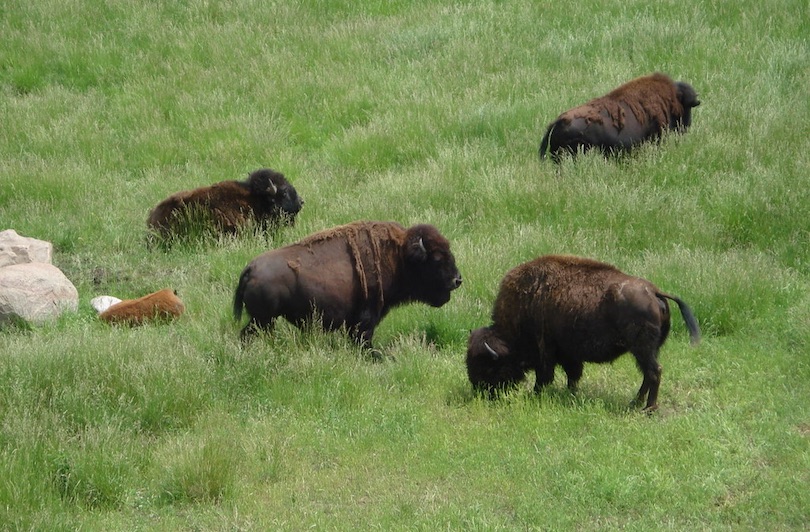
A fun place to visit, the wonderful Wildlife Prairie Park has over 150 animals to spot, roaming around in a natural setting. Often ranked among the best attractions in Illinois, it lies nestled just twenty minutes drive northwest of town.
Sprawled across a massive area, it encompasses vast forests, rivers and meadows. First opened to the public in 1977, it now protects around sixty species native to the state with bobcats, bears, bison and wolves all on show.
Aside from taking wildlife watching tours and learning more about the elk and otters, you can hike, bike and kayak about its diverse landscapes. Playgrounds, picnic areas and campgrounds are also on offer as are a railroad, sculpture walk and disc golf course.
Luthy Botanical Garden
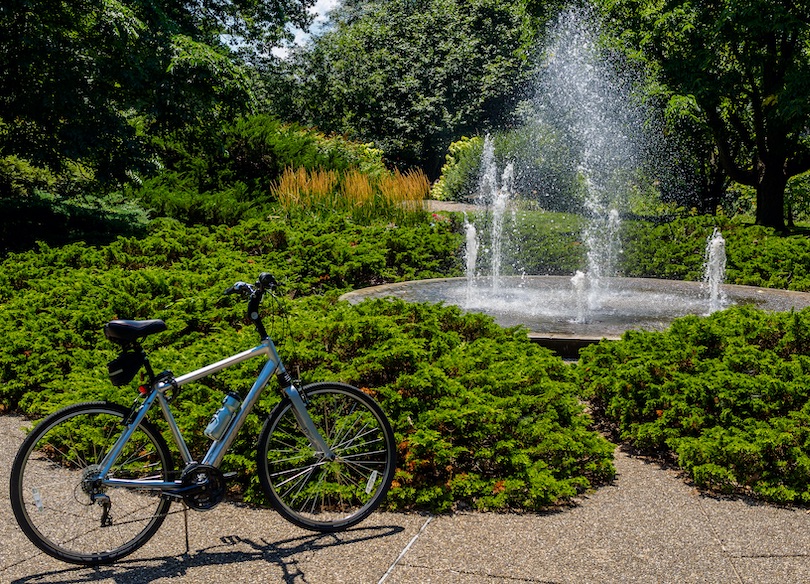
Full of colorful plants, flowers, trees and shrubs, the lovely Luthy Botanical Garden can be found tucked away in Glen Oak Park. An absolute treat to wander around, its delightful grounds lie alongside both Peoria Zoo and the Playhouse Children’s Museum.
Home to fifteen fabulous themed gardens, numerous sculptures and a tropical conservatory, it was established in 1951. Since then, it has amassed an impressive collection of flora from all around the globe with some sections focusing on herbs and perennials and others on roses and orchids.
While spring sees thousands of bulbs bloom, its blazing autumnal colors make for just as striking a sight. The garden is also known for its super seasonal shows with the Poinsettia Show in November and December being by far the most popular of the lot.
Peoria Riverfront
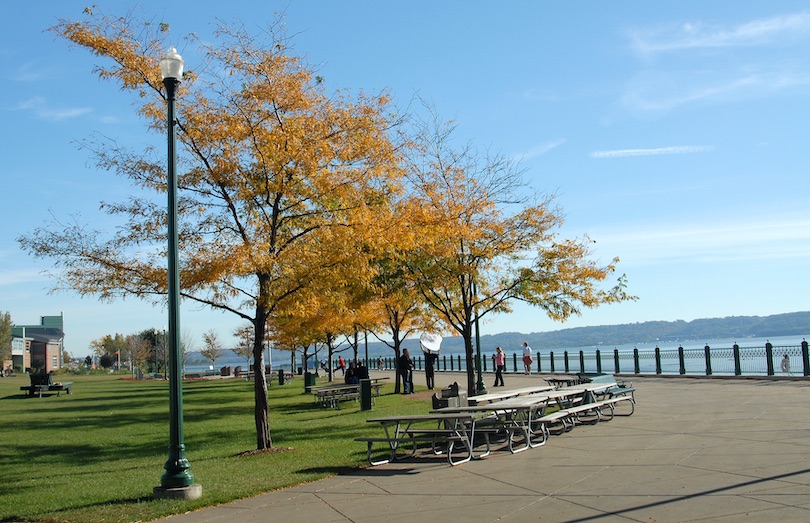
One of the most happening parts of town to hit up is the lively Peoria Riverfront, which is packed with shops, restaurants, art galleries and music venues. Thanks to its wide variety of establishments and entertainment options, it is arguably the best place to shop, dine and go out in Peoria.
Lying alongside the Illinois River, its bustling blocks have now been at the center of life in town for centuries. While some people come for the Contemporary Art Center or to see the Peoria Symphony Orchestra, others shop til they drop or check out the countless cafes, restaurants and breweries.
Its numerous riverside parks and viewpoints are other popular drawcards, as are the Peoria Riverfront Museum and Caterpillar Visitors Center. The constant concerts, cultural events and festivals taking place only add to the area’s appealing ambience.
Peoria Civic Center
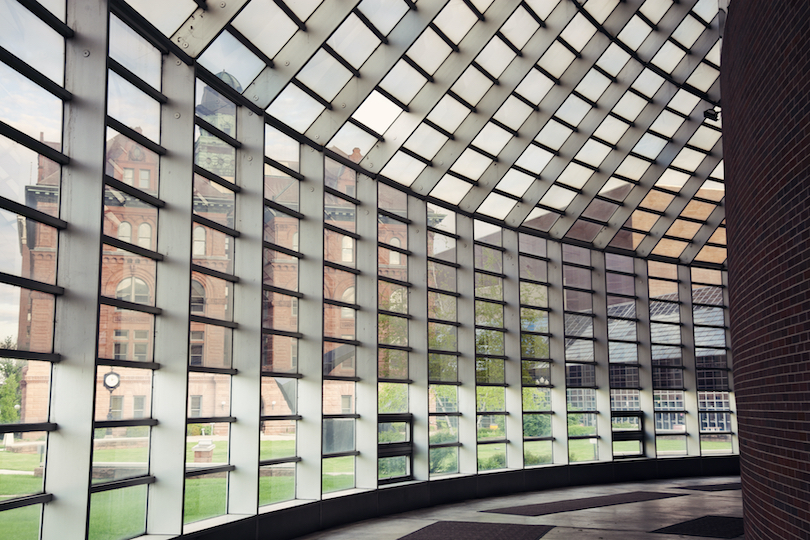
If you want to enjoy a top-class concert, play or comedy night when in town, then the Peoria Civic Center is certainly the place to go. Located right by the trendy Riverfront district, its enormous arena, theater and exhibit halls have a jam-packed calendar of exciting events to check out.
Since 1982, the colossal complex has put on thousands of shows, conventions and events that have been attended by millions. While its theater is the home of both the Peoria Symphony Orchestra and Peoria Ballet, Broadway shows also regularly take the stage.
At the multi-purpose Carver Arena, you can instead watch thrilling basketball games and ice hockey matches or catch a big-name act. Over the years, everyone from the Eagles and Elton John to Cher, Luke Bryan and Jason Aldean, have performed with Disney on Ice and WWE shows also sometimes passing through.
Forest Park Nature Preserve
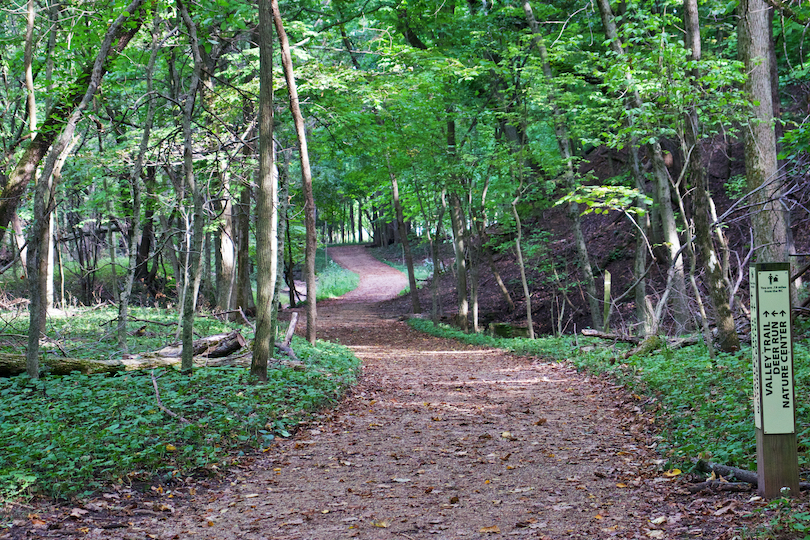
A peaceful and picturesque place to explore is the Forest Park Nature Preserve. Set just half an hour’s drive north of downtown, its winding nature trails and shady woodlands lie just inland from the Upper Peoria Lake.
Very calm and quiet, its scenic confines are a haven for local wildlife with large herds of deer and cute chipmunks and squirrels often spotted amidst the trees. The terrain is just as diverse as its well-maintained trail system that takes you through pretty meadows and ravines, up hills, over ridges and down steep bluffs.
It also has an outstanding nature center to stop by which features interesting exhibits on the region’s fauna and flora and provides more information on all its tantalizing trails.
Grandview Drive
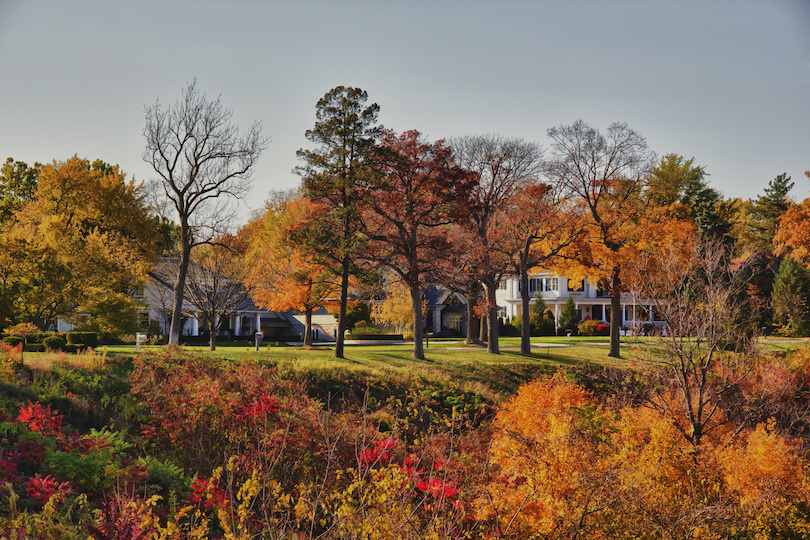
Lined by prestigious historic houses, picturesque parks and phenomenal viewpoints; Grandview Drive is definitely one of the most scenic roads in the States. Meandering its way up the left side of the lake, it offers spellbinding panoramas of its sparkling waters and the sweeping valleys off in the distance.
Stretching two and a half miles in length, it was proclaimed the ‘World’s Most Beautiful Drive’ by President Theodore Roosevelt in 1910. As you cruise along slowly, you’ll pass grand estates exhibiting exquisite architecture and enticing nature spots for you to stop off at.
Aside from hiking and biking the surrounding parkland, you can picnic at its viewpoints while drinking in the divine scenery before you. A particularly pleasant time of year to visit is autumn when the fiery colors of the trees make everything even more stunning.
Peoria Riverfront Museum
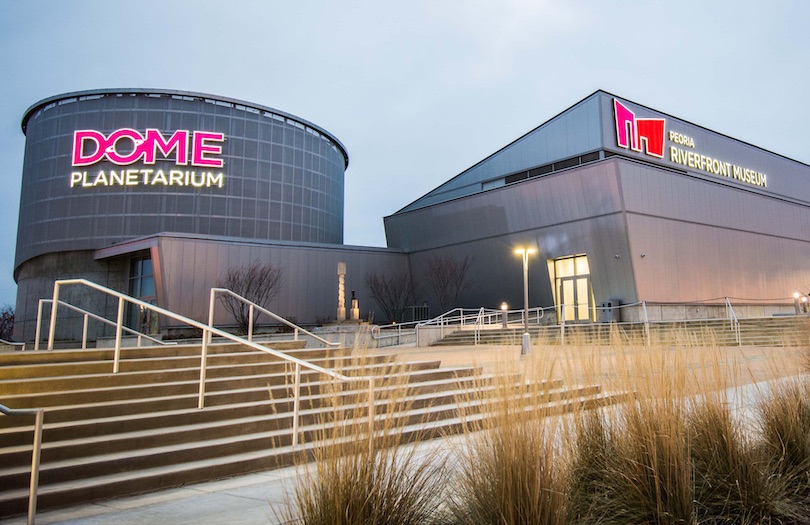
Home to an impressive array of artifacts, exhibits and artworks, the ever-popular Peoria Riverfront Museum lies right in the heart of the hip area. Besides perusing its diverse collection and galleries, visitors can also catch shows at its giant screen theater and dome planetarium.
The only multidisciplinary museum of its kind in the country, it was opened in 2012 as a successor to the Lakeview Museum of Arts and Sciences. Its gigantic modern building displays fine art and vintage vehicles while temporary exhibits cover various subjects like bioluminescence, American revolutionaries and space exploration.
After enjoying an educational and entertaining science show in either its planetarium or theater, you can always stroll about the sculpture garden outside. Mostly made by Illinois natives, their abstract shapes and silhouettes make for some very interesting viewing.