
Europe makes multi-country travel a breeze. Open borders across much of the continent mean you can hop between countries without tricky visas or long border waits. Trains connect major cities in just a few hours, and budget airlines offer cheap flights to places that would take days to reach by car.
Planning a multi-country trip means you get to sample different cultures, foods, and languages all in one go. Imagine starting your morning with pastries in Paris and ending the day watching the sunset in Barcelona. The variety keeps things fresh, and you’ll end up with a much broader sense of what Europe really is.
The best combos pair nearby nations with good transportation and just enough contrast to keep things interesting. Some routes flow naturally, while others throw in a bit of everything for more diversity. Whether you’ve got a week or a month, you can build an itinerary that actually fits what you want out of a trip.
Italy & Greece
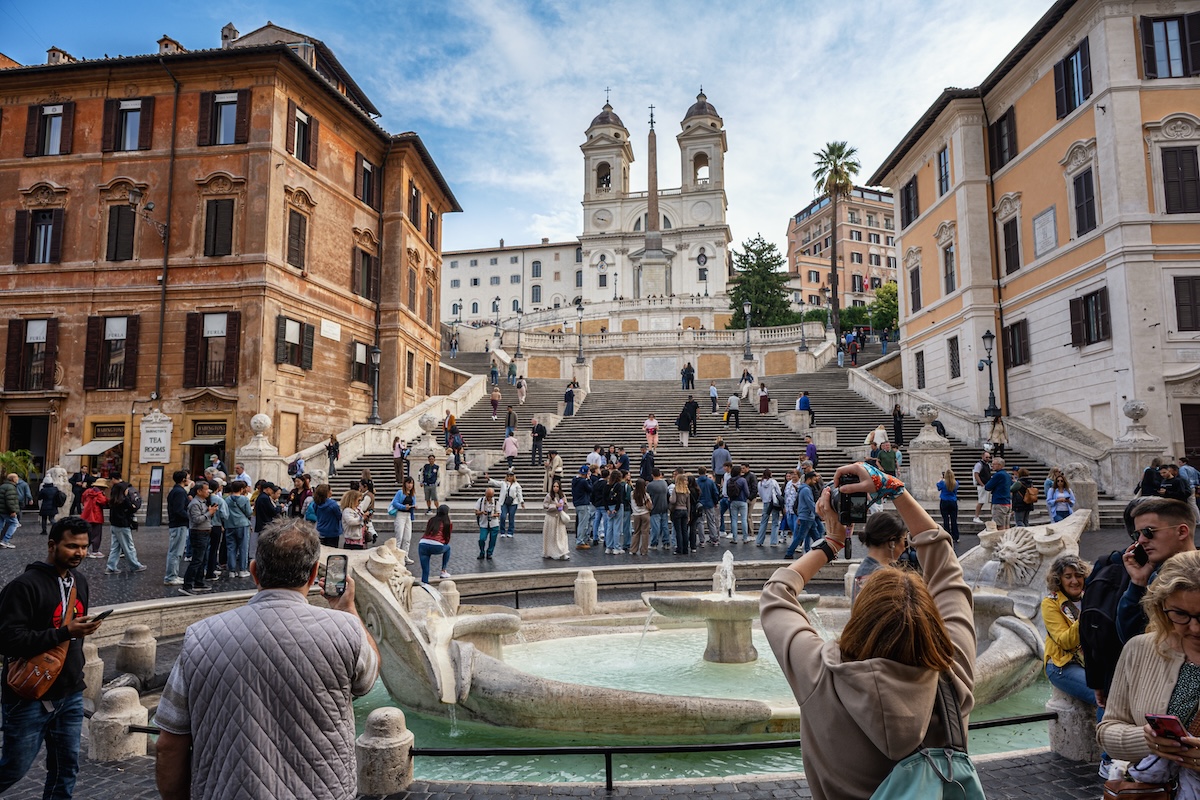
Pairing these two Mediterranean classics is always a win. They share thousands of years of tangled history and sit close enough that traveling between them is simple.
Start in Rome, wandering the Colosseum and picturing life in ancient times. Florence is packed with Renaissance art and architecture. Then head south to the Amalfi Coast for those cliffside views and seafood that’s almost too fresh.
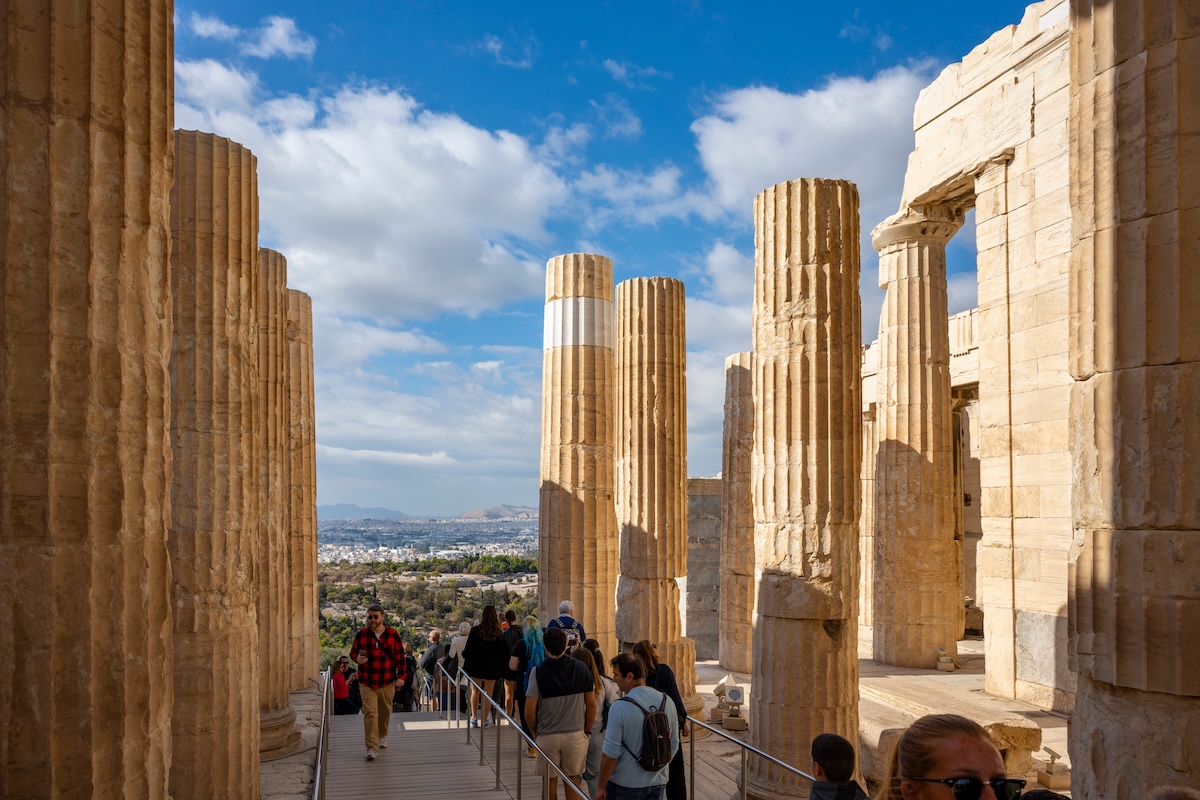
Hop over to Greece, where Athens greets you with the Acropolis and Parthenon perched above the city. The ruins here definitely rival anything you saw in Italy. Ferries can whisk you to the islands—Mykonos with its whitewashed buildings and blue domes, or Santorini’s legendary sunsets.
The food alone makes this combo irresistible. You’ll eat all the pasta and pizza you can handle, then switch gears to moussaka and souvlaki. Mediterranean cuisine just hits differently in each country.
Portugal & Spain
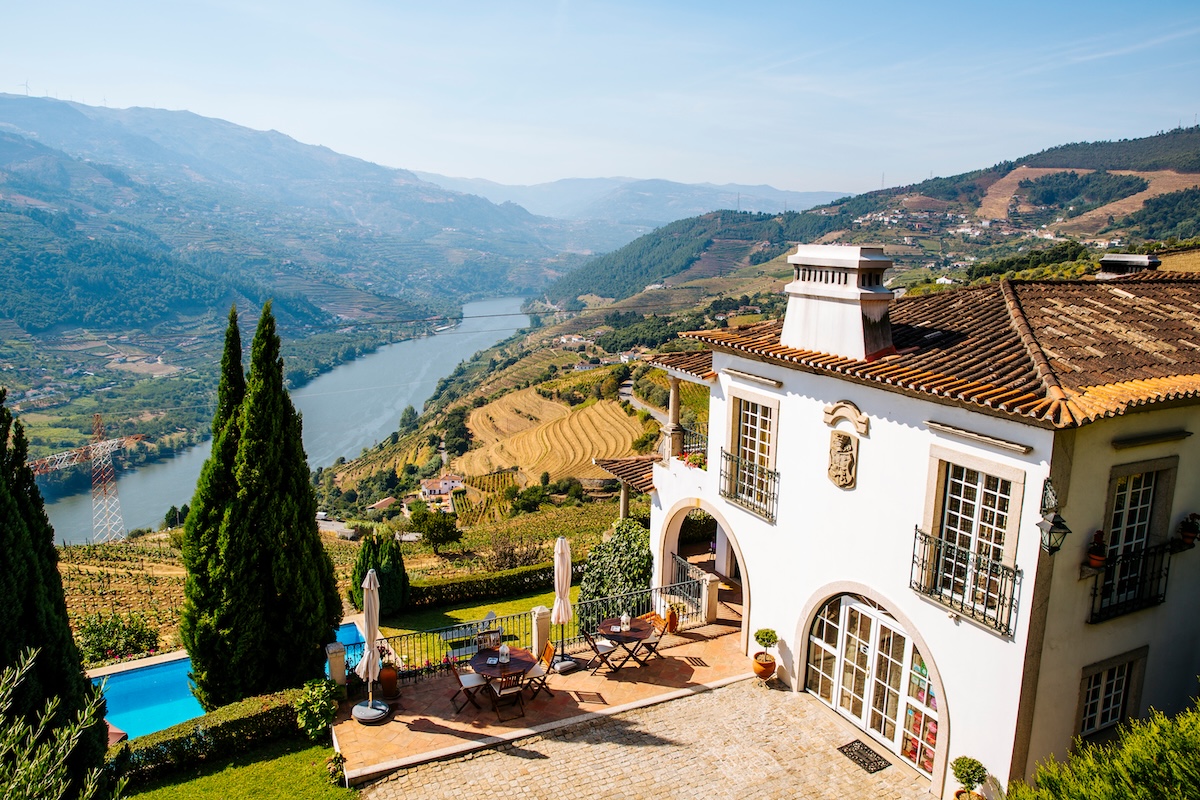
Portugal and Spain, side by side on the Iberian Peninsula, are perfect neighbors for a single trip. Trains or buses get you between the two in just a few hours.
Start in Lisbon and roam its hilly, tile-covered streets. Pastéis de nata tempt you on every corner, and neighborhoods like Alfama buzz with life. Head north to Porto, where the Douro River carves through the city and port wine cellars line the water.
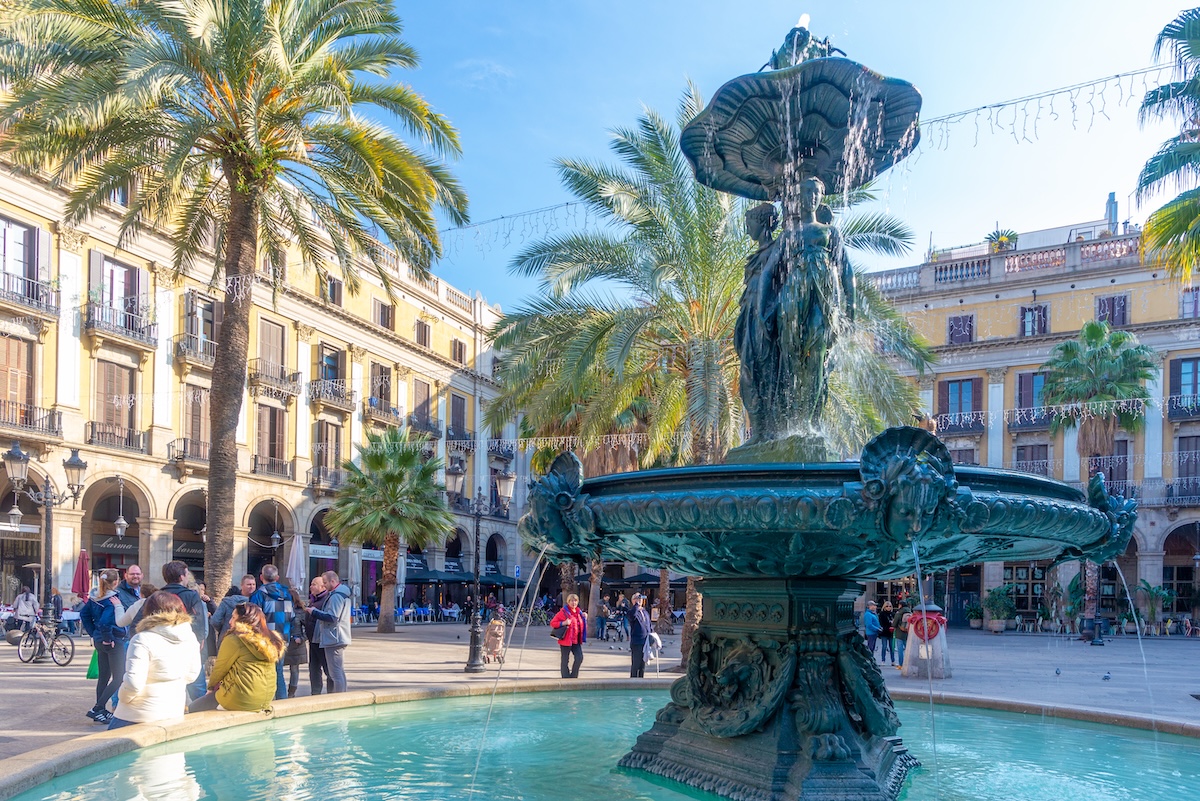
Cross into Spain and notice the shift. Madrid pulses with energy—world-class museums, late-night meals, and a pace that doesn’t quit. Barcelona’s got Gaudí’s wild buildings, and Granada holds the magical Alhambra Palace.
Both countries love long meals, strong coffee, and staying up late. The food changes as you go—fresh seafood on the coast, hearty stews inland, and wine everywhere, whether you’re in Portugal’s valleys or Spain’s Rioja region.
The weather stays pretty warm and sunny most of the year, especially down south.
England & France
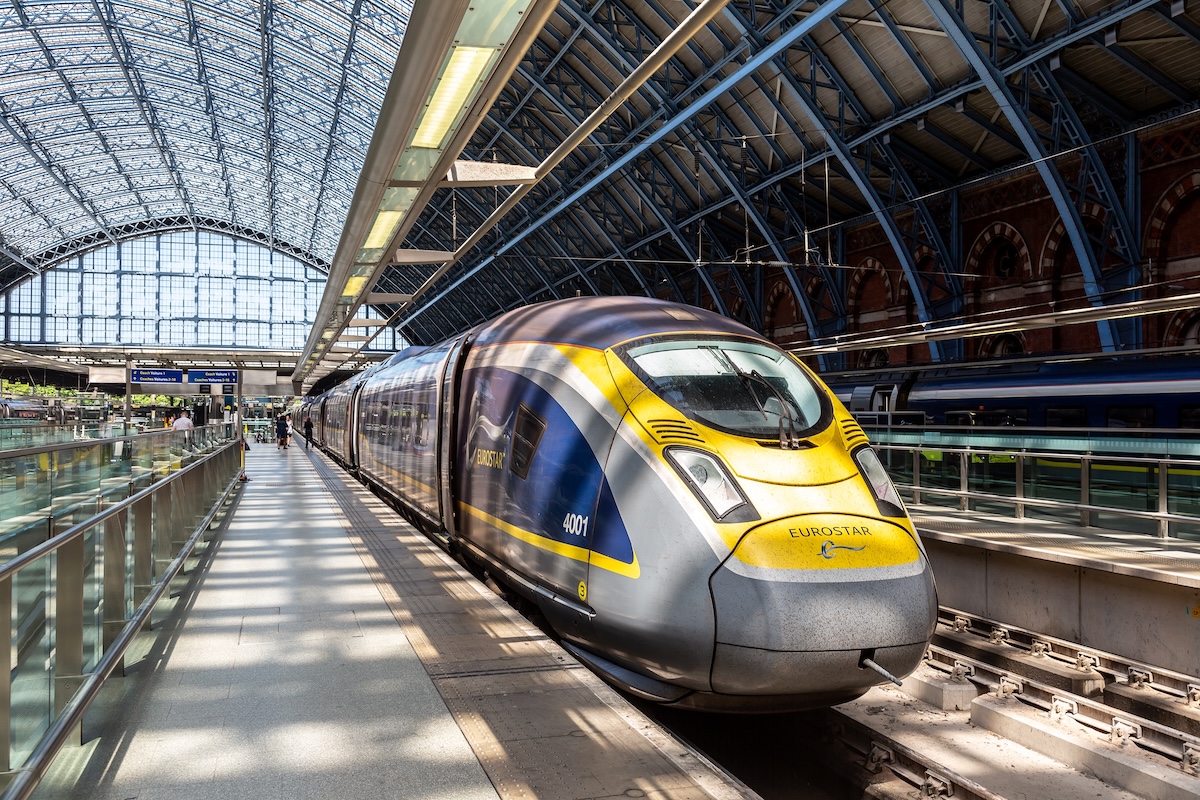
Visiting England and France together is almost too easy. Just 21 miles apart, the Eurostar train zips you through the Channel Tunnel in about two hours.
These neighbors feel worlds apart, but both are a breeze to explore. London offers royal palaces, museums, and neighborhoods that never get dull. Paris brings iconic landmarks, sidewalk cafés, and art everywhere you look.
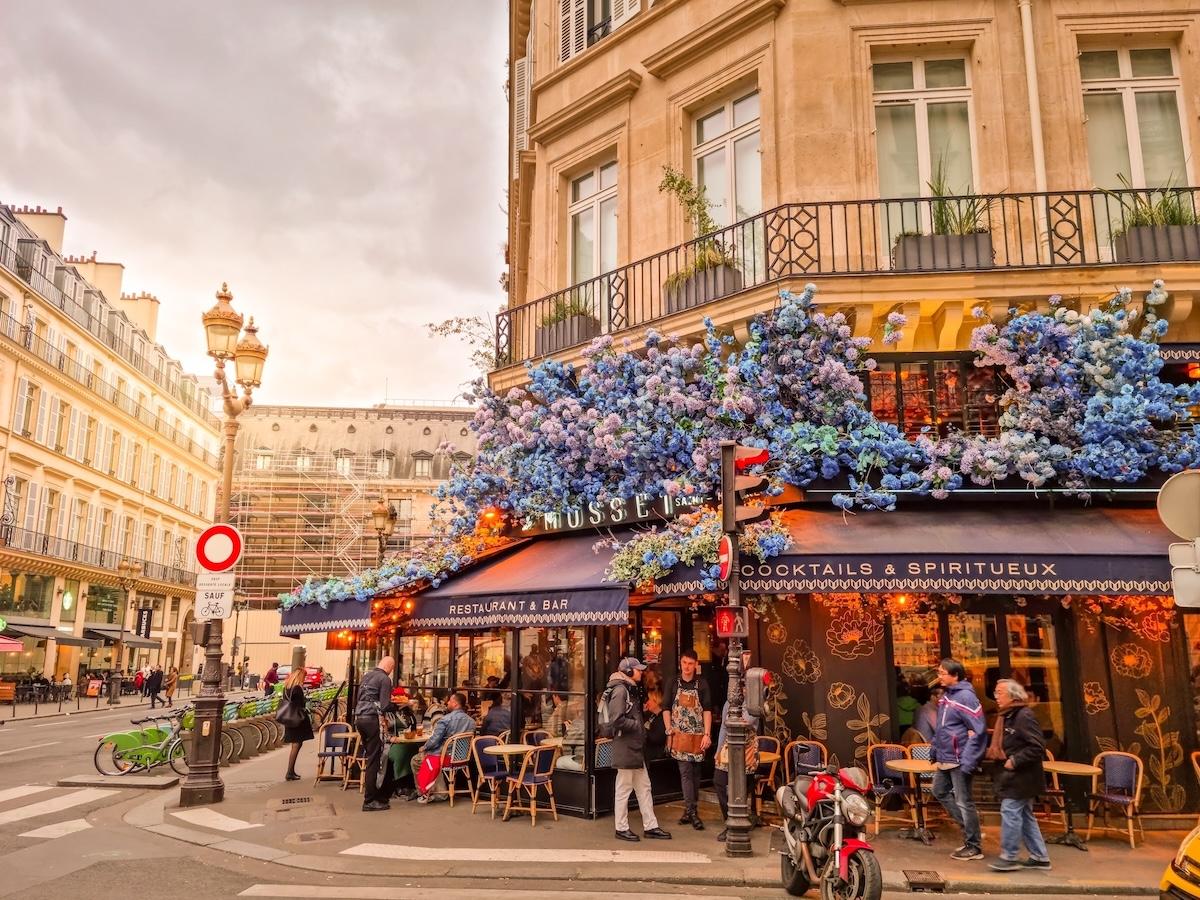
The contrast is part of the fun. One morning you’re exploring English castles, and the next you’re strolling along the Seine. British pubs and French bistros each have their own appeal. The architecture swings from Georgian townhouses to grand Parisian boulevards.
Getting around is simple. Besides the Eurostar, you can hop a quick flight or even take a ferry. Once you’re in-country, trains and buses reach smaller towns worth a detour.
You’ll want at least a week for both, though two weeks lets you see more than just the capitals. The south of France and the English coast are worth a look if you have a bit of extra time.
Scotland & Ireland
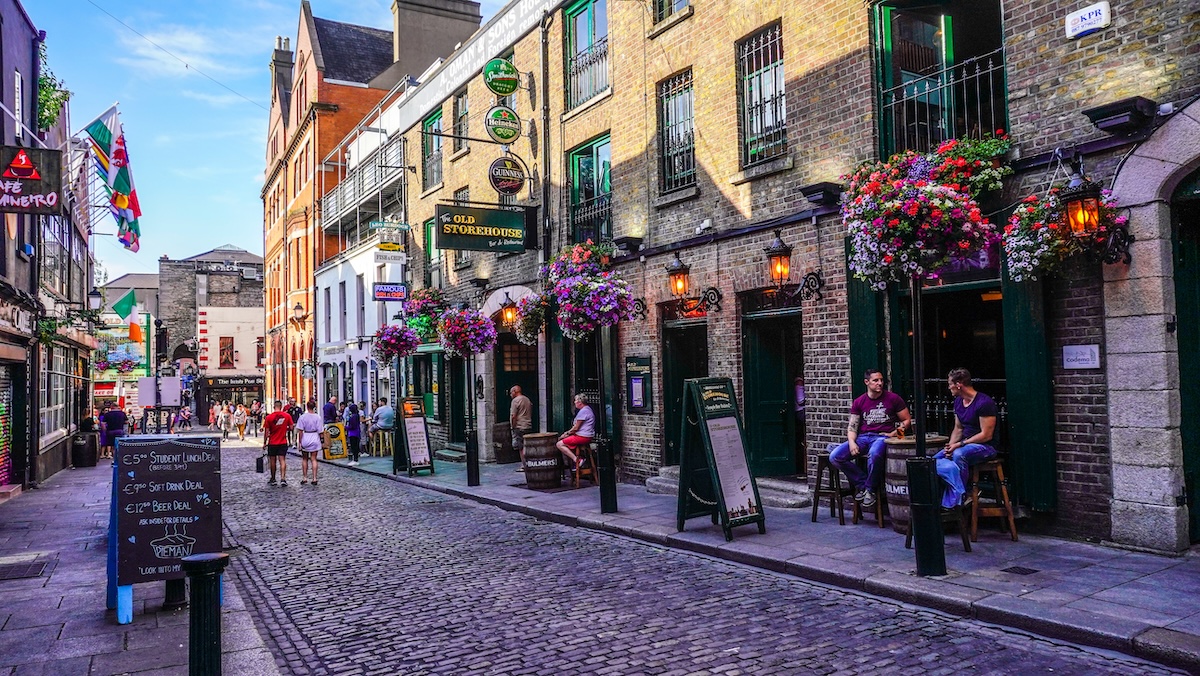
Scotland and Ireland sit close across a narrow sea, making them a natural pair for a trip. Ferries and short flights connect them easily.
Both share Celtic roots and those famous green hills, dramatic coasts, and ancient castles. The locals are friendly, and the pub culture is strong in both places.
Start in Dublin to dive into Irish history and lively streets. Head north to the Giant’s Causeway, then cross to Scotland. Edinburgh charms with its medieval streets and castle views.
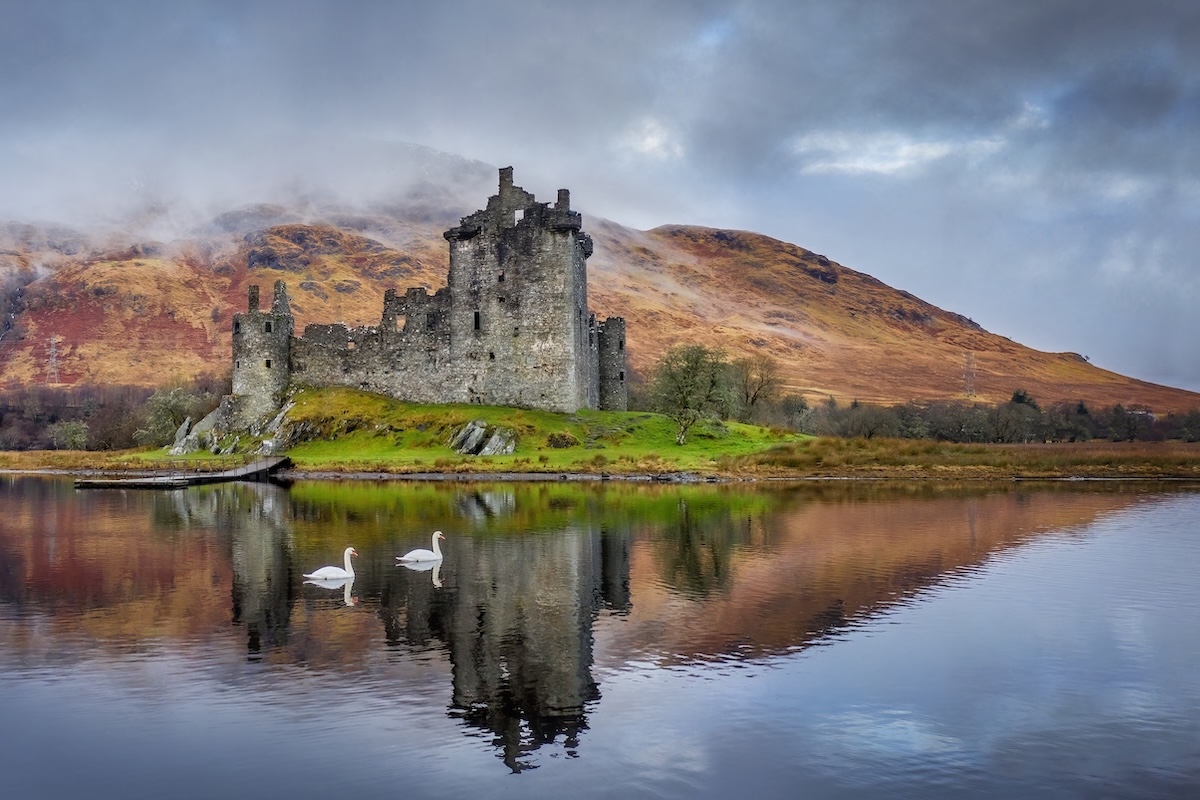
The Scottish Highlands give you misty mountains and deep lochs. You can tour whisky distilleries in Scotland and try Irish whiskey too. The food scene has come a long way lately, with plenty of surprises.
Trains, buses, and rental cars make getting around pretty easy. The countries are small, so you can cover a lot in two weeks. Spring and summer are best for weather, but honestly, you’ll probably see some rain no matter what.
Germany, Switzerland & Austria
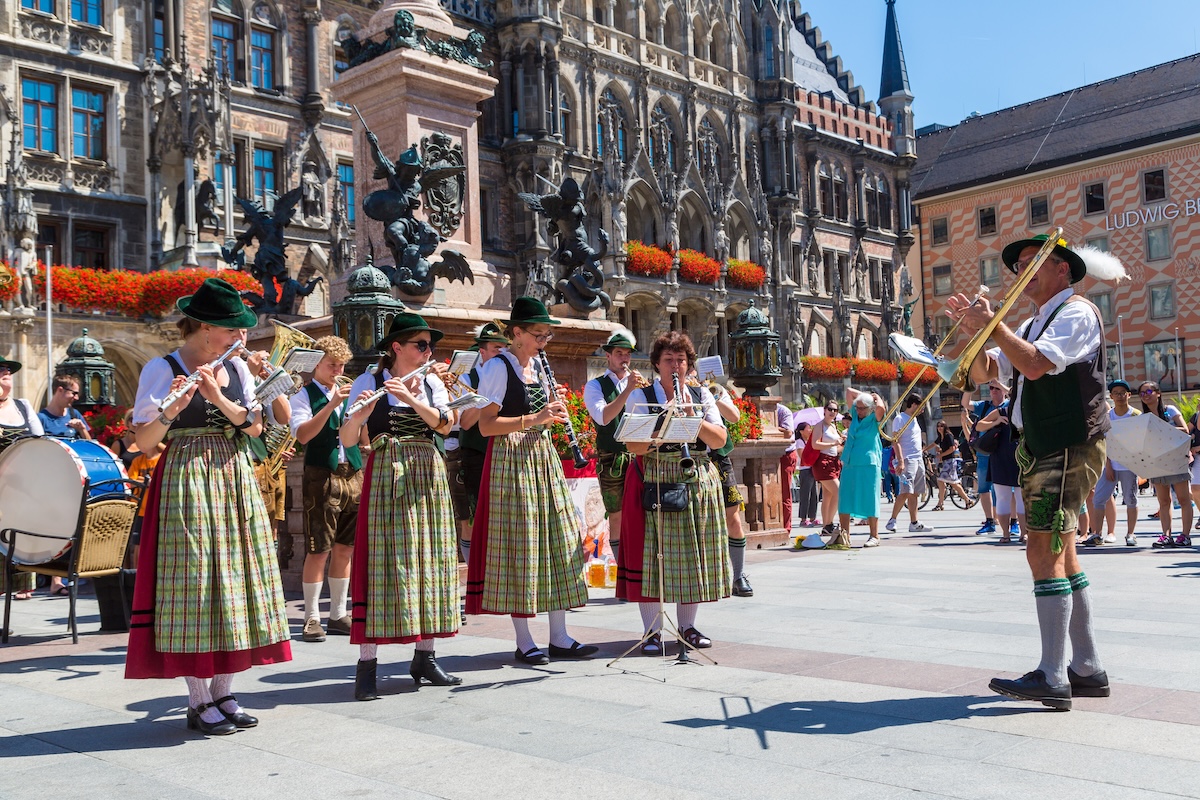
These three Alpine neighbors just work together. Trains connect them smoothly, and the scenery keeps getting better as you cross each border.
Start in Munich for beer gardens and historic architecture. It sits close to both Austria and Switzerland, so it’s a handy base. From there, head to Salzburg and walk the same streets Mozart did. The baroque buildings and mountain backdrop are unforgettable.
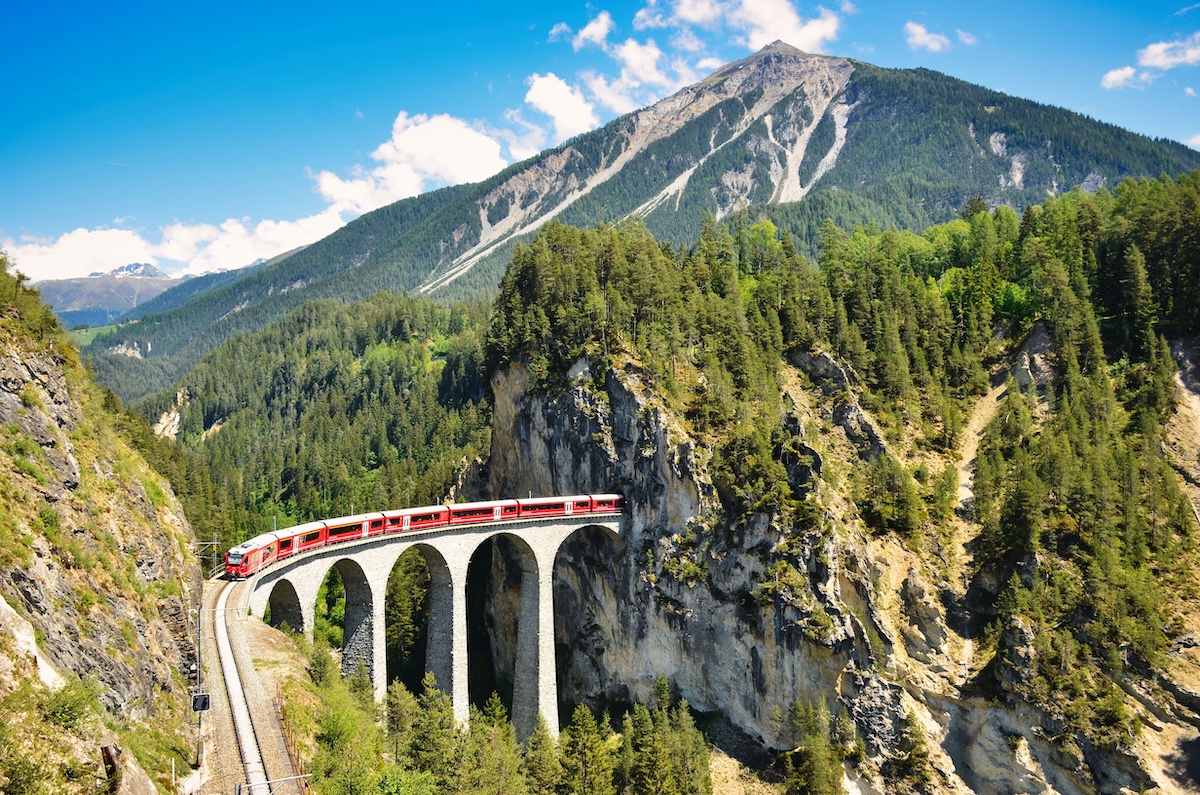
Switzerland brings those dramatic peaks and pristine lakes. Scenic trains wind through mountain passes, linking all three countries. Public transit is so good you don’t even need a car.
Austria’s Innsbruck is great for skiing in winter or hiking in summer. The city blends outdoor adventure with imperial history. All over the region you’ll find castles on hills and charming villages tucked into valleys.
These countries share some culture but each has its own vibe. German is spoken widely, which makes things simpler. The distances between cities stay pretty manageable, so you won’t lose days just sitting on trains.
Norway, Sweden, Finland & Denmark
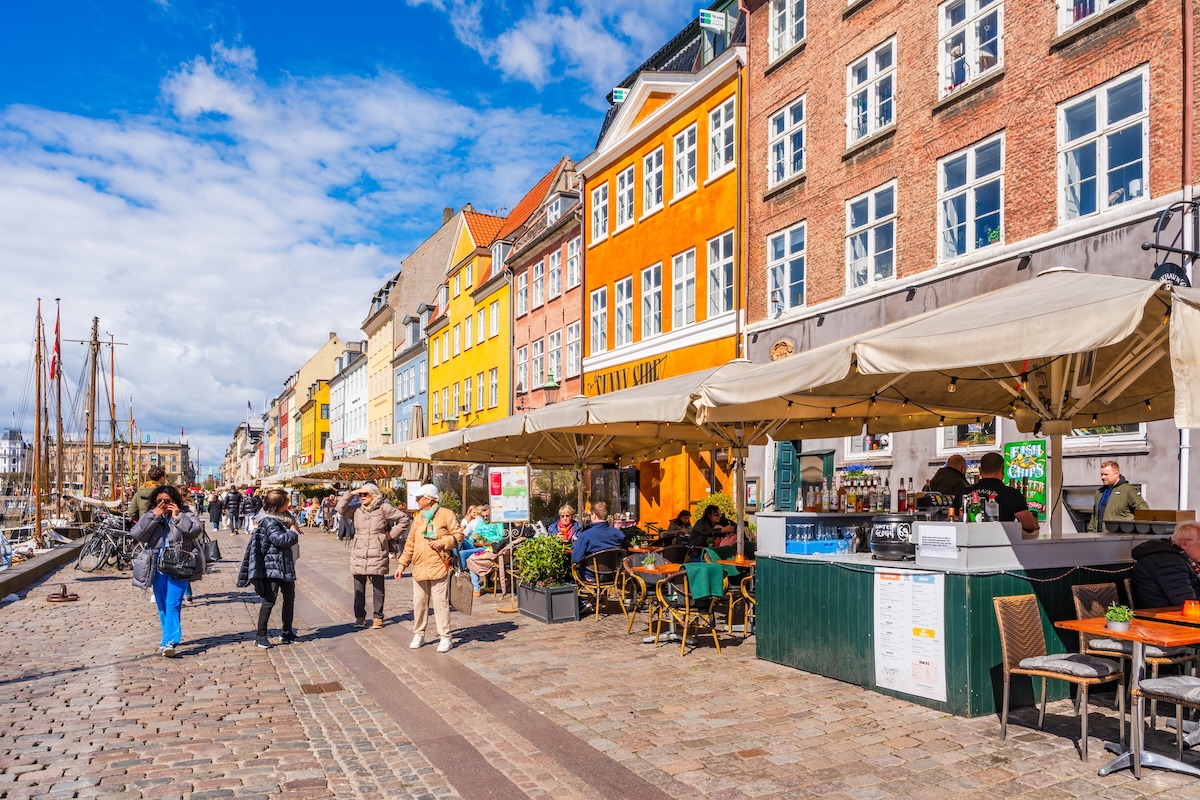
Four Nordic countries in one trip? Totally doable. They share borders and have top-notch train and ferry connections, so you don’t spend ages in transit.
Start in Copenhagen and head north through Sweden’s forests and lakes. Each country has its own flavor, even though they’re neighbors. Denmark feels cozy and design-obsessed. Sweden balances modern cities with wild nature. Norway’s got fjords and mountains that’ll blow your mind. Finland is quieter, a bit more reserved, but full of its own charm.
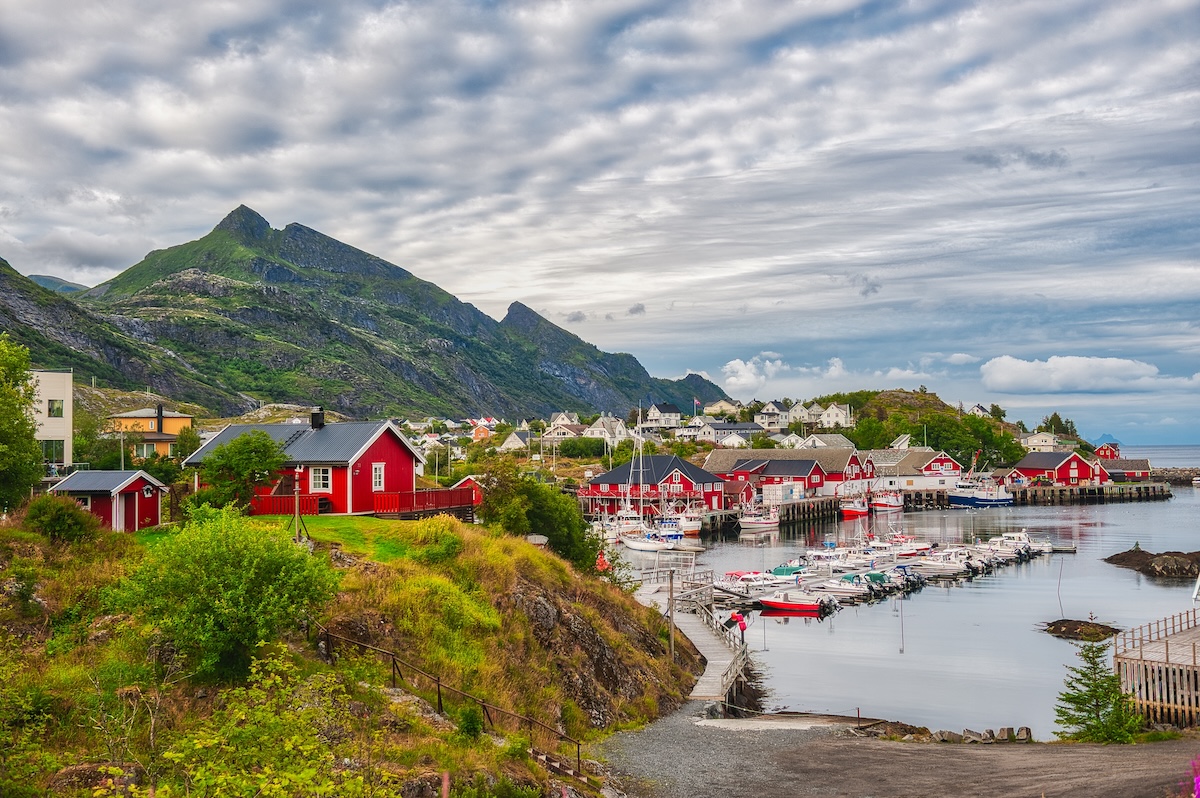
You don’t need a month for this. Two weeks covers the main cities and a few nature spots. Three weeks? Now you’re really digging in.
Winter means northern lights and snow. Summer brings the midnight sun and perfect weather for hiking. Spring and fall are cheaper and less crowded.
Budget a bit more than for other European trips—these places aren’t cheap. But public transit is fantastic, and you can save by staying in hostels or cooking some meals yourself.
Croatia & Italy
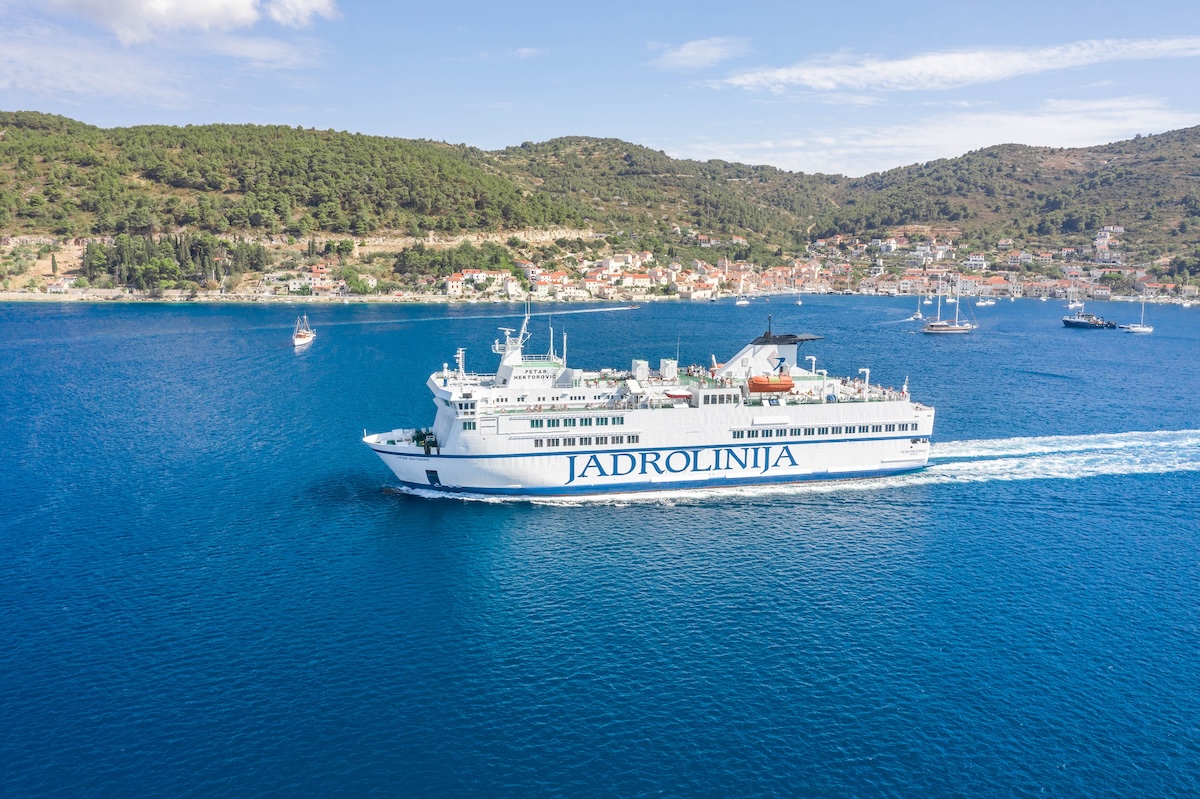
Sitting across the Adriatic from each other, Croatia and Italy offer a ton of history, culture, and food. Start in Rome, wandering ancient ruins before heading to the coast. The Italian capital alone could keep you busy for days with its monuments and winding streets.
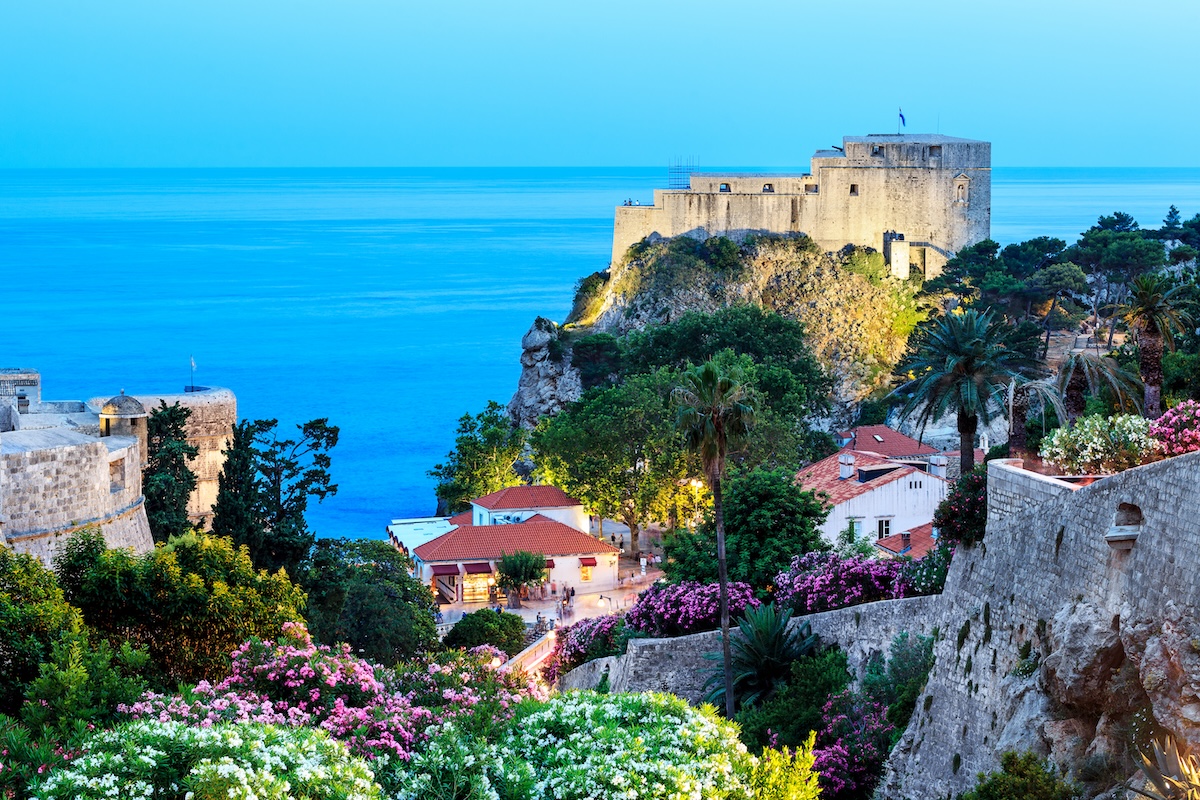
Croatia brings a different flavor with medieval towns and crystal-clear water. Walk the old city walls in Dubrovnik or hop between islands off the Dalmatian coast. The contrast between Italian Renaissance cities and Croatian seaside villages is what makes this combo pop.
Getting between the two is straightforward. Ferries cross the Adriatic, and quick flights connect the main cities. Venice is a handy jumping-off spot into Croatia since it’s so close to the border.
Your days fill up with seafood, cobblestone streets, and Mediterranean sunshine. Both countries have wine regions worth detouring for, and their beaches live up to the hype. This pairing works well whether you have a week or two.
Poland & the Baltics
This route takes you through five countries that rarely get the love they deserve. Start in Poland—Krakow and Warsaw mix royal history with a modern buzz that surprises most people.
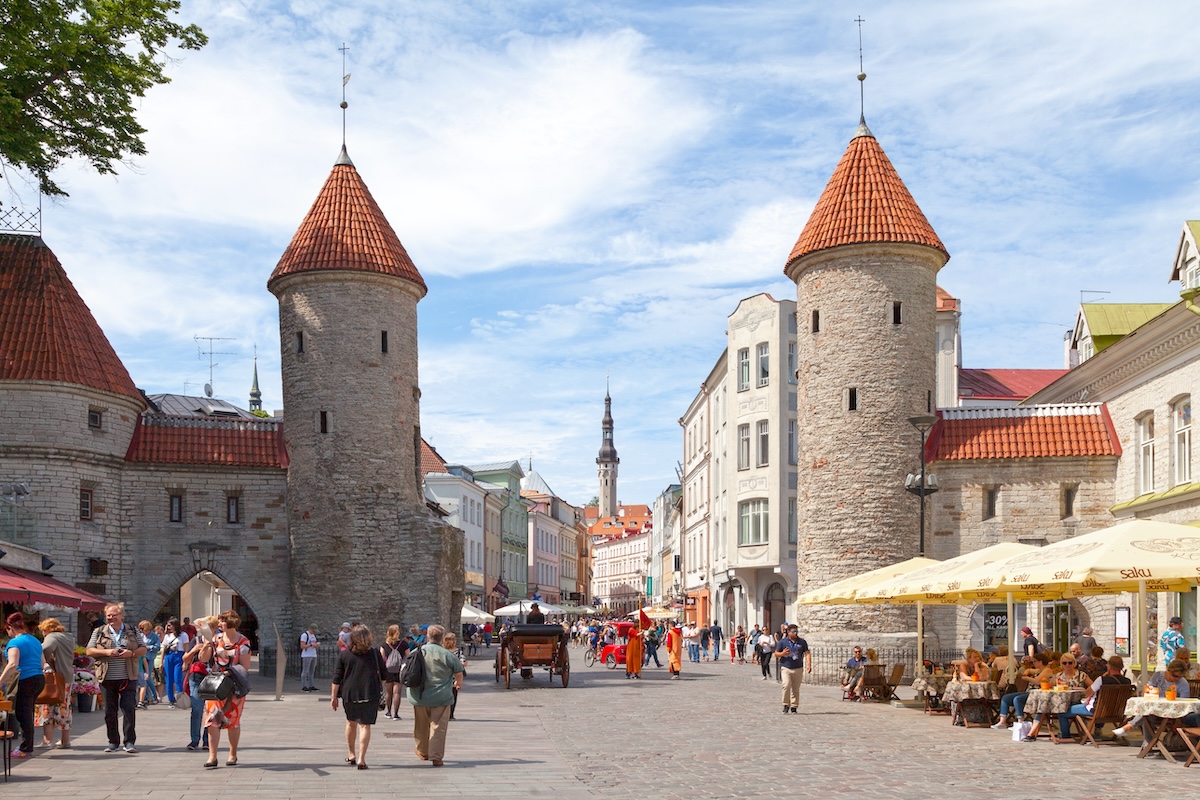
Head north into the Baltics and the vibe changes. Tallinn in Estonia feels like a medieval fairy tale, with winding cobblestone streets. Riga in Latvia shows off some of Europe’s best Art Nouveau buildings, entire blocks covered in ornate facades.
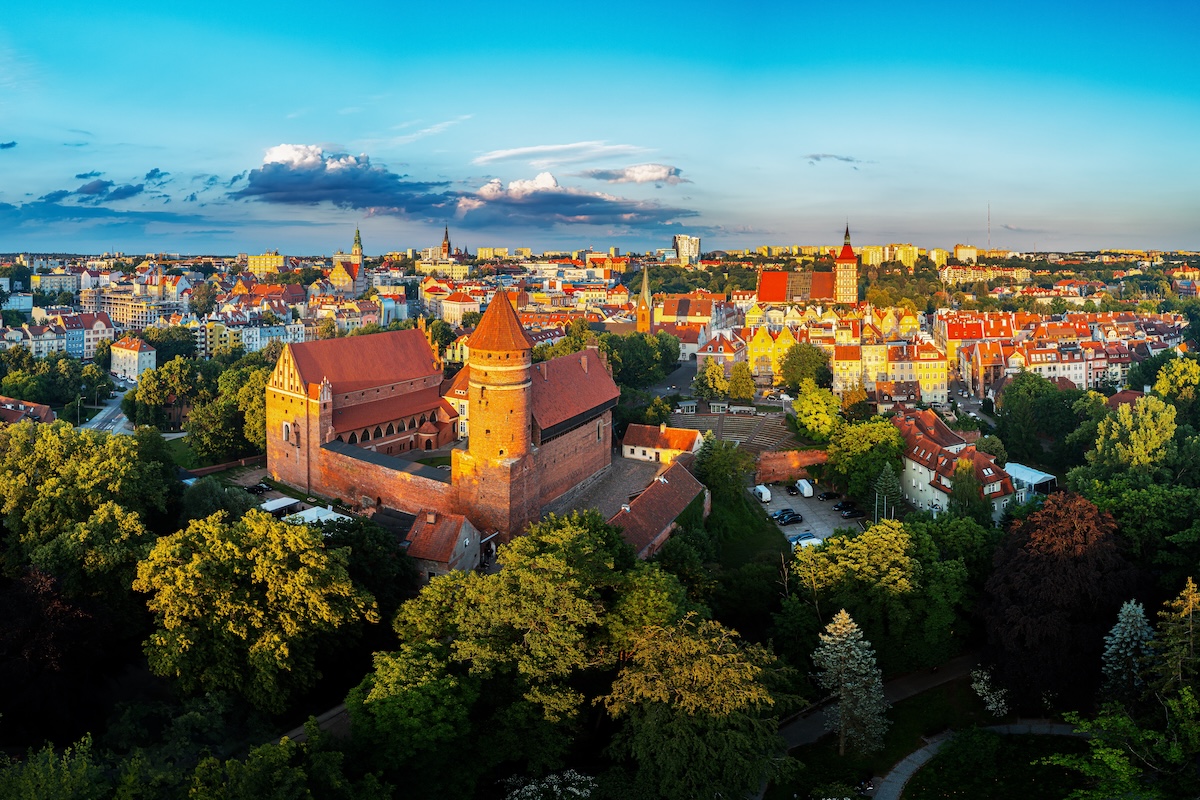
Lithuania’s Vilnius wraps things up with baroque churches and a laid-back mood that contrasts with its heavy history. The countryside between cities offers quiet forests, Baltic Sea coastlines, and small towns where tourists are still rare.
Spring is a sweet spot for this trip—mild weather, fewer crowds, and Easter markets popping up in Polish cities. The food scene ranges from Polish pierogi to Estonian black bread, with each country adding its own twist. You can hit the highlights in about two weeks if you keep a steady pace.
Bulgaria, Serbia & Romania
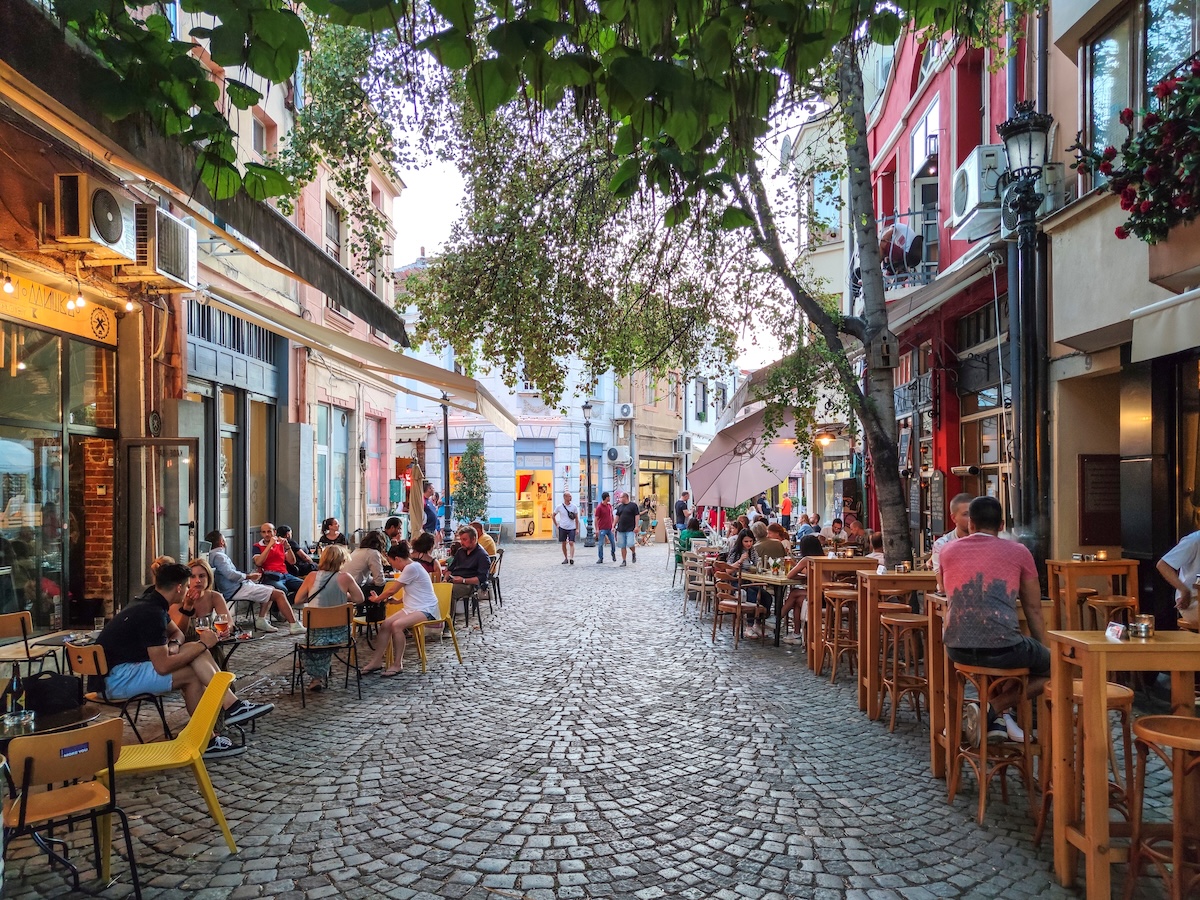
These three Balkan countries toss together cultures, landscapes, and history in a way you just don’t get elsewhere. One minute you’re winding through mountain passes, the next you’re poking around medieval towns, and the food? It flips completely every time you cross a border.
Bulgaria gives you ancient Roman ruins and Orthodox monasteries clinging to cliffs. Sofia, the capital, sprawls at the foot of the mountains. Plovdiv’s old town bursts with color and cobblestone charm. Maybe you’ll wander Veliko Tarnovo’s fortress or just hike through the countryside between cities—honestly, both sound pretty great.
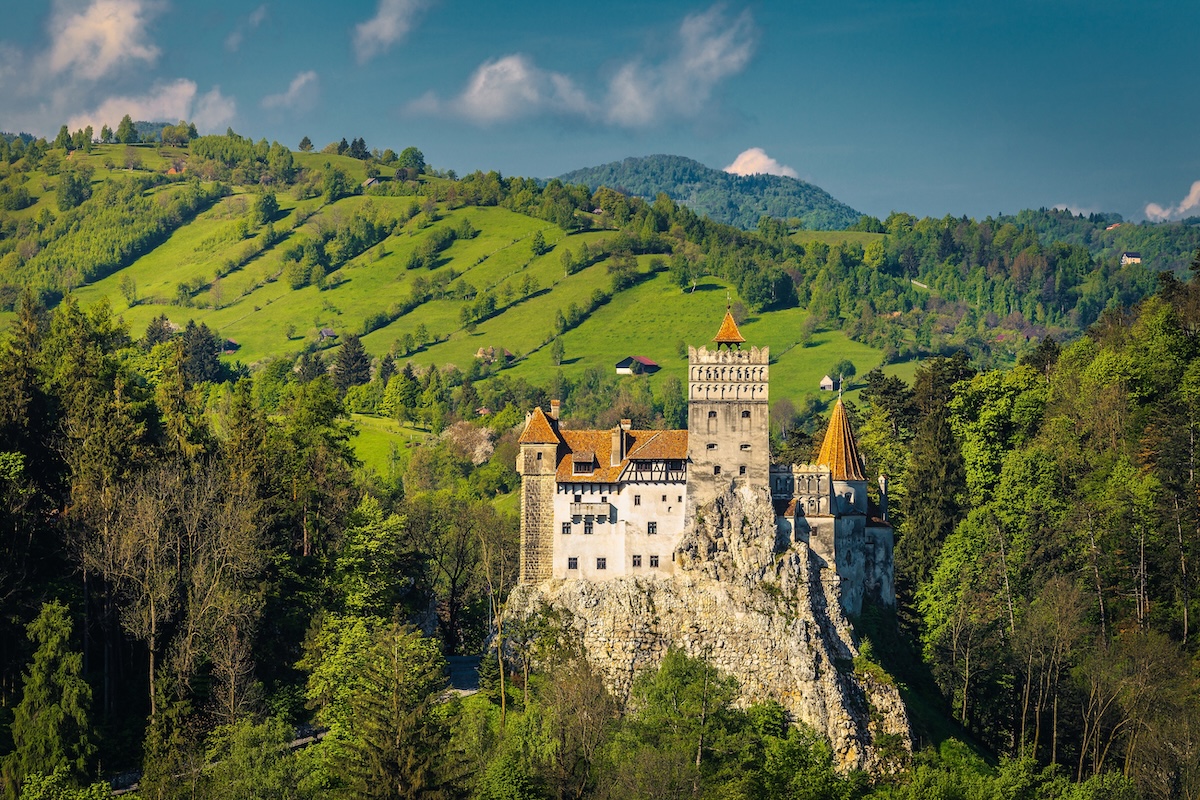
Belgrade, Serbia’s capital, buzzes at the spot where two rivers meet. Here, Turkish touches blend with Austro-Hungarian architecture. Food-wise, it’s all about grilled meats and fresh bread, and honestly, it’s tough to go wrong.
Romania wraps things up with Transylvania’s castles and those painted monasteries you see in travel magazines. Bucharest’s a mix of communist-era blocks and grand French-style boulevards. If you drive north, you’ll snake through Carpathian mountain roads, passing wooden churches and little villages that look frozen in time. The stretch from Sibiu to Brasov? Some of the best scenery in Eastern Europe, hands down.
You can fit all three countries into a week or stretch it out to two, depending on how many stops call your name.