
Border towns exist in a unique cultural limbo where you can eat breakfast in one country and lunch in another without breaking a sweat. These are places where cultures blend, clash, and create something entirely new. Some borders are barely noticeable, marked by a line painted on a street. Others are heavily fortified with walls and checkpoints.
But one thing is for sure: all of them offer a fascinating glimpse into how different nations interact when they’re literally touching. Here are 14 border towns where stepping across an invisible line changes everything from the language to the currency to the food on your plate.
14. El Paso, USA / Ciudad Juárez, Mexico
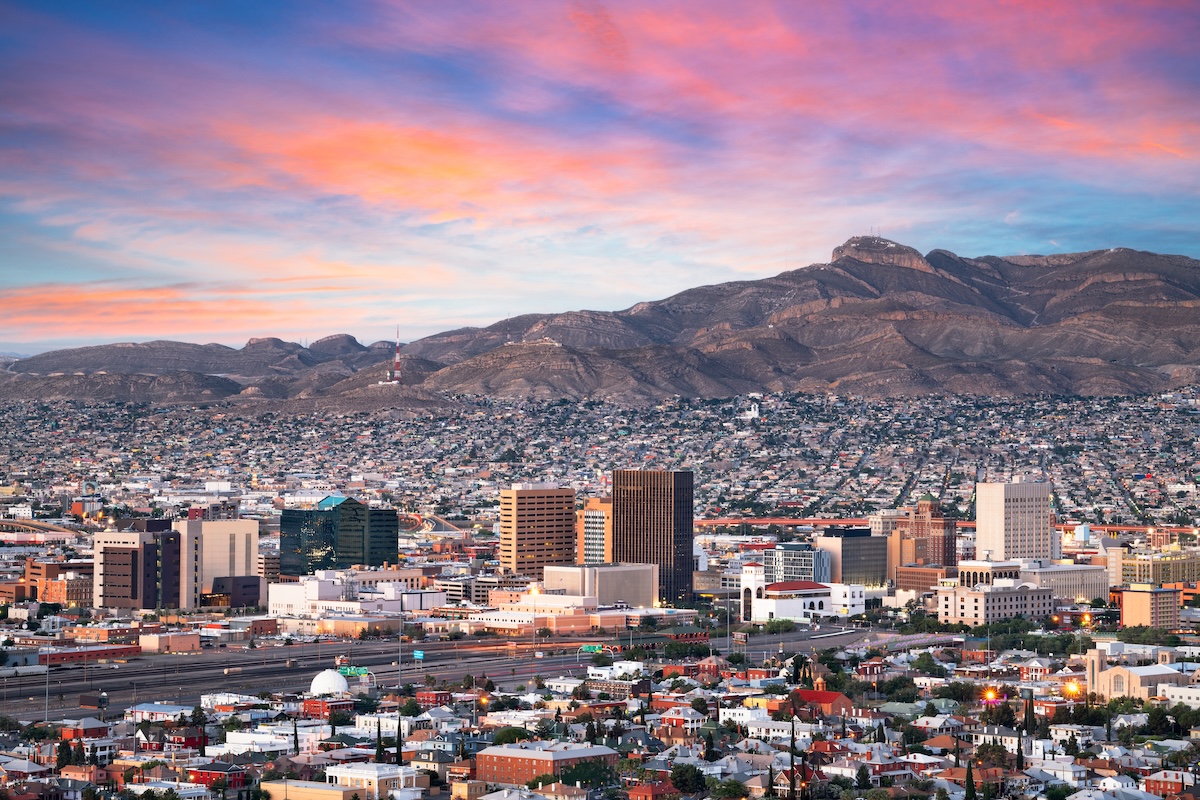
The Rio Grande separates these two major cities that form one of the largest binational metropolitan areas in the world. Over 2.7 million people live in this cross-border region where American and Mexican cultures blend daily. El Paso is safer, wealthier, and predominantly English-speaking, though Spanish is everywhere. Juárez is grittier, more industrial, and has struggled with violence related to drug cartels, though it’s much calmer now than it was a decade ago.
Despite security concerns and border barriers, the two cities remain deeply interconnected. Several bridges connect them, with thousands of people and vehicles crossing in both directions every single day. The border is real, but it can’t completely separate two cities that have been neighbors for centuries.
13. Baarle-Nassau, Netherlands / Baarle-Hertog, Belgium
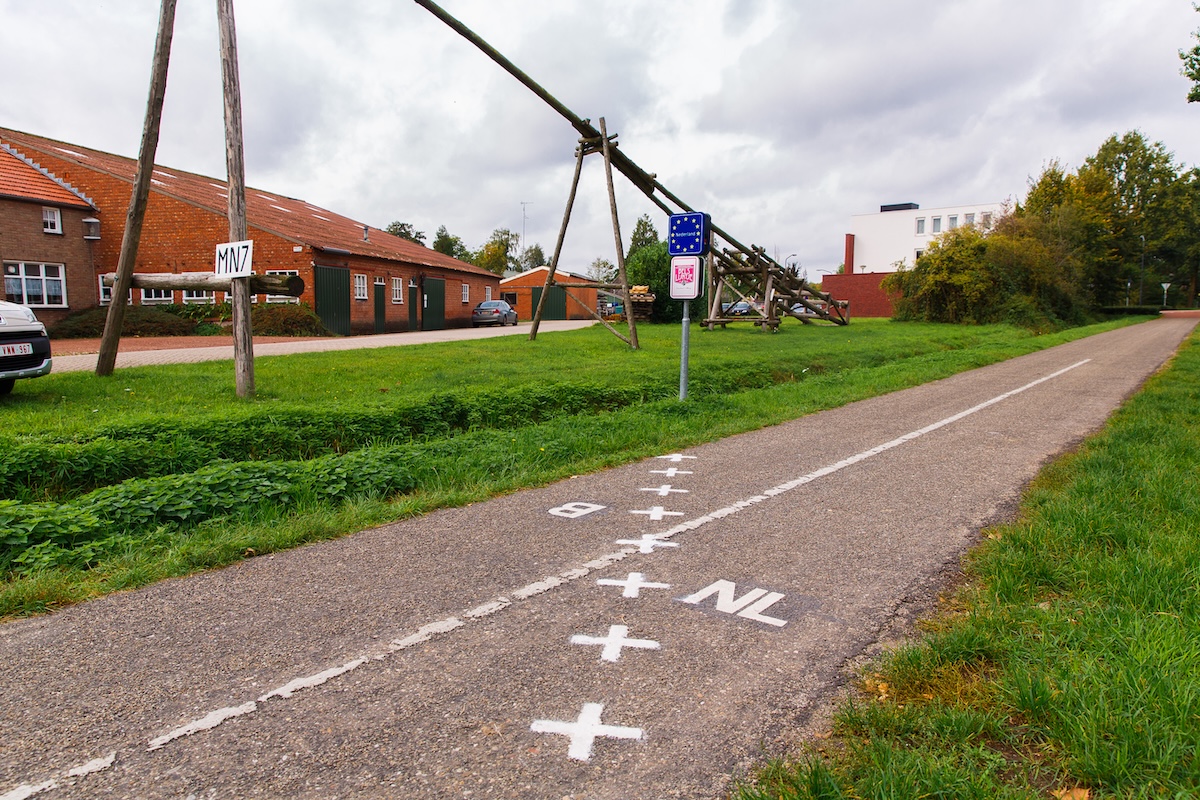
This is cartography’s nightmare and tourists’ delight as the border creates a patchwork of enclaves where Belgian territory sits inside the Netherlands and vice versa. White crosses on the pavement mark where the border runs, sometimes cutting through restaurants and houses. Your bedroom might be in Belgium while your bathroom is in the Netherlands.
During COVID lockdowns, this created absurd situations where one side of a café could be open while the other side was legally closed bu the town embraced the chaos with humor. House numbers have tiny Belgian or Dutch flags showing which country they’re in. People joke about which country’s laws apply to their kitchen versus their living room.
12. Zgorzelec, Poland / Görlitz, Germany
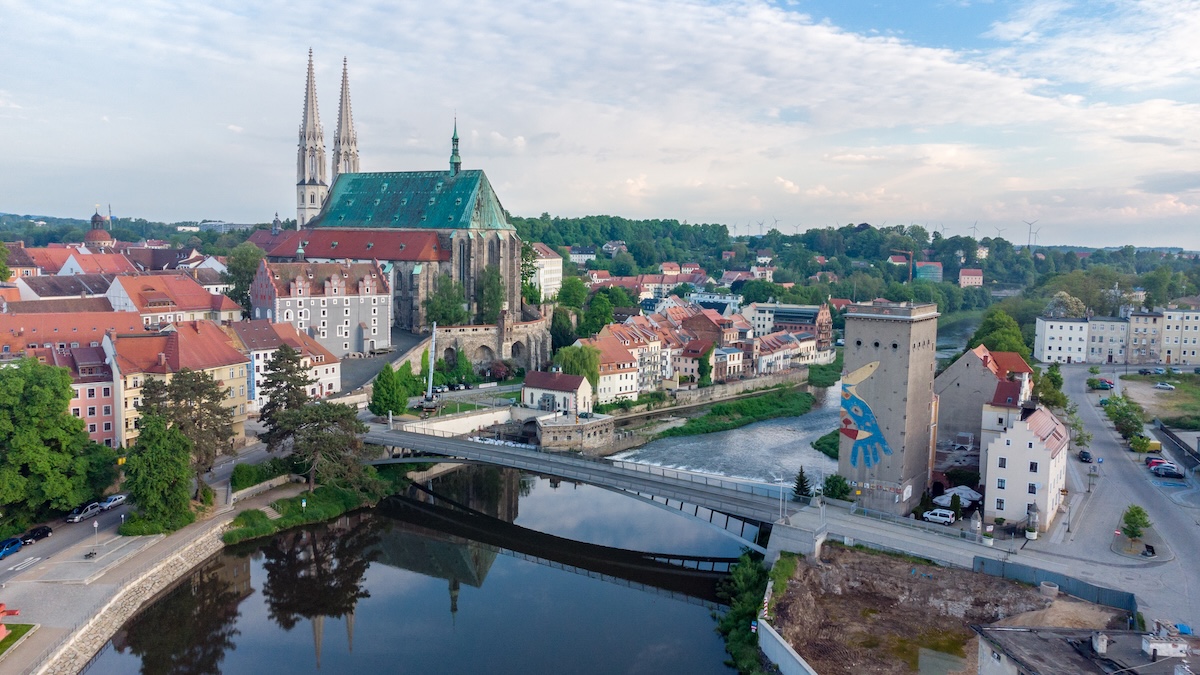
The Neisse River divides these twin towns that were once a single German city called Görlitz. After World War II, Görlitz kept most of the historic old town, which survived the war remarkably intact. Zgorzelec got the industrial areas and has spent decades rebuilding its identity. The Old Town Bridge connects them, and locals cross freely for work, shopping, and socializing.
The contrast is striking. Görlitz looks like a baroque film set with meticulously restored buildings. Zgorzelec is grittier with more Soviet-era architecture. But both sides are working together on cross-border projects, slowly stitching the divided city back together.
11. Tijuana, Mexico / San Diego, USA
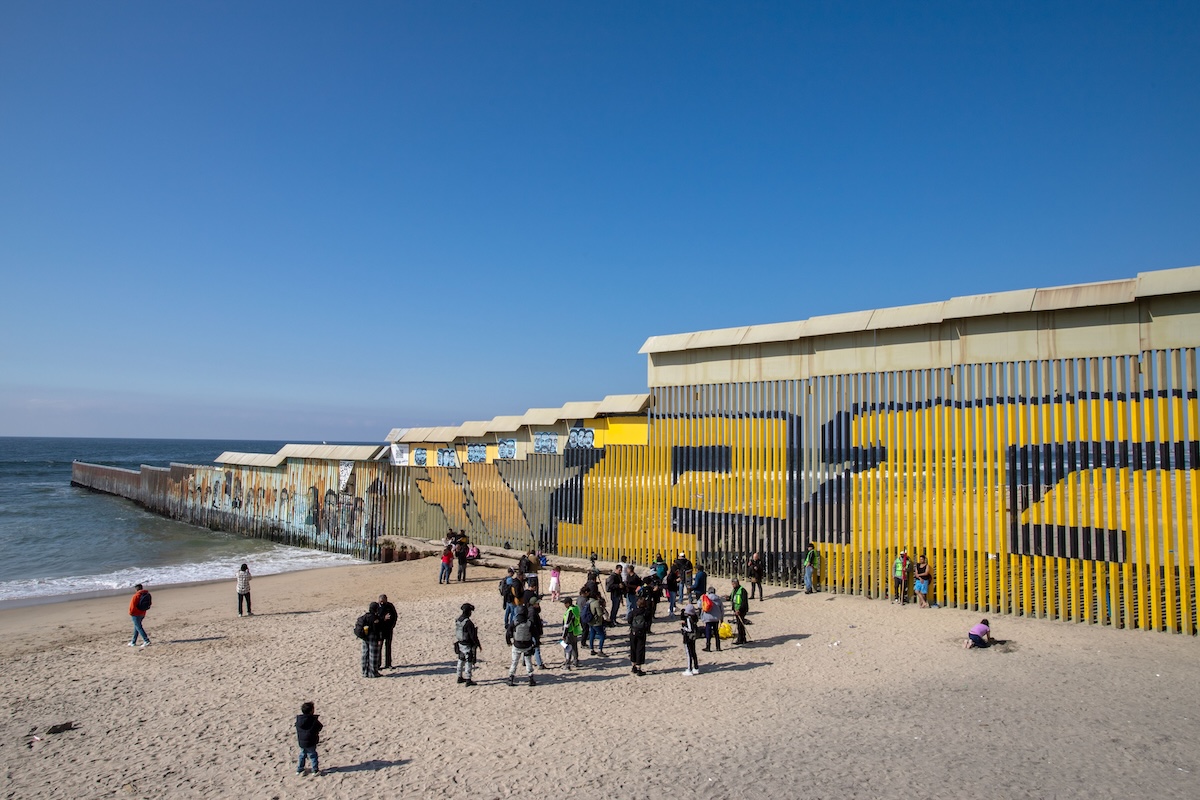
This is one of the world’s busiest land border crossings, with over 50 million people passing through annually. Tijuana sits right against San Diego’s southern edge and the contrast is immediate and dramatic. San Diego is wealthy, orderly, and expensive. Tijuana is chaotic, colorful, and considerably cheaper.
Americans cross for affordable dentistry, prescription drugs, and nightlife while Mexicans cross for work, shopping, and opportunities. The border wall is impossible to ignore here. It runs into the Pacific Ocean, creating one of the most photographed and controversial border landscapes in the world. Despite the barriers, the two cities are deeply interconnected economically and culturally, whether politicians like it or not.
10. Aranyaprathet, Thailand / Poipet, Cambodia
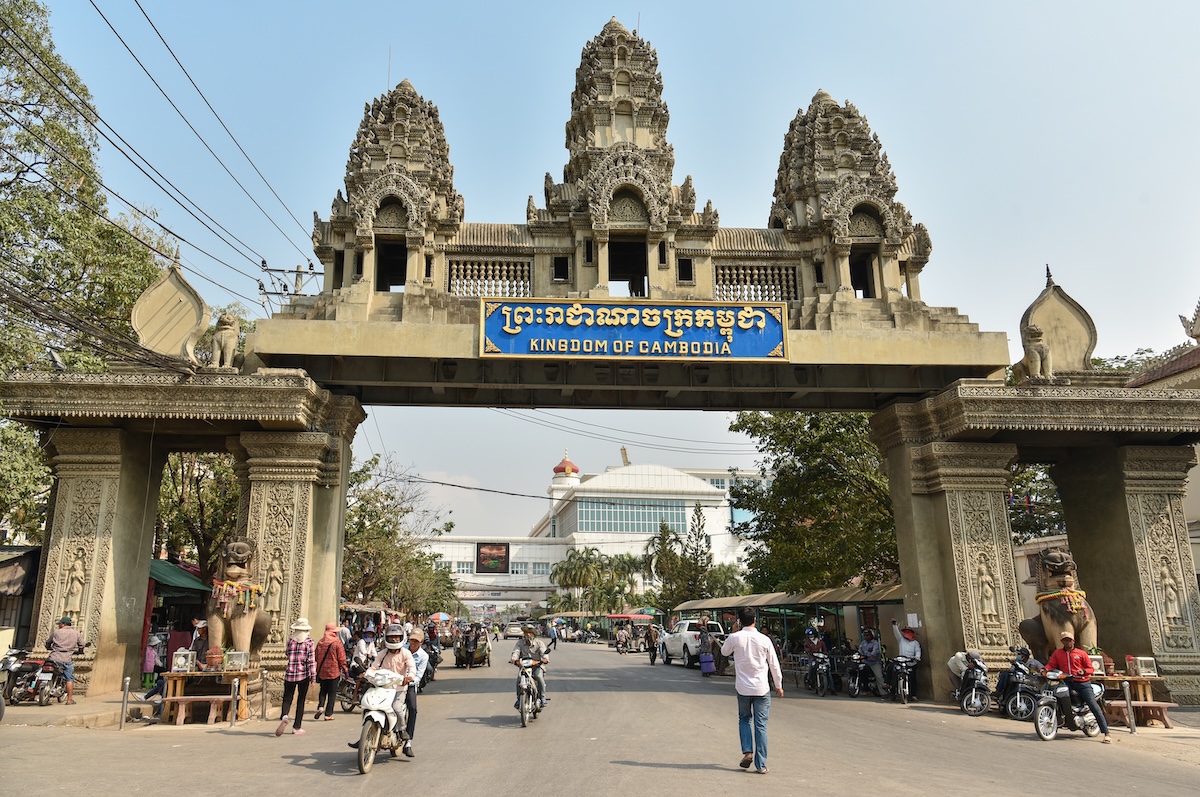
This crossing connects Bangkok to Angkor Wat, making it one of Southeast Asia’s busiest border points. It’s also one of the most chaotic, with crowds of tourists, workers, and traders squeezing through daily. The Thai side is relatively orderly with proper immigration facilities. The Cambodian side is notoriously hectic, with aggressive touts, confusing visa procedures, and persistent scams targeting confused tourists.
Casino resorts dot the Cambodian side just beyond the border, catering to Thai gamblers since gambling is illegal in Thailand. The contrast between sleepy Aranyaprathet and casino-fueled Poipet shows how borders create economic opportunities based on different national laws and restrictions.
9. Konstanz, Germany / Kreuzlingen, Switzerland
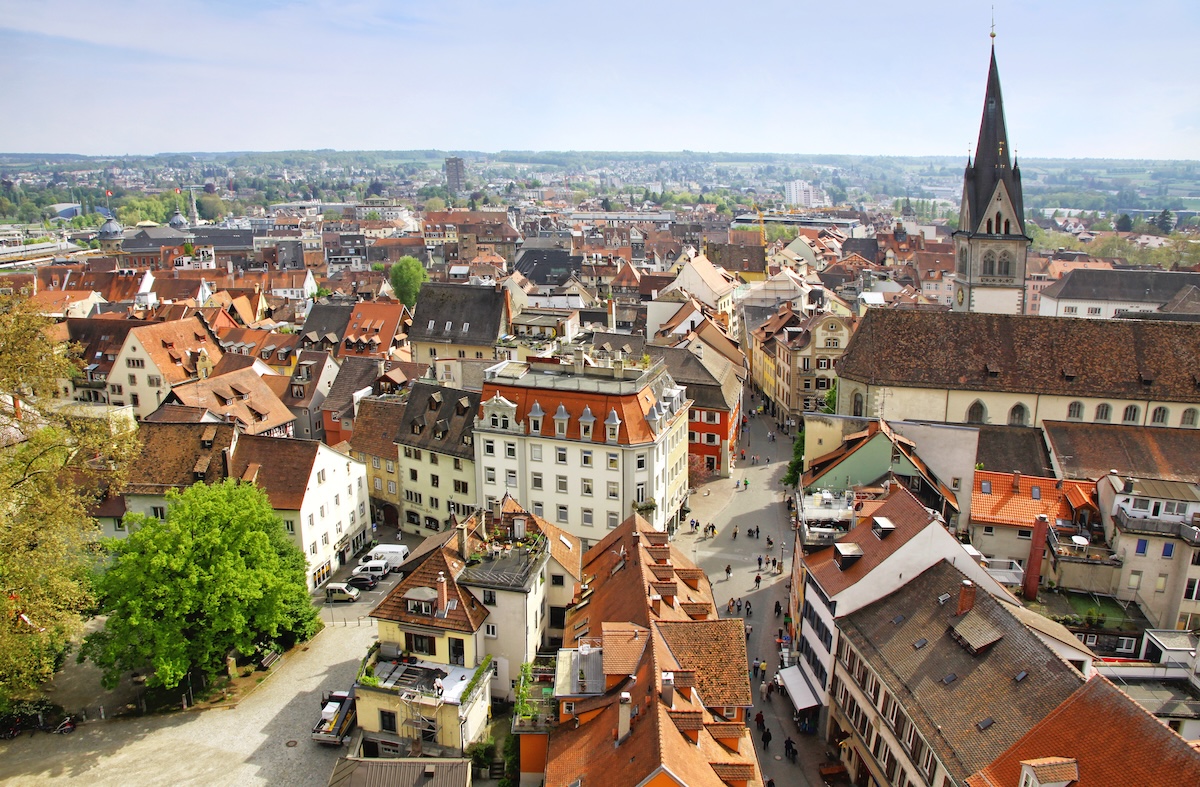
Lake Constance connects these neighboring towns, and the border between them is almost invisible. You can cross multiple times during a morning walk without realizing it, which caused interesting problems before Switzerland joined Schengen. During World War II, Konstanz avoided Allied bombing by keeping its lights on, hoping bombers would mistake it for neutral Kreuzlingen. The strategy apparently worked.
Today both towns function almost as one, with shared public transport and locals crossing constantly. The main difference is prices as everything costs more on the Swiss side. Germans pop over to Kreuzlingen for higher wages while Swiss residents cross to Konstanz for cheaper groceries. It’s economic symbiosis in action.
8. Ivangorod, Russia / Narva, Estonia
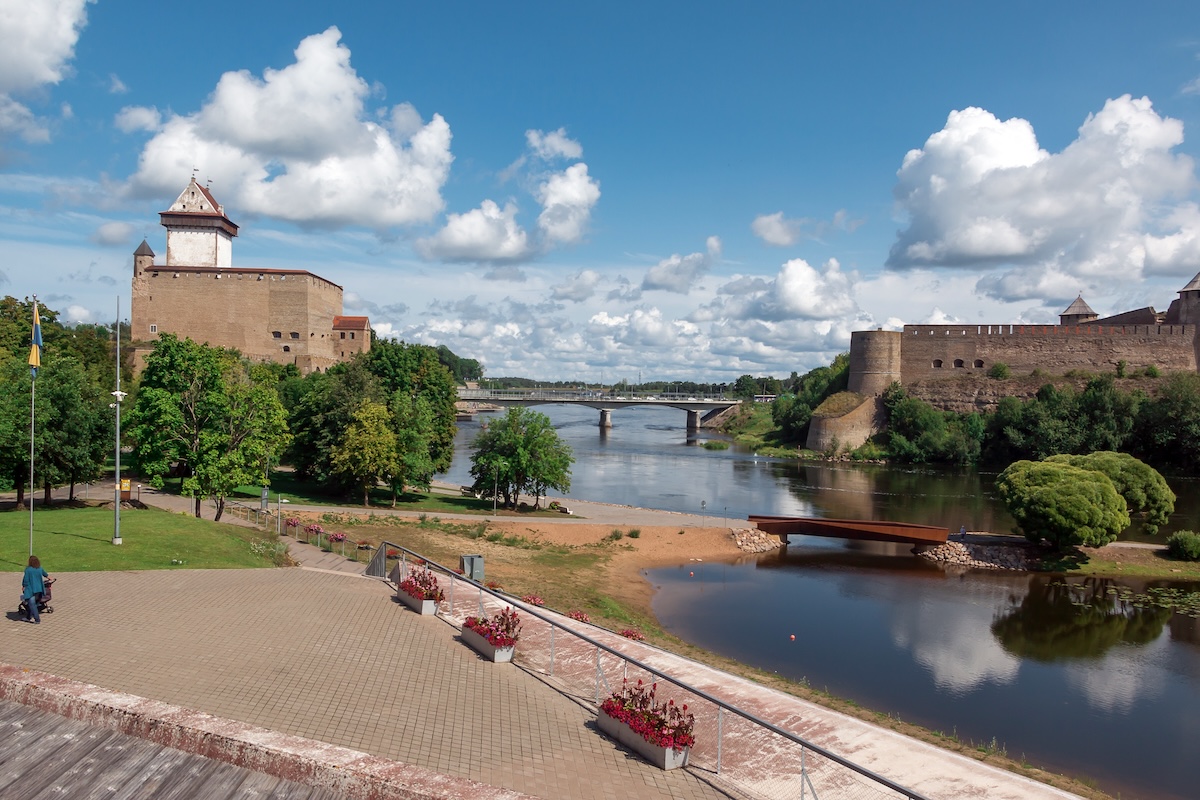
The Narva River creates one of Europe’s sharpest cultural divides. On the western bank sits Estonian Narva, part of the European Union. On the eastern bank is Russian Ivangorod. Two imposing fortresses face off across the river, built centuries ago and still standing as symbols of the divided region.
The border is heavily monitored now, especially since tensions between Russia and the West increased. The population on both sides is predominantly Russian-speaking, which creates even more cultural complexity as many families were split when the border hardened after Estonian independence. The river is narrow, but the political and economic gap feels vast.
7. Niagara Falls, USA/Canada

The famous waterfalls don’t care about international borders, flowing spectacularly between New York and Ontario. Both countries built entire tourist industries around their respective sides of the falls, creating two very different experiences. The Canadian side offers the better views, which Canadians will happily remind you of. Clifton Hill is packed with tourist attractions, wax museums, haunted houses, and chain restaurants.
The American side is comparatively understated with more natural parkland and fewer neon lights. The Rainbow Bridge connects both sides, and you can walk across with just a passport. Many visitors do the falls as a two-country experience, comparing the views and deciding which side deserves bragging rights. The mist doesn’t recognize borders, soaking tourists equally on both sides.
6. Gorizia, Italy / Nova Gorica, Slovenia
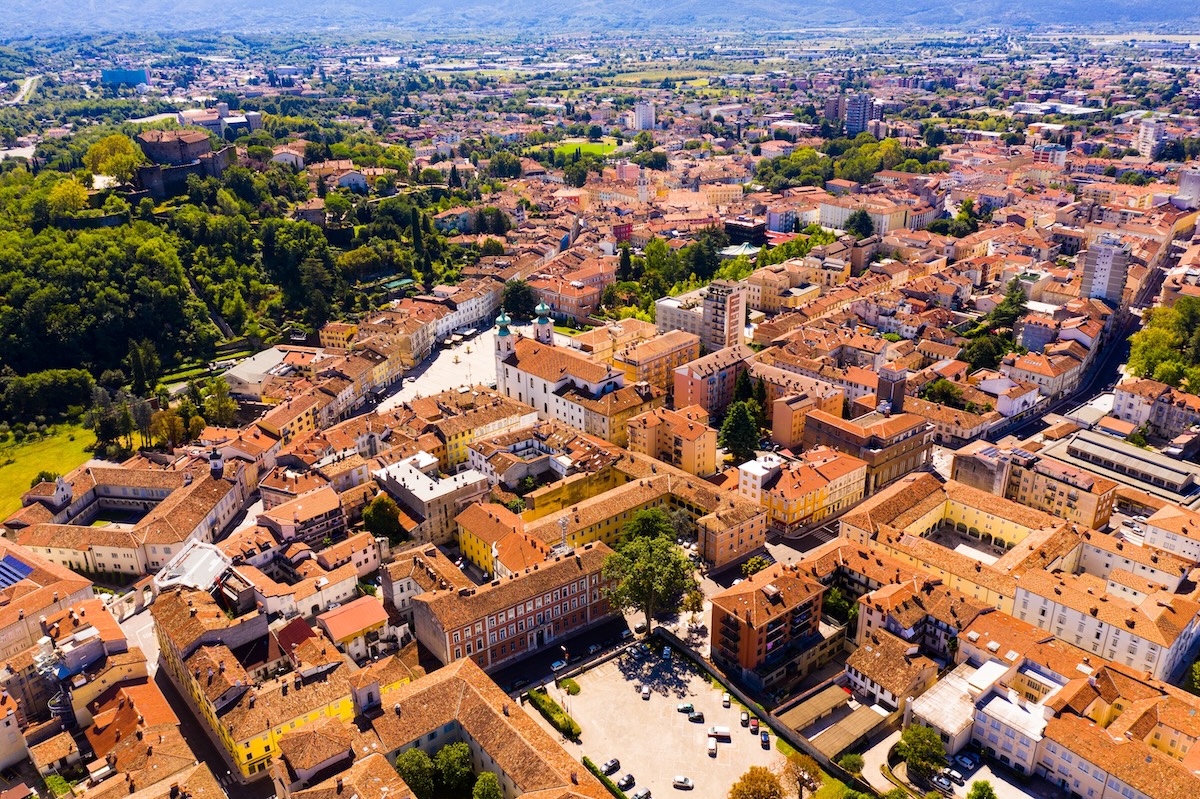
These twin towns were divided after World War II when Italy and Yugoslavia drew a new border. The main square was literally split in half, with a fence running through the middle of town. Now you can walk freely between Italian cafés and Slovenian casinos without showing documents (thank you, EU!).
Nova Gorica was built essentially from scratch as Yugoslavia’s answer to losing most of the original Gorizia to Italy. The Slovenian side has more modernist architecture and several casinos that attract Italian gamblers. Despite decades of separation, locals increasingly treat them as one city again.
5. Derby Line, Vermont, USA / Stanstead, Quebec, Canada

The border literally runs through the Haskell Free Library and Opera House. The building entrance is in the United States, but the stage and most of the reading room sit in Canada so audience members watching performances are technically in a different country than the performers.
Technically you’re supposed to report to customs after visiting, though enforcement is casual for this particular crossing. Don’t try leaving through the wrong door though! A black line on the floor marks the border and it also runs through several houses and buildings in town. Some residents have front doors in America and back doors in Canada.
4. Moyale, Kenya / Moyale, Ethiopia

One town, two countries, and a paved road dividing them. The Ethiopian side is more developed with better infrastructure. The Kenyan side is smaller and scruffier but growing fast as a trade hub. Money changers crowd the crossing, and the difference between Kenyan shillings and Ethiopian birr creates opportunities for savvy traders. The two Moyales have different characters despite being the same town.
Security can be tight depending on regional politics and the border has closed completely during conflicts, cutting the town in half. But when things are calm, it functions as a single community with people crossing constantly for work, shopping, and visiting family on the other side.
3. Chuy, Uruguay / Chuí, Brazil

The border between these towns is marked by a street and Avenida Internacional has Brazil on one side and Uruguay on the other. You can walk down the middle with one foot in each country. The Brazilian side is larger and more developed while he Uruguayan side attracts Brazilians looking for duty-free shopping and lower prices on certain goods. Many residents live on one side and work on the other, crossing the street multiple times daily.
Border markers sit in the median strip, and the flags of both countries fly side by side. The two towns share services and infrastructure while maintaining separate national identities. Portuguese dominates on the Brazilian side, Spanish on the Uruguayan side, but most locals speak both fluently.
2. Naco, Arizona, USA / Naco, Sonora, Mexico

Naco is another American-Mexican border town split by an increasingly fortified barrier. The fence divides what was originally one community into two separate towns with the same name. American Naco is tiny, quiet, and mostly residential. Mexican Naco is larger with more commercial activity, restaurants, and street life.
The border barrier here is serious and you are greeted/deterred by tall metal fencing topped with razor wire. It creates a physical and psychological division that didn’t exist generations ago. Despite the walls, people on both sides maintain family and business connections. The barrier can’t completely sever ties that go back decades.
1. Cieszyn, Poland / Český Těšín, Czech Republic

At this iconic crossinf the Olza River creates an international boundary that locals barely acknowledge in daily life. Český Těšín kept the main railway station and some important institutions when the town was divided while Cieszyn got the historic market square and castle. Both sides developed their own character over a century of separation, yet they function as a unified urban area.
The bridge connecting them sees constant foot traffic with students crossing for school and workers crossing for jobs. Everyone crosses for better prices on groceries, gas, or entertainment depending on exchange rates. It’s proof that borders are often more political than cultural, and communities divided by lines on maps can remain connected through shared history and daily necessity.