
The Mediterranean has been seducing travelers for thousands of years, and it’s not hard to understand why. Azure waters, ancient (although they weren’t ancient back then…) ruins, sun-bleached villages clinging to cliffs, and food that makes you reconsider everything you thought you knew about eating, we could go on…
From Spain’s vibrant cities to Greece’s impossibly blue waters, from Italy’s dramatic coastlines to Croatia’s hidden islands, Mediterranean Europe delivers on its promise of la dolce vita. Yes, some of these places are touristy. Yes, they can be expensive. But there’s a reason millions of people flock here every year because these destinations are genuinely worth seeing, even if you have to share them with crowds.
17. Barcelona, Spain

Gaudí’s architectural masterpieces define Barcelona’s skyline and character. The Sagrada Família has been under construction since 1882 and remains unfinished, yet it’s already one of Europe’s most thought-provoking buildings. Park Güell, Casa Batlló, and La Pedrera showcase his distinctive organic style throughout the city.
Beyond Gaudí, Barcelona also encourages Gothic Quarter wandering, Las Ramblas people-watching, beach lounging, and visiting world-class museums, including the Picasso Museum. The food scene ranges from traditional tapas bars to cutting-edge molecular gastronomy. The city perfectly balances history with contemporary culture, creating energy that makes it one of Europe’s most dynamic destinations. Just watch your belongings, Barcelona’s pickpockets are as legendary as its architecture.
16. Santorini, Greece

The Cycladic island that launched a thousand Instagram accounts lives up to the hype despite overwhelming tourism. White-washed buildings with blue domes cascade down volcanic cliffs, creating Greece’s most iconic and photographed landscape. The caldera views from Oia and Fira are genuinely one-of-a-kind, especially at sunset.
Santorini was formed by a massive volcanic eruption around 1600 BCE that destroyed the Minoan civilization but it is that same volcanic soil that produces distinctive wines worth trying. Black sand beaches offer swimming alternatives to the crowded towns and inifinity pools. Yes, it’s expensive and packed with tourists in summer. But the views from the cliff-edge villages justify the crowds.
15. Cinque Terre, Italy

Five colorful fishing villages cling to the rugged Ligurian coast, connected by hiking trails and a railway line carved into the cliffs. Riomaggiore, Manarola, Corniglia, Vernazza, and Monterosso each have distinct characters but share the same vertical architecture and stunning coastal setting.
The villages date back to medieval times when residents built upward rather than outward due to limited flat land. Hiking between villages brings plenty of spectacular coastal views, though some trails close periodically due to landslides. The area has become heavily touristed, with day-trippers flooding in from cruise ships and nearby cities. Stay overnight to experience the villages after day crowds depart, when they regain some authentic charm.
14. Bonifacio, Corsica

Perched on limestone cliffs at Corsica’s southern tip, Bonifacio’s medieval citadel towers 70 meters above the Mediterranean where the fortified old town sits atop white cliffs. While the city keeps watch above, the harbor below buzzes with yachts and restaurants serving Corsican specialties.
The clifftop position served defensive purposes for centuries, making Bonifacio nearly impregnable. Walking the narrow streets of the haute ville reveals Genoese architecture and views across the strait to Sardinia, just 12 kilometers away. Boat trips explore sea caves and provide perspectives on the town’s jaw-dropping location. Bonifacio is easily one of the Mediterranean’s most striking coastal towns without the overwhelming tourist infrastructure of more famous destinations. Sounds like a win!
13. Bay of Kotor, Montenegro
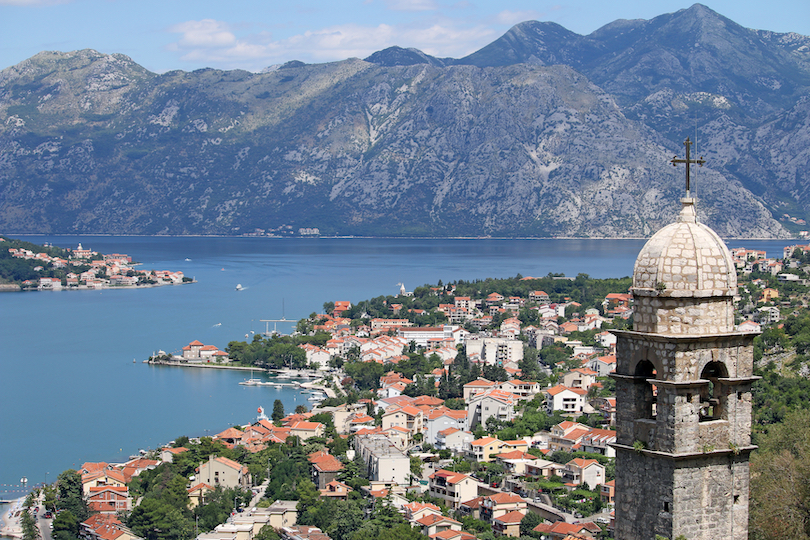
Often called Europe’s southernmost fjord (if you aren’t being technical), the Bay of Kotor cuts deep into Montenegro’s coast, surrounded by dramatic mountains. Medieval walled towns like Kotor and Perast sit along the bay’s edge, preserving Venetian architecture and centuries of seafaring history.
Kotor’s Old Town is a UNESCO World Heritage Site with marble streets, baroque churches, and fortifications climbing 1,200 meters up the mountainside behind it. The fortress climb of 1,350 steps rewards you with spectacular bay views but requires stamina for the Mediterranean heat. Perast is smaller and more relaxed, with baroque palaces and two picturesque islands just offshore. The bay gives you Croatia’s beauty without Croatia’s prices, though tourism is rapidly increasing as word spreads about Montenegro’s coastline.
12. Valencia, Spain
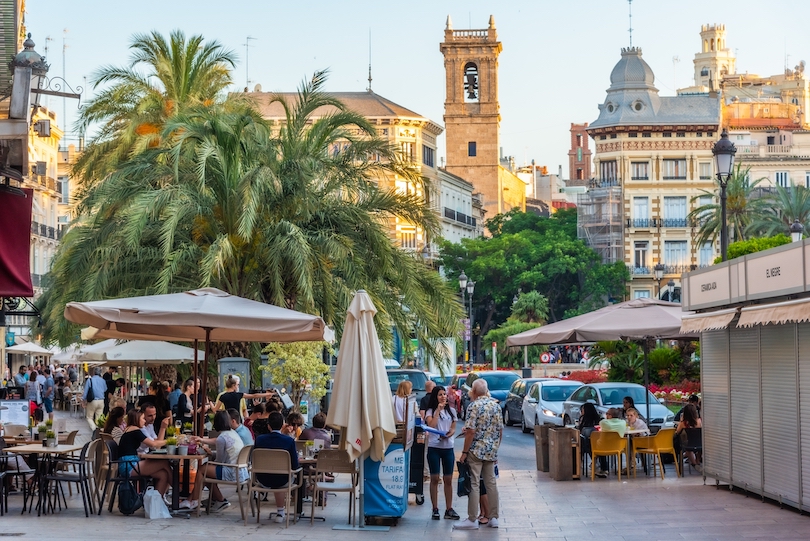
Spain’s third-largest city combines Mediterranean beaches, futuristic architecture, and the paella that all other paellas aspire to be. The City of Arts and Sciences, the city’s contemporary jewel, is a stunning complex of avant-garde buildings designed by Santiago Calatrava. On the other side of the spectrum is the old quarter that preserves medieval streets, markets, and Gothic architecture.
Valencia invented paella, and eating it here is a revelation compared to tourist versions served elsewhere. The Central Market is one of Europe’s largest and most beautiful, occupying a stunning Modernist building and the Turia Gardens occupy a former riverbed converted into a 9-kilometer green space running through the city center. Valencia combines Barcelona’s energy with better weather, fewer crowds, and lower prices, making it increasingly popular with travelers seeking authentic Spanish city life.
11. Gibraltar

The British territory on Spain’s southern tip is weird, fascinating, and undeniably unique. The 426-meter limestone Rock dominates everything, home to wild Barbary macaques, extensive caves, and tunnels carved during centuries of military occupation. The territory measures just 6.8 square kilometers, making it one of the world’s most densely populated places.
Gibraltar’s mixture of British and Mediterranean culture creates odd juxtapositions like fish and chips shops next to tapas bars and red phone boxes in subtropical heat. One of the weirdest features is the airport runway that crosses the main road into town, stopping traffic when planes land. Views from the Rock span two continents and two seas. It’s not for everyone, but Gibraltar’s quirky character makes it memorable.
10. Athens, Greece
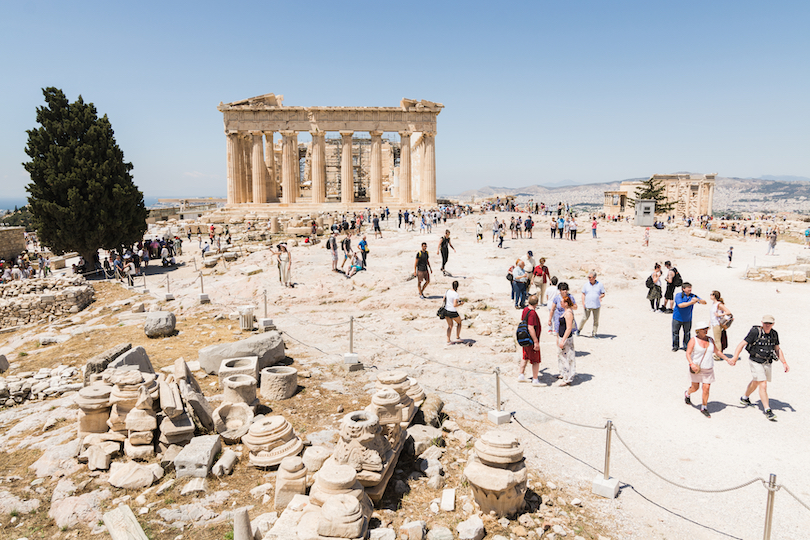
Gods keep watch as the Acropolis towers over Athens, and standing beneath the Parthenon is genuinely awe-inspiring despite crowds and scaffolding. The ancient temples represent the pinnacle of classical Greek architecture and philosophy, foundations of Western civilization sitting on a rocky outcrop above the modern city.
Beyond the Acropolis, Athens obviously has world-class museums but you will fall in love with the narrow streets and tavernas in the Plaka neighborhood. Modern Athens can be more chaotic, hot, and gritty, but it promotes an infectious energy. The food scene doesn’t even need explaining, and you must be ready to add a notch to your belt buckle. Athens truly rewards those who look beyond the obvious tourist sites.
9. Monaco
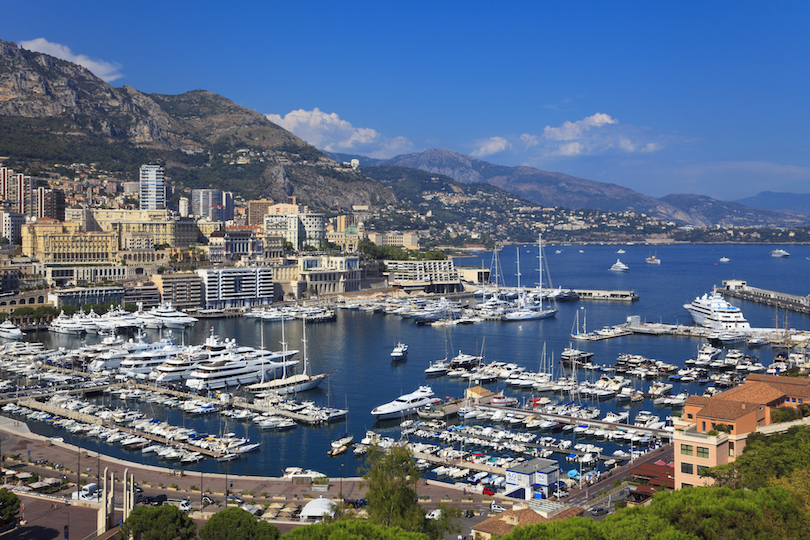
The world’s second-smallest country packs ridiculous wealth into 2 square kilometers. Superyachts crowd the harbor, luxury cars navigate hairpin turns, and designer boutiques line streets where parking spaces cost more than most people’s homes. Above all else, the Monte Carlo Casino epitomizes Monaco’s excess and glamour.
The Prince’s Palace sits on a rocky promontory overlooking the Mediterranean and you can see the changing of the guard that happens daily at 11:55 AM with surprising ceremony for such a tiny nation. Monaco’s Oceanographic Museum is excellent, and the Exotic Garden offers even more spectacular views. Yes, it’s expensive and ostentatious. But Monaco’s concentrated wealth and beauty create a unique atmosphere worth experiencing, even if you can’t afford to stay in the casino hotels or eat at Michelin-starred restaurants.
8. Valletta, Malta

Malta’s capital occupies a fortified peninsula between two natural harbors, with golden limestone buildings creating a cohesive architectural masterpiece. Built by the Knights of St. John in the 16th century, Valletta is one of Europe’s most concentrated historic cities and you can walk the entire city in under 30 minutes.
St. John’s Co-Cathedral’s plain exterior hides an interior dripping with gold and baroque decoration, including Caravaggio paintings. The Upper Barrakka Gardens offer panoramic harbor views, and the Grand Harbour is one of the Mediterranean’s finest natural ports. Interestingly, Valletta’s streets follow a grid pattern unusual for medieval European cities, designed for defense and ventilation. The entire city is UNESCO-listed, and renovation work continues making it more beautiful while carefully preserving historical integrity.
7. Ibiza, Spain

Known globally for electronic music and nightlife, Ibiza has much more than superclubs and beach parties. Dalt Vila, the fortified old town, is a UNESCO World Heritage Site with cobblestone streets, cathedral views, and sunset dining. And while Playa d’en Bossa is pumping club tunes, the island’s northern coast features quiet coves and hippie markets.
But the club scene is pretty legendary and dozens of clubs are ranked among the world’s best. But Ibiza also provides relaxation, with beach clubs for daytime lounging, yoga retreats, and traditional villages where island culture survives beyond the party reputation. The combination of hedonism and history, clubbing and culture, makes Ibiza appeal to diverse travelers seeking different Mediterranean experiences on one relatively small island.
6. Korčula, Croatia
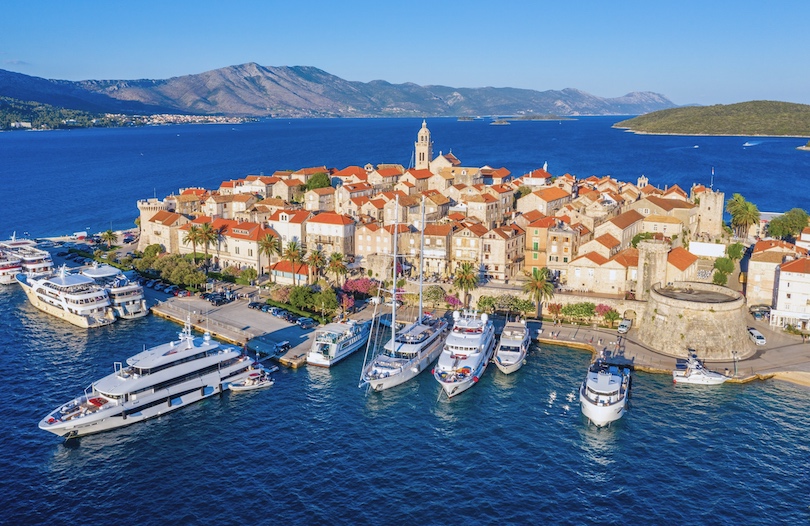
Marco Polo was allegedly born on this Croatian island, though Venice disputes the claim. Regardless of the explorer’s birthplace, Korcula Town is stunning with its circular old town extending into the sea, medieval towers, and marble streets arranged in a herringbone pattern for wind circulation.
The island produces excellent white wine from local grapes and has a tradition of sword dancing dating back centuries. Beaches around the island range from pebble to sand, with clear Adriatic water perfect for swimming. Korcula remains less developed than Hvar or Dubrovnik, offering authentic Croatian island life with fewer crowds. It’s accessible by ferry from Split or Dubrovnik, making it perfect for travelers wanting to escape the mainland’s tourist intensity.
5. Venice, Italy
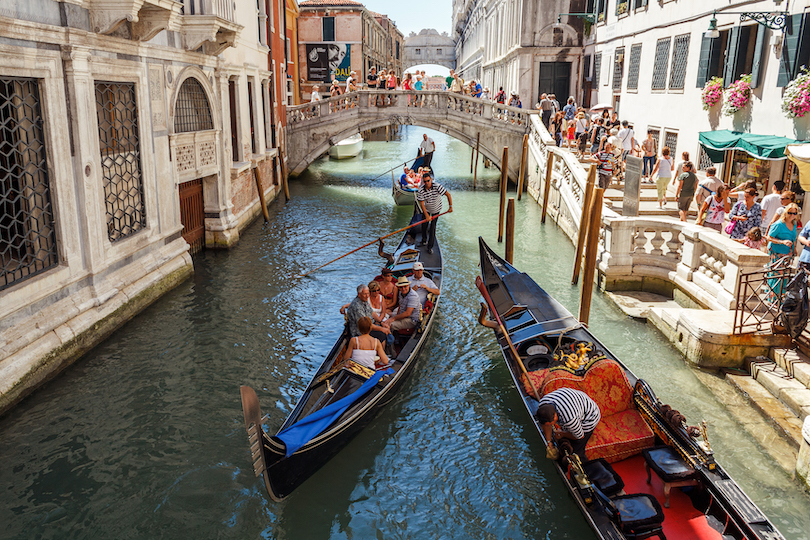
Yes, Venice is sinking, overcrowded, and expensive. But, it’s worth seeing anyway! The city built on lagoon islands is genuinely unique, with canals replacing streets and palaces slowly succumbing to water. St. Mark’s Square, the Rialto Bridge, and gondolas navigating narrow waterways create iconic imagery that lives up to expectations.
Beyond obvious attractions, Venice rewards wandering. Getting lost in Dorsoduro or Cannaregio reveals quieter neighborhoods where locals still live. Early morning before cruise ship arrivals or evening after they depart shows Venice at its best. The surrounding islands are a must with Burano’s colorful houses, Murano’s glass workshops, and Torcello’s ancient churches providing escapes from crowds. Venice is dying, which somehow makes seeing it feel more urgent and meaningful.
4. Mykonos, Greece
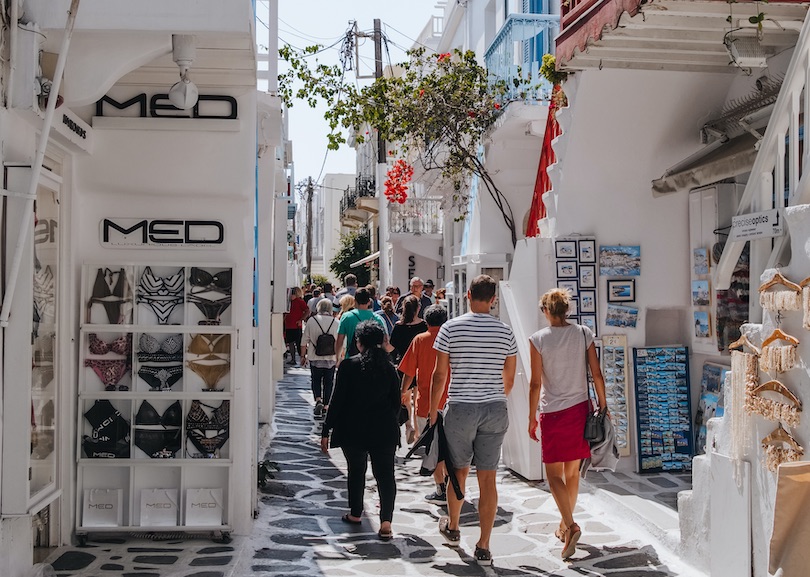
The Cycladic island famous for windmills, white-washed buildings, and hedonistic nightlife attracts everyone from celebrities to backpackers. Little Venice’s colorful houses hang over the sea, windmills line the ridge above town, and labyrinthine streets create perfect backdrops with bougainvillea spilling from every corner.
Mykonos also parties hard, with beach clubs transitioning into nightclubs that keep going until sunrise. Luckily, the island also offers quieter pleasures like stunning beaches with turquoise water, excellent seafood restaurants, and archaeological sites, including nearby Delos, Apollo’s mythological birthplace. The atmosphere manages to be both glamorous and laid-back, exclusive and welcoming. Mykonos isn’t cheap, but it delivers the quintessential Greek island experience amplified to eleven.
3. Taormina, Sicily

Perched on a cliff 200 meters above the Ionian Sea, Taormina delivers stunning views of Mount Etna smoking in the distance. The ancient Greek theatre provides the perfect frame for Sicily’s dramatic landscape as classical columns frame Europe’s most active volcano in the background.
Corso Umberto, the main street, is lined with shops, cafés, and restaurants serving Sicilian specialties. Isola Bella, a tiny island connected by a narrow sand strip and this stunning swimming spot can’t be missed. The town attracted artists and wealthy travelers for centuries, and it retains refined elegance despite tourist crowds. Taormina is an excellent base for exploring eastern Sicily, with easy access to Etna, Syracuse, and beaches along the coast.
2. Chania, Crete

Crete’s second-largest city preserves one of Greece’s most beautiful Venetian harbors, with a lighthouse, mosque, and pastel-colored buildings reflecting in the water. The old town combines Venetian, Turkish, and Greek influences in narrow streets perfect for wandering without specific destinations.
The covered market is excellent for local products and food, and beaches stretch west along the coast with some of Greece’s best swimming. Chania serves as gateway to western Crete’s natural wonders including Samaria Gorge and stunning beaches like Balos and Elafonissi. The combination of history, architecture, nature, and authentic Cretan culture makes Chania less touristy than Santorini while offering equally rewarding experiences. Crete’s size allows extended exploration rather than just quick visits.
1. Amalfi Coast, Italy
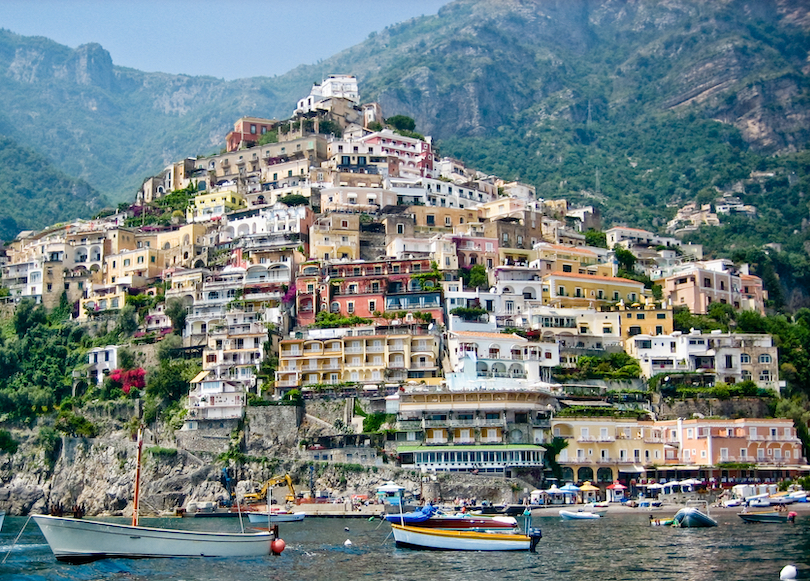
The 50-kilometer coastline between Sorrento and Salerno is the Mediterranean at its most dramatic and beautiful. Colorful villages cling to vertical cliffs, lemon groves perfume the air, and the impossibly blue Tyrrhenian Sea crashes against rocky shores. The iconic winding coastal road offers spectacular views around every hairpin turn.
Positano cascades down the mountainside in a tumble of pastel buildings and boutique hotels. Amalfi town preserves its maritime republic history in an impressive cathedral and waterfront piazza. The coast is expensive, crowded, and difficult to navigate, but it delivers on every romantic Italian fantasy. Go in shoulder season if possible, but go regardless because the Amalfi Coast represents Mediterranean beauty at its absolute peak, justifying every superlative ever written about it.