
American cities grew explosively through the early 20th century, then something changed. Suburbs happened. White flight happened. Manufacturing jobs moved overseas or just disappeared entirely. What had been booming industrial powerhouses turned into places people actively left, often in massive numbers. These cities lost anywhere from 18% to a staggering 67% of their peak populations since the 1950s, transforming from packed urban centers into places with vacant lots where neighborhoods used to be.
Some cities got hit by specific industry collapses, others suffered from decades of disinvestment and failed urban renewal projects. A few are genuinely making comebacks in their downtowns while their overall population numbers continue dropping. These aren’t stories of total failure so much as dramatic transformations that reshaped what American cities look like and who lives in them.
12. Minneapolis (428,579 from 521,718 | -17.9%)
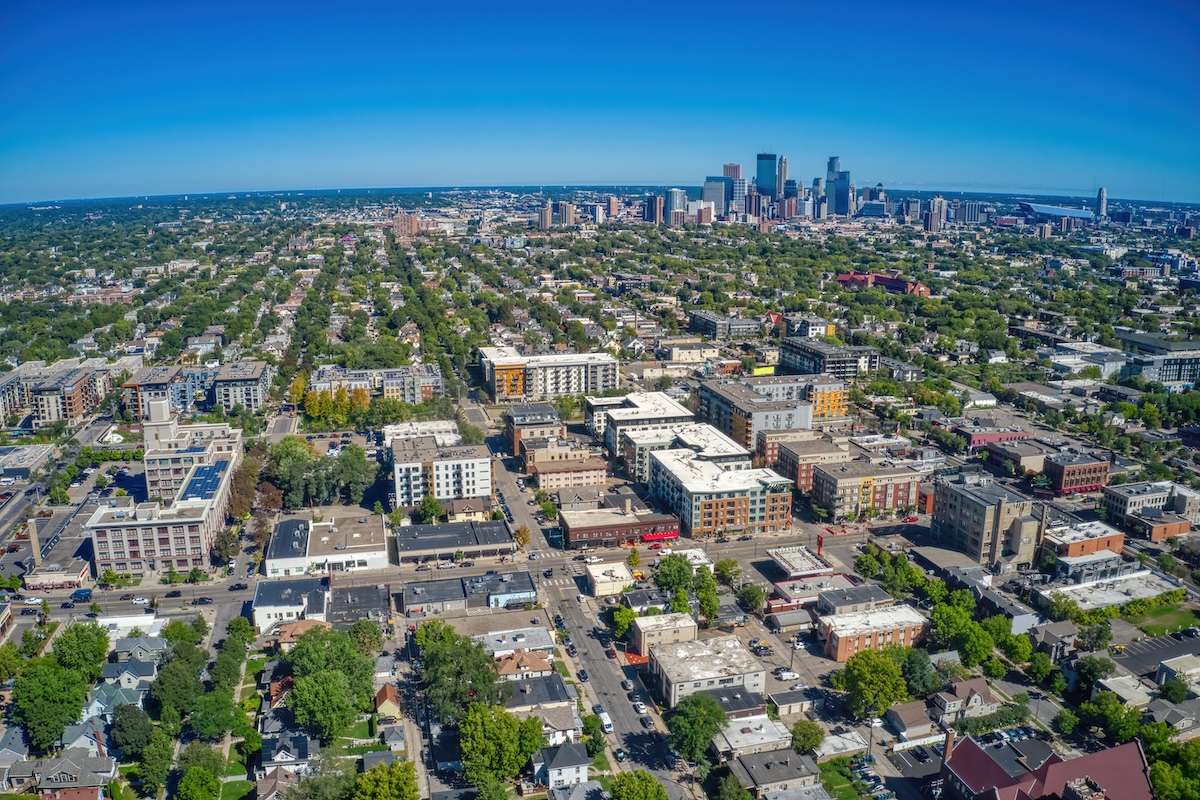
Minneapolis avoided the catastrophic declines that hit other Midwest cities, but still lost nearly 100,000 residents since its peak. The Twin Cities metro area kept growing while the city proper shrank, following the classic pattern of suburban expansion draining the urban core. People moved to Edina, Minnetonka, and dozens of other suburbs that didn’t exist in 1950.
The city reinvented itself as a corporate headquarters hub and remained relatively prosperous compared to Rust Belt neighbors that weren’t so lucky. Downtown Minneapolis stayed active with Fortune 500 companies actually maintaining headquarters there, which is rarer than you’d think for Midwestern cities. The skyway system lets people move between buildings without going outside during brutal winters, which probably helped keep some office workers from fleeing entirely.
11. Philadelphia (1,573,916 from 2,071,605 | -24.0%)
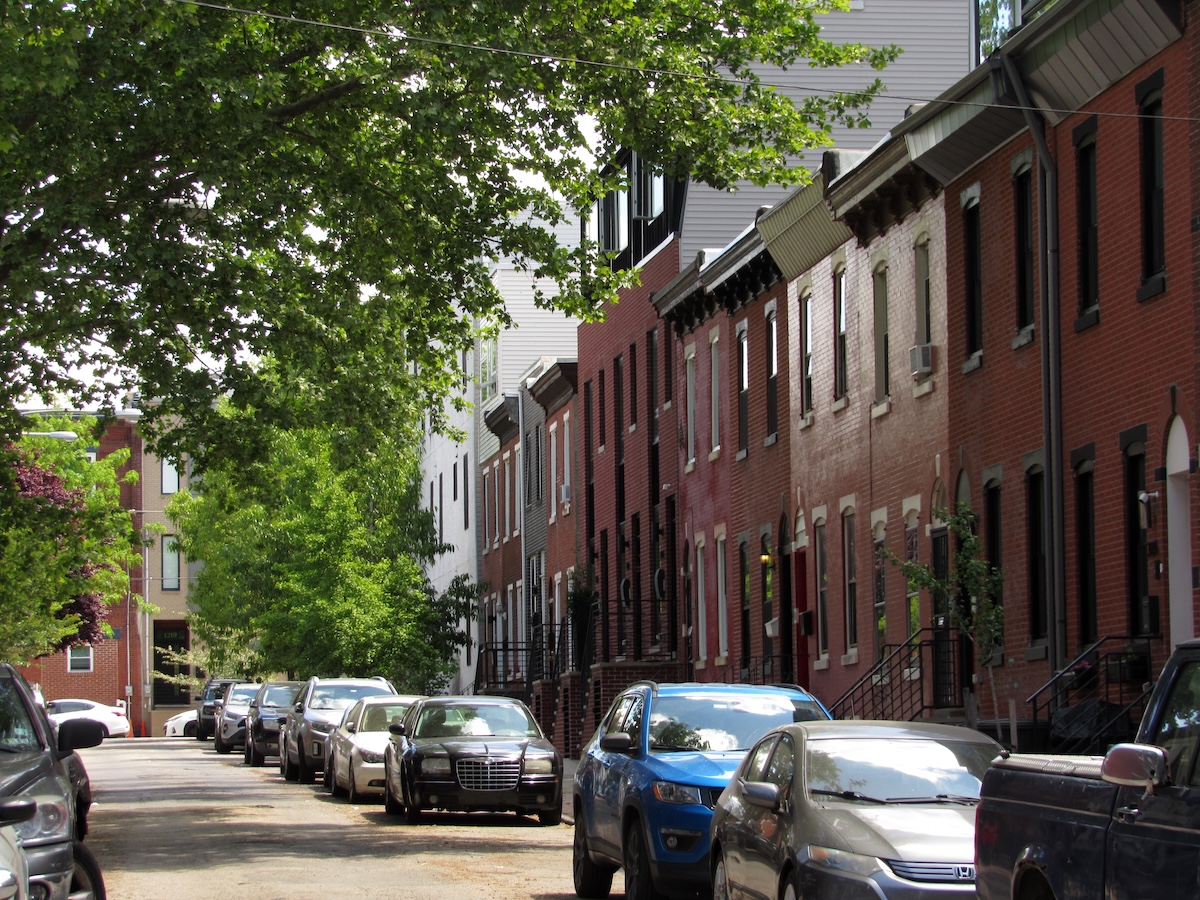
Philly lost nearly half a million people while its suburbs exploded with former city residents. The decline started in the 1950s and didn’t really stabilize until the 2000s, with some neighborhoods losing 50% or more of their populations while others stayed relatively intact. The exodus hit hard, but so did the loss of manufacturing jobs that employed massive numbers in industries that moved south or overseas.
Center City and University City have rebounded with young professionals and students, but huge swaths of North and West Philly still show the scars of decades of decline. The city stopped shrinking around 2010 and has added some residents since, though it’s nowhere near recovering what was lost. At least the cheesesteaks stayed good through the whole thing.
10. Chicago (2,721,308 from 3,620,962 | -24.8%)
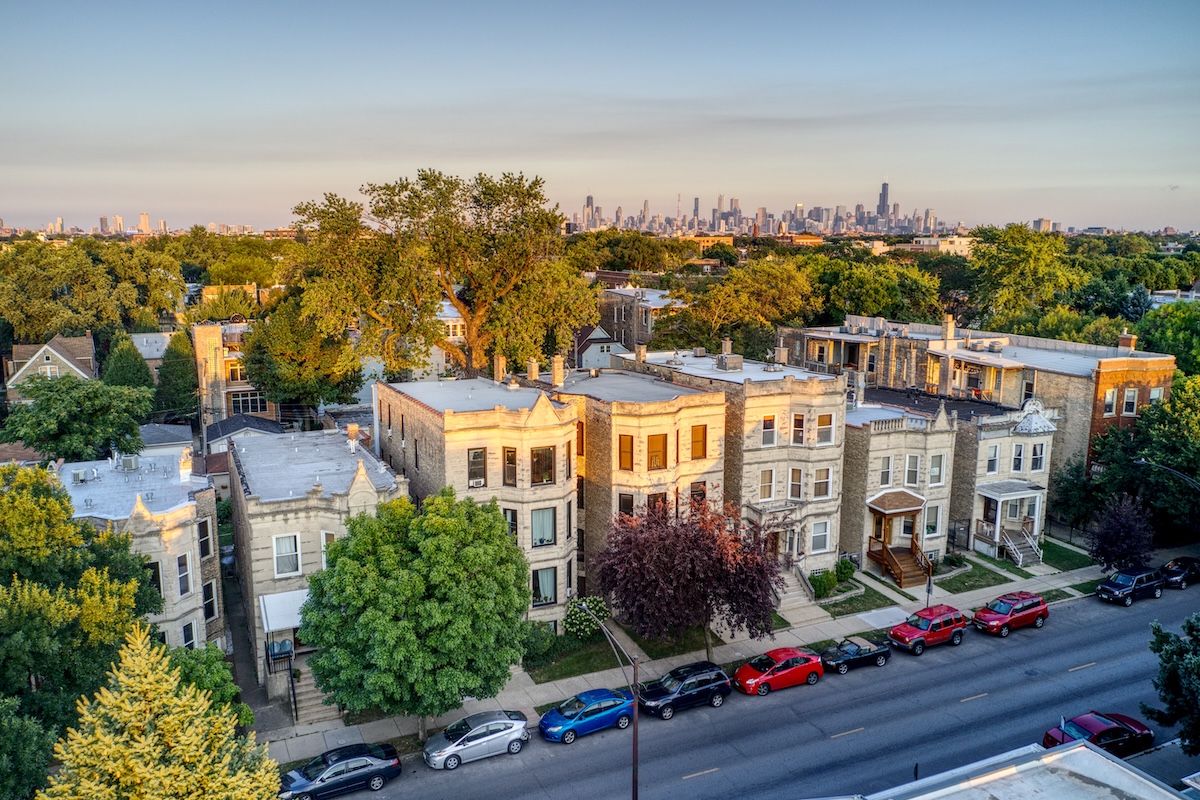
Losing 900,000 people sounds catastrophic until you remember Chicago still has 2.7 million residents, making it America’s third-largest city despite the decline. The South and West sides bore the brunt of population loss while the North Side and downtown remained relatively stable or even grew. Chicago’s decline mirrors patterns across the area wirh suburbanization, loss of manufacturing, and racial segregation patterns that pushed middle-class families of all races out to the suburbs.
The Loop and Near North Side are genuinely thriving with new construction and rising property values, creating a tale of two cities where some neighborhoods boom while others struggle with vacancy and disinvestment. Chicago remains a powerhouse culturally and economically despite being significantly smaller than it was 70 years ago. The architecture still slaps regardless of how many people live there.
9. Newark, NJ (317,303 from 438,776 | -27.7%)
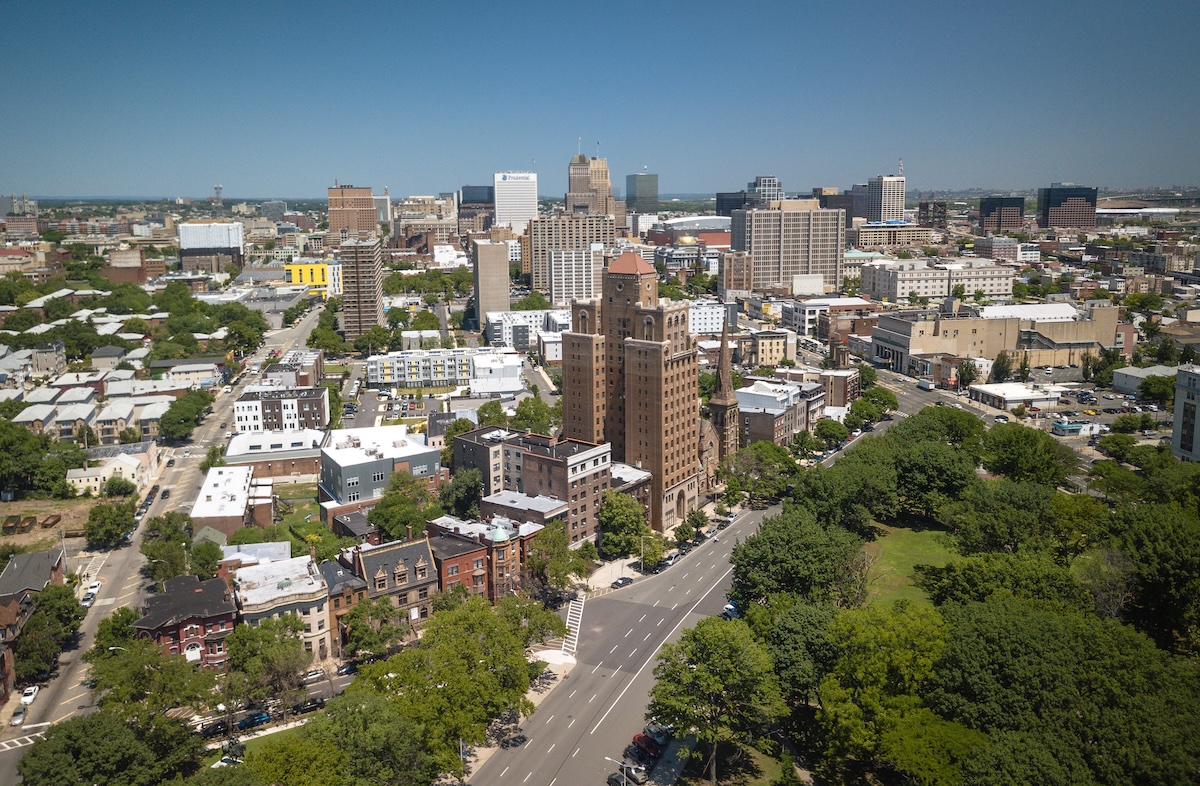
Newark’s decline accelerated after the 1967 riots, when the city lost population at rates that would have been shocking if similar things weren’t happening across the country. The proximity to New York City created a weird dynamic where Newark served as cheaper housing for people working in Manhattan while simultaneously struggling with poverty, crime, and disinvestment that made suburbanization appealing for anyone who could afford to leave.
The city has stabilized somewhat, and parts of downtown have seen redevelopment thanks to being so close to NYC and the airport. Penn Station Newark actually gets real use, and the Prudential Center arena brought some life back to downtown. But Newark’s reputation as a place people avoid still overshadows the reality that it’s a functioning city that 300,000 people call home.
8. New Orleans (362,701 from 570,445 | -36.4%)
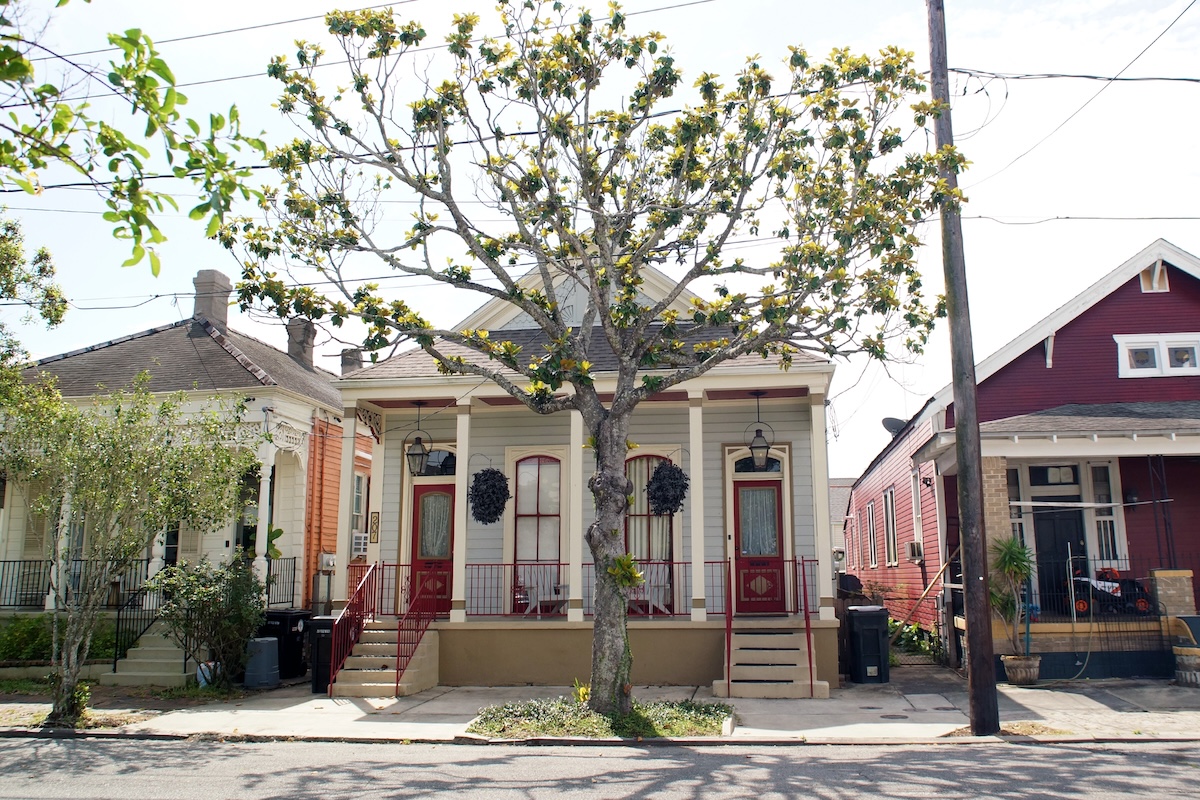
New Orleans was already shrinking before Katrina, but the 2005 hurricane accelerated trends that had been happening for decades. The city lost about 30% of its population between 1960 and 2000, then Katrina displaced hundreds of thousands more, many of whom never returned. The Lower Ninth Ward and New Orleans East still show visible scars from flooding, with vacant lots where houses used to be.
Tourism props up the economy in ways that don’t necessarily translate to stable population growth, and the areas tourists visit bear little resemblance to the neighborhoods where most residents actually live. The culture and food scene remain world-class, but climate change and hurricane risk make New Orleans’ long-term prospects uncertain in ways that don’t apply to other shrinking cities.
7. Cincinnati (314,915 from 503,998 | -37.5%)
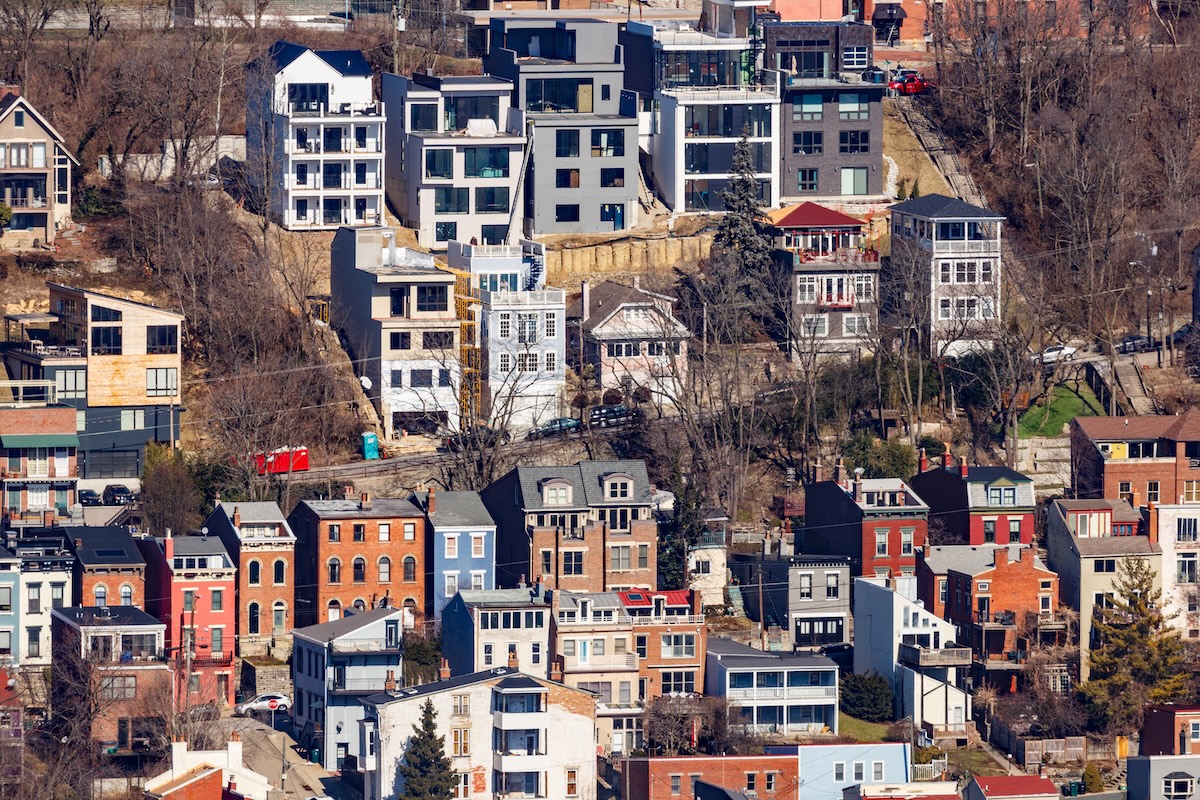
Nearly 200,000 residents left Cincinnati while its suburbs grew into sprawling communities across the Ohio River into Kentucky. The riverfront that once bustled with industrial activity sat largely abandoned for decades before recent redevelopment efforts brought stadiums and some housing back to the area. Over-the-Rhine went from one of America’s most intact 19th-century neighborhoods to a symbol of urban decay, then back to a gentrifying historic district in a cycle that spans decades.
The city’s German brewing heritage and beautiful architecture survived even as population plummeted, leaving Cincinnati with amazing historic buildings in neighborhoods that sometimes lack the residents to support them. Recent years have seen downtown stabilize with restaurants, apartments, and some urban pioneers willing to invest in the city’s future. The chili’s still weird but beloved.
6. Baltimore (568,271 from 949,708 | -40.2%)
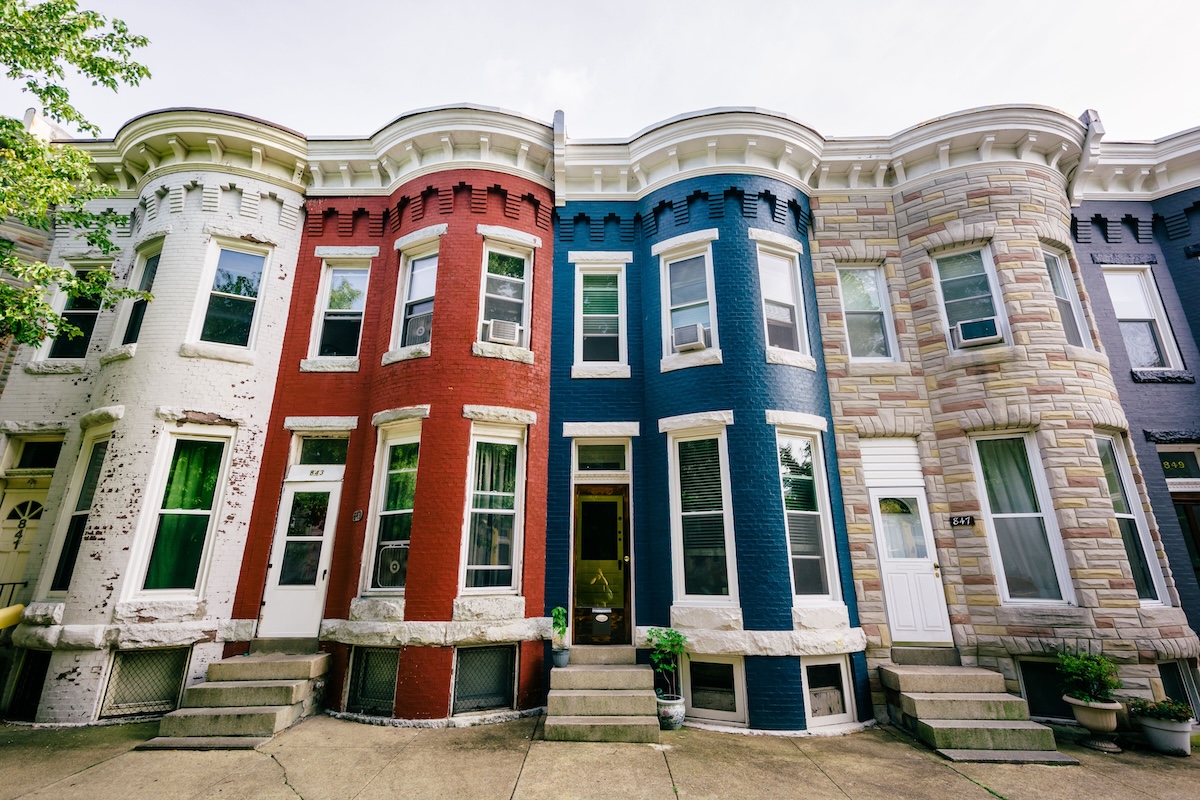
Baltimore lost over 380,000 residents which is more than the current population of many cities. Luckily, it still ranks among America’s 30 largest. The decline gutted entire neighborhoods, particularly in East and West Baltimore, where blocks of rowhouses sit vacant or demolished.
The Inner Harbor redevelopment in the 1980s pioneered the urban waterfront revival model that other cities copied, but it didn’t stop population loss or address deep structural problems. Johns Hopkins and the University of Maryland anchor the city economically, and some neighborhoods like Fells Point and Canton have seen revival. But Baltimore’s challenges with crime, schools, and vacant housing remain significant despite pockets of success.
5. Buffalo, NY (276,617 from 580,132 | -52.3%)
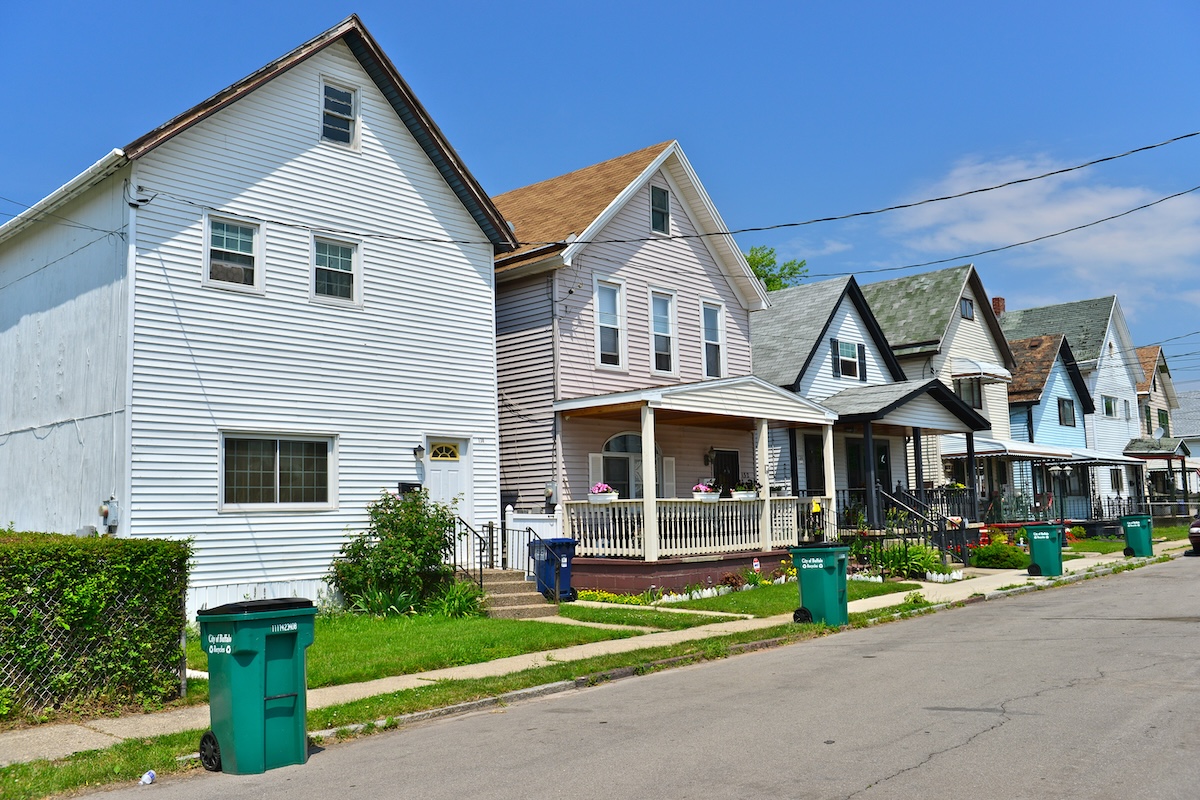
This border city lost more than half its residents, dropping from over half a million to under 280,000. The opening of the St. Lawrence Seaway in 1959 eliminated Buffalo’s advantage as a Great Lakes shipping hub, and the decline of steel and manufacturing finished off much of the economic base. Entire neighborhoods emptied out, leaving Buffalo with housing stock for twice its current population.
The city’s bones are good with beautiful architecture, a logical street grid, and proximity to Niagara Falls and Toronto. But decades of decline left scars that cheap housing and recent revival efforts can’t immediately fix. Young people priced out of other cities have discovered Buffalo’s affordability, and some neighborhoods are genuinely coming back. The snow remains ridiculous but you’d know that going in.
4. Pittsburgh (307,668 from 676,806 | -54.5%)
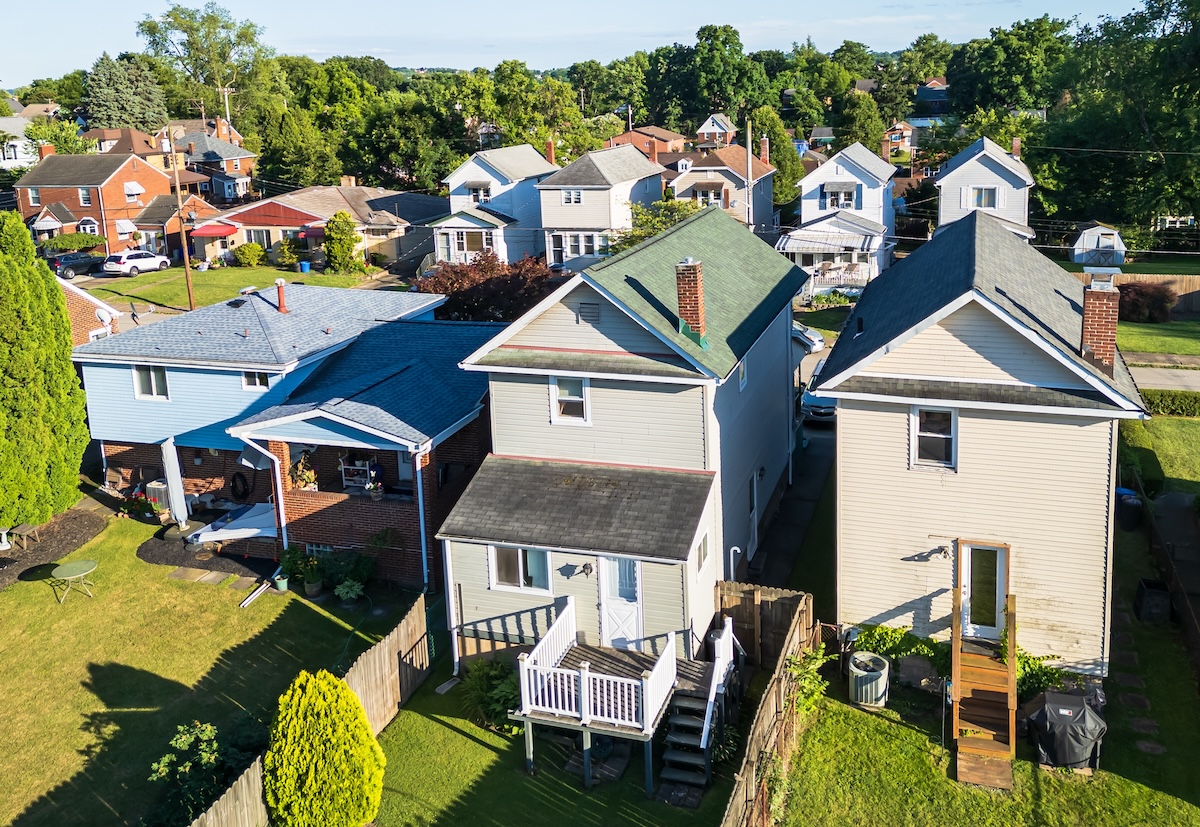
Steel’s collapse devastated Pittsburgh, cutting the population by more than half as mills closed and workers left for opportunities elsewhere. The city went from industrial powerhouse to Rust Belt cautionary tale, with entire mill towns in the surrounding area becoming virtual ghost towns. Neighborhoods built for mill workers sat half-empty for decades.
Pittsburgh reinvented itself through universities and healthcare, transitioning from blue-collar industrial city to eds-and-meds economy with surprising success. Downtown and surrounding neighborhoods have seen genuine revival with tech companies, medical research, and young professionals moving to areas that their grandparents fled. The rivers are clean enough to kayak now, which would have been unthinkable during the steel era. The transformation is real even if the population numbers haven’t recovered.
3. Cleveland (365,379 from 914,808 | -60.1%)
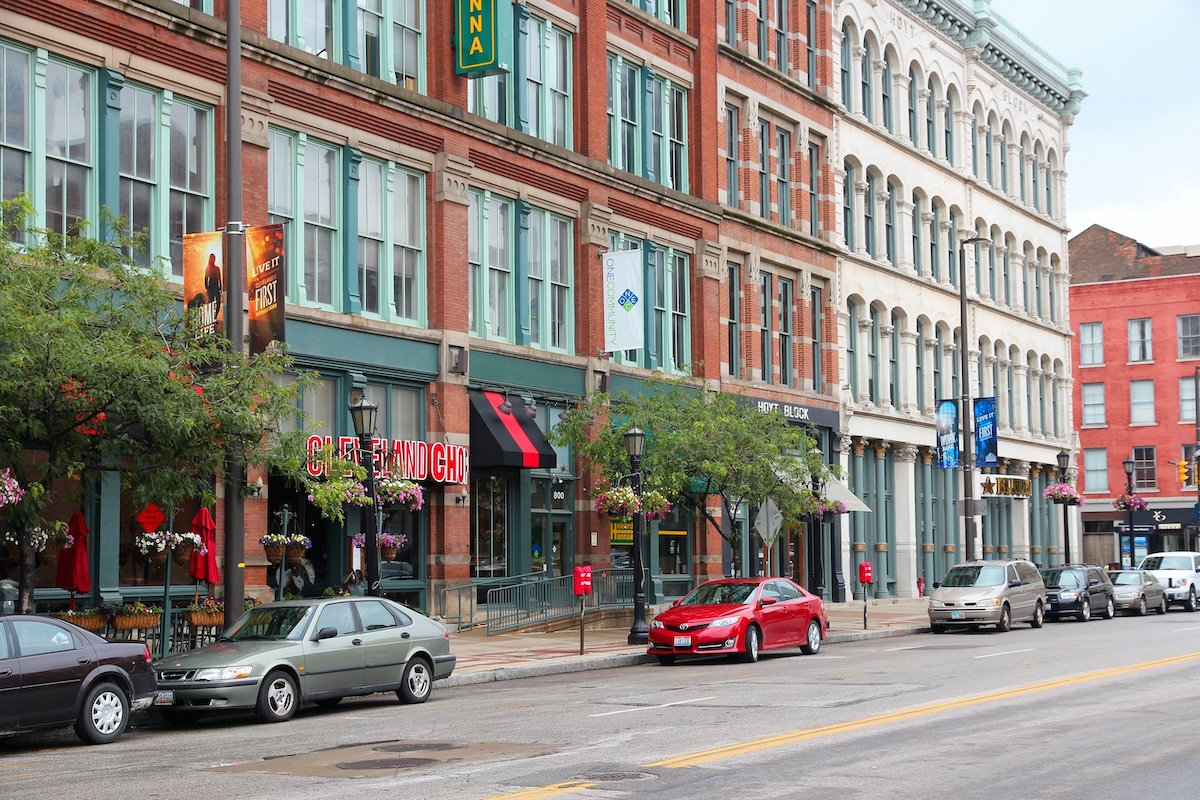
60% of Cleveland’s peak population left, dropping from over 900,000 to barely 365,000. That’s not a gradual decline, that’s a collapse. Manufacturing losses hit Cleveland particularly hard, and the city became a national punchline for urban decay. The Cuyahoga River catching fire in 1969 didn’t help the reputation.
Downtown Cleveland has seen some revival with sports stadiums, the Rock and Roll Hall of Fame, and medical centers providing employment anchors. Neighborhoods like Tremont and Ohio City have attracted urban pioneers, and housing remains absurdly cheap by national standards. But vast sections of the East Side sit largely abandoned, with entire blocks of vacant houses. Cleveland’s comeback story is real but incomplete, with downtown success not extending to all neighborhoods equally.
2. Detroit (645,705 from 1,849,568 | -65.1%)
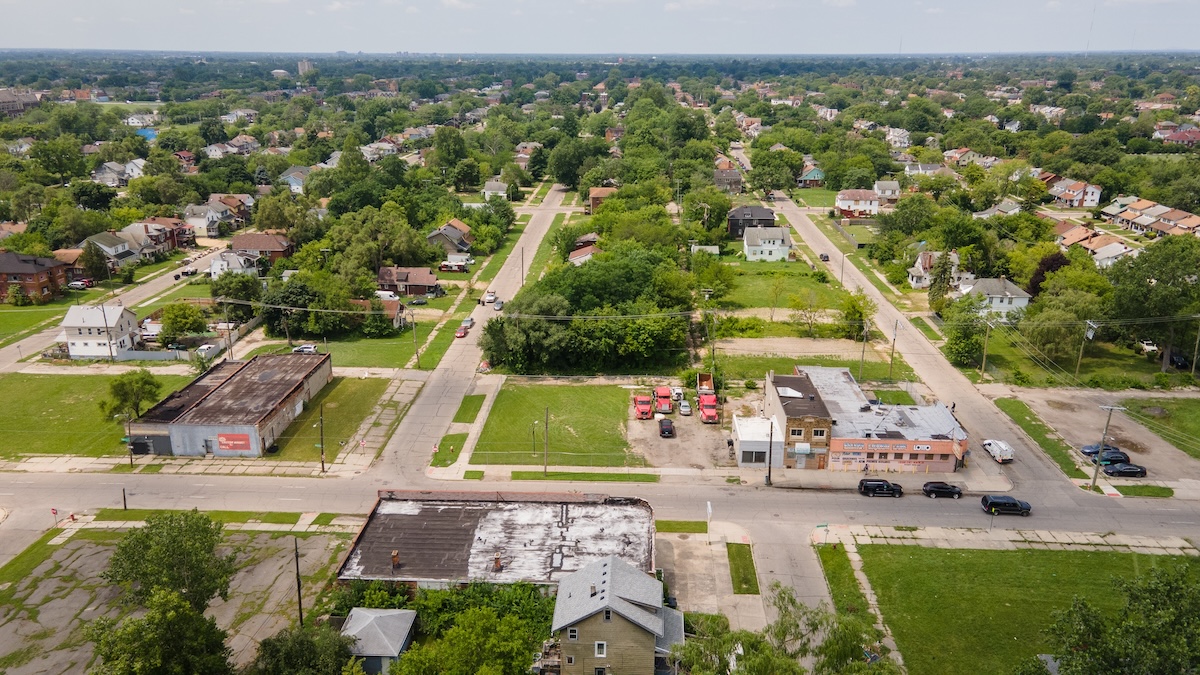
Detroit’s decline is so severe it became shorthand for American urban collapse when the city lost 1.2 million residents. Auto industry restructuring, the 1967 riots, and decades of municipal mismanagement created a perfect storm of decline. Entire neighborhoods were abandoned, with Detroit having more vacant land than occupied space in some areas.
The 2013 bankruptcy made national news, and ruins-porn photographers documented the spectacular decay of once-grand buildings. Recent years have seen downtown and Midtown revival with young professionals and artists moving in, but Detroit’s turnaround remains concentrated in a few neighborhoods while huge sections remain depopulated. The city’s footprint was designed for two million people, and finding sustainable uses for all that empty land remains an ongoing challenge.
1. St. Louis (279,695 from 856,796 | -67.4%)
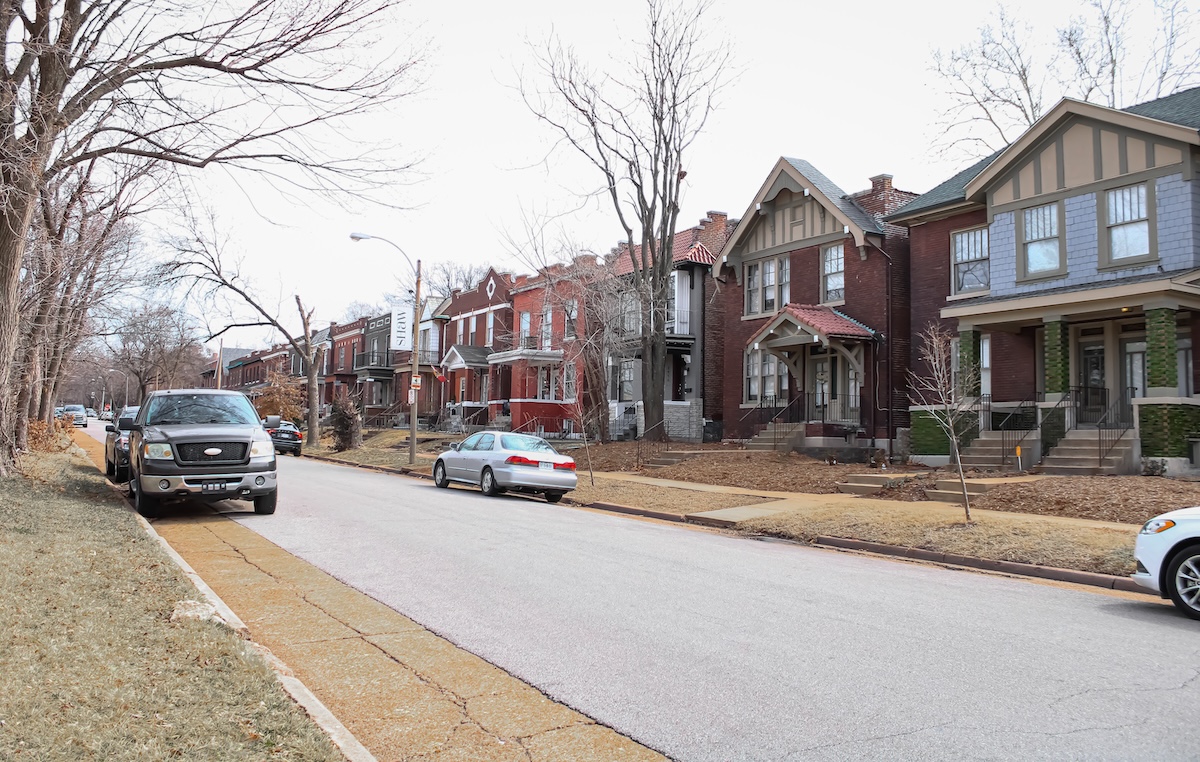
St. Louis takes the crown with a catastrophic 67% population loss, dropping from 857,000 to barely 280,000. The Gateway Arch was built in the 1960s to symbolize westward expansion just as the city itself was hemorrhaging residents eastward to the suburbs. City limits drawn in 1876 prevented annexation of surrounding areas, meaning suburban growth benefited St. Louis County rather than the city itself.
North St. Louis sits largely abandoned with blocks of vacant lots where thriving neighborhoods existed 70 years ago. The city has beautiful architecture from its boom years with stunning Victorian homes selling for less than used cars in some neighborhoods. Downtown sees some life from Busch Stadium and a few corporate headquarters, but St. Louis’s decline represents the most extreme example of American urban population loss, a city that lost two-thirds of its residents and is still trying to figure out what it wants to be.