
Beauty in American cities comes in countless forms. From the glittering skyscrapers of major metropolises to the charming cobblestone streets of historic districts, each urban destination tells its own unique story through architecture, natural surroundings, and cultural character.
Some cities dazzle with their waterfront views and mountain backdrops, while others captivate with their historic neighborhoods and tree-lined avenues. Whether you’re drawn to the buzz of big-city energy or the charm of smaller urban gems, these stunning destinations showcase the best of American urban beauty.
12. Pittsburgh, Pennsylvania
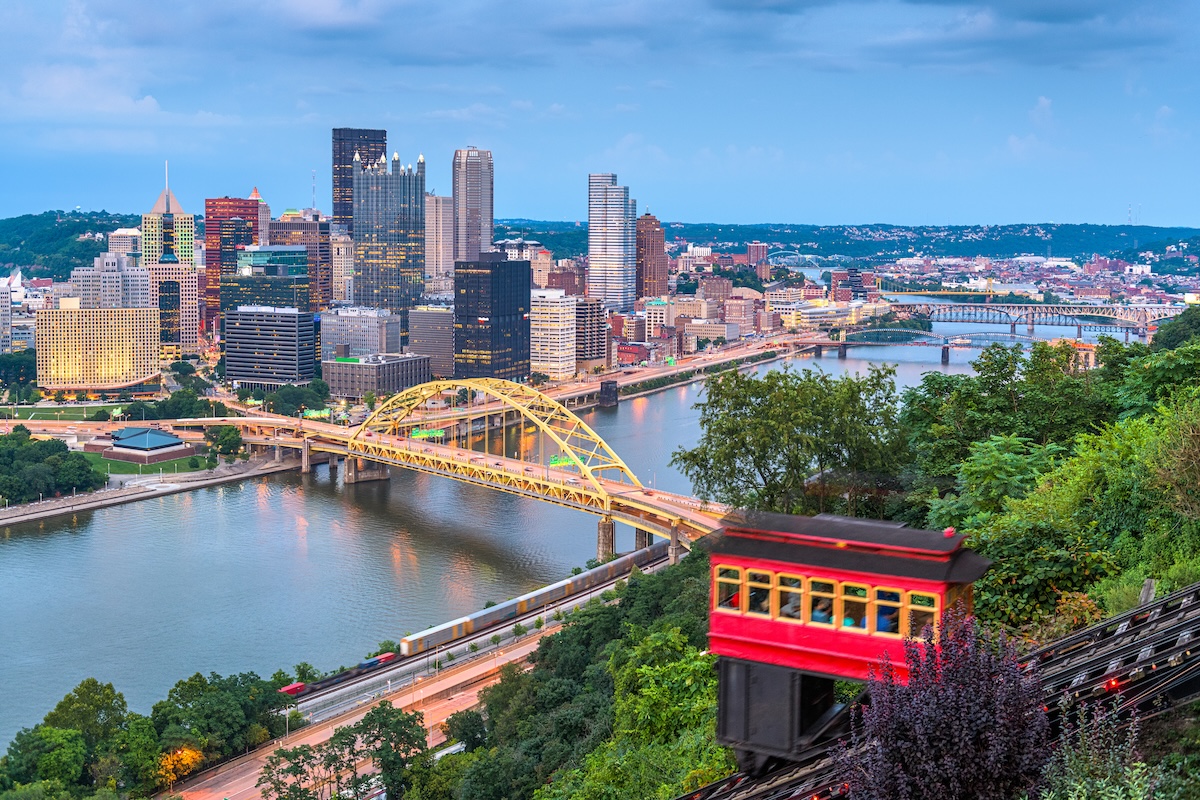
The Steel City might surprise you with its stunning transformation from industrial powerhouse to cultural gem. Nestled at the meeting point of three rivers, Pittsburgh’s dramatic skyline rises from a natural amphitheater of rolling hills and steep valleys. The view from Mount Washington, especially at sunset, ranks among America’s most spectacular urban vistas.
Downtown’s golden bridges span the waters like precious bracelets, while neighborhoods like Squirrel Hill and Shadyside charm visitors with tree-lined streets and local cafes. Cultural highlights include the Andy Warhol Museum and the magnificent Phipps Conservatory, a Victorian greenhouse that seems plucked from a fairytale.
11. Duluth, Minnesota
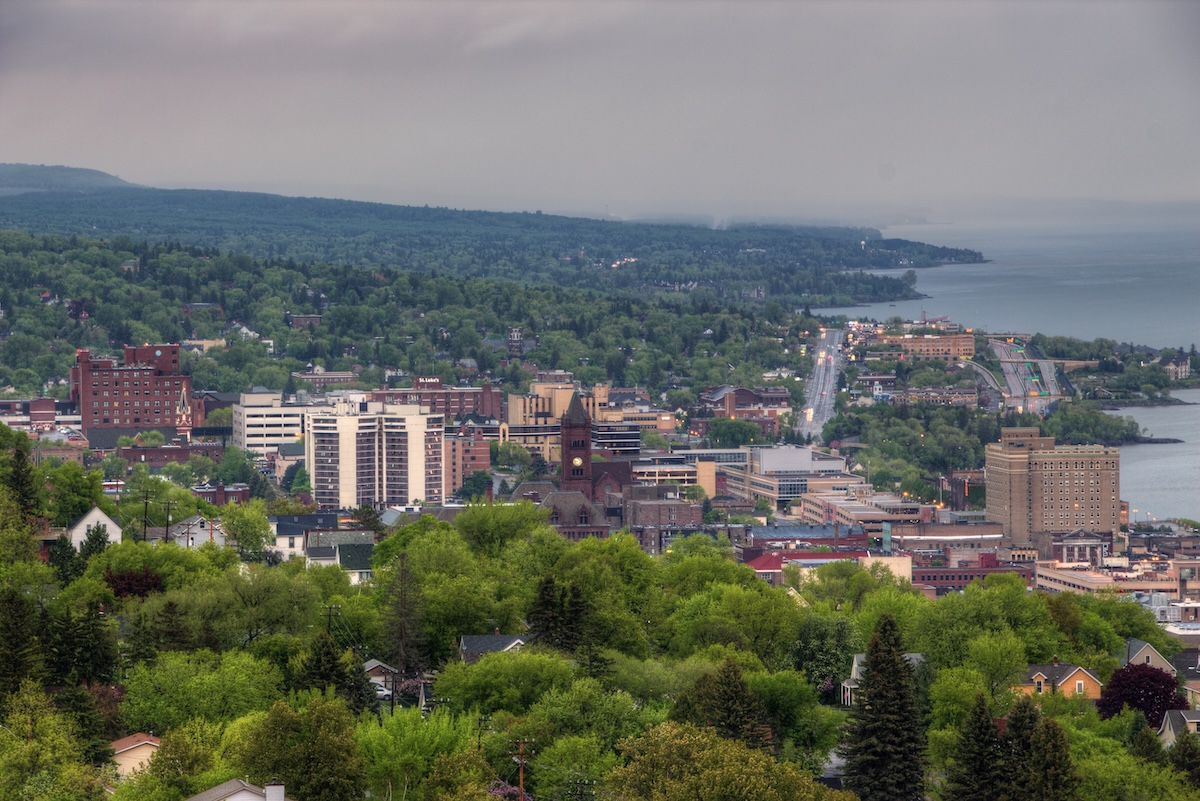
Perched on the western tip of Lake Superior, Duluth combines rugged natural beauty with small-city charm. The city stretches along the world’s largest freshwater lake, with hillside neighborhoods offering breathtaking views of the harbor and the world’s longest freshwater sandbar.
The historic Canal Park district serves as the city’s entertainment hub, complete with converted warehouses and the iconic Aerial Lift Bridge. During autumn, the surrounding hillsides burst into a spectacular display of reds and golds. The Lakewalk provides miles of scenic shoreline strolling, while the restored mansions along London Road tell tales of the city’s prosperous past.
10. New York City, New York
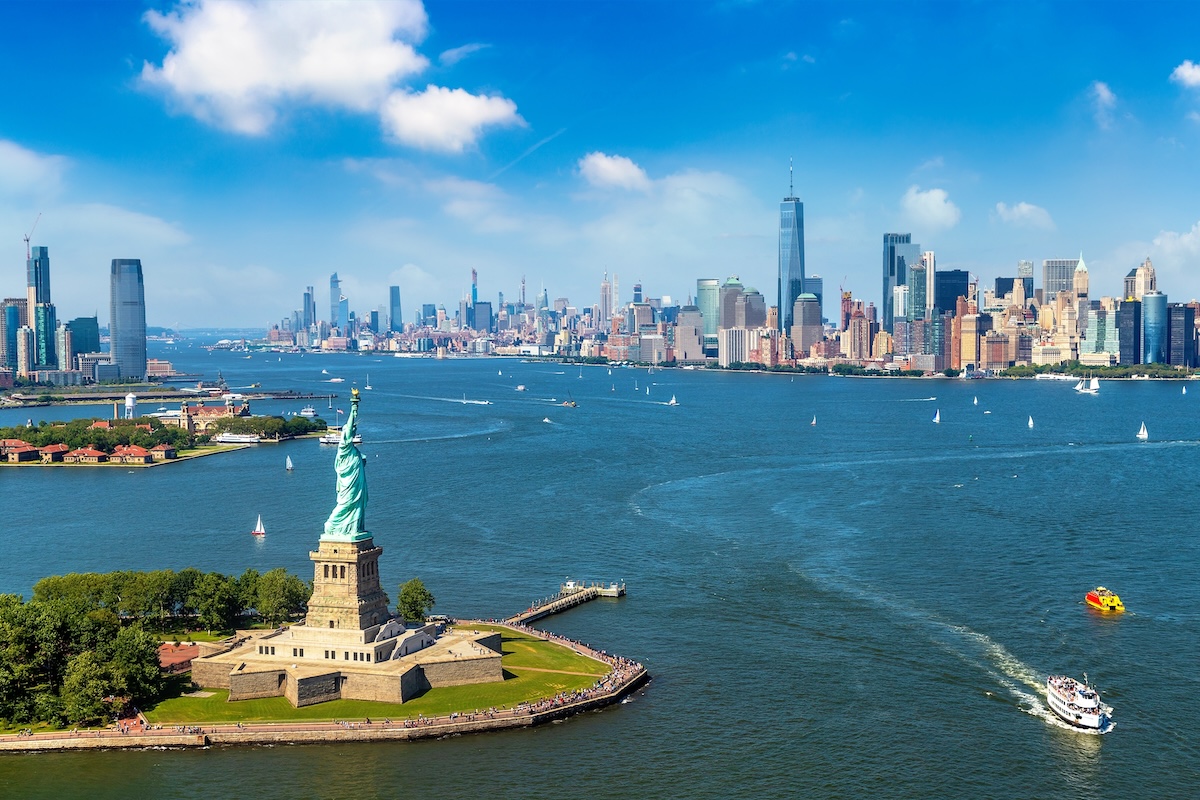
The Big Apple’s beauty lies in its endless layers and constant surprises. Beyond the famous skyline and Central Park’s vast green expanse, you’ll discover hidden gems like the High Line’s elevated gardens and the cobblestone streets of the West Village.
Each neighborhood offers its own flavor of urban beauty. Brooklyn Heights Promenade provides Manhattan skyline views that belong on postcards. The grand architecture of Grand Central Terminal reminds visitors that some of the city’s most beautiful spots lie indoors. From the brownstone-lined streets of the Upper West Side to the waterfront parks of Roosevelt Island, New York proves that beauty can thrive in even the most urban settings.
9. Madison, Wisconsin
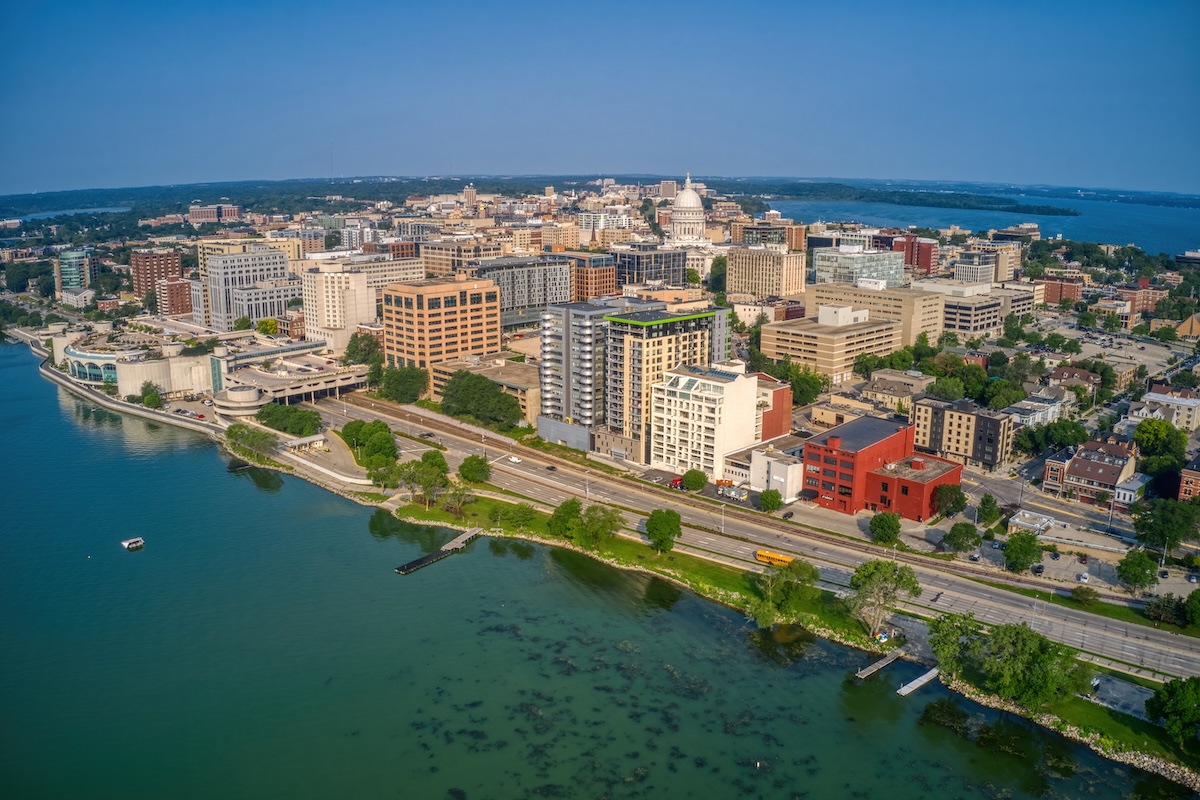
Wisconsin’s capital city shines as a perfect blend of nature and urban design. Situated on an isthmus between Lakes Mendota and Monona, Madison offers water views from almost every angle. The striking State Capitol building, with its white granite dome, anchors the heart of downtown.
The University of Wisconsin campus adds both architectural beauty and youthful energy, especially along State Street. The Olbrich Botanical Gardens provide year-round beauty, while the Frank Lloyd Wright-designed Monona Terrace connects the city to its lakefront. During summer, the Dane County Farmers’ Market transforms the Capitol Square into a vibrant celebration of local culture.
8. New Orleans, Louisiana
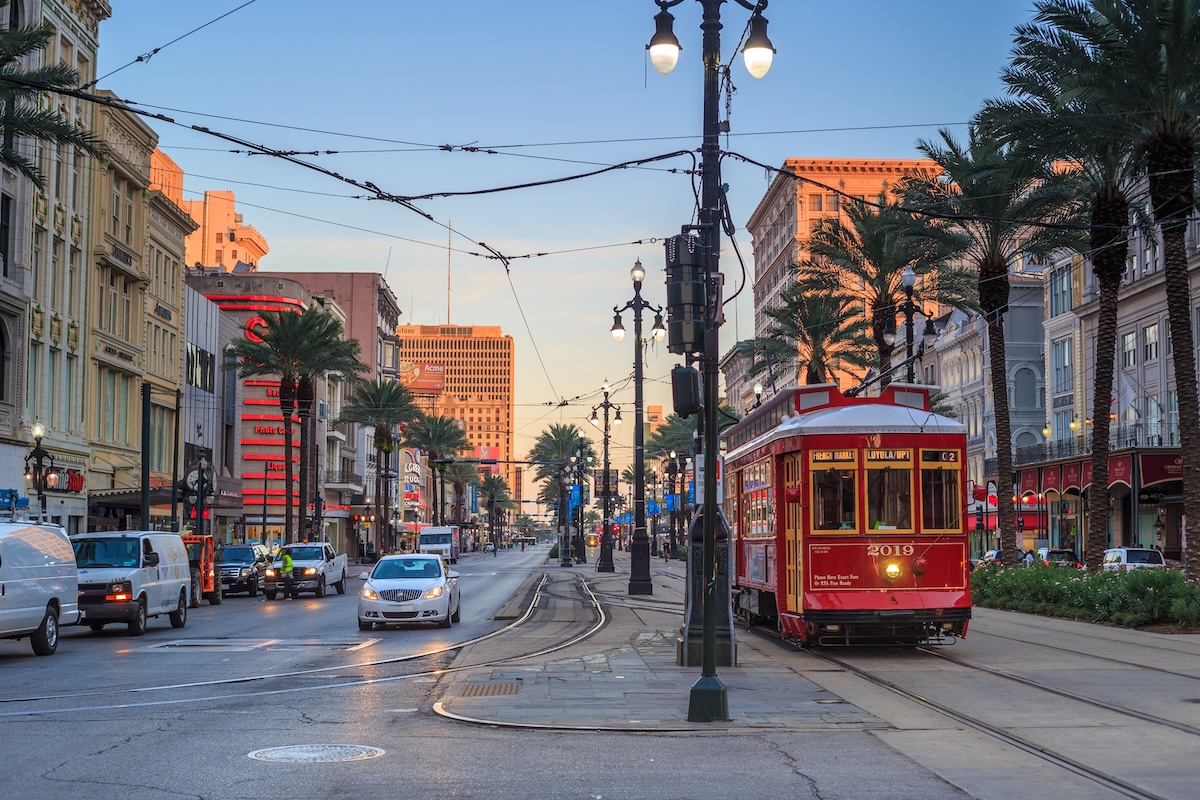
The French Quarter’s wrought-iron balconies and gas-lit streets are just the beginning of New Orleans’ unique beauty. This city seduces visitors with its distinctive architecture, from the colorful Creole cottages of the Marigny to the mansion-lined streets of the Garden District.
Live oak trees create natural canopies over St. Charles Avenue, while streetcars rumble past like time machines to a more graceful era. City Park offers scenic spots perfect for picnics, complete with ancient trees draped in Spanish moss. The Mississippi River provides a mighty backdrop to the French Quarter’s charm, especially when viewed from the Moonwalk riverfront promenade.
7. Chicago, Illinois
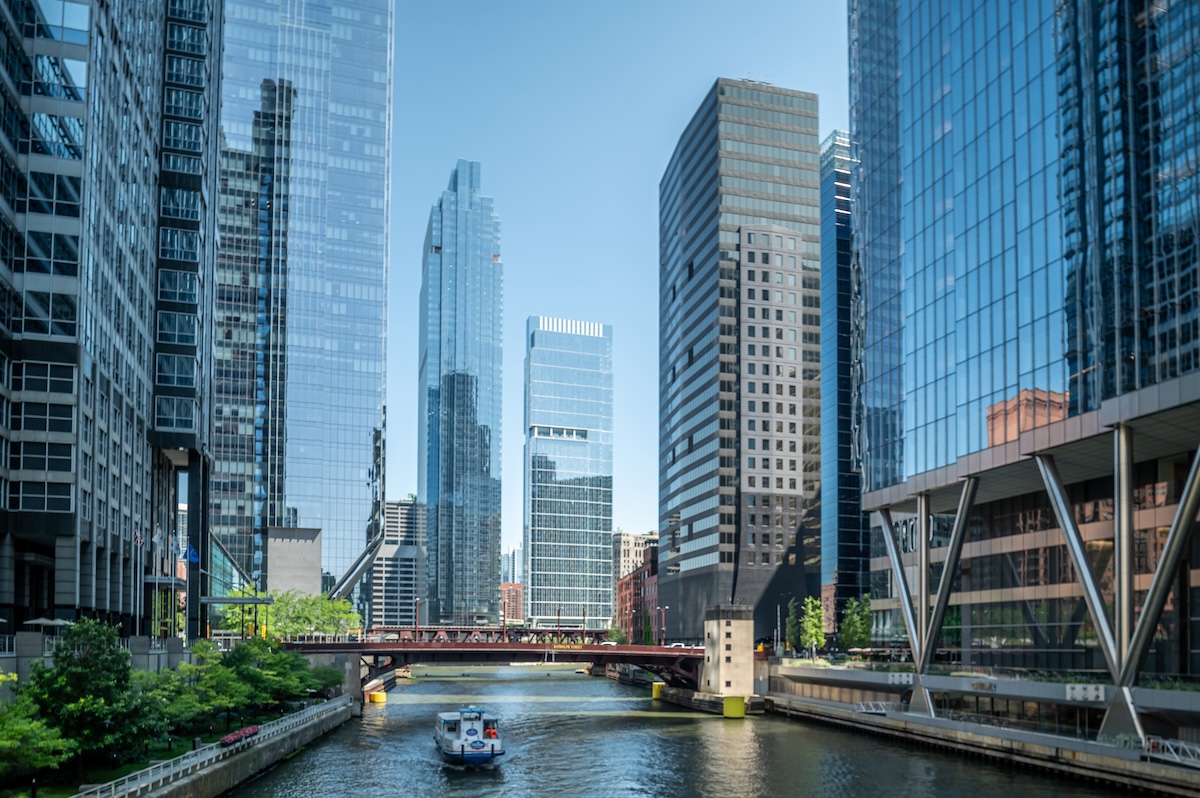
The Windy City’s stunning lakefront sets it apart from other major metropolises. Miles of public beaches and parks line Lake Michigan, while the Chicago River winds through downtown like a liquid mirror reflecting the architectural marvels above.
Millennium Park serves as the city’s front yard, featuring the reflective “Bean” sculpture and stunning Pritzker Pavilion. The Magnificent Mile dazzles with historic buildings and modern towers, while neighborhoods like Lincoln Park charm with tree-lined streets and Victorian homes. From the vintage elegance of Wrigley Field to the cutting-edge design of the riverwalk, Chicago proves that big cities can be beautiful at every turn.
6. Seattle, Washington
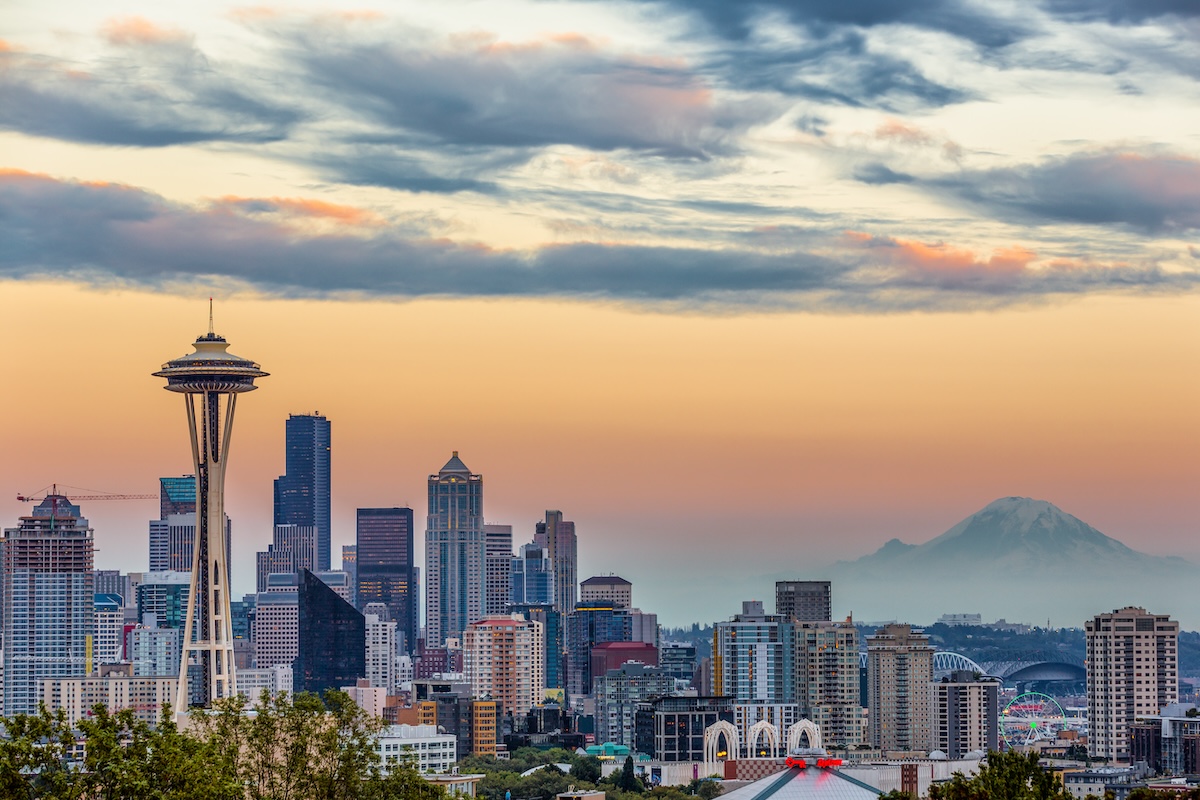
Surrounded by water, mountains, and evergreen forests, Seattle’s natural setting would be stunning even without its iconic skyline. The Space Needle pierces the clouds, while Mount Rainier looms in the distance like a watchful guardian.
Pike Place Market’s neon signs and flower stalls add vibrant touches to the waterfront, while Pioneer Square’s historic buildings recall the city’s gold rush roots. The view from Kerry Park captures it all – downtown’s towers, Elliott Bay’s bustling waters, and the distant Cascades. Green Lake and Discovery Park offer urban oases, proving that Seattle truly deserves its “Emerald City” nickname.
5. Boston, Massachusetts
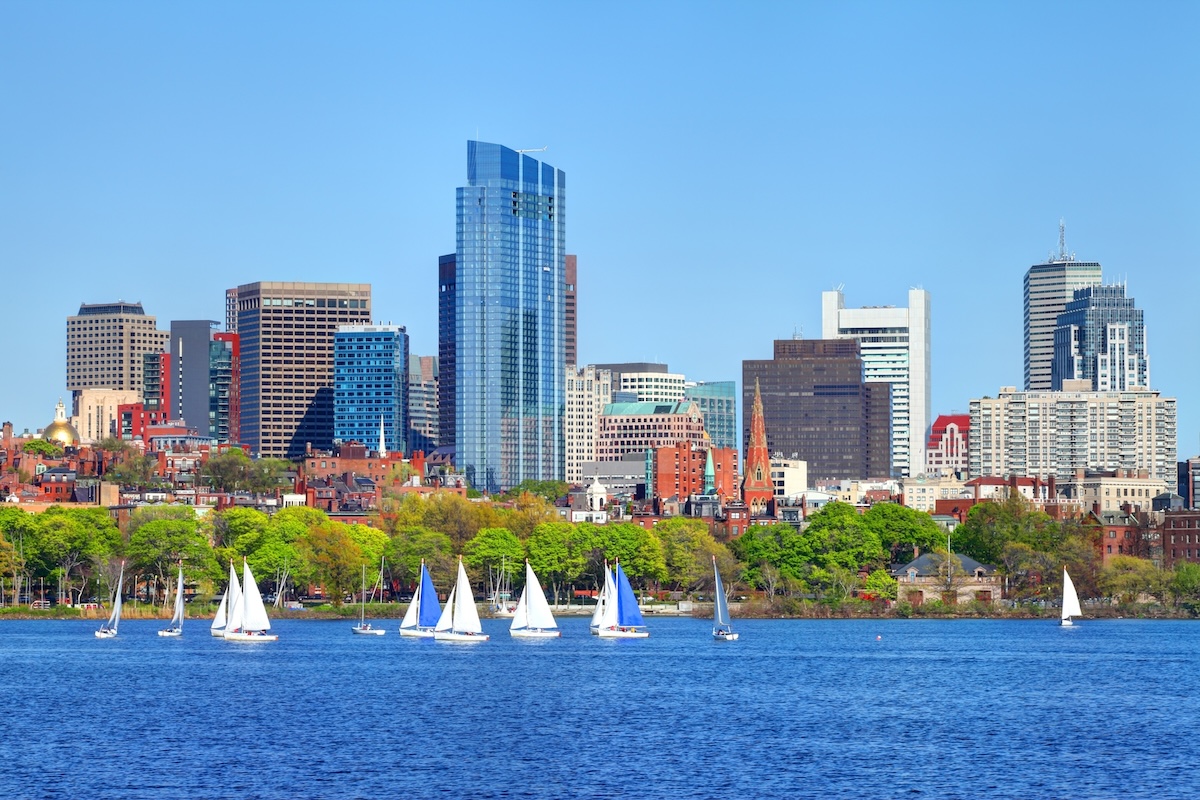
History and beauty intertwine along Boston’s charming streets. The Freedom Trail winds through centuries of American history, passing architectural gems like the gold-domed State House and the graceful Old North Church.
Beacon Hill’s gas lamps and brick sidewalks transport visitors to another era, while the Public Garden’s swan boats and flowering trees create picture-perfect moments. The Charles River Esplanade offers miles of waterfront beauty, especially during fall when crew teams glide past autumn-colored trees. From the cobblestone streets of Back Bay to the harborfront views from the Seaport District, Boston combines colonial charm with modern elegance.
4. Charleston, South Carolina
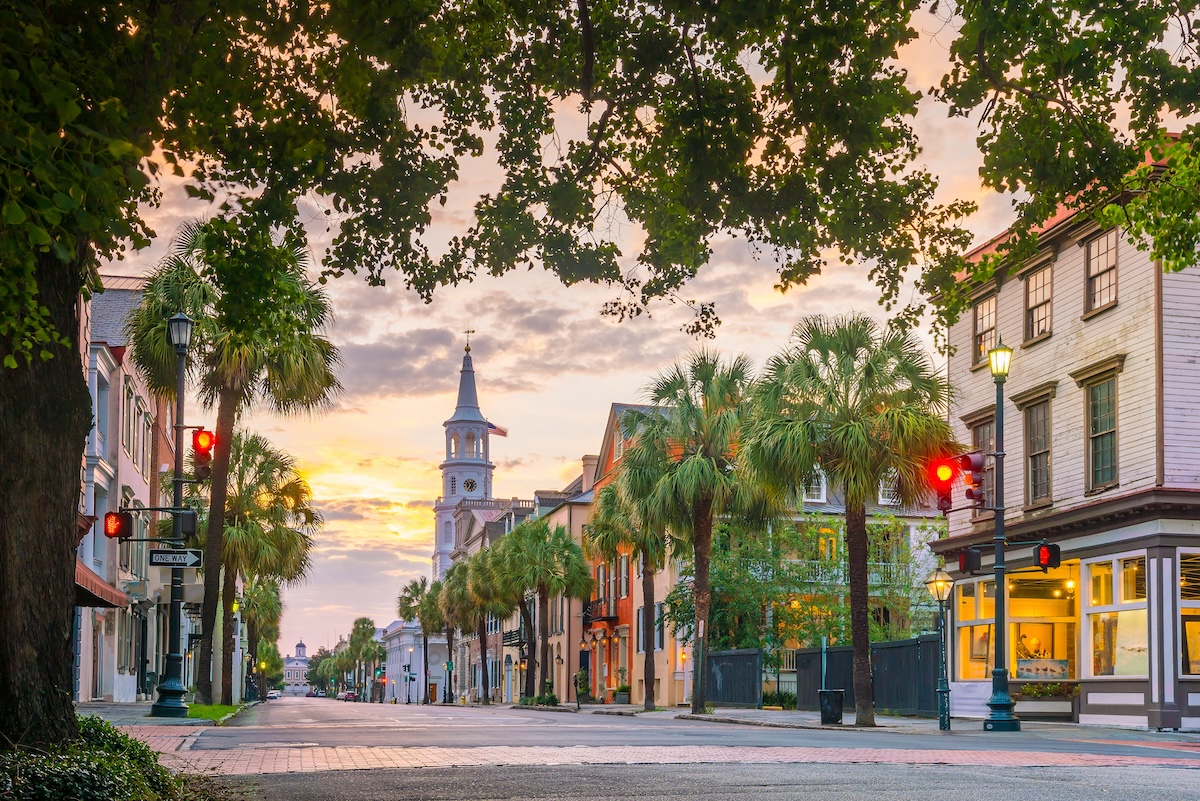
Charleston’s beauty feels almost impossibly perfect, from its antebellum mansions to its palm-lined streets. Rainbow Row’s pastel-colored homes create one of America’s most photographed streetscapes, while the Battery’s historic homes overlook Charleston Harbor.
Hidden gardens peek through wrought-iron gates, and church steeples punctuate the low-rise skyline. The Arthur Ravenel Jr. Bridge provides a modern contrast to the historic district’s charm. Magnolia-lined streets lead to quiet corners where time seems to stand still, while nearby beaches and plantations add to the city’s atmospheric appeal.
3. San Francisco, California
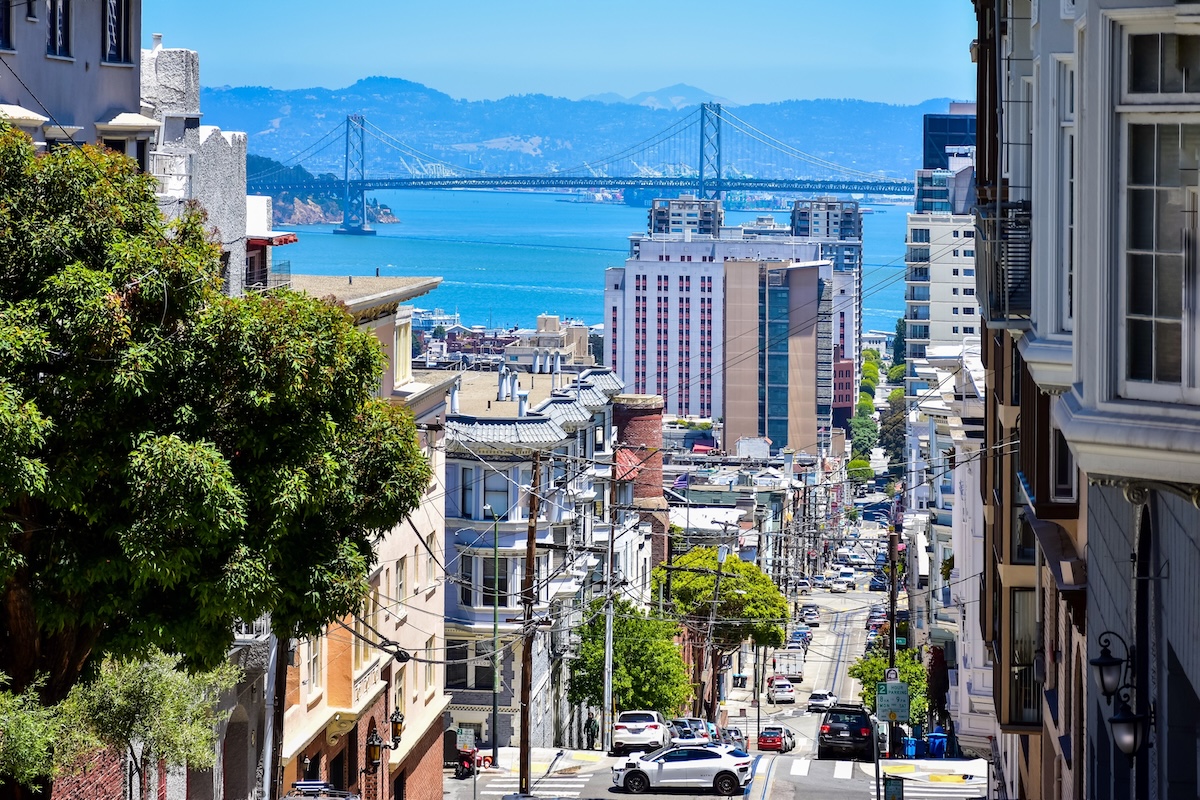
The City by the Bay proves that urban beauty can be both dramatic and intimate. Rolling hills offer stunning views around every corner, while the Golden Gate Bridge creates one of the world’s most recognizable cityscapes.
Victorian “Painted Ladies” add splashes of color to the urban canvas, especially around Alamo Square. Cable cars climb impossibly steep streets, while fog rolls in to create mysterious maritime moments. The Palace of Fine Arts reflects in its lagoon like a Roman ruin transplanted to California, while Golden Gate Park offers miles of scenic wandering through gardens, museums, and hidden treasures.
2. Santa Fe, New Mexico
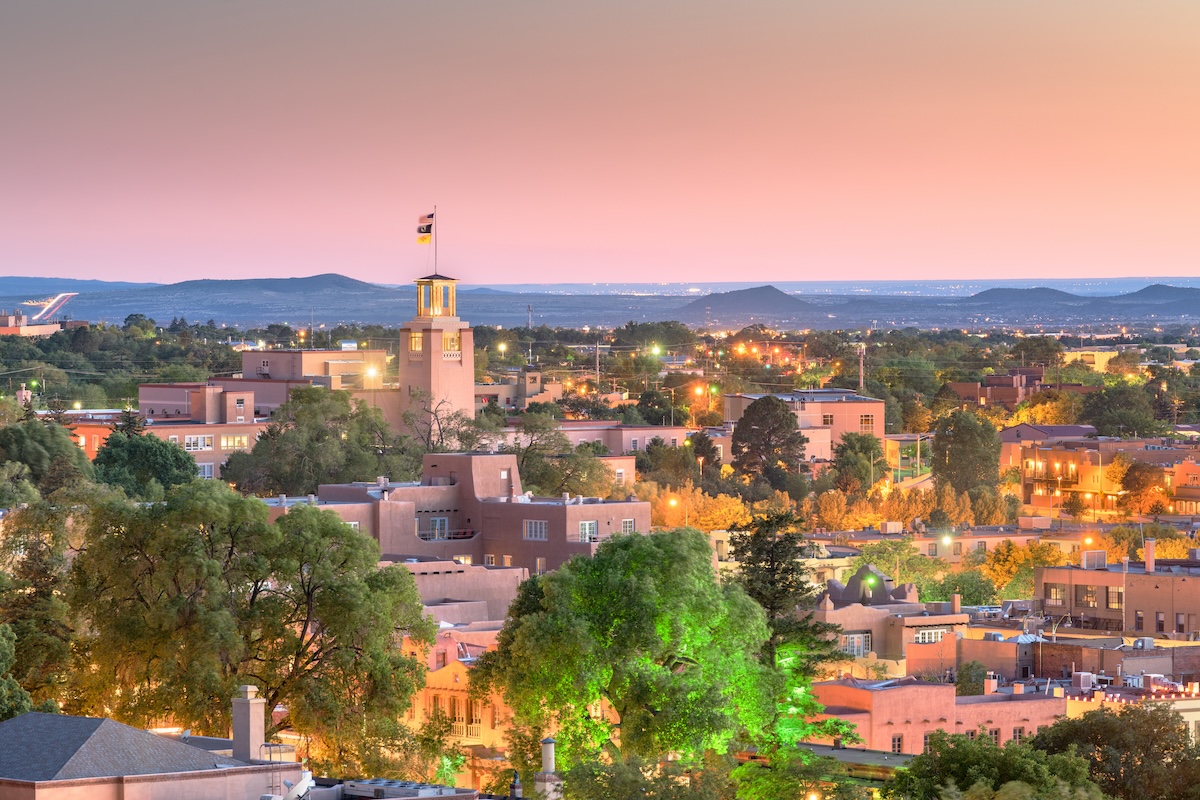
Adobe architecture and high desert vistas give Santa Fe an otherworldly beauty. The nation’s oldest capital city glows golden in the sunset, its earth-toned buildings seeming to rise naturally from the landscape.
The Plaza serves as the heart of the historic district, surrounded by galleries and centuries-old buildings. The Cathedral Basilica of St. Francis of Assisi stands as a masterpiece of regional architecture, while the winding Canyon Road enchants with its artistic heritage. Against the backdrop of the Sangre de Cristo Mountains, Santa Fe’s unique blend of Native American, Spanish, and Anglo influences creates an unforgettable aesthetic.
1. Savannah, Georgia
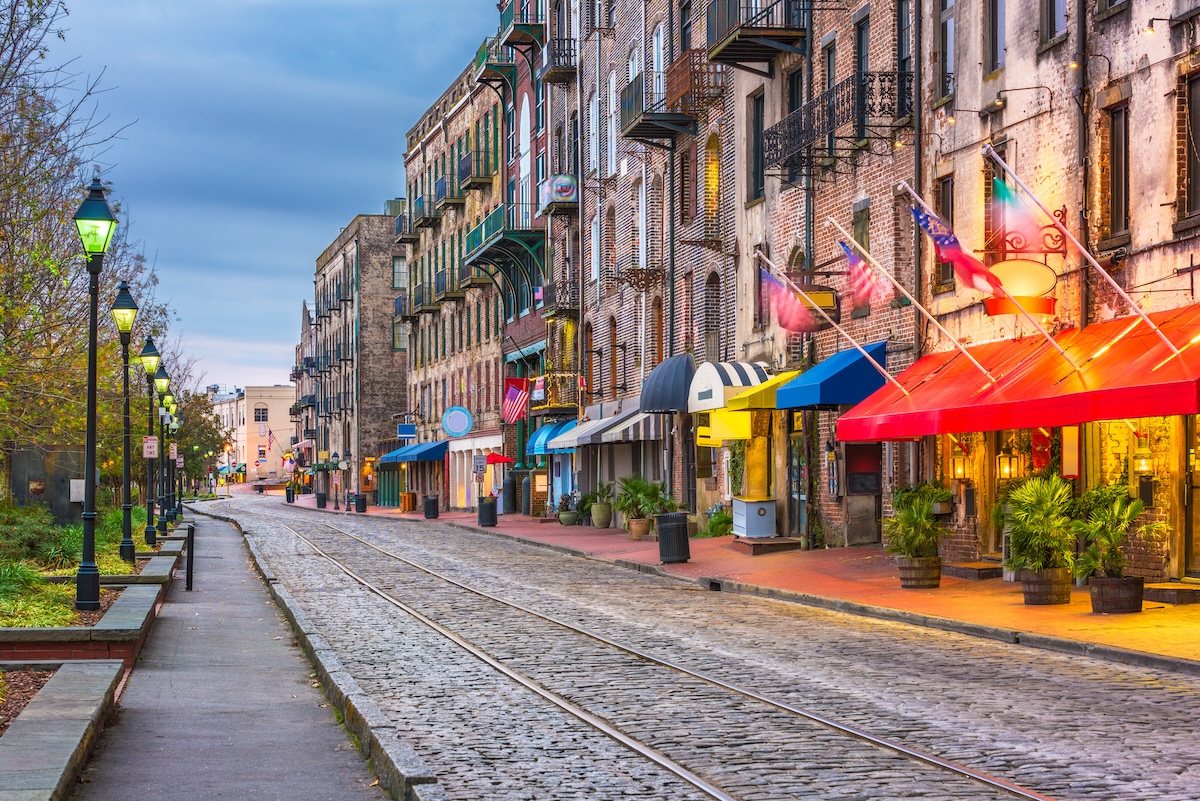
Savannah’s beauty feels almost magical, with its twenty-two historic squares providing green jewels in a crown of Southern charm. Spanish moss drapes from massive oak trees like natural chandeliers, creating tunnels of shade over brick-lined streets.
Forsyth Park’s famous fountain serves as the city’s most romantic spot, while restored mansions showcase the finest examples of antebellum architecture. River Street’s converted cotton warehouses now house shops and restaurants with waterfront views. Every corner of Savannah’s historic district tells a story, from its perfectly preserved townhouses to its hidden gardens, making it America’s most beautiful city for those who appreciate the art of slow Southern living.