
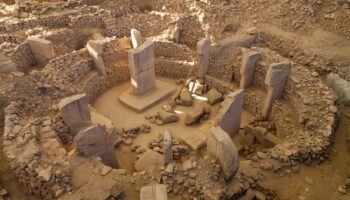
Perched on a dry limestone ridge in southeastern Turkey, this place doesn’t exactly scream “history-changing.
Stories
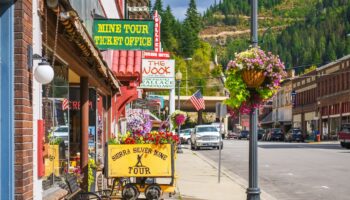
Picture a town where every commercial building on the main street sits on the National Register of Historic Places.
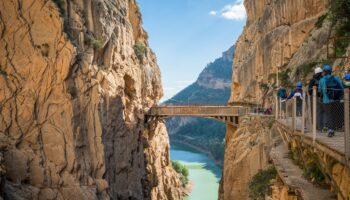
Somewhere in the limestone interior of this southern province, a narrow boardwalk clings to the sheer walls of a gorge that plunges almost 100 meters to the river below.
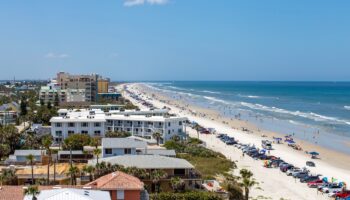
Somewhere on Florida’s central Atlantic coast, about fifteen miles south of Daytona Beach, there’s a barrier island where the sand is wide enough to drive on, the waves pull in surfers year-round.

Set along the edge of Sarasota Bay is a sprawling estate where circus glamour, European art, and Old Florida scenery somehow collide in one remarkably walkable place.
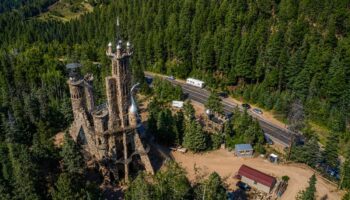
Somewhere in the Wet Mountains of southern Colorado, a handmade stone castle rises 160 feet above the forest floor.

Most drivers flying down Interstate 70 between St. Louis and Indianapolis never think twice about the tiny towns along the route.
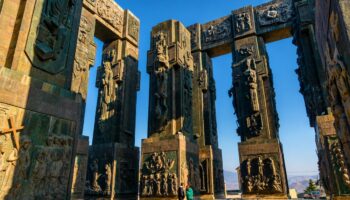
Standing on a bare hilltop at the northern edge of a forgotten capital, sixteen stone pillars rise more than 30 meters into open sky.
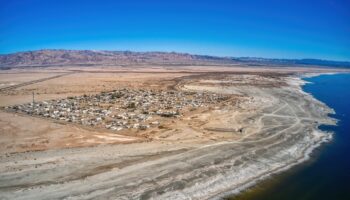
In the 1950s and 60s, developers hyped this place as a glamorous resort spot. But now, salt-crusted shoreline and abandoned trailers define the community.
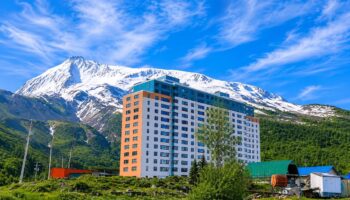
This remote town sits at the head of Passage Canal, about 60 miles southeast of Anchorage, squeezed between steep mountains and the cold, restless waters of Prince William Sound.