
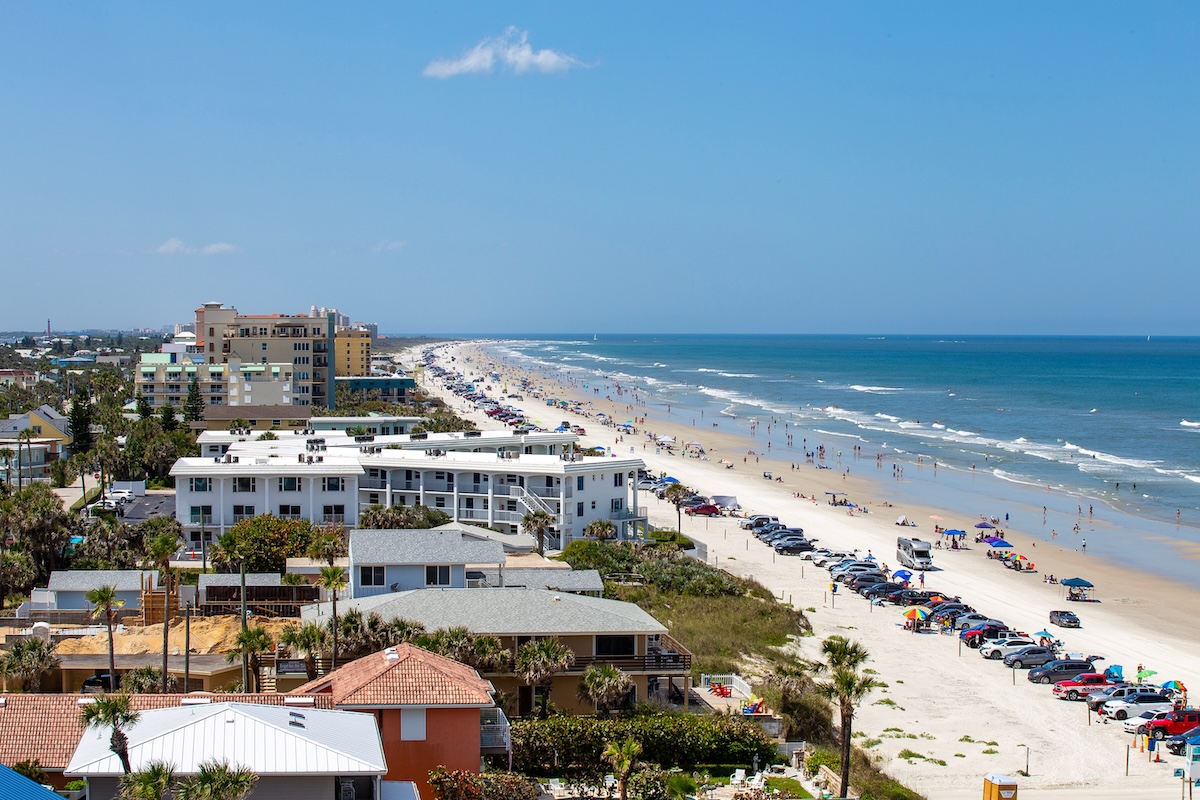
Somewhere on Florida’s central Atlantic coast, about fifteen miles south of Daytona Beach, there’s a barrier island where the sand is wide enough to drive on, the waves pull in surfers year-round. But the beach also carries a reputation unlike anywhere else in the country. New Smyrna Beach is widely known as the shark-bite capital of the world, recording more shark encounters than any other beach in America—usually minor, but enough to make headlines year after year.
However, that reputation is only part of the story. This is still one of Florida’s most beloved beach towns: seventeen miles of coastline, a laid-back surf culture, and a compact downtown filled with independent restaurants, bars, and shops that feel more local than touristy. Tucked between the Atlantic Ocean and the Indian River Lagoon about an hour northeast of Orlando, New Smyrna somehow manages to feel both famous and low-key at the same time.
Why It Is Known As America’s Most Dangerous Beach
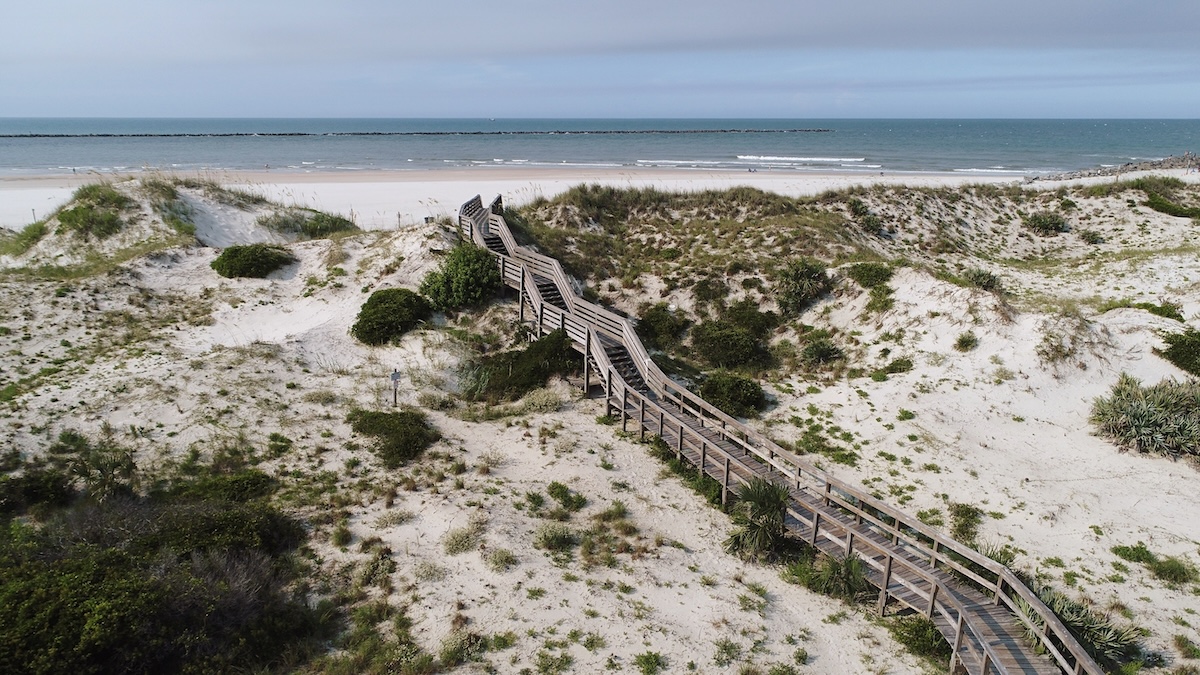
If you Google New Smyrna Beach, you’ll hit the nickname fast: “the shark bite capital of the world.” That isn’t just clickbait. As of 2025, the area has seen 185 recorded shark attacks—more than any other single beach worldwide. That’s about 10.88 attacks per mile of shoreline, and local lifeguards pull off around 1,200 rescues every year. A recent analysis gave the beach a danger risk score of 76.04, the highest in the country.
It’s really about geography, not some weird curse. Warm, shallow sandbars near the inlet pull in baitfish, which attract juvenile blacktip and spinner sharks. Surfers end up in the same knee-deep, murky water where those sharks feed, so there’s a lot of minor run-ins. Most bites are just small cuts on feet or hands—not the dramatic attacks people imagine.
If you know the context, it changes how you see the risk. You can lower your odds by swimming right in front of a lifeguard tower, steering clear of fishing piers and jetties, skipping dawn and dusk swims, and avoiding the surf when the water’s murky. Locals follow these habits without thinking much about it.
Sure, the dangerous-beach reputation is real if you’re looking at the stats. But in day-to-day life, millions swim and surf here every year without trouble. The town doesn’t hide the numbers, and you shouldn’t ignore them—just keep them in perspective.
Why Visitors Keep Coming Back
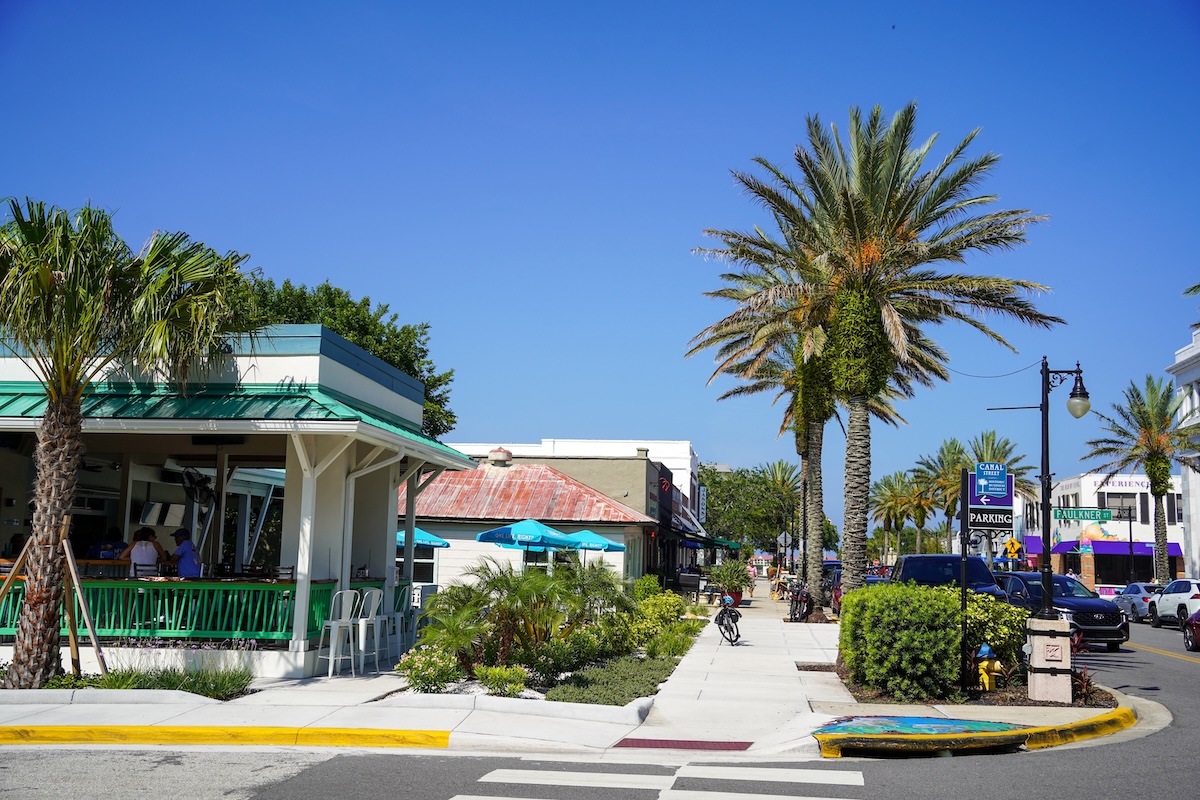
New Smyrna Beach keeps people returning because the town actually delivers—no empty promises here. Flagler Avenue anchors the scene, stretching five walkable blocks from the Intracoastal right to the sand. You can just park once and wander to spots like The Garlic, Avanu, or Clancy’s Cantina, popping into surf shops and local galleries as you go. It’s lively but never gets that shoulder-to-shoulder crush you find on most Florida beach strips. That’s rare.
Surf culture runs deep and stays open to everyone. The sandbars here catch swell better than pretty much anywhere else on Florida’s east coast. On any given morning, you’ll spot both beginners and seasoned shortboarders sharing the same waves. Renting a board is a breeze along the beachside roads—no need to overthink it.
Step away from the waves and the Indian River Lagoon shows off a quieter side. Kayak and paddleboard launches drop you right into a shallow estuary, where manatees, dolphins, and wading birds drift by. Seventeen miles of beach stretch out, including wild, undeveloped sand inside Canaveral National Seashore. It’s the kind of emptiness most Florida coastal towns lost years ago.
The Atlantic Center for the Arts adds a creative streak that doesn’t feel tacked on. Rotating exhibitions and an artist residency program have brought in international talent since the ‘80s. With crime rates well below the national average and hotel rooms starting around $120 a night, it’s a beach town that always seems to have something you missed last time.