
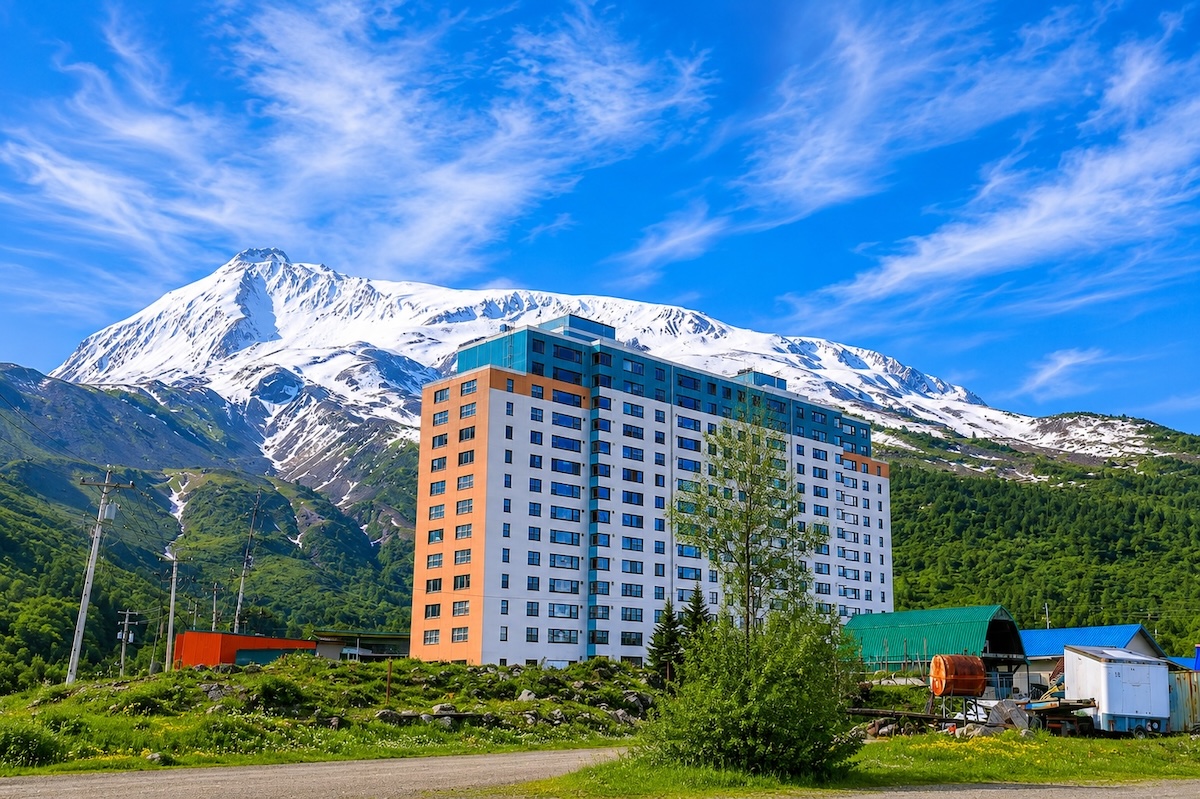
This remote town sits at the head of Passage Canal, about 60 miles southeast of Anchorage, squeezed between steep mountains and the cold, restless waters of Prince William Sound. Fewer than 300 people actually live here full-time—and most of them call a single 14-story concrete building, Begich Towers, home. That’s not a typo. The town sprang up as a military port during World War II, and it still feels a bit utilitarian and odd in the best way.
You can get to Whittier by boat, by rail, or by driving through a 2.5-mile, one-lane tunnel carved right through the mountain. No other road leads in or out. That kind of isolation gives Whittier a vibe unlike any other Alaskan port, and maybe that’s why so many travelers can’t resist the detour. Whether you’re a cruise passenger, a road-tripper rolling down the Seward Highway, or someone chasing a glacier tour into Prince William Sound, Whittier’s a compact, rain-soaked spot that deserves at least a few hours of your time.
Why This Port Is So Unusual
The skyline tips you off immediately. While most Alaskan harbor towns sprawl along the shore, Whittier just stacks upward. Begich Towers, once a Cold War barracks, now holds condos, the post office, a tiny store, laundry facilities, and—well, most of the town’s residents. Then there’s the Buckner Building, a hulking abandoned structure nearby, its windows long gone and concrete slowly crumbling under the weather. It’s a little eerie and a little fascinating.
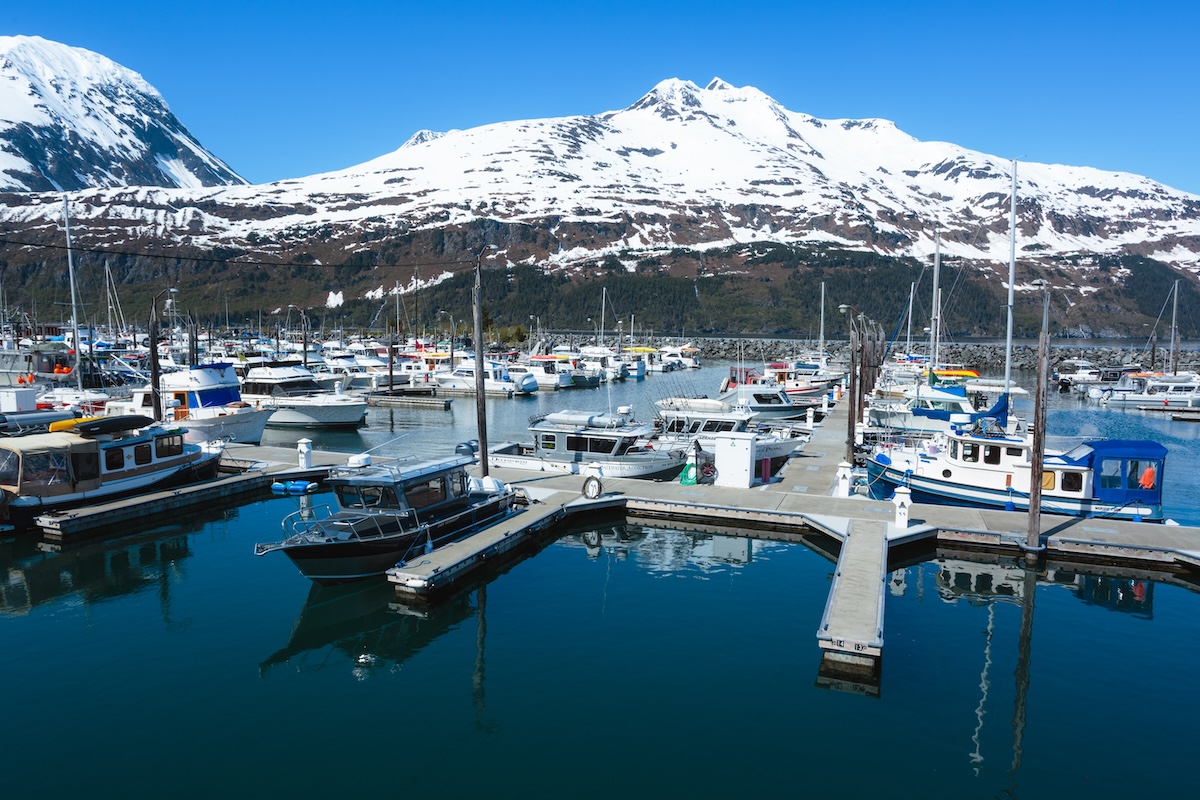
The harbor keeps busy without any pretense. Commercial fishing boats tie up next to charter vessels, Alaska State Ferry traffic, and—now and then—a cruise ship. Sea otters bob through the slips. Harbor seals pop up near the fuel dock. If you’re hungry, grab halibut fish and chips at Wild Catch Cafe or watch salmon leap in the small boat harbor. Somehow, it still feels like a place most visitors miss.
Rain just comes with the territory here. Whittier ranks among the wettest communities in Alaska, and heavy clouds usually hang low over the mountains, smudging the line between water and sky. Bring rain gear—seriously—and expect ambiance, not sunshine. But when the clouds break, the views into Prince William Sound and the distant glaciers? They’re nothing short of stunning.
Arriving Through The Tunnel
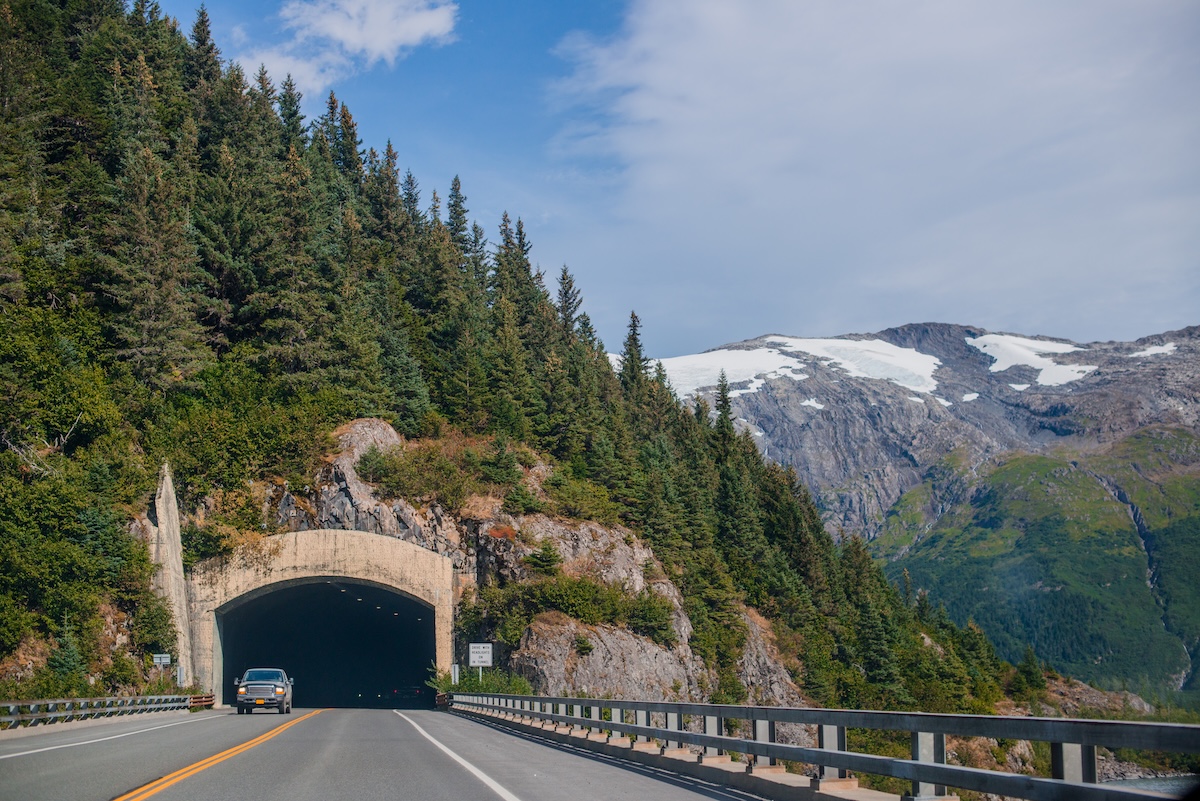
The Anton Anderson Memorial Tunnel is Whittier’s only road in or out. It runs on a schedule, flipping traffic direction every so often—everyone shares one lane, so you’ll probably wait. Before leaving Anchorage, double-check the current tunnel timetable. In summer, they usually open the tunnel every half hour and shut down for the night a little after 11 p.m.
Driving through takes about five minutes if you stick to the 25 mph limit. The tunnel feels tight, dimly lit by industrial lights, and, weirdly, you’re rolling right over railroad tracks. Water sometimes drips from above. It’s got more of a secret-base vibe than anything scenic, which, honestly, fits its backstory.
Once you pop out on the Whittier side, it’s a whole new world. Mountains crowd in on three sides, the harbor sprawls below, and the landscape makes everything—including your car—look tiny. From here, you’re just minutes from glacier cruises, kayak rentals, and the Alaska Railroad depot. The port terminal for cruises and ferries sits right on the water.
Try to show up at least half an hour before your tunnel window. Summer traffic can pile up fast at Portage, especially if cruise ships are coming or going. Miss your slot, and you’re stuck waiting another half hour—never ideal if you’re on a schedule.