
State capitals are more than just a hub of political activity. They’re the heart and soul of a state in city form, and they weren’t picked at random. These cities were carefully chosen for their strategic location, economic significance, and political clout. And with that comes great responsibility.
But not all state capitals have managed to hold onto their titles. As time passes, history unfolds, borders are renegotiated, and priorities shift.
Some cities that were once the center of their states have since lost their crowns. But this doesn’t mean they faded into the background. Quite the contrary, in fact. Many of these former capitals are now vibrant cities with rich histories and beautiful architecture – all thanks to their former capital status.
27. San Jose, California
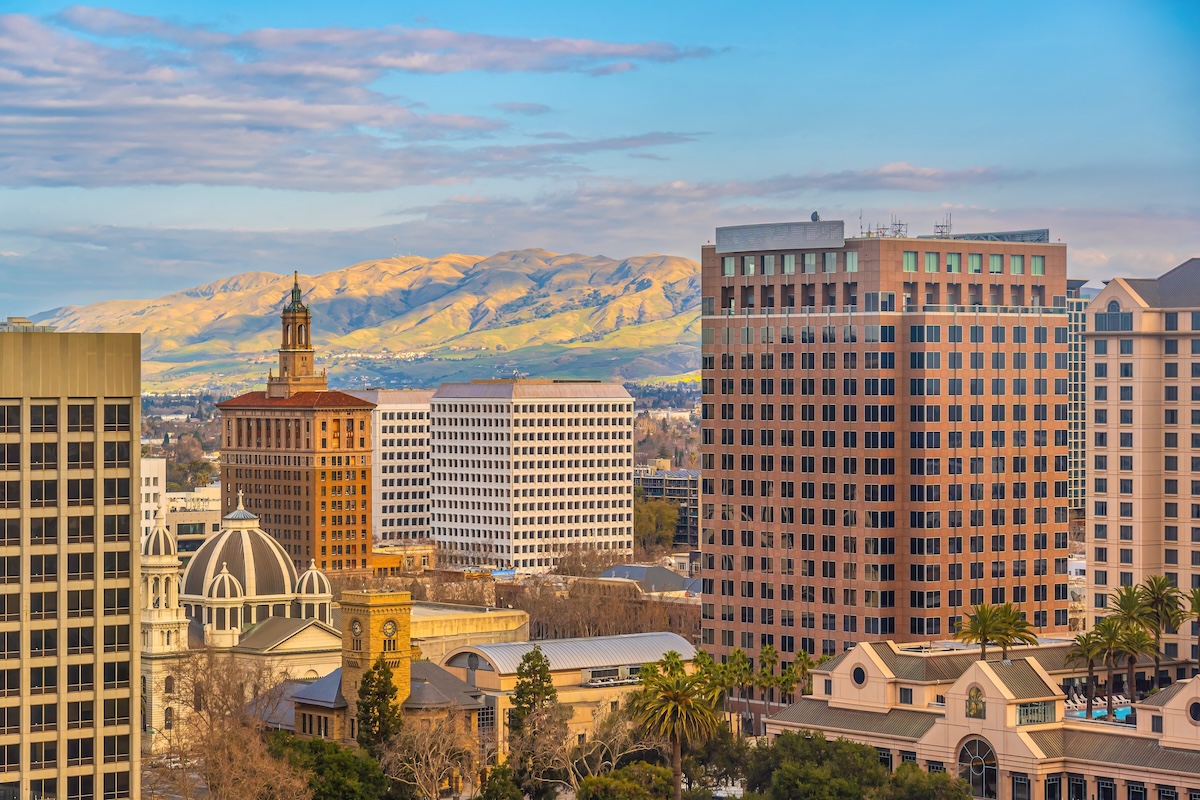
When California joined the Union in 1850, San Jose took the honor of being the state’s first capital. And no, there wasn’t some grand government building—lawmakers squeezed into a two-story adobe hotel near what’s now South Market Street.
San Jose’s time in the spotlight was brief. The city hosted just two legislative sessions in 1850 and 1851 before the capital started bouncing around. Back then, the state government was still figuring things out, jumping from city to city in search of a proper home.
The original capitol stood where the San Jose Fairmont Hotel would later rise, right at 170 South Market Street. After less than two years, San Jose handed off the title to other cities that took their own turns as temporary capitals.
26. Golden, Colorado
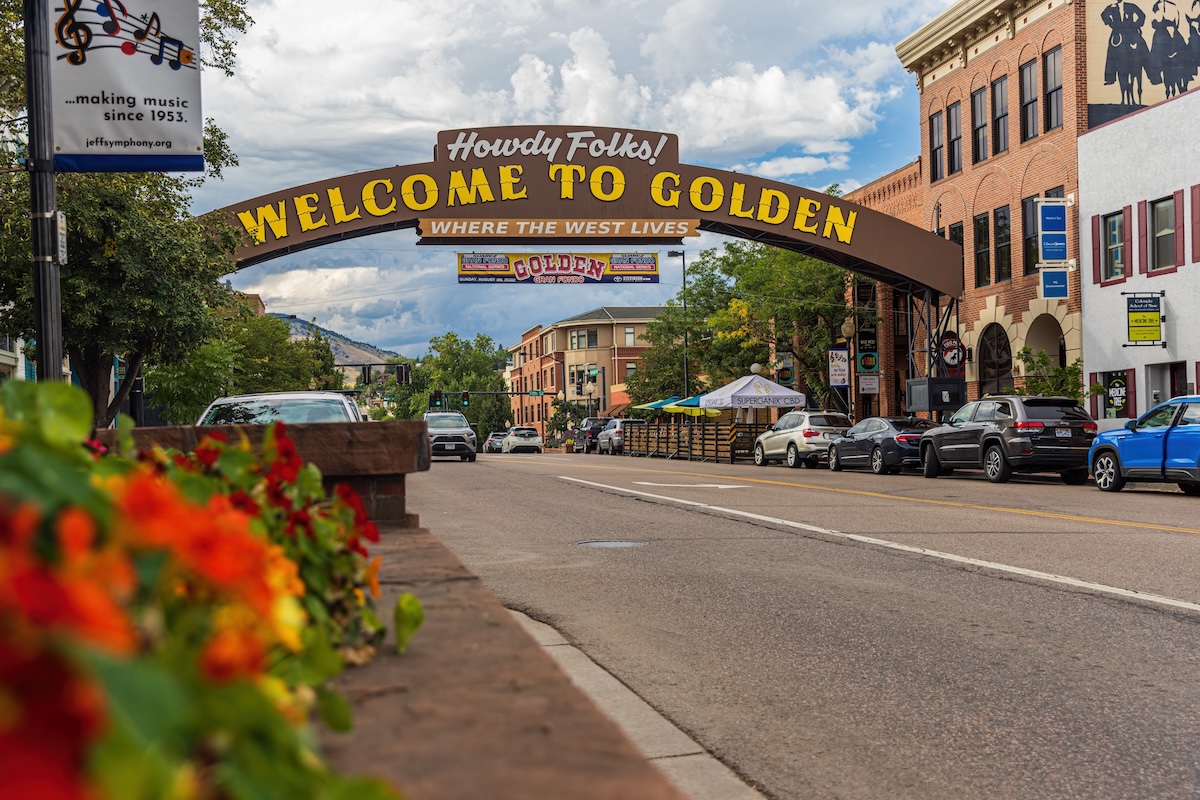
Golden got tapped as Colorado’s territorial capital twice in the early days. First, it was the capital of the Jefferson Territory from 1860 to 1861. Then, it served as capital of the Colorado Territory from 1862 to 1867.
Why Golden? The town sat at a gateway to the mountains and had useful resources nearby. Its location appealed to territorial leaders who kept circling back to it.
Lawmakers gathered in a building that’s now the Old Capital Grill Restaurant at 1122 Washington Ave. Golden kept the capital for about five years before Denver took over in 1867. Even after losing the capital, Golden kept growing. Local industries like coal, clay, and, of course, the Coors brewery helped the town stay relevant in Colorado’s story.
25. Philadelphia, Pennsylvania
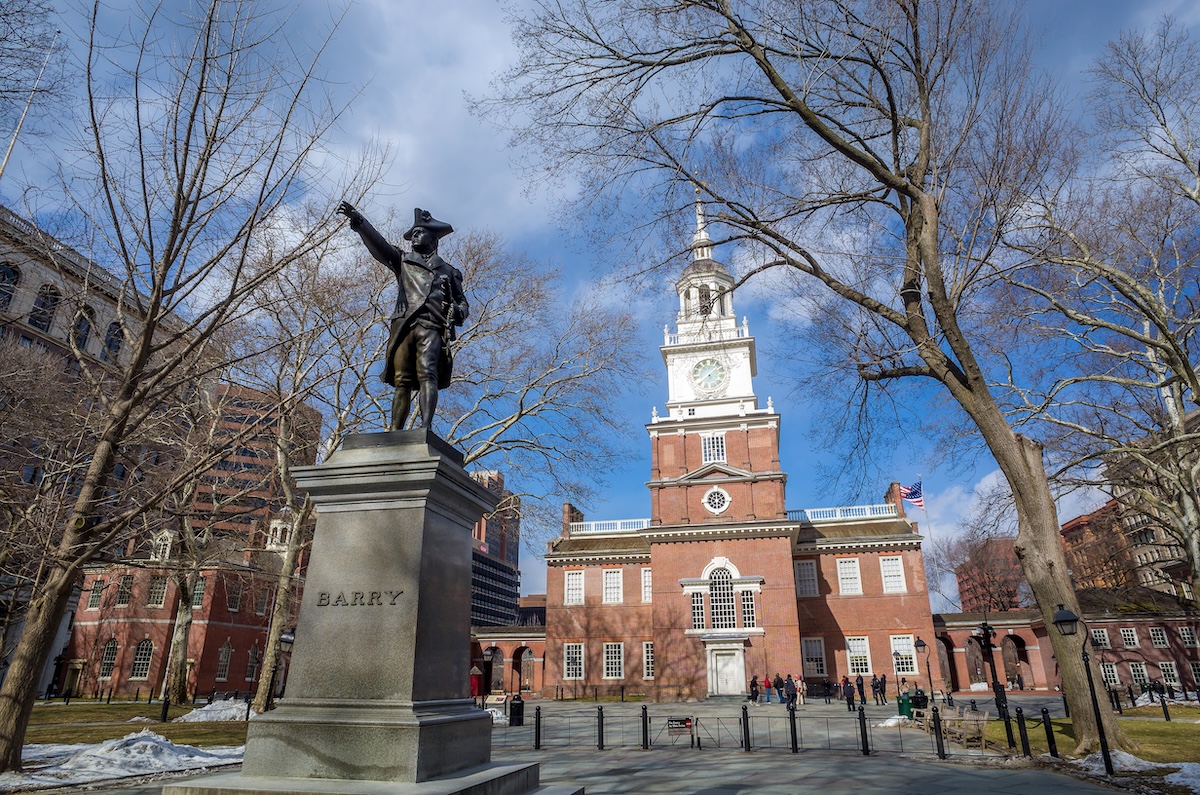
People sometimes assume Philadelphia is still Pennsylvania’s capital, but that hasn’t been true in ages. William Penn founded the city in 1682, and it quickly turned into a powerhouse in early America.
Philadelphia even served as the nation’s capital from 1790 to 1800 while Washington, D.C. was under construction. For a decade, it was the heart of American government—George Washington and other founders did plenty of business there.
The city lost U.S. capital status in 1800 when everything moved to Washington. It also stopped being Pennsylvania’s state capital, even though it had been the main city in the colony and the young state. These days, Harrisburg is the capital. If you guessed Philly, you’re far from alone.
24. Belmont, Nevada
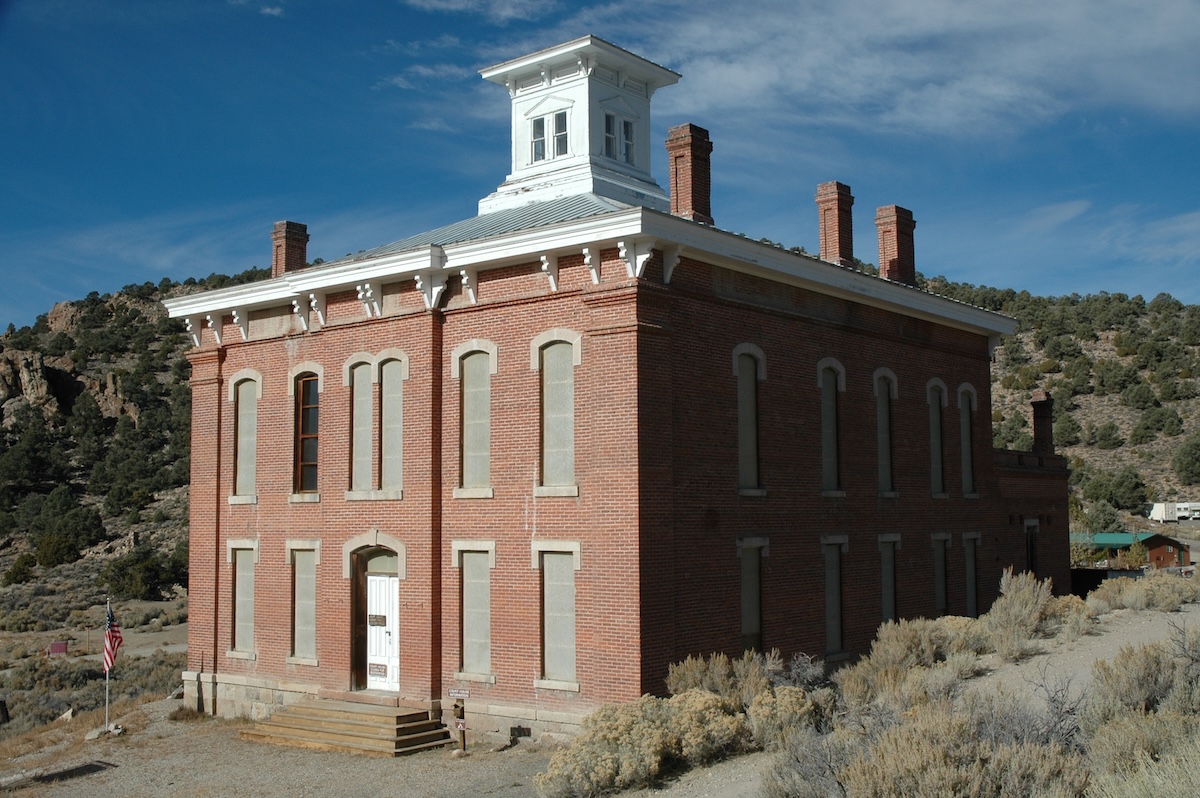
Belmont had a short but lively run as Nevada’s capital from 1867 to 1875. Maybe you’ve never heard of this tiny town, but it once thrived as a silver mining center that managed to beat out bigger places for the capital spot.
The silver rush in the 1860s brought thousands to Belmont. At its peak, the town boasted hotels, saloons, and all the bustle you’d expect from a capital. The old courthouse still stands, a solid reminder of those days.
But when the mines dried up, folks left in a hurry. Carson City became the new capital in 1875, and Belmont’s population shrank to almost nothing. These days, fewer than 100 people call it home. You can still visit Belmont to see the courthouse and crumbling stone buildings. It’s a ghost town now, but the ruins whisper stories from Nevada’s wild mining era.
23. St. Augustine, Florida
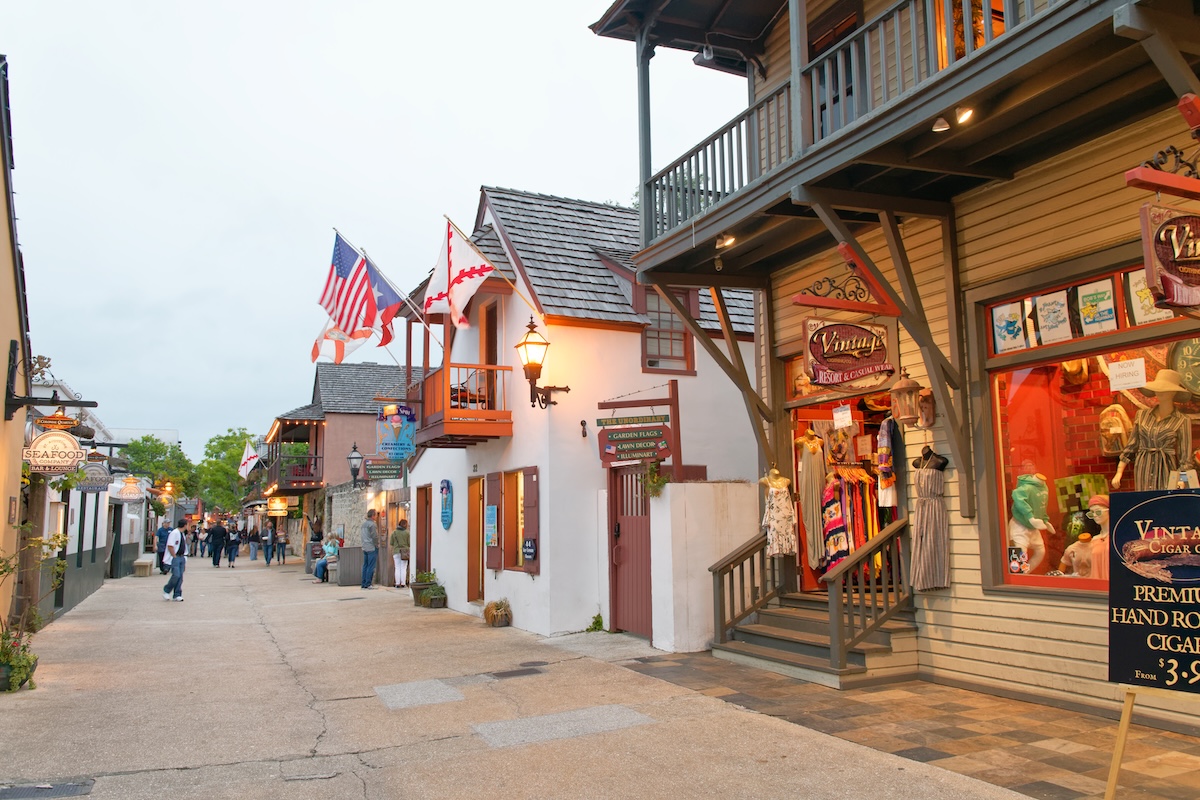
St. Augustine has a pretty special place in Florida’s past as one of its earliest capitals. When Britain took Florida from Spain in 1763, they split it into two colonies: St. Augustine became the capital of East Florida, and Pensacola took West Florida. This setup lasted about 20 years under British rule. Having two capitals made sense then, since the trip between them was grueling and roads were rough.
After Florida became a U.S. territory in 1822, the two-capital system just didn’t work. The journey between St. Augustine and Pensacola was too long for any real government business. By 1824, officials picked Tallahassee as the new capital, mostly because it sat roughly halfway between the two.
St. Augustine lost its capital status but still holds the title of America’s oldest continuously settled city.
22. Corydon, Indiana
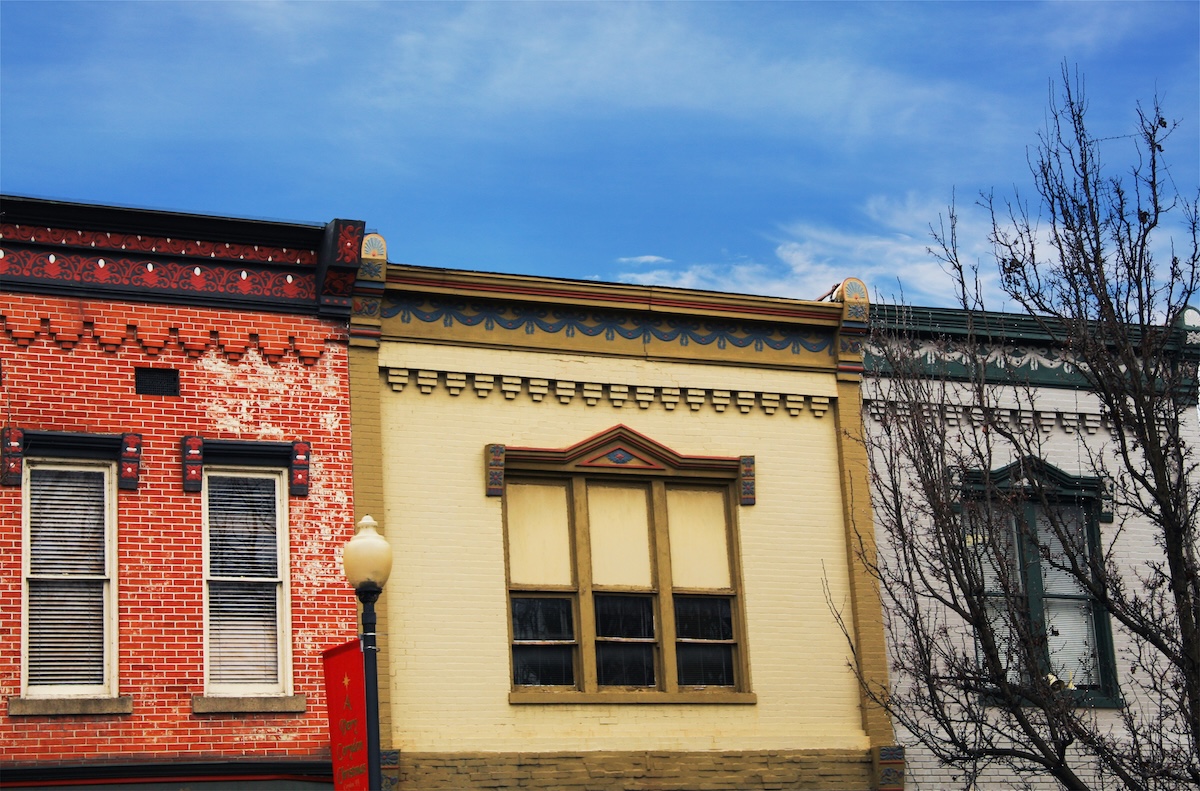
Corydon hugs Indiana’s southern tip, just north of the Ohio River. Founded in 1808, it quickly became a place of note. In 1813, Corydon took over as capital of the Indiana Territory from Vincennes. It might sound odd, but this little town played a big part in Indiana’s beginnings. Delegates drafted Indiana’s first constitution here in June 1816.
When Indiana became the 19th state in December 1816, Corydon stayed on as capital. The limestone capitol building only cost $3,000 to put up. But the honor didn’t last.
By 1825, the government packed up for Indianapolis, a brand-new city near the state’s center. The old capitol turned into the Harrison County Courthouse. Today, you can tour it as a state historic site.
21. Iowa City, Iowa
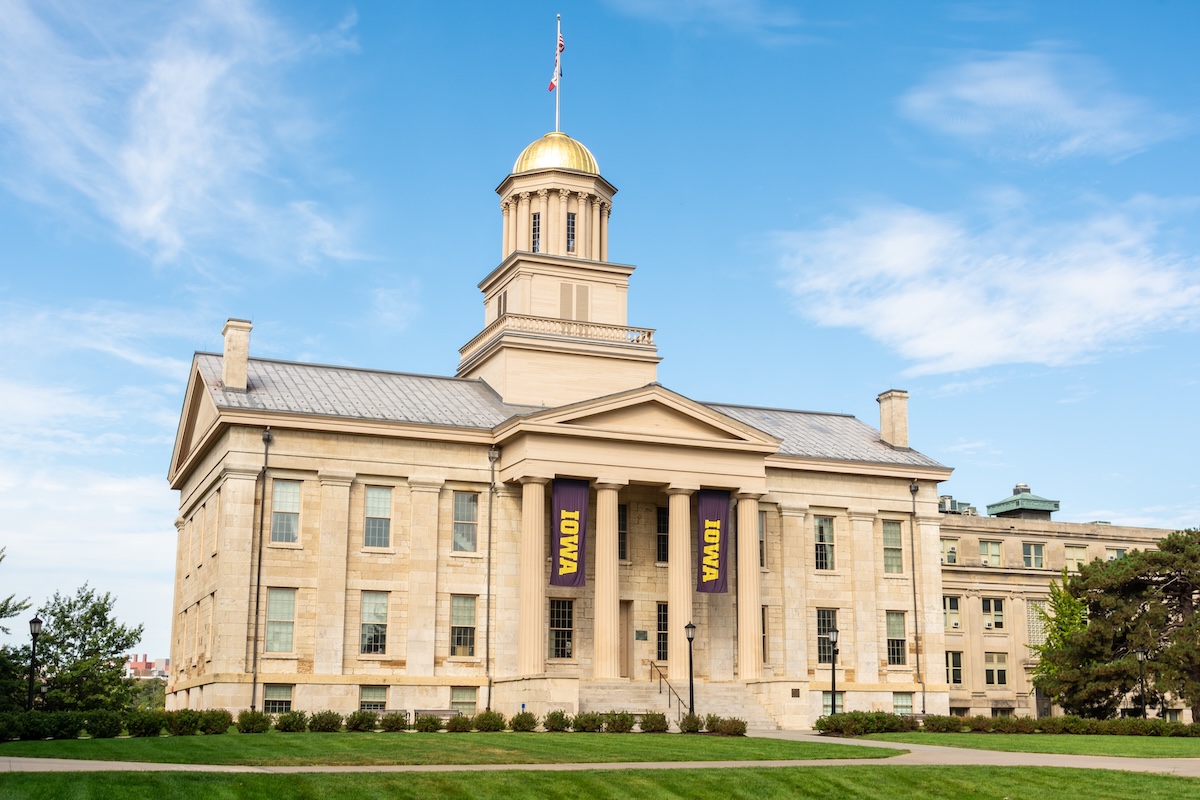
Not everyone knows Iowa City was Iowa’s capital for nearly 20 years. It became the territorial capital in 1839, after the federal government handed Iowa Territory five square miles to set up a new seat of government.
When Iowa became a state in 1846, Iowa City kept the capital. Lawmakers met in the Old Capitol building during this stretch.
But by 1857, legislators voted to move the capital to Des Moines, which sat closer to the state’s center as the population pushed west. The move made sense at the time. The Old Capitol still stands in Iowa City, now serving as a museum and a reminder of the city’s political past.
20. Cahawba, Alabama
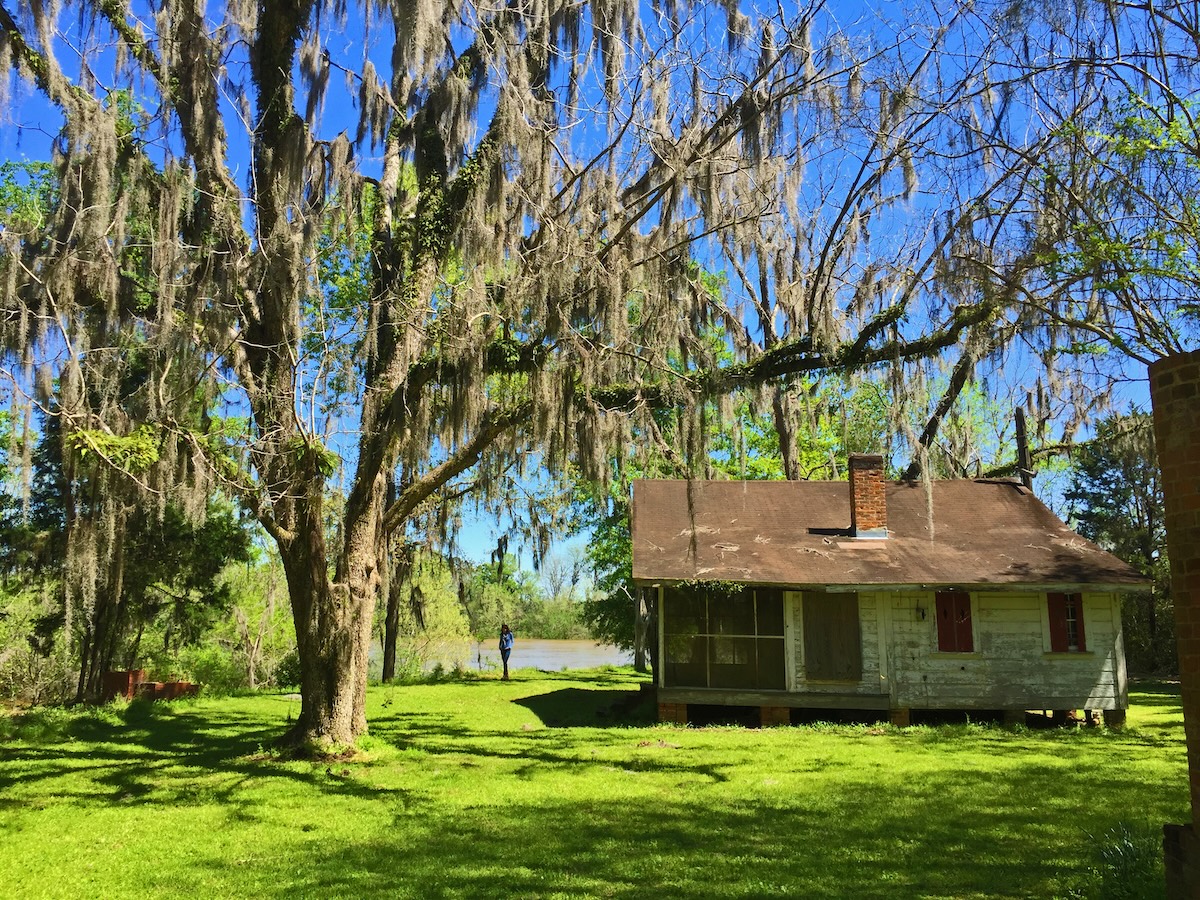
Cahawba sits at the meeting of the Cahaba and Alabama Rivers in Dallas County. It became Alabama’s first permanent state capital in 1820, just a year after statehood.
Back then, Cahawba was thriving. By 1821, about 1,000 people called it home—more than Montgomery at the time. The brick Capitol stood in the center, surrounded by nice homes and hotels.
But the rivers flooded often, and health worries grew. In 1825, lawmakers decided to move the capital to Tuscaloosa, which officially happened on February 1, 1826. Most residents left when the government did. Cahawba stayed on as county seat until 1866, but never bounced back. Today, you can visit its ghost town remains.
19. St. Charles, Missouri
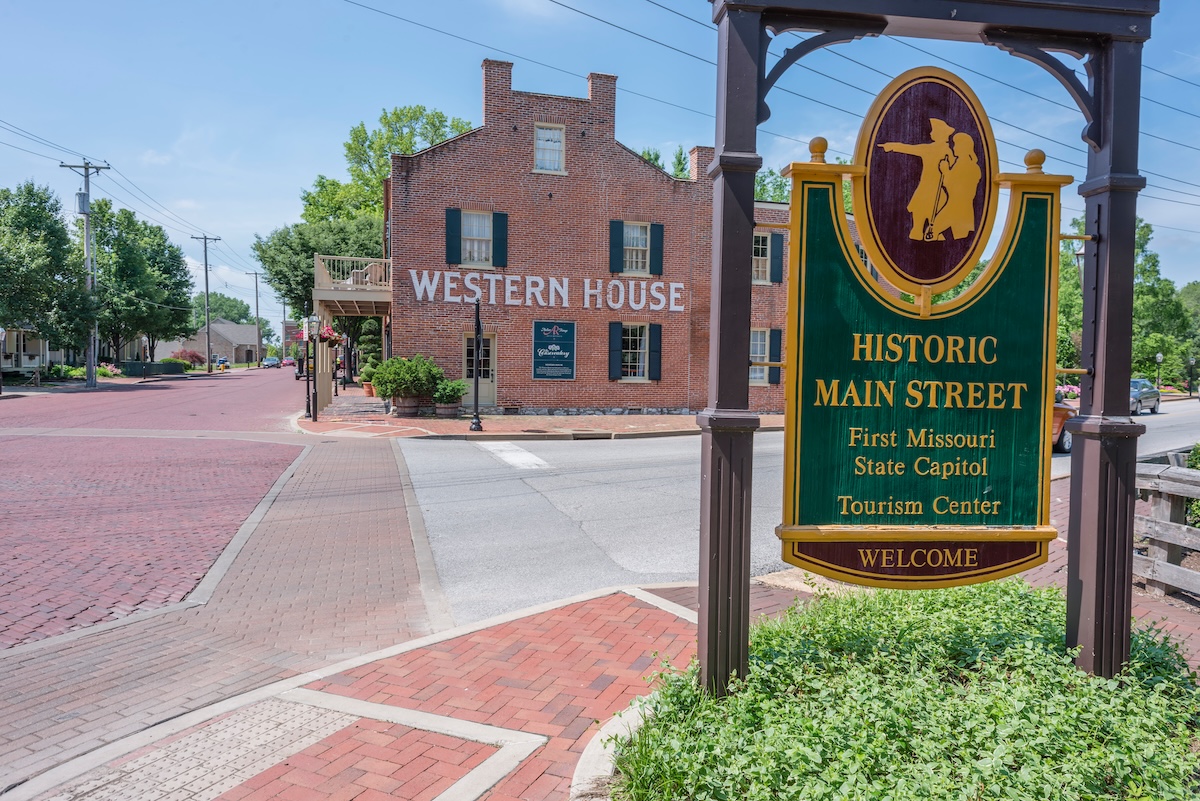
St. Charles was Missouri’s first state capital from 1821 to 1826. When Missouri joined the Union as the 24th state, the government needed a temporary spot while Jefferson City was under construction.
St. Charles beat out eight other cities for the job. The town offered free meeting space for state officials—hard to turn down. Lawmakers met in rooms above a hardware store along the Missouri River.
This location made sense at the time. St. Charles sat on key routes like the Missouri River and Boonslick Road. The town was already busy, with plenty of buildings ready to use. They only needed St. Charles for about five years. Once Jefferson City was ready, the capital moved there in 1826. You can still visit the restored brick building where Missouri’s early government met.
18. Kingston, New York
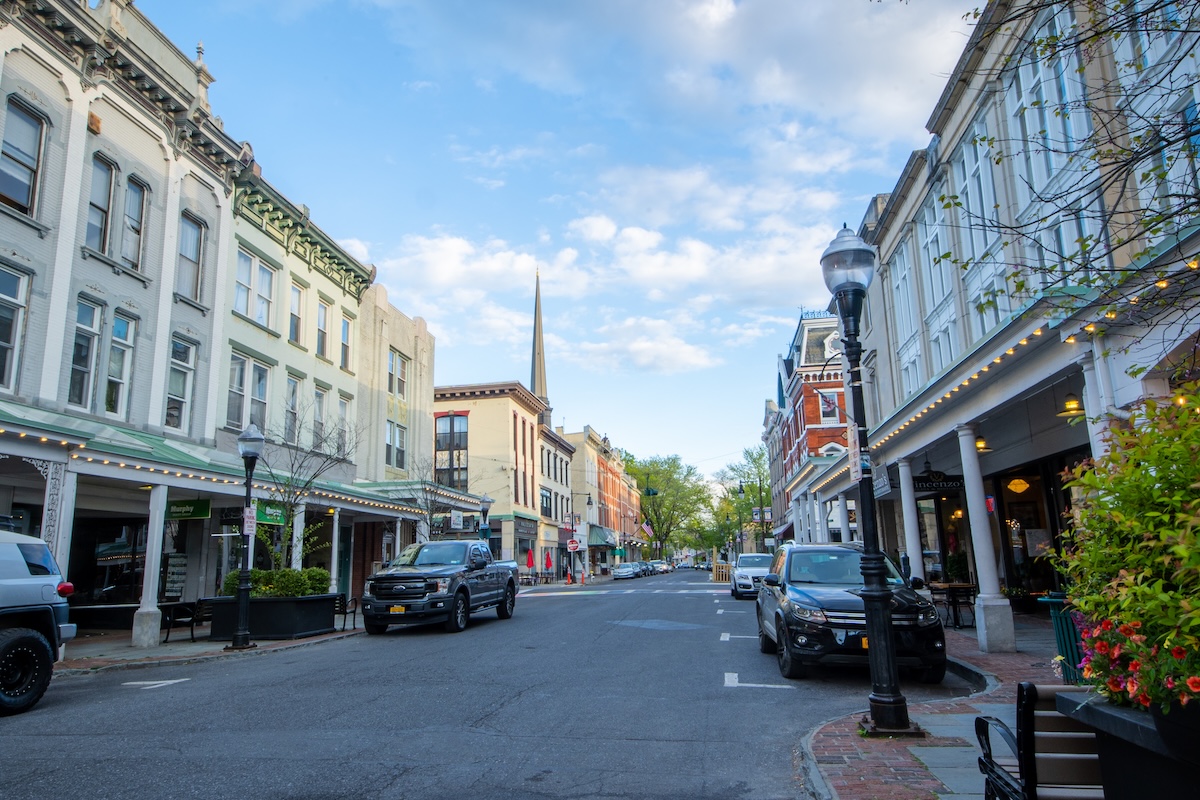
Kingston was New York’s first official state capital in 1777. With the British occupying New York City during the Revolutionary War, officials needed a safer place to run the government, so they picked Kingston.
The city sits on the west bank of the Hudson River, about 54 miles south of Albany. Dutch settlers first set up shop there in 1652, calling it Esopus. Over time, the name changed—Wiltwyck in 1661, and finally Kingston. Today, you can still see stone buildings from the Revolutionary War era. In 1777, leaders declared New York a sovereign state here and held the first state legislature meetings. Kingston’s time as capital was short, though, and the government soon moved on.
The capital eventually found a permanent home in Albany by 1797, where it still sits.
17. New Bern, North Carolina
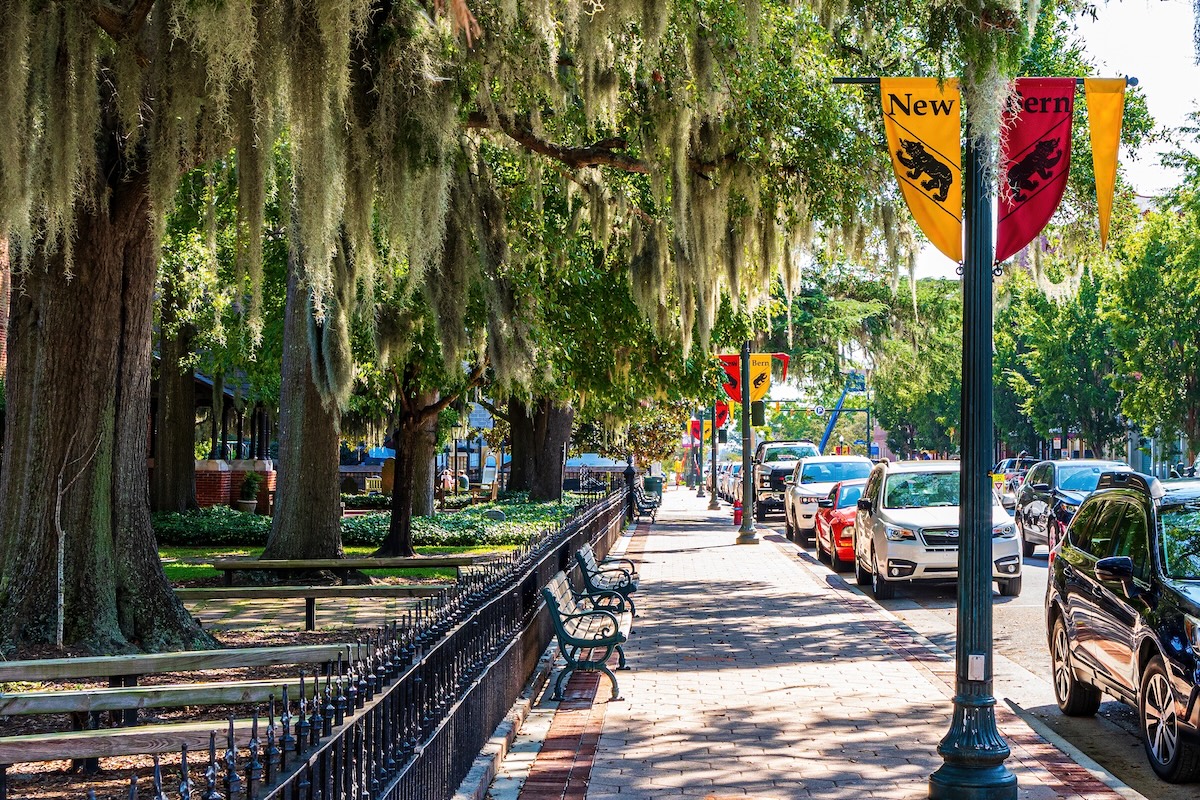
New Bern sits at the meeting of the Neuse and Trent Rivers on North Carolina’s coast. This historic town became the colonial capital in 1746, making it a major player in early North Carolina.
If you visit, you’ll spot Tryon Palace, built between 1767 and 1770. Royal Governor William Tryon made it his official residence and the seat of colonial government. It was North Carolina’s first real capitol building.
New Bern kept the capital role after the Revolutionary War. The city stayed the state capital until 1792, with the legislature meeting there to shape the growing state. Its riverside spot made it a key trading port in the 1800s. New Bern also claims fame as the birthplace of Pepsi-Cola and is North Carolina’s second oldest town.
16. Chillicothe, Ohio
Chillicothe owns a special spot in Ohio’s story as the state’s first capital. When Ohio joined the Union in 1803, this city on the Scioto River got the nod. It’s about 45 miles south of modern-day Columbus.
The capital didn’t stay put. In 1810, leaders moved it to Zanesville for political reasons. But Chillicothe got another shot in 1812 when the capital returned. Chillicothe held the title until 1816, when lawmakers decided Columbus was a better fit, closer to the state’s center.
Now, Chillicothe is the county seat of Ross County, with a population around 22,000. The city’s name comes from a Native American word, and its legacy as Ohio’s early capital still matters locally.
15. Guthrie, Oklahoma
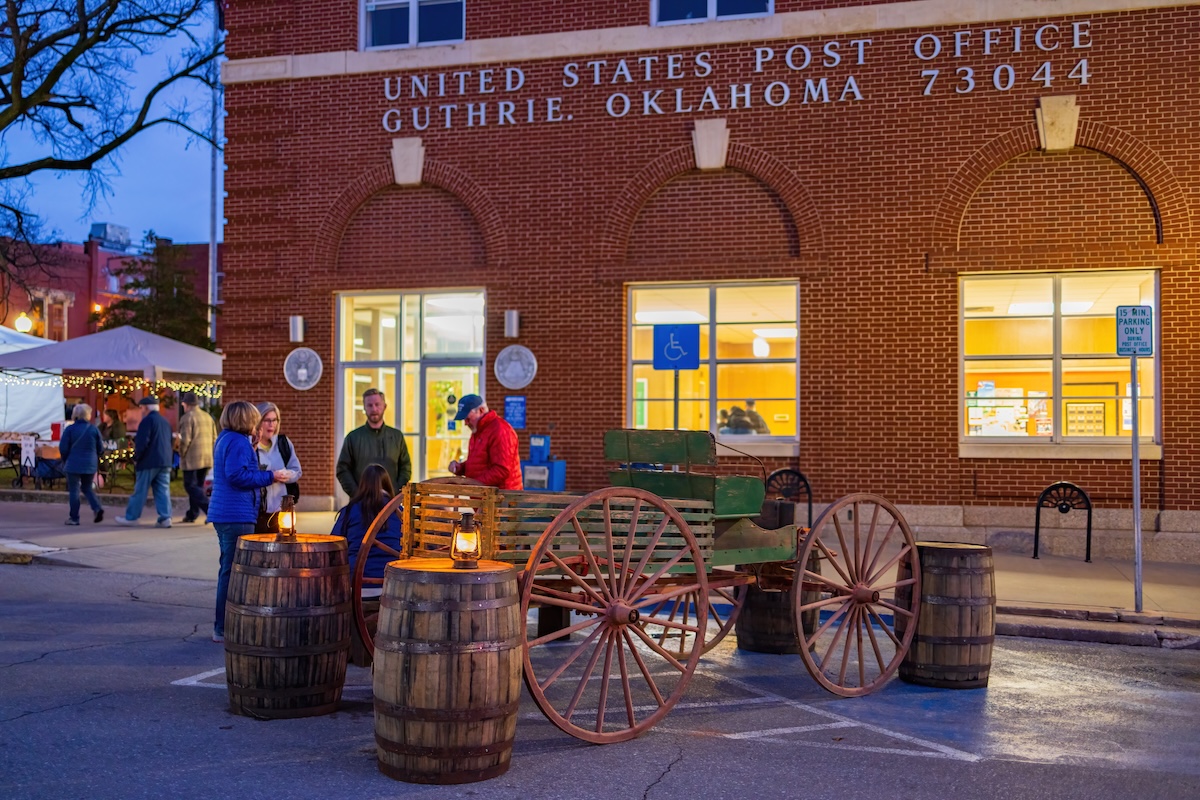
Guthrie became Oklahoma’s territorial capital in 1890 and held on to that role for 17 years. When Oklahoma became a state in 1907, Guthrie got to be the first state capital, too.
The city’s reign didn’t last. Guthrie and Oklahoma City fought hard over which should be the capital. Oklahoma City was booming and argued it was more modern and better located. On June 11, 1910, voters settled the matter. Oklahoma City won by a landslide—96,261 votes to Guthrie’s 31,301. The capital moved south that very day.
Guthrie now serves as the county seat of Logan County, with about 10,749 residents. The historic downtown still has plenty of original buildings from its capital days if you’re ever passing through.
14. Wheeling, West Virginia
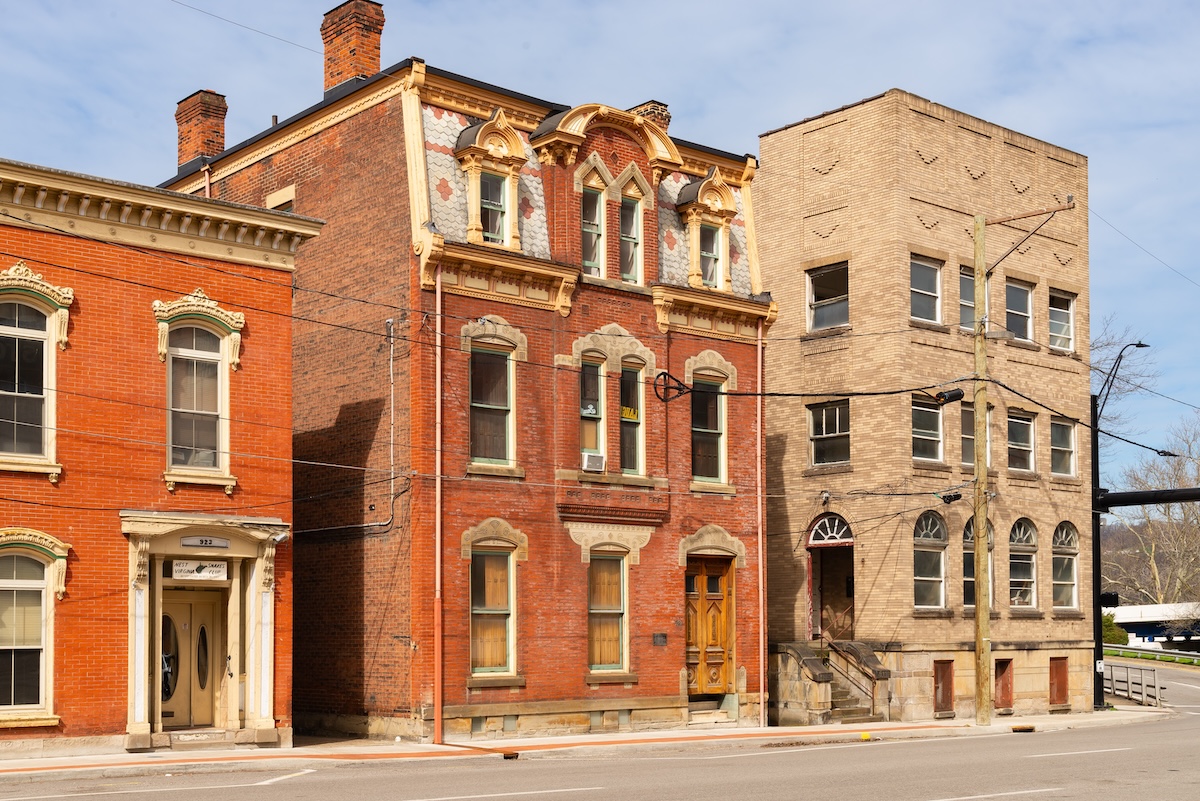
When West Virginia became a state in 1863, Wheeling got the honor of being its first capital. The city sat in the northern panhandle near the Ohio border, making it a key spot for industry and transportation.
But Wheeling didn’t get to keep the title forever. Charleston took over as capital in 1870, though Wheeling snatched it back just five years later in 1875. You might think that settled things, but it didn’t last.
In 1885, Charleston became the permanent capital. State leaders wanted a location closer to the center of West Virginia instead of up in the northern edge. Wheeling had served as capital twice, using different buildings each time, but its days as the seat of government were done. The city still plays a big role in West Virginia history as the birthplace of the state itself.
13. Burlington, Vermont
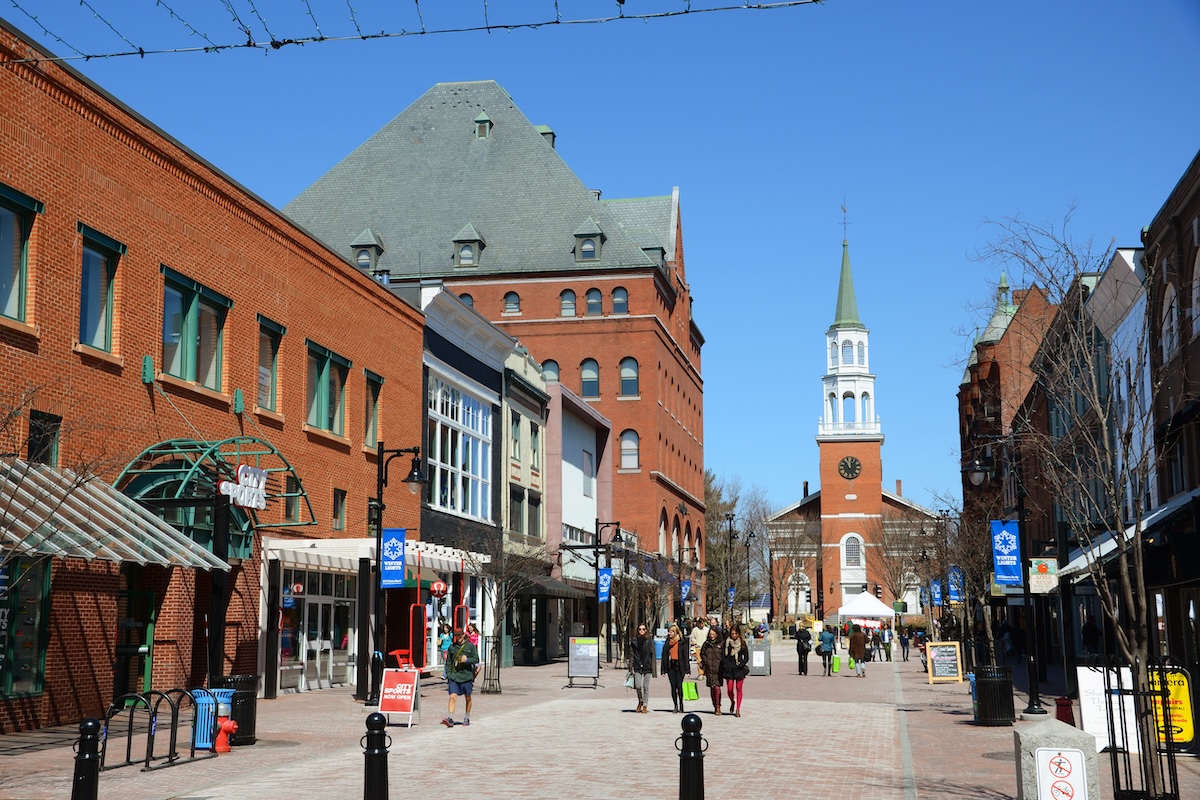
Burlington served as Vermont’s capital for a brief but important period in the state’s early history. When Vermont was still figuring out its identity as a new state, Burlington took on the role of capital from 1805 to 1808. The city’s location on Lake Champlain made it a natural choice at the time.
It’s kind of wild to think this happened just years after Vermont joined the Union in 1791 as the first new state beyond the original thirteen colonies. Burlington’s time as capital was short-lived, though. The role eventually moved to Montpelier, where it remains today.
Even after losing its capital status, Burlington kept growing. The city became Vermont’s largest and turned into a major port and commercial center on Lake Champlain.
12. Wilmington, Delaware
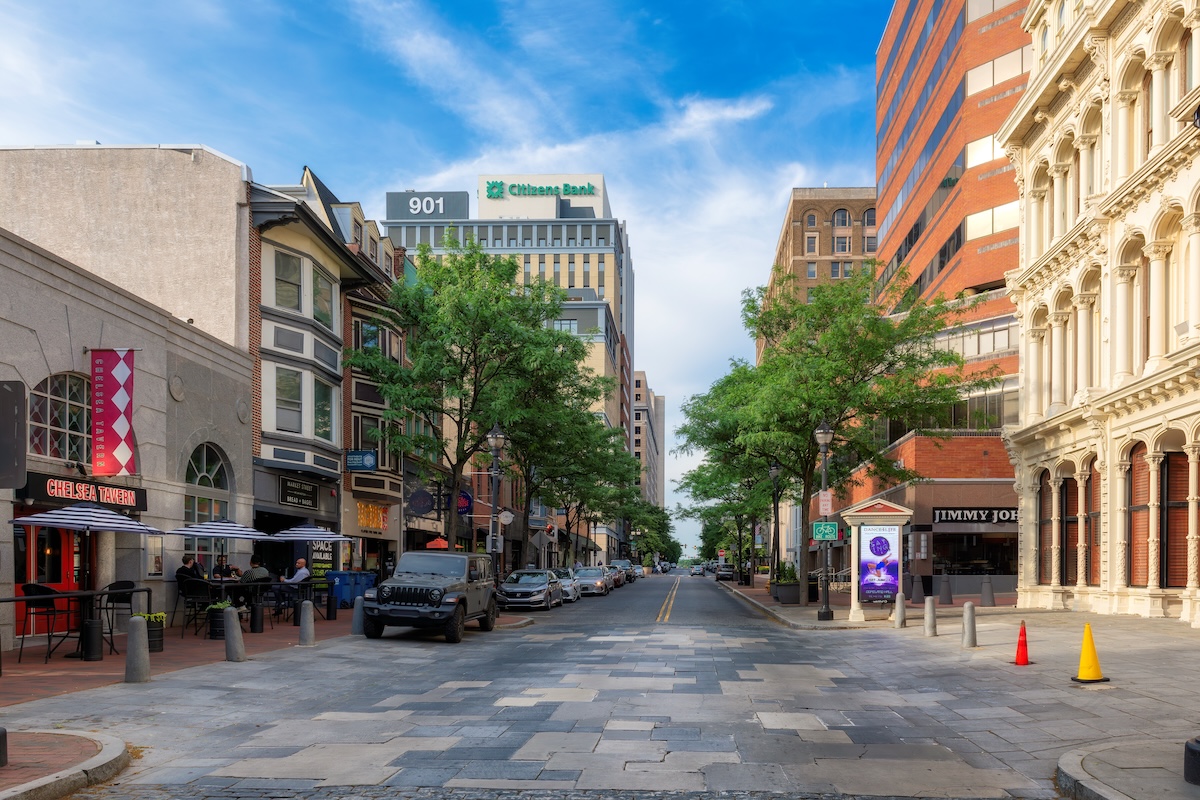
Wilmington served as Delaware’s capital city until 1777. The city sits where the Christina River and Brandywine Creek meet the Delaware River. This location made it perfect for early trade and commerce. Swedish settlers first established the area in 1638. Later, Dutch and English groups took control. By the time of the American Revolution, Wilmington had grown into an important colonial trading post.
Delaware moved its capital to Dover in 1777 during the Revolutionary War. Dover’s inland position offered better protection from British naval attacks along the coast. Wilmington had always been vulnerable because of its river location.
Today, Wilmington stands as Delaware’s largest city. You might know it as the “Corporate Capital of the World” since over 60% of Fortune 500 companies are incorporated there. The city grew into a major industrial and chemical production center after losing its capital status.
11. Vandalia, Illinois
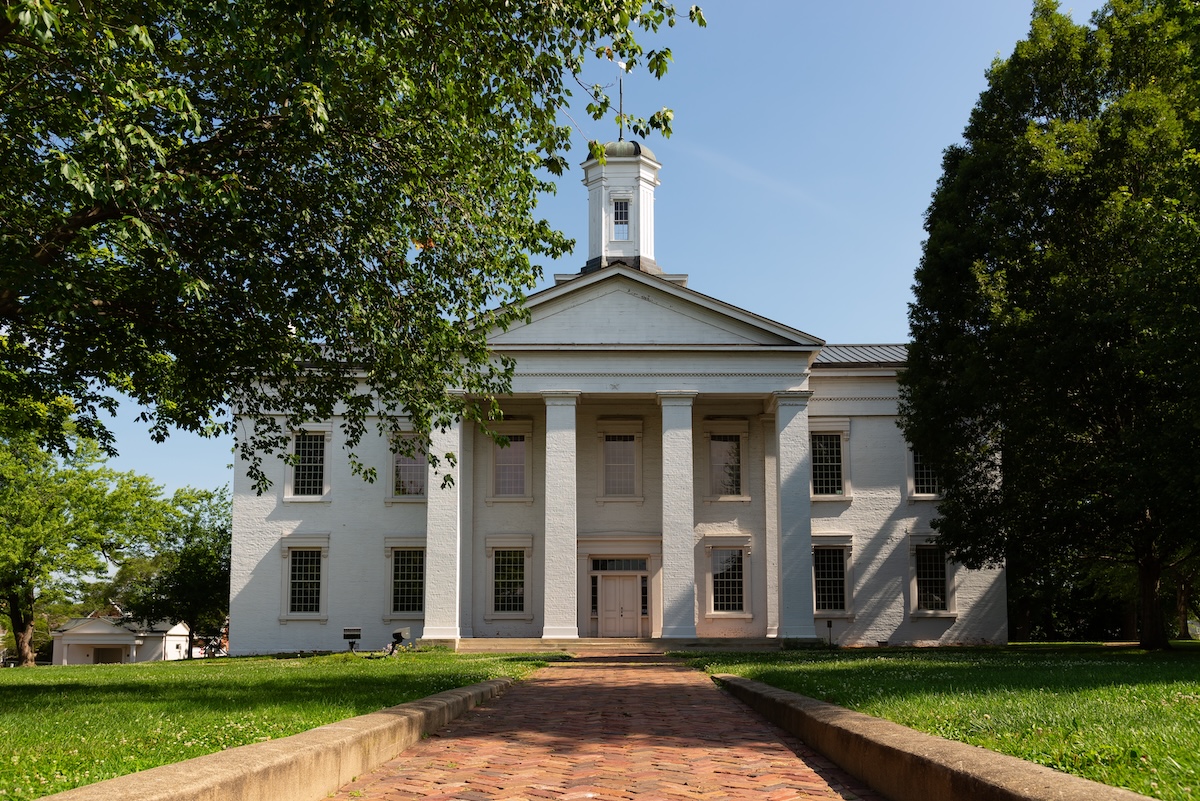
Vandalia became Illinois’ second capital city in 1820, taking over from Kaskaskia. The city was actually planned from the start to serve as the state capital, which made it pretty unique for its time. State government officials worked in Vandalia for nearly two decades. The first capitol building there burned down in 1824, just four years after the city became the capital. A new one went up to replace it.
The capital didn’t stay in Vandalia forever, though. In 1837, the state legislature voted to move the government to Springfield, which was closer to the state’s geographic center. Abraham Lincoln played a big role in getting Springfield chosen as the new capital.
By 1839, Vandalia’s time as Illinois’ capital had ended. The city sits along the Kaskaskia River in what’s now Fayette County, about 70 miles southeast of Springfield.
10. Milledgeville, Georgia
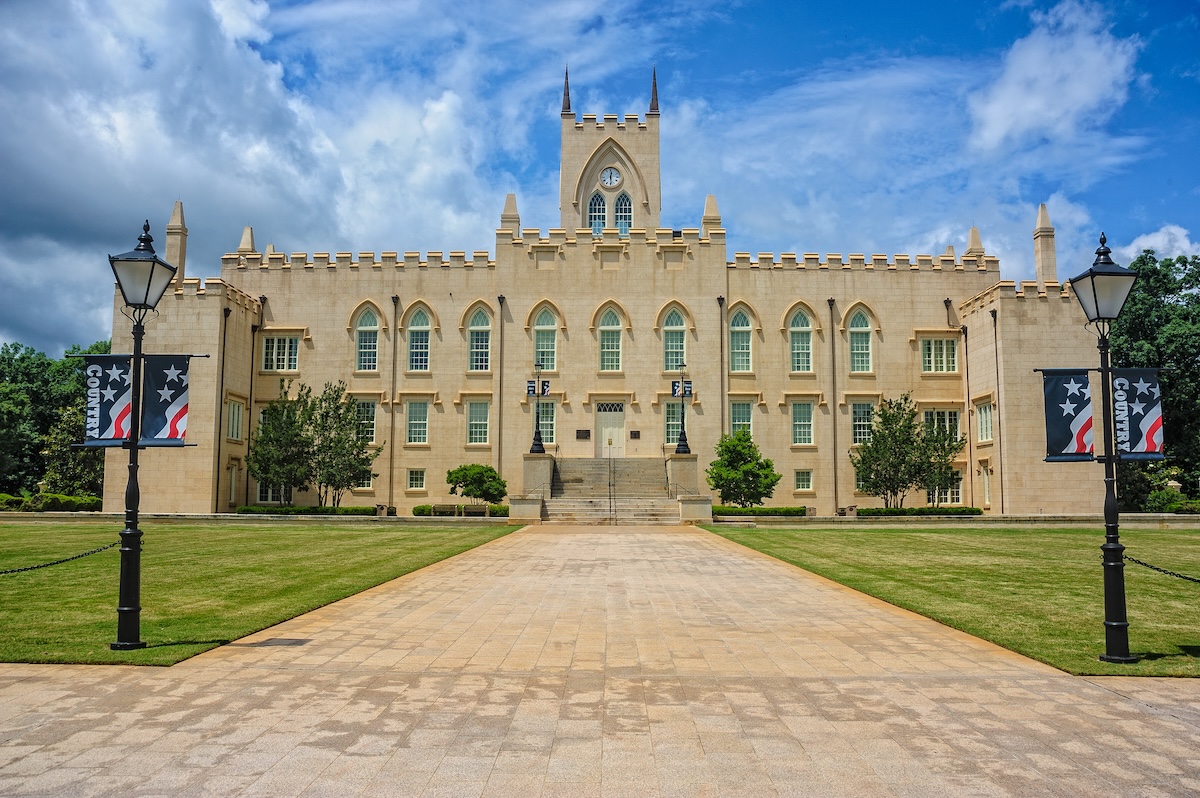
Milledgeville sits along the Oconee River in central Georgia, about 30 miles from Macon. The city was founded in 1803 and named after John Milledge, who was governor at the time.
Georgia picked Milledgeville as its capital in 1803, and it held that role for more than 60 years. The city’s streets were laid out in a grid pattern similar to Savannah and Washington, D.C. This wasn’t random—Milledgeville was specifically designed to be a capital city. Construction on the Old Capitol Building started in 1805. It became the first public building in the United States built in the Gothic Revival style.
Milledgeville stayed Georgia’s capital throughout the Civil War, though officials had to evacuate in November 1864 when Union General William T. Sherman marched toward the city. After a vote in 1868, Atlanta became Georgia’s new capital, ending Milledgeville’s time as the seat of state government.
9. Lecompton, Kansas
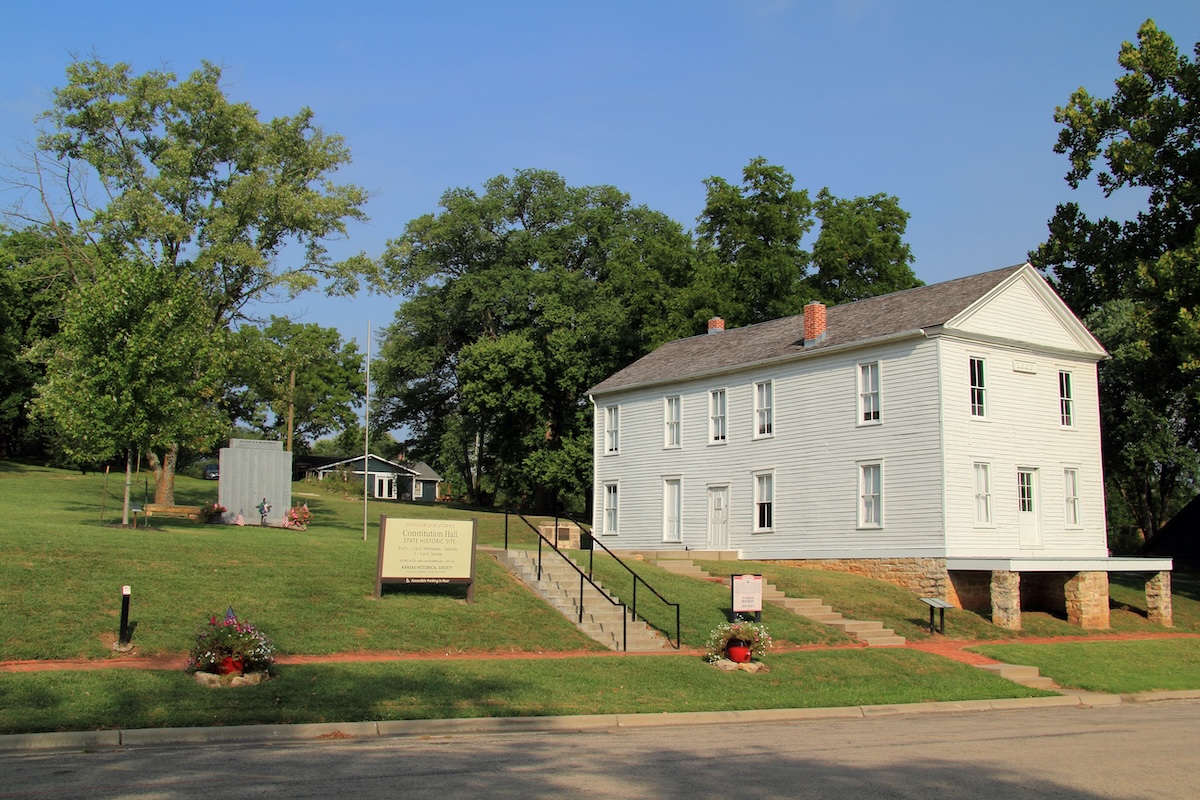
You might not have heard of Lecompton, but this tiny Kansas town once stood at the center of American politics. The city served as the territorial capital of Kansas from 1855 to 1861, before Kansas even became a state.
Lecompton was a pro-slavery stronghold during the heated debates over whether Kansas would enter the Union as a free or slave state. The town had grand ambitions, with officials constructing government buildings and drafting the controversial Lecompton Constitution in 1857. This document would have made Kansas a slave state, but it never got federal approval.
When Kansas joined the Union as a free state in 1861, Topeka took over as the official capital. Lecompton’s political power vanished almost overnight. Today, you’ll find just 588 residents living in this quiet town along the Kansas River. It’s honestly kind of wild, considering its dramatic fall from its days as a territorial capital.
8. Benicia, California
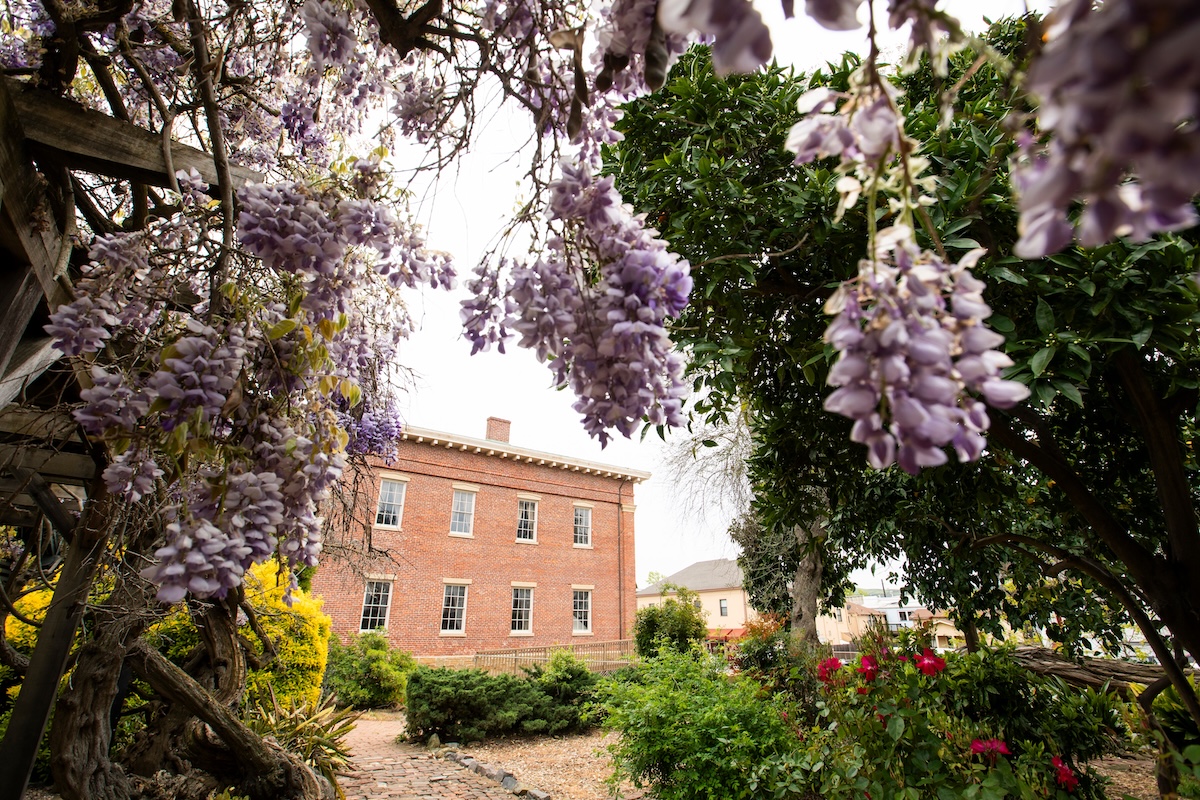
You might not know it, but this small city on the Carquinez Strait once played a surprisingly big role in California’s story. Benicia called itself the state capital for almost thirteen months, from February 1853 to February 1854. Not bad for a town most people drive past without a second thought.
The old Capitol building still stands at the corner of 1st and G streets, now a State Historic Park. Back in 1852, builders finished the red brick structure for Benicia’s city hall—nobody expected the state government to show up so soon after.
California’s government bounced around in those days. Monterey, San Jose, Vallejo—they all gave it a shot before Sacramento finally stuck. If you get a chance to visit Benicia, you can wander through the restored Capitol and imagine lawmakers arguing over the future of early California in those same rooms.
7. Natchez, Mississippi
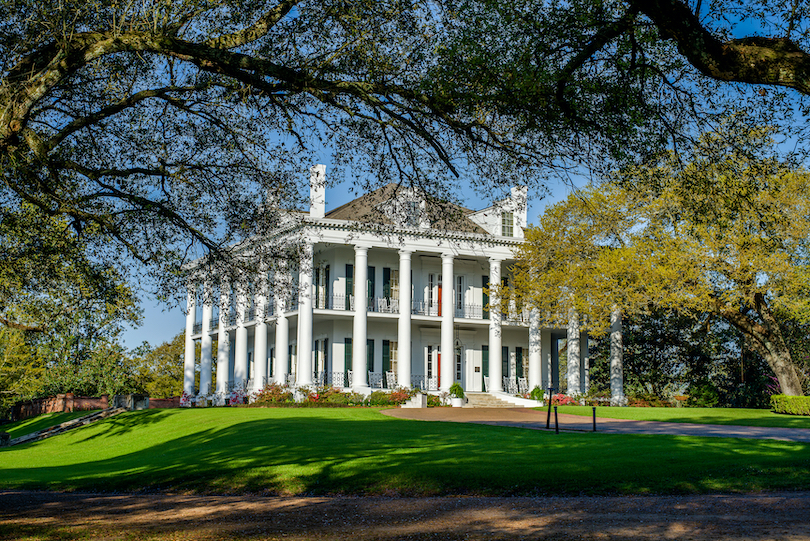
Perched high up on the Mississippi River, Natchez was the first capital of Mississippi. But its reign didn’t last long. It was the capital from 1817 to 1821 – four short years, to be exact. Although, it is important to point out that it was also the capital of the Mississippi Territory before it became a US state.
The city played a big role in the cotton trade and has many stories to tell of the African American experience – both about freedom and slavery.
After 1821, the power center shifted to Jackson because of its more centralized location in the state. Makes sense since Natchez is on the Louisiana border…
Mississippi made up for its short political role with its strong Southern charm, antebellum architecture, and magnificent estates like Longwood and Rosalie Mansion.
The river views are reason enough to visit, but I’ll always recommend a drive along the state’s stretch of the Natchez Trace Parkway.
6. Williamsburg, Virginia

Williamsburg was the capital of Virginia for 81 years. It only lost its title during the Revolutionary War, when leaders like Thomas Jefferson (yup, the second president of the United States) decided it wasn’t the best option for capital. Its location along the James River and proximity to the coast made it vulnerable to attacks from the British. Naturally, Richmond seemed like a much more secure choice.
Between 1699 and 1980, Williamsburg played a major role in America’s colonial era and Revolution. Today, the city has turned its past into its present, particularly if you visit the Living History Museum at Colonial Williamsburg.
And it’s not only in this museum where history takes center stage. The entire city today is an embodiment of the colonial era. It’s also home to one of the country’s oldest universities and the Busch Gardens theme park.
5. Detroit, Michigan

Before it was known as the Motor City, Detroit had a more politically charged role as Michigan’s capital between 1805 and 1847. But as settlers moved west, Lansing was chosen as a more central location.
Moving the political faction of the state allowed Detroit to become the industrial powerhouse we know it to be today. It’s a little bit gritty, but what else do you expect from the center of the automobile manufacturing industry? It’s this grit, combined with an uber-cool local population, that allowed the art and culture scene to blossom. And boy oh boy, did it blossom alright.
Having experienced its biggest growth boom during the early 20th century, the city is now scattered with Art Deco buildings. It has the perfect mix of industry and art — and we’re all for it.
4. Newport, Rhode Island

Back in the Gilded Age, America’s elite flocked to Newport to sip iced tea on the summery beaches – and it’s easy to see why. It has a European flair, surprisingly lovely weather, and is absolutely gorgeous to look at.
But before elites like the Vanderbilts built their summer homes here, the city served as Rhode Island’s joint colonial capital city with Providence until 1900. Providence then took over the entire role, leaving Newport to focus on nothing but its stunning coastline and sailing culture.
What Newport lacks in government power, it more than makes up for in beautiful coastal views and historic manor homes. Seriously, the architecture here is next level. Just check out The Breakers and Marble House for a little taste of the Gilded Age grandeur. It’s also home to the oldest synagogue in the country.
3. New Orleans, Louisiana

The Crescent City briefly served as Louisiana’s capital twice, once in 1722 and again in 1866. The city was founded in 1718 by the French and quickly grew to become the state’s economic and political hub. But as it grew bigger and bigger, the state feared that politicians were too focused on the capital city, and not enough on the rest of Louisiana.
Baton Rouge then took the title, erecting the tallest state capitol building in the US — but that’s a story for another time. Back in New Orleans, culture thrived, mixing Spanish, French, and Creole populations.
The French Quarter is a must-visit. With its decorative balconies and lively vibes (especially along Bourbon Street). Few places have as much buzz and energy as this city.
2. Savannah, Georgia

Moss-draped oak trees and cobblestone streets are what first pop to mind when I think of Savannah. But did you know that the city served as Georgia’s colonial capital between 1733 and 1786?
It was eventually replaced by Augusta, and later, Atlanta, but none were as charming and quintessentially Southern as Savannah.
The city was one of the few Southern cities not destroyed during the Civil War – and it is just as well. It’s the kind of place that makes you feel like you’re walking through history. Well-preserved architecture, picture-perfect squares and parks, and oh, that Southern charm…
Places like Forsyth Park, the Mercer-Williams House, and the hauntingly beautiful Bonaventure Cemetery showcase the city’s storied past.
1. San Francisco, California
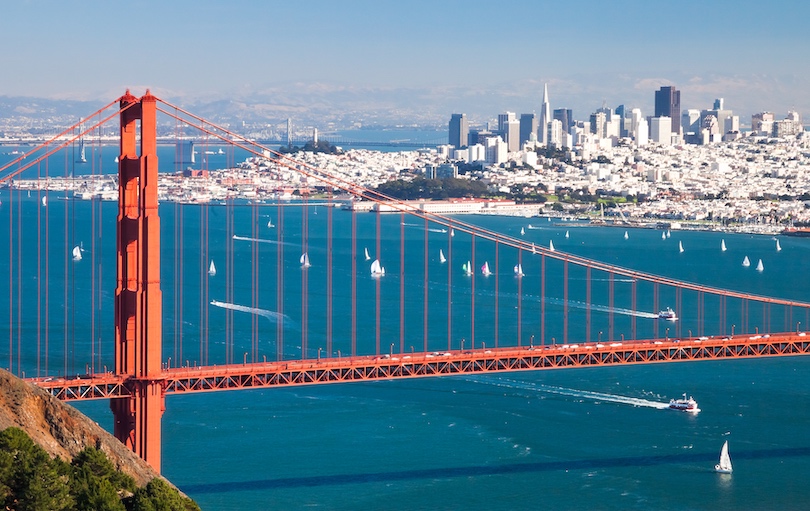
It’s not hard to imagine San Francisco being the Californian state capital. Maybe it’s because of the capitol-like Civic Center and the eclectic gathering of cultures that call the city home.
Well, San Francisco did serve as the temporary capital for a brief moment in 1862 because of flooding in Sacramento. The inland city of Sacramento was favored for its security from coastal attacks and natural disasters — San Francisco does lie on the San Andreas Fault, after all.
Despite this, the city never lost its allure and is still one of the country’s most iconic places. It’s famous for its technological boom, Golden Gate Bridge, and eerily foggy weather. Fun fact: the fog is so thick and legendary that it has its own name.




Leave a Reply