
Something is mesmerizing about waterfalls. Whether they’re distributing cascading turquoise waters or acting as an energy source, waterfalls genuinely demonstrate just how beautiful nature can be.
In addition to creating picturesque scenery, waterfalls have been proven to help us connect with nature, which makes us happier humans. Luckily, there are many waterfalls in the U.S. to explore!
While our list is far from complete, we’ve compiled a list of some of the most breathtaking waterfalls you’ll find right here in the United States. Wait until you see which comes in at number one!
20. Whitewater Falls, North Carolina
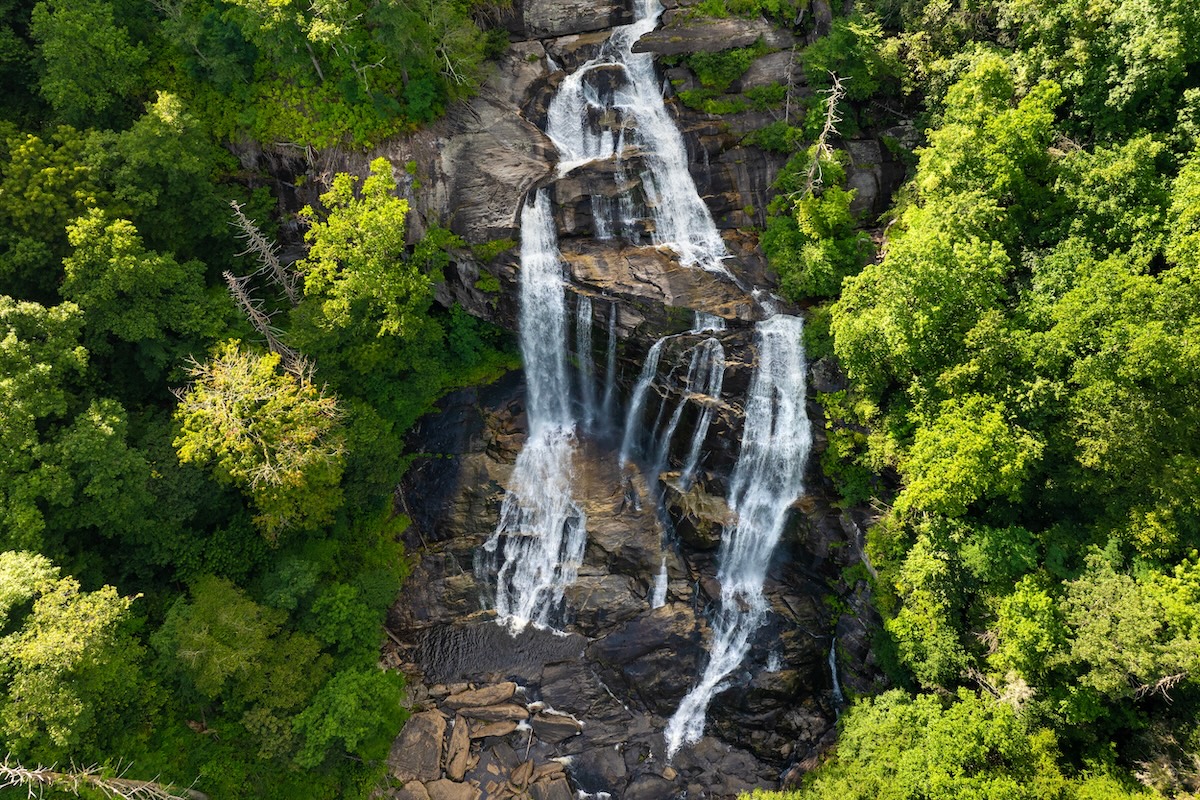
Hidden in the mountains near the North Carolina–South Carolina border, Whitewater Falls stands as one of the tallest waterfalls east of the Rockies. Water crashes down 411 feet across a series of rugged rock faces in the Nantahala National Forest. The upper portion, in North Carolina, is the easiest to reach and gives you the most dramatic views.
A paved path leads from the parking lot to an overlook where the full force of the falls comes into view. The hike isn’t long—just over half a mile round trip—but there are some stairs and a bit of elevation to tackle. In spring and after heavy rains, the water volume swells, making the whole scene even more striking. Bring your camera if you can; the height, the forest, and the ever-present mist make for photos you’ll want to keep.
19. Palouse Falls, Washington
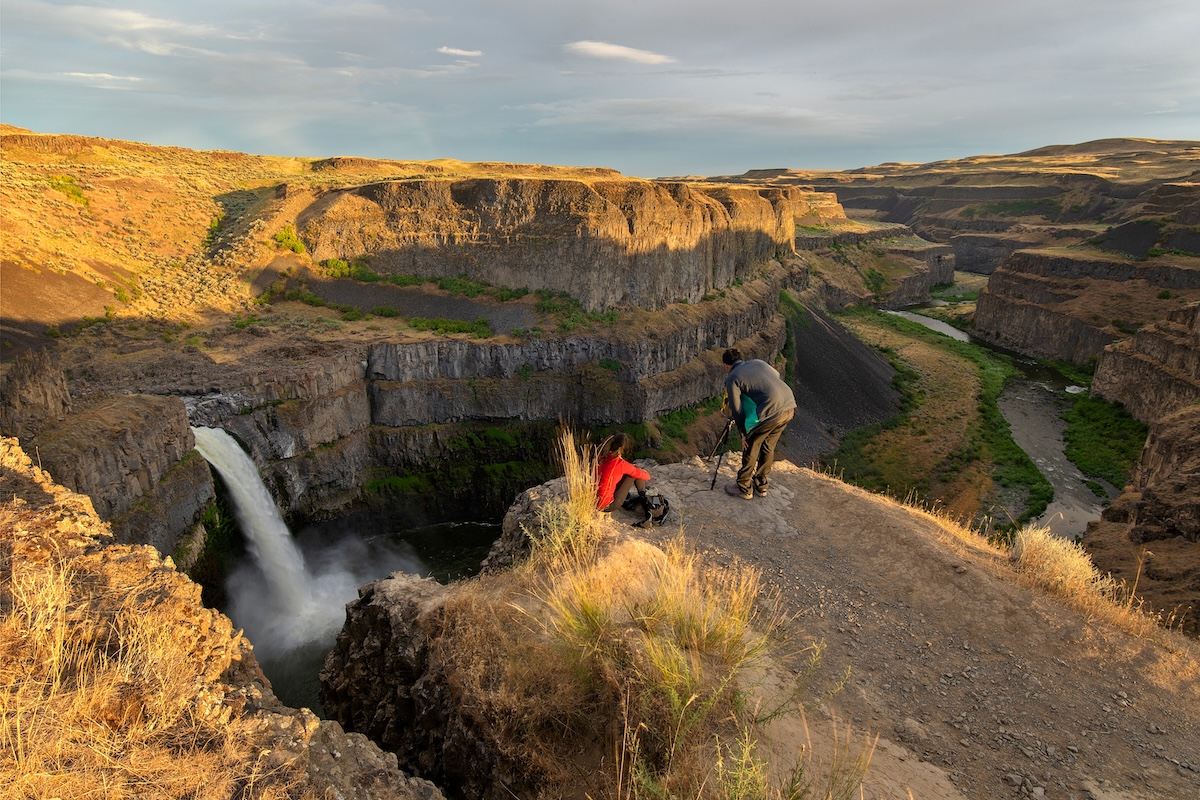
Palouse Falls takes a 198-foot plunge into a stark basalt canyon in southeastern Washington, about an hour north of Walla Walla. The Palouse River has carved through ancient volcanic rock here for thousands of years, leaving a landscape that looks almost otherworldly—bare cliffs, minimal greenery, and the river’s steady roar.
You’ll get your best view from the main overlook near the parking area, but there are a few trails that let you wander around the canyon rim for different perspectives. Spring is the showstopper, when snowmelt pumps up the flow, though the falls don’t really disappear any time of year. The park’s got restrooms, picnic spots, and a small campground if you want to catch sunrise or sunset. Because it’s a bit off the beaten path, you’re unlikely to run into crowds. It’s just you, the rocks, and the sound of water echoing off stone.
18. Taughannock Falls, New York
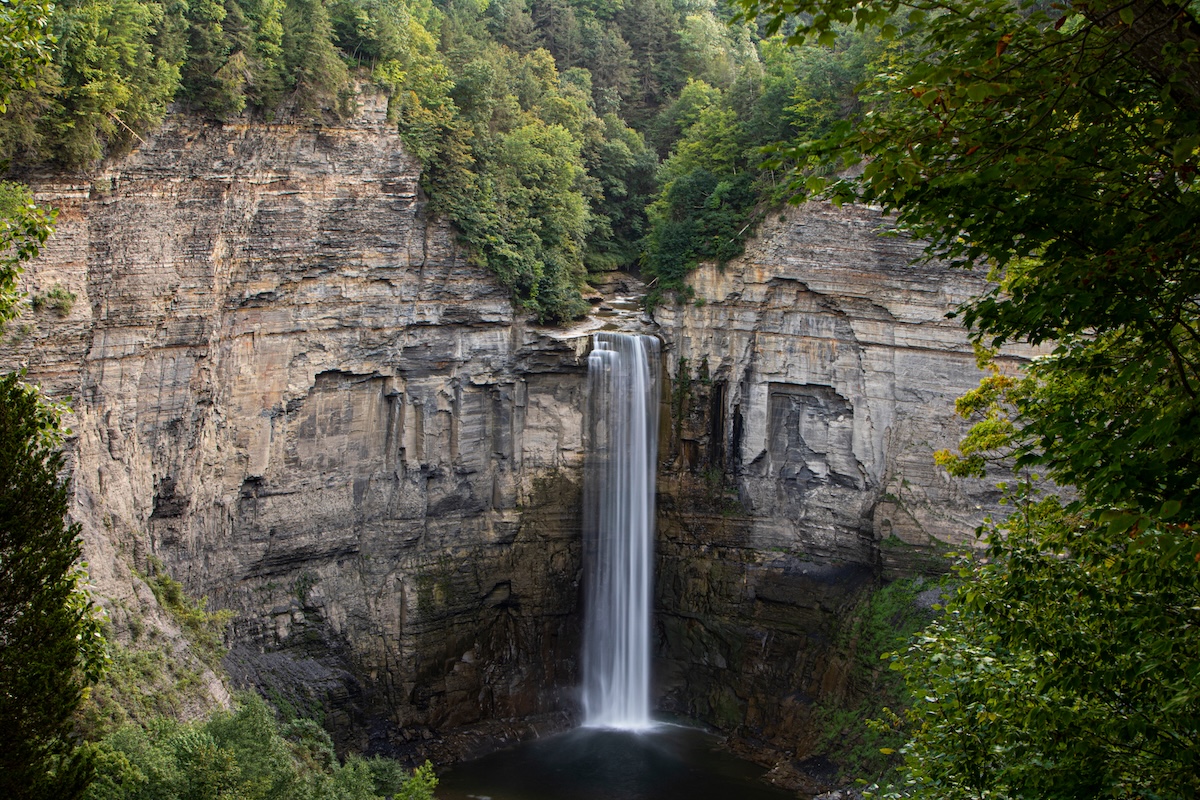
Taughannock Falls drops 215 feet into a rocky gorge in the Finger Lakes, claiming the title of tallest single-drop waterfall east of the Rockies. Believe it or not, it’s actually 33 feet taller than Niagara Falls, though it doesn’t have the same massive flow. Taughannock Falls State Park sits just north of Ithaca, right along Cayuga Lake.
You’ve got two main ways to see the falls: a flat, three-quarter-mile stroll along the gorge floor to the base, or a rim trail up top for dramatic overhead views. In winter, the whole thing freezes into wild ice formations that draw photographers from all over. The 750-acre park also gives you swimming areas, picnic tables, and camping spots if you want to stick around and soak up more than just the waterfall.
17. Wailua Falls, Kauai, Hawaii
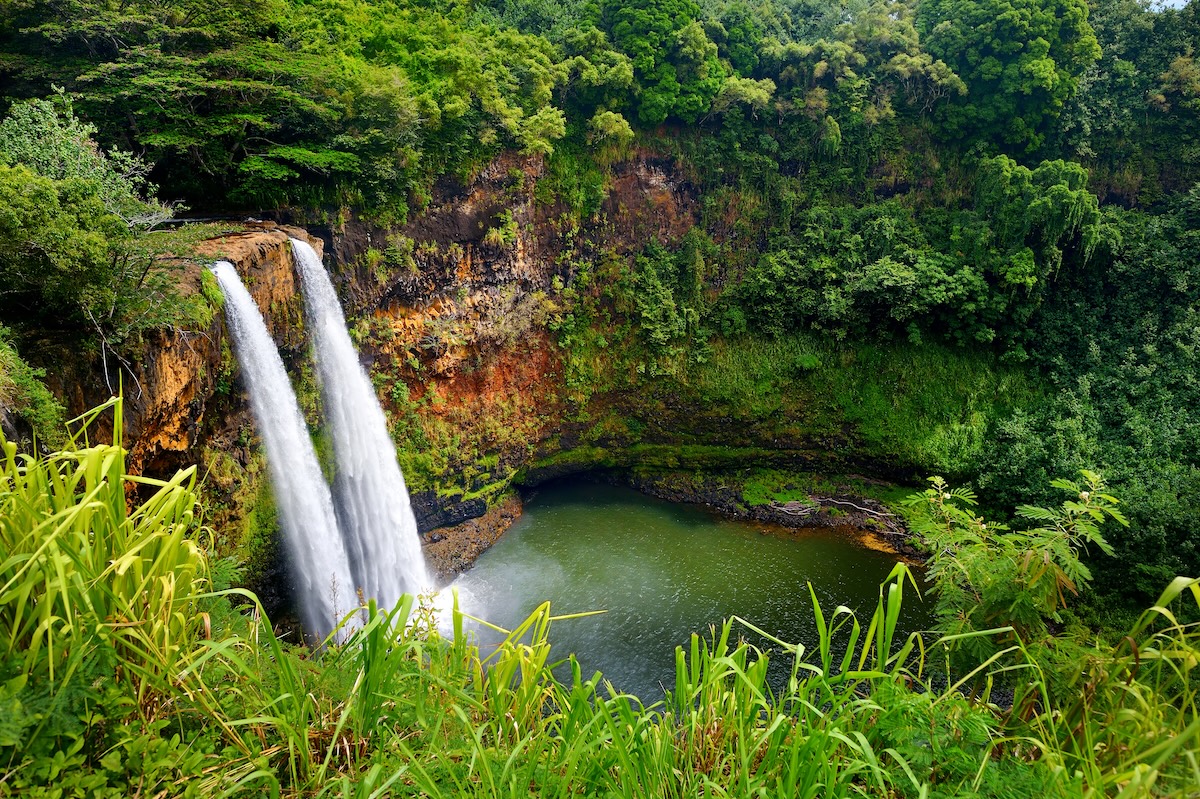
Wailua Falls plunges 80 feet into a turquoise pool on Kauai’s lush eastern shore, just a quick drive north of Lihue. This double-tiered cascade is one of Hawaii’s easiest waterfalls to see—no hiking required. Just pull off Maʻalo Road and you’ll find a designated lookout, making it a breeze for anyone, regardless of mobility.
The falls had their TV moment as the opening shot for Fantasy Island, but in person, they’re all Hawaii. Early mornings are your best bet for good light and fewer people. Sometimes, if you’re lucky, you’ll catch rainbows shimmering in the mist. The tropical greenery frames the waterfall almost perfectly—nature’s own postcard. People used to climb down to swim at the base, but the trail’s steep and risky, so local officials really don’t recommend it anymore. You’re better off sticking to the overlook and letting the view soak in.
16. Blackwater Falls, West Virginia
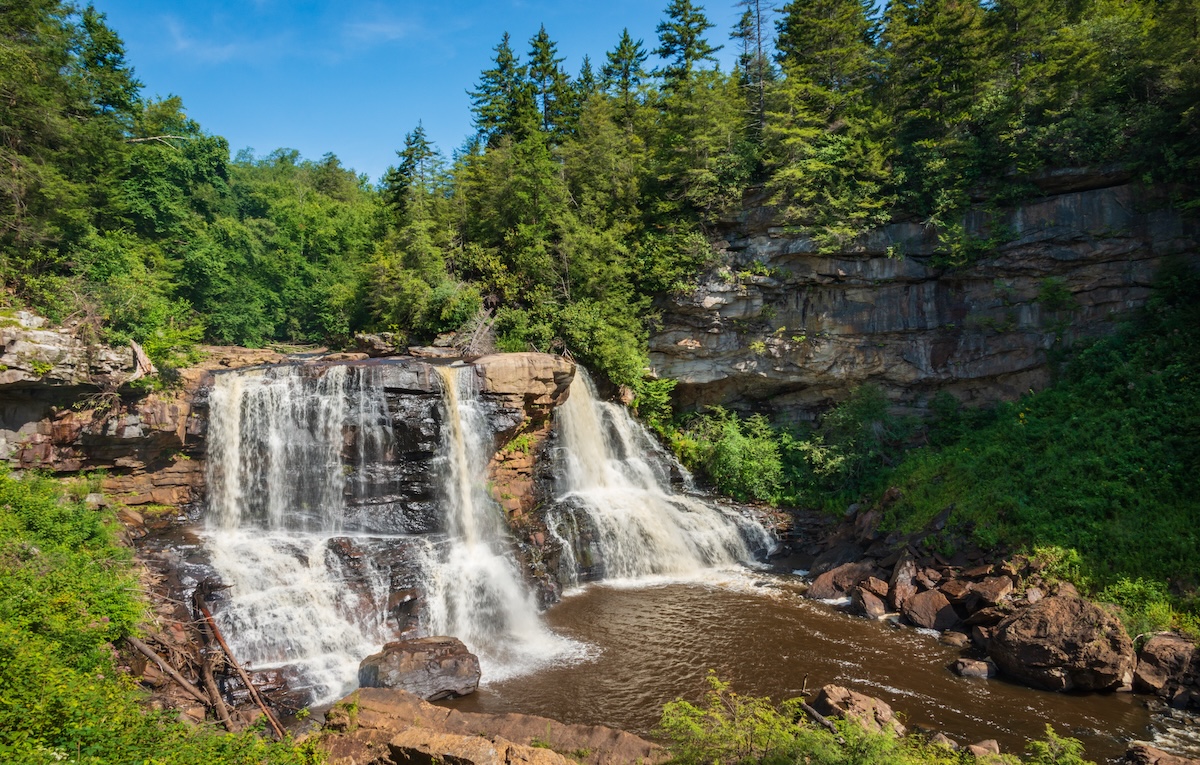
Blackwater Falls tumbles 57 feet through a rugged gorge in the northern West Virginia mountains. The water turns a deep amber from tannic acid in fallen hemlock and red spruce needles, making it stand out against the golden-brown sandstone. You’ll find several viewing platforms here, with the main boardwalk leading you close to the falls—almost at water level.
When winter hits, the falls freeze into wild ice shapes, and the park’s trails let you wander through the gorge from all sorts of angles. If you want to get right to the base, there’s a staircase for that (at least when it’s warm). Spring runoff or heavy rains really amp up the flow, but even in drier times, Blackwater keeps up a decent show. The area stays pretty accessible year-round, so it’s one of the easier Appalachian waterfalls to visit, even if you’re not a hardcore hiker.
15. Upper Yosemite Fall, Yosemite, California
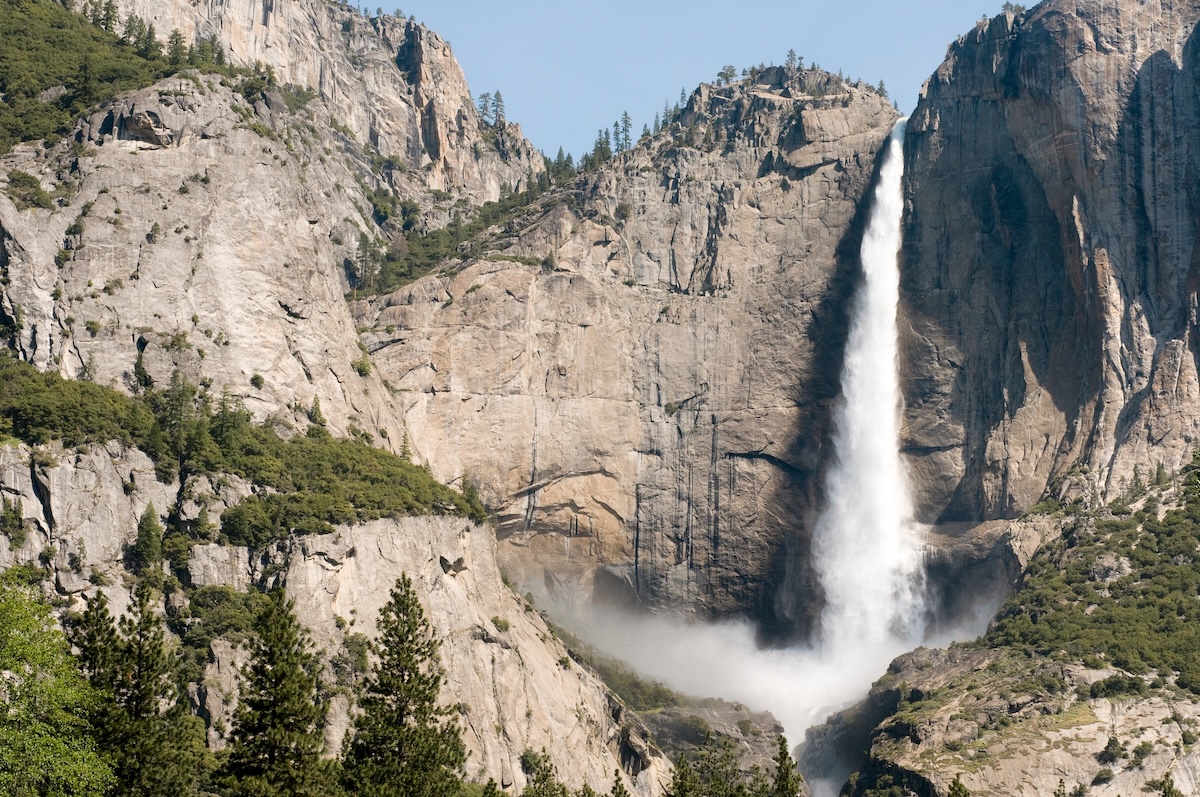
Upper Yosemite Fall is the crown jewel of North America’s tallest waterfall system, dropping a staggering 1,430 feet down the sheer granite walls of Yosemite Valley. This upper section makes up most of the total 2,425-foot drop that puts Yosemite Falls among the world’s highest. You can catch glimpses from all over the valley, but late spring is when it’s truly jaw-dropping—snowmelt sends torrents over the edge.
If you’re feeling ambitious, the 7.2-mile round-trip hike to the top rewards you with sweeping views of the valley and Half Dome in the distance. It’s a tough climb—over 2,700 feet of elevation—so set out early and pack extra water. By late summer, the waterfall can shrink to a trickle or even stop, so plan for spring or early summer if you want to see it in full force.
14. Tahquamenon Falls, Michigan
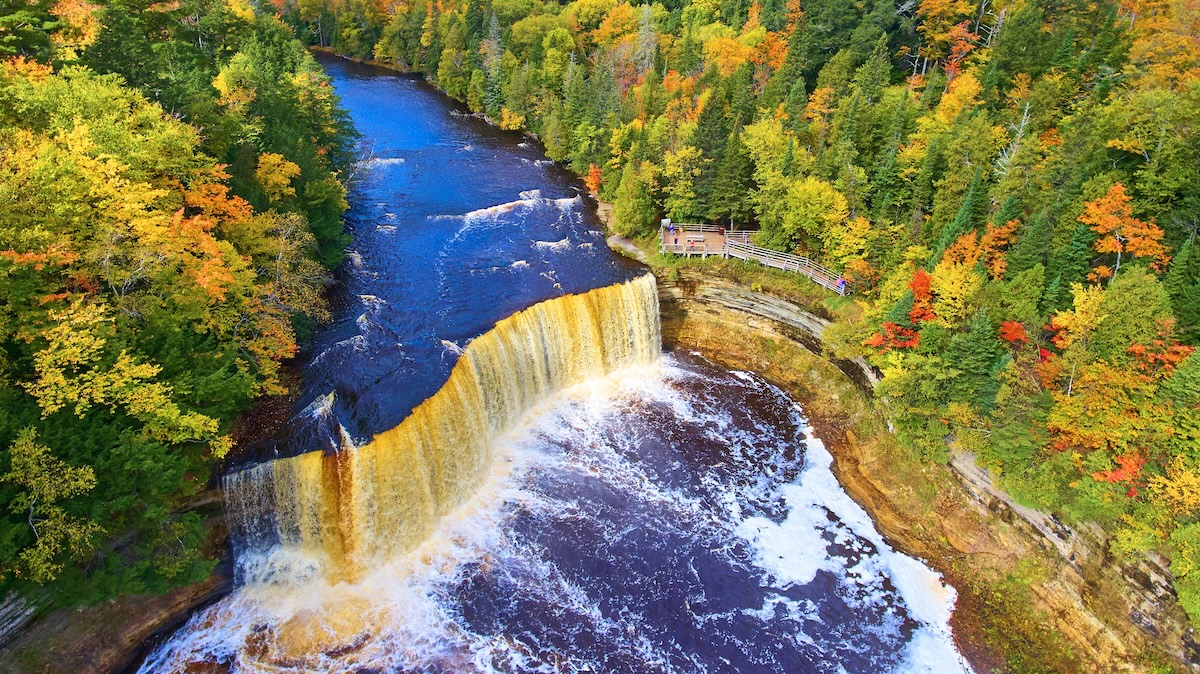
Tahquamenon Falls, tucked away in Michigan’s Upper Peninsula, ranks among the biggest waterfalls east of the Mississippi. The river splits into two falls, but the Upper Falls steals the show. Here, amber-colored water crashes nearly 50 feet over a 200-foot-wide ledge—a sight that really comes alive during spring runoff.
That golden-brown tint comes from tannins leached out of cedar swamps upstream, giving these falls a look you won’t find just anywhere. The Upper Falls is an easy stroll from the parking lot, while the Lower Falls takes a bit more walking and features five smaller cascades around an island. Autumn’s a treat with the surrounding forest blazing in color, and in winter, the falls freeze into otherworldly sculptures. It’s a place that never really looks the same twice.
13. Shoshone Falls, Idaho
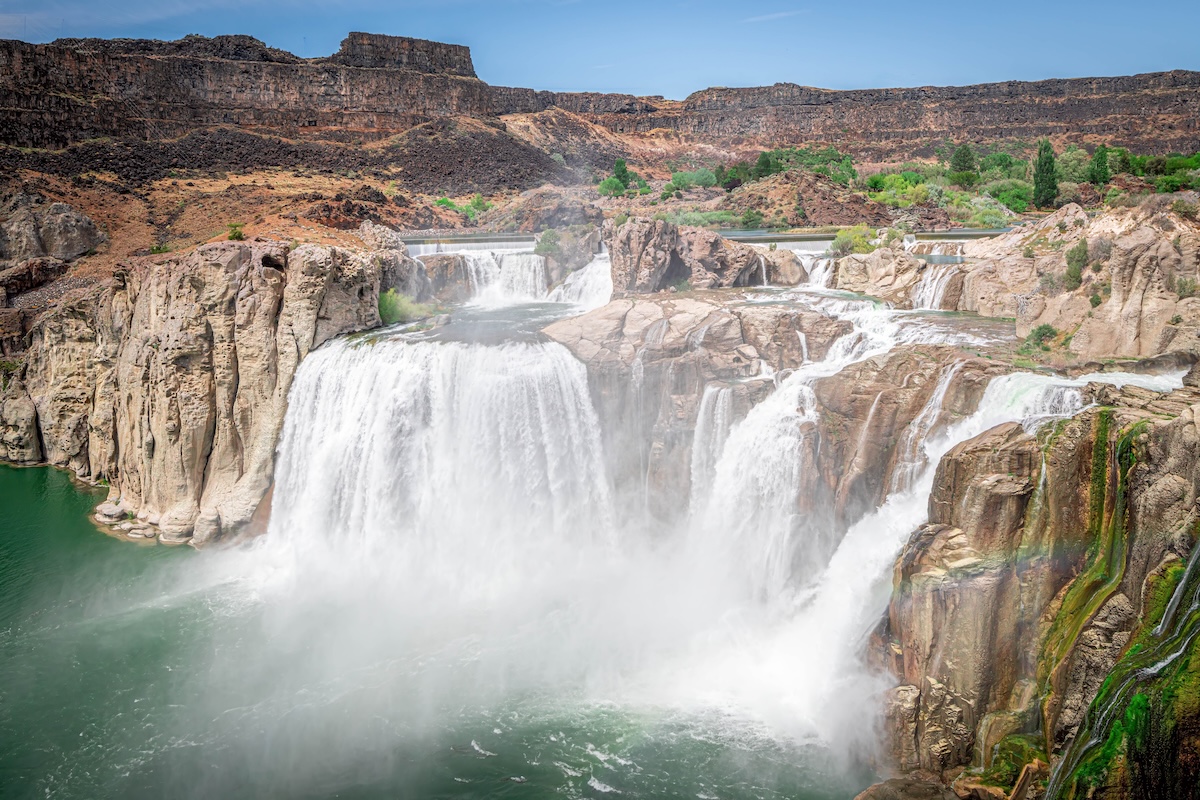
Tucked along the Snake River, Shoshone Falls plunges 212 feet into the canyon—a dramatic drop that actually tops Niagara Falls. Folks around here like to call it the “Niagara of the West,” and honestly, it’s hard to argue with that. In spring, when the snowmelt really gets going, the river swells and the falls turn into a booming, misty spectacle. Sometimes you can even feel the spray from the viewpoints.
If you want to catch Shoshone Falls at its wildest, aim for March through June. That’s when the water roars at full strength. There’s a park with a few great overlooks, some picnic spots, and trails that snake along the canyon rim. Sure, by summer, water gets siphoned off for irrigation, so the falls calm down a bit, but those rugged cliffs and the canyon’s shape? Still worth seeing, no matter the season. There’s a small entrance fee for the park—just something to keep in mind. And don’t forget your camera, especially on those bright days when rainbows show up in the mist.
12. Burney Falls, California
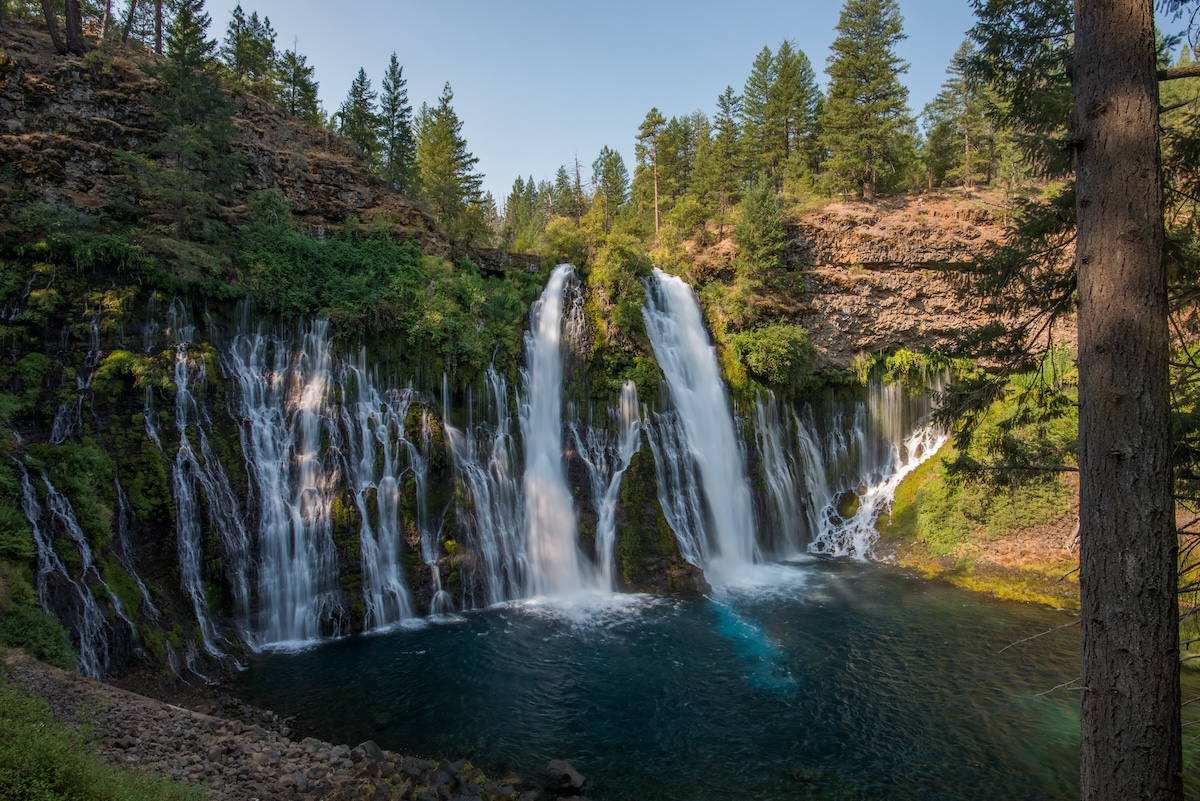
Situated within the Modoc Plateau and Cascade Region, Burney Falls has five miles of lake shoreline and streamside. Although not the largest, it’s one of the most beautiful waterfalls in the state. This gorgeous waterfall gets additional water from its natural spring to create a mist-filled oasis.
Standing 129 feet tall, the waterfall cascades head-on, revealing rainbows left and right. To witness the majestic presence of Burney Falls, it’s best to visit from April through October. Once you’re done taking in the breathtaking sight of the falls, there are five miles of hiking trails to explore in the park.
11. Cumberland Falls, Kentucky
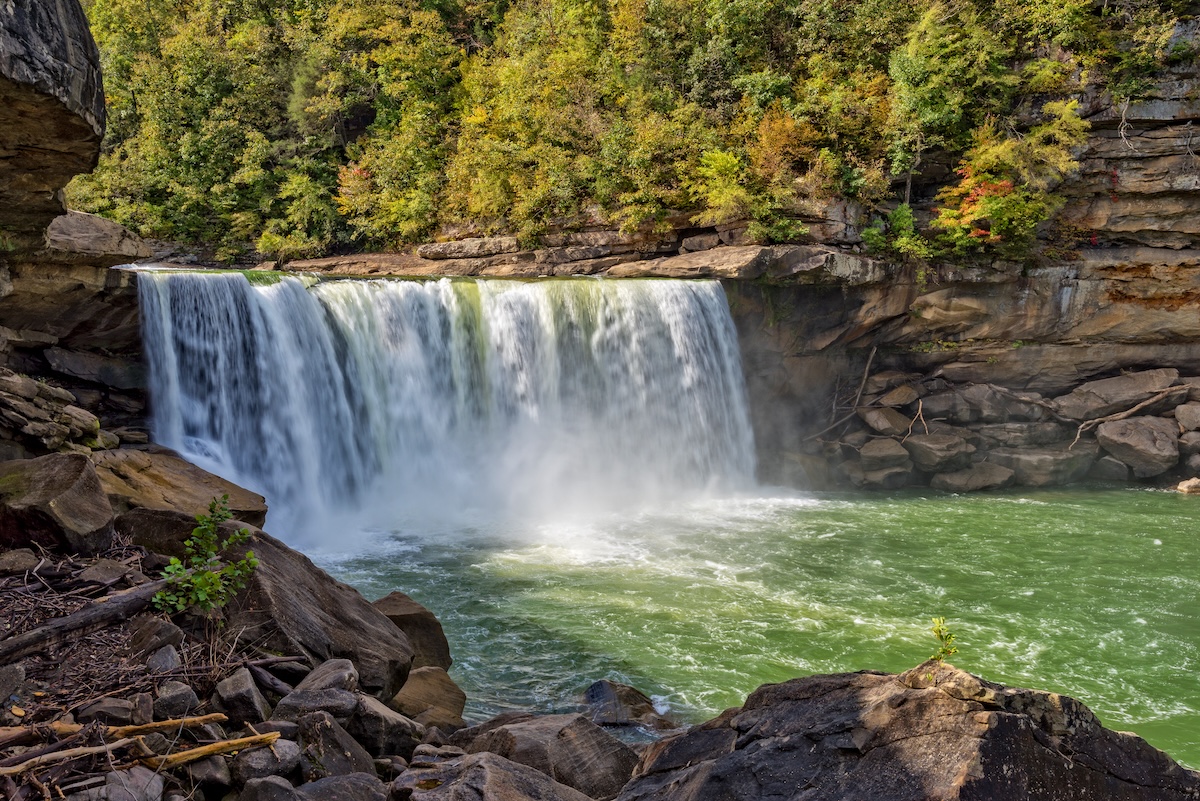
Located in the center of the Daniel Boone National Forest lies Cumberland Falls, a 68-foot tall cascading waterfall. Splashing above a boulder-rich gorge, it has a rare lunar rainbow made from a full moon’s light. The overlook heading to Cumberland Falls is only a short walking distance and is also wheelchair accessible.
As the largest waterfall in Kentucky, you’ll instantly feel refreshed by the water mist. As one of the most spectacular waterfalls, you’ll be impressed by the volume of water gushing out every second. The spray, or the Niagara of the South, is alluring, but its “moonbow” is one for the books and a can’t-miss opportunity!
10. Lower Falls in Yellowstone, Wyoming
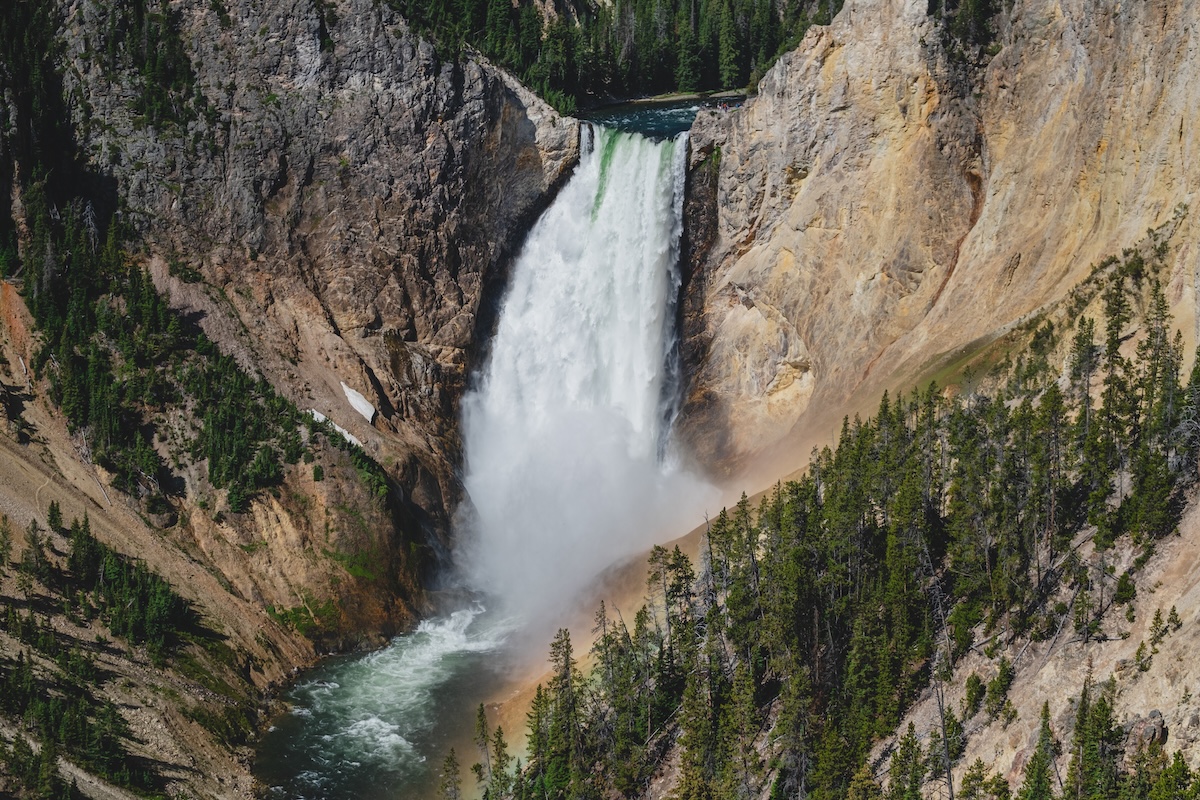
As the largest waterfall in Yellowstone, Lower Falls stands at a whopping 308 feet tall. From the east and west sides of the Grand Canyon, you’ll have numerous views of the falls to observe in all its glory. With a ¾ mile round trip, you can hike the trail to the top to enjoy its breathtaking scenery.
At double the size of Niagara Falls, it has 63,500 gallons of runoff during the spring. To get up close and personal to Lower Falls, you should take the Uncle Tom’s Trail. It’s recommended to get to this trail early as tourists say it can quickly become crowded.
To get a photograph with Lower Falls as your backdrop and Yellowstone River cutting through the Grand Canyon, head to Artist Point. For a more tranquil experience, the falls are best viewed at sunrise from this location.
9. Ruby Falls, Tennessee
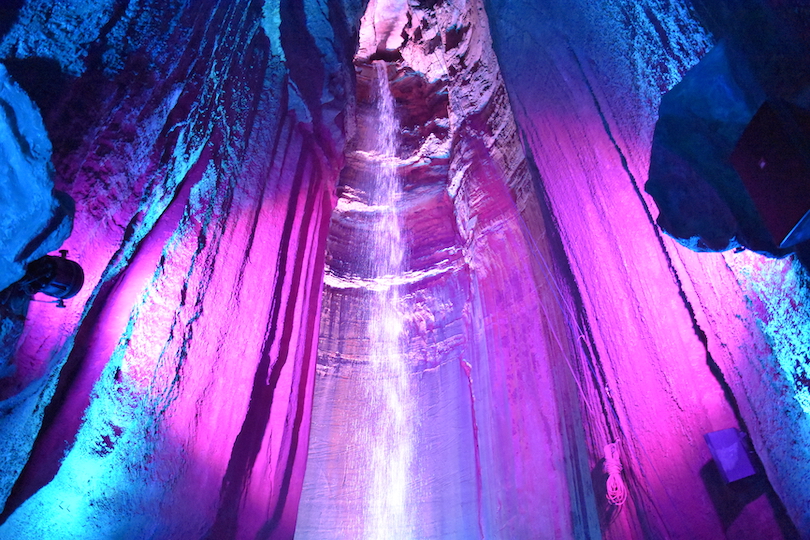
Located within Lookout Mountain near Chattanooga, Ruby Falls is a stunning underground waterfall. It is actually one of the tallest underground waterfalls in the United States, cascading 145 feet into a large cavern. The falls are part of a larger cave system that is accessible to visitors through guided tours.
With breathtaking scenic views of the Cumberland Plateau, you’ll take an elevator to descend 26 stories to an underground cavern. This hidden cavern is where you’ll get to explore with a guided tour to take a scenic path of Ruby Falls. While visiting, you’ll get to learn about its unique rock formations and see the waterfall light show.
8. McWay Falls in Big Sur, California

As the heart of Julia Pfeiffer Burns State Park, McWay Falls drops down into an untouched cove. Wondering what makes McWay Falls different from other waterfalls? The imagery of the falls dropping down onto the beach has been decided by visitors as paradise!
This picturesque waterfall drops approximately 80 feet before churning into the Pacific Ocean. This is a scene that your friends won’t believe is real unless you show them the photos. Whether you’re stopping by for pictures or taking a hike, McWay Falls is worth the stop if you’re visiting the park.
To find the falls, enter the park and search for the marked entry that says the McWay Falls Trail. The trail is located directly across from the restrooms.
7. Multnomah Falls, Oregon
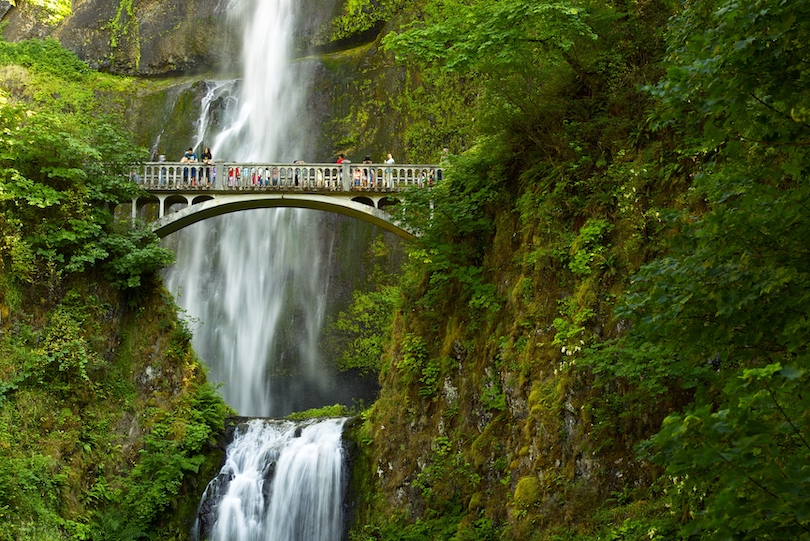
As one of the tallest year-round waterfalls in the United States, Multnomah Falls attracts more than 2 million visitors each year. Plummeting a whopping 620 feet, it’s one of the best locations to study the geology of flooding.
A waterfall as memorable and magnificent as this one is only a 30-minute drive from Portland. Visiting the falls will allow you to experience its icy waters and natural beauty up close and personal. According to a local legend, the falls were created for a princess who wanted a hidden place to bathe.
As you tilt your head up to the rocky cliffs, you’ll see how immense Multnomah Falls is. Unlike other locations, Multnomah Falls doesn’t dry up and will give you spectacular views any time of year.
6. Snoqualmie Falls, Washington
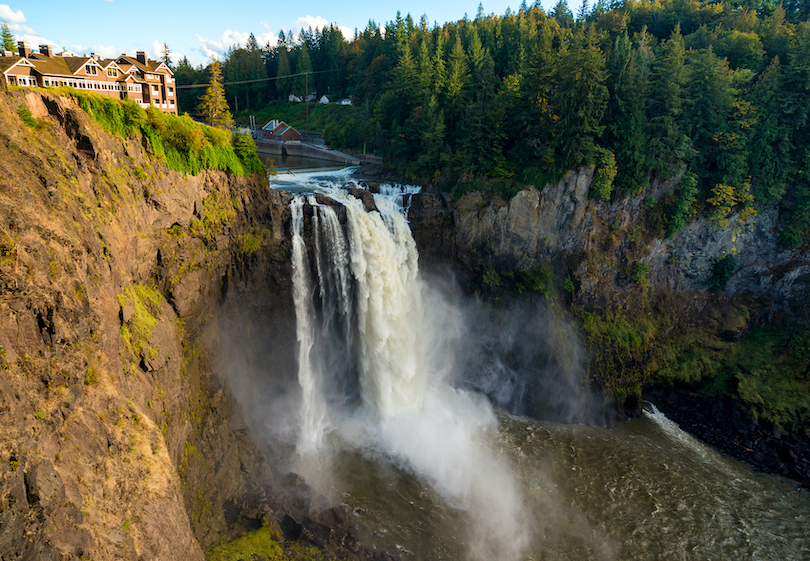
Standing at 268 feet, Snoqualmie Falls has a hydroelectric energy plant that gives residents their energy for homes. As a captivating site for hundreds of years, it’s one of the most famous waterfalls in the state and taller than Niagara Falls.
Once you make your way to the falls, you’ll find an observation deck, a gift shop, and the Salish Lodge. According to the visitors, the best time to visit the falls is in the evening when lights illuminate this cascading paradise.
The top of the waterfall is a short walking distance to the parking lot, with the main views coming from the side for visitors to stand safely. The viewing area has benches, picnic tables, and a Centennial Green grassy meadow.
5. Bridalveil Fall in Yosemite, California
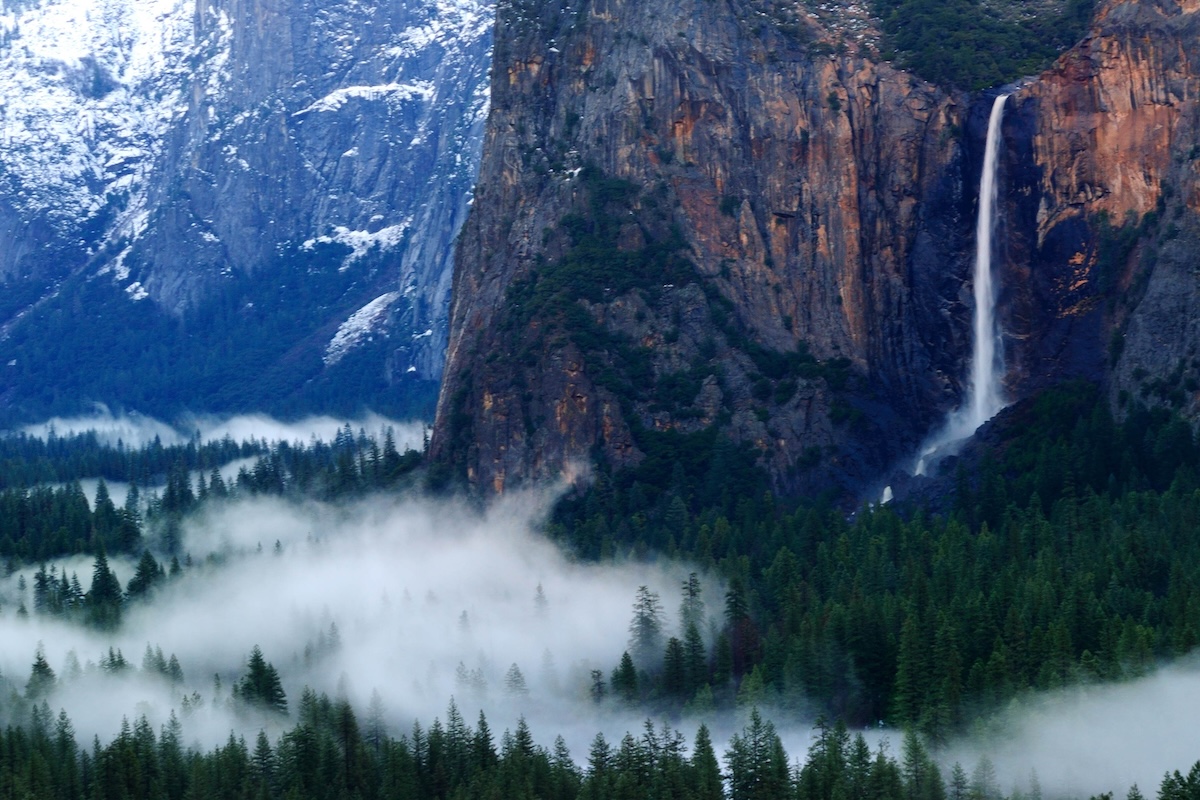
Standing at a jaw-dropping 617 feet tall, Bridalveil Fall in Yosemite flows year-round and is one of the most prominent in the state. As one of the most beautiful and iconic waterfalls, it’s an excellent hiking spot due to its natural beauty that attracts visitors daily.
Going to Bridalveil Falls, you’ll want to walk across rocks to get a closer view. However, if you take a closer look, use caution, as employees say the rocks can get a bit slippery.
The Bridalveil Trailhead will take a short walk to the falls and is the best path for stunning views. There’s also a paved trail from the parking lot towards the base of the falls, which allows for year-round viewing.
4. South Falls, Silver Falls State Park, Oregon
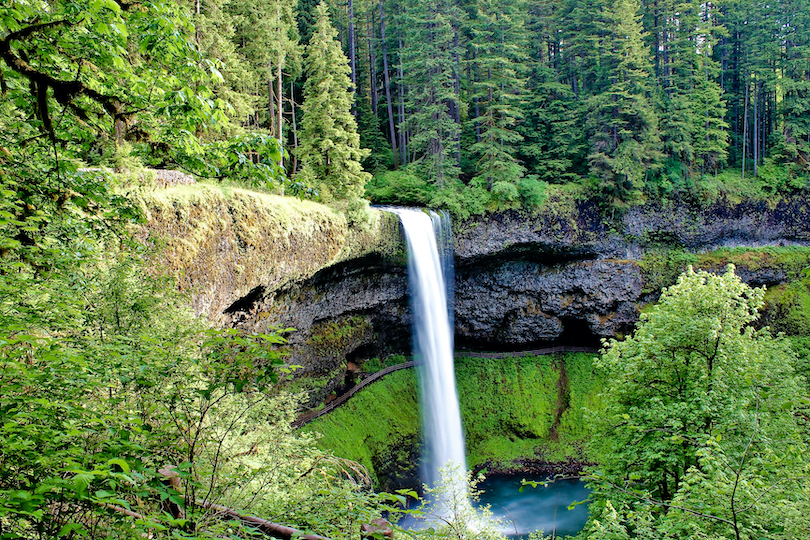
Known as the “crown jewel”, Silver Falls State Park is a scenic gem that puts Oregon front and center both internationally and nationally. Located in the Cascade Mountains, it’s one of the rare spots where you can walk behind the waterfall! Seems similar to what you see in the movies, right?
Its infamous South Falls is connected to the Trail of Ten Falls, a popular hiking trail that takes you through its forest landscape. During the day at South Falls, you can relax by the charming creek, use the horseshoe pits, or have your kids play at the playground.
This 177-foot curtain of water is one of the most remarkable when viewed from behind. Trust us when we say you won’t ever experience anything like it!
3. Akaka Falls, Big Island, Hawaii
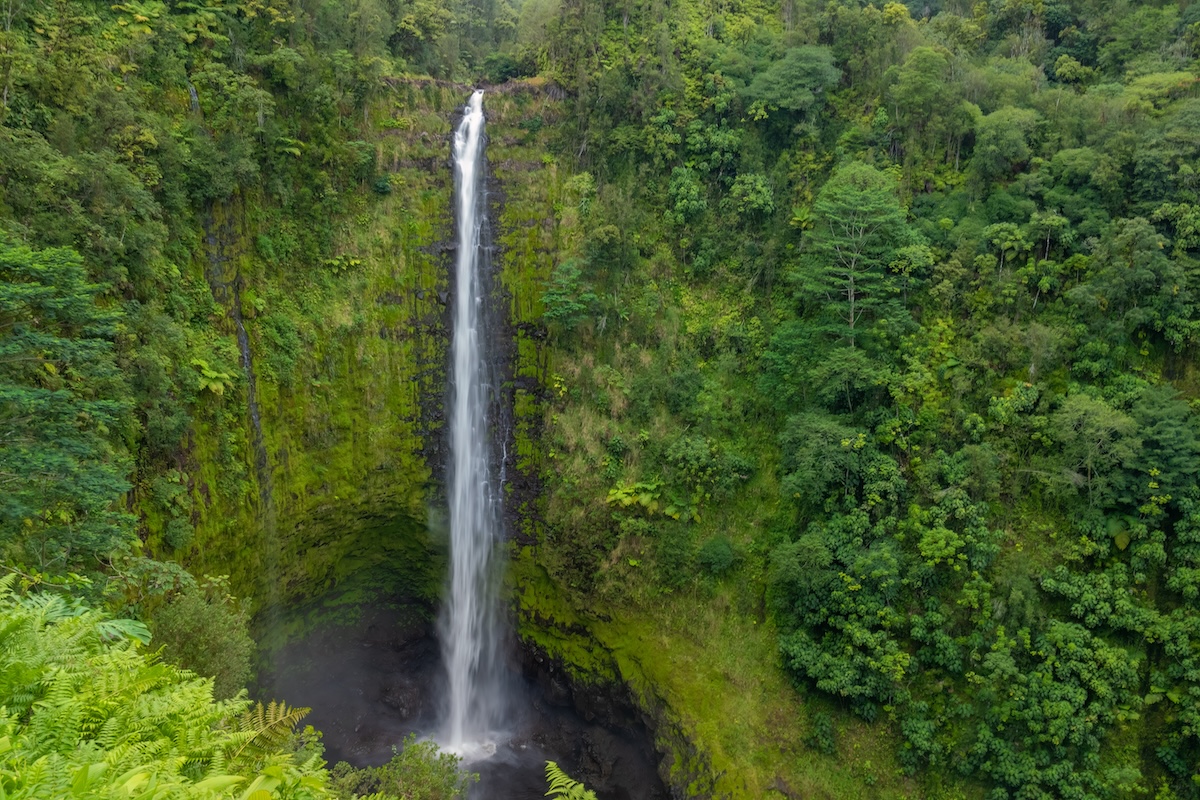
As the heart of Akaka Falls State Park, Akaka Falls stands 422 feet tall. The only way to catch a glimpse of this waterfall is from a short hike from the park’s parking lot. The walk along the Akaka Falls Loop Trail is a brief and easy hike that people of all ages can do.
Walking to Akaka Falls, you’ll pass through a rainforest filled with draping ferns, bamboo groves, and wild orchids. The Akaka waterfall plunged into the deep forge and can be viewed from various points while walking through the trail.
When visiting, be ready for crowds, as the falls are one of the most popular attractions in the area. Before visiting, you can also take a virtual tour online of the Akaka Loop Trail, taking you directly to the waterfall.
2. Havasu Falls, Arizona
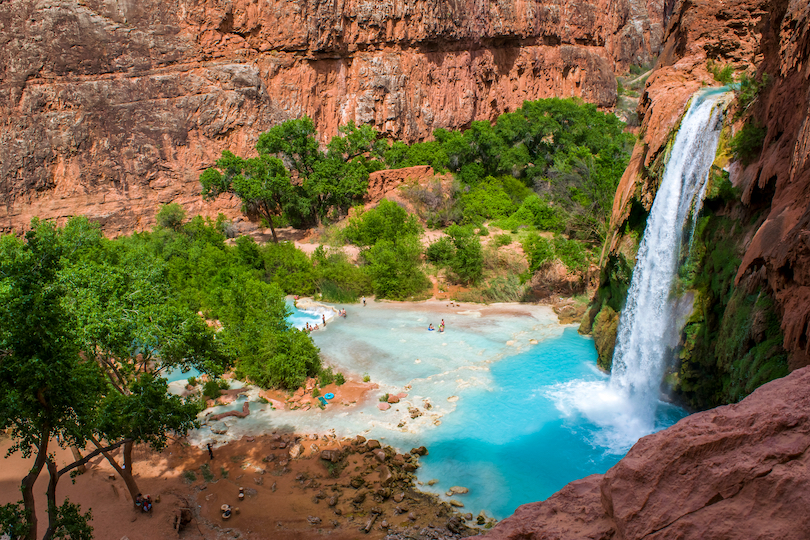
As an adventure you’d want to add to your bucket list, Havasu Falls is an iconic natural wonder that you’ve most likely seen on a screensaver. As a well-known oasis in Arizona, the waters are a turquoise blue that spills over a red cliff deep into an Arizona canyon.
Havasu Falls is one of the most photographed spots in Arizona but also one of the most difficult to access. The best time to visit the falls to avoid large crowds is in February or November. If you plan to visit during the summer, be prepared for extreme temperatures reaching up to 115 degrees on the trail.
1. Niagara Falls, New York
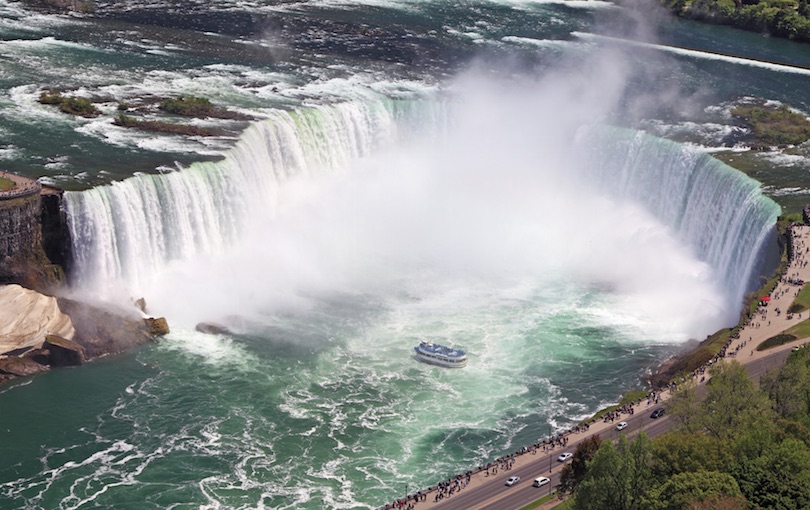
You guessed it! Taking our number one spot as one of the best waterfalls in the U.S. is Niagara Falls. With a whopping 3,160 tons of water flowing every second, it produces over 4 million kilowatts of electricity that both Canada and the U.S. use.
Niagara Falls consists of three waterfalls, the most significant waterfall being Horseshoe Falls. Despite many myths, Niagara Falls does not freeze during the winter.
Have you ever wondered where all that water comes from? That water flows from rivers and streams that enter the Great Lakes through Niagara. Below Niagara Falls, you may notice brown foam resulting in tons of plummeting water. It gets its brown color from the clay, mainly from the basin of Lake Erie.