
Everything really is bigger in Texas, including the state itself. You could fit 15 countries inside Texas borders, and driving from El Paso to Texarkana takes longer than crossing from California to Arizona. The geography shifts from Gulf beaches to desert mountains, pine forests to high plains, creating landscapes most people don’t associate with the Lone Star State.
Texas does history with the same supersized attitude it applies to everything else. From Spanish missions to oil booms, cattle drives to space exploration, the state embraces its past while constantly reinventing itself. Cities like Austin, Houston, and Dallas compete with coastal metropolises for culture and cuisine. Small towns preserve traditions ranging from German heritage to BBQ mastery. Here are 25 attractions that show Texas is more than tumbleweed and steak.
25. Texas State Capitol, Austin
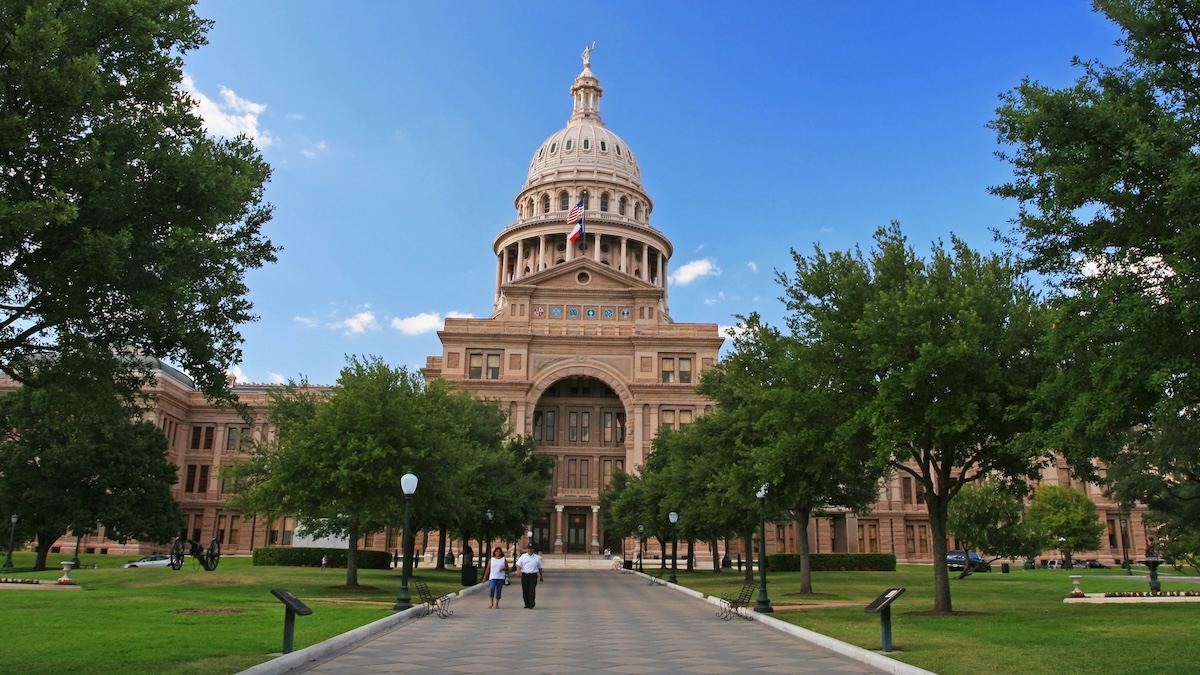
Austin’s capitol building stands 15 feet taller than the U.S. Capitol in Washington D.C. because Texans believe in making statements. Completed in 1888 from sunset red granite, the building dominates downtown Austin with a dome visible from miles away. Free guided tours explain Texas history and government while showcasing the building’s impressive architecture and artwork.
The grounds surrounding the capitol feature monuments to various aspects of Texas history, from the Alamo defenders to Confederate soldiers to modern civil rights figures. The building’s interior contains miles of marble flooring and intricate ironwork. Visitors can also watch legislative sessions when the legislature is in session. The capitol represents Texas pride in physical form, built to impress and succeeding completely.
24. Museum of Fine Arts, Houston

One of the largest museums in America houses over 70,000 works spanning 6,000 years of history. The collection ranges from ancient artifacts to contemporary installations, with particular strengths in American art, Latin American works, and European paintings. Two main buildings connected by an underground tunnel house permanent collections and rotating exhibitions.
The Cullen Sculpture Garden provides outdoor space featuring works by Rodin, Matisse, and other masters. The museum takes art seriously without being pretentious, making it accessible to casual visitors while satisfying serious art enthusiasts. Houston’s cultural scene surprises people who think of Texas as all cowboys and oil rigs, and this museum anchors the city’s Museum District with world-class collections.
23. Washington-on-the-Brazos

Texas declared independence from Mexico at this site in 1836, making it the birthplace of the Republic of Texas. The small town has been recreated as a historical park where you can tour Independence Hall, see a working farm demonstrating 1830s agriculture, and learn about the turbulent years when Texas was its own nation.
The park includes the Star of the Republic Museum explaining Texas history from Native American cultures through Mexican rule to statehood. Barrington Living History Farm shows daily life on a cotton farm during the Republic period. Washington-on-the-Brazos lacks the fame of the Alamo but played an equally crucial role in Texas becoming Texas. The rural setting makes it feel appropriately removed from modern life.
22. Galveston Pleasure Pier

This amusement park is built over the Gulf of Mexico and features rides, games, and that distinctive smell of salt air mixed with funnel cake. The Ferris wheel provides views across Galveston’s beaches and the Gulf stretching to the horizon. Roller coasters and thrill rides keep teenagers happy while gentler attractions suit families with small kids.
Galveston bounced back from Hurricane Ike’s devastation, and the Pleasure Pier symbolizes the island’s spirit. The boardwalk atmosphere captures classic American beach entertainment with modern rides replacing older attractions destroyed by storms. Fishing remains popular off sections of the pier away from the amusement area.
21. Scenic Overlook, El Paso

Perched in the Franklin Mountains, the scenic overlook provides panoramic views of El Paso, Ciudad Juárez, and the Rio Grande cutting between two nations. From this vantage point, you can see three states and two countries, making it a unique geographical perspective.
The drive up winds through desert mountains with cacti and rugged terrain that reminds you West Texas shares more with New Mexico than East Texas. Sunsets paint the desert in orange and purple, and the city lights of both El Paso and Juárez create a sprawling illuminated landscape after dark. The overlook makes you appreciate El Paso’s position at the crossroads of cultures and geography.
20. USS Lexington, Corpus Christi

The “Blue Ghost” aircraft carrier earned its nickname after Tokyo Rose reported it sunk four times during World War II. Commissioned in 1943, the ship survived kamikaze attacks, typhoons, and decades of service before retiring to Corpus Christi as a museum. Walking the flight deck of this massive ship gives perspective on what it took to operate these floating cities.
You can explore the flight deck, hangar bay, engine rooms, and crew quarters. Restored aircraft sit on the deck, and exhibits explain carrier operations and naval aviation history. The ship feels enormous until you imagine hundreds of sailors living and working aboard during combat operations. Climbing steep ladders and ducking through low passages shows how cramped conditions were despite the ship’s size.
19. Texas State Fair, Dallas

Three weeks every October, the State Fair transforms Fair Park into a celebration of everything Texas. Fletcher’s Corny Dogs were invented here, and the food offerings now include every imaginable item served deep-fried. The fair combines traditional agriculture exhibitions with carnival rides, concerts, and that peculiar mix of education and entertainment that defines state fairs.
Big Tex, a 55-foot cowboy figure, greets visitors with his booming voice and wave. The fair hosts the annual Red River Rivalry football game between Texas and Oklahoma. The midway stretches seemingly forever with rides ranging from kiddie attractions to serious thrill machines. Auto shows, livestock competitions, and bizarre food choices create organized chaos that draws millions. The Texas State Fair is ridiculous, excessive, and absolutely essential to understanding Texan culture.
18. Cadillac Ranch, Amarillo

Ten Cadillacs buried nose-down in a wheat field have become one of America’s most recognizable roadside attractions. Created by art group Ant Farm in 1974, the installation represents the evolution of Cadillac tail fins from 1949 to 1963. Visitors are encouraged to spray paint the cars, resulting in layers of graffiti covering every surface.
The cars get repainted constantly by visitors, so they look different every week. Bring spray paint cans or buy them from nearby stores. Cadillac Ranch captures something essentially American about car culture, public art, and West Texas’s wide-open spaces. It’s simultaneously art installation and tourist trap and deeply weird in the best way.
17. River Walk, San Antonio

The San Antonio River winds through downtown in a channel lined with restaurants, bars, shops, and hotels. Stone pathways follow both banks 20 feet below street level, creating a separate world insulated from city traffic above. Boats carry tourists along the water while pedestrians stroll the paths beneath cypress trees draped with lights.
The River Walk successfully combines tourist attraction with local gathering place. Restaurants range from chains to excellent Tex-Mex spots serving margaritas by the pitcher. The Mission Reach extension connects downtown to four Spanish missions downstream. The River Walk proves urban planning can create destination experiences when done with imagination and maintenance.
16. Historic District, Fredericksburg

German immigrants founded this Hill Country town in 1846, and their influence remains visible in architecture, food, and annual festivals. Main Street stretches for blocks lined with shops selling everything from German imports to Texas wine. The surrounding countryside contains over 50 wineries producing surprisingly good wines from grapes that thrive in Hill Country’s climate.
The Pioneer Museum preserves historic buildings and artifacts from Fredericksburg’s founding while the National Museum of the Pacific War honors Admiral Nimitz, a Fredericksburg native, with extensive exhibits on World War II’s Pacific Theater. Fredericksburg combines German heritage with Texas Hill Country hospitality that attracts weekenders from Austin and San Antonio.
15. Palo Duro Canyon

The second-largest canyon in America cuts 800 feet deep and stretches 120 miles long through the Texas Panhandle. Red rock layers expose millions of years of geology, and the canyon bottom provides surprisingly lush vegetation fed by Prairie Dog Town Fork Red River. Most Americans have never heard of Palo Duro despite its size and beauty.
The park offers hiking, biking, and horseback riding trails exploring the canyon floor and rim. The summer outdoor musical “TEXAS” performs in the canyon’s Pioneer Amphitheater while camping brings spectacular stargazing since light pollution is minimal. Palo Duro lacks Grand Canyon’s fame but delivers dramatic scenery thanks to Charles Goodnight, who established a ranch here in 1876 because the canyon provided a natural corral for his cattle operations.
14. Mission Concepción, San Antonio

Founded in 1731, Mission Concepción is the oldest unrestored stone church in America still serving its original purpose. Unlike the Alamo, which lost most of its original structures, Concepción remains largely intact with frescoes visible on interior walls. The mission is part of San Antonio Missions National Historical Park preserving four missions along the San Antonio River.
The church’s twin towers and simple facade represent Spanish colonial religious architecture at its most elegant. Walking through the cool stone interior provides relief from Texas heat while offering glimpses into 18th-century mission life. Mass is still celebrated regularly, maintaining the building’s sacred purpose so pop in if you need to confess or just cool down.
13. Blue Hole Regional Park, Wimberley

This swimming hole on Cypress Creek offers spring-fed water staying cool year-round and the water is so clear you can see straight to the rocky bottom. Rope swings hang from trees, and locals have been swimming here for generations despite the park’s relatively recent official designation.
Blue Hole requires reservations during peak season to prevent overcrowding and protect the natural environment. The swimming area stays relatively small, creating an intimate atmosphere rather than a crowded public pool vibe and the surrounding Hill Country provides additional swimming holes and natural areas for those willing to explore.
12. South Padre Island

The southern tip of Texas’s barrier island chain offers 34 miles of beaches, consistent winds for kiteboarding, and excellent fishing. The island attracts spring breakers in March but maintains family-friendly atmosphere most of the year. Clear Gulf waters and steady waves make it Texas’s premier beach destination.
Sea turtle rescue centers rehabilitate injured turtles before releasing them back into the Gulf and dolphin watching tours and fishing charters leave from the marinas. The Laguna Madre on the island’s bay side provides calm water for paddleboarding and kayaking and nearby, Boca Chica Beach marks where SpaceX launches rockets, adding space exploration to beach activities.
11. McDonald Observatory, Fort Davis

Some of the darkest skies in North America create perfect conditions for stargazing at this research observatory in the Davis Mountains. Public star parties three nights weekly let visitors view celestial objects through research-grade telescopes while astronomers explain what you’re seeing.
Multiple telescopes ranging from historic instruments to cutting-edge research equipment dot the mountaintop. Daytime tours explain astronomical research and show the massive telescope mechanisms. The visitor center includes exhibits on astronomy and the unique conditions that make West Texas ideal for observation. Seeing Saturn’s rings or Jupiter’s moons through powerful telescopes beats any planetarium show.
10. Natural Bridge Caverns

The largest commercial caverns in Texas extend deep underground with formations that seem too perfect to be natural. Stalactites, stalagmites, flowstones, and columns fill massive chambers accessible via guided tours. The caverns were discovered in 1960 when four college students followed a raccoon into the opening, basically the Built over the Gulf of Mexico,Texan version of Alice in Wonderland.
Multiple tour options range from easy paved paths to adventurous wild cave experiences requiring crawling through tight passages. Above-ground attractions include ziplines, a ropes course, and gem mining for kids. The caverns showcase geological processes occurring over millions of years, creating underground cathedral spaces that inspire awe regardless of how much you know about science.
9. Congress Avenue Bridge Bat Watching, Austin

North America’s largest urban bat colony emerges nightly from March through October, with up to 1.5 million Mexican free-tailed bats pouring from beneath the Congress Avenue Bridge. The bats roost in gaps created by the bridge’s expansion joints, and their emergence at sunset creates a river of wings flying east to feed on insects.
Crowds gather on the bridge, along the shore, and on boats in Lady Bird Lake to watch the spectacle. The bats eat an estimated 10,000 to 30,000 pounds of insects nightly, providing natural pest control and Austin’s most-watched natural phenomenon. The emergence varies nightly depending on weather and insect activity, but watching hundreds of thousands of bats take flight never gets old.
8. Guadalupe Mountains National Park

Texas’s highest peak, Guadalupe Peak at 8,751 feet, anchors this remote park containing ancient fossil reefs, desert wilderness, and surprising biological diversity. The Guadalupe Mountains represent the remnants of a reef that formed underwater 265 million years ago, now exposed and lifted thousands of feet above sea level.
Hiking to Guadalupe Peak’s summit requires stamina, gaining over 3,000 feet elevation in four miles but the reward includes views across West Texas and into New Mexico. McKittrick Canyon offers easier hiking through a canyon that erupts with fall color when maples turn brilliant red and gold. The park receives relatively few visitors compared to more famous national parks, providing wilderness solitude increasingly rare in the park system.
7. Lockhart

Four legendary barbecue joints make this small town 30 miles south of Austin the undisputed BBQ capital of Texas. Kreuz Market, Smitty’s Market, Black’s Barbecue, and Chisholm Trail BBQ represent different approaches to smoked meat perfection. Locals debate endlessly about which is best, but tourists should try all four.
Lockhart takes barbecue seriously, with traditions like butcher paper instead of plates and sauce considered almost insulting to properly smoked meat. The meat speaks for itself after hours in smoke, developing bark and smoke rings that define Texas barbecue. Kreuz Market doesn’t even offer forks. Smitty’s retains its original pit room with smoke-blackened walls. Black’s has served barbecue since 1932. Making a Lockhart barbecue pilgrimage is essential for anyone who takes smoked meat seriously.
6. Fort Worth Stockyards

Twice daily, longhorn cattle are driven down Exchange Avenue just like they were in the 1800s when Fort Worth served as a major cattle shipping point. The Stockyards preserve this cowboy heritage with western shops, rodeos, and the world’s largest honky-tonk, Billy Bob’s Texas.
The stockyards feel authentically Western without being a theme park and real cattle auctions still happen weekly.You won’t see that at Disneyland! The Texas Cowboy Hall of Fame honors rodeo legends and Billy Bob’s has hosted everyone from Willie Nelson to Metallica while maintaining its country roots. Fort Worth earned the nickname “Cowtown,” and the Stockyards keep that heritage alive.
5. Padre Island National Seashore

The longest remaining undeveloped barrier island in the world stretches 70 miles along the Gulf Coast. Unlike the developed resort areas, the national seashore preserves natural beaches, dunes, and grasslands in their original state. Four-wheel-drive vehicles can access remote beaches where you might not see another person for miles.
Sea turtles nest on these beaches, and the park runs a release program allowing visitors to watch baby turtles make their first journey to the ocean. The grasslands behind the beach also support diverse wildlife and fishing remains excellent from the beach or by boat. Padre Island National Seashore shows what Texas coast looked like before development, proving that protecting natural areas creates value that rivals any resort.
4. Sixth Floor Museum at Dealey Plaza, Dallas

The sixth floor of the former Texas School Book Depository chronicles President Kennedy’s assassination from the spot where Lee Harvey Oswald fired the fatal shots. Exhibits document Kennedy’s presidency, the events of November 22, 1963, the investigation, and the assassination’s impact on American history.
Looking out the window toward the grassy knoll and Elm Street where the motorcade passed creates a visceral connection to history. The museum handles the controversial topic with balanced presentation of facts and evidence. Dealey Plaza below remains an active street where visitors can stand on the X marking where Kennedy was shot. The museum documents one of America’s darkest days with respect and thoroughness, creating a somber but essential historical experience.
3. Big Bend National Park

Where the Rio Grande bends sharply, creating the border with Mexico, 801,163 acres of Chihuahuan Desert preserve some of America’s most remote wilderness. The Chisos Mountains rise from the desert floor, creating biological diversity from desert lowlands to pine forests at higher elevations.
Santa Elena Canyon features 1,500-foot limestone walls flanking the Rio Grande, accessible via hiking trail into the canyon mouth and hot springs along the river provide natural soaking spots. The park contains more bird species than any other national park, attracting serious birders. Night skies also rank among America’s darkest, making stargazing exceptional. Big Bend requires commitment to reach but rewards visitors with wilderness experiences increasingly rare in developed America.
2. Space Center Houston

NASA’s Johnson Space Center visitor complex explains human spaceflight from Mercury missions to current International Space Station operations and future Mars plans. Tram tours access the historic Mission Control room where Apollo missions were directed and current mission control operations.
Independence Plaza displays a shuttle replica mounted on a NASA 905 shuttle carrier aircraft, showing how shuttles returned to Kennedy Space Center for launch. Meeting astronauts is common, and their talks provide insights into what spaceflight actually involves. Space Center Houston makes abstract concepts like orbital mechanics tangible, inspiring visitors while documenting humanity’s expansion beyond Earth.
1. The Alamo, San Antonio

The 1836 siege lasted 13 days and ended with all defenders killed, but “Remember the Alamo” became the rallying cry for Texas independence. The mission church stands in downtown San Antonio, surrounded by modern development that makes appreciating the original context challenging. Despite this, the Alamo remains Texas’s most significant historical site.
Exhibits explain the siege, the broader Texas Revolution, and the Alamo’s cultural significance. The defenders included famous frontiersmen like Davy Crockett and Jim Bowie and the church remembers them with quiet reverence. Visiting the Alamo connects you to the foundational myth of Texas independence, however complex the actual history proves to be. No trip to Texas is complete without paying respects at the shrine where Texan identity was forged in defeat and eventual victory.