
Often overshadowed by a larger neighboring metropolis, this lively yet laid-back city has a character all its own. Blending frontier heritage with a vibrant cultural scene, it offers a surprising range of attractions for visitors to explore.
Fort Worth is especially known for its deep-rooted cowboy culture, with many sights and experiences tied to its ranching history. Alongside these Western traditions, visitors can explore excellent art museums, beautiful gardens, and lively districts filled with restaurants and bars, particularly around Sundance Square and the historic Fort Worth Stockyards.
For many travelers, however, the biggest draw is the city’s authentic Western atmosphere. Rodeos, cattle drives, and honky-tonks bring its cowboy past vividly to life, while preserved historic buildings add to the sense of stepping back in time. With so much to see and do, “Cowtown,” as it is affectionately known, offers something to entertain every visitor.
Fort Worth Stockyards
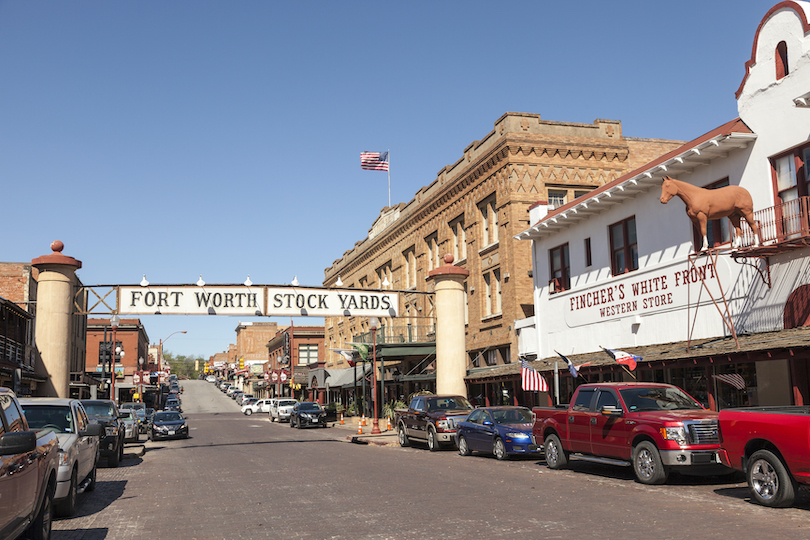
As it is home to all things cowboy, from big brass belt buckles and BBQ to country music and cattle drives, no visit to Fort Worth can be complete without stopping by the Stockyards National Historic District. Once a major livestock market, it is now a top tourist attraction with cowboy-themed shops and restaurants to be found alongside marvelous museums and interesting historic sights.
As well as having lots of remarkable renovated buildings to explore, the Stockyards is also home to everything from saloons and souvenir shops to corrals and nightclubs. Absolutely everything in the area showcases the city’s cowboy culture with the Texas Cowboy Hall of Fame also looking at its history and heritage. Besides enjoying the lively ambience, guests can watch cowboys rope and race at Cowtown Coliseum and see the Fort Worth Herd be driven through the Stockyards’ scenic streets.
Fort Worth Water Gardens
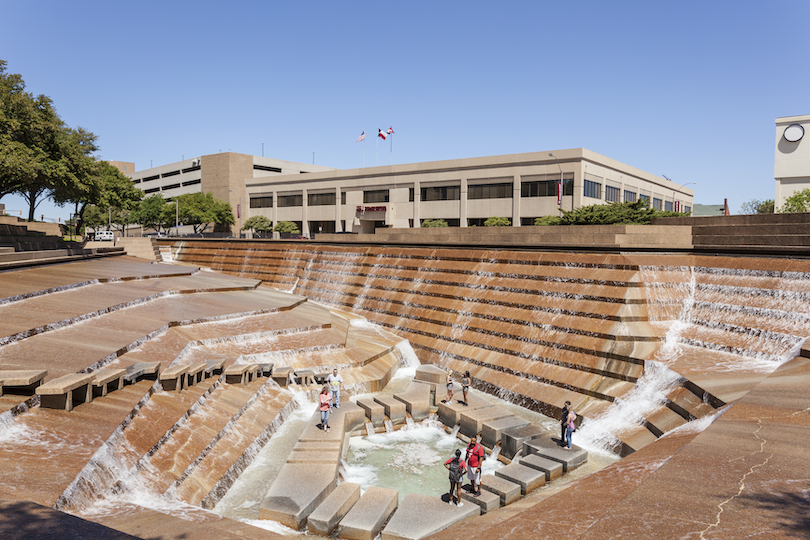
Despite their close proximity to the center of town, the fabulous Fort Worth Water Gardens feel a million miles away from its bustling downtown. Often described as a ‘cooling oasis in the concrete jungle’, it has three pretty and peaceful pools for you to visit with its wonderful water features lying amidst a gorgeous green park.
Opened way back in 1974, the water gardens are the perfect place for locals and tourists alike to rest, relax, reflect and refresh themselves. While the meditation pool and its cypress trees invoke calm and quiet, the aerating pool is set in a scenic and serene spot beneath some shady oak trees. The garden’s standout sight however is its awe-inspiring active pool which has water coursing and cascading its way down lots of stone steps before reaching a picturesque pool down below.
National Cowgirl Museum
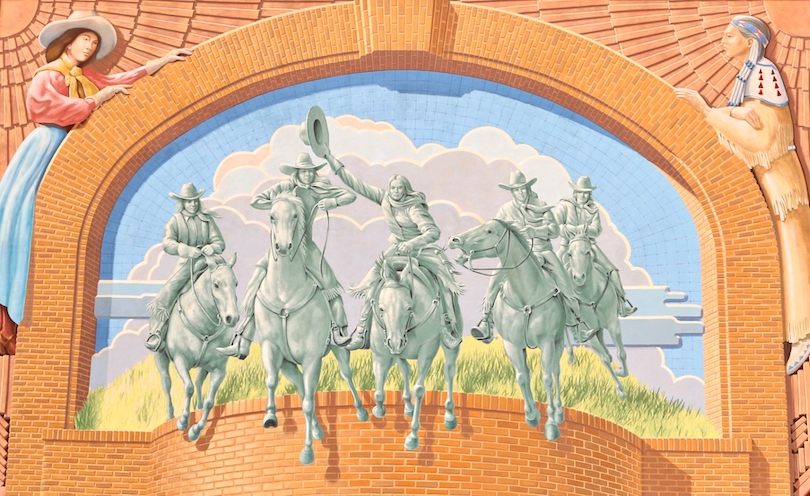
Located in the city’s Cultural District is the National Cowgirl Museum which offers up a fascinating look at the lives of women in the Wild West. Through interactive exhibits and interesting artifacts, you can learn all about the often overlooked artists and educators, ranchers and rodeos who so shaped the spirit and culture of the American West.
Since opening in 1975, its captivating collection has grown and grown, and it now includes everything from artworks and memorabilia to photographs, prints and rare film footage. In its Hall of Fame you can find informative displays on renowned figures such as Sacagawea, Annie Oakley and Georgia O’Keeffe. With some superb sculptures, a well-stocked souvenir shop and even an electric bucking bronco to try out, the National Cowgirl Museum is certainly well worth stopping by.
Fort Worth Herd
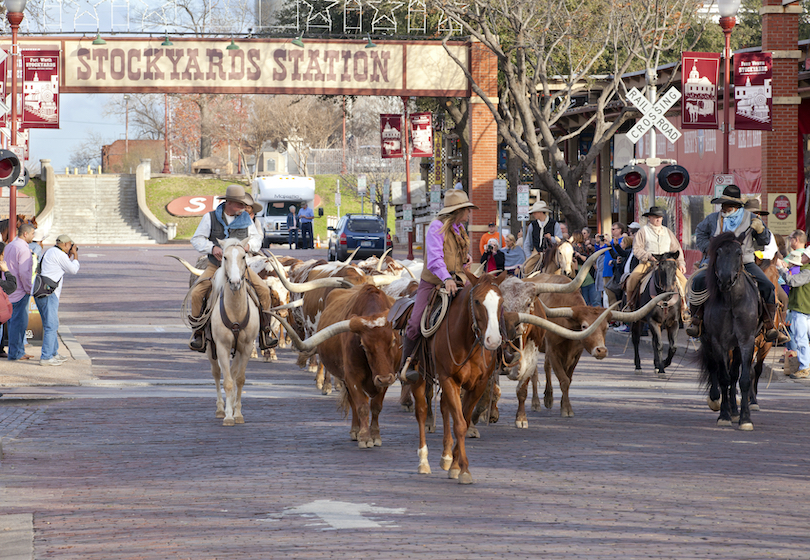
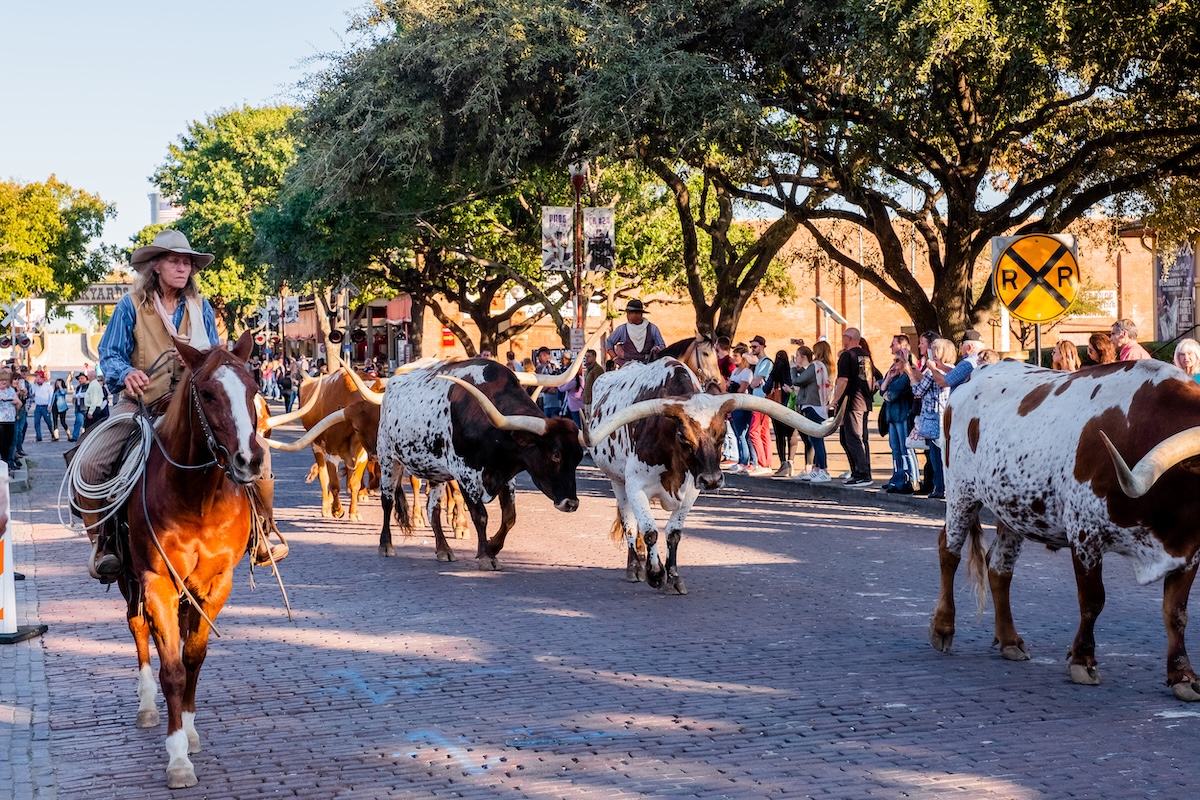
When in Cowtown no visit can ever be complete without going to watch the fantastic Fort Worth Herd. Twice-daily, cowhands drive the small herd of Texas Longhorn cattle through the streets of the Stockyards National Historic District in what is a historically accurate and authentic experience.
Watching the Old West come to life before your eyes is an amazing experience, as cowboys clad in authentic gear herd the majestic creatures with their massive horns through the historic area. After watching the drive, you can visit the cows in their corral and chat to the cowhands who look after them. In addition, the scenic streets of the Stockyards are very pretty and pleasant to stroll around, with the delightful district and its happy herd lying just ten minutes’ drive to the north of the centre.
Kimbell Art Museum
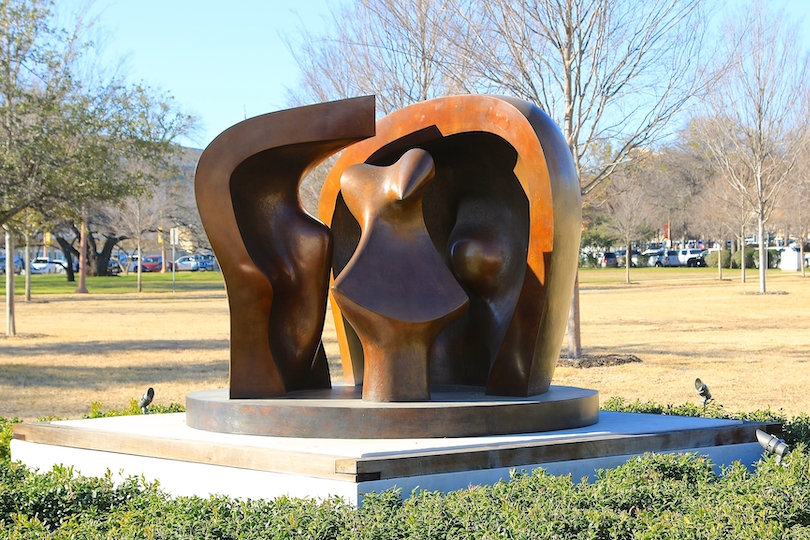
One of the most popular places to visit in Fort Worth among both locals and tourists alike is the exquisite Kimbell Art Museum. Also located in the city’s Cultural District, its small yet impressive collection of artworks is a treat to peruse with even the museum’s modern building being a critically acclaimed architectural marvel.
Named after the Fort Worth businessman and art collector Kay Kimbell, its captivating collection includes astonishing artworks by everyone from Matisse and Michelangelo to El Greco, Rembrandt and Van Gogh. Almost as breathtaking as all the phenomenal paintings and sculptures is the brilliant building itself which has a very unique design. Due to all of its skylights, its elegant galleries are always bathed in natural light which only adds to the museum’s appealing and attractive ambience.
Fort Worth Botanic Garden
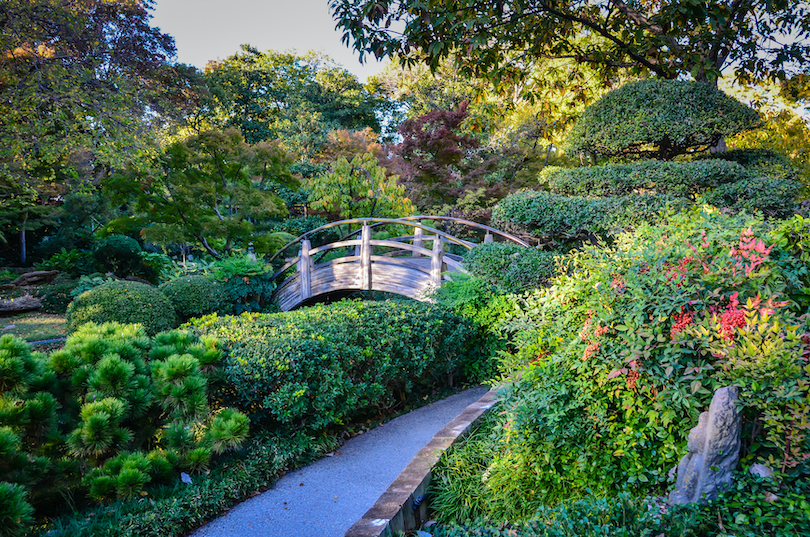
Set just to the south of the Kimbell Art Museum is the popular, pleasant and picturesque Fort Worth Botanic Garden. A very scenic and serene space, it is home to more than 2,500 types of flowers, plants and shrubs, it and has over twenty kinds of gorgeous gardens for you to amble about peacefully.
The first botanical gardens to be opened in the whole of Texas, it remarkably dates all the way back to 1934 with its charming confines now sprawling over a huge part of the Cultural District. While sublime sections such as the Fragrance Garden and Rose Garden certainly look a treat, the highlight is undoubtedly its tranquil Japanese Garden. Here you will find bridges, pagodas and waterfalls as well as a traditional teahouse all centered around three ponds teeming with koi.
Sundance Square
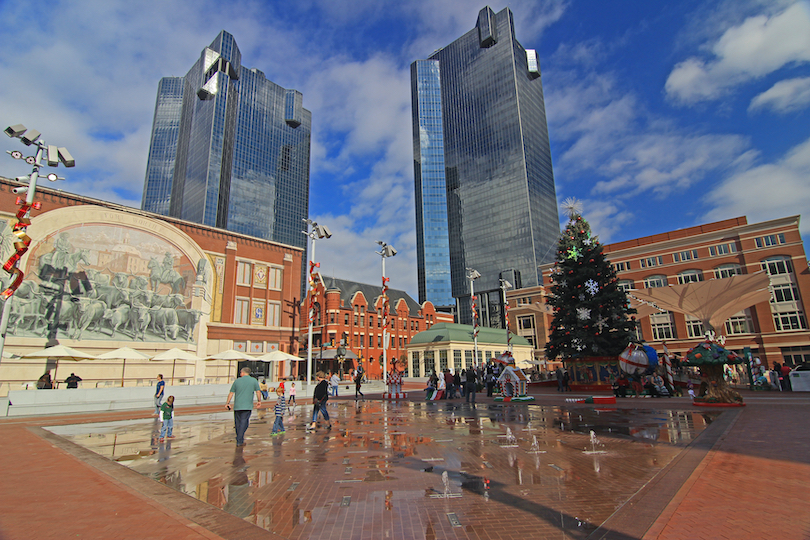
A lovely lively yet laidback place to visit and explore, the sprawling Sundance Square encompasses 36 blocks right in the city center. As well as boasting lots of beautiful old buildings and attractive architecture, its historic streets are lined with fun things for you to see and do with everything from shopping and dining to entertainment and nightlife being on offer.
While in the days of the Wild West the city’s downtown was home to saloons and gambling parlours, the vibrant area now instead has lots of fine restaurants and local boutiques to check out. Within its wonderfully well-restored historic buildings you can also find exquisite art galleries and hotels with numerous live theaters and music venues also dotted about. Add in its many bars and nightclubs and its plaza’s packed schedule of concerts, festivals and events, and it is no wonder at all that Sundance Square is so popular among both locals and tourists alike.