
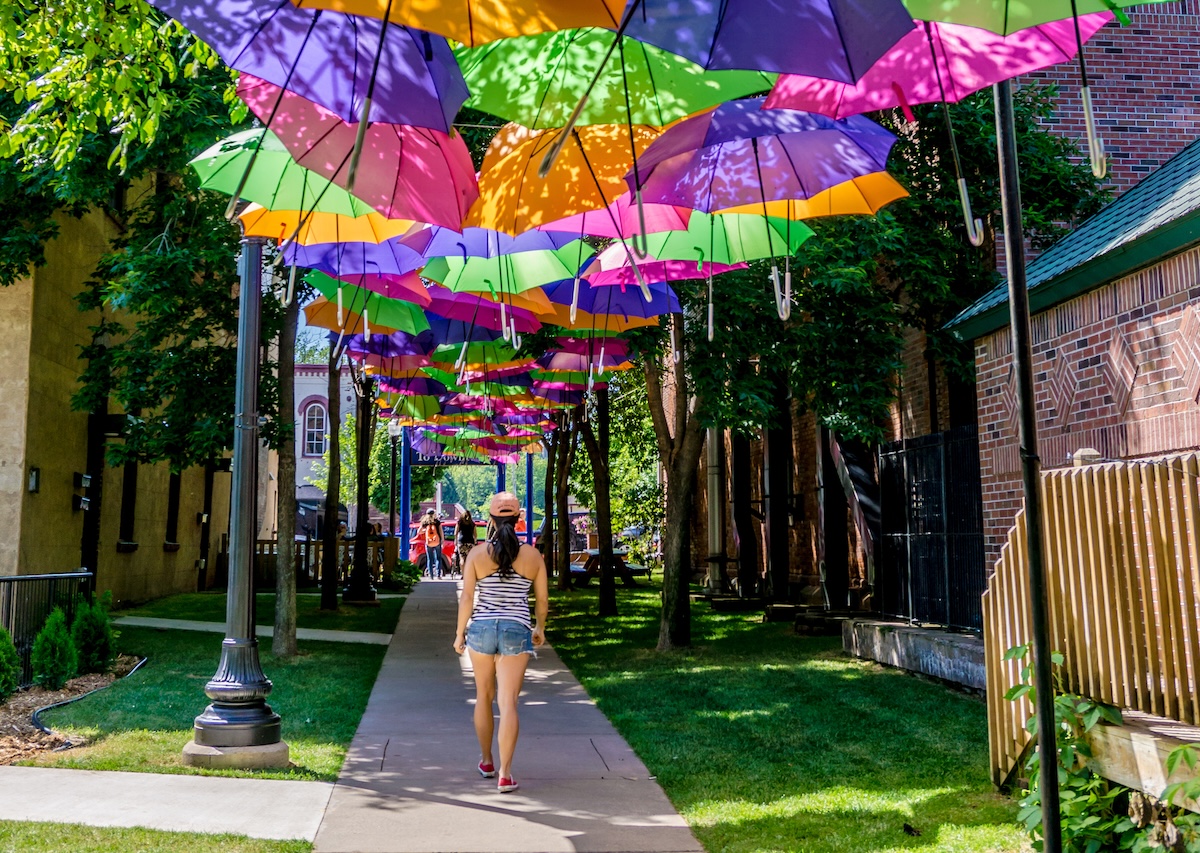
Set along the rugged shores of Lake Superior, this charming lakeside city has long been a haven for nature lovers. Surrounded by forested hills, rivers, lakes, and waterfalls, it offers a relaxed atmosphere and easy access to some of the region’s most beautiful landscapes.
Marquette sits in Michigan’s Upper Peninsula and is also steeped in history. The city flourished during the height of the iron ore industry, leaving behind a rich industrial heritage that still shapes its identity today. With its fascinating past and spectacular natural setting, Marquette is a destination that is hard to overlook.
Each season here is unique, and there are activities and things to do in Marquette for every one of them! From skiing in winter, to chilling at lakeside beaches in the summer, and the great year-round hiking spots – there’s always something new to try.
Downtown Marquette
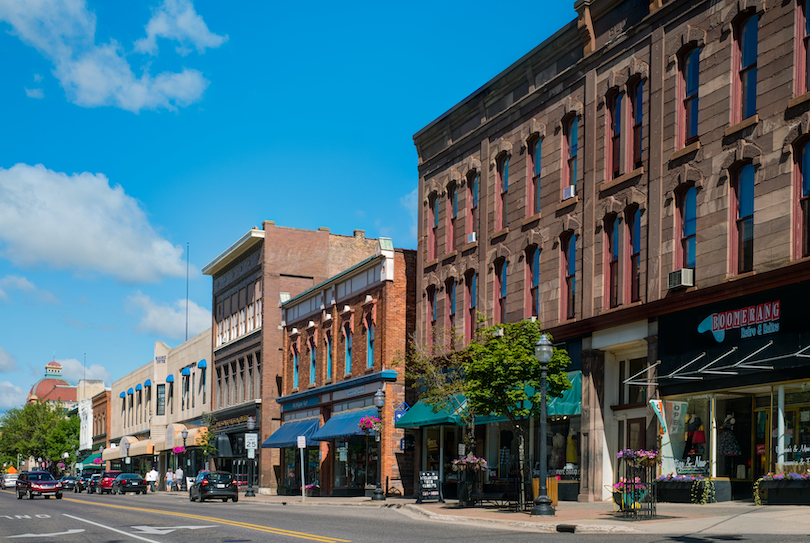
Downtown Marquette is a haven of restaurants, shops, and old architecture. It’s vibrant and charming. The downtown, like most of Marquette, clearly accentuates the love its residents have for the outdoors. There are loads of outdoorsy shops to explore!
Do some shopping then stop for lunch and try some local food. Stroll around and admire all the historic buildings before going for an afternoon coffee at a small local cafe.
In winter the downtown area is especially beautiful after a snowy day. Bring your camera and take some pretty holiday pictures!
Little Presque Isle
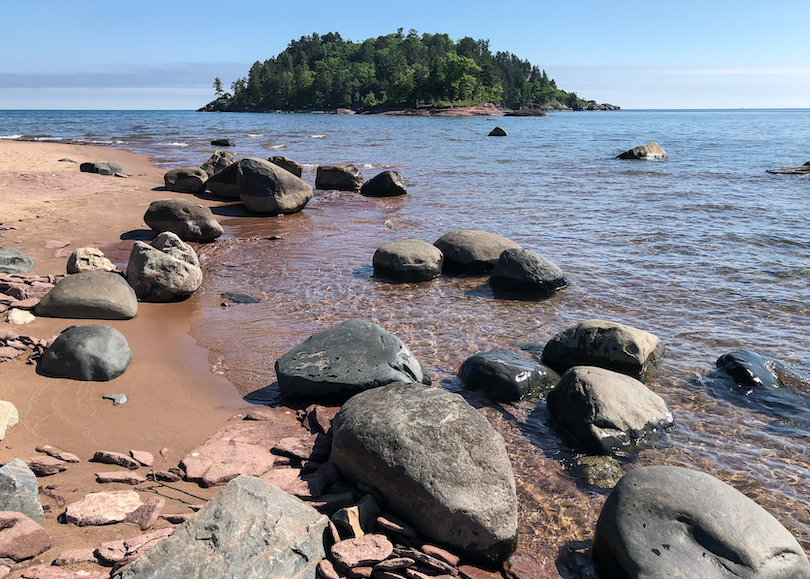
Just 7 miles away from Marquette, this little isle on the shores of Lake Superior is a popular spot for an array of nature-themed activities. Spend the morning hiking through the forested mountains and then lounge and cool off in the lake in the afternoon.
The Little Presque Isle has a spectacular coastline, with a mix of sandy beaches and rugged shorelines. Make sure you explore Harlow Creek.
You can camp, birdwatch, hunt, hike, and relax at Little Presque Isle, there’s really nothing you can’t do!
Dead River Falls
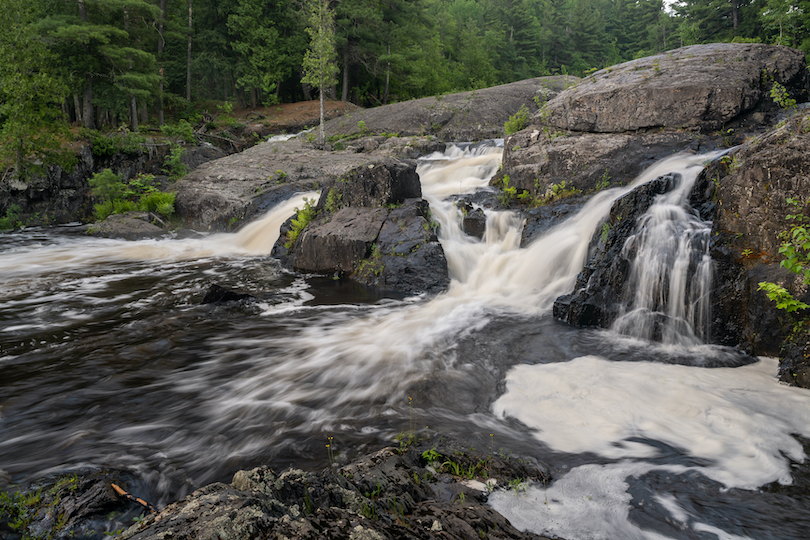
The Dead River Falls is a stretch of the Dead River just west of Marquette that is known for its surprising array of miniature waterfalls. Follow the trail upstream along the river and you’ll find yourself climbing over rocky ledges and past sparkling pools at the base of waterfalls.
About half a mile long, the Dead River Falls is one of the best waterfall adventures in the area. Follow the dirt paths that weave along the riverside, and take you past Stoney Mill (the first big fall).
Overall, in just half a mile the river drops some 90 feet! The hike isn’t too long, but it is slightly arduous so make sure your legs are up for it.
Marquette Maritime Museum
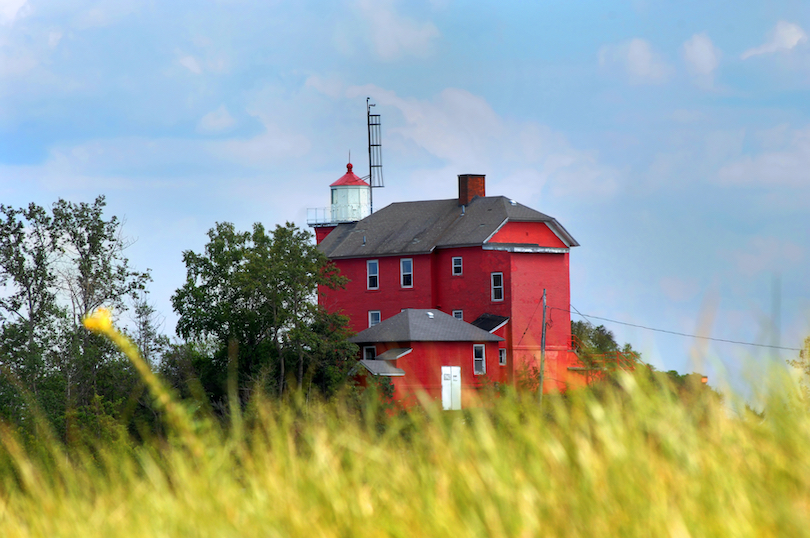
The Marquette Maritime Museum opened in 1984 in the old City Waterworks building. Built in a Richardsonian Romanesque architectural style, the arch windows and stone structure give it a certain charm.
It was set up to commemorate all the submarine veterans from the Great Lakes region, and educate its visitors about the maritime history of Marquette and the Great Lakes.
They hold events and festivals like the Michigan Lighthouse Festival and Maritime market (that has lots of fun arts and crafts for kids), as well as lectures, field trips, and so much more! Whilst you’re there you can visit the old lighthouse too.
Sugarloaf Mountain
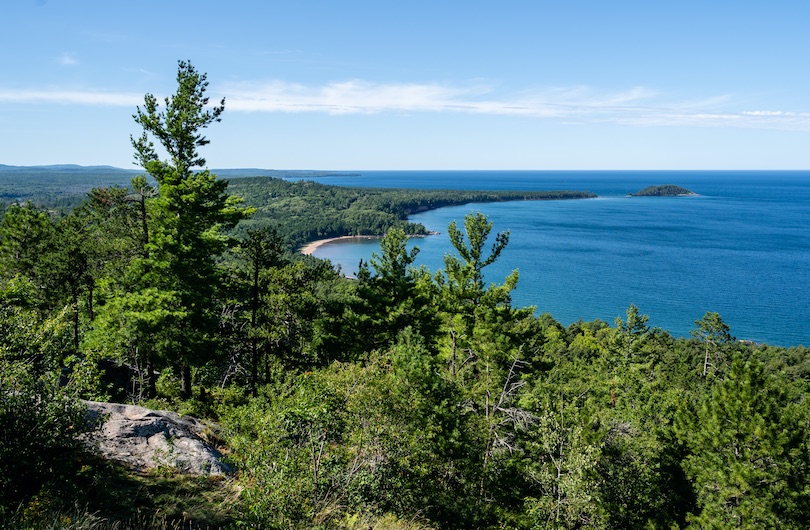
The Sugarloaf Mountain is a short walk with incredible views at the top to reward your efforts. Just a short 6 mile drive north of downtown Marquette and you’re at the trailhead (and there’s plenty of parking).
You can take one of two routes through the forest and rock outcroppings, the first is a little stepper and takes around 15 minutes (the hard route), whilst the second is a little longer but less uphill.
There are three viewing platforms at the viewing point that look over forested mountains (which are especially spectacular in autumn) and Lake Superior stretches as far as the eye can see. Don’t miss the old stone obelisk that was erected to commemorate Bartlett King!
Lakenenland Sculpture Park
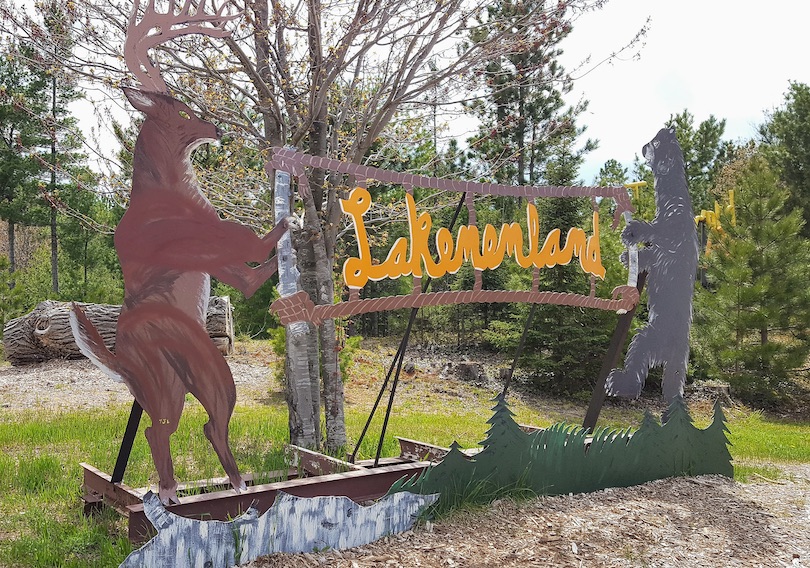
This fascinating sculpture park is entirely down to one man, Tom Lakenen. Over the course of 25 years he made more than 100 metal sculptures, slowly expanding his collection and adding to the park.
He uses metal scraps and leftover iron, upcycling what was once left as junk and turning it into works of art! The Sculpture Trail weaves through the park and takes you past his incredible sculptures. Go explore, his work is awe-inspiring and entertaining.
The park is free and it also has ponds, a picnic area, and a kid’s play park so you can easily spend a few hours there.
Presque Isle Park
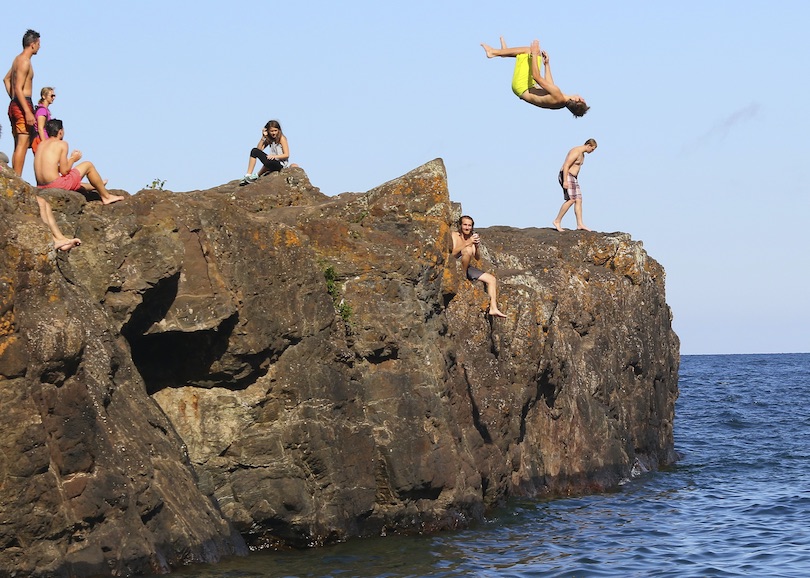
Presque Isle Park can be toured on two wheels, by foot, or by car. It is surrounded by the waters of Lake Superior, gracing it with great views and lush swimming spots.
When you’re there, make sure you visit the park’s Presque Isle lighthouse, which was built in the 1940s and is 55 feet tall! After, check out the views from the Lake Superior cliffs on the east side of the peninsula that tower over the lake and give you a great vantage point with some of the park’s best views.
If you want to do something a little more adventurous, go cliff jumping off the 10-15 foot tall Blackrocks. This one is reserved for the bravest adrenaline junkies!