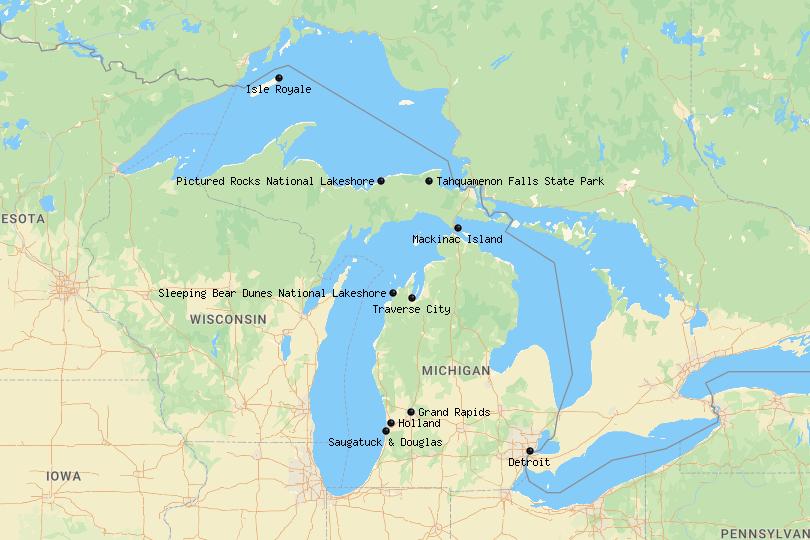
Nestled in the heart of the Great Lakes region, the Midwest state of Michigan lies in the north of the Untied States on the border with Canada. Home to more than 12,000 lakes and more beaches than the country’s entire Atlantic coastline, it’s made up of two large peninsulas and several scenic and secluded islands.
While the state is dominated and defined by its wealth of waterways, much of it is coated in endless forests and wilderness.
As such, there are loads of great outdoor activities to be enjoyed, with hiking, camping and sailing all popular due to the sublime scenery. Dotted about its two peninsulas are some incredible towns and cities, and its cultural capital of Detroit is one the most captivating places to visit in Michigan.
10. Tahquamenon Falls State Park
 © Paul Lemke / Dreamstime
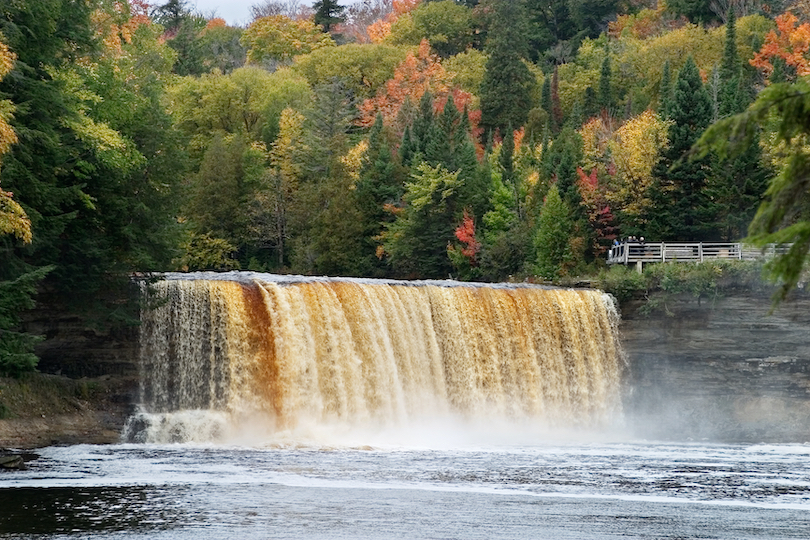
Centered around the wonderful waterfalls after which it is named, Tahquamenon Falls State Park lies in the north of the state on Michigan’s untouched Upper Peninsula. Mostly made up of fantastic forests and woodlands, it is set not far from the sparkling waters of Lake Superior.
Meandering amid the towering trees is the Tahquamenon River, which boasts the park’s two most spectacular sights – the Upper and Lower Falls. While the former spans over 60 metres in width and plunges 15 metres down a steep overhang, the latter is a sensational series of small cascades that swirl around an idyllic and isolated island.
While hiking along the riverbanks and taking photo after photo of the fabulous falls is very popular, the state park is also a great place to go fishing and canoeing. In addition to this, many people camp overnight to better enjoy the stunning scenery and increase the likelihood of catching a glimpse of the moose, black bears and bald eagles that inhabit the park.
9. Holland
 © Ehrlif / Dreamstime
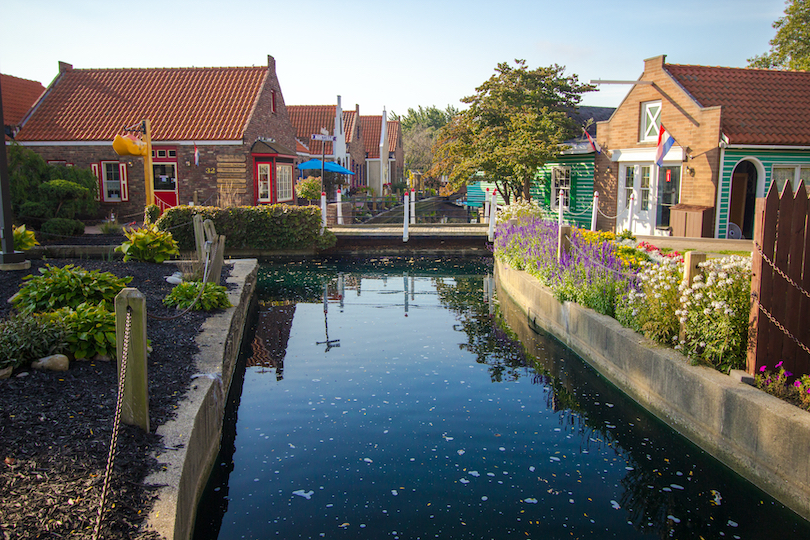
Set on the scenic shores of Lake Michigan, the small city of Holland lies on the Lower Peninsula, not far from Grand Rapids. Founded by Dutch Americans, ‘The Tulip City’ is a very popular place to visit in Michigan due to its unique heritage and the wealth of beautiful bulbs lining its picturesque parks and windmill-dotted gardens.
While both Veldheer Tulip Gardens and Windmill Island Gardens have lots of lovely flowerbeds for visitors to enjoy, the Holland Museum offers a fascinating look at Dutch history and culture in the States. At the Dutch Village theme park, there are traditional buildings to wander around, with a clogs factory, windmill and costume museum also on offer.
The best times to visit Holland are in May, when the terrific Tulip Time Festival takes place, and December, when it hosts a charming Christmas market. On top of its wonderful waterfront and delightful downtown packed full of Victorian buildings, the city also has excellent beaches and watersports for visitors to try out.
8. Saugatuck & Douglas
 © Kenneth Sponsler / Dreamstime
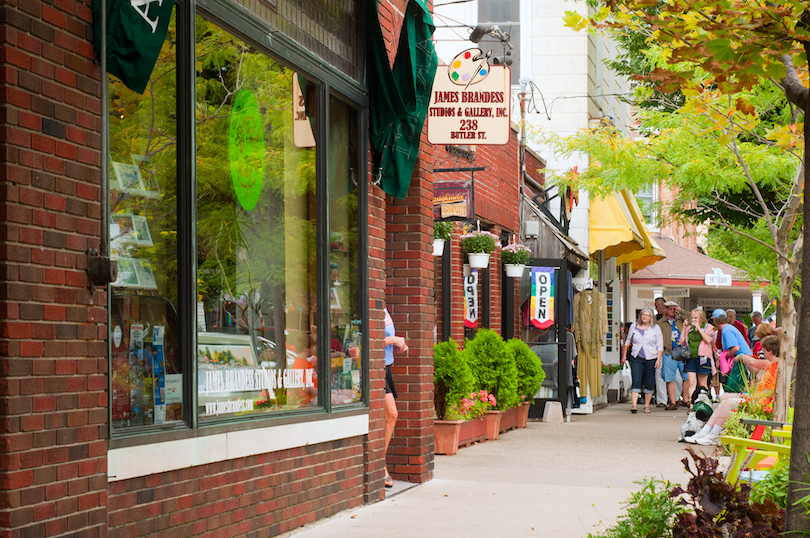
Situated just to the south of Holland are the twin towns of Saugatuck & Douglas, which lie at the mouth of the Kalamazoo River next to Lake Michigan. Having almost merged into one, the two adjacent settlements are now one of the glittering Gold Coast’s most popular resort areas due to their lively yet laidback vibe and friendly and welcoming nature.
Dotted about town are more than a dozen exquisite art galleries for visitors to check out, as well as eclectic shops and waterfront restaurants. Cosy BnBs also abound, while breathtaking beaches such as Oval Beach lie nearby. In addition, Holland and Grand Rapids aren’t too far away if you want to explore a little further afield.
Long popular with the Midwest’s LGBT community, the towns also attract families and boaters from Chicago and Detroit. While they can get crowded at weekends and during the summer months, Saugatuck & Douglas are well worth checking out.
7. Pictured Rocks National Lakeshore
 © Dean Pennala / Dreamstime
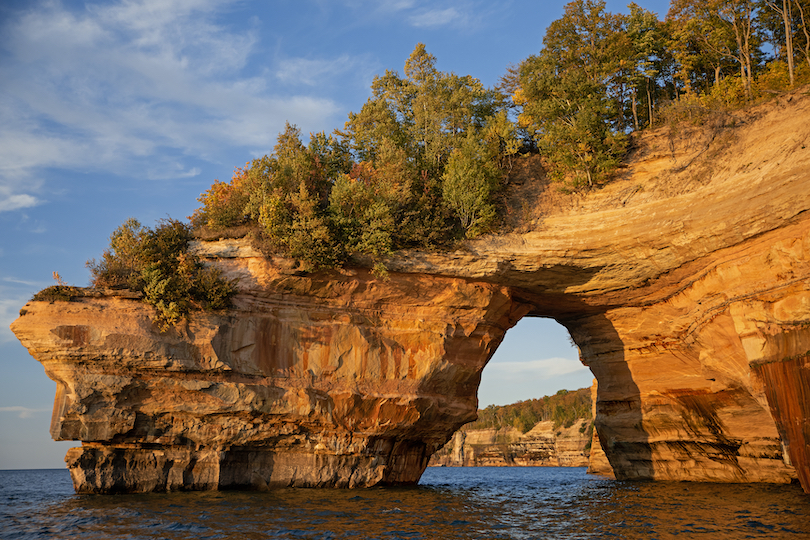
The first National Lakeshore founded in the United States, Pictured Rocks is located along the Upper Peninsula’s breathtaking Lake Superior shoreline. Named after the colorful sandstone cliffs lining its rugged coastline, it is home to spectacular rock formations, waterfalls, and caves.
Stretching more than 20 kilometers, the craggy cliffs impressively tower up to 60 meters, with phenomenal views out over the lake. Hidden away among its diverse landscapes are wondrous waterfalls such as Munising Falls and Sable Falls, while hiking trails weave their way through all the outstanding nature.
One of the best ways to see the stunning sea caves, rock arches, and kaleidoscopic cliffs from up close is to go kayaking or boating on the lake. Scuba diving is also popular; shadowy shipwrecks lie beneath the waves while many people also visit the park in winter to go cross-country skiing or snowmobiling. In addition, Grand Sable Dunes has some epic dunes for you to check out.
6. Isle Royale National Park
 © Michael Thompson / Dreamstime
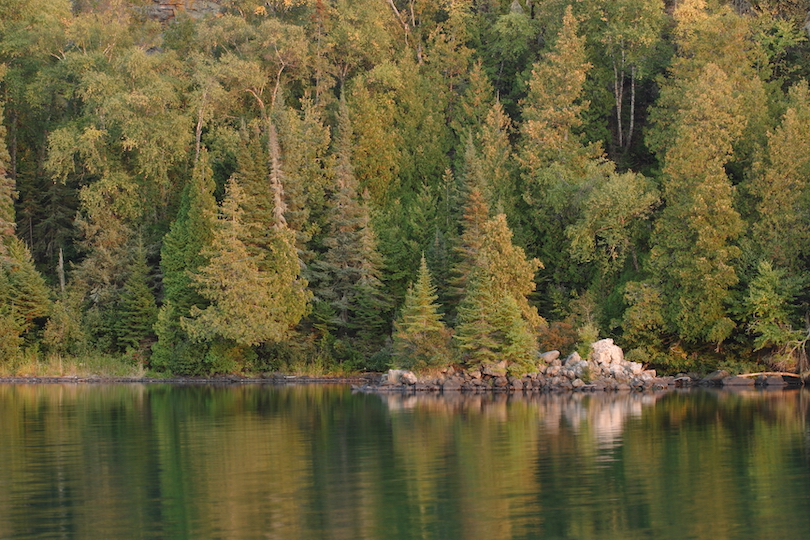
Encompassing not only Isle Royale but hundreds of small islets and their surrounding waters, this wonderfully wild national park lies in the northwest of Lake Superior, right on the border with Canada. Established in 1940, it protects lots of sublime scenery and is particularly known for its large populations of moose and timber wolves.
Due to its secluded setting, the park receives relatively few visitors; as such, you’ll often have its thick forests, rugged ridges and scenic shoreline completely to yourself. Camping is a delight as you immerse yourself in the untouched and unspoiled nature with wildlife sightings almost inevitable.
Besides hiking along its innumerable paths and trails, visitors can enjoy fishing and canoeing on its myriad of mesmerizing lakes and streams. For an unforgettable adventure experience, you can’t beat the Isle Royale archipelago and its fabulous fauna and flora.
5. Traverse City
 © Beautynature / Dreamstime
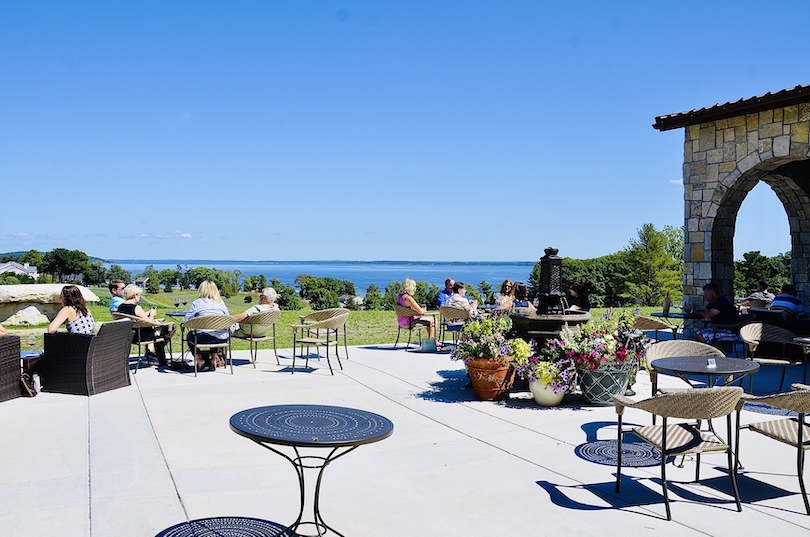
Located in the north of Michigan’s Lower Peninsula, Traverse City lies nestled away at the end of the long, natural harbor of Grand Traverse Bay. Divided in two by the Old Mission Peninsula, the beautiful bay boasts lovely landscapes, with Lake Michigan not far away.
While the city suffers a bit from urban sprawl, it is a very pleasant place to spend some time. Besides the spectacular Sleeping Bear Dunes National Lakeshore, there are plenty of charming towns and wonderful wineries dotted about the Leelanau Peninsula for visitors to explore, with a wealth of outdoor activities on offer.
Known as the ‘Cherry Capital of the World’, Traverse City is home to a handful of great breweries and historical sights. Dennos Museum Center houses excellent exhibitions on Inuit art. One of the best times to visit is in July, when the National Cherry Festival’s parades and contests take place.
4. Grand Rapids
 © Michael Deemer / Dreamstime
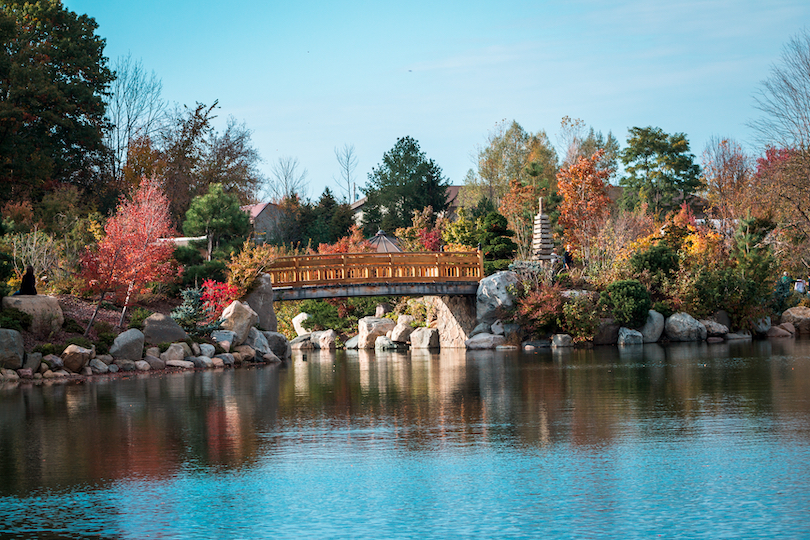
The second-largest city in the state, Grand Rapids lies in the west of Michigan on the banks of the Grand River. Founded at the site of what used to be a set of roaring rapids, the historic furniture-making center is now primarily known for its burgeoning craft brewery scene.
Dotted around town are about 25 brilliant breweries to try out, and many exquisite eateries and restaurants have sprung up in recent years. Besides its drinking and dining scenes, Grand Rapids also has a couple of museums worth checking out, such as the Gerald R. Ford Presidential Museum, which looks at his life and achievements.
Over the years, the city has built up an impressive collection of public artworks, with some superb exhibitions and installations to be found at the Frederik Meijer Gardens and Sculpture Park. On top of all this, Grand Rapids has one of the largest urban historic districts in the States to explore, with countless architectural styles on show at Heritage Hill.
3. Sleeping Bear Dunes National Lakeshore
 © Oseland / Dreamstime
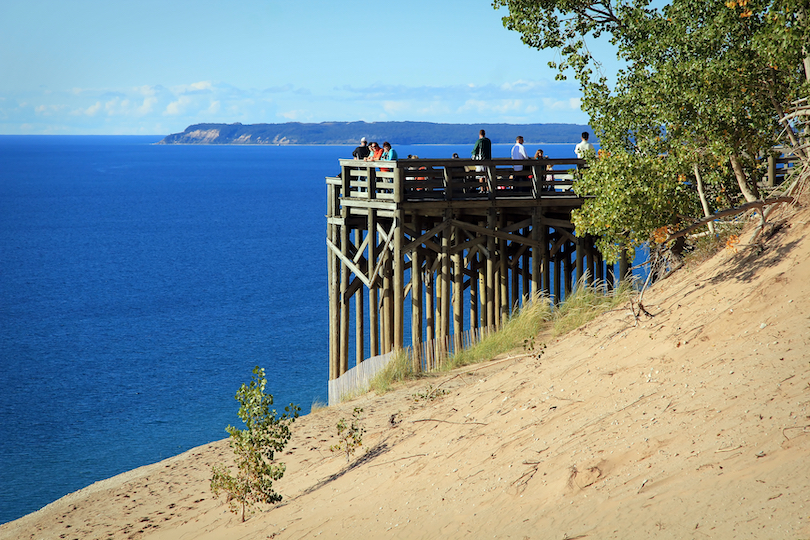
One of the most popular and picturesque places to visit in the state, Sleeping Bear Dunes National Lakeshore is located in the northwest of Michigan’s Lower Peninsula. Encompassing everything from dramatic dunes and beautiful beaches to wind-swept waterways and isolated isles, it will delight nature lovers and outdoor enthusiasts.
Established in 1970, the National Lakeshore protects some diverse landscapes, with countless species of fauna and flora found within its confines. While its immense dunes hugging Lake Michigan’s scenic shoreline are the undoubted highlight, its verdant forests and reflective streams and lakes lend themselves perfectly to all kinds of outdoor activities.
Besides hiking, swimming and kayaking, many people enjoy camping in the park due to the lovely scenery; North and South Manitou Island are home to some great campsites. In addition, there are some interesting abandoned farms and villages for visitors to check out.
2. Detroit
 © F11photo / Dreamstime
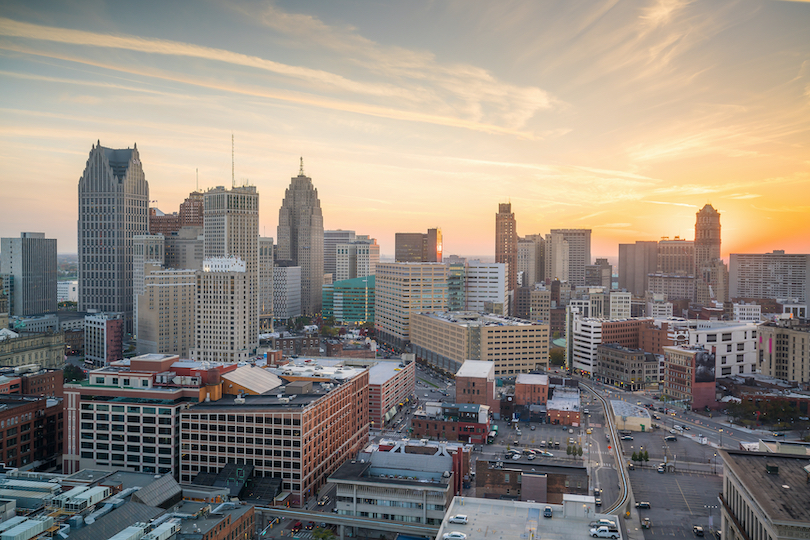
The second-largest city in the Midwest after Chicago, Detroit is a major cultural center that has long been widely feted for its contributions to art, architecture and music. After having suffered decades of neglect and decay, ‘The D’ is once again buzzing as new developments, businesses and attractions breathe life into its skyscraper-dotted streets.
Long synonymous with urban decline and crime, a glut of renovations and revitalization projects has seen everything from art galleries and coffee shops to hotels and offices occupy what were once derelict buildings. Add in its astounding array of Art Deco architecture, its wonderful waterfront, and large and lively theater district – and Detroit is a fabulous place to visit.
While superb street art and world-class museums such as the Detroit Institute of Arts can be enjoyed during the day, at night, visitors can delve into its edgy and energetic music and nightlife scenes. With so many alluring sides, Michigan’s creative and cultural capital is not to be missed out on.
1. Mackinac Island
 © Picturemakersllc / Dreamstime
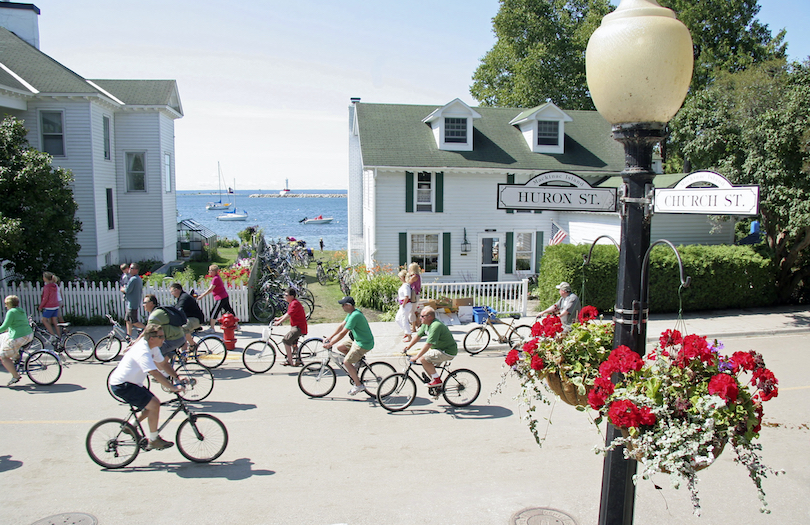
Set in the sparkling Straits of Mackinac, which separate Lake Michigan from Lake Huron, the lovely island of the same name has long been a popular tourist destination. Lying between Michigan’s Upper and Lower Peninsulas, it was once an important port in the North American fur trade and was fought over numerous times by the British and Americans.
Nowadays the island is noted for its myriad of amazing Victorian-era buildings, of which the Grand Hotel is its undoubted star attraction. Around its atmospheric old ferry port, visitors can find an array of historic shops and restaurants, and no visit is ever complete without trying its famous fudge. In addition, it has plenty of magnificent nature and parkland to explore, with hiking, biking and horse-drawn buggy rides all popular activities.
Although it is car-free, Mackinac Island can get very crowded at weekends and during the summer months due to its popularity. To get a real feel for it, it is therefore worthwhile staying in one of its historic inns, cosy BnBs or even the glamorous Grant Hotel itself so that you can walk around its pretty and picturesque streets in peace.