
From towering natural wonders to powerful symbols of American history, national monuments protect some of the country’s most treasured landscapes and landmarks. Unlike national parks, which typically preserve large natural areas, monuments can be created to protect landmarks, structures, and places of historic or scientific interest with the stroke of a presidential pen.
Every year, millions of visitors flock to these protected sites to snap photos, learn something new, and yes, collect those adorable passport stamps. Based on National Park Service visitor data, here’s a rundown of America’s ten most popular national monuments – from surprising geological formations to iconic symbols of freedom.
10. Colorado National Monument (488,038 annual visitors)
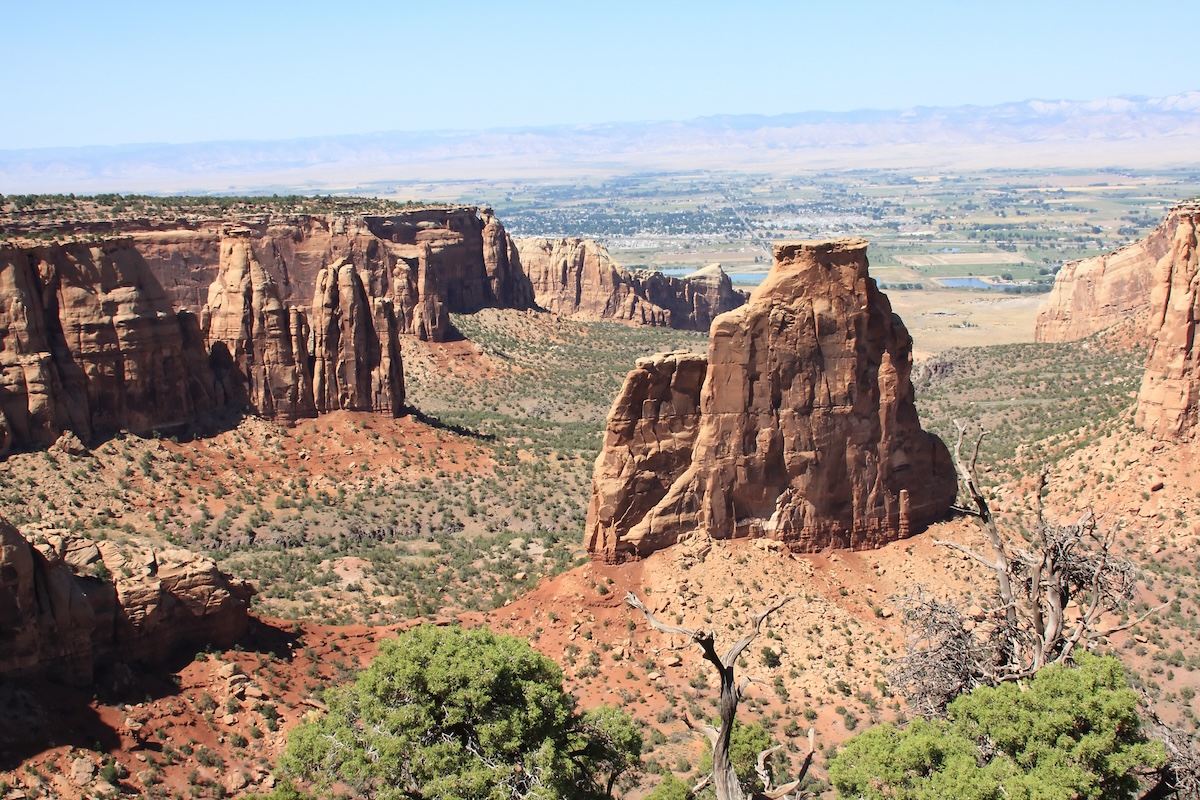
Hiding in western Colorado near Grand Junction, this stunning landscape might be the most underrated spot on this list. Massive red rock canyons, towering monoliths, and juniper-dotted plateaus create a mini-Grand Canyon vibe without the crushing crowds. The 23-mile Rim Rock Drive delivers jaw-dropping viewpoints where you can gaze down 2,000 feet to the canyon floor below.
Keep your eyes peeled for desert bighorn sheep scaling seemingly impossible cliffs or golden eagles soaring on thermal updrafts. The monument’s most famous formation, Independence Monument, stands like a 450-foot stone skyscraper in the middle of Monument Canyon. Not bad for a place most people drive right past on their way to Utah’s more famous parks!
9. Devils Tower National Monument (540,890 annual visitors)
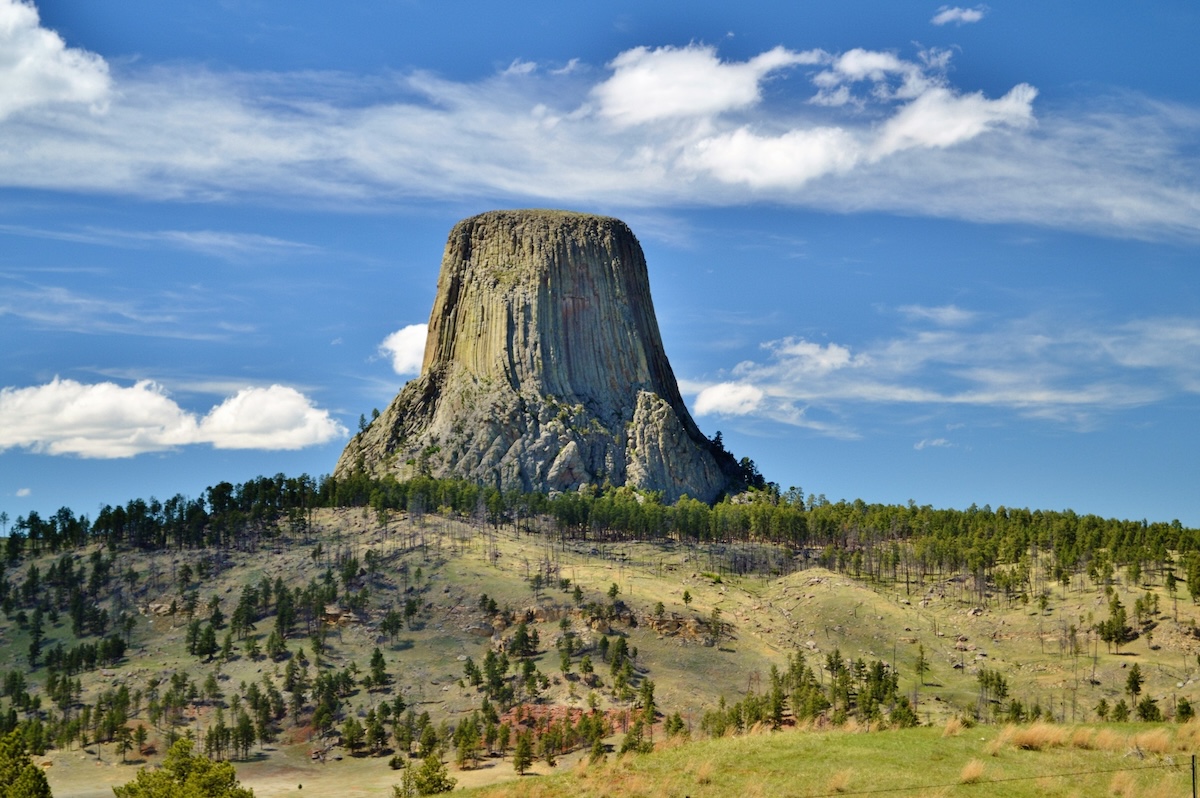
Rising dramatically from the rolling prairies of northeastern Wyoming, this 867-foot rock formation looks like something aliens might use as a landing pad. And Hollywood agrees as this unique rock was made famous in “Close Encounters of the Third Kind.” Sacred to many Native American tribes as Bear Lodge, the site features numerous prayer bundles and colorful prayer cloths tied to trees along the monument’s trails.
Watch for daredevil climbers scaling the tower’s sides, though they voluntarily avoid climbing during June when many Native American ceremonies take place. The 1.3-mile paved trail around the base gives you ever-changing perspectives of this geological oddity and brings excellent wildlife spotting opportunities.
8. Castillo de San Marcos (579,825 annual visitors)
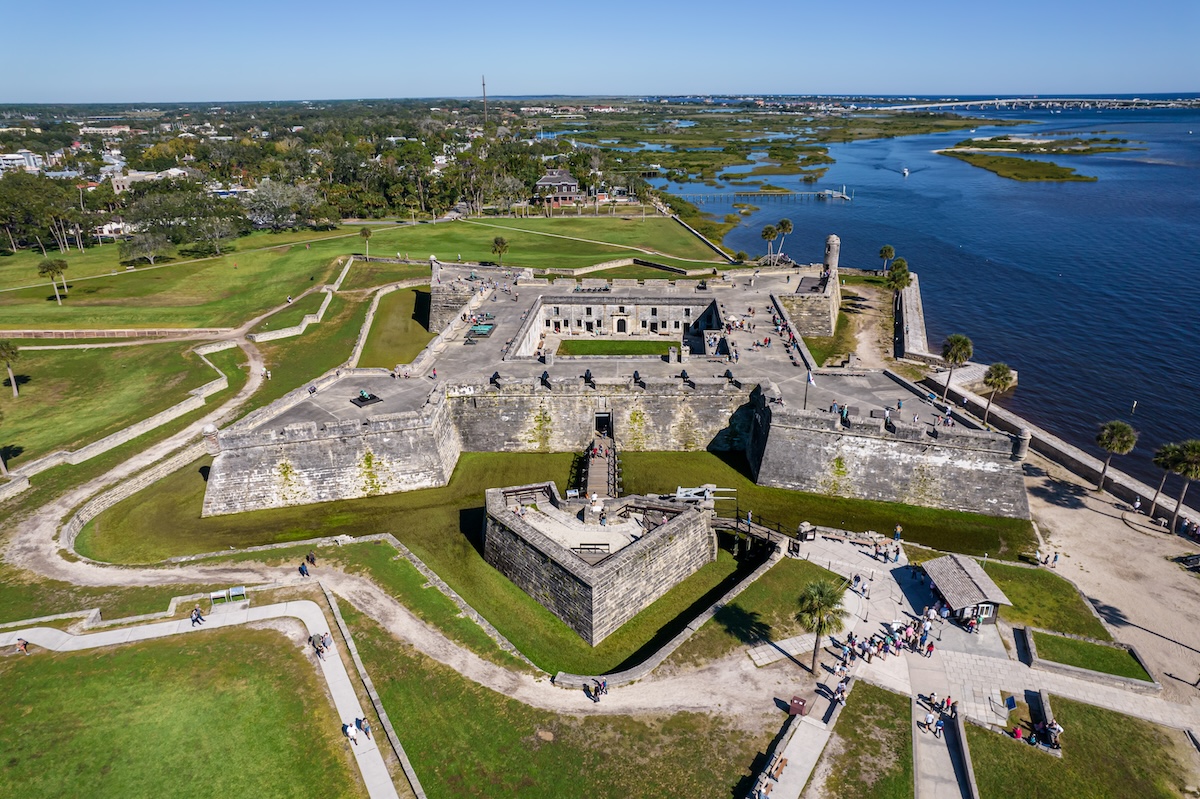
Perched on the edge of St. Augustine, Florida, this massive stone fortress has been keeping watch over the Atlantic coast since the 1600s, making it the oldest masonry fort in the continental United States. Built by the Spanish from coquina, fort’s squishy walls actually absorbed cannonballs rather than crumbling under fire. Talk about engineering genius!
Wander through echoing rooms once filled with soldiers, prisoners, and refugees, climb to the gun deck for sweeping views of the St. Augustine waterfront, or catch one of the live cannon firing demonstrations that will definitely make you jump no matter how prepared you think you are.
7. Fort Matanzas National Monument (680,040 annual visitors)
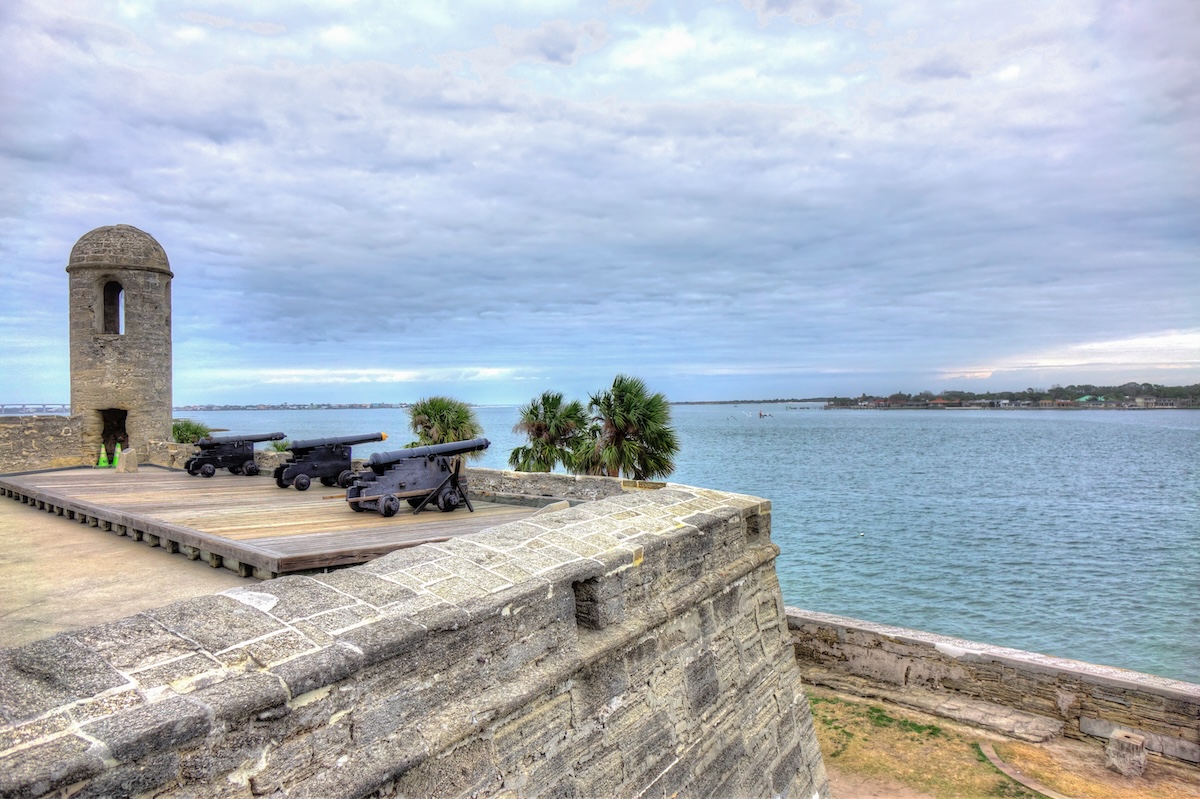
Just 14 miles south of its more famous cousin Castillo de San Marcos, this compact fortress punches well above its weight class in visitor numbers. Perched on a marsh island south of St. Augustine, Florida, this stone watchtower guarded the city’s “back door” – the Matanzas Inlet.
The fort itself is tiny compared to most monuments, but the free boat ride to reach it adds an adventure element kids especially love. Once there, climb to the observation deck for lovely views of the surrounding waterways and salt marshes teeming with birds and sometimes manatees. The entire monument is blissfully peaceful, with nature trails winding through coastal forest and along beaches perfect for shell collecting.
6. Cedar Breaks National Monument (722,834 annual visitors)
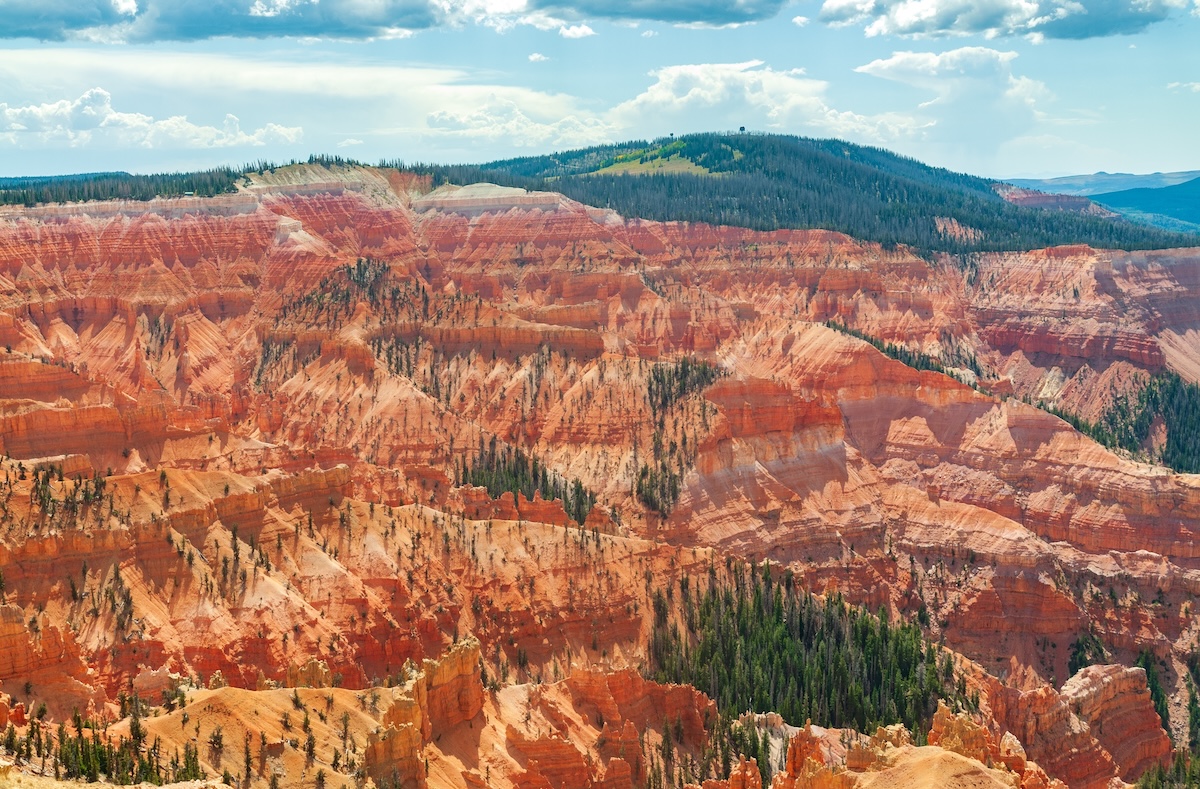
This natural amphitheater plunges 2,000 feet deep, with layers of red, orange, and purple rock eroded into hoodoos, fins, and spires that seem to glow from within when struck by sunlight. The name comes from early settlers who mistook the juniper trees for cedars and called the canyons “breaks.”
The high elevation means wildflower displays that will blow your mind – July brings meadows so densely packed with colorful blooms that are just, wow. Winter transforms the monument into a snowy wonderland accessible by snowshoes or cross-country skis. The night skies here earn International Dark Sky Park status, meaning the star-gazing will ruin you for backyard astronomy forever.
5. Muir Woods National Monument (792,494 annual visitors)
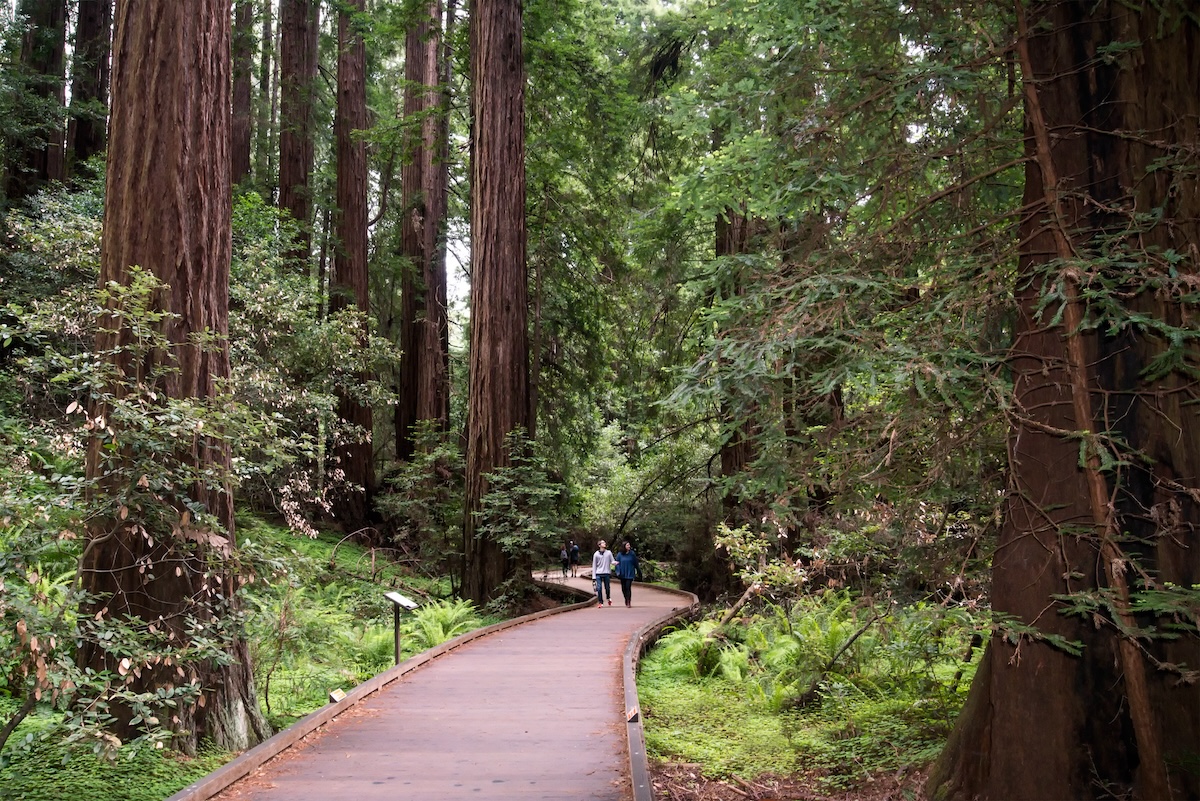
Just a quick jaunt north of San Francisco, this pocket of primeval forest preserves some of the last old-growth coastal redwoods in the Bay Area. Walking among these giants – some over 250 feet tall and more than 1,000 years old – feels like stepping into a cathedral where the silence is broken only by the soft sounds of Redwood Creek and visitors whispering “wow” on repeat.
The main trail loops are flat, accessible boardwalks, making this ancient forest experience available to almost everyone. Early mornings and rainy days offer the most magical experiences, with fog drifting through the canopy and fewer people to photobomb your attempts to capture the scale of these monsters.
4. Cabrillo National Monument (845,912 annual visitors)
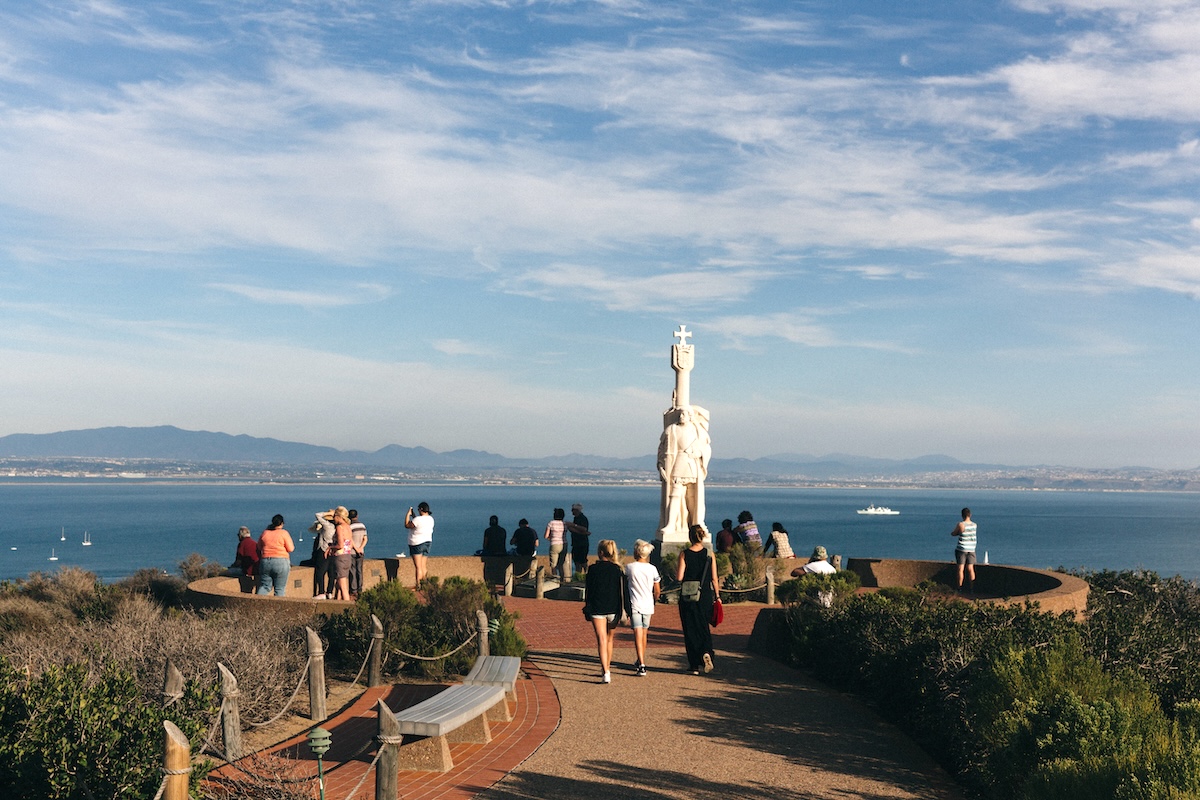
Perched at the tip of Point Loma in San Diego, this monument marks where Juan Rodriguez Cabrillo became the first European to set foot on what would become the west coast of the United States in 1542. But the history is just the appetizer – the real feast is the ridiculous panoramic views of San Diego Bay, the city skyline, and on clear days, all the way to Mexico.
The monument packs multiple attractions into a small package: a historic lighthouse, military history exhibits, incredible tide pools teeming with marine creatures, and some of the best whale watching in California during migration season. The bayside trail delivers gorgeous views and chances to spot everything from dolphins to Navy ships entering the harbor.
3. Stonewall National Monument (2,302,641 annual visitors)
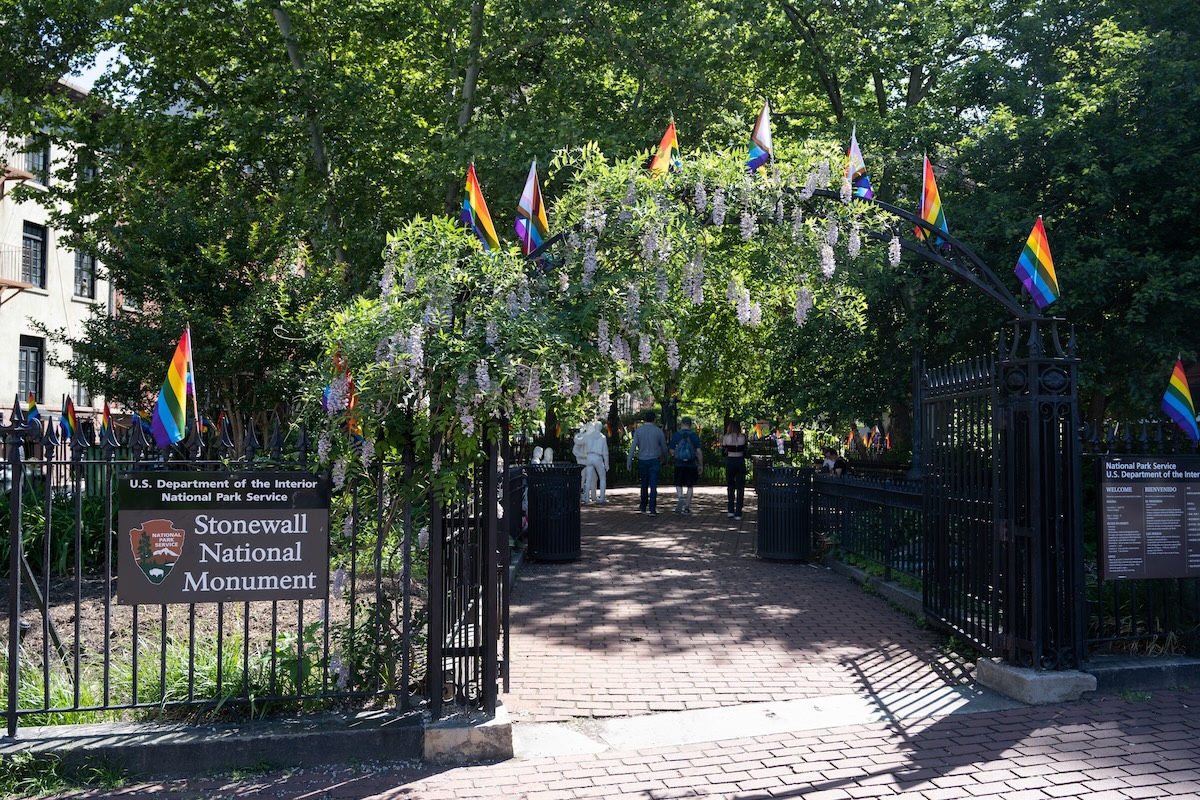
The newest addition to this top-ten list protects just a tiny sliver of land in New York City’s Greenwich Village, but its significance towers above its size. Covering Christopher Park and the surrounding streets including the historic Stonewall Inn, this monument preserves the birthplace of the modern LGBTQ+ rights movement. The 1969 Stonewall Uprising, when patrons of the Stonewall Inn fought back against police harassment, marked a turning point in the fight for equality.
Today, the monument’s location in the heart of NYC makes it one of the most accessible national monuments to visit. The small park features the Gay Liberation Monument sculpture showing two same-sex couples in relaxed poses. Walking tours of the area bring the history to life, while the surrounding neighborhood remains vibrant with rainbow flags and a sense that you’re standing somewhere that genuinely changed American history.
2. Statue of Liberty National Monument (3,722,029 annual visitors)

Nothing says “America” quite like Lady Liberty standing tall in New York Harbor. This copper colossus has been welcoming immigrants and symbolizing freedom since 1886, when she was a shiny penny color rather than today’s green patina. The statue itself is an engineering marvel – a thin copper skin supported by an internal framework designed by Gustave Eiffel.
Visiting involves a ferry ride with killer skyline views before arriving at Liberty Island. The pedestal museum reveals the statue’s fascinating construction story, while the crown access (requiring advance reservations and 354 steps) rewards climbers with unique harbor views through Lady Liberty’s literal eyes. The monument also includes Ellis Island, where fascinating exhibits tell the stories of the 12 million immigrants processed there.
1. Castle Clinton National Monument (3,822,759 annual visitors)
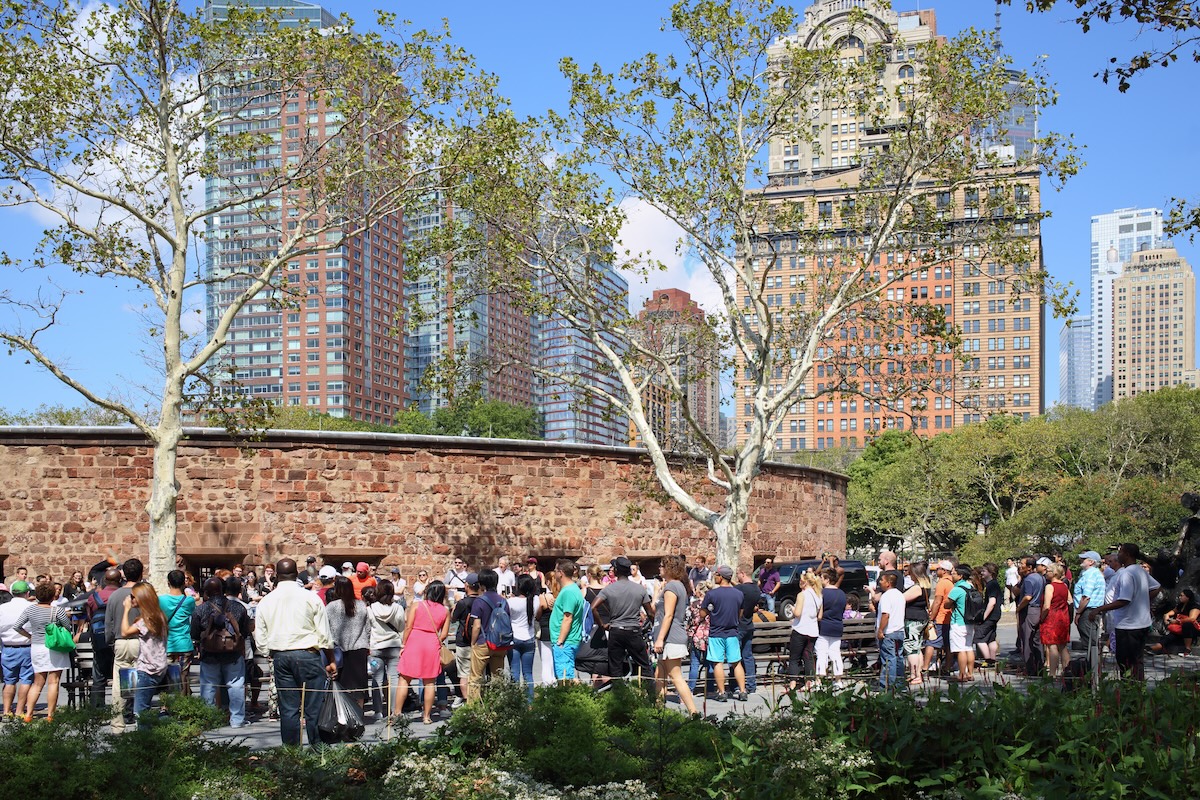
Surprised to find this at number one? Most visitors don’t even realize they’re visiting a national monument when they pass through this circular sandstone fort in Manhattan’s Battery Park. Built to defend New York Harbor against the British in the War of 1812, it never saw battle but instead transformed throughout history. It has been an entertainment venue, America’s first immigration station before Ellis Island, the popular New York Aquarium, and finally a national monument.
Today, Castle Clinton primarily serves as the departure point for Statue of Liberty ferries, explaining its sky-high visitor count. But the fort itself deserves more than a pass-through glance. Exhibits detail its varied history, while the cool stone interior provides welcome relief on sweltering summer days. Rangers offer free tours covering everything from military history to the castle’s role in New York entertainment – it once hosted opera singer Jenny Lind, promoted by none other than P.T. Barnum. The perfect starting point for a downtown NYC adventure!










Leave a Reply