
‘Danger’ is somewhat subjective. For some, it’s a rowdy neighborhood; for others, it’s a dark alleyway at night. When we talk about the most dangerous cities in the US, we’re talking about places with a higher-than-average crime rate – usually due to economic struggles.
According to a recent study, the most dangerous cities in the states are a story of economic challenges and resilience. The crimes range from property crime to cybercrime to violent crime.
It’s important to note that every big city has its rough patches. With some common sense and street smartness, you can still enjoy these cities without worrying.
10. Houston, Texas

Houston is one of Texas’s biggest cities, and with great size comes great complexity. Houston’s bustling downtown is alive with art, music, and BBQ joints. But some neighborhoods, like Sunnyside and Greenpoint (affectionately nicknamed Gunspoint), can get dicey after dark.
That said, areas like the Museum District and Bellaire are safe and absolutely worth exploring. My advice is to stick to the busy, well-lit, touristy areas and share Ubers with others.
The most common crime here is aggravated assault and violent crimes. The city has put in place a bunch of strategies to try to combat this high crime rate. For instance, community policing strategies and targeted interventions in the most dangerous areas.
9. Birmingham, Alabama

Birmingham is often referred to as the Magic City, but it also has its fair share of troubles. The city is small, with around two hundred thousand inhabitants as of 2024, yet has a high risk of aggravated assault.
Birmingham is steeped in history—from civil rights landmarks to hidden craft breweries making their mark. But places like Ensley and East Lake struggle the most with crime. On the other end of the spectrum, Five Points South and North Avondale are trendy neighborhoods with a buzzing coffee scene.
8. Cleveland, Ohio

Cleveland is another small city with a history affected by its high rates of crime. There are pockets of this city you’ll want to steer clear of altogether, particularly around the east side by East Cleveland. However, it’s worth noting that much of the city is relatively safe and livable. For instance, Tremont and the Lake Erie waterfront are trendy havens of breweries, art galleries, and delicious food.
The affected areas have long dealt with poverty, drug abuse, and resulting crime. The city’s approach to tackling the issue focuses on community engagement and policing efforts. The hope is to address the underlying factors that cause these heightened crime rates.
My best tip is to explore the city in groups and avoid specific areas after dark.
7. New Orleans, Louisiana

New Orleans is the home of jazz, shimmering beads, and Mardi Gras. But it’s also known for its notoriously high crime rate. Aggravated assault is the risky business around here, with violent crime ranking at 14.46 per 1000 residents. During busy periods around Mardi Gras, you’ll also want to be aware of petty crimes like pickpocketing.
The city is a feast for all the senses as long as you exercise common caution and stay aware of your surroundings. Keep your belongings close, and don’t hold your phone out in busy areas. If you stick to well-populated areas and avoid walking alone at night, this city is as vibrant as it is historic.
6. Kansas City, Missouri
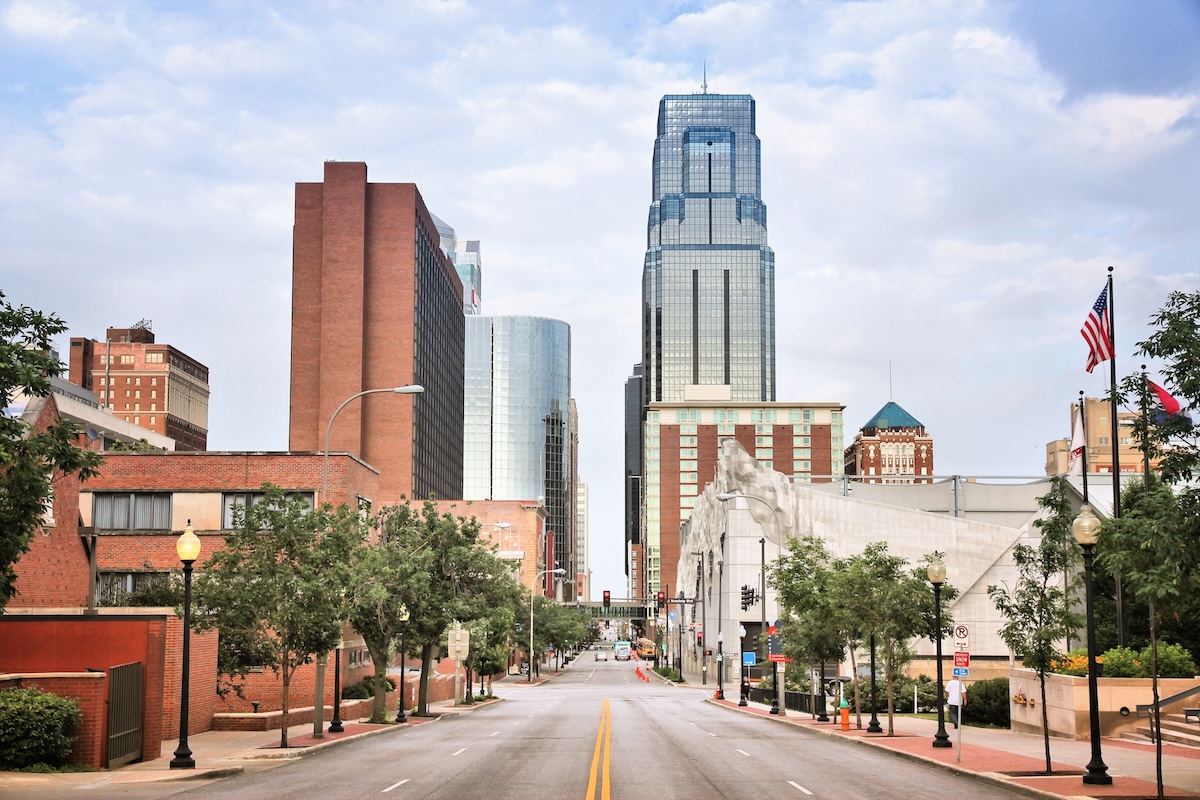
Kansas City might smell like BBQ and sound like jazz, but it has an unfortunate reputation for its high crime rate. The city experiences more violent crimes than the average (14.83 per 1000 people), particularly aggravated assaults. This crime reflects a number of economic challenges and social issues that stretch across much of the urban Midwest.
The East Side has the worst reputation for violence, but there are plenty of neighborhoods (like Country Club Plaza and Westport) that are generally safer. The city has implemented several community outreach programs that help get locals personally involved in policing the streets.
5. Detroit, Michigan

Detroit has always had a bit of a bad reputation. While I think it’s partly unjustified, it is worth being aware of the high crime rates before visiting. Overall, there are 66.09 crimes per 1000 people; however, 20.59 per 1000 residents experience some form of violent crime. Robberies are rife here, as is petty crime in the busy city center.
Detroit’s crime rate mostly stems from economic hardships and population decline in recent years. Regardless, the city is working hard to revitalize urban centers and reduce crime by implementing clever social programs that involve the local community in every step of the process.
If you’re looking for safe neighborhoods, the Riverwalk and Corktown are two of the trendiest, up-and-coming neighborhoods in the city center.
4. Minneapolis, Minnesota

Minneapolis is the land of ten thousand lakes. Unfortunately, it also has its fair share of crime. Criminal dangers have increased in recent years, which is a cause for concern. 12.45 per 1000 people experience violent crime in this city, while 66.28 people per 1000 experience some sort of crime (be it violent or petty).
This Midwest city is all about contrasts. It’s got gorgeous parks, a buzzing arts scene, and a creative vibe around Uptown and Northeast. Most of the neighborhoods struggling with crime are around Midtown Phillips, East Phillips, and Harrison.
3. Little Rock, Arkansas

Little Rock is a small city in Arkansas with more charm than you would expect. The Southern City has its quirks, but it’s also worth noting its high crime rates in certain areas. Southwest Little Rock is one of the more dangerous areas, while neighborhoods downtown around the River Market District are considered safe and family-friendly.
The sense of safety here is battered by violent crime. And even with such a small population, the crime rates here rival that of many bigger cities.
As long as you stick to the safer areas and stay mindful of your surroundings, you’re likely to enjoy a peaceful stay in this little city.
2. St. Louis, Missouri

They say St. Louis is the Gateway to the West, but unfortunately, the city also experiences its fair share of safety concerns. North Pointe and Carr Square are two areas where crime tends to be the worst. This city has a notoriously bad name for its low security.
The violent crime rate reaches 14.70 crimes per 1000 residents, while typical crime affects around 8710 crimes per 1,000 people.
Try not to wander into unfamiliar neighborhoods, especially after dark. Downtown St. Louis has its moments of safety and danger. Your best bet would be to stay in groups and explore during the daytime.
1. Memphis, Tennessee

Memphis experiences the highest number of violent crimes in the country (24.37 per 1000 people), with aggravated assault topping the list.
On the plus side, the city is home to the blues, BBQ, and a vibrant culture. Beale Street is a haven for music lovers, although I would exercise caution at night and stick to the busier areas.
One of Memphis’s biggest plans to combat crime is to strengthen the relationship between the city’s law enforcement and the communities it serves.