
The USA is one of those countries that is so massive it might as well be its own continent. And with 50 states, each with their own laws and landscapes, it pretty much is. The country has some of the biggest cities, most beautiful coastlines, and dramatic canyons. But it’s also home to some seriously peculiar places – towns that defy the norm and embrace the odd.
Whether it’s wild burros roaming the streets or entire communities housed under a single roof, these towns offer a delightful change of scenery from the norm. These kooky little towns are one of the many things that make the U.S. such a wonderfully diverse place.
If you’ve ever wondered where you can see a giant chair or a post-apocalyptic town, check out these nine strange towns across the U.S.
9. Oatman, Arizona

If you’ve taken the journey most traveled along North America’s Route 66, chances are you’ve heard of Oatman. The town is tucked into the Black Mountains of Mohave County in Arizona and is a living testament to the Wild West. Established in the early 1900s after the discovery of gold nearby, the town quickly became a bustling mining hub.
Today, its mining history is still visible in the old false-front buildings and general ambiance. But what makes this town really strange is that there are wild burros (donkeys) that roam the town freely. They’re the living descendants of the old miner’s pack animals.
8. Slab City, California
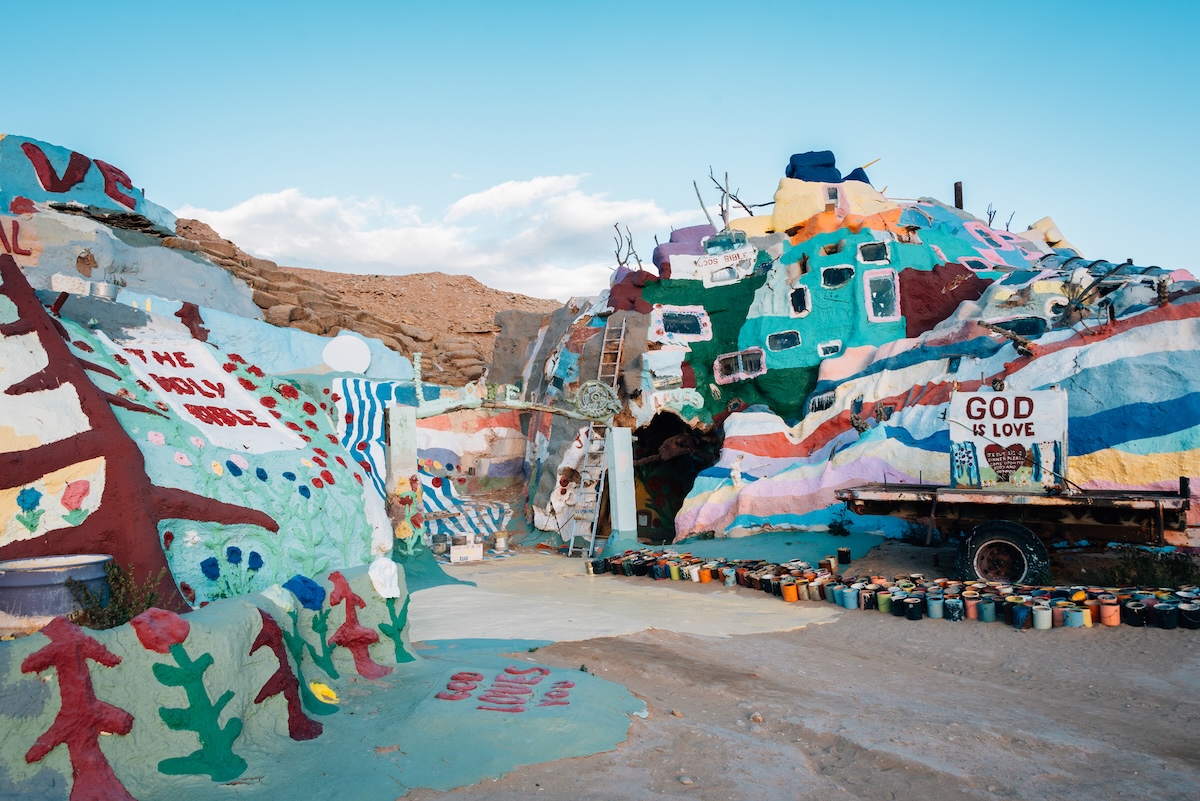
Slab City might be one of the strangest towns in the country, but not for any reasons you would ever expect. It started out as a U.S. Marine Corps base in the Californian desert, which was decommissioned after the end of WW2. The only thing left behind in the desolate landscape were concrete slabs – hence the name Slab City.
Soon after the army left, some people decided to make this arbitrary place their home. They formed an off-the-grid community that operates with no electricity, no running water, no government, and, ultimately, no laws. It’s a haven for those seeking freedom from modern society and a fascinating insight into the concept of a government-less community.
7. Hell, Michigan
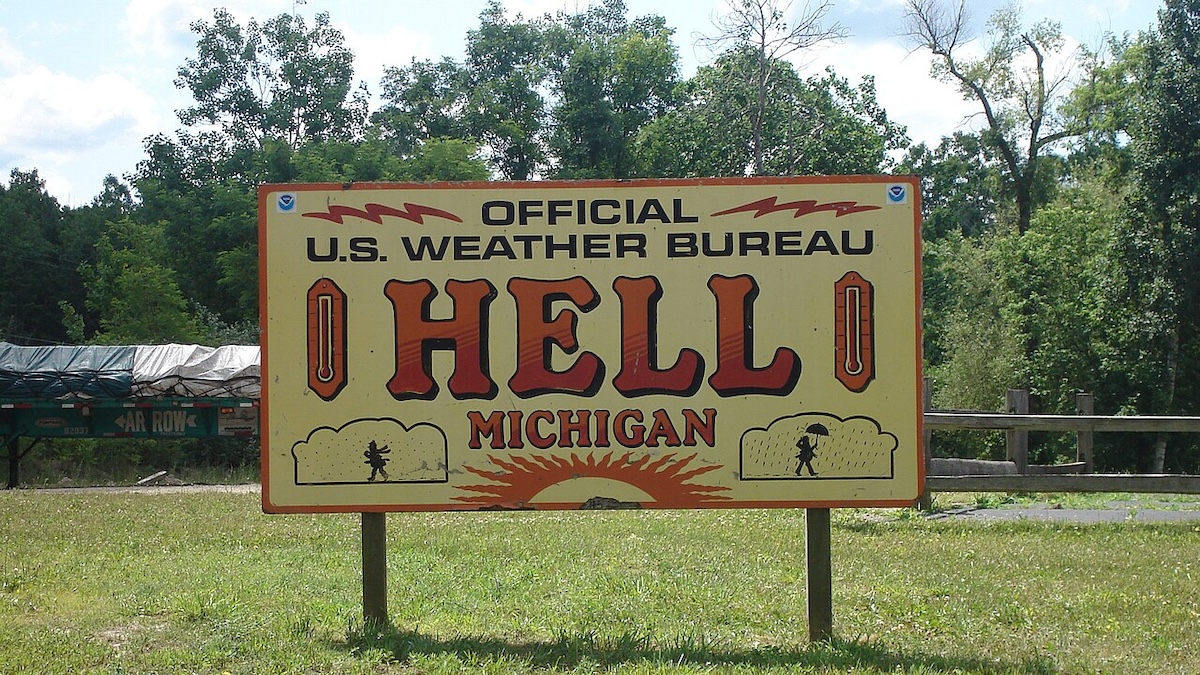
‘Welcome to Hell’ isn’t exactly the traditional welcome sign you expect to see as you drive into a town. Well, Hell, Michigan is just an hour from Detroit and truly embraces its unusual name. Hell offers devilish-themed attractions, including the Hell Hole Bar and the opportunity to become the ‘Mayor of Hell’ for a day.
There are some interesting theories about how the town got its name. One relates to the hellish conditions at the time when the area was first explored. The town doesn’t take itself too seriously, which is one of the best parts. Plus, it’s an especially fun destination during Halloween.
6. Casey, Illinois
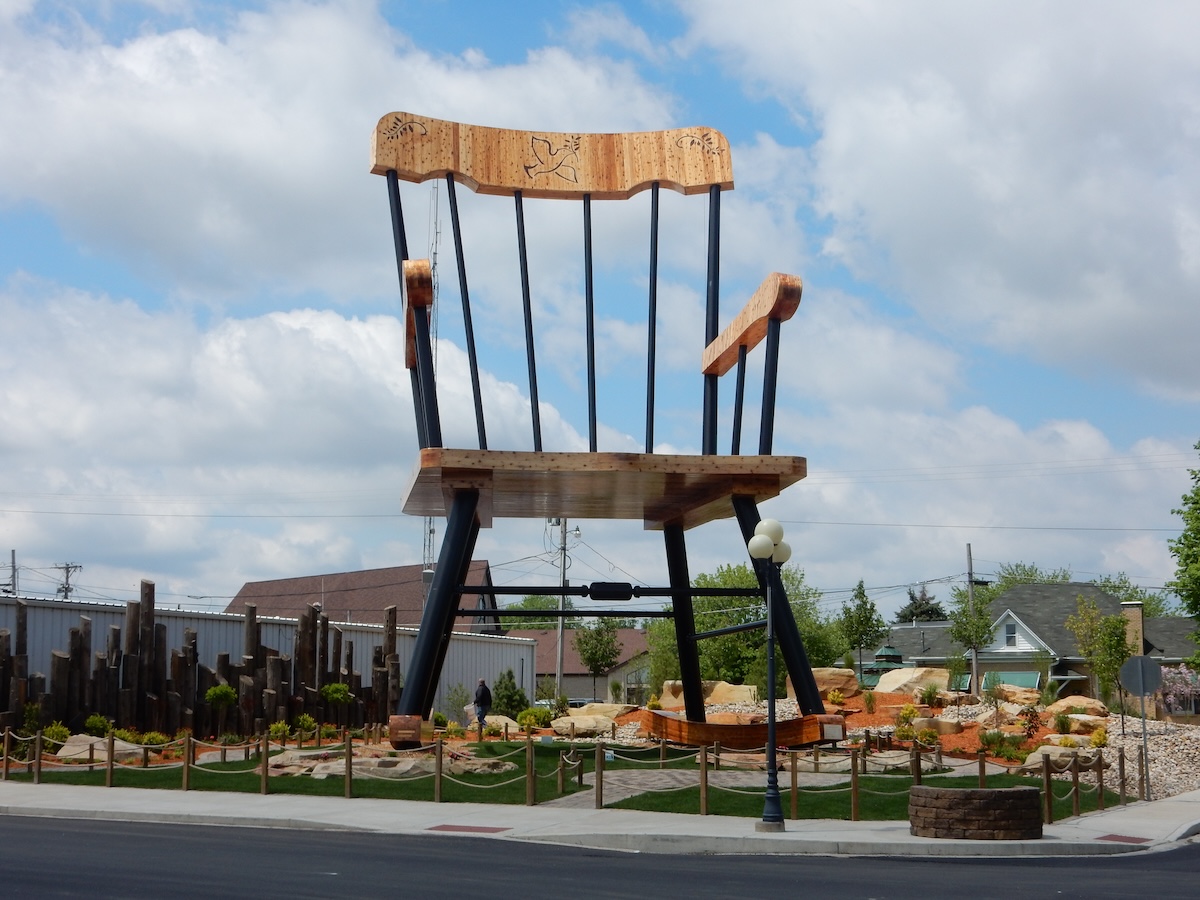
If everything is bigger in America, everything is gigantic in Casey, Illinois. Don’t be fooled; it’s a small town, but it has a big claim to fame. The town is home to a collection of some of the world’s largest items. Things like a giant rocking chair, a mailbox, and a pair of knitting needles throughout the streets.
These oversized attractions were created by a local businessman who wanted to give back to the town by attracting tourists and revitalizing the local economy. Strolling through Casey feels like entering a parallel world where everyday objects are magnified.
5. Christmas, Florida
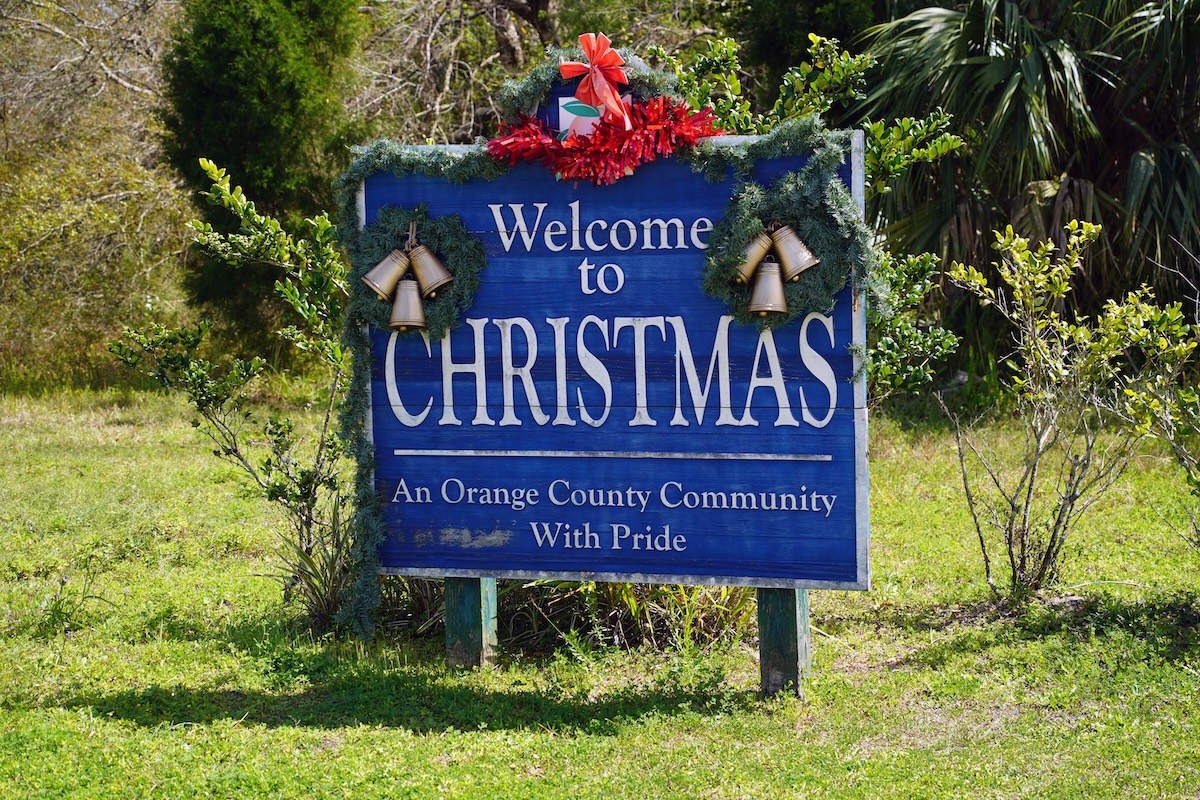
If you’re anything like me, you’ll agree that the festive season comes and goes much too quickly. If year-round Christmas sounds like fun to you, you could find what you’re looking for in Christmas, Florida. Sure, it’s not covered with a dusting of fresh snow, but the town really goes above and beyond to embrace the Christmas theme.
It got its name simply because of the Fort Christmas, which was built on Christmas Day in 1837. Today, the town has holiday-themed street names and a permanent Christmas tree display. A popular thing to do here is to send postcards from the post office that are marked with a postmark from ‘Christmas.’
4. Salton City, California
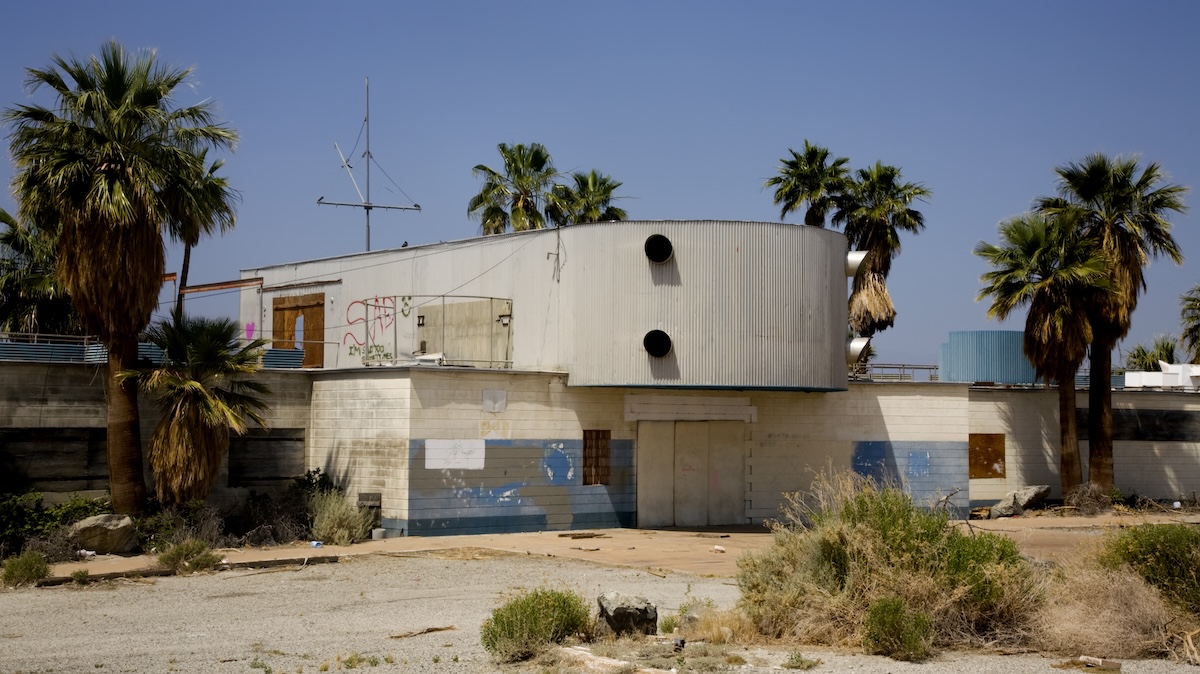
Once a resort paradise, Salton City now looks more like a scene out of a post-apocalyptic movie than anything else. Set on a salty sea in the desert of California, it was originally envisioned as a resort town equivalent to Palm Springs. However, quickly after its development, the salty sea led to environmental challenges, which ended with a mass exodus. It left behind an eerie scene with abandoned structures against an oasis-like backdrop.
But even with its rusted decaying buildings and frozen-in-time aesthetic, the town isn’t technically a ghost town. More than 3,000 people call this small town home.
3. Arcosanti, Arizona
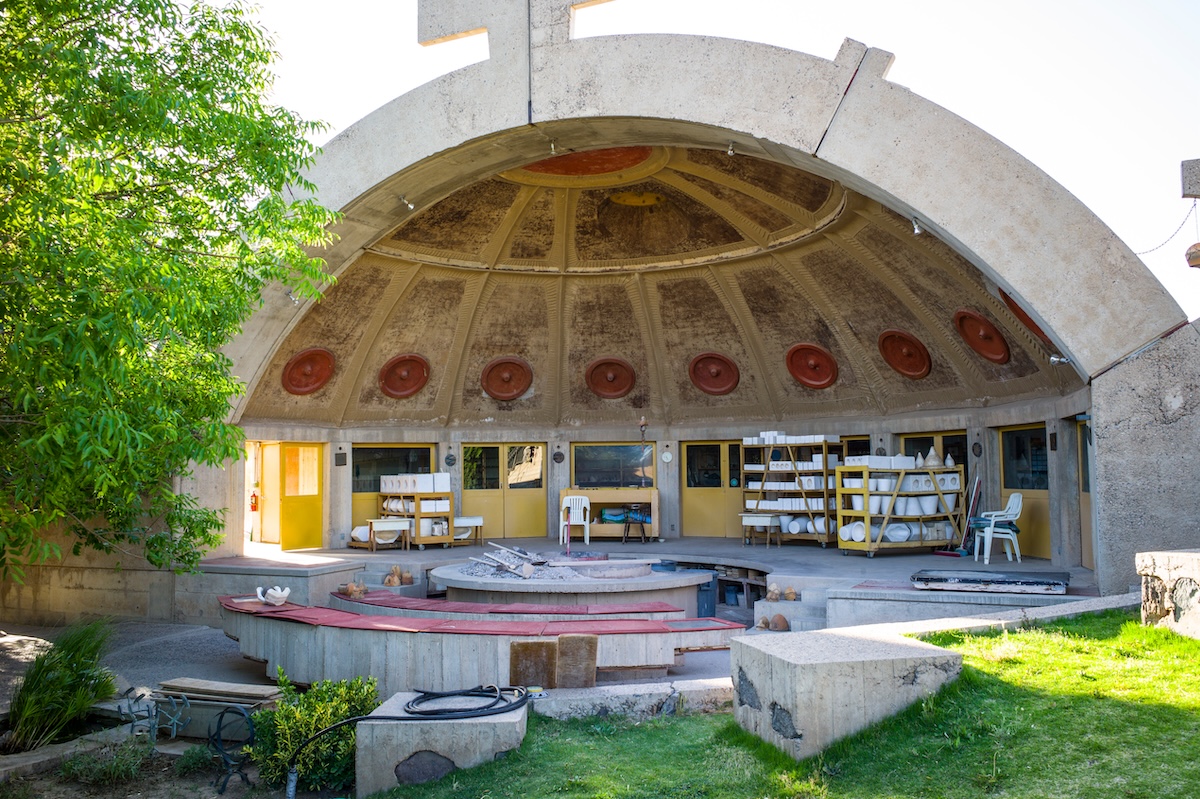
If you thought the idea of Burning Man was progressive, you’re going to want to hear about Arcosanti. It’s a small, experimental community gathered in the desert of Arizona that takes on a futuristic utopian style.
I’m not talking about glass skyscrapers and modern cityscapes, but rather an abstract futuristic vision that looks more like a scene out of Star Wars. It was founded in 1970 as an experimental project to blend architecture with ecology. In this, most of the town’s structures are energy-efficient, and the local community prides itself on sustainable living. It’s an innovative project and philosophy from which we could all learn a thing or two.
2. Centralia, Pennsylvania
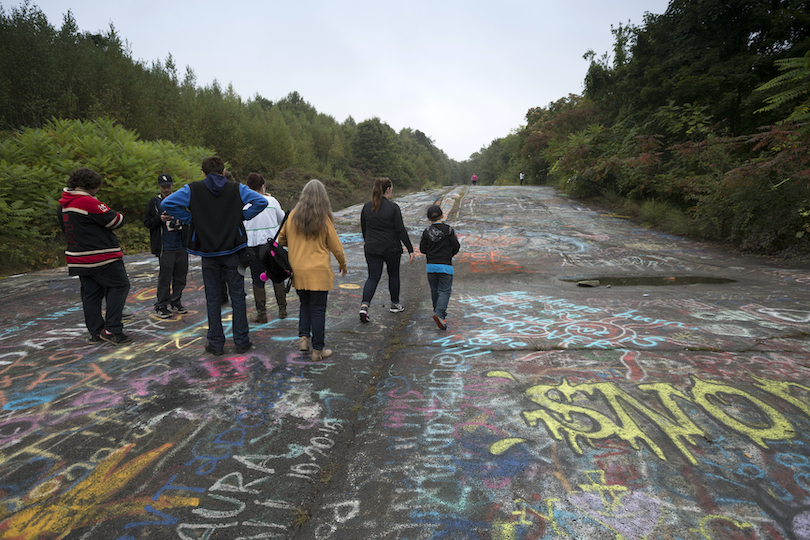
Centralia is one of those places with such an eerie history that you’ll be tempted to go down a rabbit hole on Google to figure out what it’s all about. Simply put, this almost-abandoned town sits on top of an underground coal fire that has been burning since 1962.
When the blaze first erupted, it destroyed a lot of the town and chased most of its residents away. Today, the empty streets, cracked roads, and hot steam rising give the town a genuinely apocalyptic feel.
1. Whittier, Alaska
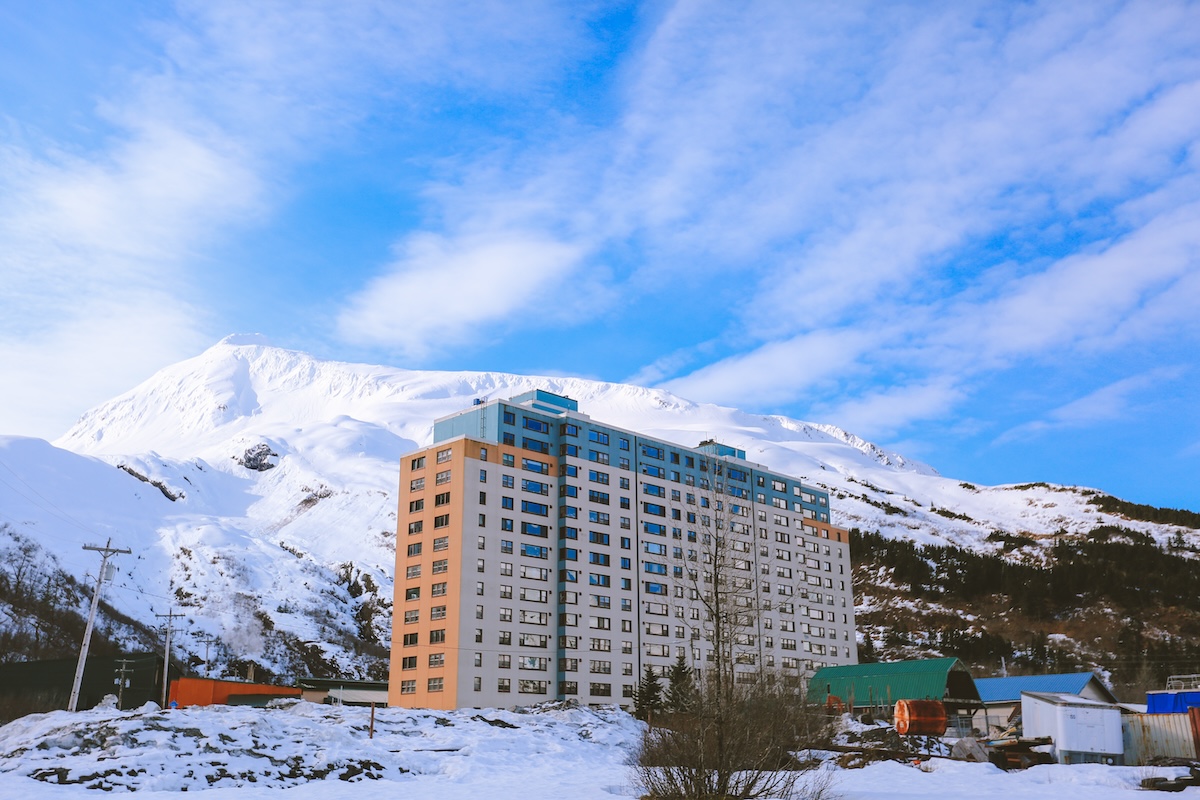
In a small town just 58 miles southeast of Anchorage, most of Whittier’s 300 or so residents live under one roof. The primary residence here is a single 14-story building that not only houses most of the town’s population but also the local post office, police station, and school. You name it, this building has it.
Originally built as an army barracks, the tower is the centerpiece of this little village, holding the tight-knit community close together. While this certainly lets it live up to its ‘strange’ name, Whittier is also an incredible place to view tidewater glaciers and Alaskan sea life.