
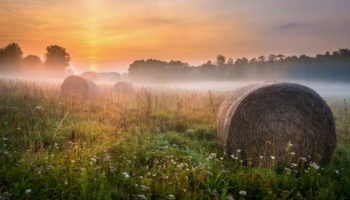
Bordered by the Baltic Sea to the north and a very mountainous region to its south, the Central European country of Poland is home to a very diverse range of landscapes, with large parts of it lying on the North European Plain.
Stories
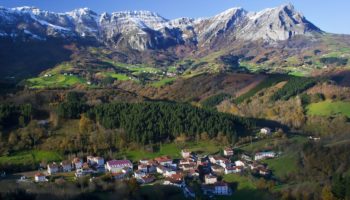
While most of Spain’s vast landmass is located on the Iberian Peninsula in Southern Europe, it also includes the volcanic archipelago of the Canary Islands off the northwest coast of Africa and the beautiful Balearic Islands in the Mediterranean Sea.
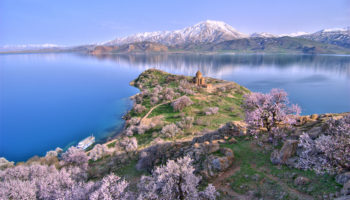
While 97 percent of Turkey’s large landmass lies in Asia, three percent of it is located on the Balkan Peninsula in Southeast Europe, separated from the rest of the country by the Bosphorous, Sea of Marmara, and by the Dardanelles.
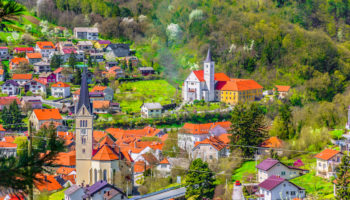
Lying at an important crossroads between Central and Southeast Europe, Croatia is a land of contrasts; hills and mountains populate the northern regions, while its long, narrow Adriatic coastline is home to thousands of amazing islands and islets for you to explore.
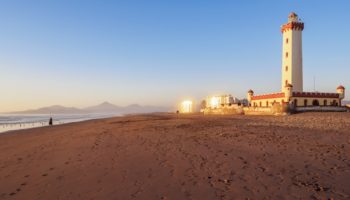
With 6,000 kilometers of Pacific Ocean coastline on one side and the mighty Andes on the other, Chile is one long sliver of a country that encompasses a host of different climates.
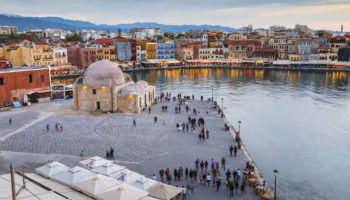
Located in southeast Europe, Greece is made up of a very mountainous and hilly mainland peninsula and thousands of islands.
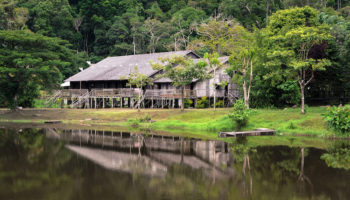
Malaysia is a country of two halves. There’s Peninsular Malaysia in the west, East Malaysia making up Northern Borneo to the east, and a host of islands in between.
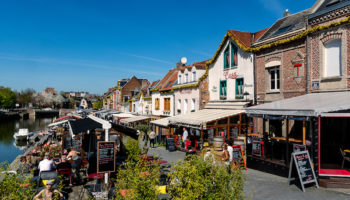
France is home to every type of landscape and habitat imaginable, with it’s many regions boasting lots of lovely countrysides, beautiful river valleys, and some incredible mountain scenery in the shape of the Alps, Massif Central, and the Pyrenees.
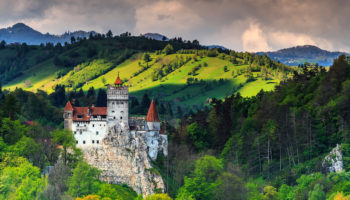
Located in southeastern Europe, Romania is the largest country in the area and is mostly made up of mountains, hills, and wide-open plains, with the Danube River flowing through it en route to the beautiful Black Sea coastline.
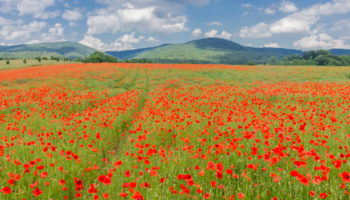
Dominating Central Europe, Germany is the largest and most populous country in the region.