
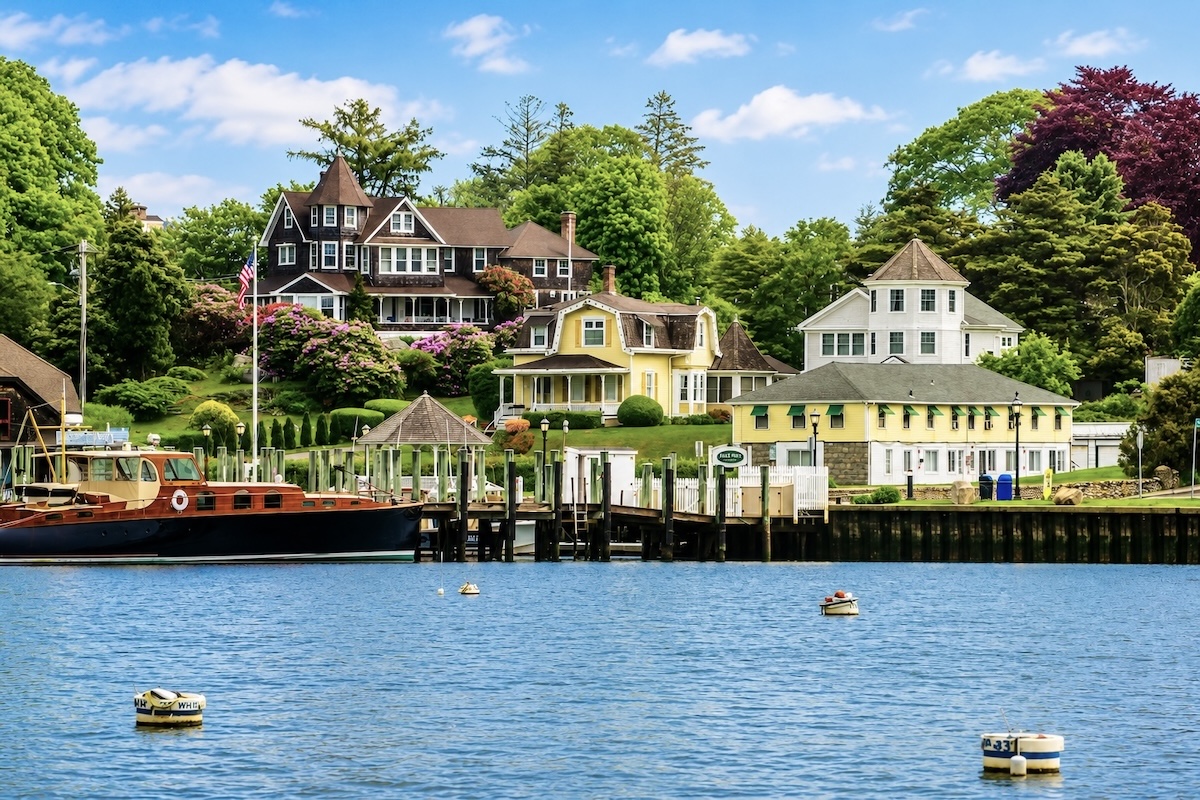
If you’ve been searching the East Coast for a beach spot that feels polished but actually quiet, this little corner of Westerly is worth a closer look. Watch Hill sits right at the edge of Rhode Island’s southwestern coast, a village with about 200 year-round residents, water on almost every side.
The appeal is pretty simple. There’s a two-mile stretch of Atlantic beach, a harbor dotted with sailboats, a walkable village with a handful of restaurants and shops, and not much noise. No boardwalk amusements, no late-night bar scene, no crowds spilling all over the sand. Instead, you get calm. The biggest decision on a lazy afternoon might be whether to walk out to the point or just sit on the bluff and watch the light shift over Block Island Sound.
It’s about three hours from New York City and less than two from Boston, so you can get here for a weekend without too much hassle. Summer visitors have been coming for more than a century, but it’s still not as busy as Newport, the Hamptons, or Nantucket. That low profile? It’s a huge part of the charm.
Where Watch Hill Sits And Why It Feels Different
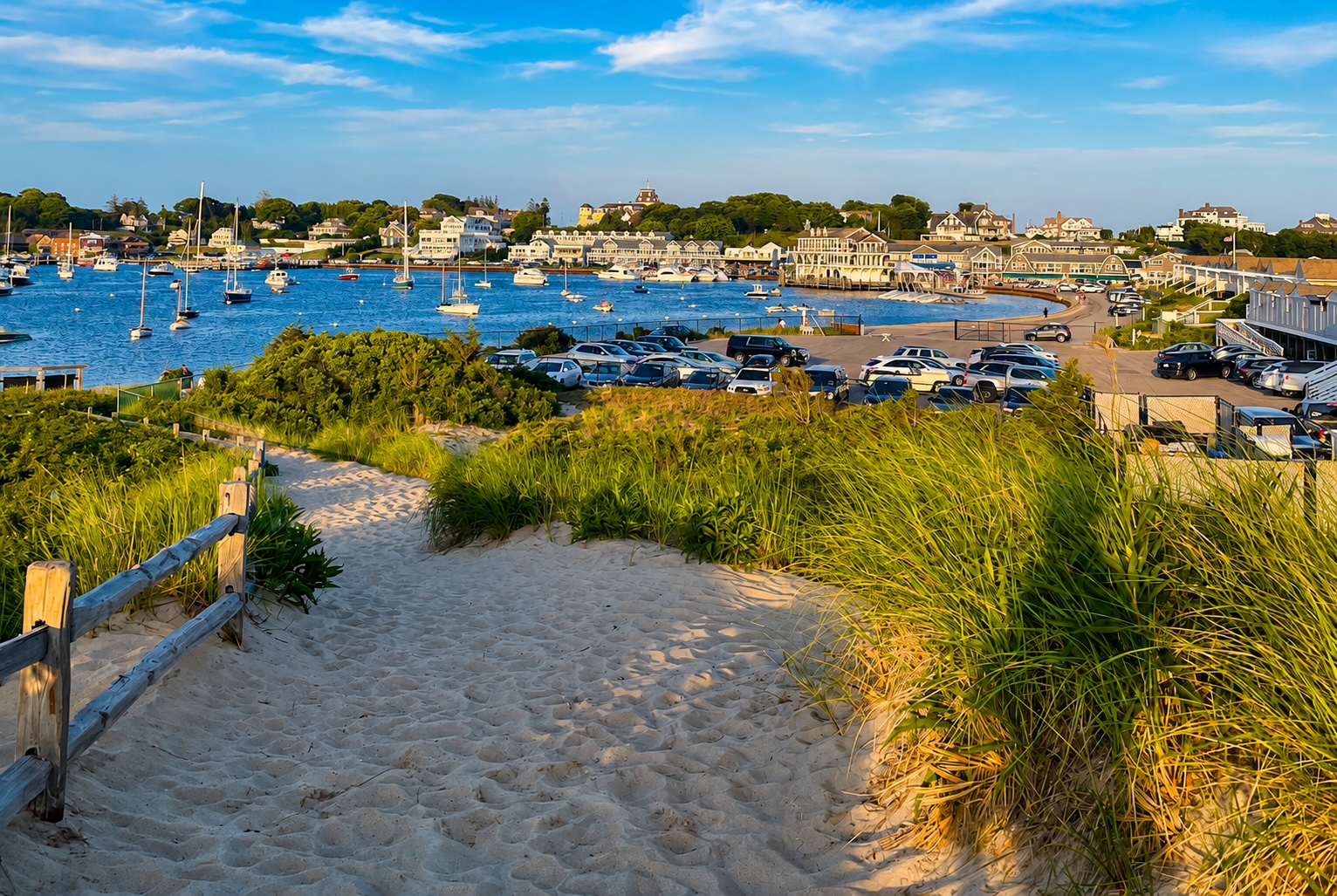
Watch Hill claims a narrow peninsula at the bottom of Rhode Island, technically just a neighborhood in Westerly. The village perches on a high bit of land where the Pawcatuck River meets the Atlantic, with water in almost every direction. Connecticut’s just over the state line to the west, and Block Island Sound opens wide to the south.
The geography really shapes things here. You don’t drive through a sprawling beach town full of strip malls and traffic jams. You arrive at a dead end—the road just stops, and then it’s all ocean. The village center is only a few blocks, lined with shingled buildings, seasonal boutiques, and a small handful of restaurants. The old Flying Horse Carousel sits near the harbor. Ocean House, a Forbes Five-Star resort, stands on the bluffs above the beach.
Watch Hill stands apart from busier shore towns because of its scale and its mood. The village has maybe six dining spots, not sixty. Here, the tides set the pace. There aren’t loud beach bars or crowded boardwalks. Instead, maybe you grab a morning coffee near the harbor, stretch out on quiet sand, and end the day with dinner overlooking the water. Folks who get worn out by the buzz in places like Montauk or Narragansett often end up here and, honestly, they stick around longer than they expected. The quiet—it’s everything.
Beaches, Bluffs, And Ocean Views
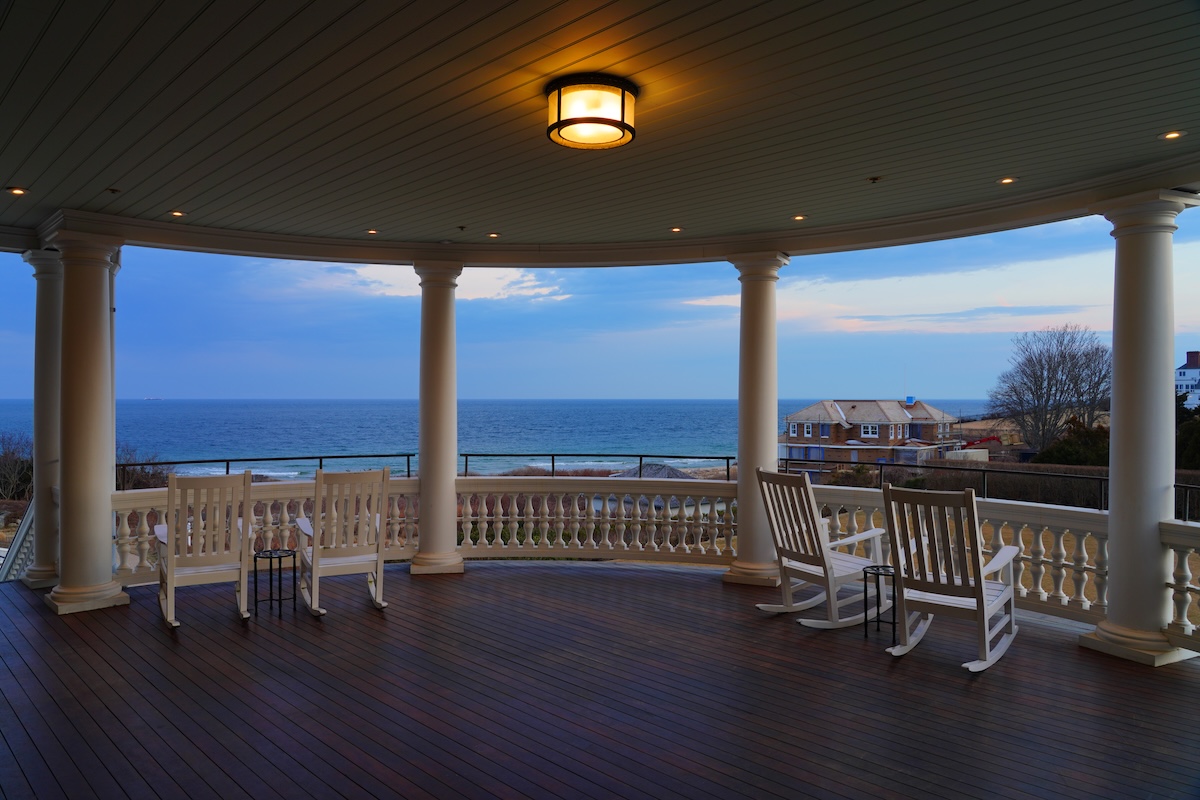
East Beach stretches about two miles from the Watch Hill Lighthouse past Ocean House. The sand’s fine and pale, the water’s clean, and even in July, you won’t find it packed. Public access sits at the top of Bluff Avenue. If you set up near the lighthouse, you’ll find a more sheltered spot. Or maybe you’ll wander east toward the dunes, where the beach almost empties out and you can just breathe.
Napatree Point really stands out for walking. This mile-and-a-half barrier spit curls out from the village into Little Narragansett Bay and stays protected as a conservation area. You’ll follow a sandy path with the ocean on one side, bay on the other. Shorebirds nest along the edges in summer—sometimes you’ll spot them darting around. At the far end, you’ll stumble across the remains of Fort Mansfield, half-buried in sand, left over from the Spanish-American War era. The walk takes maybe an hour if you’re not in a hurry, and honestly, it feels surprisingly remote for somewhere so close to the village.
Back near the harbor, everything shifts. Sailboats and little boats crowd the yacht basin through the warm months, and sunset light turns the water a sort of dull gold. If you walk along Bay Street, you’ll get a clear view across the moorings. From the bluffs near Ocean House, you might catch Block Island on a clear day. These aren’t dramatic cliffs or sweeping vistas—no, it’s quieter than that. The views reward you if you slow down and actually pay attention.