
Retirement shouldn’t mean moving to a giant planned community in Florida where everyone drives golf carts and complains about the HOA. America has plenty of small towns that offer character, culture, and communities where people actually want to live rather than just wait around. These places have walkable downtowns, good food, healthcare that won’t require helicopter evacuation, and enough going on that you won’t die of boredom within six months.
The best retirement towns balance affordability with amenities, natural beauty with accessibility, and quiet living with enough cultural life to keep things interesting. These small towns are where retirement might actually be enjoyable instead of just a prolonged waiting room experience.
18. Abingdon, Virginia
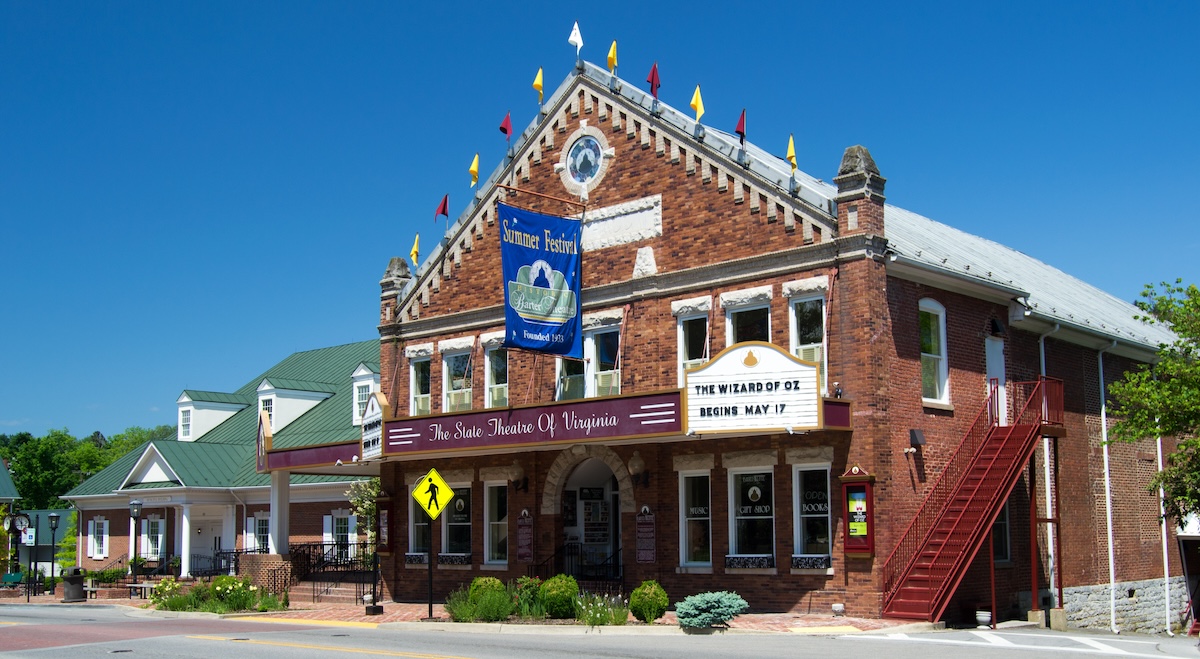
Abingdon sits tucked in the mountains of Southwest Virginia and has fewer than 9,000 residents. Historic brick buildings line Main Street, mixed with local shops and cafes that give the place its charm. Living here won’t empty your retirement savings. Your money just goes further than it would in a big city, and that matters when you’re on a fixed income.
The Virginia Creeper Trail draws bikers and hikers all year. You can catch a show at the Barter Theatre or wander through art galleries if you’re in the mood for something cultural. The town hosts festivals that really bring people together. Healthcare options are pretty solid for a small town. You get that slower pace without losing access to what you need. The mountain setting is gorgeous, and the town covers your daily essentials.
17. Glenwood Springs, Colorado
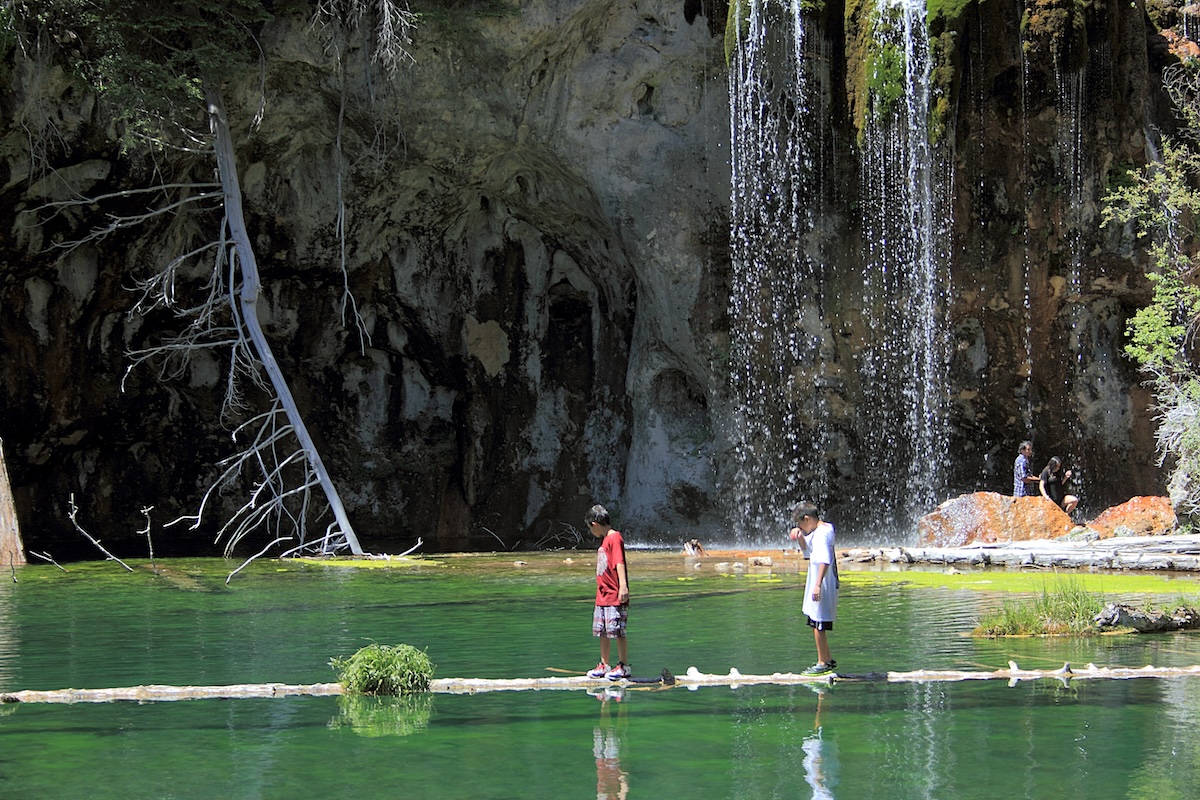
Glenwood Springs sits at the meeting of two rivers in the Colorado mountains, and outdoor activities are basically at your doorstep—fishing, hiking, kayaking, you name it. The town’s famous for its natural hot mineral springs, a perfect spot to unwind after a long day. The downtown area has shops and restaurants, and it definitely feels like a small town. You don’t have to go far for groceries or errands. There’s a public bus system called Ride Glenwood if you’d rather not drive everywhere.
Colorado Mountain College has a campus nearby, and the Lucy Huntley Senior Center keeps older adults connected with social and educational programs. Medical facilities are within reasonable driving distance, so healthcare isn’t a big worry. You’ll get four seasons and plenty of sunshine. Whether you’re into winter sports or summer hikes, there’s always something to do. Housing costs are lower than in pricey resort towns like Aspen, which is a relief.
16. Lincoln City, Oregon
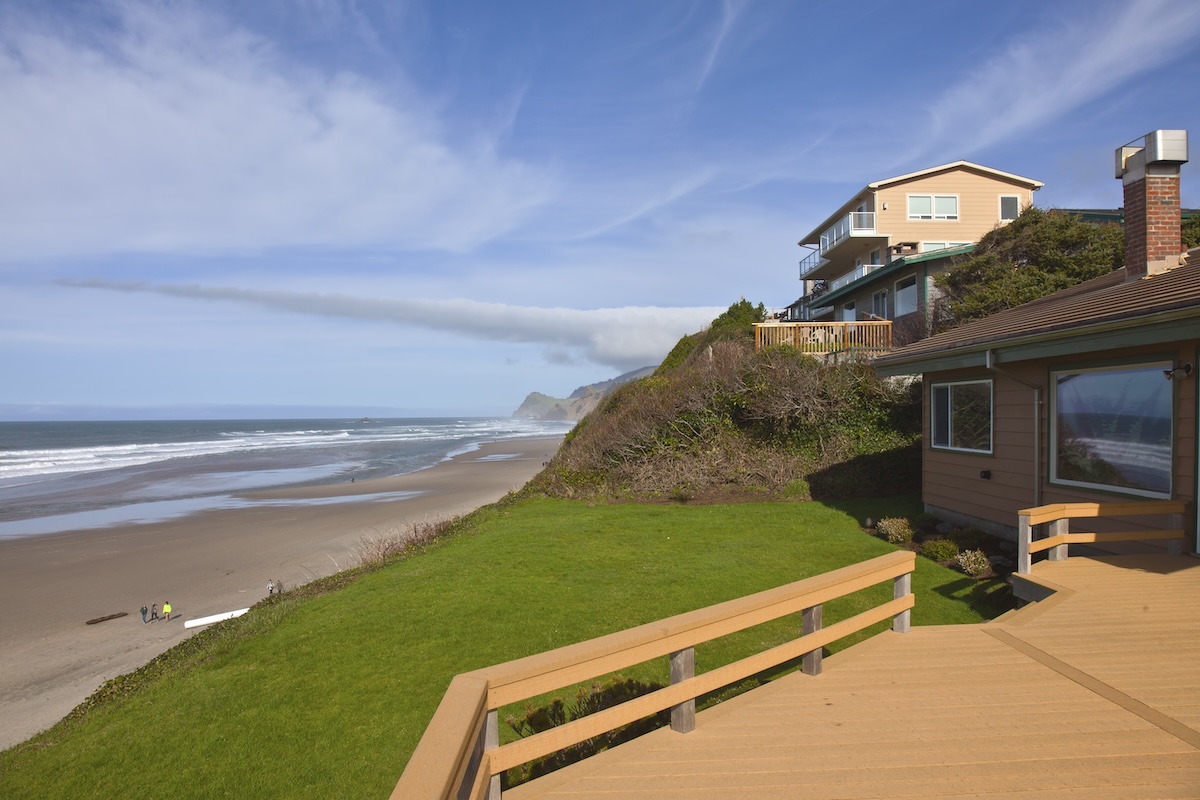
Lincoln City stretches along Oregon’s central coast, squeezed between the Pacific Ocean and the Coast Range. There are seven miles of sandy beaches just waiting for you. The town itself came together in 1965 when five smaller communities merged—kind of a fun fact.
With a population around 10,000, it’s not too big, not too small. Spend your days walking the beach or fishing at Devil’s Lake. If you’re feeling adventurous, hiking trails snake through the hills nearby. Downtown has local shops and restaurants, but you won’t run into the crowds you’d see in bigger cities. The weather’s mild most of the year, but yeah, you’ll want a rain jacket come winter.
Housing is more affordable than in many other Oregon beach towns. And if you need a city fix, Portland’s only two hours away. The laid-back pace makes it easy to settle in and just enjoy your retirement.
15. Traverse City, Michigan
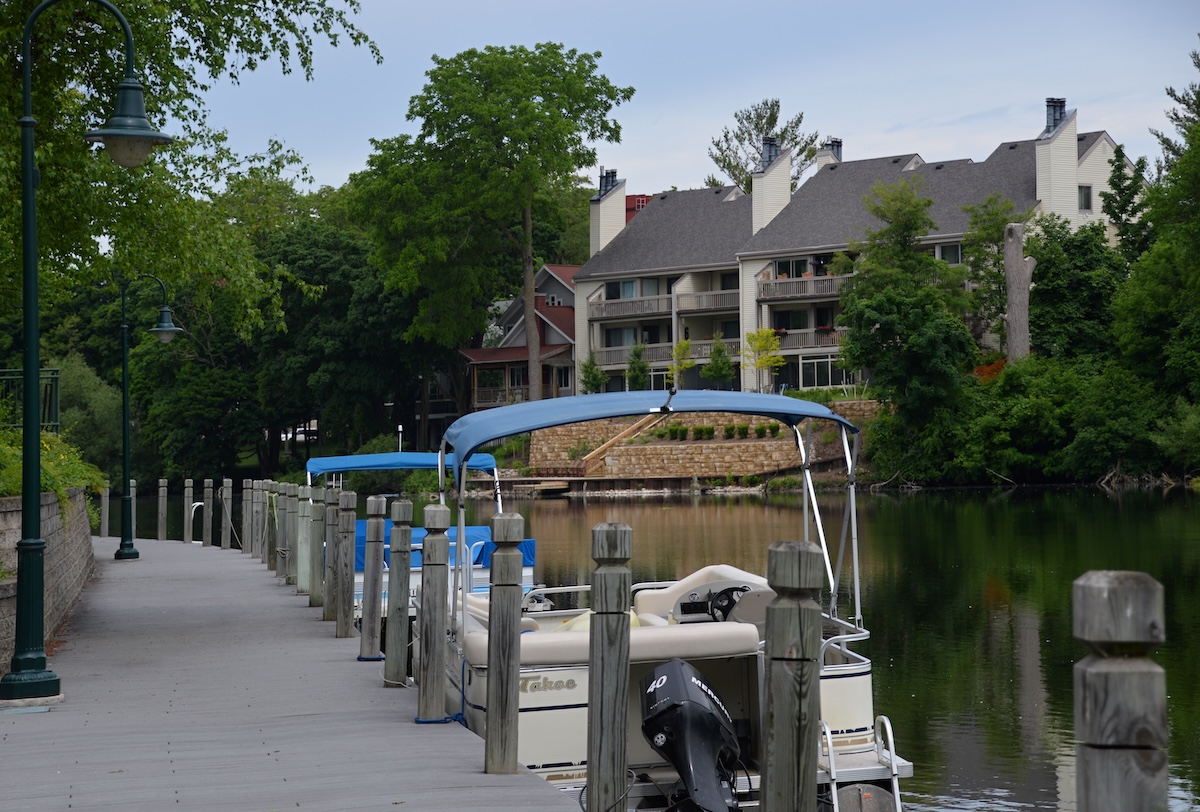
Traverse City sits at the base of Grand Traverse Bay up in northern Michigan. Lake Michigan beaches are practically in your backyard, and the air feels fresher somehow. Downtown has local shops and restaurants, and you rarely have to drive far for what you need. People here tend to be friendly and actually say hello.
Housing prices stay pretty reasonable for a waterfront city. In 2022, Realtor.com even called it the best and most affordable place to retire in America. You can explore trails and parks, or get out on the water year-round. The community vibe is strong, so it’s not hard to meet neighbors or make a friend or two.
The city has about 16,000 residents, with a bigger population in the surrounding area. It’s cozy, but you’ll still find decent healthcare and services.
14. Vero Beach, Florida
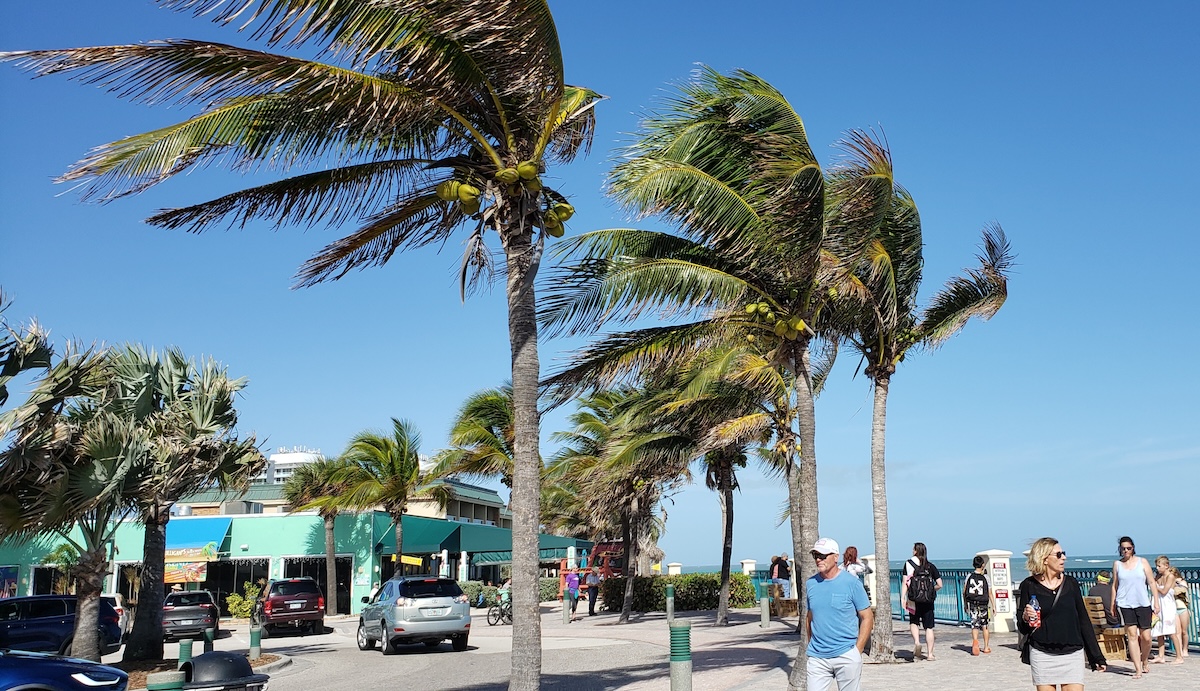
Vero Beach sits on Florida’s Atlantic coast, offering clean beaches without the crowds you’d find in bigger cities. The town feels laid-back, with art museums, theaters, and neighbors who’ll actually wave hello. Winters are mild and there’s plenty of sunshine—no surprise there.
Your retirement dollars stretch a bit further here. The cost of living runs about 5% below the national average, so you’ve got more money for the fun stuff. No state income tax, either—Florida’s perk, not a bad deal.
You get beach access, golf, and nature activities, but without the sky-high prices of other coastal towns. Vero Beach has plenty of active adult communities and housing options for different budgets. It’s got small-town charm, but enough going on to keep things interesting.
13. Ridgefield, Connecticut
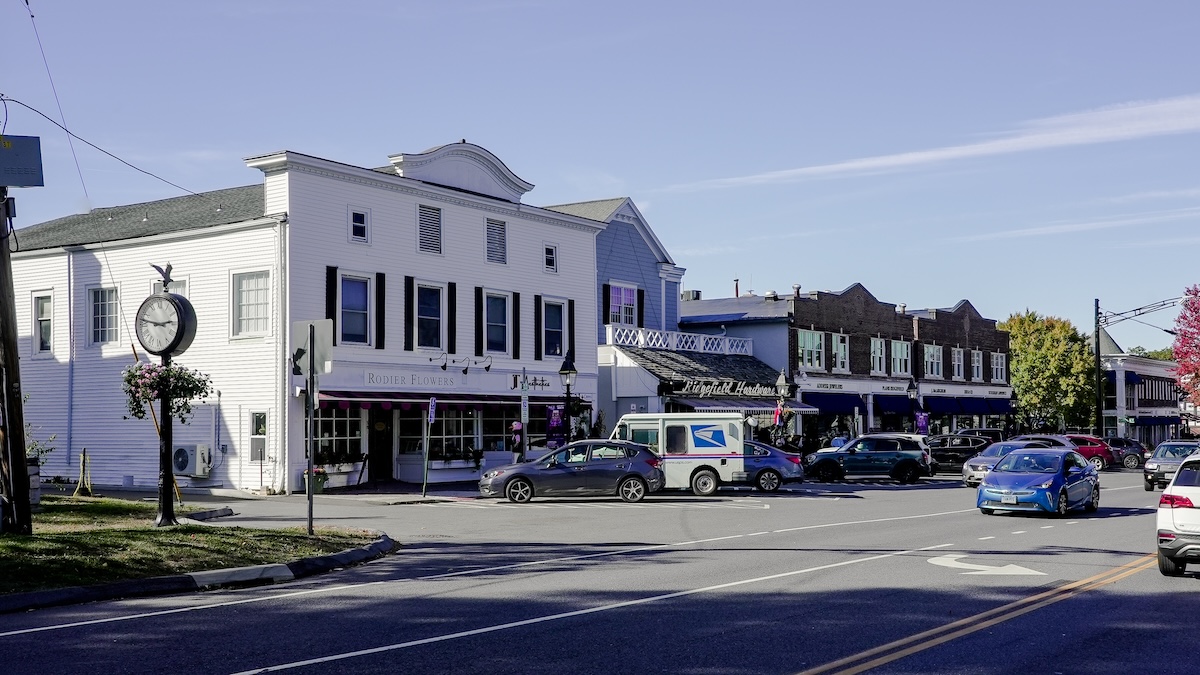
Ridgefield sits at the foot of the Berkshire Mountains and really delivers on that classic small-town feeling. It’s peaceful, calm, and easy to unwind here after decades of working. Safety stands out—crime rates are low, so you can walk around or leave for trips without much worry. You’re not cut off from the world, either, since the town connects easily to bigger cities if you need them.
The center of town has a charming main street with local shops and restaurants. There’s always something to do, from community events to outdoor activities in the area. Retirees find a warm welcome, and it’s pretty easy to feel like you belong.
12. Fredericksburg, Texas
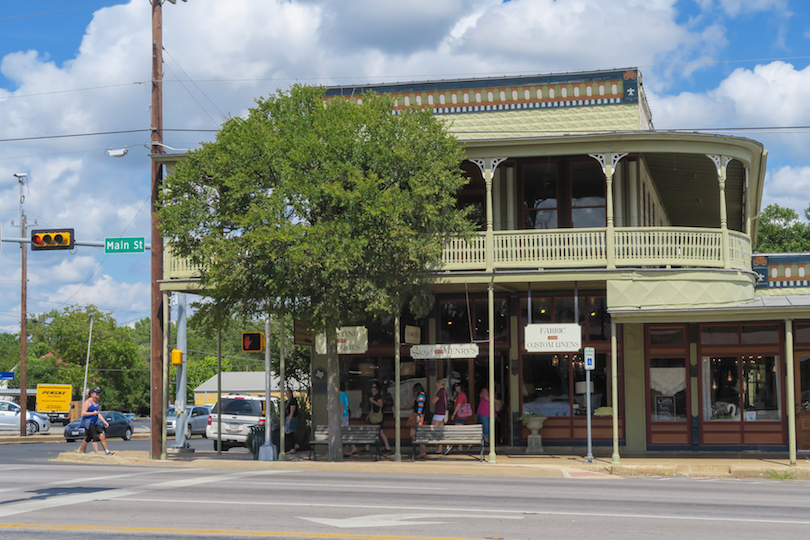
Fredericksburg sits in Texas Hill Country, about 70 miles west of Austin. This little town mixes German heritage with modern retirement living. Housing is more affordable here than in bigger cities. The pace is relaxed—exactly what a lot of retirees want.
There are wineries, local shops, and historic sites to check out. You can visit the LBJ Ranch or stroll through a downtown full of boutiques and restaurants. Southern Living magazine called Fredericksburg one of the most affordable places to retire in the South. The community stays active with events all year long. You get those Hill Country views without the coastal price tag.
The town manages to keep its small-town vibe while offering the activities and amenities you actually need for a comfortable retirement.
11. Coos Bay, Oregon
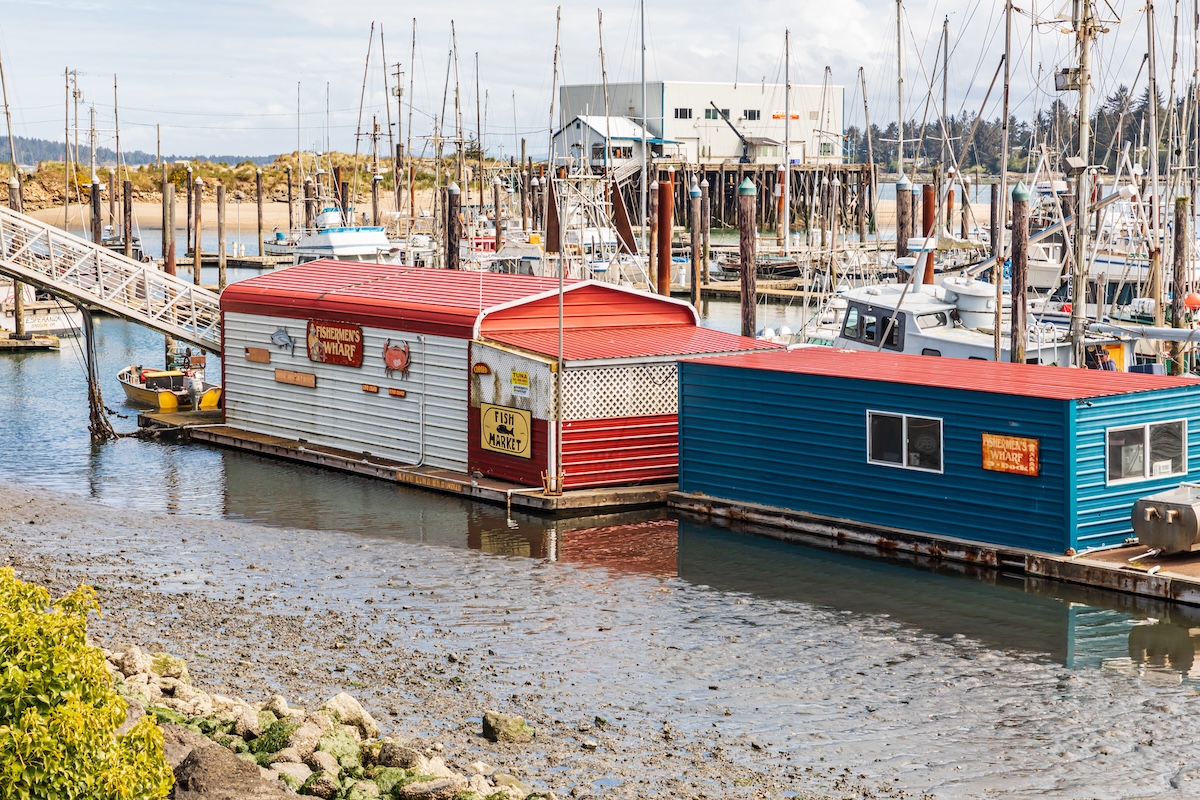
Coos Bay sits on Oregon’s southern coast, right where the Pacific Ocean rolls in. This small town mixes natural beauty with a practical, easygoing vibe that feels just right for retirement—at least, if you ask me.
The median home price usually falls between $285,000 and $333,000, which feels surprisingly reasonable compared to most coastal spots. Since it’s Oregon’s biggest coastal town, you get more housing choices and don’t have to deal with those sky-high prices you see in tinier beach communities.
Imagine your days filled with fresh seafood, salty breezes, and a real small-town atmosphere. Here, you get city services and amenities but still hang on to that laid-back coastal lifestyle. Healthcare and entertainment are within reach, minus the big-city crowds or the wallet-busting costs.
10. Neptune Beach, Florida
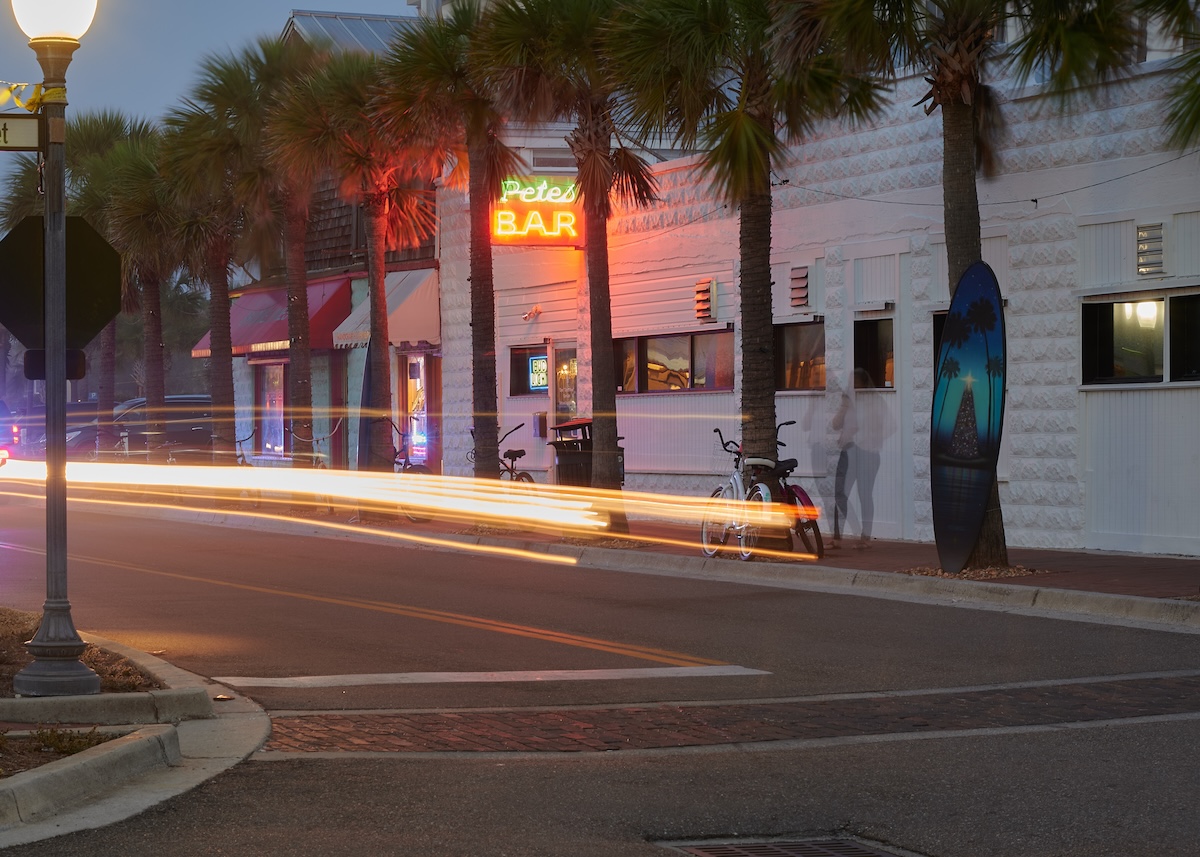
Jacksonville’s beach communities offer ocean living without the circus atmosphere of South Florida or the hurricane target that is the Keys. Neptune Beach sits between the Atlantic and the Intracoastal Waterway, giving you water views in multiple directions and a laid-back vibe that feels more North Carolina than Miami.
Atlantic Boulevard runs through the heart of town with local restaurants and shops that survive on community support instead of tourist dollars. The beaches never get as crowded as those further south, and the water stays warm enough for swimming most of the year if you’re not too picky about optimal temperatures. Jacksonville’s larger city amenities sit just 20 minutes away when you need serious medical care or airport access.
9. Portsmouth, New Hampshire
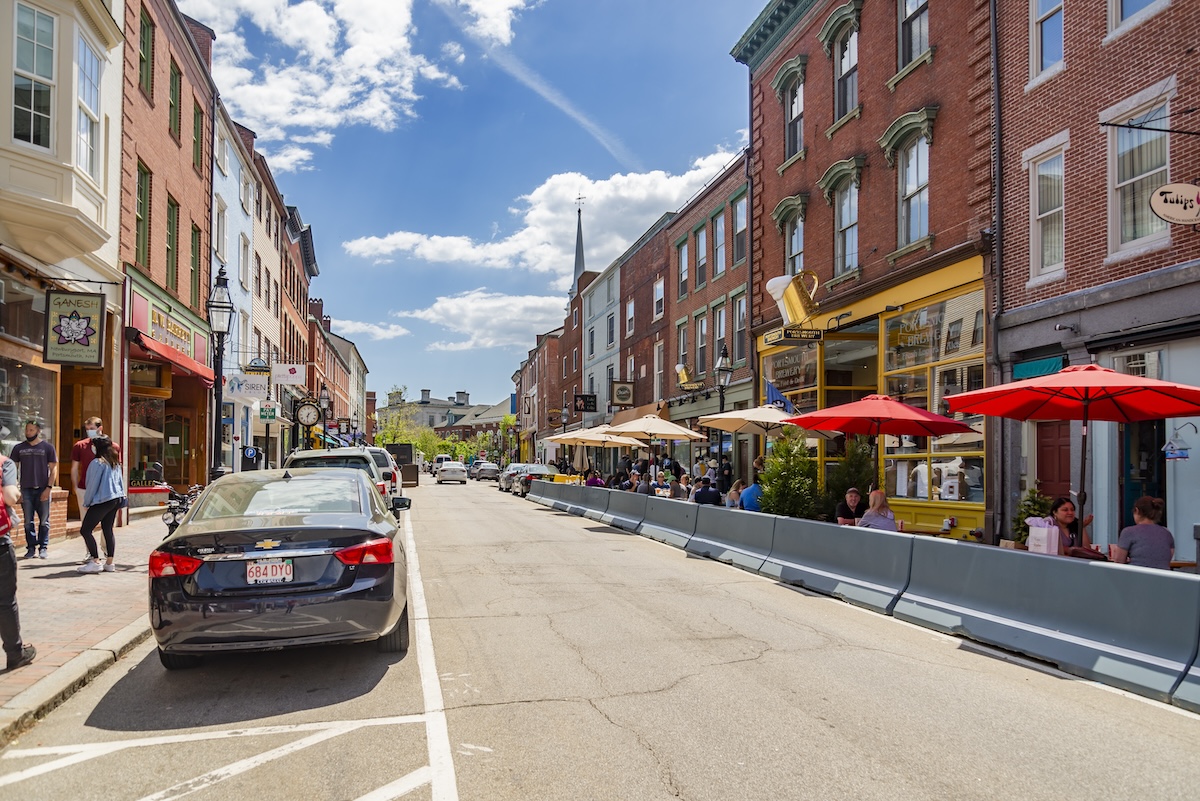
New England charm without Boston prices makes Portsmouth one of the region’s best-kept secrets for retirement. The historic seaport’s downtown charms you with brick buildings, independent bookstores, excellent restaurants, and a theater scene that rivals cities ten times its size. You can walk everywhere that matters, which becomes increasingly valuable when driving at night loses its appeal or winter ice makes it quite hazardous.
Portsmouth has more restaurants per capita than San Francisco, and the Piscataqua River provides waterfront walking paths with sunset views. New Hampshire winters are real and long, but the lack of state income tax helps offset heating bills, and the four seasons remind you that you’re still alive.
8. Silver City, New Mexico
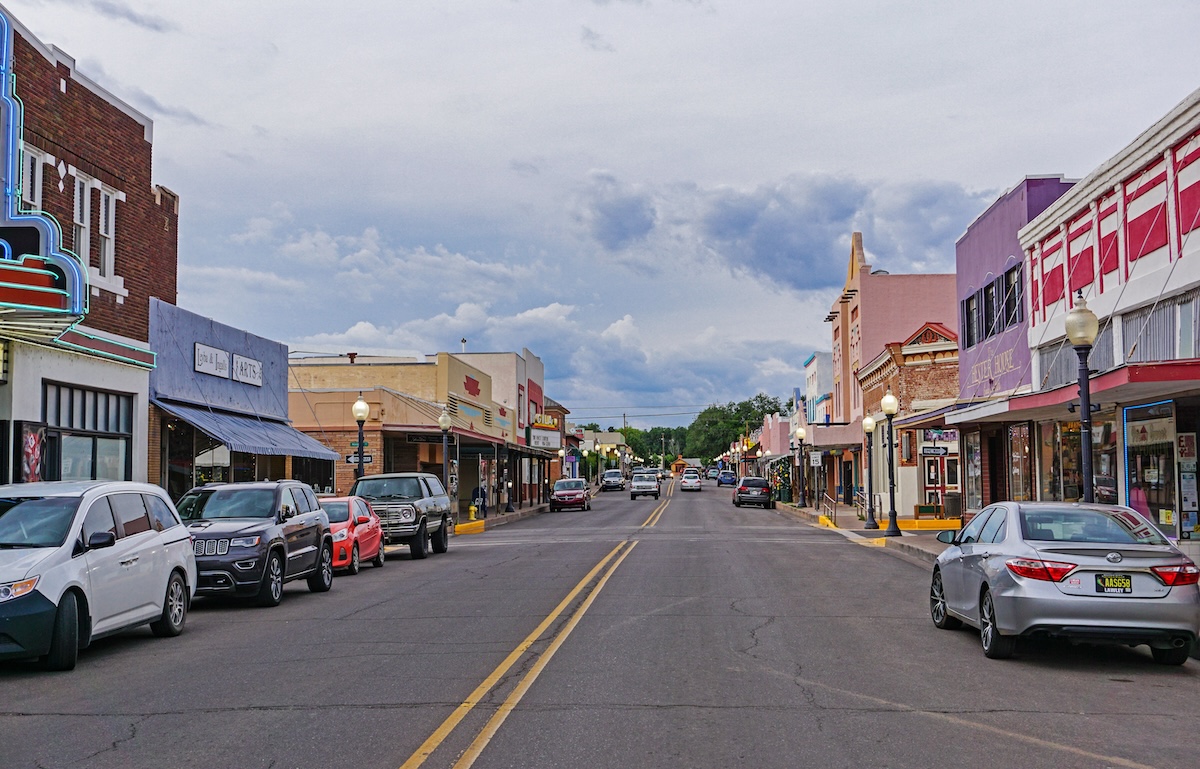
Old West mining town turned arts community in the high desert promises retirement for people who find traditional retirement towns soul-crushingly boring. Silver City sits at 6,000 feet elevation in the foothills of the Gila Wilderness, meaning cooler temperatures than Phoenix and endless hiking literally out your back door.
Western New Mexico University brings culture and continuing education opportunities, while the arts scene attracts creative types who appreciate cheap real estate and light that looks like every Western movie you’ve ever seen. Healthcare is adequate for routine stuff, though serious medical issues require trips to Tucson or Albuquerque, which is the trade-off for living somewhere this uncrowded and beautiful.
7. Coolidge, Arizona
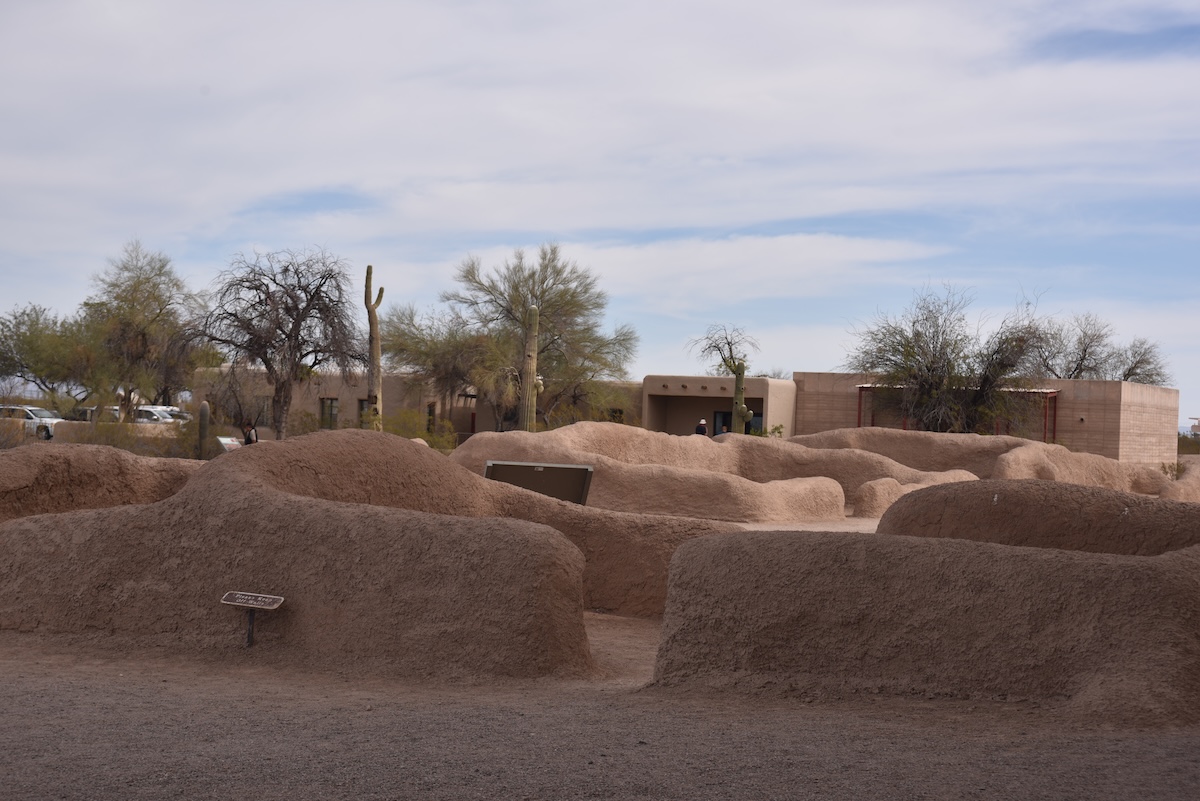
If you want affordable desert retirement without the crowds and costs of Tucson or Phoenix, Coolidge delivers sunshine and low housing prices in exchange for being a bit off the beaten path. The town sits about an hour southeast of Phoenix, close enough for airport access but far enough to avoid urban sprawl and traffic.
Summer heat is brutal, but that’s true anywhere in Arizona, and having enough money left over from housing costs to run the air conditioning makes it manageable. The town isn’t fancy or particularly cultured, but it brings honest desert living with access to everything Phoenicians pay premium prices for. Golf courses abound if that’s your thing, and the slower pace means less stress about keeping up with activities and schedules.
6. Bainbridge Island, Washington
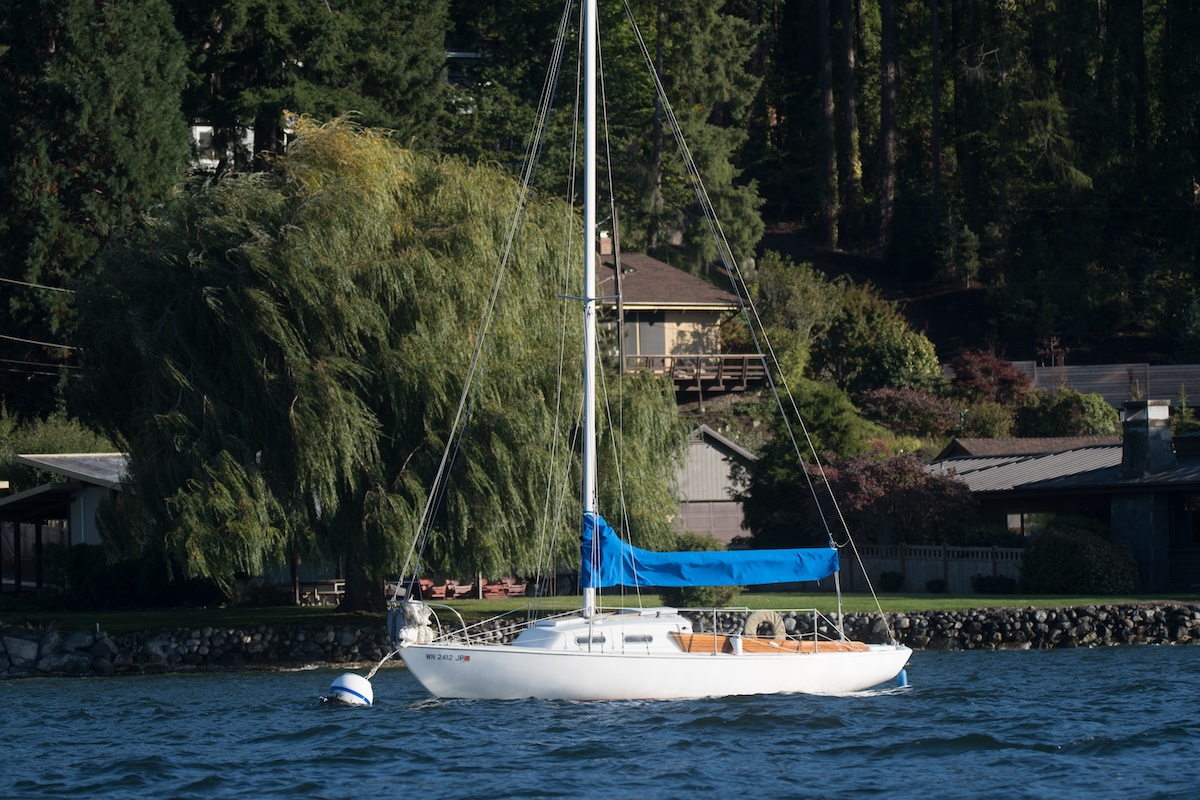
A 35-minute ferry ride from Seattle gives you access to a world-class city while living on a beautiful island where life moves at a decidedly slower pace. Bainbridge combines Pacific Northwest natural beauty with an arts-focused community that takes its local businesses and cultural activities seriously.
Housing costs are high by national standards but reasonable compared to Seattle proper. You’ll need to make peace with gray skies from November through May, but the summers are glorious, and the lack of extreme heat or humidity means comfortable outdoor living most of the year.
5. Morgantown, West Virginia
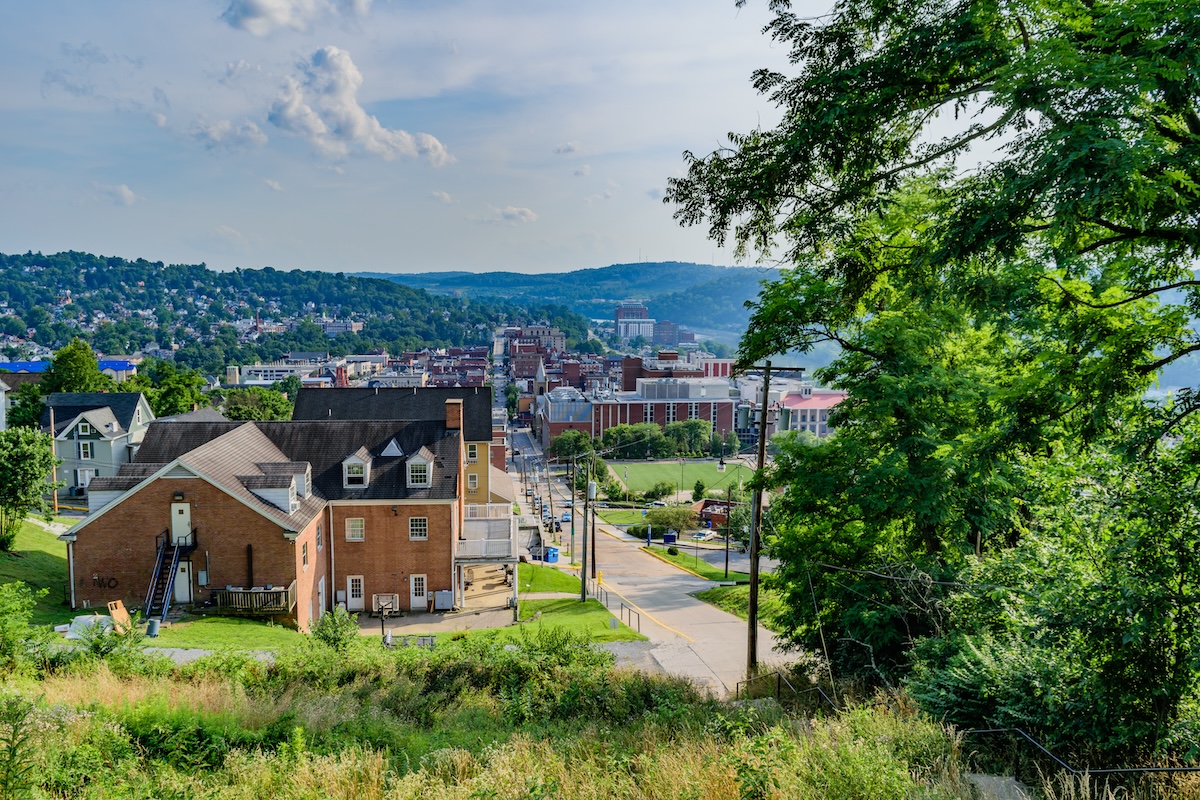
A college town in the Appalachian Mountains surprises with sophisticated retirement living at prices that seem fictional compared to coastal areas. West Virginia University brings culture, continuing education, and college sports to a town surrounded by green hills and the Monongahela River.
Housing costs remain shockingly low, meaning retirement savings go much further here than in traditional retirement destinations. The medical center also provides quality healthcare unusual for a town this size. Morgantown exists as a progressive island with good amenities and natural beauty, posing retirement for people who don’t need ocean views or constant sunshine to be happy.
4. St. Augustine, Florida

America’s oldest city has been attracting settlers since 1565, so they’ve had plenty of practice making it livable. The historic downtown shines with Spanish colonial architecture, cobblestone streets, and enough historical sites to keep you busy for years. The town balances tourist traffic with buzzing local life, unlike some Florida beach communities that exist purely for vacation rentals.
St. Augustine gives you Florida retirement with real character and history instead of just strip malls and chain restaurants. The cost of living stays reasonable by Florida standards, and hurricane risk is real but lower than in communities further south. This town has a real identity, making you feel like you are a part of something special.
3. Eureka Springs, Arkansas
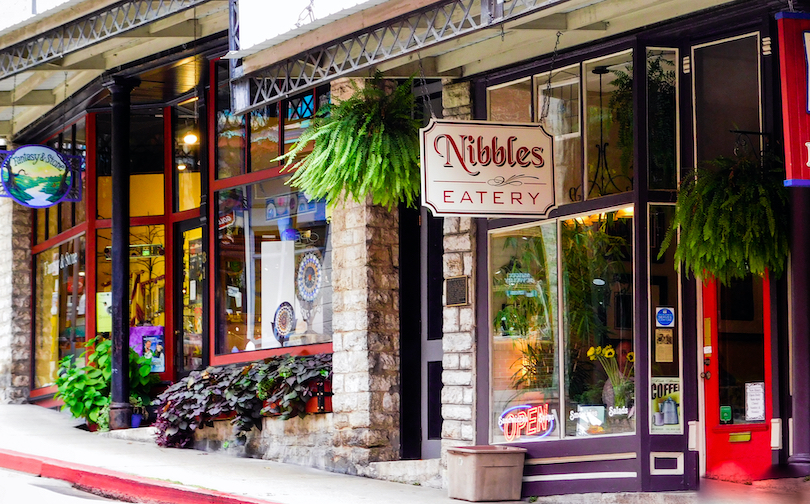
Built into the Ozark Mountains, this Victorian village has streets too steep for straight roads and buildings that defy gravity, clinging to hillsides. The entire downtown is listed on the National Register of Historic Places, featuring preserved 19th-century architecture now housing galleries, shops, and restaurants.
Natural springs throughout the area originally drew people seeking healing waters, and the town still maintains that slightly mystical, health-focused vibe. The town has also long attracted artists, musicians, and people who appreciate charm over convenience. Beaver Lake gives you a spot for fishing just minutes away, and the town works for retirees who want natural beauty and artistic flair without conforming to traditional retirement community expectations.
2. Dauphin Island, Alabama
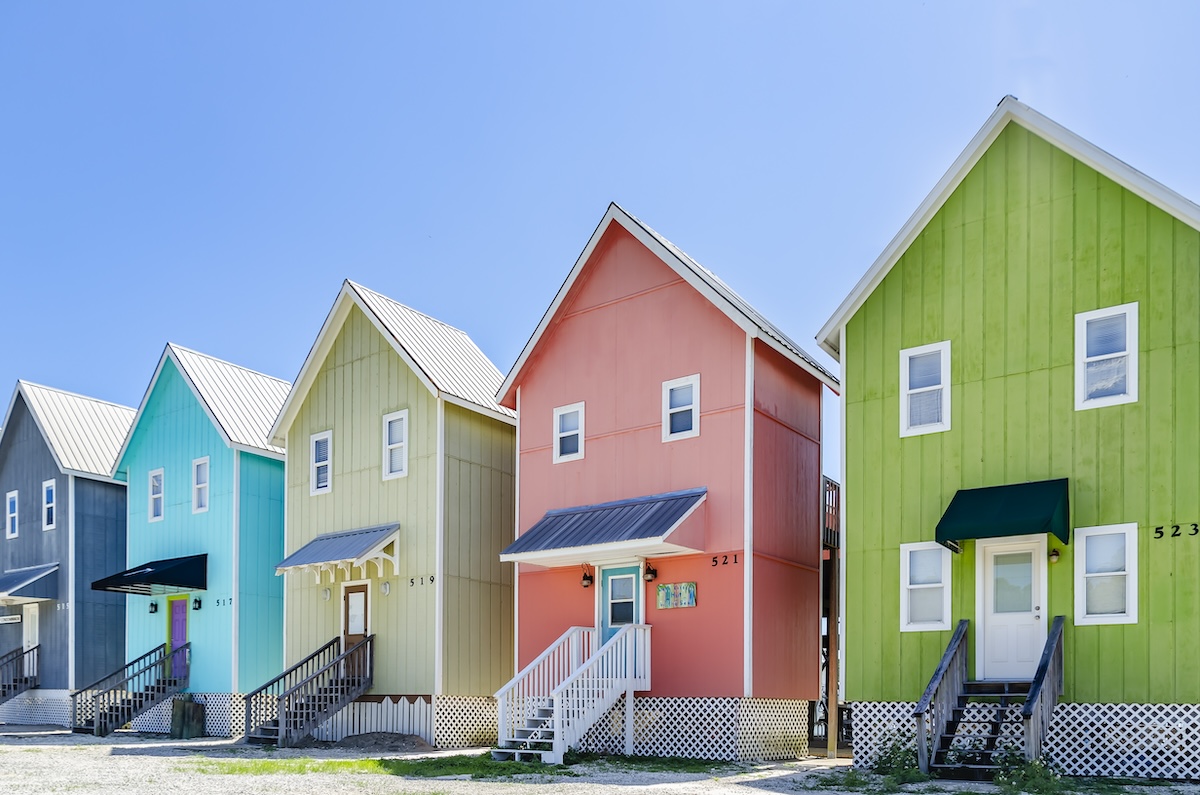
Alabama’s laid-back barrier island sits at the entrance to Mobile Bay, delivering Gulf beaches without the development intensity of Florida panhandle destinations. The island stretches 14 miles long but stays narrow enough that you’re never far from water. The Audubon Bird Sanctuary makes it a premier birding destination, and Fort Gaines preserves Civil War history at the eastern tip.
The lack of high-rise development and commercial chains keeps Dauphin Island feeling authentic and uncommercial. Hurricane risk is real this close to the Gulf, but insurance and good building codes help manage that reality. The island brings you true beach retirement without the resort atmosphere or prices that plague more popular coastal destinations.
1. Hendersonville, North Carolina
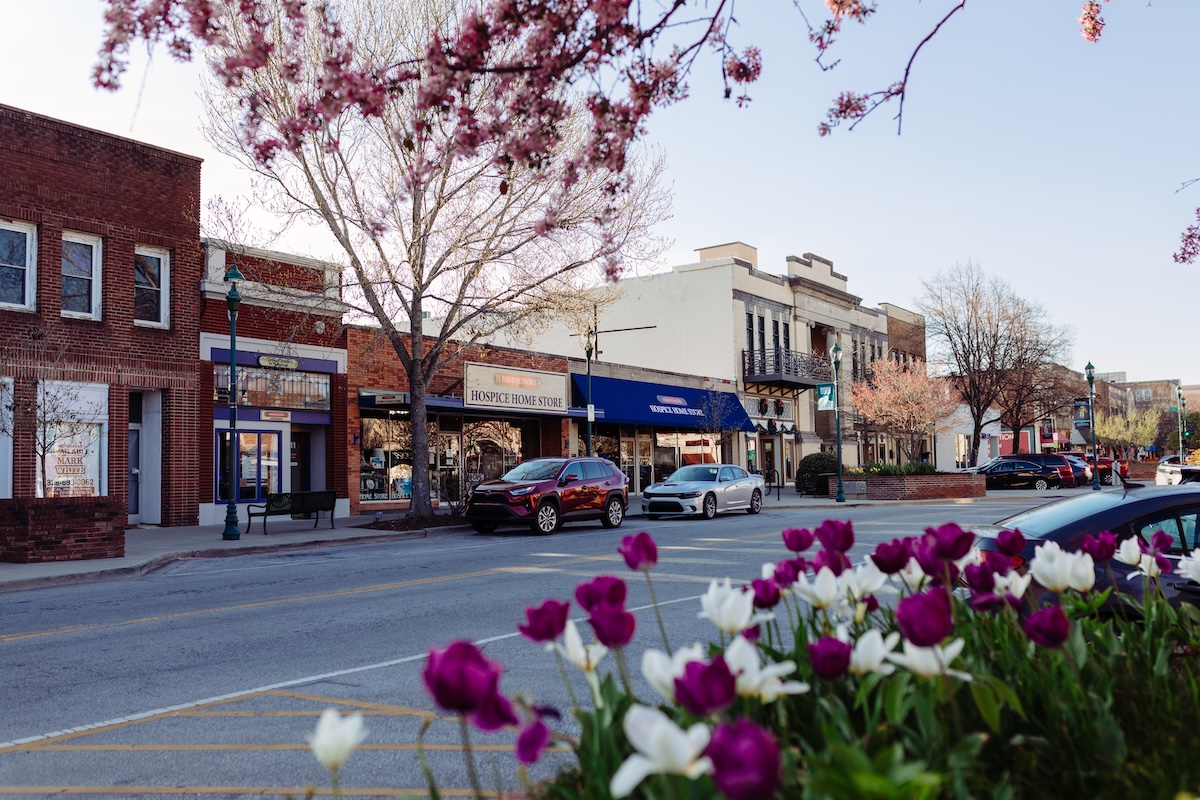
The Blue Ridge Mountains surround this charming town that consistently ranks among America’s best small cities for retirement, and the rankings are actually justified. Downtown Hendersonville has a classic Main Street with independent shops and restaurants, while the mountains provide endless hiking and scenery that looks professionally staged.
Four distinct seasons happen without extreme cold or oppressive heat. Apple orchards and craft cideries dot the surrounding countryside, and the mountain culture combines Appalachian heritage with an influx of retirees and professionals who discovered the area’s appeal. Asheville sits just 20 miles north, providing airport access and cultural activities. Housing costs have increased but remain reasonable compared to coastal destinations while dishing up a considerably better quality of life and tons of natural beauty.