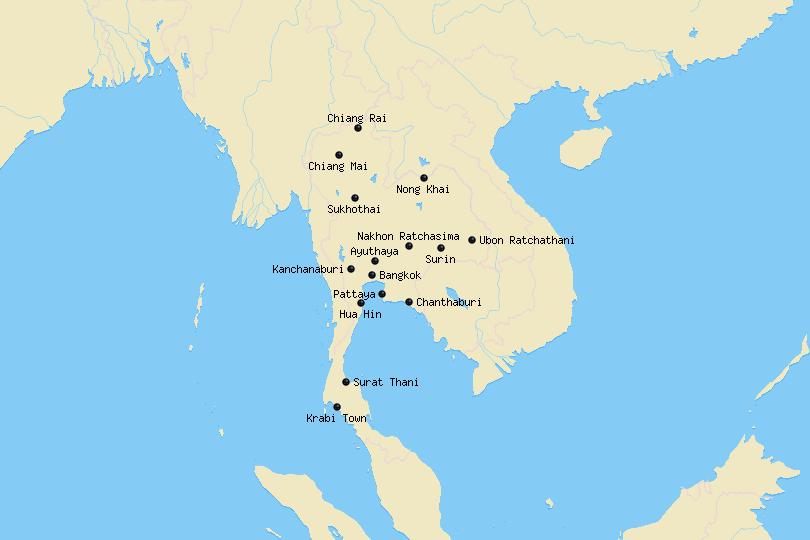
An amazing country with a wealth of things to see and do, Thailand´s cities offer visitors a fascinating look into its rich cultural heritage. Incredible historical sites abound and many of its cities are home to stunning temples as well as bustling night markets as old and new seamlessly mix together.
While some of the best cities in Thailand are worth visiting in their own right, others act as gateways to astounding natural sights with beautiful beaches, idyllic islands and magnificent scenery lying nearby.
Bangkok
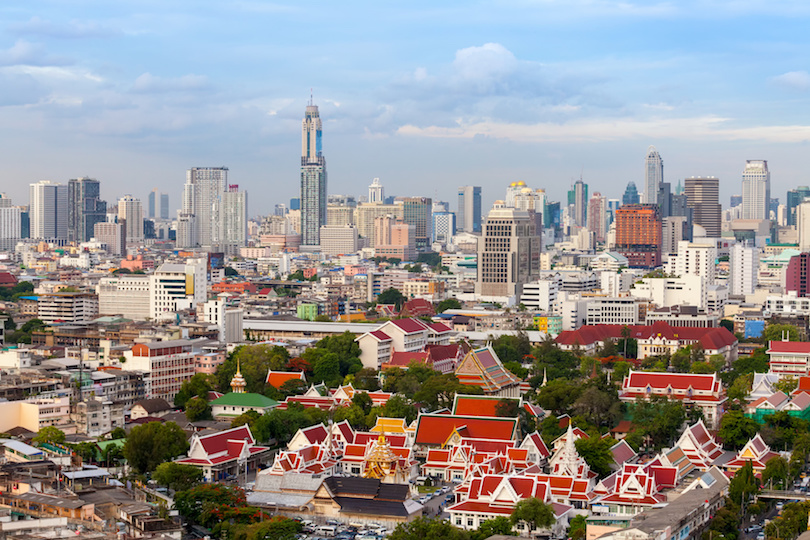
One of the most popular places to visit in the whole of Southeast Asia, Thailand´s capital is a remarkable city with so much to see and do. With skyscrapers dominating the skyline, expansive markets spreading through the streets and a plethora of glimmering shrines and temples dotted about; it’s easy to see why so many people head here.
See also: Where to Stay in Bangkok
The Grand Palace is a must-see in this thriving city as is the impressive temple of Wat Pho with its giant Reclining Buddha. On top of all this Bangkok has a bustling nightlife and sumptuous Thai cuisine which helps attract travelers; many of whom who head to Khao San Road which is the center of the tourist area.
Chiang Mai
 © Presse750 / Dreamstime
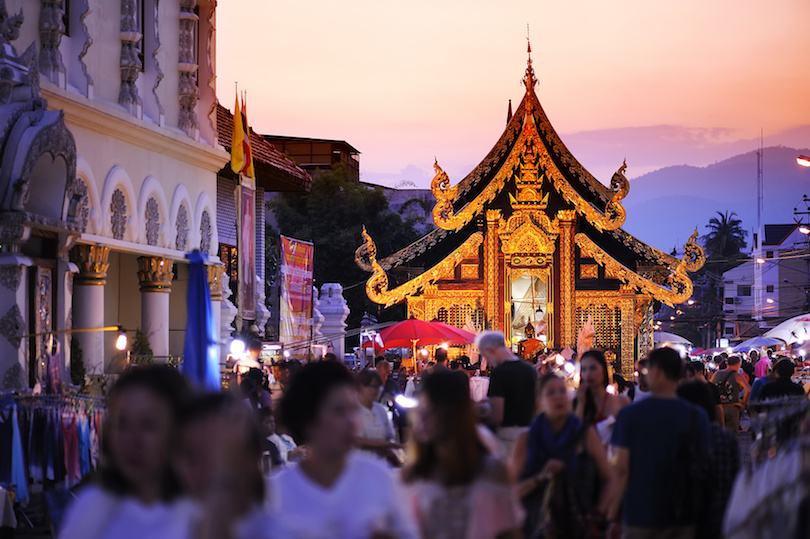
With over 300 temples in the city; there are loads of cool places to discover! Chiang Mai is a charming and laidback city which is perfect for relaxing in after a hectic time traveling around the country. Why not indulge yourself with some Thai massages or treat your taste buds with some of the wealth of delicious street food on offer?
See also: Where to Stay in Chiang Mai
The main draw here is its quaint old town in the center of the city with peaceful narrow lanes to wander and explore. The most famous temple Wat Phrathat Doi Suthep lies just outside the city on a hilltop overlooking Chiang Mai – head here for a fantastic view.
Pattaya
 © Tea / Dreamstime
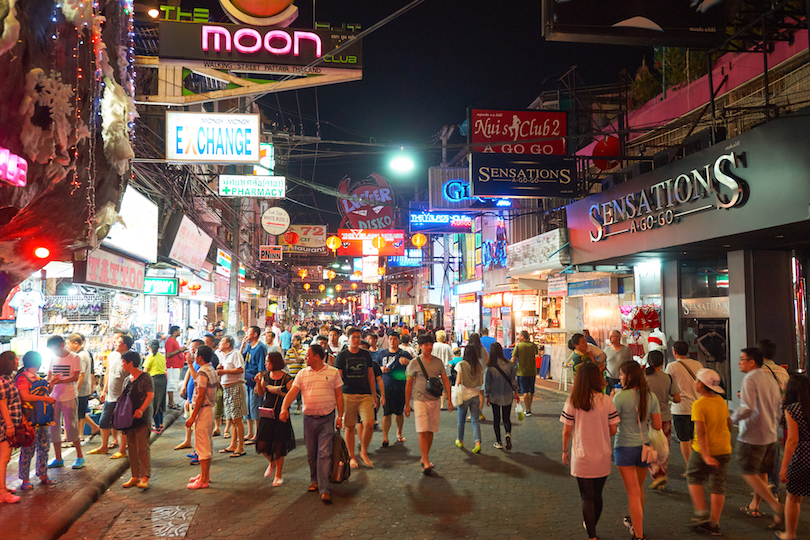
Formerly a beach resort for American GIs during the Vietnam War, Pattaya is definitely not for everyone as go-go bars, massage parlours and sex tourism are its primary draws. With a large gay scene, straight and gay men alike flock to the city to enjoy its raucous nightlife and plethora of bars and clubs.
Despite its reputation, local authorities have attempted to clean up its image and there are now a wide range of watersports, shopping centers and entertainment facilities on offer. Remarkably this has seemed to work quite well and a different type of tourist is now visiting Pattaya although the sex scene is still the primary draw – for now.
Kanchanaburi

Located on the banks of the Kwai Noi and Kwai Yai rivers, the city is primarily known for the Bridge over the River Kwai – the Death Railway that horrifically transported so many people to their deaths in World War Two.
While the accompanying museums are well worth a visit as are the temples that dot the city, Kanchanaburi´s delightful surroundings and breathtaking scenery also make for some lovely hiking. The Sai Yok Noi Falls are great to visit as is Erawan Falls which is located in the nearby Erawan National Park.
Chiang Rai
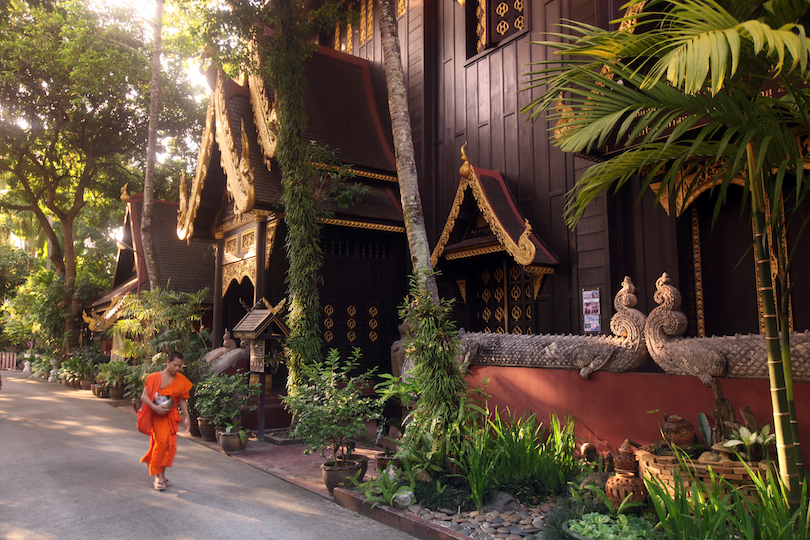
Chiang Rai is located in the far north of the country and is most famous for the jaw-droppingly beautiful White Temple that shines so brightly in the midday sun. Incredible to behold, the temple really needs to be seen to be believed with its unique features and dazzling architecture.
Many people use the city itself as a base to explore the surrounding area which includes some stunning scenery and access to the Golden Triangle. Lying at the point where Laos, Myanmar and Thailand meet, visiting the Golden Triangle is a bit anticlimactic if truth be told as there is not actually that much there. The best thing to see here is the Hall of Opium which is a great museum that explains the role of the drug in the area´s local history and the world in general. Afterwards, head to the lovely Khun Korn waterfall to refresh and revitalise yourself for the rest of your trip!
Ayuthaya
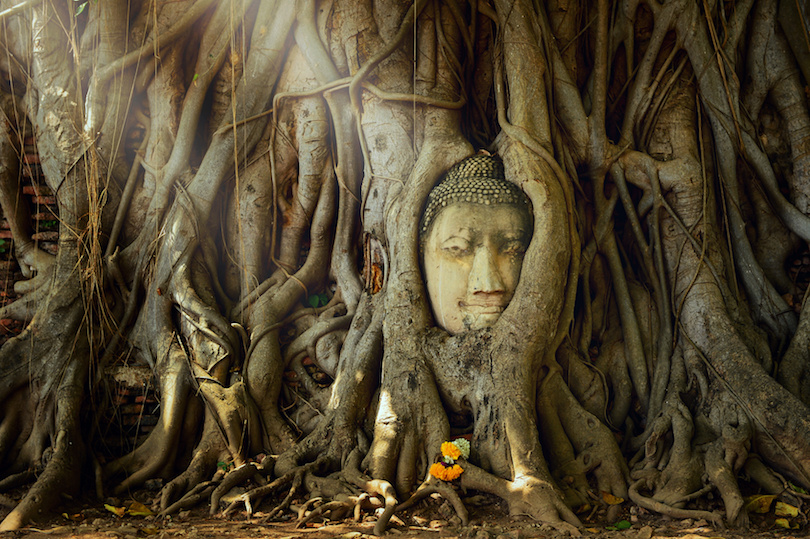
Not far from Bangkok lies the historic Ayutthaya; once the largest city in the world back in 1700! Although much of the city was destroyed, the incredible remains and ruins hint at Autthaya´s glorious past.
Exploring the ancient sites such as the stunning Wat Phra Si Sanphet and the awe-inspiring Wat Phu Khao Thong is a mesmerising experience and, after having had your fill of the plethora of historical sites; head to the floating market in the city. Here you can take in the delights of the market by boat, floating around peacefully.
Krabi Town
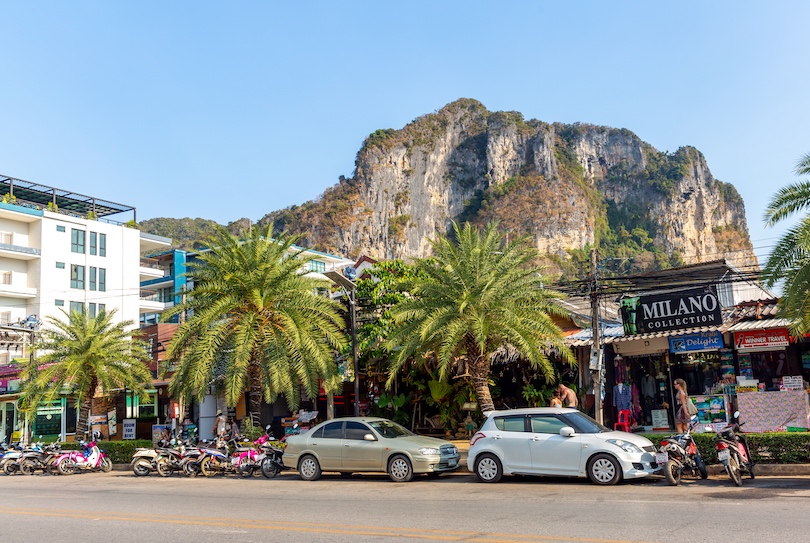
A small city in the Malay peninsula, Krabi Town is an authentic and cheap place for you to get to know the local Thai culture. Whether it is wandering around the local night markets or getting a soothing Thai massage; Krabi Town is a nice place to spend a couple of days. Most visitors, however, use it as a gateway to the incredible attractions that lie nearby.
Around eight kilometers out of town, for example, is the glittering Tiger Temple that is perched on a hilltop and offers panoramic views of the surrounding area. Another fantastic site lies a short boat trip away and rock climbers flock to Rai Leh for its fantastic and unique rock formations. Stunning to behold, it’s an incredible place to visit and the site really is a natural wonder such is its beauty and magnificence.
Surin
 © Presse750 / Dreamstime
Despite its small stature, the city of Surin surely punches above its weight when it comes to things to see and do. Breathtaking Khmer ruins dot the region and Prasat Ta Meuan is the best of the lot with its stunning dilapidated ruins threatening to be overrun by the jungle around it.
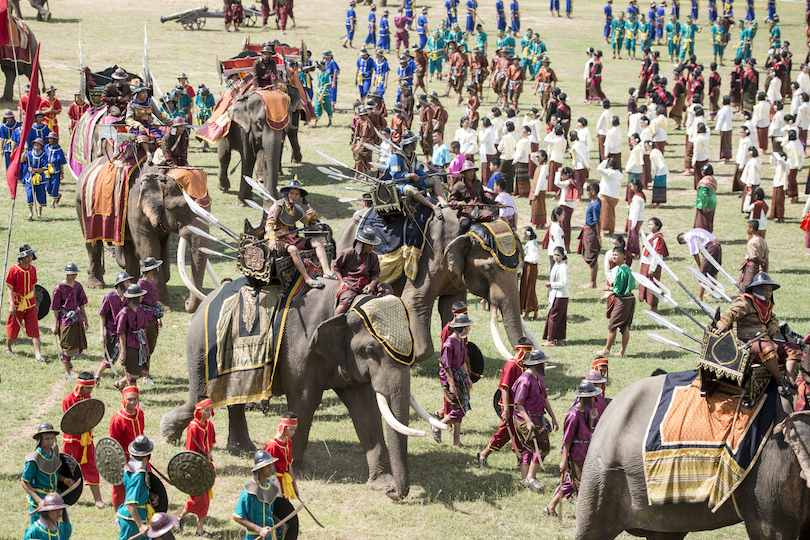
The yearly Elephant Roundup is what it is primarily known for; here, elephants take to the streets and play football and act out battle reenactments among other things.
Ubon Ratchathani
 © Pieamsuwan / Dreamstime
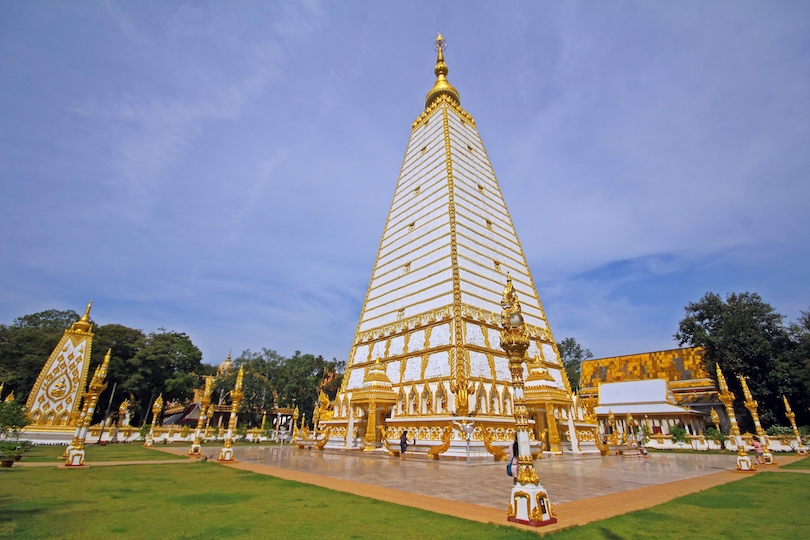
Lying on the banks of the Mun River, Ubon has a number of nice temples that are worth a visit, with the distinctive Wat Nong Bua being a particular highlight. The best time of year to visit is during July when the city holds its mesmerising Candle Festival.
Monks retreat to their temples for the three months prior to this and at the end of the period there is a procession with giant candles to Thung Si Muang Park in the centre of Ubon. It’s really cool to see and in October there is another festival this time involving boats with many candles on them!
Chanthaburi
 © Spyline / Dreamstime
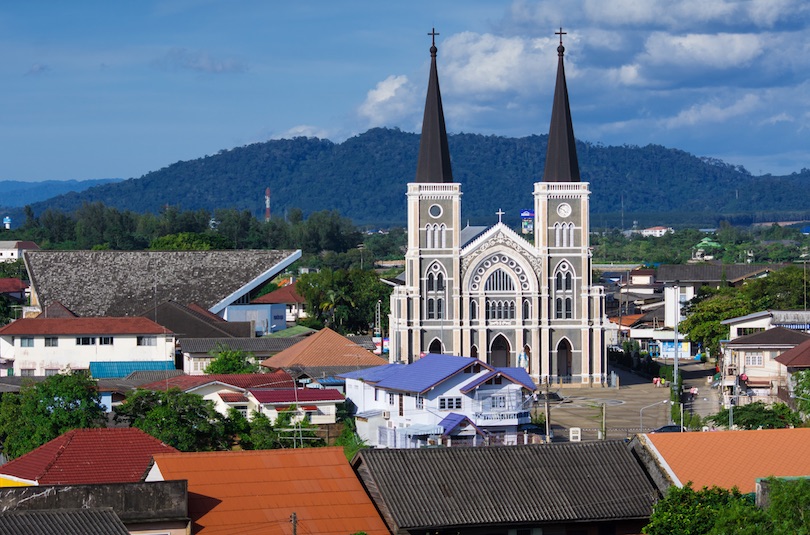
The beautiful countryside and diverse landscapes surrounding Chanthaburi make this city a popular place to visit with nature lovers. From here it is possible to undertake treks to the lovely waterfalls and forests in its proximity and many people head to Namtokphlio National Park which has verdant fauna and flora and a mountainous topography. The city is also a gateway for travelers heading to the stunning island of Koh Chang – one of the most beautiful in the whole of Thailand.
Nong Khai
 © Presse750 / Dreamstime
Due to its close proximity to Vientiane, most people stop off here before heading on to neighbouring Laos. Visitors are usually pleasantly surprised to discover however that Nong Khai is a nice city to visit in its own right. Set on the banks of the Mekong River and with welcoming locals, a wide array of interesting local festivals and its own cultural identity; it’s the perfect place to learn about another side of Thailand.
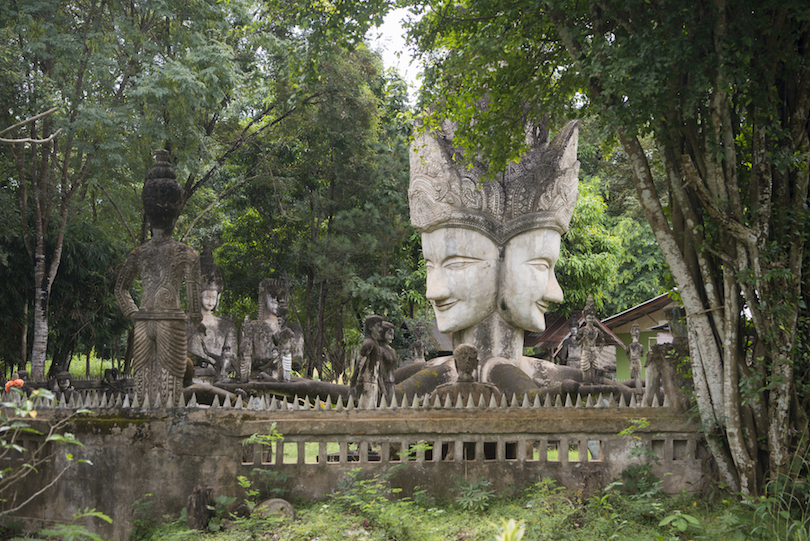
The most famous attraction is Sala Kaew Ku – an incredible sculpture park that has huge statues of Buddha, Vishnu and Shiva contained within its confines. With great views out over the river and the usual stunning temples to boot; Nong Khai is a picturesque and peaceful place to visit – apart from during the festivals!
Hua Hin
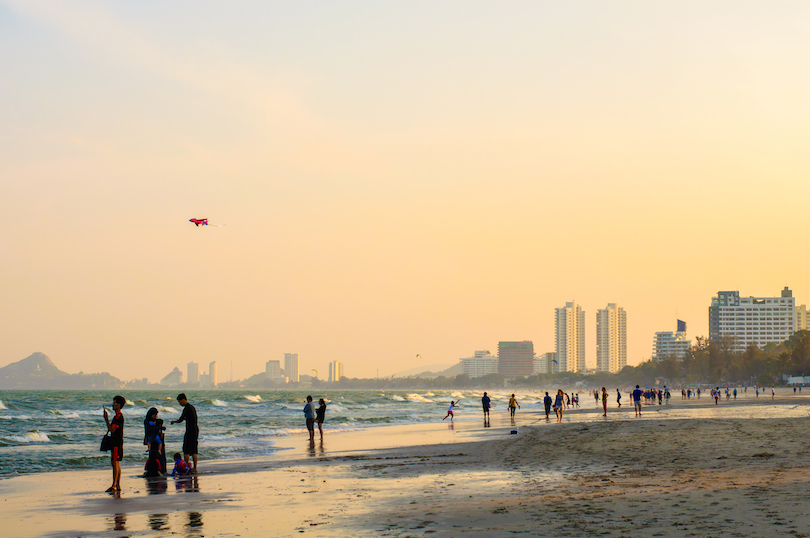
Formerly little more than just a fishing village, Hua Hin became the first beach resort in Thailand when King Rama VII began using it as a royal getaway in the 1920s. Over the years it has blossomed into a city by the sand and many Bangkok residents flock here to spend the weekend enjoying its golf courses, waterparks and numerous day trips.
Hua Hin is a relaxing place to spend some time and there are a number of nice waterfalls and caves nearby that are worth exploring. Not far away too is Khao Takiab hill which has a great view over the city as well as beautiful temples and shrines for visitors to revel in. Perfect to watch the sun go down.
Surat Thani
 © Somdul / Dreamstime
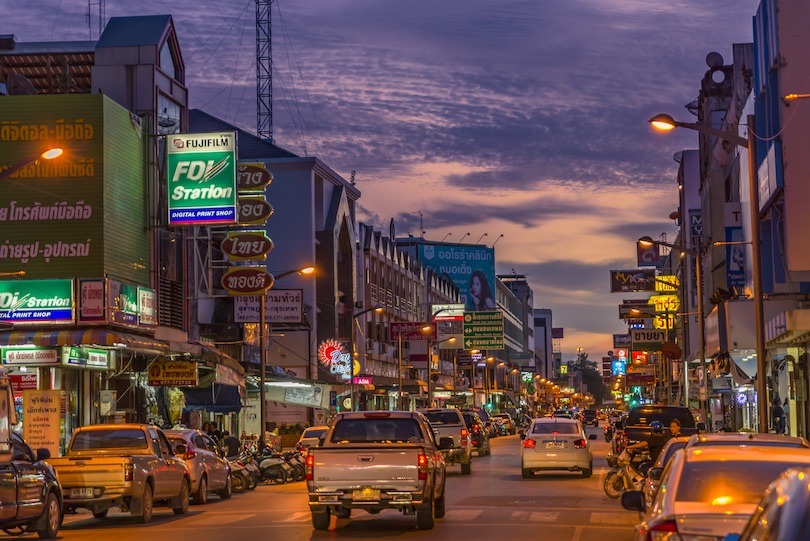
Lying on the coast facing the Gulf of Thailand, many visitors travel to Surat Thani to get to the beautiful islands that lie not far away. Koh Samui, Koh Phangan and Koh Tao are the most popular places to head to while Ang Thong National Marine Park is another great destination.
While these places are the primary reason that people visit Surat Thani, its numerous bustling night markets and authentic feel make it a great place to stop off before venturing onwards to more touristic destinations.
Sukhothai
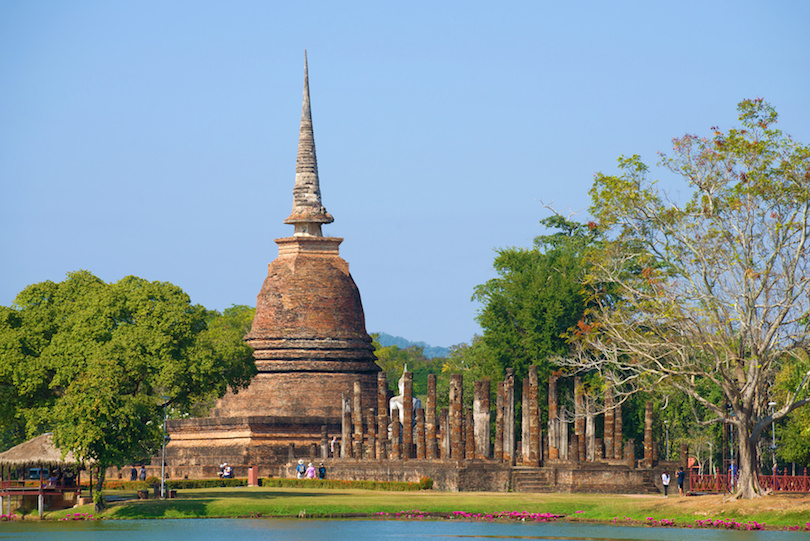
Formerly the capital of Siam, Sukhothai has a wealth of historical sites lying on its doorstep just waiting to be explored. While the city itself does not have much to see or do, it´s a laidback place from which to explore the incredible ruins and archaeological sites that you can find in the nearby Sukhothai Historical Park.
This ancient kingdom flourished in the 13th and 14th centuries and is often considered as a golden period of Thai civilization. Meaning ´The Dawn of Happiness´, Sukhothai will certainly fill you with joy at all of the astounding statues and temples on display. Try and arrive here early to see the sunrise glinting off of the ancient ruins.
Nakhon Ratchasima
 © Petch Janto / Dreamstime
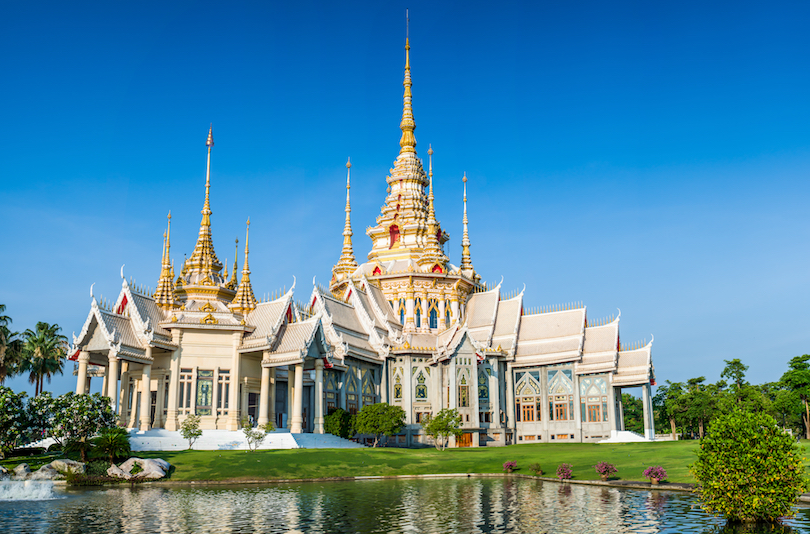
Commonly referred to as Korat, this large and lively city has expansive markets and street stalls to wander around yet little in the way of actual tourist attractions. Consequently, many visitors to the city use it as a base from which to explore sights such as the nearby Khao Yai National Park.
Home to Asian elephants, monitor lizards, gibbons and more, the stunning scenery and extensive hiking trails are delightful and this alone makes Korat worth a visit. The nearby Phimai ruins (reminiscent of Angkor Wat) are also magnificent and in the city itself the beautiful Wat Phra Narai Maharat is one of the more popular places to visit.