
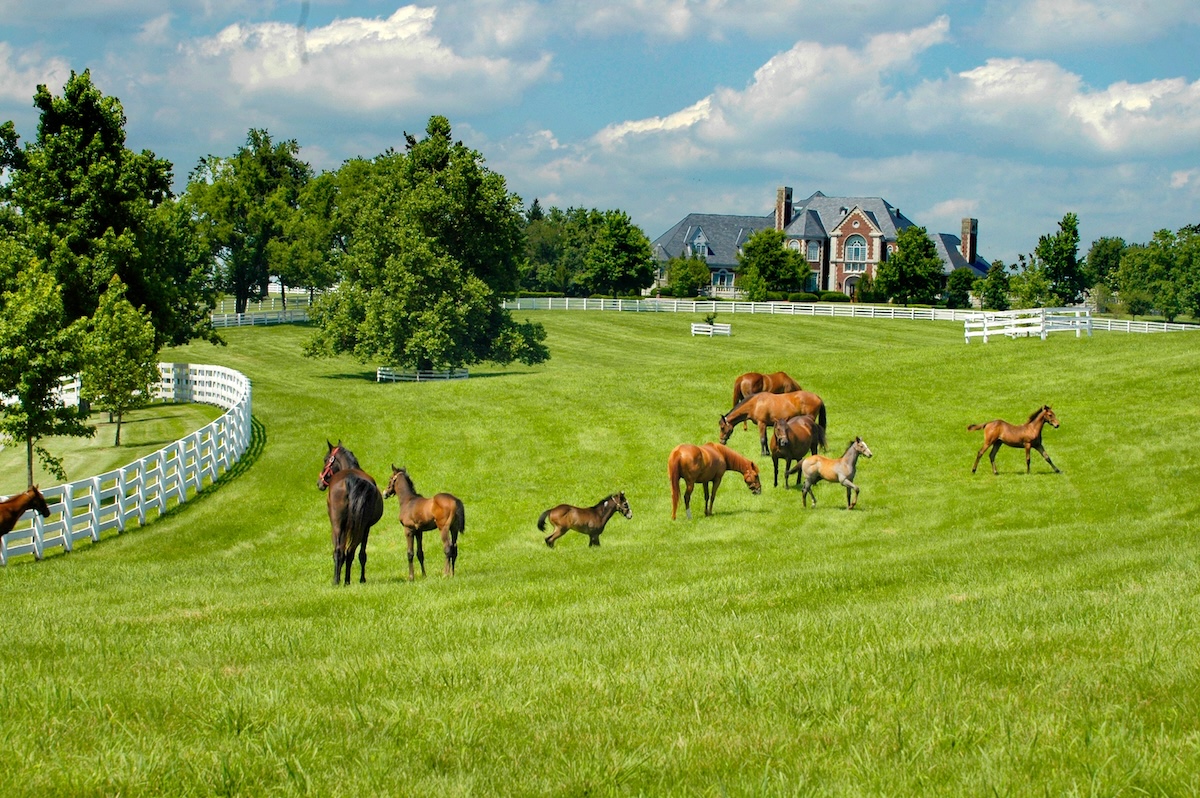
Known as the “Horse Capital of the World,” this elegant city sits amid rolling pastures and immaculately kept farms where thoroughbred traditions run deep. While equestrian heritage shapes much of its identity, it is also an important hub for culture, education, and business.
Lexington lies at the heart of the Bluegrass region and has long been admired for its refined architecture, influential residents, and prestigious university, earning it the nickname “the Athens of the West.”
Strolling through town, you’ll encounter charming Victorian neighborhoods, stately mansions, and historic plantations, many of which now house acclaimed distilleries and restaurants. One of the most popular things to do in Lexington, however, is experiencing live racing at either the world-famous Keeneland Race Course or the historic Red Mile harness track—an unforgettable highlight for any visit.
Mill Ridge Farm
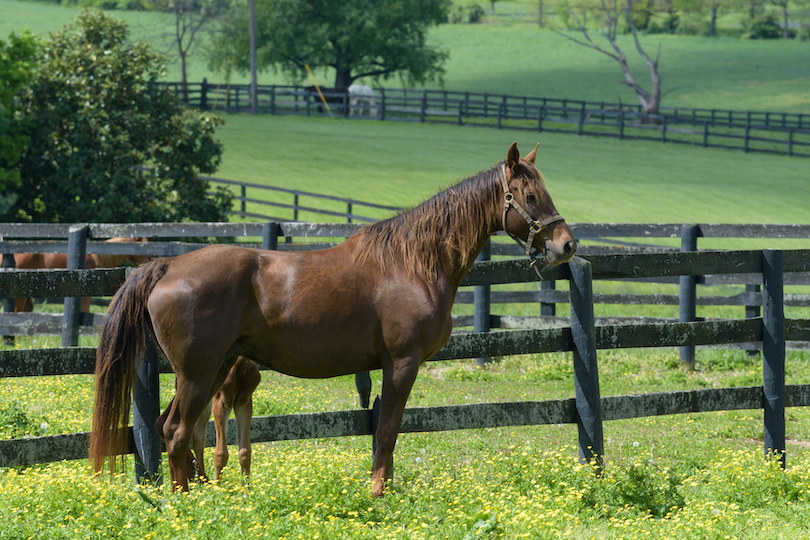
Set on the southwestern outskirts of the city are the pristine paddocks and breeding sheds of Mill Ridge Farm. Located near the iconic Keeneland Race Course, it is renowned for both raising and selling some of the best thoroughbred racehorses in the world.
Since being founded in 1962, it has produced a phenomenal number of title-winning horses with 36 Grade 1 winners bred, raised and trained at the farm since 2000. Over the years, its majestic thoroughbreds have not only won the Kentucky Derby, Bluegrass Stakes and Santa Anita Derby but the coveted Horse of the Year title, too.
On tours of the property, you can learn about Mill Ridge’s rich history of horse rearing and handling before feeding and playing with mamas and their cute young foals. Overnight boarding at the farm is also on offer.
Headley-Whitney Museum
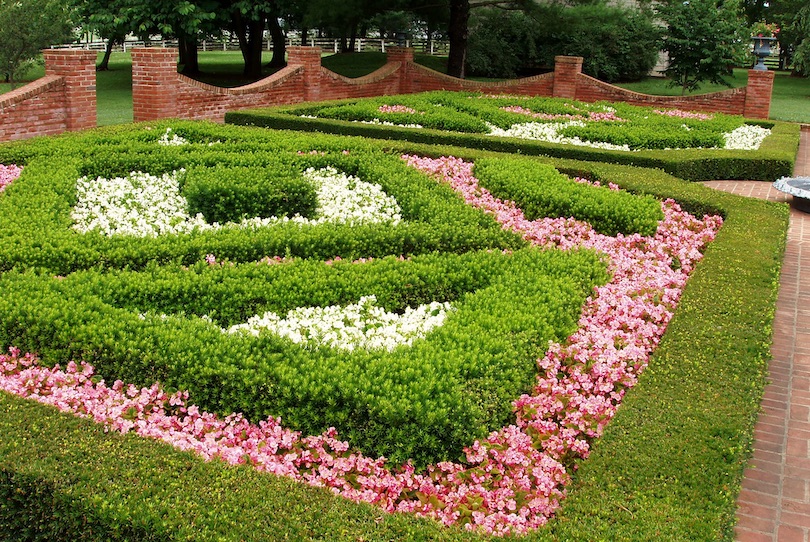
Home to a colorful, if eclectic, collection of jewellery, dollhouses and decorative arts, the excellent Headley-Whitney Museum can be found just fifteen minutes’ drive northwest of the center. Situated amidst gorgeous grounds and gardens, it has long been one of Lexington’s most popular tourist attractions.
After a successful career as a jewellery designer for the Hollywood elite, George Headley returned to his family farm in Lexington, with his wife Barbara Whitney, in the fifties. In 1968 they opened a museum on its scenic grounds to showcase his remarkable artworks featuring, not only glinting jewels and ornately carved objects, but interesting statues and elaborate dollhouses, too.
Just as intriguing as all the arresting art, is the estate’s unique architecture with Thai, Greek and Georgian elements on display. Particularly impressive are its luxurious Jewel Room and Library, while its shell grotto car garage is coated in amazing mosaics, coral motifs and pretty, polished stones.
Aviation Museum of Kentucky
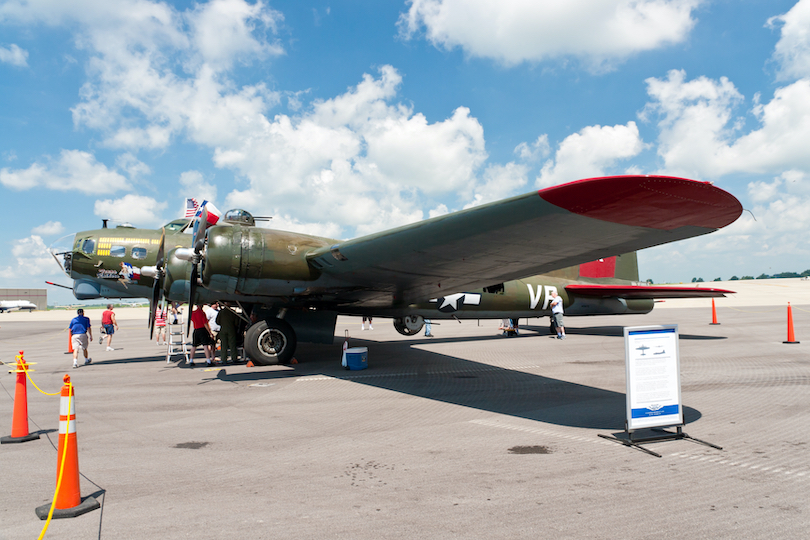
On the edge of the city’s Blue Grass Airport is the outstanding Aviation Museum of Kentucky containing a huge collection of historic airplanes and aircraft-related artifacts. In addition, it has interactive exhibits and displays on the history, evolution and future of the aviation industry.
Founded in 1995, it covers an enormous area with vintage biplanes, attack helicopters, jets and strategic bombers. Besides all its civilian and military aircraft, you can also see photos and clips of planes with models and memorabilia alongside old engines and equipment.
At the museum, visitors can watch planes land and take off from the adjacent airport, try out a fun flight simulator and stop by the Kentucky Aviation Hall of Fame.
Raven Run Nature Sanctuary
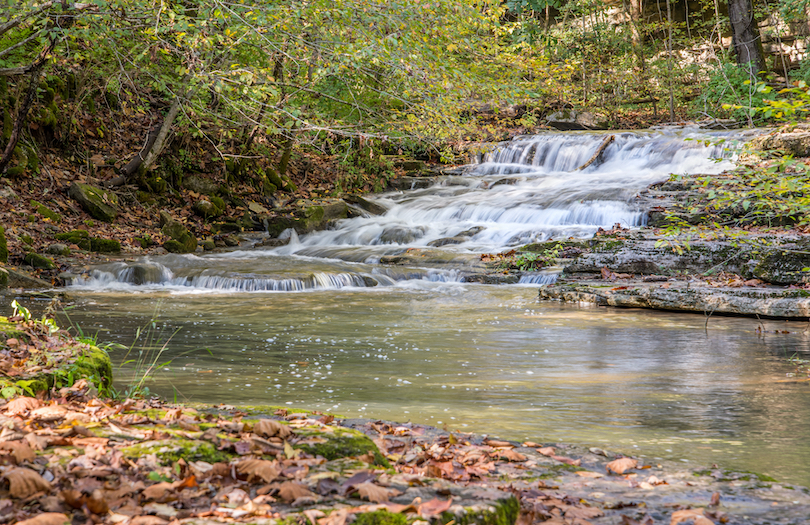
The idyllic Raven Run Nature Sanctuary lies on the southern fringes of the city. As well as fabulous fauna and flora, it has picturesque hiking trails and ample wildlife viewing opportunities on offer.
The sanctuary encompasses verdant woodlands and wildflower-filled meadows with babbling brooks and meandering streams. Right next to it is the rushing Kentucky River while all kinds of birds and small animals reside within the park’s scenic confines.
Other than hiking, birdwatching and enjoying the untouched wilderness, visitors can check out the Nature Center or historic homesteads and ruins that were left behind by early settlers to the region.
University of Kentucky
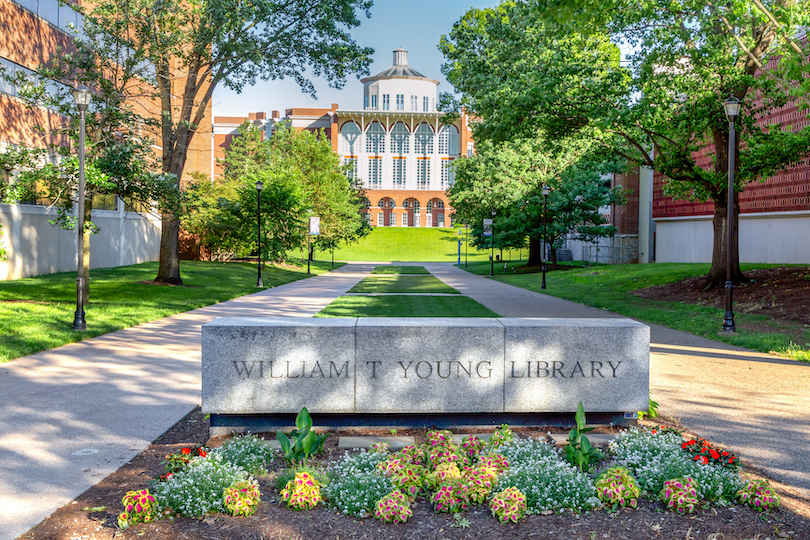
One of Lexington’s most prestigious institutions and largest employers, the University of Kentucky campus covers much of the city’s downtown. Its expansive grounds feature amazing monuments and impressive art museums, as well as countless halls, colleges and libraries.
Established in 1865, the institute has expanded considerably with numerous residence halls and recreation facilities now scattered across the site. Lining its pathways and plazas are striking modern structures and massive multi-purpose arenas. But there are also attractive old edifices, such as Memorial Hall and the majestic Main Building.
Besides enjoying the lively ambience of the campus and its thriving cultural scene, guests can watch one of the university’s many sporting events or visit its exceptional art museum.
The Red Mile
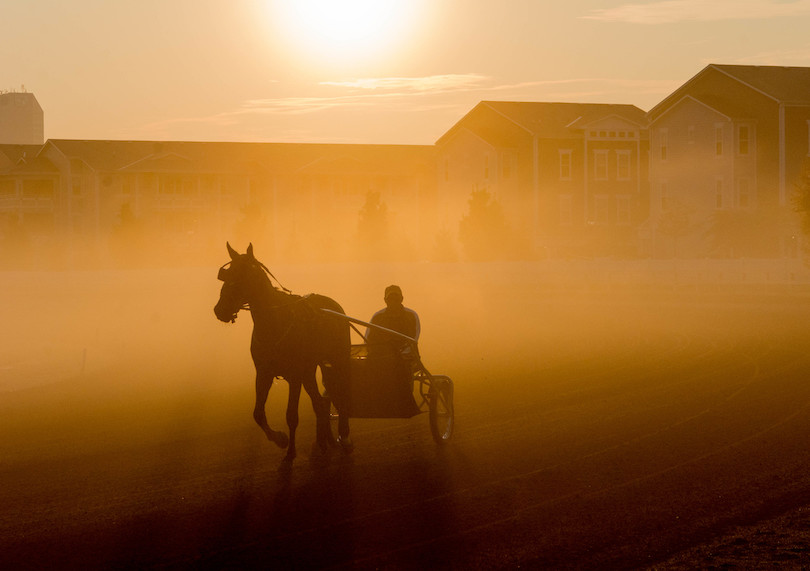
Aside from the renowned Keeneland Race Course, one of the best places in town to watch a fast and frenetic race is at The Red Mile. The storied venue is the second-oldest harness racetrack in the world with exciting events taking place from July through to September.
Named for its mile-long, distinctive red clay track, it was founded back in 1875 with a modern clubhouse and grandstands now lining its oval route. From its sidelines or VIP sections, visitors can cheer on the drivers on their sulkies as they race neck and neck against other champion pacers and trotters.
When competitions aren’t being held, you can still watch and wager thanks to its simulcast races on TV. A whole host of gaming terminals can also be found at the site alongside a brilliant bar and grill.
Kentucky Bourbon Trail
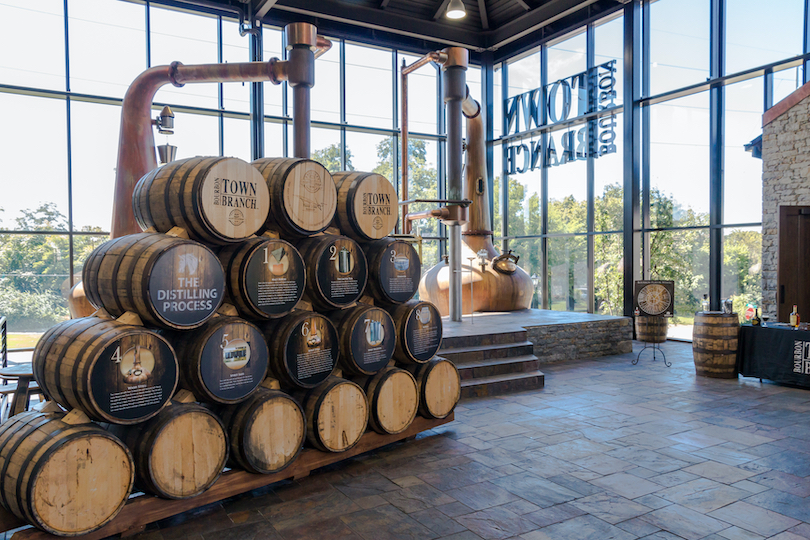
As Lexington is ideally placed for exploring the Kentucky Bourbon Trail, no visit can be complete without sampling some of the state’s signature drink. Since being founded in 1999 to promote the whiskey industry, the trail has turned into a top tourist attraction with award-winning distilleries.
In the center of town alone are four fantastic spots where you can try some of the best bourbons. Tours also take you to see how the flavorsome whiskeys are produced. These include not only Barrel House and Bluegrass but the distilleries of Town Branch and James E. Pepper too.
On top of this, another five facilities can be found within half an hour’s drive of the city. Wild Turkey and Woodford Reserve are particularly popular to visit due to their rich history, distilling heritage and atmospheric tasting rooms.
Ashland
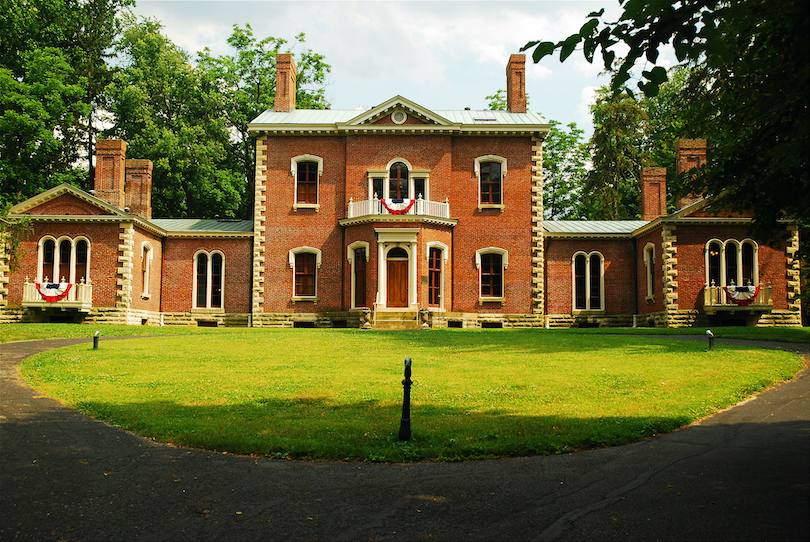
Protected as a National Historic Landmark, the elegant Ashland and all its parkland was once the plantation of the great Kentucky statesman, Henry Clay. Set just a short drive southeast of the center, it has incredible art, architecture and exhibits for guests to enjoy and is surrounded by gorgeous grounds and gardens.
Built in 1857, the marvelous mansion exhibits exquisite Italianate-style architecture with fine furnishings and period pieces decorating its resplendent interior. On tours, you’ll learn about the former House Speaker and Secretary of State and see many of his most-treasured possessions and centuries-old heirlooms.
Originally located on the outskirts of Lexington, the enormous estate is now part of a posh historical neighborhood with its lush green grounds containing stunning sculptures and arresting monuments dedicated to Henry Clay.
Mary Todd Lincoln House
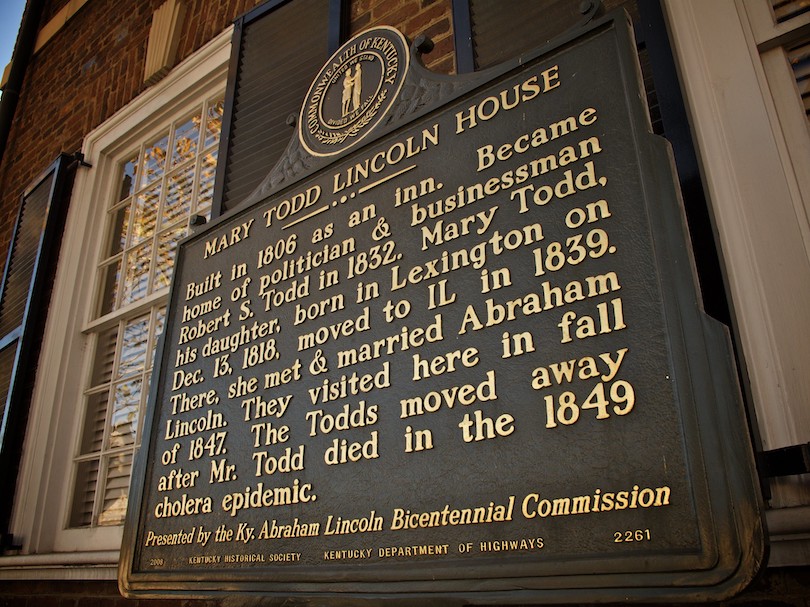
While it may not appear to be quite as impressive or extensive as the Ashland estate, the Mary Todd Lincoln House offers up a fascinating insight into the life and times of the former First Lady. At her childhood home, in the center of town, you can explore rooms of authentic artifacts and hear all about her marriage to President Abraham Lincoln.
Now preserved as a historic house museum, the simple brick building was the home of Mary Todd between 1832 and 1839. After her wedding to Abe in 1842, the couple would regularly return to see her wealthy, slave-owning family and stroll about the property’s small garden.
Inside you can see period furnishings and old photographs while informative displays teach you all about Mary’s childhood, the lavish balls she threw at the White House, and the prolonged period of mourning she entered after Abraham was assassinated.
Kentucky Horse Park
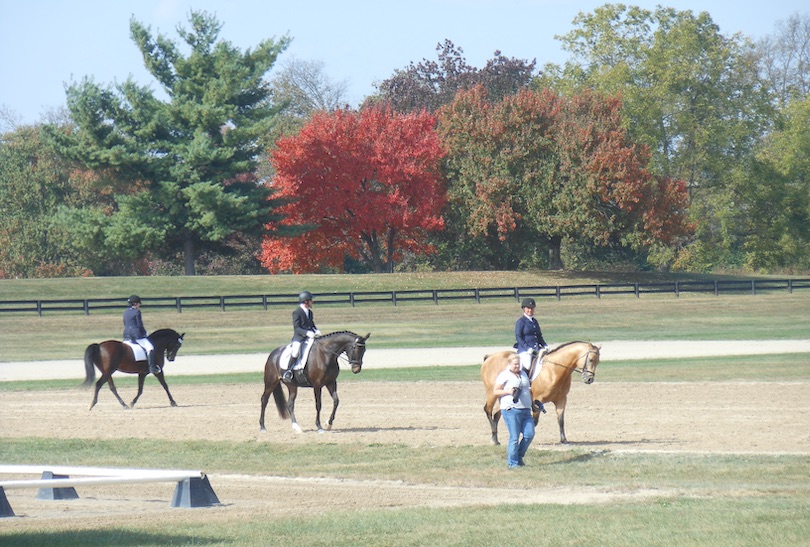
Yet another of the city’s many horse-related attractions is Kentucky Horse Park; a huge equestrian sports center and educational theme park dedicated to ‘man’s relationship with the horse’. Lying just twenty minutes’ drive north of downtown, it boasts an astonishing array of exhibits and activities with live demonstrations, horse shows and events regularly taking place.
Sprawled across a massive site, the working horse farm was founded in 1978 with paddocks and parkland stretching as far as the eye can see. Twice daily, you can watch the Horses of the World show where more than fifty breeds from around the globe are ridden about in authentic costumes and girdles.
In addition, visitors can stop by the excellent International Museum of the Horse, watch live harness maker and blacksmith demonstrations, or go for a lovely ride around the park either on horseback or in a carriage.
Keeneland Race Course
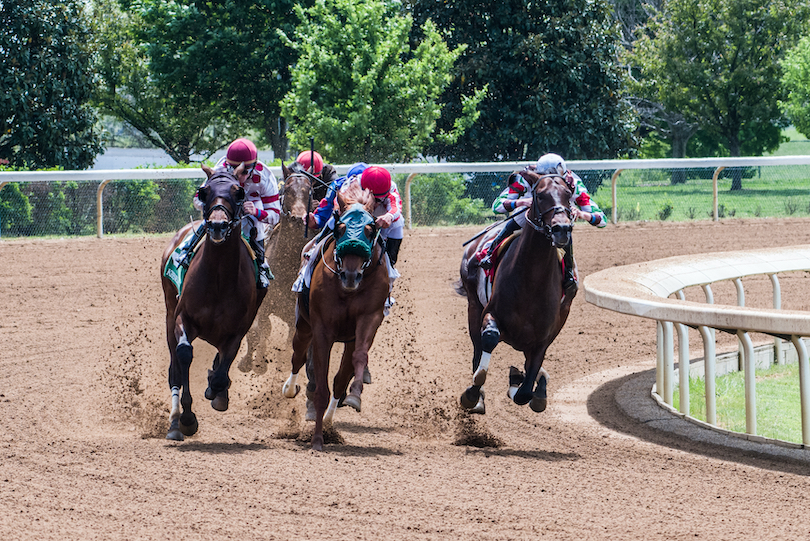
After Churchill Downs in nearby Louisville, the Keeneland Race Course is undoubtedly Kentucky’s most important and prestigious racetrack. At its hallowed grounds you can watch champion horses and thoroughbreds compete; exhilarating races and competitions take place in both April and October.
Founded back in 1936, it is now a National Historic Landmark with magnificent old grandstands and immaculately manicured grounds lining its oval track. As they pound their way around the course, the horses and their jockeys kick up dust and dirt and create quite a cacophony, which only adds to the exciting atmosphere in its stands.
Besides placing bets and enjoying the unique ambience, visitors to Keeneland can also attend one of its frequent horse auctions where local farmers, sheikhs and sultans alike buy prized horses from its famous breeding facility.