
This small island off the coast of Georgia is easy to get to as there’s a bridge that connects it to the mainland US, so you can drive! Just 20 minutes from Brunswick, it is a great little travel destination in the Golden Isles. It’s peaceful and has some spectacular coastal habitats.
Jekyll Island was once privately owned by some of the richest families in the USA, who came here during the winter to enjoy the island’s mild weather. Come and play in what was rated as Money Magazine’s #1 Place to go in the US in 2019!
With waterparks, golf courses and hiking trails there are plenty of things to do in Jekyll Island that will entice all types of travelers. There’s also fantastic marine life lurking just offshore, like dolphins and sea turtles.
12. Faith Chapel
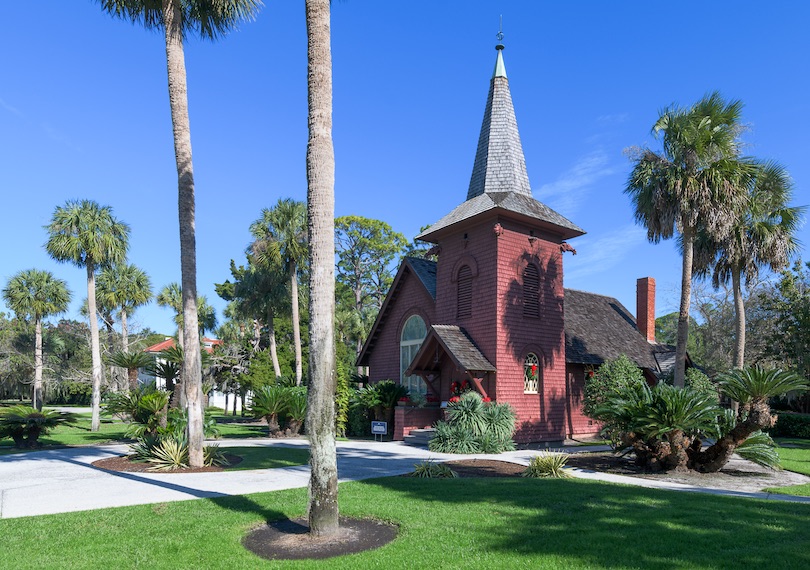
This charming little chapel has a red brick exterior and some fascinating decorations. See how many terracotta gargoyles and animal carvings you can spot on your visit – Faith Chapel isn’t like most!
The brightly colored stained glass windows by Louis Tiffany illustrate the biblical story of King David and light up the chapel’s interior.
The chapel was built in 1904 along Old Plantation Road. Whether or not you’re a worshiper, you’ve got to make a trip to Faith Chapel whilst you’re on Jekyll Island.
11. Mosaic, Jekyll Island Museum
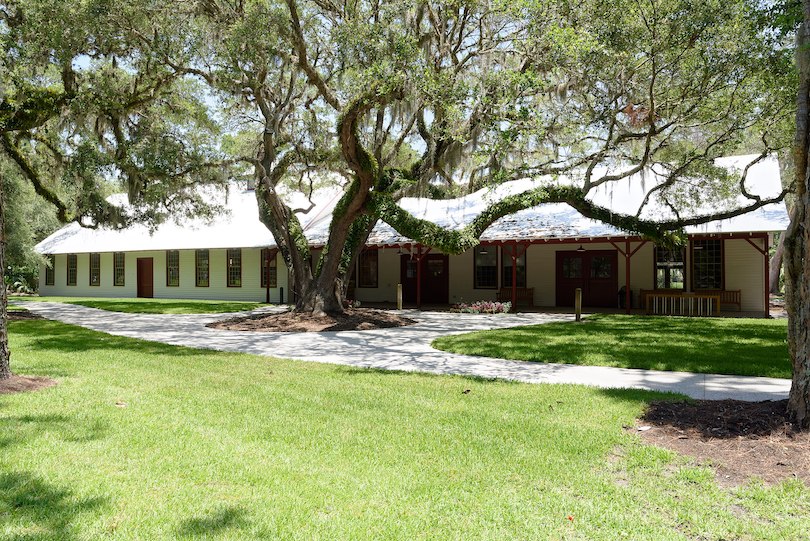
The Mosaic museum is in the Jekyll Island Club’s historic stable building. It has exhibits that bring to light the island’s incredible natural landscapes and fascinating culture and history.
Various artifacts, from old clothes and accessories to art and old cars showcase the lives of the island’s richest inhabitants.
The museum is in the historic district of Jekyll Island, along Stable Road. History buffs will love it!
10. 4-H Tidelands Nature Center
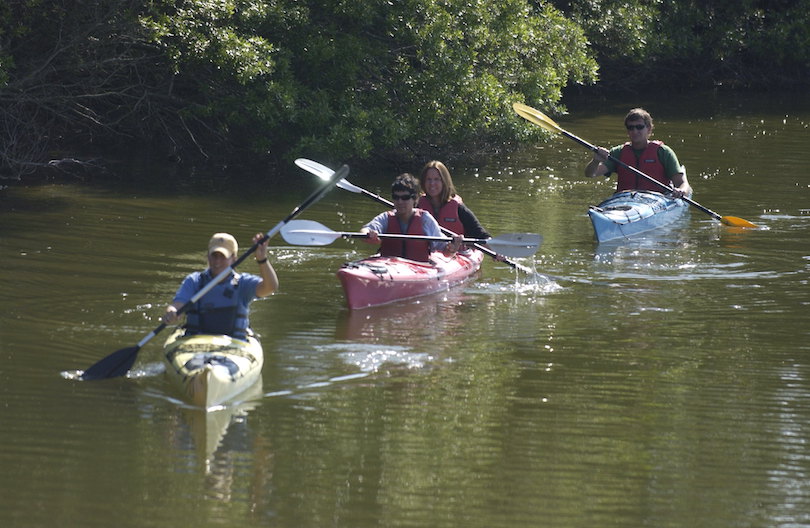
4-H Tidelands Nature Center is the place to come if you’re curious about the island’s ecology and you want to explore the best nature spots. They cater to all ages, and educate you through doing!
The center has guided walks year-round, though they’re most readily available from March to October. A knowledgeable guide will take you to top-attractions like Driftwood Beach, Beach Creel, and the South Dunes Picnic Area.
You’ll get a chance to explore the island’s diverse landscapes, from salt marshes and beaches to maritime forests. Each walk lasts between an hour and an hour and a half and they’re great for all fitness levels. They also host coastal ecology programs that take you down to the sea to discover the island’s coast.
9. Jekyll Island Historic District
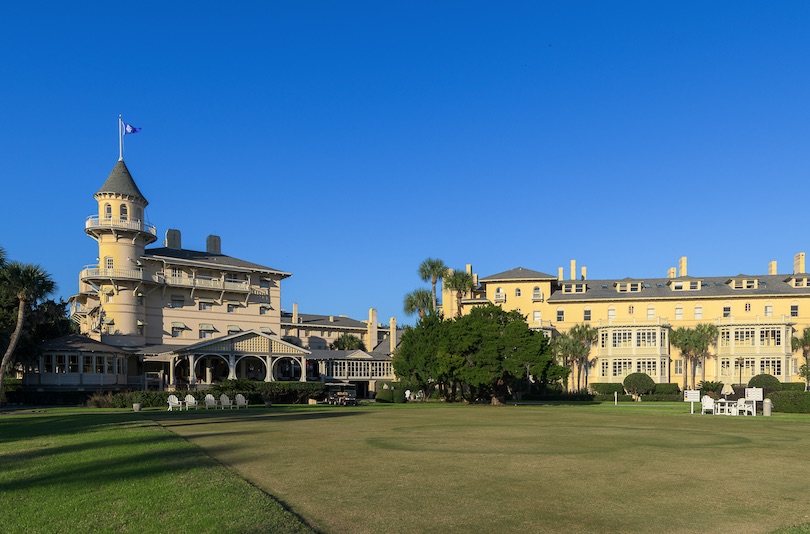
The district has buildings that date as far back as the 1700s and were the old holiday homes of the super rich! The island was purchased in 1886 and used as a private winter retreat by many of the wealthiest families in the USA. Famous families like the Rockerfellers, Pulitzers, and Vandebilts had properties here!
When the island was bought and reopened as a public state park back in 1947 the Jekyll Island Club and the enormous family mansions were restored. Many of them are open for tours.
As you stroll around the historical district, picture yourself living in these million dollar homes and waking up to have coffee in your extravagant garden each morning before heading down to the elite club house! There are 34 historic structures to see in the National Historic Landmark District.
8. Go Cycling
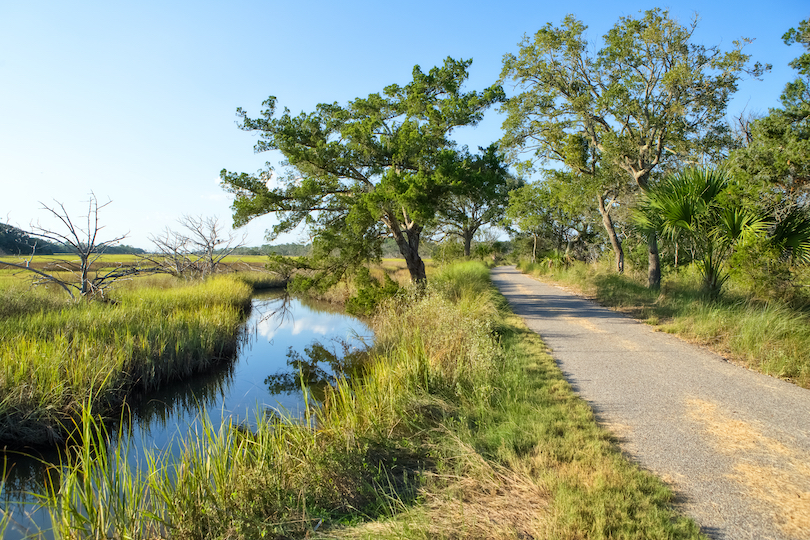
Jekyll island is a great place to explore on two wheels. The island is pretty small, so you can explore an array of landscapes and soak in the best scenery in just a few hours.
There are great cycling paths all over, so head to the nearest and let your mind daydream as you wind along scenic beaches, past historic sites, around huge sand dunes, and through lush green forests.
You can rent a bike once you’re there if you haven’t come with your own, and get a map of the island’s cycle paths at the Jekyll Island Welcome Center.
7. St Andrews Beach
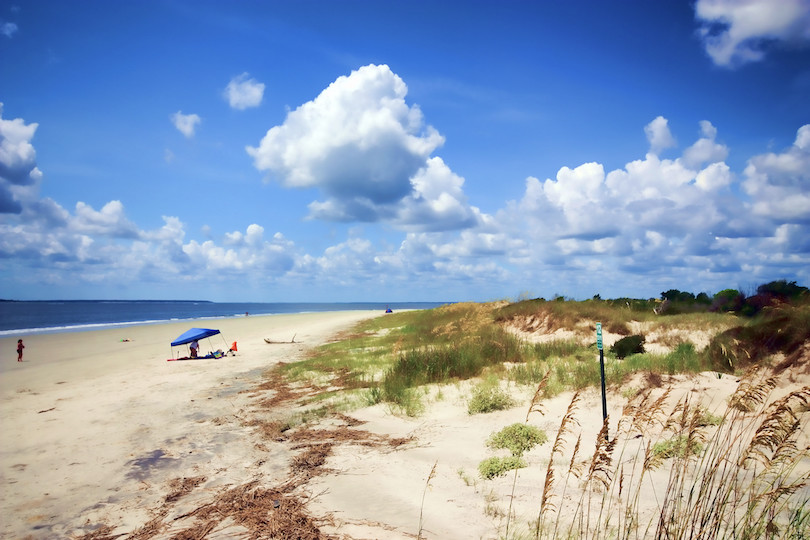
St. Andrews Beach is on the southern tip of the island. It has a magnificent two-story viewing platform that boasts great views of the Atlantic. The best time to come is at sunset!
The beach is renowned for bird watching and shell collecting. It’s soft and sandy, and you can often see dolphins jumping out at sea from the shore! Spend a few hours here, watching the wildlife and letting the soothing sound of the waves calm you.
There’s a picnic area and you can also discover the history of the slave ship, Wanderer, that is remembered through signs and artifacts across the St. Andrews Beach Park.
6. Jekyll Island Wharf
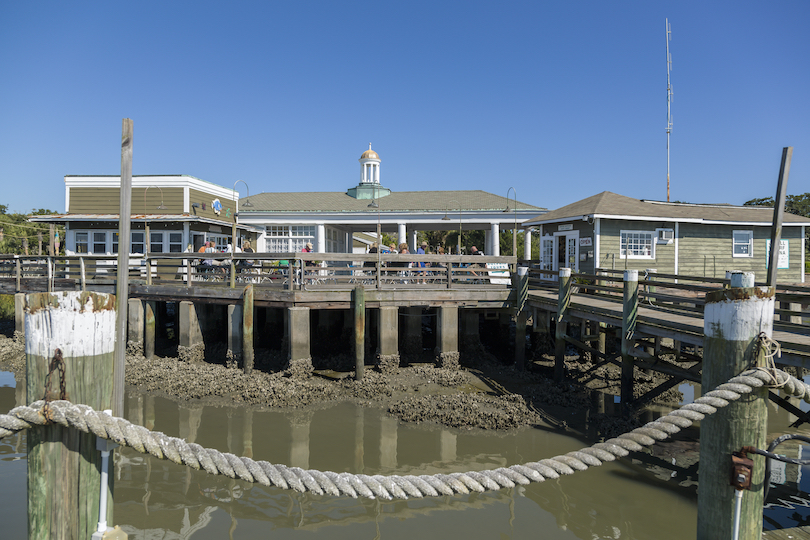
Looking for Jekyll Island’s best dining spot? You’ve found it! Dine in the open-air with the sea breeze and fantastic ocean views.
The restaurant is along the pier and it has a stunning wooden deck where you can feast on the best Southern cuisine and enjoy a cold beer whilst you watch little sail boats sway gently in the ocean.
Come with friends and catch up over cocktails as you watch the sunset over the Atlantic. Then dine on gourmet seafood dishes made with the freshest ingredients and inspired by the landscape. This is how you holiday in style!
5. Dolphin Tour
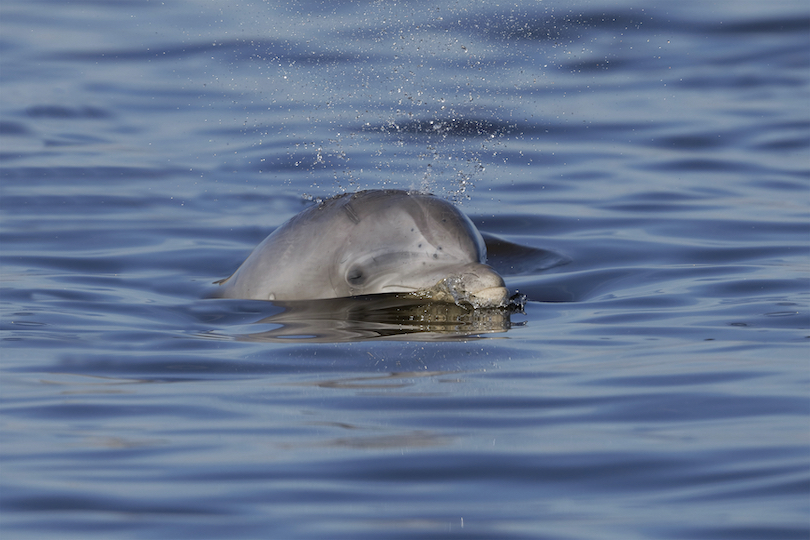
Dolphins are friendly and curious marine mammals that will often come and swim alongside tour boats, jumping out of the water to say hello and show off their best tricks.
Jekyll Island is home to pods of bottlenose dolphins that you can’t leave the island without seeing! You can check out different tour companies. But don’t worry, there are loads of tour options, from quick and cheap tours that last just over an hour to longer trips with lunch included and sunset tours.
The best part is you’ll likely see more than just dolphins. As the boat takes you out to sea and along the coast, keep an eye out for manatees, sea turtles, and seabirds too. Whether you’re a wildlife enthusiast or not, this will be an unforgettable trip!
4. Summer Waves Water Park
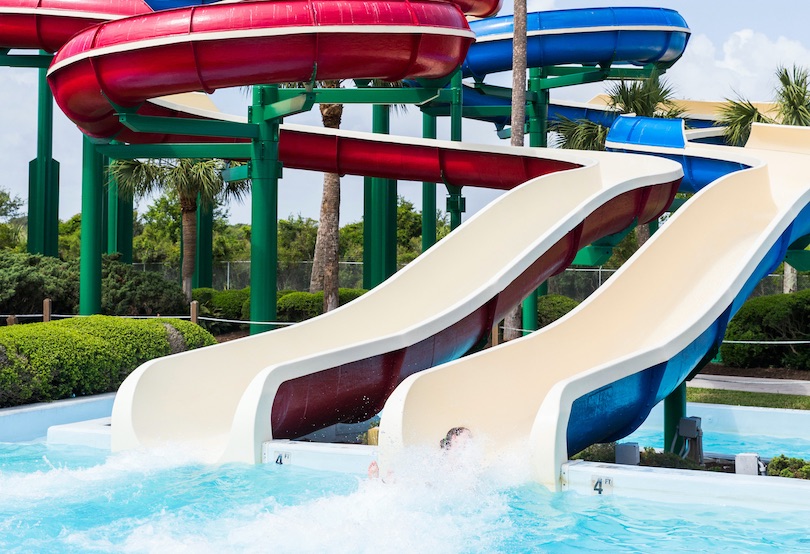
The Summer Waves Water Park is the place to come on a hot summer’s day for some thrilling family fun. There’s a splash zone with slides and lots of entertainment for small toddlers.
Enjoy their enormous pool, thrilling water slides that will get your adrenaline pumping (like the Force-3!), and jump in a rubber ring and float down the slow-moving Turtle Creek lazy river!
There’s a full day worth of entertainment at the Summer Waves Water Park, so head on down and make the most of the island’s great weather. Remember to pack sun cream and a picnic!
3. Horton House
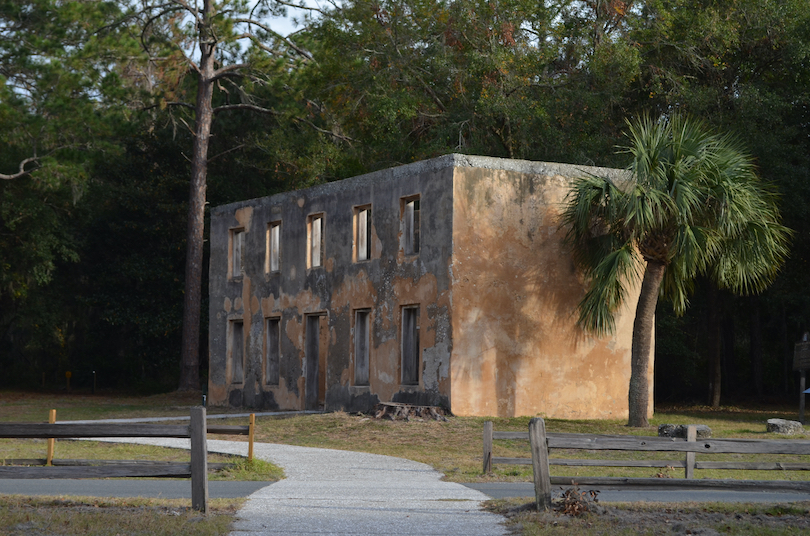
This eerie abandoned house has been weathered by time. It has no windows or roof, and it’s barely standing. It’s definitely got a haunted feel to it. Explore the ruins and then visit the graveyard and the old plantation grounds.
Horton House was built in 1743 to replace Major William Horton’s original home that stood in the same spot and was destroyed when the Spanish attacked the island. They used tabby for most of the construction, which was a prominent building material on the island during the 18th and 19th centuries.
The house was built by slaves, and stands as a relic of the islands colonial past. After Horton, the Du Bignon family lived on the plantation property; their graveyards are still there!
2. Georgia Sea Turtle Center
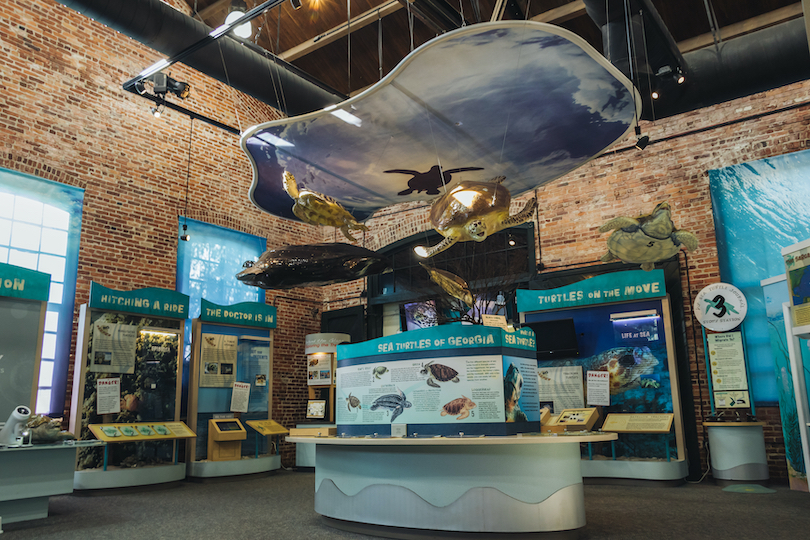
The Georgia Sea Turtle Center was Georgia’s first sea turtle research and rehabilitation center! Outside of the center, they also run guided turtle walks during nesting season.
They care for sick and injured turtles before releasing them back into the wild. Watch them swimming about, then explore the exhibits and get sea turtle-themed gifts from their little shop.
The center is along Stable Road, and it’s a fun and educational day out for kids especially. The cute turtles will have everyone in awe, bring your camera and get some photo-album worthy pictures!
1. Driftwood Beach
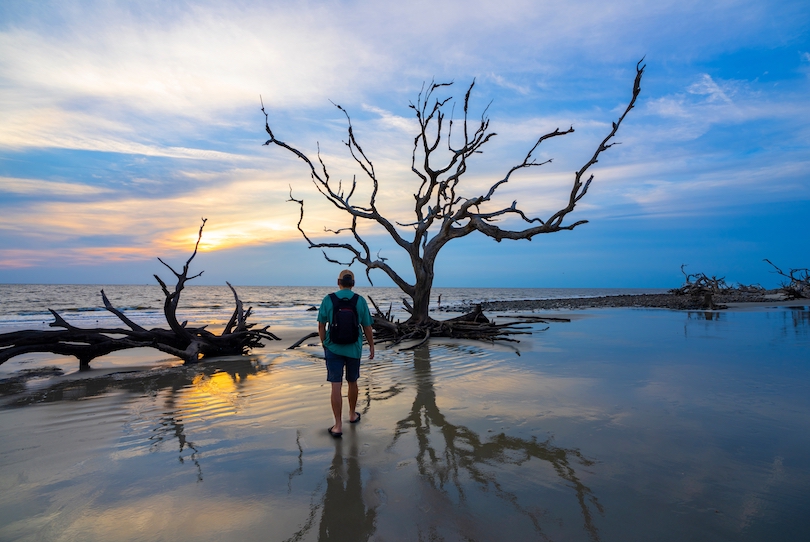
Driftwood Beach is on the north end of the island. Its shoreline is riddled with beautiful trees that have been washed ashore. Some have their entire root systems conserved, hardened by the waves and time!
Don’t forget to bring your camera, you’re going to want to take photos at this incredible nature spot. Keep a look out for dolphins jumping out of the waves offshore and listen for the calls of nearby seabirds.
Enjoy some silence and solitude as you sit on the sand and contemplate life. The sunsets here are stunning, and it’s a hub for nature lovers.