
Featuring a 100 miles of serene shoreline, barrier islands, and protected ecosystems, Georgia has the beaches to rival its more famous neighbors. Travelers and locals alike will have the privilege of kicking back on a variety of tranquil beaches that offer something for families, nature lovers, and romantics.
The barrier islands bring a splash of history and interesting nature to your beach day. Guests can enjoy picture-perfect white sand with great shelling, undulating dunes, and protected maritime forests. While hints of 19th century life hover around the corner.
Some of the best beaches Georgia whisk you away from the hustle and bustle of modern life. But others provide ample amenities that are great for younger families. So whatever beach you’re looking for, you’ll find it in the Peach State.
11. Nanny Goat Beach, Sapelo Island
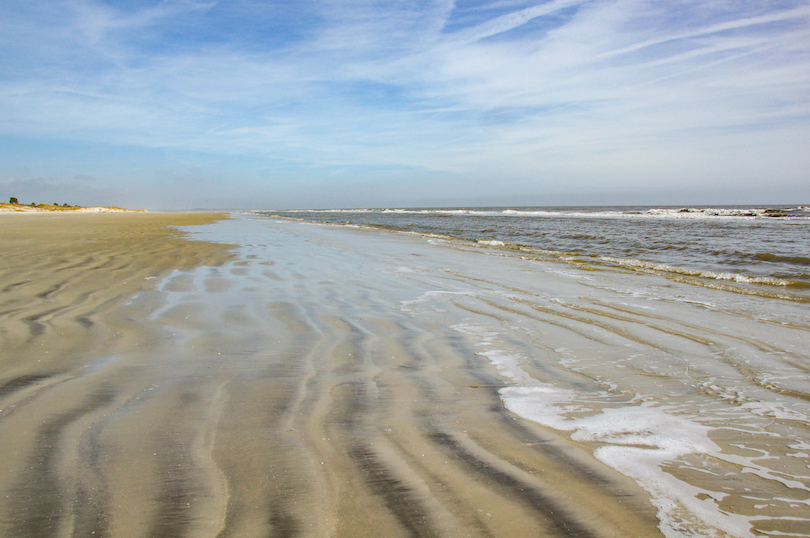
Spanning two miles of pristine coastline, Nanny Goat Beach is as stunning as it is ecologically significant. The beach is a part of the Sapelo Island National Estuarine Research Reserve and visitors must either book a tour or stay overnight in order to visit.
After taking a brief ferry ride to Sapelo Island, head to its southeastern cape where you’ll find bright white sand backed by maritime forests and undulating dunes. After some relaxation, go hunting for shells and try to spot the ospreys and bald eagles that frequent the forests.
Later, walk along the beach’s hiking trail that takes you through five distinct habitats before arriving at the historic R. J. Reynolds House.
10. Great Dunes Park, Jekyll Island
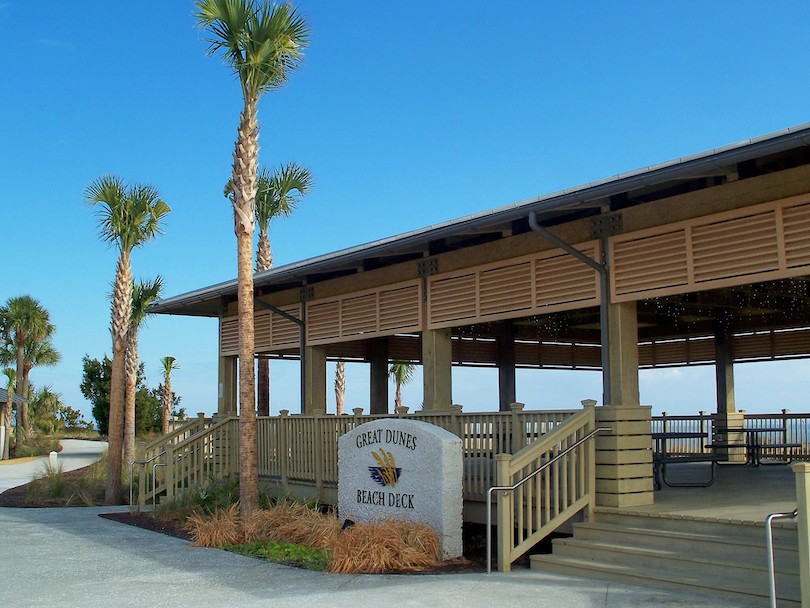
From Savannah to Jacksonville in Florida runs the beautiful Golden Isles. These are a series of four barrier islands, each as pristine as the last. But Jekyll Island just might be the most interesting. After arriving, head to Great Dunes Park, the most popular on the island.
The beach helps showcase the island’s famous nature while still creating a family-friendly experience. The large beach offers plenty of room and decent swimming. But it’s the abundance of activities that makes Great Dunes memorable. Just behind the dunes are mini-golf courses, playgrounds, and a point to embark on the island’s 20 miles of bike trails. In the park, you’ll also find grills and picnic spaces before going back for a swim.
9. Acworth Beach
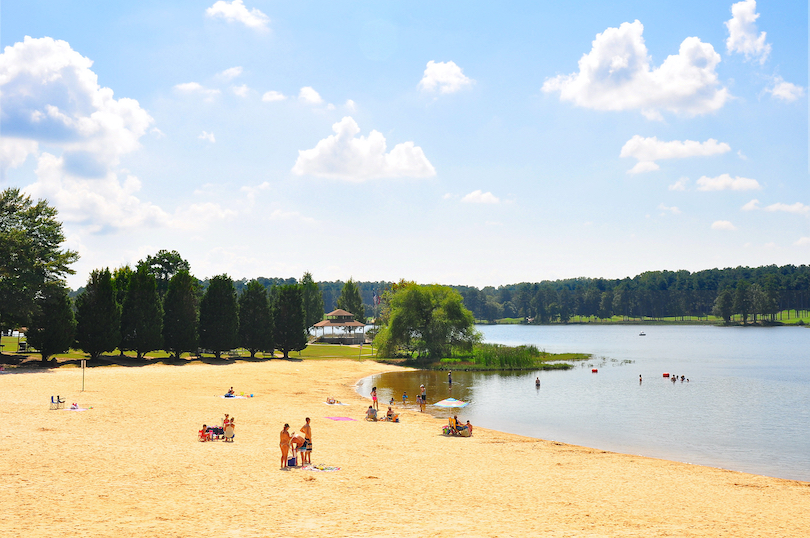
On the north shore of Lake Acworth, Acworth Beach is a popular spot for families. The lack of swell and a roped-off section for swimming make it a lovely spot for a safe and pleasant dip. Beyond the swimming section, visitors can paddle around the lake, go fishing or explore the lake’s edge.
The beach has a wide expanse of sand, perfect for kicking back and basking in the warm Georgian sun. Young kids can also run amok on the beach’s playgrounds and everyone can enjoy some friendly competition on the volleyball courts.
Just north of Atlanta, Acworth Beach is a top option for those away from the east coast.
8. Sea Island
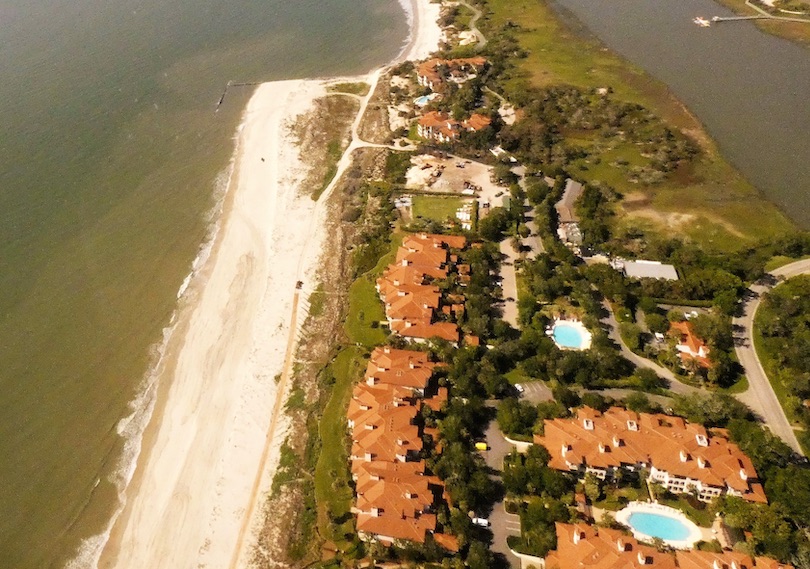
There are many kinds of beach days: natural and rustic, family-friendly, and luxurious. If you’re in the mood to be pampered, then Sea Island is the place for you. Make the most of the award-winning Sea Island Beach Club that offers 5 miles of private beachfront, sparkling pools, spa houses, and on-site restaurants.
Wake up in comfort before wandering down the private beach. Take in the sounds of the crashing waves with barely a human in sight before taking advantage of the club’s water sport offerings. Go kayaking, sailing or kiteboarding and then kick back at one of their upscale restaurants.
If the weather turns sour, go bowling or explore the Sea Island Nature Center.
7. Glory Beach, Jekyll Island
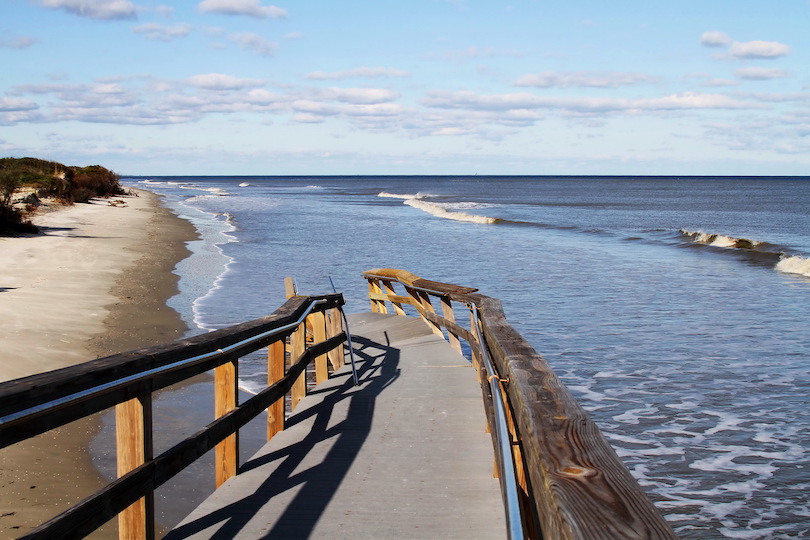
On the island’s southern end, Glory Beach lives up to its lofty name. Beachgoers will find ample parking behind the beach before wandering over an elevated boardwalk that crosses the soaring dunes coated in sea oats. On arrival, you’ll find rich golden sand and a beach removed from the rest of Jekyll Island.
A day on Glory Beach is simple, sun, swim and some light reading. The breeze can be refreshing on a warm summer’s day and also provides for excellent kite flying and windsurfing. The sand can be hard-packed, making it pleasant for a beach stroll or even a bike ride as you enjoy views of the ocean and Cumberland Island.
6. Main Beach, Little St. Simons Island
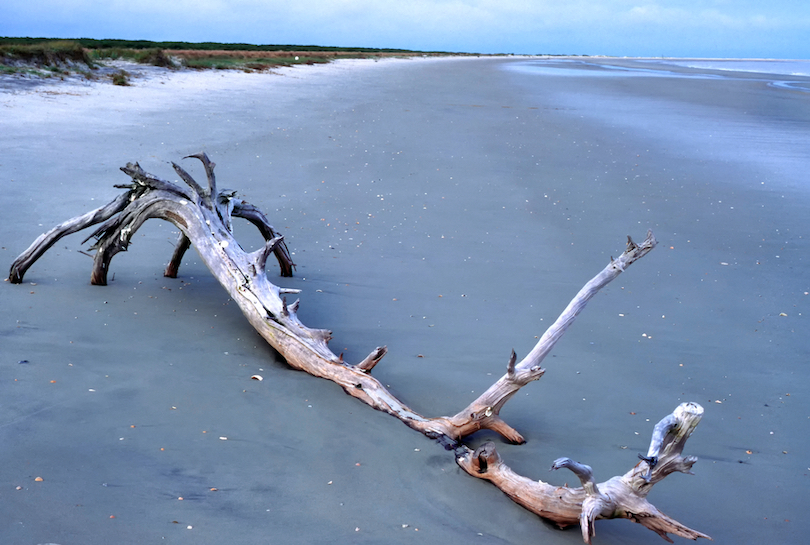
The private and exclusive Little St. Simons Island provides for a unique beach experience. Other car-free islands offer a ferry and open the door to exploring the island’s nature and beach, but Little St. Simons is different. For the most part, only guests of The Lodge can stay here, leaving the lucky visitors with essentially a private beach.
The Lodge focuses strongly on conservation and protecting the natural elements of the island. With a maximum of just over 30 guests, it’s easy to find yourself lost in the island’s beauty, with a quiet, tranquil calm washing over you. Escape the noise, kick back on the soft sand and enjoy a day of utter peace.
5. St. Andrews Beach, Jekyll Island
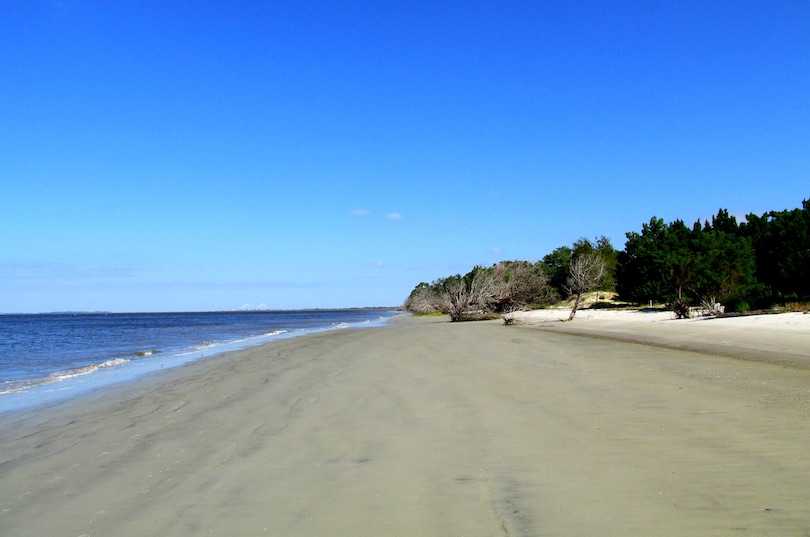
Despite its magical beaches, life on Jekyll Island is much more than just sun, sand, and swimming. St. Andrews Beach, like Driftwood Beach below, offers a different kind of beach day.
Bird watchers and animal lovers will want to explore the southern tip of Jekyll Island, home to St Andrews Beach. The beach, connecting park, and Jekyll Point combine to provide access to both the Atlantic and Jekyll Sound along with the range of wildlife that flocks to the region.
After some sunbathing, check out the wildlife viewing platform that takes you up into the canopy where you can spot the island’s rich migratory bird population. Afterwards, hike the fascinating Wanderer Memory Trail, which is a self-guided journey that focuses on the Wander, the United States’ last known slave ship.
4. East Beach, St. Simons Island
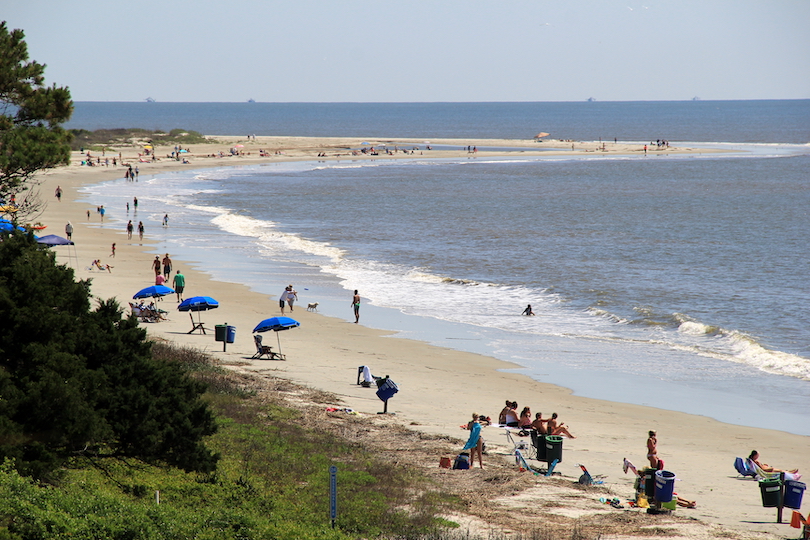
Facing out to the Atlantic Ocean, East Beach travels for several miles along the sun-soaked coast. The dog-friendly beach is the most popular on St. Simons Island, the biggest of the four Golden Isles. It’s a place to swim and relax. But with the Atlantic finishing its long journey, locals and travelers can take advantage of the many water sports on offer.
East Beach is a great spot to take in the sunset. Not only will you be facing the rising sun, but the hard-packed sand makes for pleasant walking (even running) with a heart-warming morning coffee in hand. After freshening up, come back for a day on the sand. You’ll find kite boarders, windsurfers, and boogie boarders enjoying the scene with kids scavenging the shoreline for shells.
3. North Beach, Tybee Island
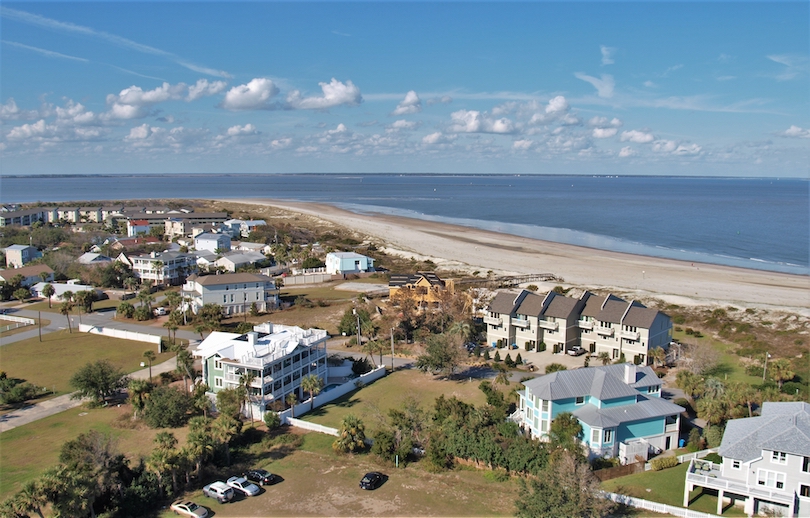
When travelers arrive on Tybee Island, many flock to the popular South Beach. But not only is North Beach larger, without the crowds it offers more room to breathe plus a very convenient location. The wide open beach offers golden sand laden with interesting shells, great swimming with shops, restaurants and sights close by.
As you lay on the beach, you’ll see the island’s famous undulating dunes fringe upon the sand. It complements the ocean to provide a lovely view whichever way you look. At lunch hour, you’ll be just a short walk into the local township for a feed. After, enjoy a leisurely stroll to the oldest (and tallest) lighthouse in Georgia, the Tybee Island Light Station which also has a museum.
End your day at North Beach by taking in the memorable sunset that rarely disappoints.
2. Cumberland Island National Seashore
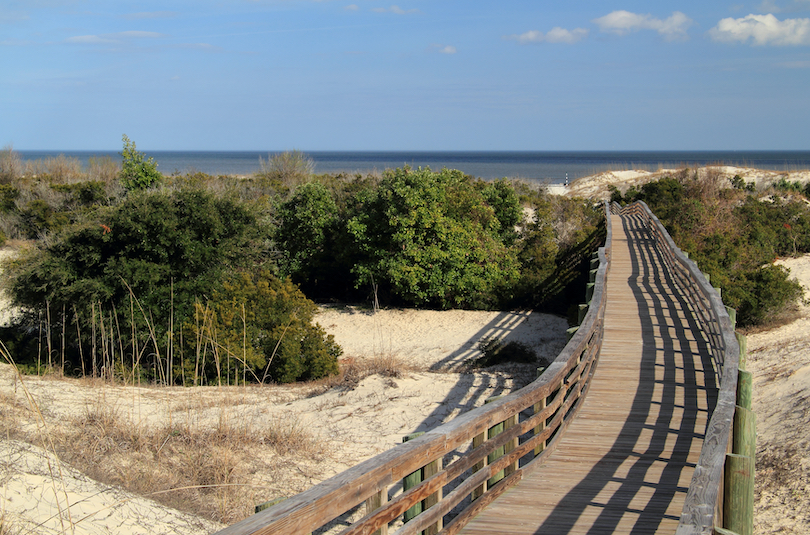
Featuring almost twenty miles of untamed beaches, the Cumberland Island National Seashore can only be reached by boat. Leave the car at home and jump on the Cumberland Island Ferry to the most southern of the state’s Golden Isles.
Upon disembarking the ferry, you’ll discover an untouched paradise with just a few historic examples of human habitation. With no traffic, no restaurants or bars, you can forget the real world for a day and bask in pure serenity.
You can spend all day in the beach chair soaking in the views and swimming in the Atlantic. But much of the fun here is exploring the uninhabited island. Go for a hike and discover almost two dozen ecosystems, the Dungeness Ruins of the Plum Orchard Mansion.
1. Driftwood Beach, Jekyll Island
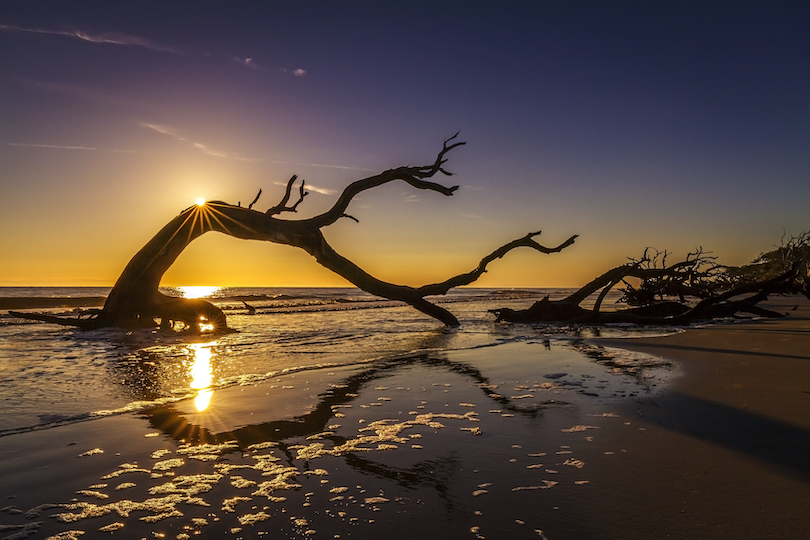
Around the turn of the 20th century, Jekyll Island was exclusively the abode of the rich. While that may no longer be the case, you can see what drew the wealthy crowd to the island at the pristine Driftwood Beach.
Jekyll Island features dozens of miles of soft white sand beaches that fringe upon historic buildings and a wilderness that continues to reclaim land. But for photographers and romantics, all roads point to Driftwood Beach.
Because of erosion, glistening sand can’t grip the trees, leaving them to be strewn across the landscape like abandoned toys. Over time, the wind, rain and salt spray have bleached them, creating stunning scenery. Beachgoers come here to take in the veritable tranquility, unique photography, and the occasional quiet wedding.