
June is bustin’ out all over as the world celebrates the beginning of summer in a variety of ways, from ancient religious ceremonies to the performing arts. In the northern hemisphere, June is a good month to celebrate long days filled with sunshine and good outdoors weather. Travelers will be hard-pressed to pick a better time to be on the go. An overview of the best places to visit in June:
10. Barbados Crop Over
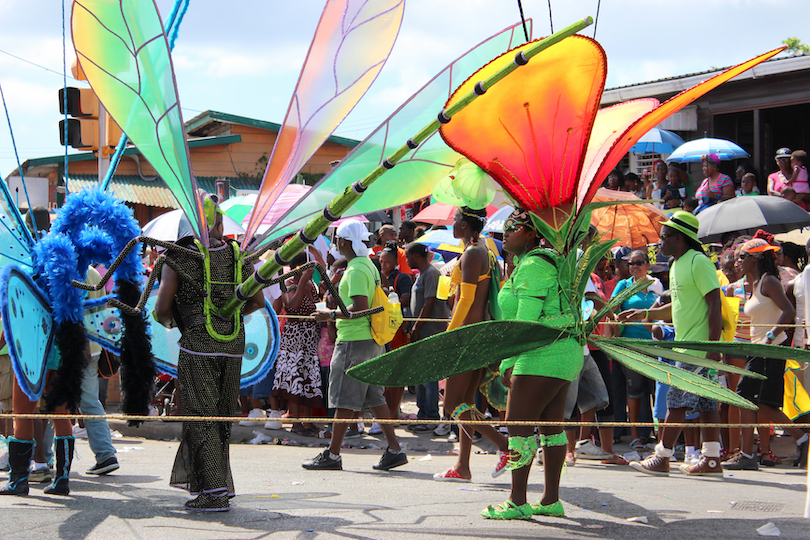
Crop Over is to Barbados what harvest festivals are to other places: a time to celebrate and give thanks for a successful growing season, in this case, sugar cane. The festival dates from the 1780s when Barbados was the largest producer of sugar cane in the world. Alas, the sugar industry declined in Barbados and the Crop Over celebration ended in the 1940s only to be resurrected in the 1970s.
Today, it is an extravagant celebration that begins with crowing a king and queen of the festival – the two who have cut the most sugar cane that season. It ends with a huge parade, with lots of food, calypso music and carnivals in-between.
9. Kirkpinar tournament in Edirne
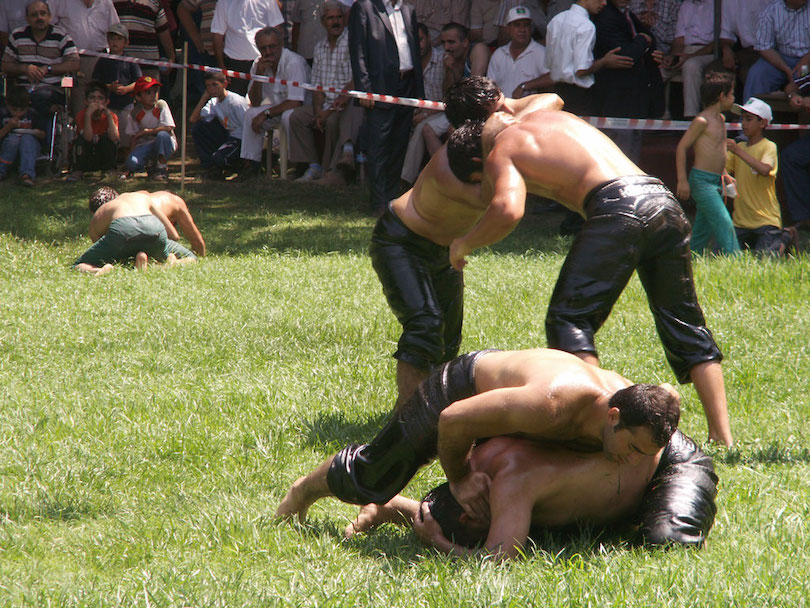
While Asian nations may have their mud wrestling tournaments, the Turks celebrate summer time with oil wrestling tournaments. The largest tournament is Kırkpınar near Edirne, which also has the distinction of being the world’s oldest sporting competition, with the first tournament held in 1362.
Wrestlers, clad in water buffalo hides or calfskin shorts, douse themselves in olive oil and compete in 12 categories. Each match ends when one wrestler either pins his opponent or lifts him over his head. The wrestlers are called pehlivan, which means hero or champion, as wrestlers initially were soldiers.
8. Dhamrai Jagannath Roth Festival
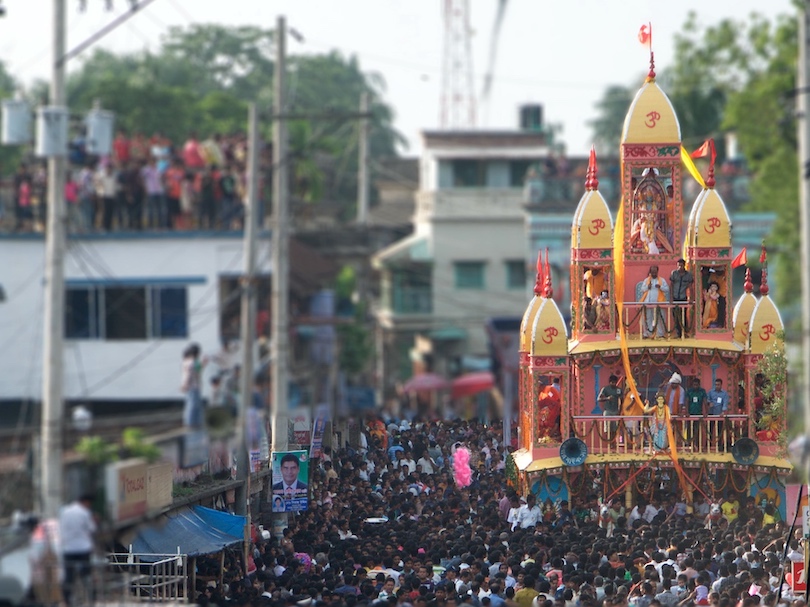
One of the most famous Hindu festivals in Bangladesh is the Roth Jatra Festival at Dhamrai. The festival takes place at a chariot temple that is dedicated to Jagannath, an important Hindu god who is believed to be a reincarnation of Vishnu. It is a noisy celebration as drums, trumpets and other musical instruments accompany a supersize chariot, known as a Roth, as it is pulled between temples in huge colorful parades.
The month-long celebration usually takes place in June or July, depending on the moon. Since the chariot sometimes cannot be stopped, it has given rise to the English word juggernaut that means unstoppable.
7. Diablos Danzantes, San Francisco de Yare
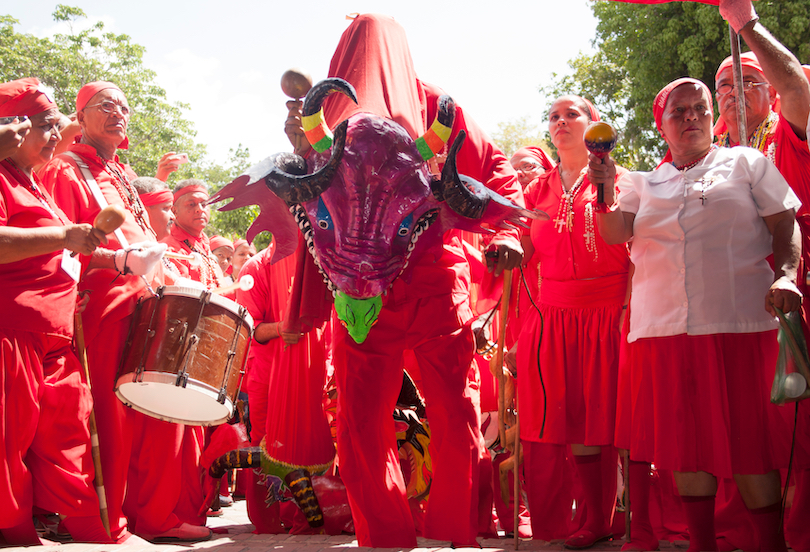
Travelers to San Francisco de Yare, Venezuela, can expect to have a devilish good time at the Diablos Danzantes, held every year on Corpus Christi day, which is the ninth Thursday after Holy Thursday. That’s when costumed “dancing devils,” usually dressed in red costumes, perform a ritual dance.
These devils wear grotesque masks and all sorts of amulets, in what is a religion-based festival. People pray and the colorfully dressed devils dance around the town and church, before being downed by the forces of good.
6. Parintins Folklore Festival
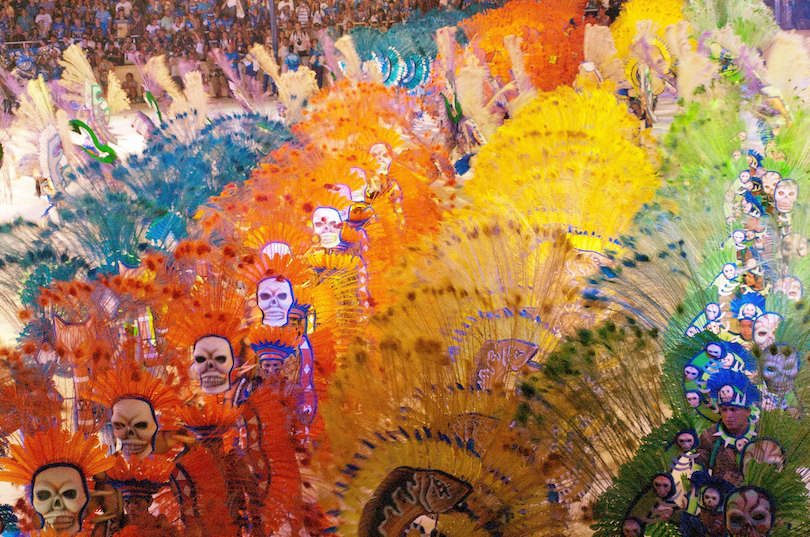
Travelers who enjoy telling stories may want to head south to Parintins, a city located on an island in the Amazon River in Brazil, for the annual Parintins Folklore Festival. The festival is also known as Bumba Meu Boi or “hit my bull,” as it translates in Portuguese. The tale revolves around a bull that dies and is brought back to life by drummers, a pregnant girl, a priest and a cowboy, among other characters.
The story involves a lot of music and colorfully dressed participants, including dancers. The traditional folklore festival takes place annually in June, primarily in northern Brazil, though celebrations can be found elsewhere around the country.
5. Saint Petersburg White Nights Festival
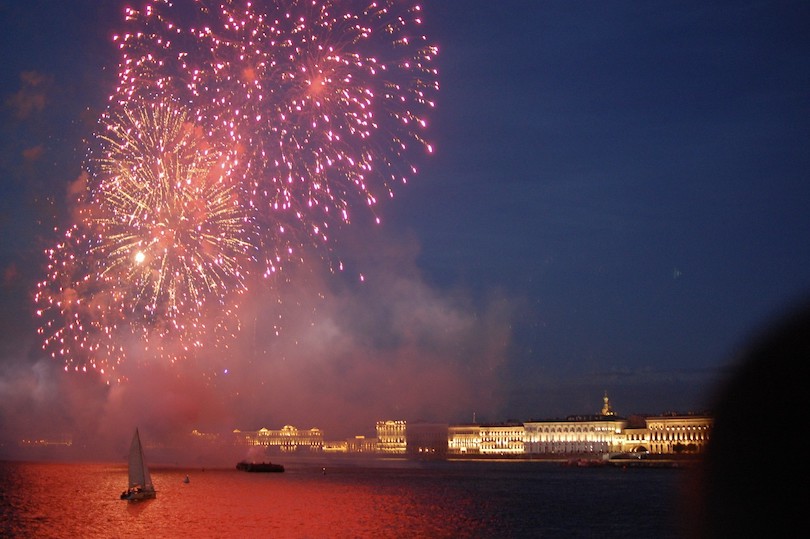
Saint Petersburg celebrates summer in a big way, with its annual White Nights Festival taking place from May to July, with major events taking place around the summer solstice in June. The festival celebrates the season of the midnight sun through artistic performances, ranging from opera to ballet to music.
Both Russian and international artists perform during the celebration, which concludes with the Scarlet Sails, said to be one of the biggest shows in Russia. The Scarlet Sails features a huge fireworks show that also celebrate4s the end of the school year for children.
4. Alaska
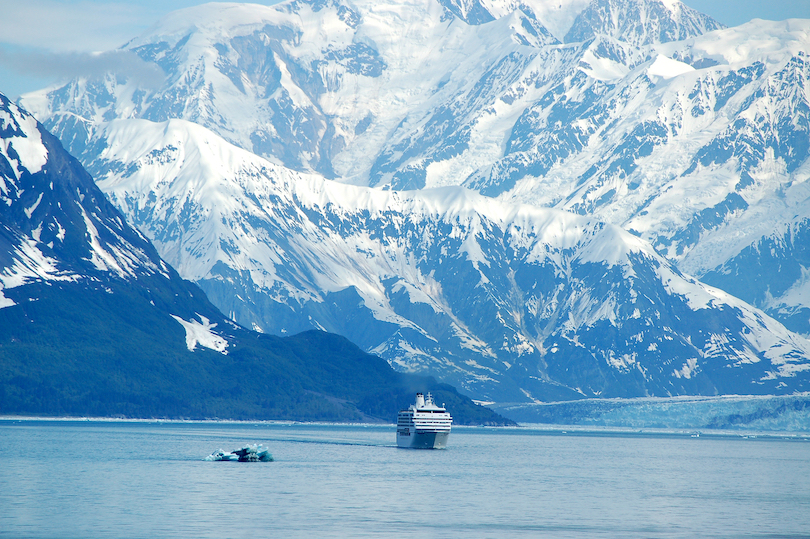
June is a great time to visit Alaska, the largest of the 50 U.S. states. The snow is mostly gone, except for the highest mountain peaks; the fish are biting down on the Kenai Peninsula, and trails are just made for hiking into the backcountry.
June weather in the 49th state is the best it’s going to get in the summer, with 24-hour daylight above the Arctic Circle. Anchorage celebrates the season with its summer solstice festival in downtown. Farther north, up Fairbanks way, they celebrate the summer solstice with a baseball game that has begun at midnight annually since 1906.
3. Summer Solstice at Stonehenge
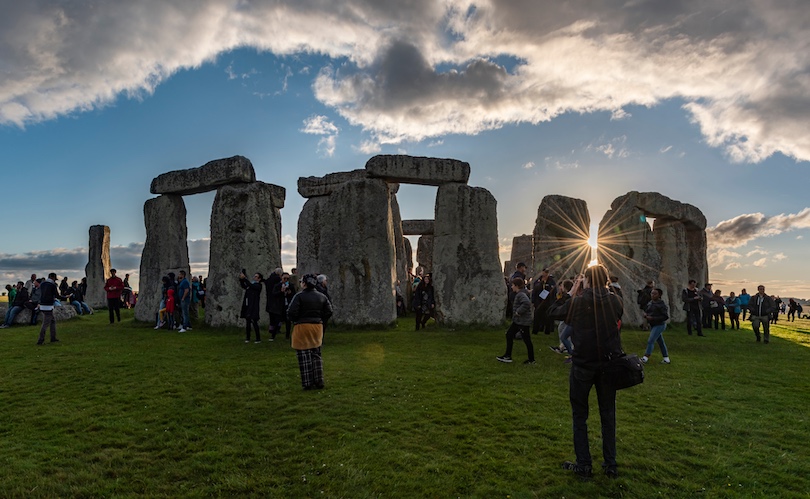
One of the best places to visit in June is Stonehenge where druids and other believers have been celebrating summer solstice for thousands of years. This prehistoric monolith near Avebury, Wiltshire, England, still draws thousands of people every year to celebrate the longest day of the year.
Modern-day Druids and other pagan believers spend the night before solstice at the monument so they can be there when dawn breaks. Travelers should be prepared for the unexpected. English Heritage, which administers the ancient Stonehenge, says groups can celebrate in any manner as long as they are respectful of the sacred site.
2. Montreal International Jazz Festival
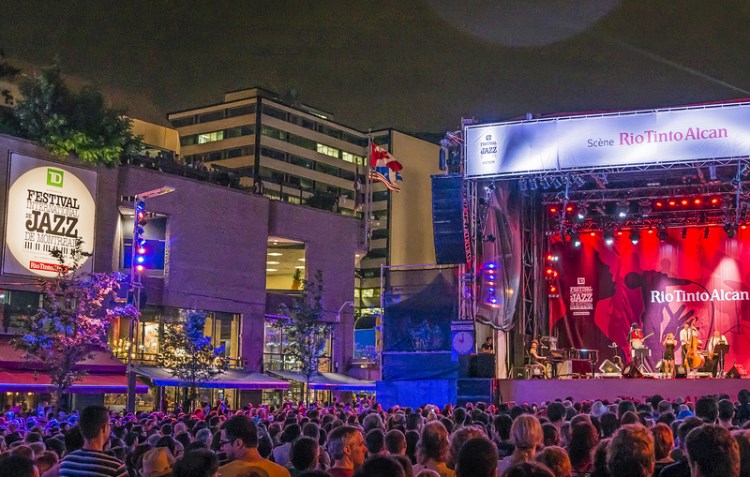
The sounds of music waft over Montreal in June as thousands of musicians and millions of fans head to the Montreal International Jazz Festival. Billed as the world’s largest jazz event, the festival attracts 3,000 musicians from the world’s greatest jazz artists to the not-so-famous who play for more than 2 million visitors.
Travelers on a budget will be happy to learn that about two-thirds of the concerts are free. Streets in downtown Montreal are blocked off to become open-air concert venues. Other concerts are held in jazz clubs and large concert halls. The first jazz festival took place in 1980.
1. Inti Raymi, Cusco
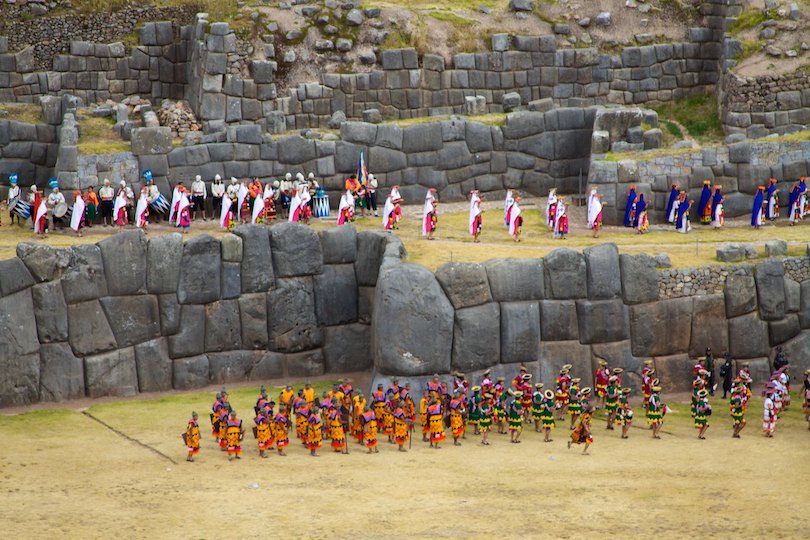
Cusco hosts the second largest festival in South America when it celebrates the Inti Raymi Festival in June. This Festival of the Sun originated centuries ago with the Incas to honor Inti, one of their most favored gods, to celebrate the winter solstice, which is in June in the southern hemisphere. The festival was banned after the Spanish conquered the Incas, but returned in the mid-20th century.
Today, Peruvians wear traditional costumes to celebrate with dancing and parades, but mass sacrifices are no longer carried out, as the Incas re-enact their life in its heyday. The colorful scene takes place at Sacsayhuamán near Cusco on June 24 of each year.