
Islands without cars can be the perfect car-free holiday destination, offering a relaxed and laid-back atmosphere. Clear from traffic jams, parking fees or the struggle to find a free parking space these islands can be explored on foot or by bicycle.
You’ll find these car-free islands scattered across the globe, from sunny Mediterranean shores to tropical Asian beaches. Each one has its own charm and reasons for keeping vehicles off its roads. Some islands made this choice to protect their environment, while others simply never had room for cars in the first place.
Getting around is part of the adventure here. Maybe you’ll rent a bike, hop in a horse-drawn carriage, or just wander on foot wherever you want. Perhaps that slower pace lets you notice details you’d never spot from behind a windshield.
21. Tabarca, Spain
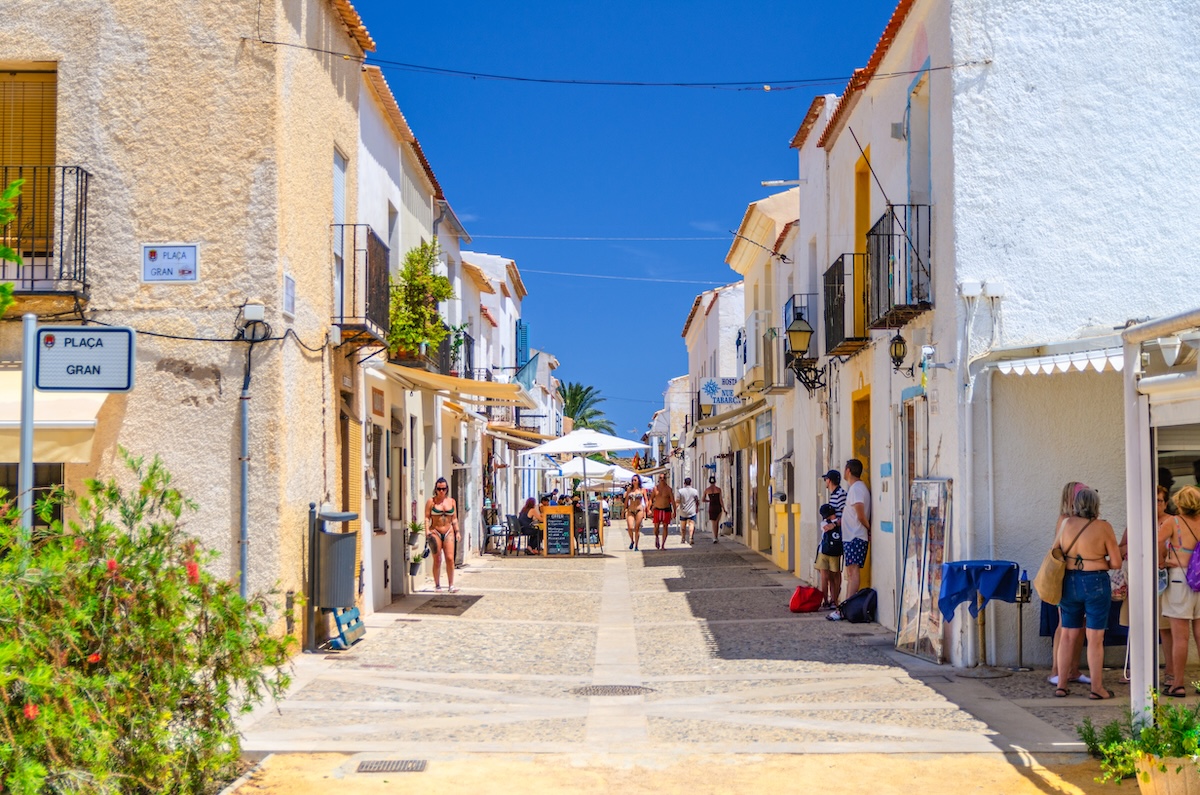
Tabarca floats in the Mediterranean Sea, just off Alicante’s coast. It’s Spain’s smallest inhabited island, with fewer than 60 people calling it home year-round. No cars here. Just seagulls, waves, and the occasional chatter from locals. You’ll explore everything on foot, which honestly isn’t hard since the whole place is tiny.
The island sits about 22 kilometers from Alicante and close to Santa Pola. It became a marine conservation area back in 1986, so the waters are impressively clear and clean. Grab fresh seafood at a local restaurant or stroll the old town, still ringed by medieval walls. In summer, crowds arrive by boat, but somehow the car-free vibe keeps things calm.
20. Rawa Island, Malaysia
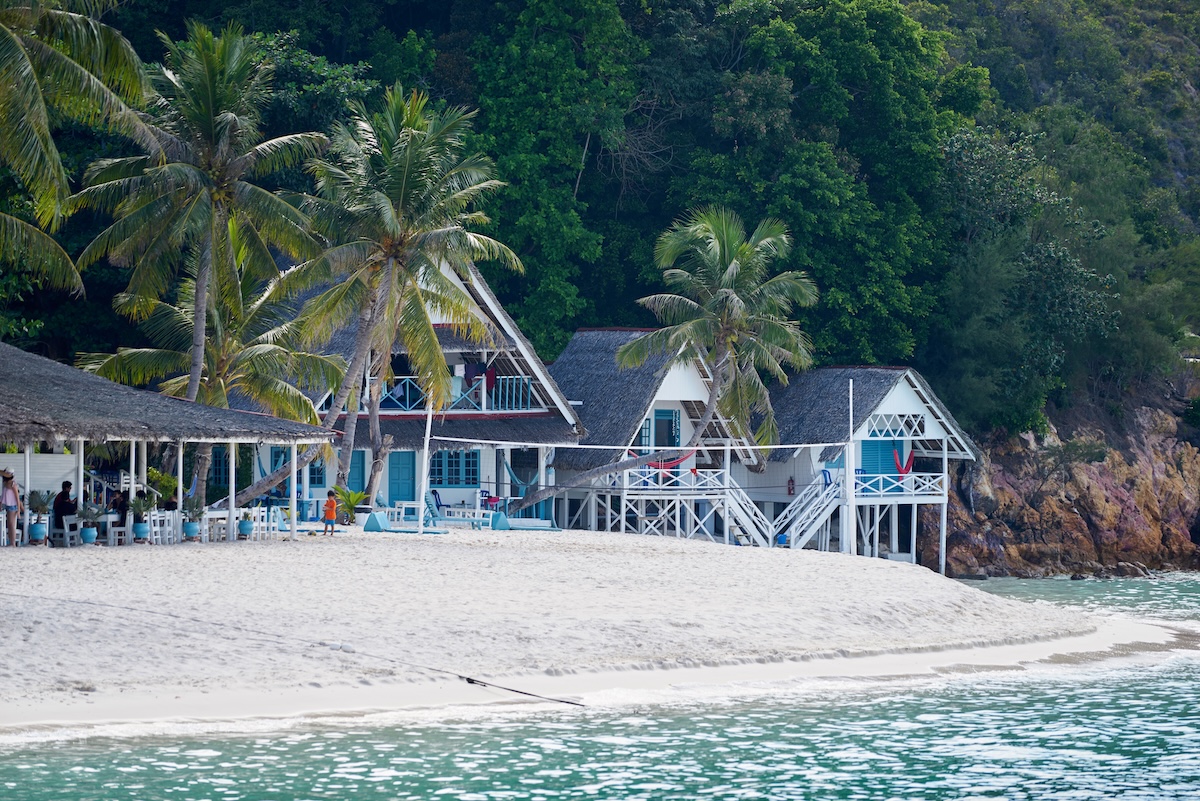
Rawa Island sits just 16 kilometers off Johor’s coast, so it’s easy to reach from the mainland. The Johor royal family owns this coral island, and only a couple of resorts dot the shore—nothing too flashy. No cars buzz around here. You’ll spend your days in hammocks between palm trees or swimming in the turquoise water that’s earned Rawa the nickname “Malaysian Maldives.”
Getting there from Singapore takes around three hours, then a quick 30-minute speedboat from Mersing. The white sand stays pristine, and the water is perfect for snorkeling with colorful marine life. It’s the kind of place where you actually hear the waves and really disconnect.
19. Comino, Malta
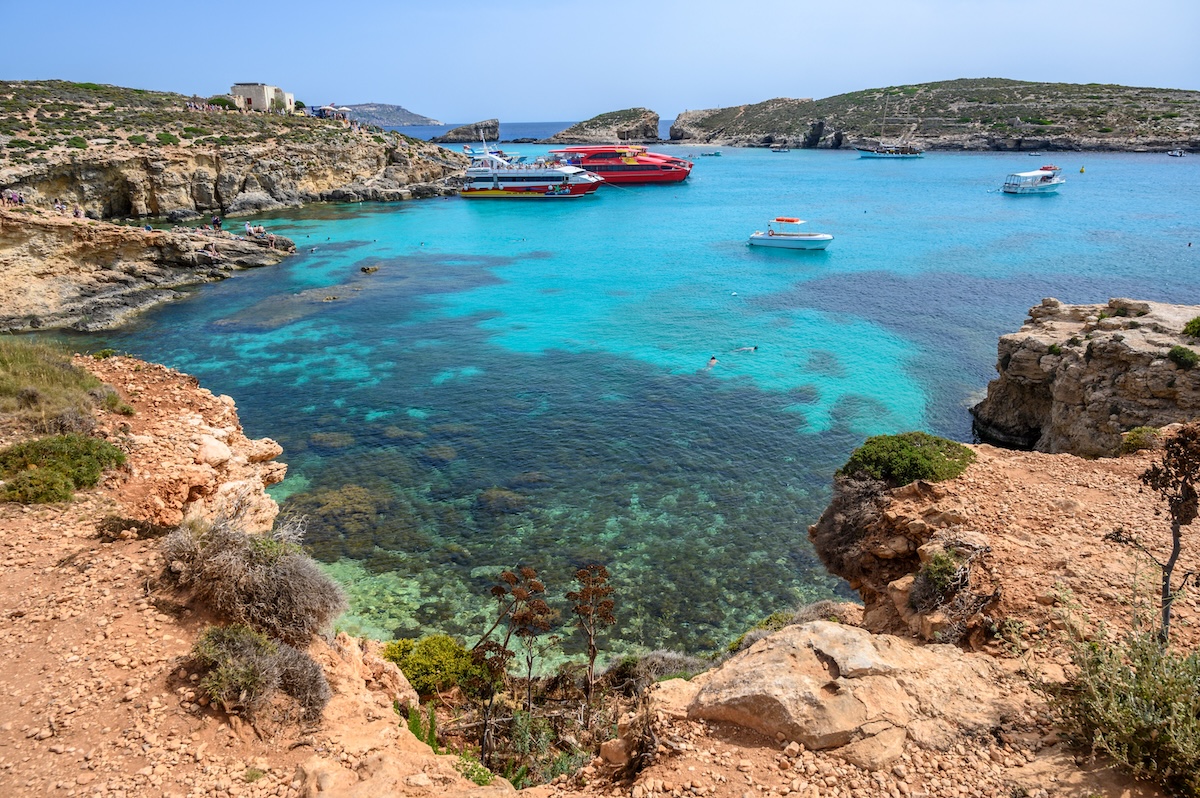
Comino rests quietly between Malta and Gozo in the Mediterranean. The island’s just 3.5 square kilometers and doesn’t allow cars at all. Not many people live here. The place stays peaceful and pollution-free—ideal for a real escape. Most visitors come just for the day to wander rocky paths and the dramatic coastline.
The Blue Lagoon steals the show with some of the clearest turquoise water in the region. Swim, snorkel, or just soak up the sun on the white sand. Trails connect the island’s highlights, so walking around is easy. There’s not much shade, though, so summer gets hot. The car-free setup means you’ll actually experience quiet as you explore.
18. Herm, United Kingdom
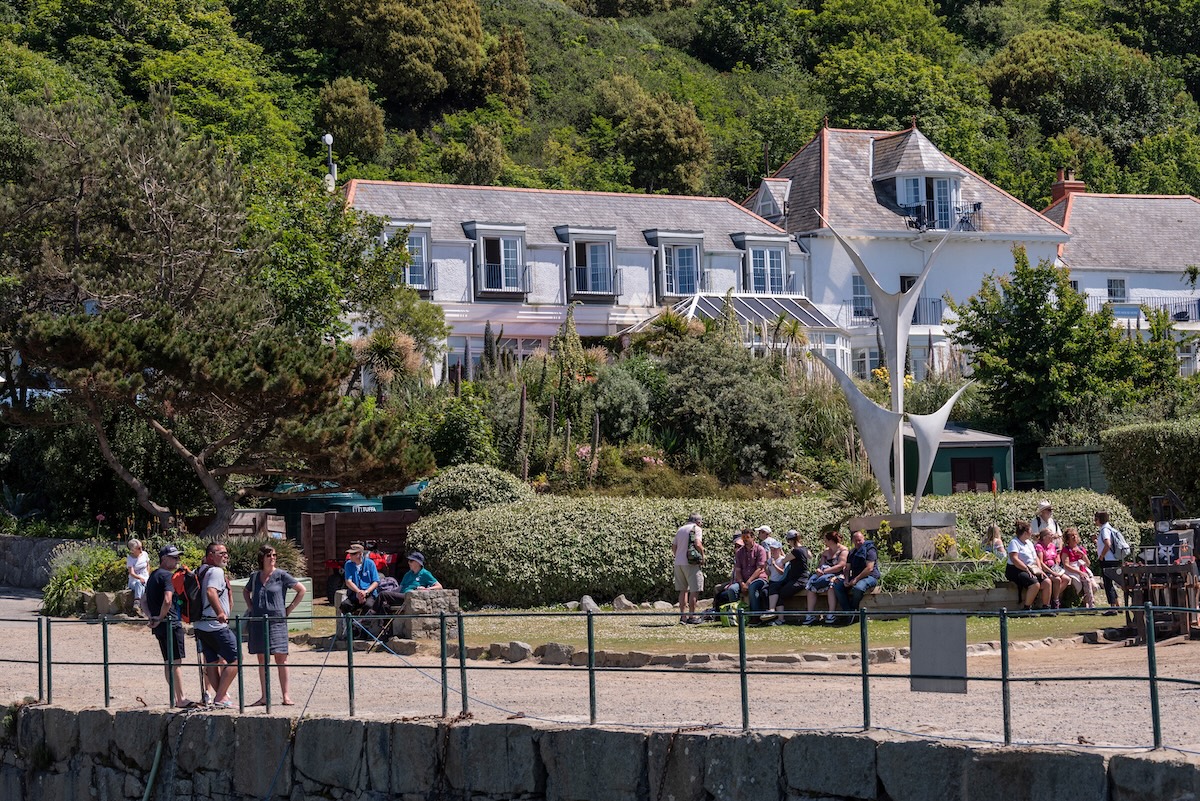
Herm sits in the English Channel, just a 20-minute ferry from Guernsey. It’s only 1.5 miles long and half a mile wide—small enough to walk around in under two hours. Cars and bikes? Not allowed. The 65 year-round residents keep things simple and peaceful. No engine noise, just winding paths and beaches.
Shell Beach stands out with white sand and turquoise water that looks more Caribbean than British. You’ll find places to stay, from the White House Hotel to camping at Seagull Village. Some spots even let you bring your dog. The only hotel skips TVs, phones, and clocks in the rooms. If you want groceries, you’ll need to order several days ahead.
17. Burano, Italy
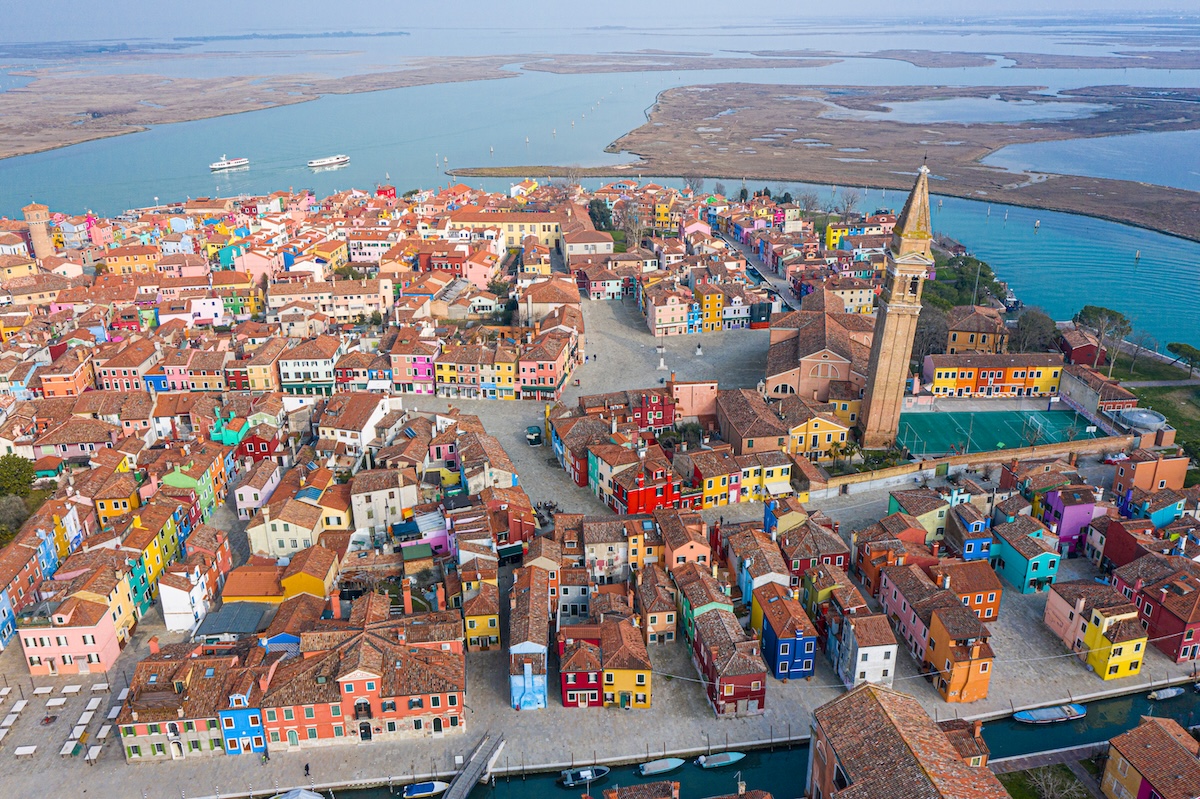
Burano floats in the Venetian Lagoon, about 40 minutes north of Venice. It’s a small fishing island with around 2,800 residents, many from families rooted here for generations. No cars at all. There aren’t even roads to the mainland, so you can only get here by boat. Once you arrive, you’ll get around like everyone else—on foot, by bike, or by boat.
The island’s famous for its lacework and its wildly colorful houses. Every building pops with a different bold shade, creating a rainbow along the canals. Fishermen still work these waters, and many families keep small boats tied up in the waterways. Without cars, Burano stays quiet and relaxed—worlds away from Venice’s crowds.
16. Nami Island, South Korea
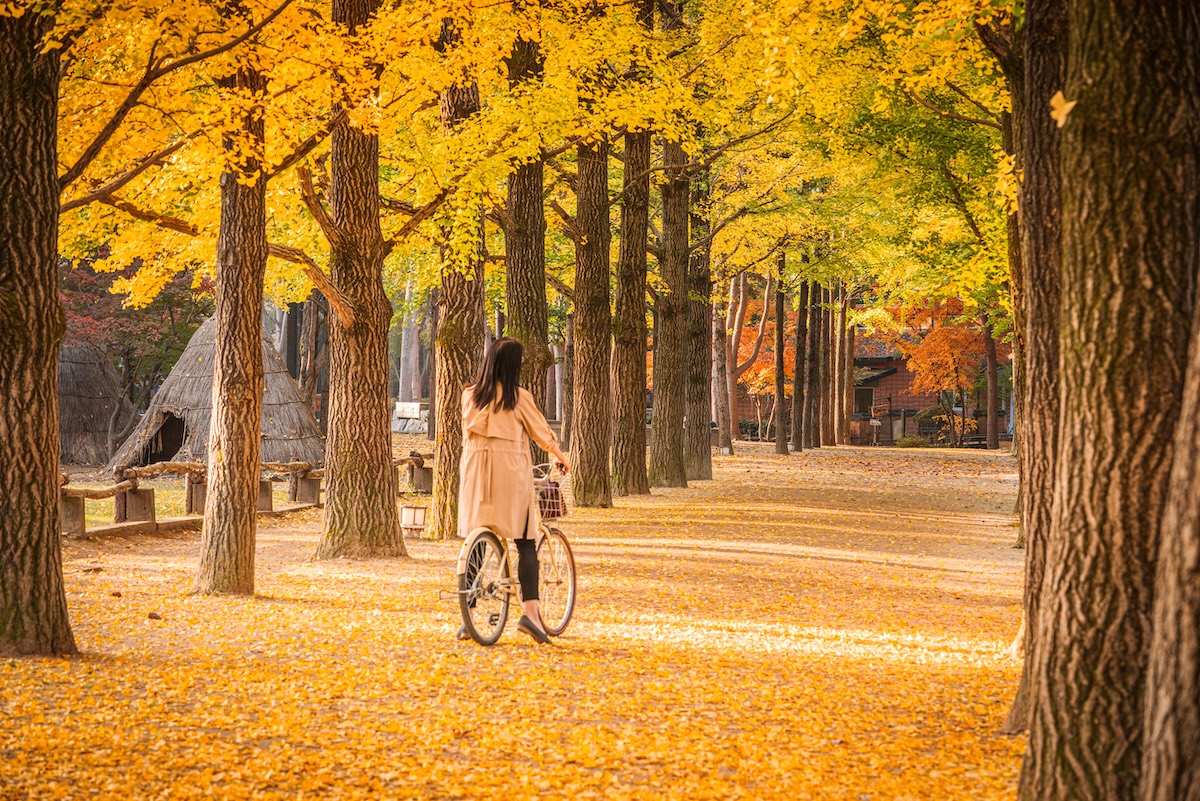
Nami Island floats in the Bukhan River, just outside Seoul. Cars aren’t allowed, so you get a peaceful break from city chaos. The island formed in 1944 when the Cheongpyeong Dam raised water levels. Now it’s shaped like a half-moon, covered with tree-lined paths that change with the seasons.
You can walk or bike the whole place. The paths wind past rows of trees, quiet gardens, and riverside spots. Many people know Nami from Korean dramas, especially “Winter Sonata.” Since overnight stays aren’t allowed, most folks visit for the day. There are museums, art exhibits, and outdoor spaces to explore. Kids can run around safely, and you might see visitors bringing their dogs along too.
15. Chumbe Island, Tanzania
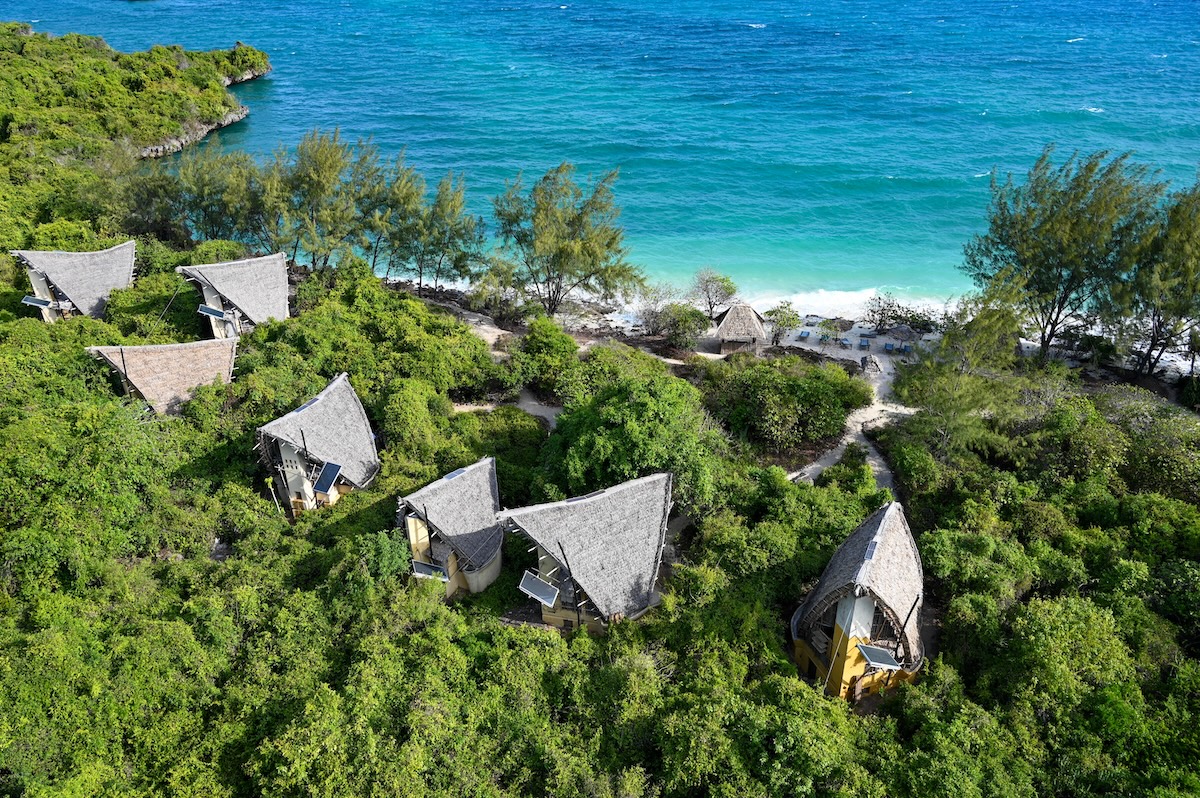
Chumbe Island sits about six miles south of Zanzibar’s Stone Town. No cars here—just a small private island surrounded by crystal-clear water and protected reefs. It became Tanzania’s first Marine National Park in 1994. Since then, conservation comes first. You can walk barefoot on the white sand or explore the lush forest covering most of the island.
Getting around is simple: walk or snorkel. They don’t allow scuba diving to protect the reefs, but you can swim right off the beach and see plenty of coral and tropical fish. The place stays quiet without any engine noise. Your visit supports conservation work. Resident guides show you around and share the story of Chumbe’s unique ecosystem—one of the world’s most successful eco-tourism spots, honestly.
14. Maldives Resort Islands
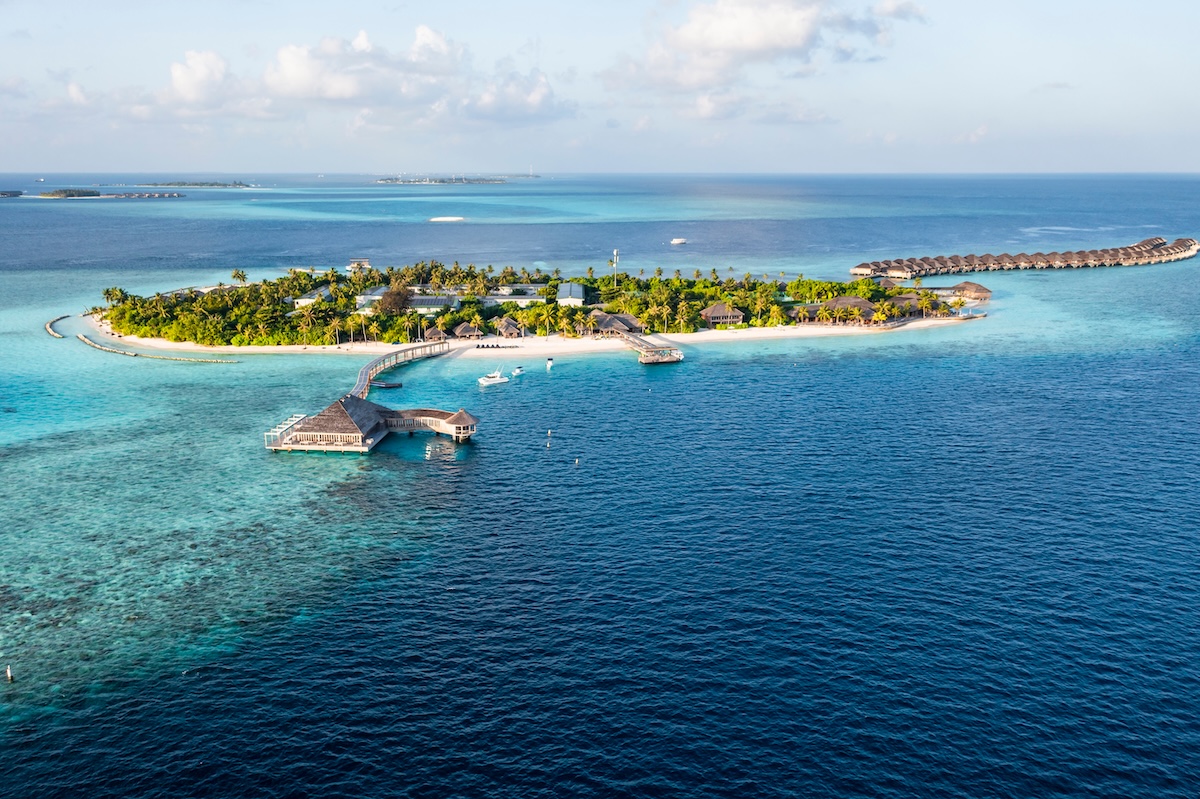
Most resort islands in the Maldives don’t have cars, or roads for that matter. These tiny tropical places are so small, you don’t need vehicles anyway. A walk around usually takes 15 or 20 minutes.
You’ll get everywhere barefoot on sandy paths or by bike. Some resorts offer electric buggies if you need a lift, but that’s about it. No engine noise, no exhaust—just waves and palm trees rustling. Each resort usually has its own private island, so you can wander at your own pace. The car-free setup helps protect the delicate coral reefs and beaches, too.
13. Mackinac Island, USA
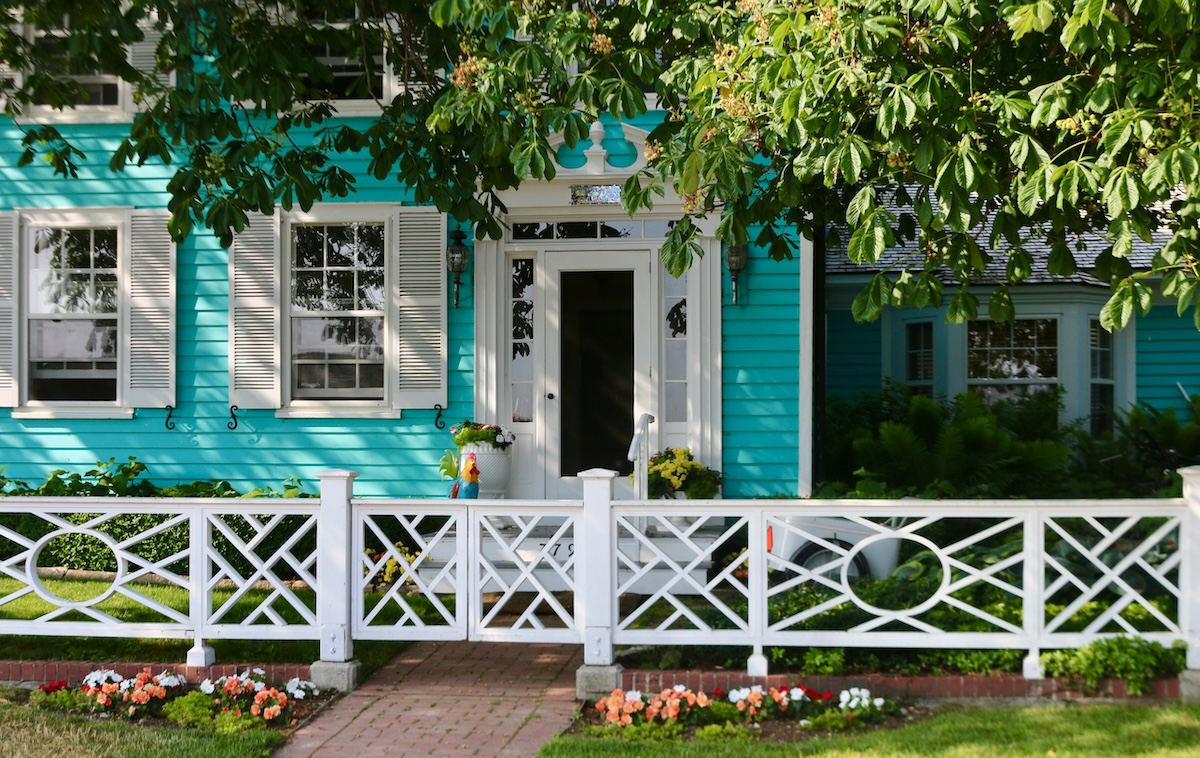
No cars on Mackinac Island, and that’s on purpose. Michigan banned automobiles here in 1898 to protect horses and keep things peaceful. The ban’s still going strong. Only emergency vehicles get a pass.
Getting around means you’ll bike, walk, or take a horse-drawn carriage. The island sits in Lake Huron between Michigan’s Upper and Lower Peninsulas. You can only reach it by ferry or small plane, which adds to the charm. M-185 is the island’s highway, and it’s the only state highway in America where motor vehicles aren’t allowed. About 500 to 600 people live here year-round, sticking with old-school transportation that makes the whole place feel like a step back in time.
12. Cabrera, Spain
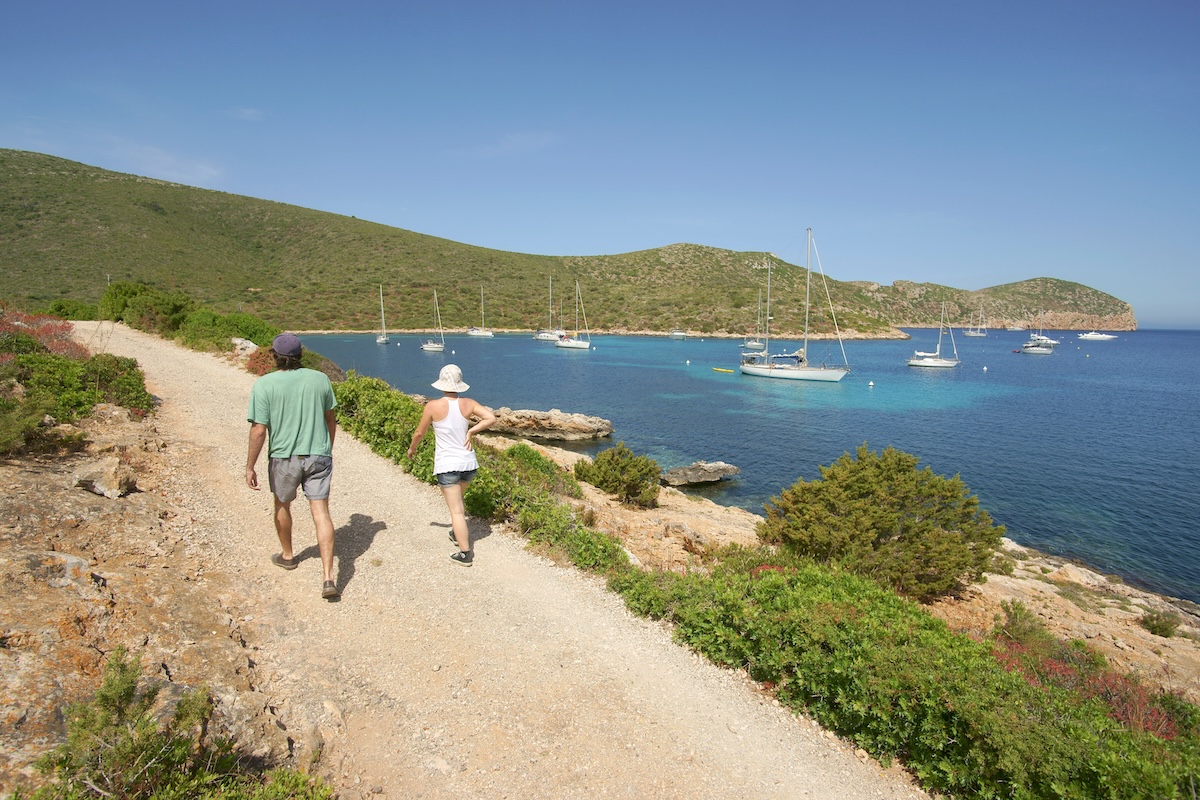
Cabrera floats in the Mediterranean, just 10 kilometers south of Mallorca. It’s part of a protected national park with 19 islands and islets. Spain made it a national park in 1991 to keep it wild. No cars here. The rugged coastline has hidden coves, cliffs, and a few small beaches. Crystal-clear water surrounds the rocky shore, so nature lovers and divers flock here.
You’ll take a boat from Mallorca to get here. The island stays wild and mostly undeveloped because of its protected status. You’ll explore on foot and spot rare wildlife. It’s a world away from Mallorca’s crowded beaches.
11. Kalanggaman Island, Philippines
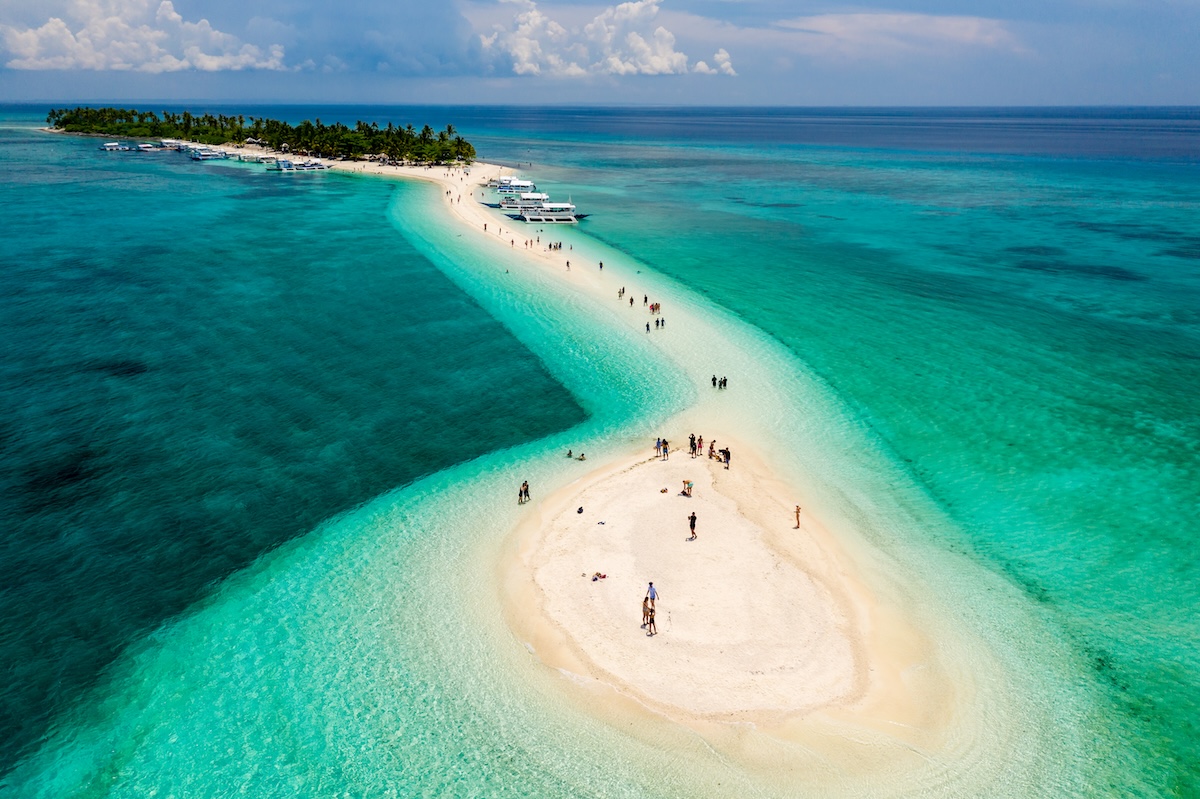
No cars on Kalanggaman Island—there’s nowhere to drive them. This tiny sandbar stretches out between Leyte and Cebu, looking like a bird in flight over turquoise water. The name comes from the local word “langgam,” meaning bird. The shape really does look like one from above. You’ll spend your time walking along white sand beaches, surrounded by palm trees and the sea.
To get here, you’ll take a boat from Palompon, Leyte, about 10 kilometers away. Most visitors come for day trips, arriving around 9am and leaving by 4pm. Some camp overnight to watch the stars without any light pollution at all. No resorts or nightlife. Just sand, sea, and quiet.
10. Sark, United Kingdom
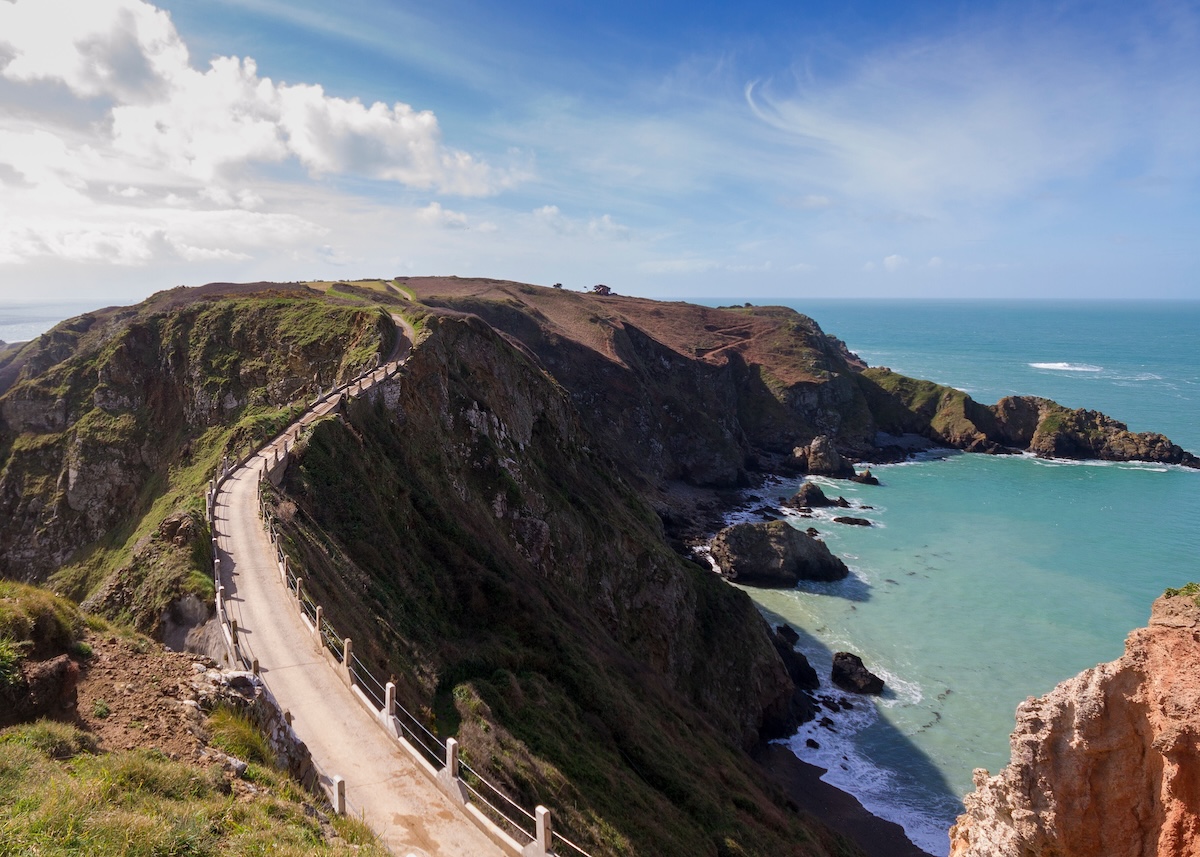
You’ll find Sark tucked between England and France in the Channel Islands. It’s just 3.3 miles long and 1.5 miles wide. Cars are banned completely. You’ll get around by bike, on foot, or in a horse-drawn carriage. Tractors are allowed, and battery-powered bikes for people with disabilities.
Sark belongs to the Bailiwick of Guernsey and governs itself. The UK handles defense and foreign affairs, but Sark makes most of its own decisions.
No paved public roads here. The unpaved paths and quiet surroundings create a peace you don’t find many places. About 500 people live here. The island sits seven miles east of Guernsey. Its car-free policy sets the pace for a slower, more relaxed life that draws visitors eager to ditch the modern rush.
9. Isla Contoy, Mexico
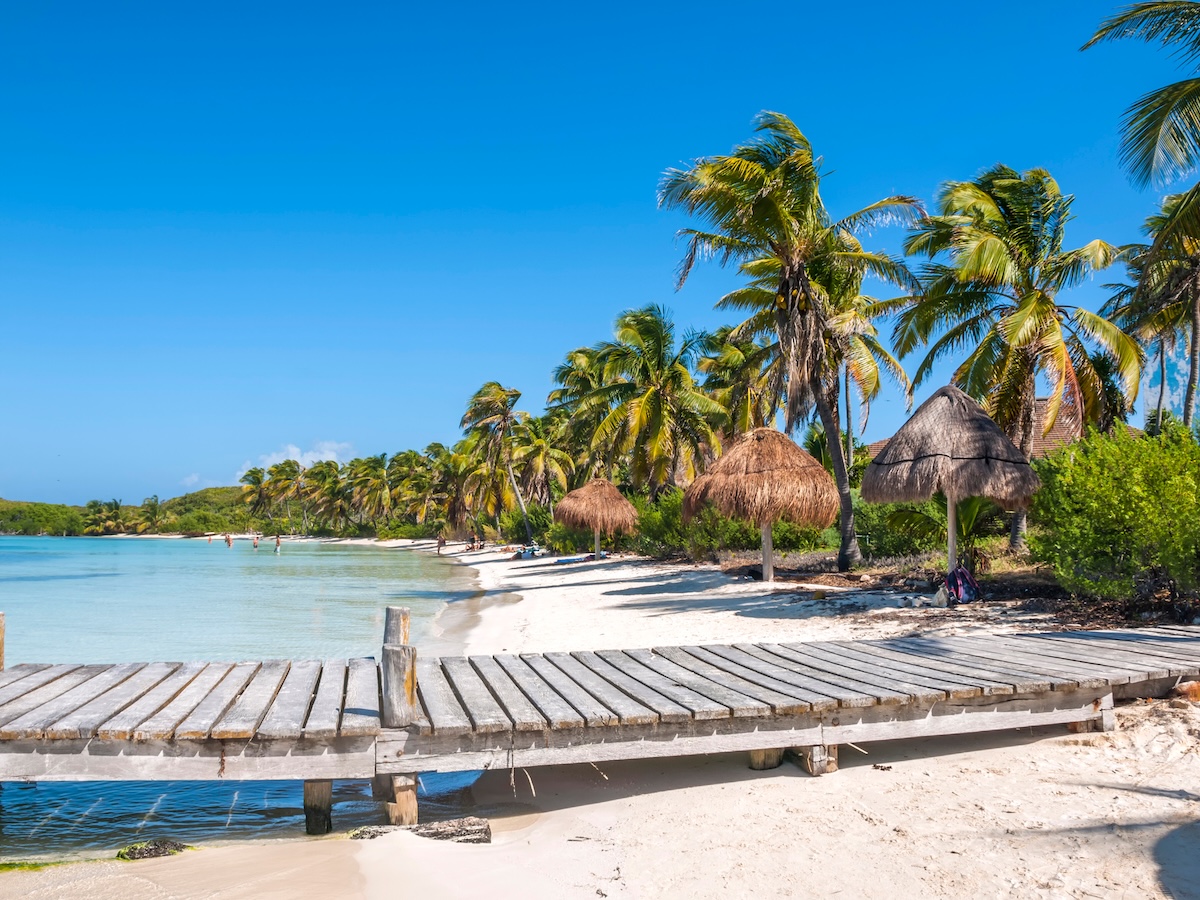
No cars on Isla Contoy—this tiny island stays uninhabited. It’s a protected national park about 30 kilometers north of Isla Mujeres, near Cancun. The Mexican government keeps it pristine by limiting access to 200 visitors each day. You’ll need to book a tour to visit.
Protected since 1961 and a national park since 1998, the island has white sand beaches and brilliant turquoise water all around. You can snorkel in the clear Caribbean and spot loads of bird species. The park enforces strict rules: no sunscreen, no smoking, don’t disturb the wildlife.
Most tours last about six hours and include lunch. The island’s isolation keeps its natural habitat untouched.
8. Little Corn Island, Nicaragua
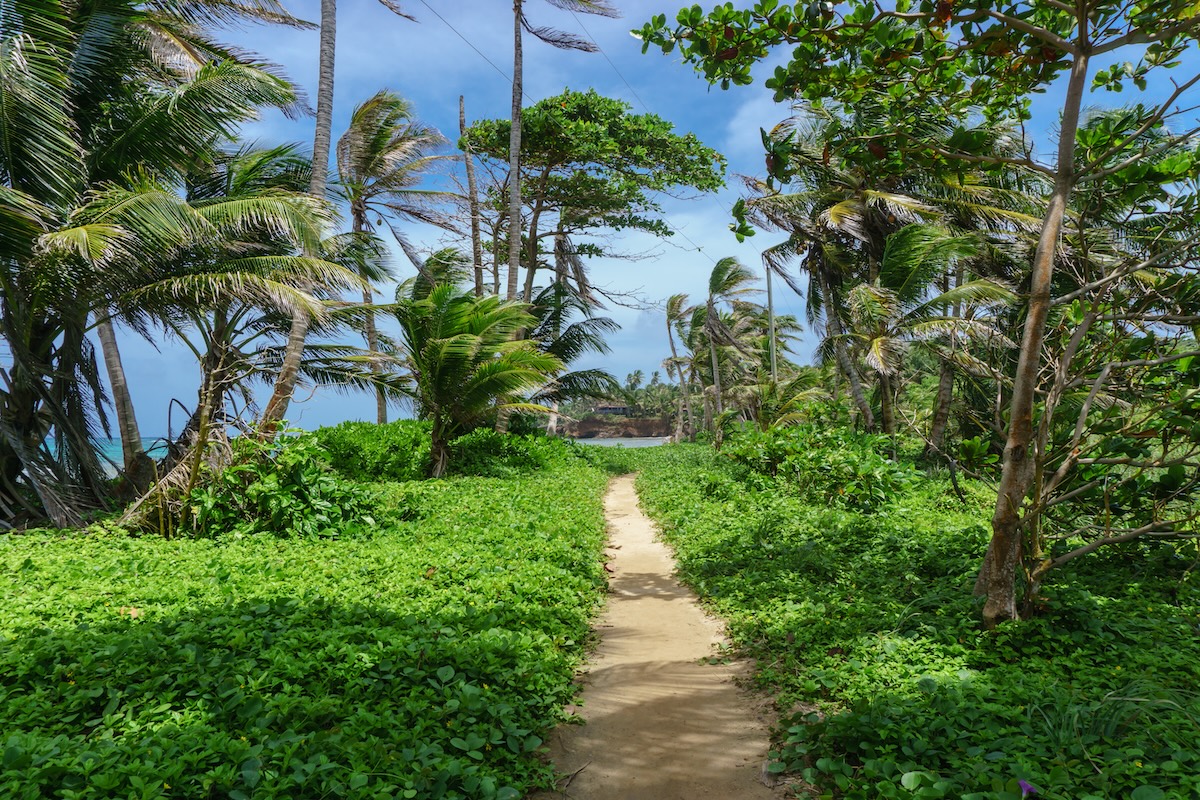
Little Corn Island is the smaller of the two Corn Islands that lie about 70 km east off the Caribbean coast of Nicaragua. The island was originally colonized by the British, and most native islanders have more in common culturally with other English-speaking Caribbean islands than they do with the mainland of Nicaragua.
Without roads and motorized vehicles the only option to get around the island is by walking. The surrounding coral reefs make it a popular destination for scuba diving and snorkeling.
7. Rottnest Island, Australia
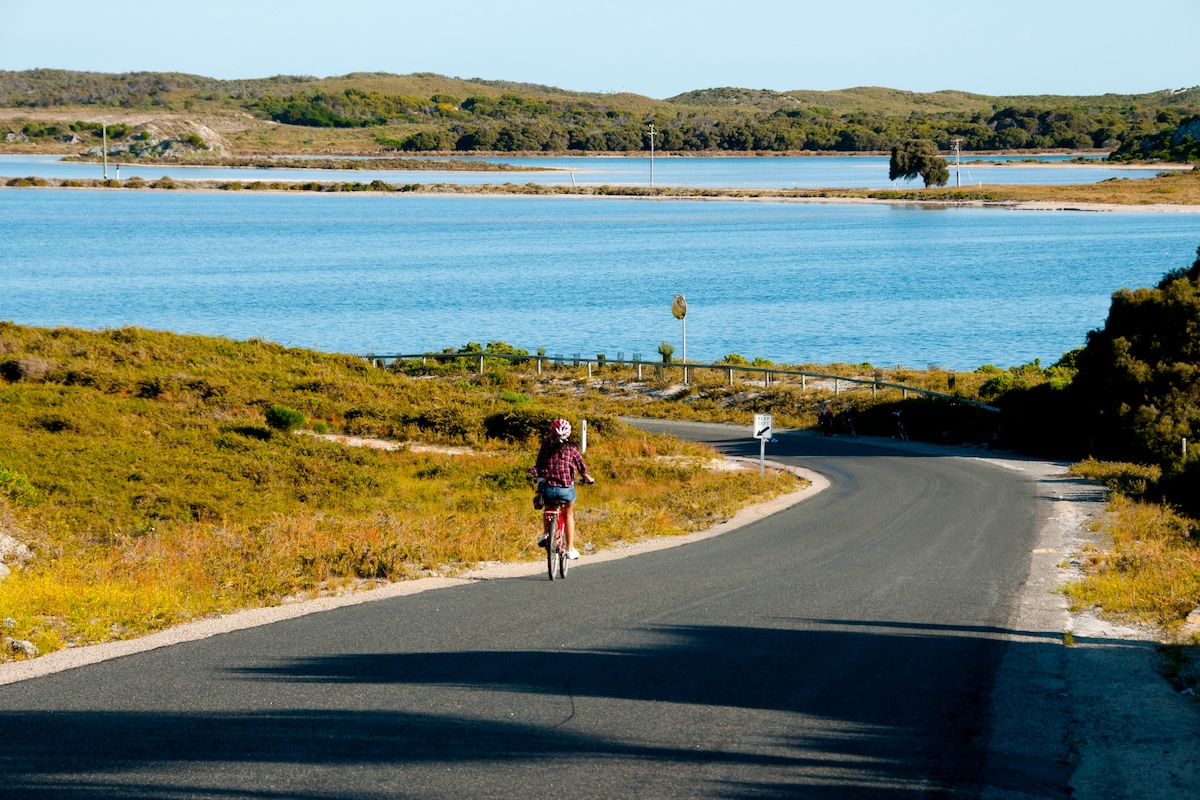
Rottnest Island is located off the coast of Western Australia near the city of Perth. The island was inhabited by Aboriginal people from approximately 30,000 years ago, until rising sea levels separated the island from the mainland. When the Dutch explored the island in the 17th century the island was uninhabited.
Today the island is a popular tourist destination. Activities include swimming, snorkeling, fishing, surfing, diving and cycling round the 11km long island. Cars are not permitted although there are a few tourist busses. Just don’t time your visit with the annual school leavers who come to Rottnest Island en masse.
6. Hydra, Greece
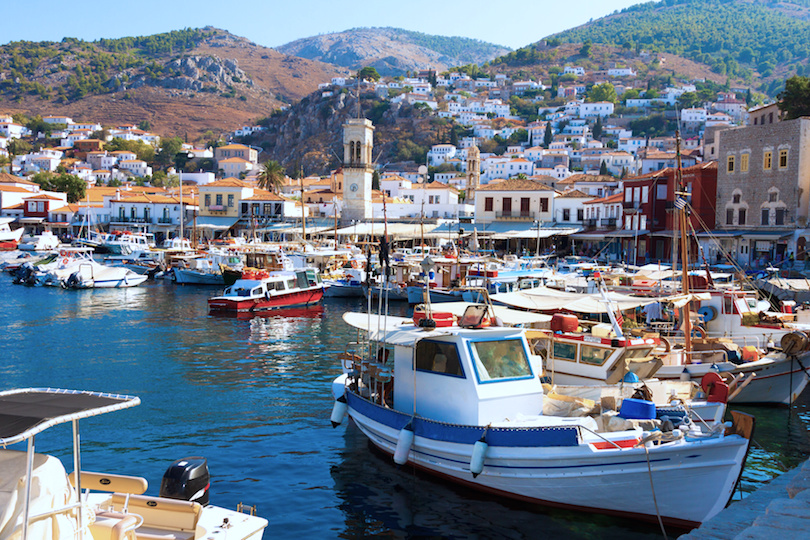
Hydra is one of the Saronic Islands of Greece separated from the Peloponnese by narrow strip of water. The island is deservedly one of the most popular day-trip destinations from Athens. The port of Hydra has a scenic location in a deep harbor, with whitewashed houses rising on the hills on both sides from an azure blue sea.
Motorized transportation is forbidden on Hydra. The town center is small enough to get around on foot while donkeys, bicycles, and water taxis provide public transportation to the rest of the island.
5. Lamu Island, Kenya

Lamu Island is a part of the Lamu Archipelago and one of the most popular attractions in Kenya, besides the wildlife parks. Lamu Old Town, the main town on the island, is one of the oldest and best-preserved Swahili settlements in East Africa. Built in coral stone and mangrove timber, the town features inner courtyards, verandas, and elaborately carved wooden doors.
There are no roads on the island, just alleyways and footpaths, and therefore, there are few motorized vehicles on the island. Residents move about on foot or by boat, and donkeys are used to transport goods and materials.
4. Caye Caulker, Belize

Caye Caulker is a small coral island in the Caribbean Sea and is accessible by high-speed water taxi or small plane. In recent years the island has become one of the top tourist attractions in Belize for backpackers and other tourists for its (relatively) cheap prices, laid-back vibe, and abundance of restaurants and bars.
The main mode of transport on the island is simply walking. The paths are well defined, and crossing the island takes about 20 minutes. Bicycles and golf carts can also be rented.
3. Perhentian Islands, Malaysia
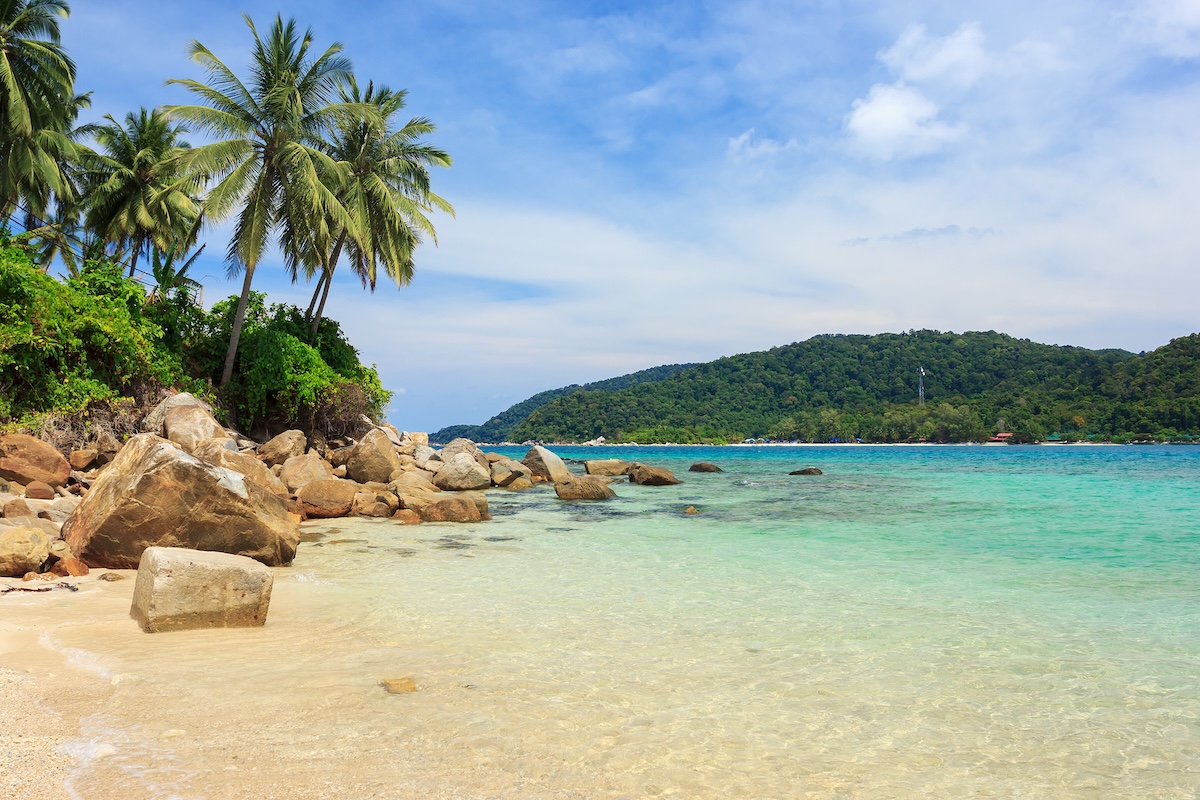
Located not far from the Thai border, the Perhentian Islands are one of the most popular budget tourist attractions in Malaysia. The two main islands are Perhentian Besar (“Big Perhentian”) and Perhentian Kecil (“Small Perhentian”). Both the islands have palm-fringed white sandy beaches and turquoise blue sea.
Scuba-diving, snorkeling, and swimming are the most popular tourist activities here. On most beaches, the water is shallow with lots of rays, cuttlefish and parrotfish. Aside from walking, the only means of transport are water taxis.
2. Gili Islands, Indonesia
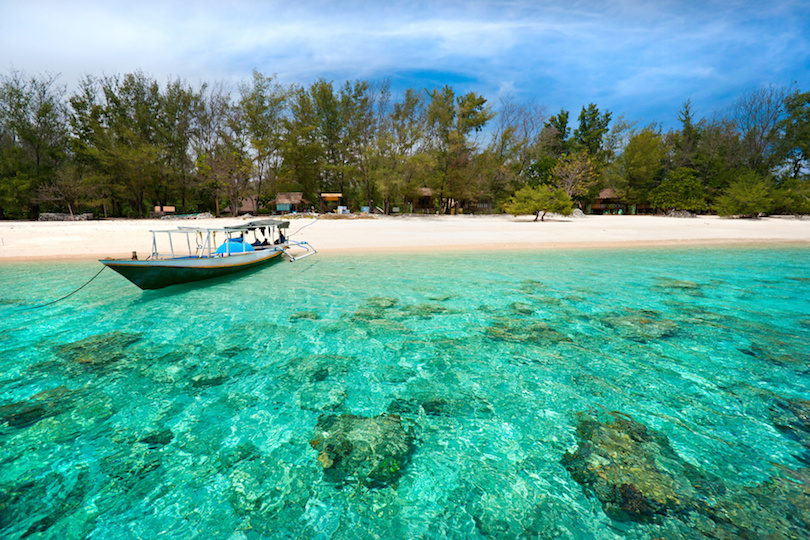
Lombok’s most popular tourist destination, the Gili Islands are an archipelago of three small islands: Gili Trawangan, Gili Meno and Gili Air. The islands are very relaxed and laid-back, with countless little beachside cafes still playing reggae and no cars or motorbikes to disturb the peace. Bikes are available for rent and the main tracks are good enough for riding, at least on Gili Trawangan. The islands however are only a few miles in diameter and can just be walked instead.
Note that the name “Gili Islands” is rather redundant as gili simply means “small island” in Sasak and there are many other islands around the coast of Lombok with Gili in their names.
1. Ko Phi Phi, Thailand
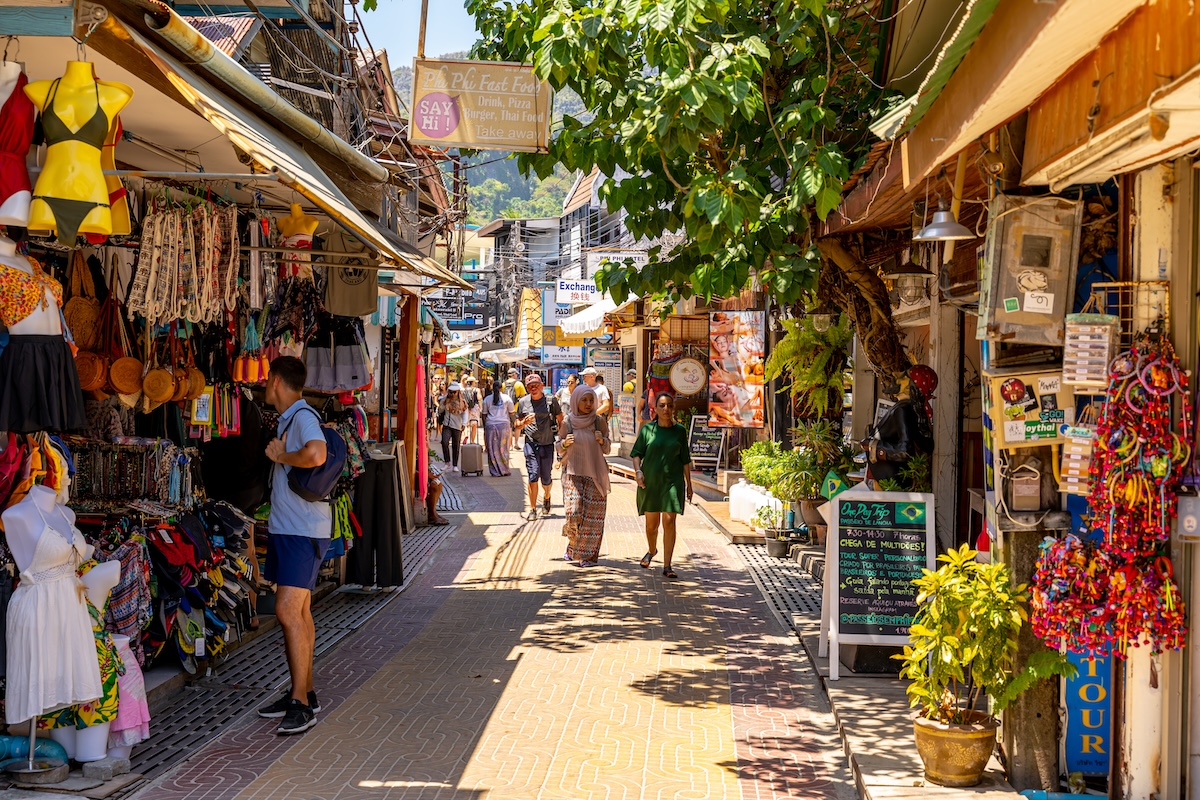
You won’t see any cars or roads on Ko Phi Phi—just longtail boats and footpaths winding through the island. Tucked between Phuket and Krabi in southern Thailand, this little cluster of islands feels like a world apart. Most folks end up on Ko Phi Phi Don, the main island where people actually live. Days sort of blur together as you bounce from beach to beach, snorkel in ridiculously clear water, or scramble up limestone cliffs that shoot up from the sea. The smaller Ko Phi Phi Leh attracts day-trippers looking for diving spots and a slice of that famous Maya Bay scenery.
Getting around? You walk, or flag down a longtail boat. These boats look almost improvised, with their long poles and exposed propellers, and the drivers steer by dipping them into the water—it’s a bit noisy but kind of charming.
The island isn’t just beaches, though. You can grab a cold beer for a couple bucks and wander into the nightlife scene, which can get lively but never feels overwhelming. Dive shops, water sports stands, and restaurants cluster along the shore where the boats pull in, so you never have to go far for something to do—or eat.









Little Corn is wonderful, particularly for diving
Great list! I’ve been to a few of those but Hydra is my favorite!
What about Ilha Grande off the coast of Brazil? It fits the criteria (no roads, no cars, very laid back) and it’s paradise!
La Digue may not have had cars 30 years ago but it has plenty now! Sure, a lot of the tourists choose to cycle around the island or take one of the old-fashioned ox-carts, but if you opt to taken a guided tour you will be taken around the island by motor vehicle.