
Rental cars are expensive, stressful, and completely unnecessary at plenty of amazing destinations. You can save money on rental fees and gas, avoid navigating foreign road systems, and skip the anxiety of parking in tight European streets or mountain villages where spaces barely fit Smart cars.
These destinations remind us that cars aren’t required for serious travel experiences. Mountains, beaches, historic towns, and national parks all make the list because good infrastructure, walkable layouts, or strategic geography eliminated the need for personal vehicles. You’ll rely on trains, buses, boats, cable cars, bikes, and your own feet instead, which often leads to better experiences than driving ever would anyway.
14. Flåm, Norway
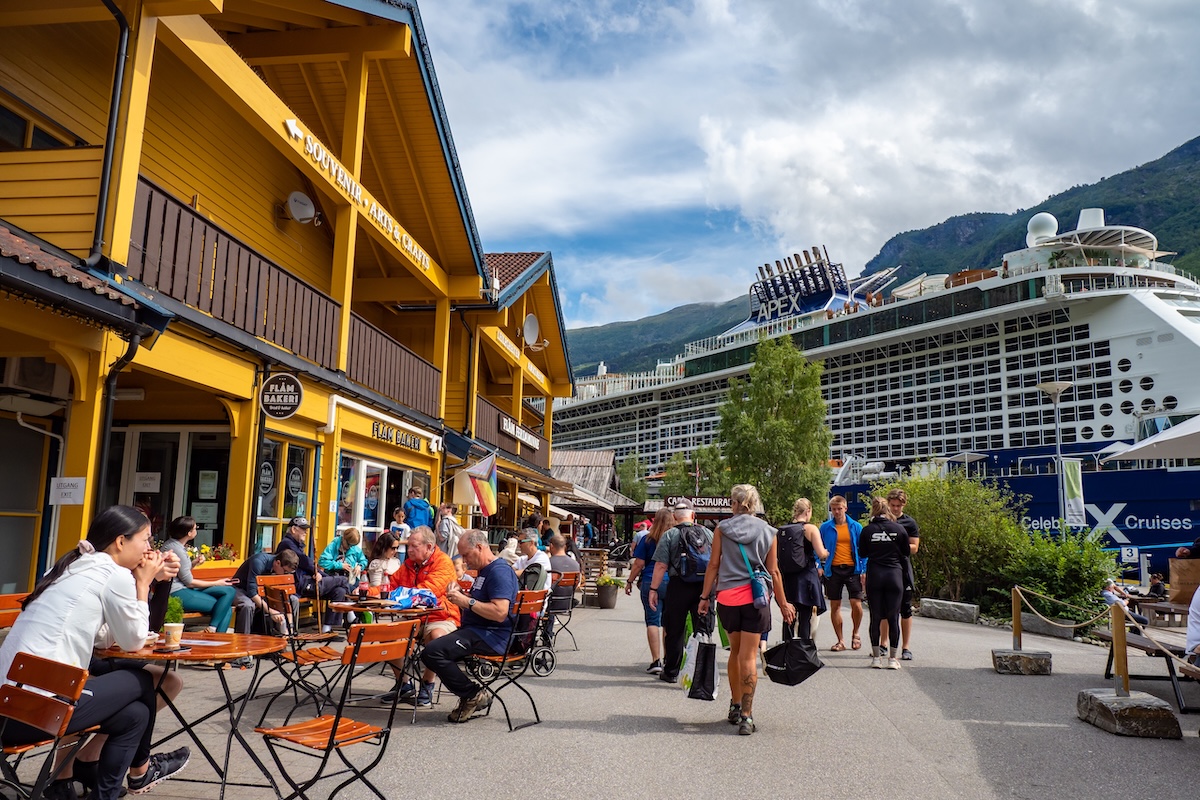
A single street runs through this tiny village at the end of Aurlandsfjord, and you can walk from one end to the other in about ten minutes. The Flåmsbana railway climbs 20 kilometers up the valley through 20 tunnels and past waterfalls, connecting Flåm to the mountain railway that runs to Oslo or Bergen. Ferries cruise the fjords daily, and shuttle buses run to viewpoints that would require your own wheels elsewhere.
Most visitors arrive on the train or cruise ships that dock right in the village center. Hiking trails climb directly from town into the surrounding mountains, and bike rentals are available if pedaling up Norwegian inclines sounds appealing. Everything concentrates around the small harbor area, eliminating any need for motorized transport beyond what’s already scheduled and running.
13. Ninh Binh, Vietnam
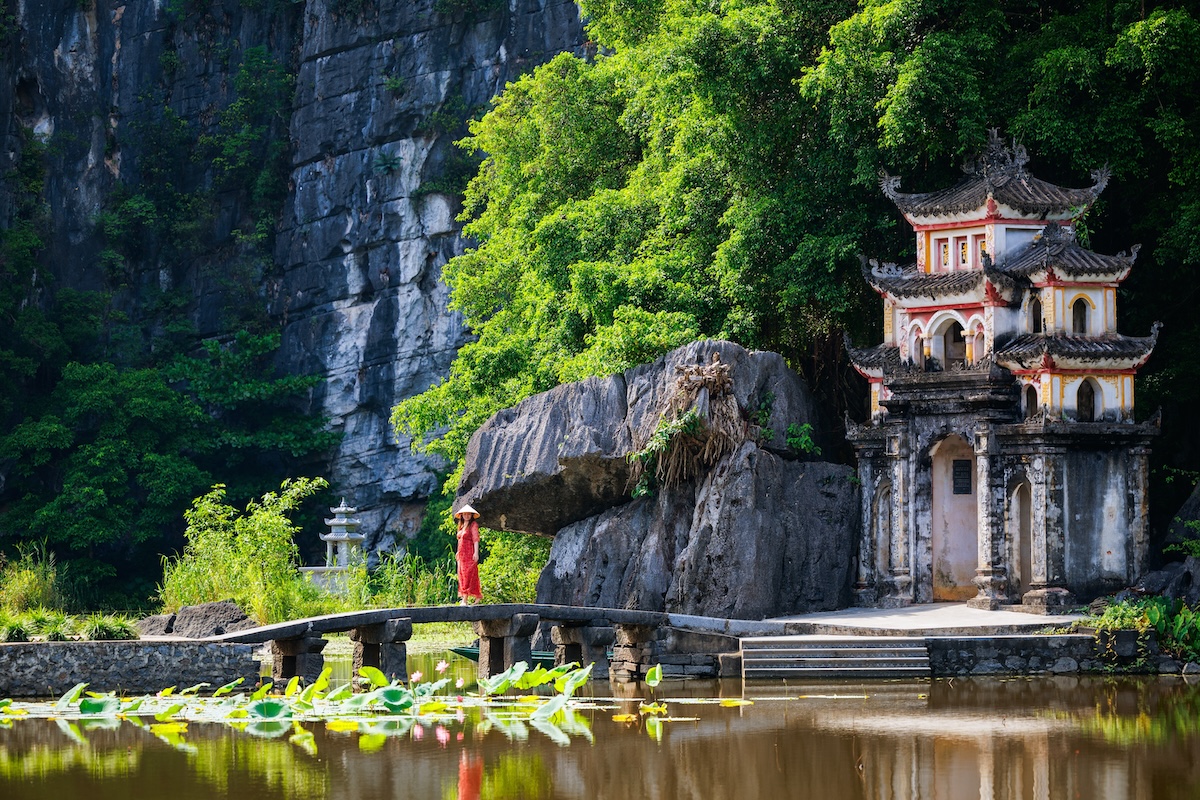
Limestone karsts jut from rice paddies and rivers south of Hanoi, a scene that mimics Halong Bay without the crowds or cruise ship dependency. Bicycles work perfectly for exploring the area as flat terrain winds through villages and temple complexes that wouldn’t be accessible or interesting from inside a car anyway. Boat tours through Trang An or Tam Coc float you through caves and past karsts while local women row with their feet.
Buses connect Ninh Binh to Hanoi in about two hours, and the town itself is compact enough to walk. Hotels rent bikes for around two dollars per day, and cycling past rice paddies and water buffalo beats sitting in Vietnamese traffic. The main attractions spread across a manageable area where two-wheeled transport actually works better than four because you can stop whenever something catches your attention.
12. Avalon, Catalina Island, California
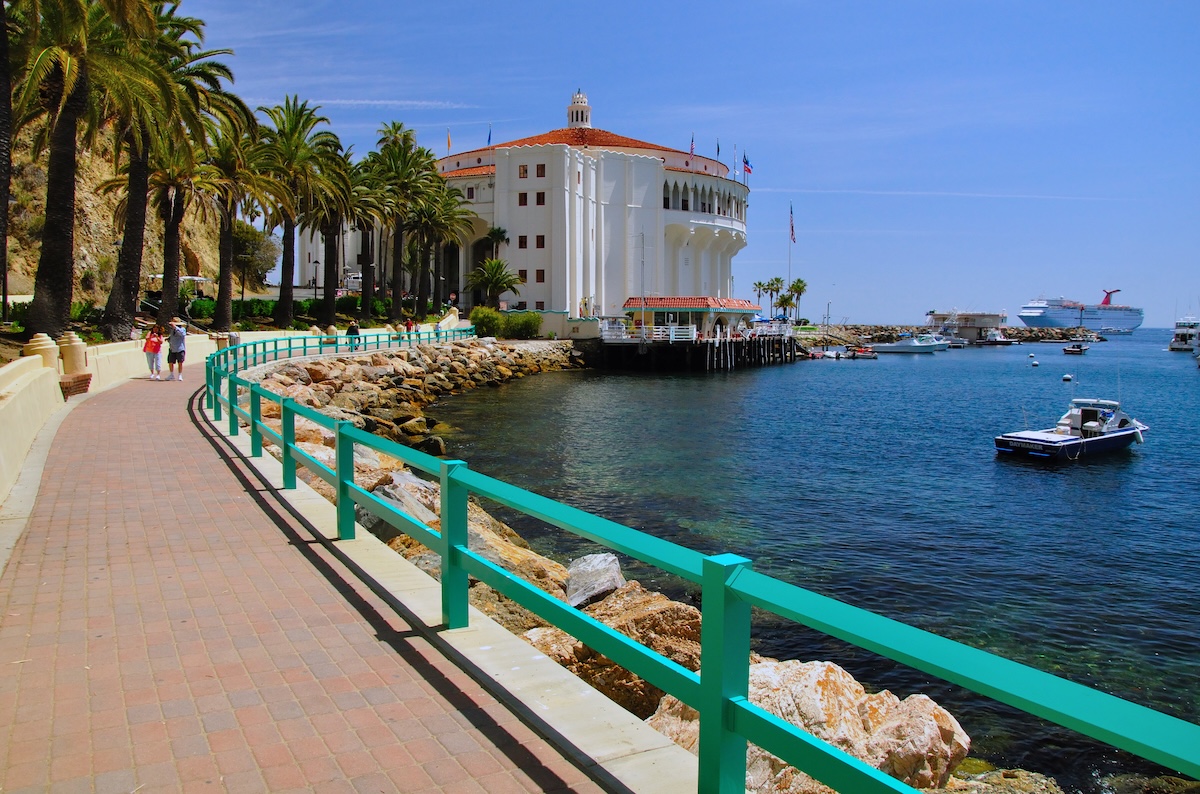
Cars are banned for most visitors on this Southern California island, leaving golf carts, bikes, and walking as your transportation options. The ferry from Long Beach or San Pedro takes about an hour, depositing you in Avalon where everything clusters within a mile of the historic casino building. The town itself occupies a small bay surrounded by hills, and you can walk the entire waterfront in 20 minutes.
Golf cart rentals let you explore beyond town if walking doesn’t appeal, though the island’s interior requires tour buses due to terrain and conservation restrictions. Snorkeling, kayaking, and boat tours to see bison and other wildlife round out activities that don’t need vehicles. The car-free policy keeps Avalon quiet and nostalgic in ways that beach towns overrun with traffic simply can’t match.
11. Lake District, UK
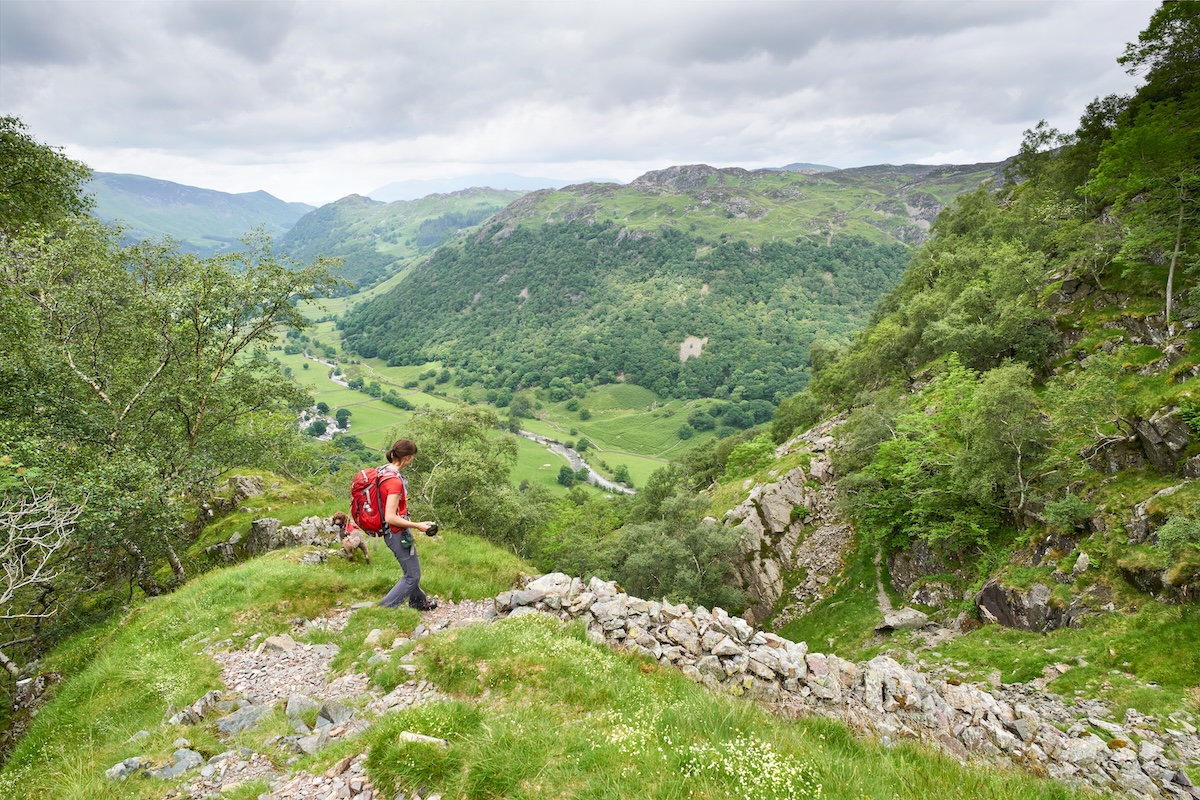
England’s largest national park might seem car-dependent, but buses connect the main towns and villages surprisingly well. The 555 bus runs hourly between Lancaster and Keswick, hitting Windermere, Ambleside, and Grasmere along the way. Windermere itself has a ferry and steamers crossing the lake throughout the day, and Keswick sits close enough to multiple hiking trails that you can walk directly from town into the fells.
Staying in one base like Keswick or Ambleside and using buses for day trips works perfectly fine. The bus routes follow scenic roads that drivers enjoy anyway, except you’re free to look at the views instead of watching for sheep in the road. Hiking trails radiate from most villages, including routes to Scafell Pike and other famous peaks that start within walking distance of bus stops.
10. Monteverde Cloud Forest, Costa Rica
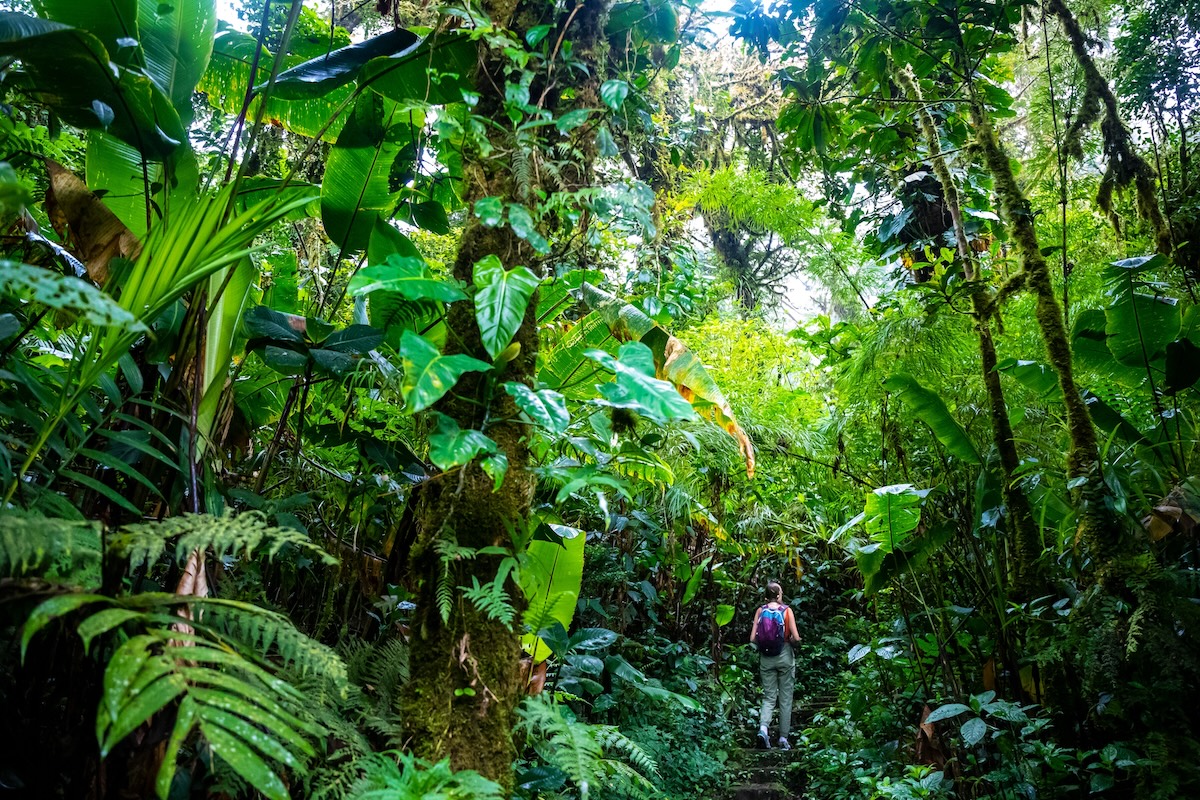
This mountain reserve sits at the end of a rough road that makes you question your rental car choices, but buses from San José handle the route daily without drama. Once you’ve arrived in the small town near the reserve, everything runs on shuttle buses that connect hotels to the cloud forest entrance, coffee tours, and zip line operations. The town itself stretches along one main road where you can walk between restaurants and shops.
The cloud forest trails start right from the entrance, and suspension bridges cross the canopy without requiring vehicles. Shuttle services run frequently enough that scheduling around them doesn’t restrict your plans, and most hotels include transportation to the reserve in their rates. The area’s compact size means missing a shuttle just means waiting 30 minutes rather than ruining your day.
9. Railay, Thailand
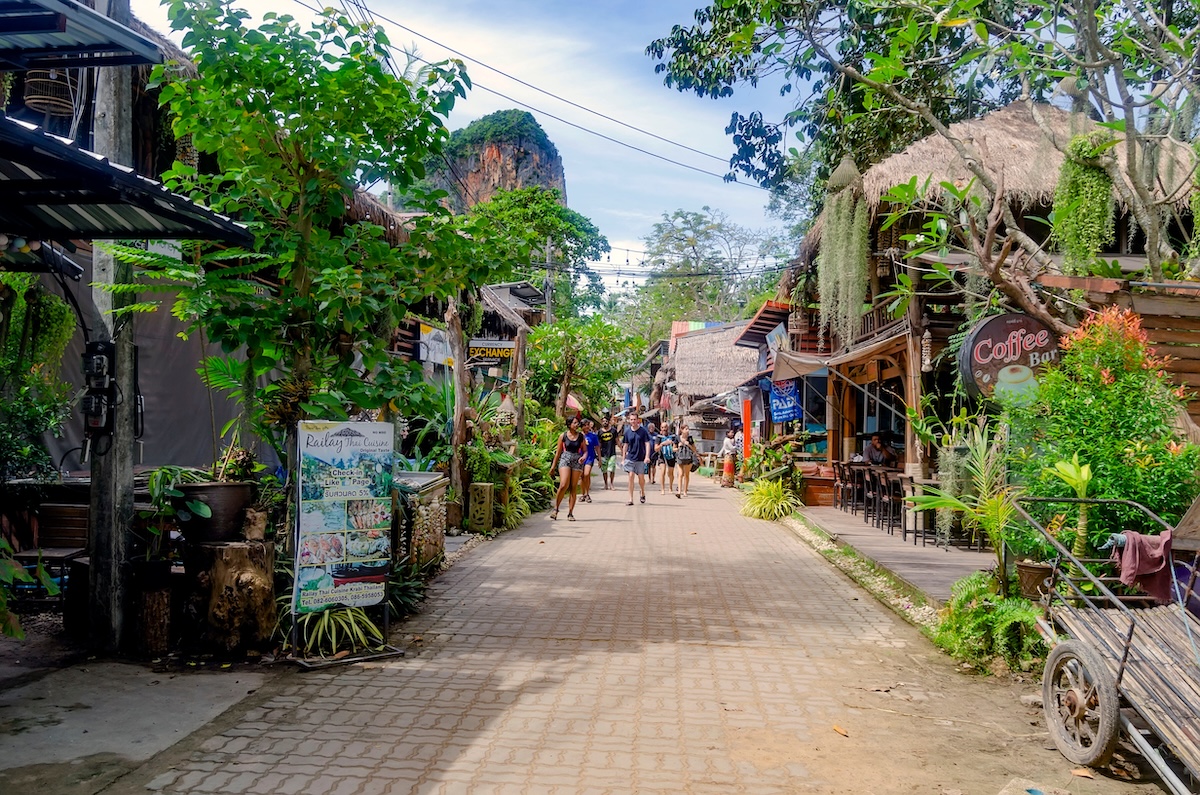
No roads reach this beach peninsula near Krabi, which eliminates cars entirely and limits access to longtail boats from nearby Ao Nang. The peninsula measures maybe two kilometers across, with four main beaches connected by short walking paths through the jungle and over rocky headlands. Rock climbing draws international crowds to the limestone cliffs, and you can walk from your beach bungalow to climbing routes in minutes.
Restaurants, bars, and hotels cluster around the beaches, all within easy walking distance of each other. Kayaks and longtail boats take you to nearby islands and hidden lagoons, but the peninsula itself needs nothing beyond your feet. The absence of vehicles keeps Railay quieter than other Thai beach destinations, though fire engines and trash trucks do make appearances via the boat landing when necessary.
8. Zell am See, Austria
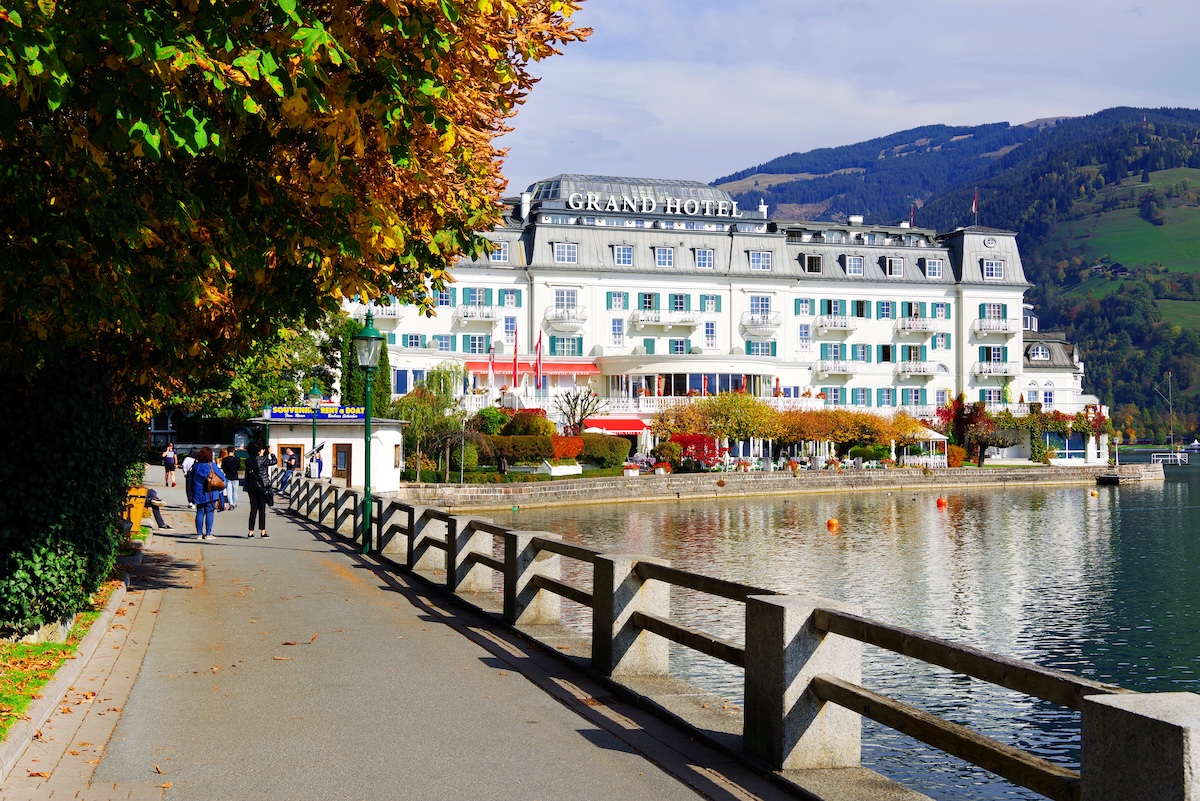
This Alpine lake town built its infrastructure around trains, buses, and cable cars long before car-free travel became trendy. Trains arrive directly in the town center from Salzburg and Innsbruck, and buses connect the train station to surrounding villages and ski areas. Cable cars climb from lakeside to mountain peaks in minutes, and boat services cross the lake throughout summer months.
The old town sits compact and walkable between the lake and train station, with most hotels and restaurants within a 15-minute walk from either. Winter brings ski buses to the slopes, while summer hiking trails start right from town or accessible via short bus rides. Free guest cards from hotels include public transport throughout the region, eliminating any cost advantage a rental car might have.
7. El Chaltén, Argentina
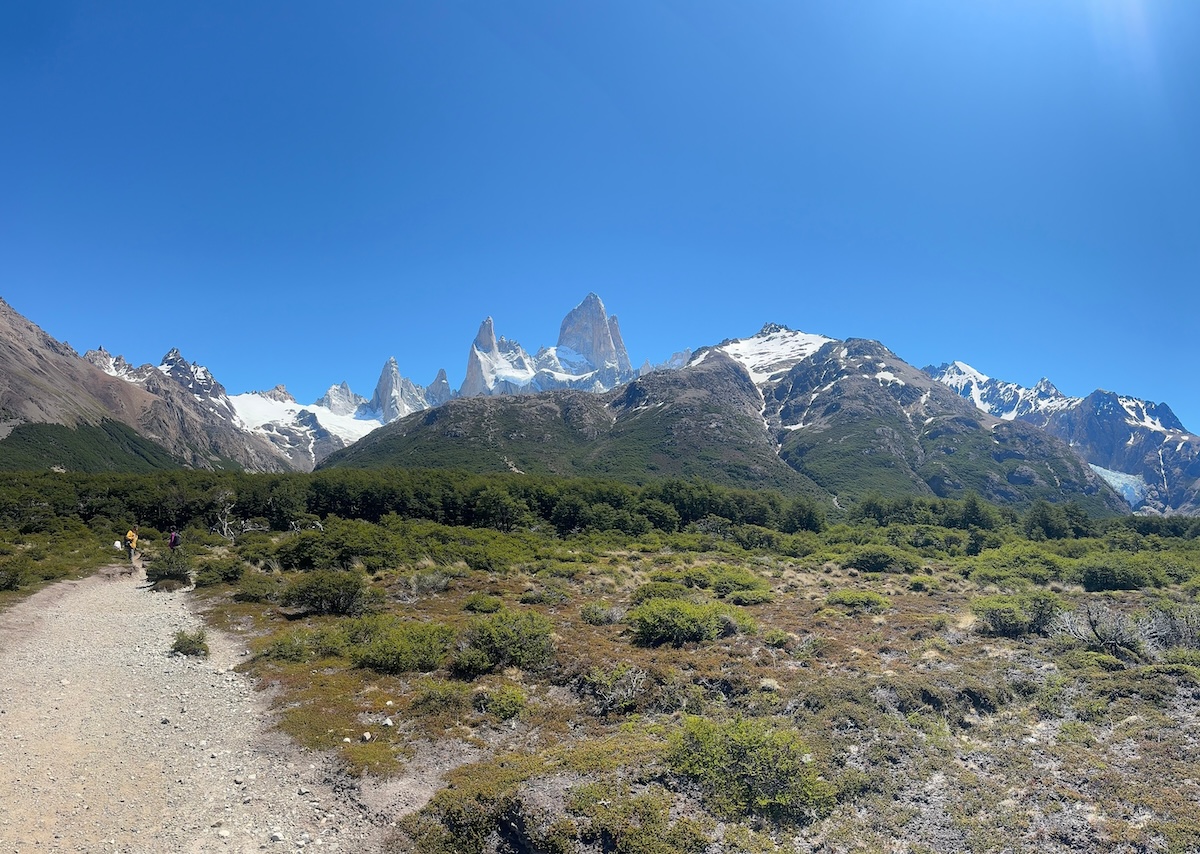
Patagonia’s trekking capital bans most vehicle traffic in the town center, and hiking trails to Laguna de los Tres, Laguna Torre, and other destinations start right from the edge of town. Buses arrive daily from El Calafate three hours away, dropping you in a village small enough to walk end to end in ten minutes. Everything you need clusters on two main streets and you will see gear shops, restaurants, hotels, and the ranger station.
The trails themselves are the main attraction, and cars can’t access them anyway. Day hikes range from moderate walks to serious mountain routes, all starting from town without requiring shuttles or parking lots. The town’s size and the trail network’s proximity make this one of the easiest mountain destinations to explore on foot, and most visitors spend their days hiking and their evenings comparing routes with other trekkers at the breweries.
6. Whistler, Canada
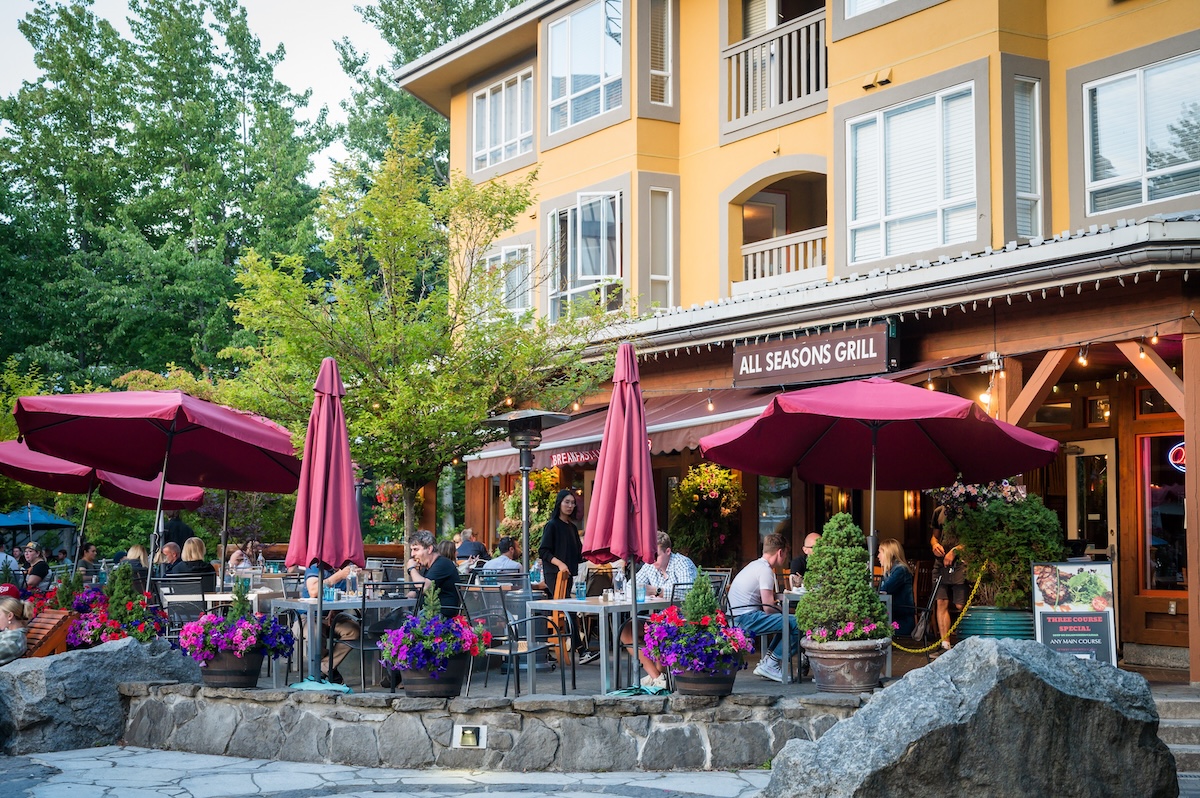
Ski resort infrastructure translates perfectly to car-free travel because resorts need to move thousands of people efficiently anyway. Whistler Village is pedestrian-only, and free shuttle buses connect the village to surrounding neighborhoods and the ski lifts year-round. Buses run from Vancouver along the Sea-to-Sky Highway, and once you’ve arrived, walking and free transit handle everything.
The village concentrates hotels, restaurants, and shops in a compact area that’s deliberately designed for pedestrians. Summer brings mountain biking, hiking, and gondola rides that start right from the village. Winter ski buses run constantly between the village and both mountains. The only time you might want a car is for side trips to Squamish or Pemberton, but even those connect via bus if you’re patient.
5. Ella, Sri Lanka
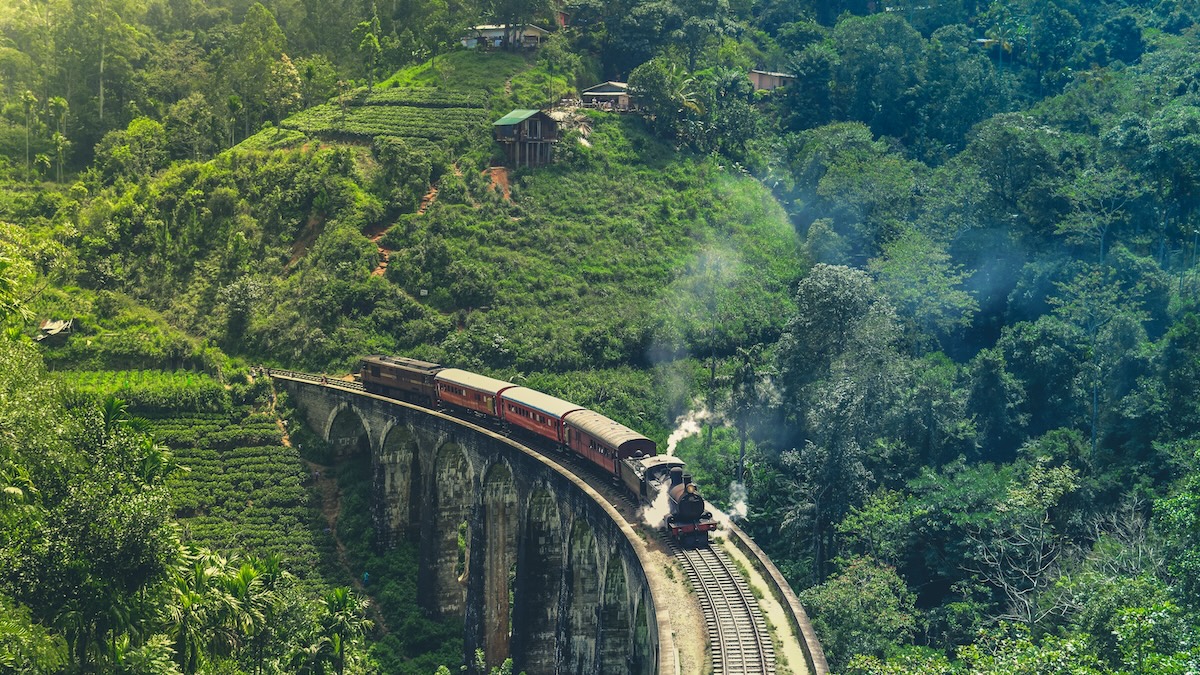
Trains chug through tea plantations and mountains to reach this small hill town that’s become a backpacker hub for good reason. Everything in Ella spreads along one main road about a kilometer long, easily walked or covered by the abundant tuk-tuks if you’re feeling lazy. The most famous attractions like Little Adam’s Peak, Ella Rock, and Nine Arch Bridge all start as walks directly from town through tea estates.
The train journey from Kandy or Colombo ranks among the world’s most scenic rail routes, and watching tea pickers work the hillsides from a slowly moving train beats any driving experience. Ella’s small size means you’ll learn the layout within an hour of arriving, and tuk-tuks can get you anywhere hiking doesn’t appeal. The town exists because of the railway, and trains remain the best way to experience both the journey and the destination.
4. Yosemite Valley, California
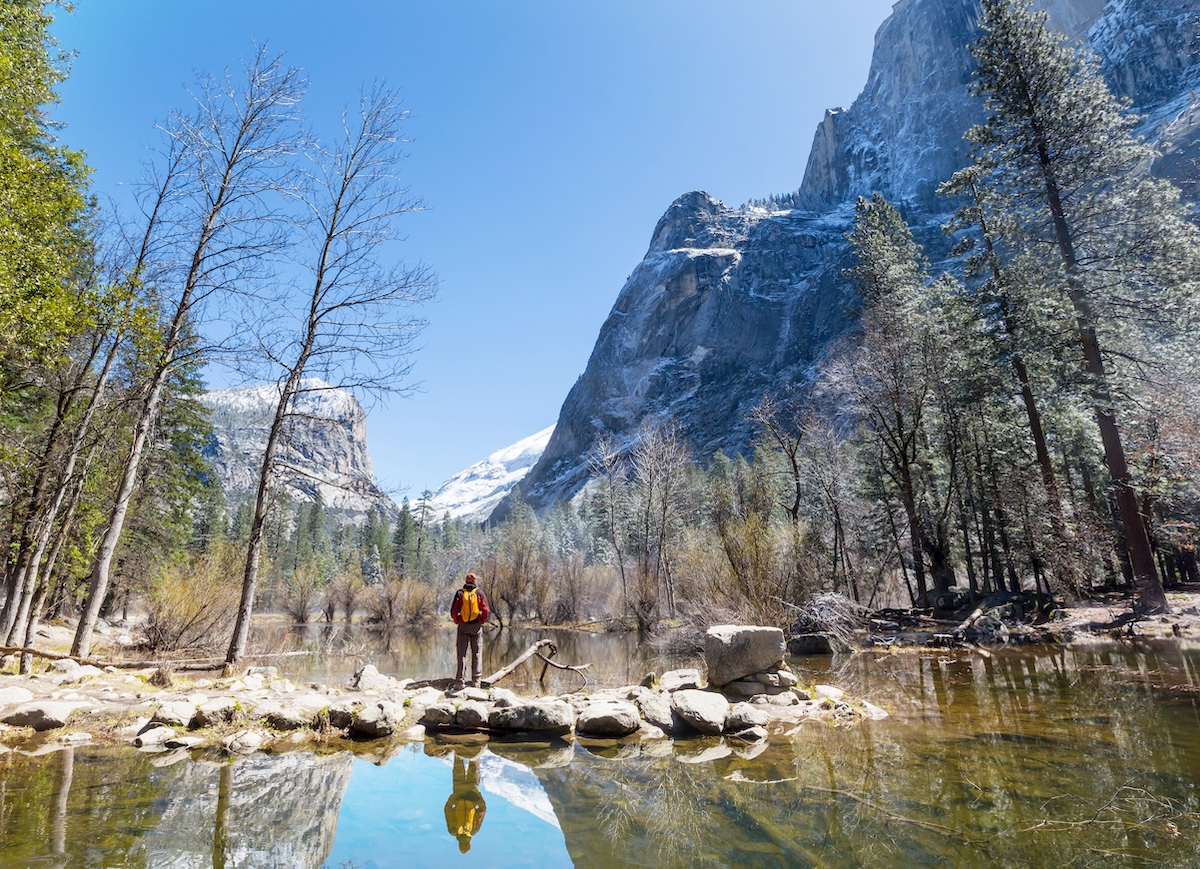
Cars clog Yosemite Valley during summer, but free shuttle buses run constantly around the valley floor, stopping at trailheads, campgrounds, and major viewpoints. The shuttles eliminate parking stress and let you hike one-way routes without worrying about getting back to your car. Valley trails connect most destinations anyway, and walking from Yosemite Village to Mirror Lake or Vernal Fall works perfectly fine.
The valley’s size makes walking viable for anyone reasonably fit, and bikes extend your range considerably. Curry Village rents bikes by the hour or day, and paved paths run throughout the valley floor. Cars become liabilities during peak season when parking lots fill by mid-morning and traffic crawls. The shuttle system works so well that driving within the valley actually slows you down rather than speeding things up.
3. Hakone, Japan
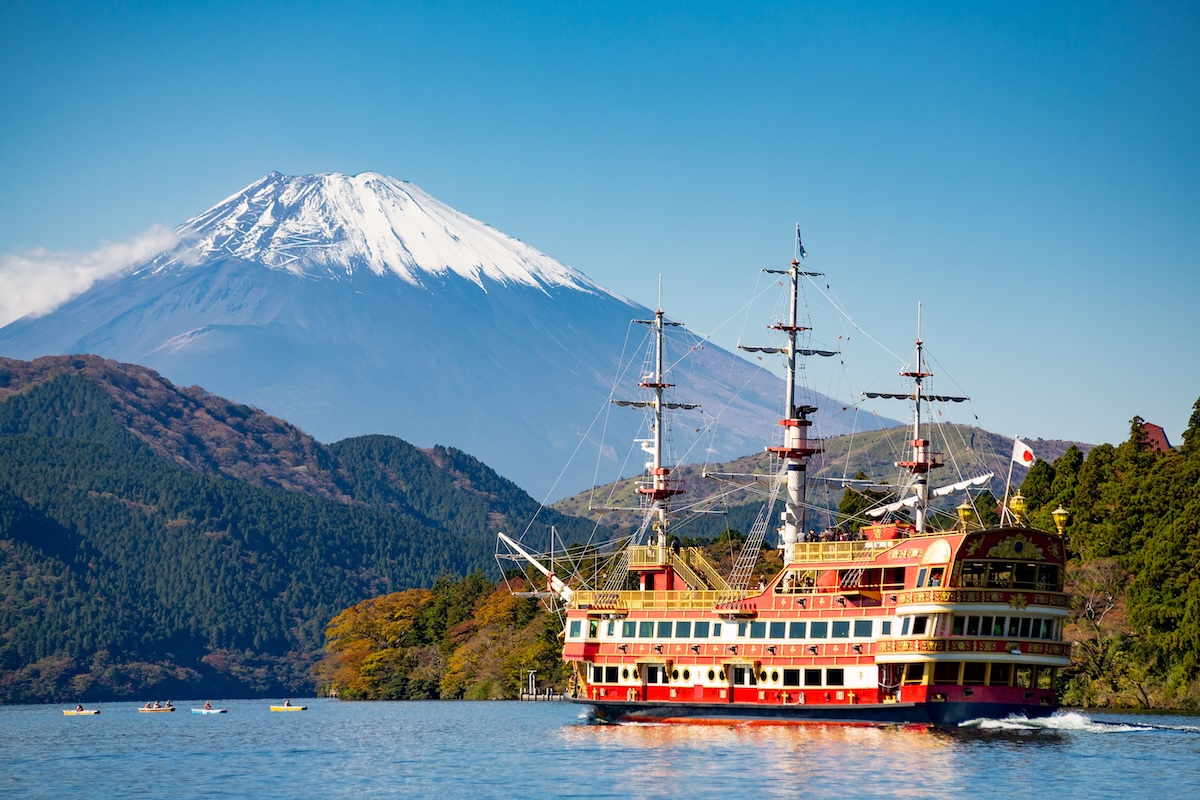
This mountain resort town southwest of Tokyo perfected car-free tourism through an integrated network of trains, cable cars, ropeways, boats, and buses all covered by a single pass. The Hakone Loop takes you from the train station up the mountain via switchback railway, across valleys on a cable car, over volcanic terrain on a ropeway, across Lake Ashi on a pirate ship, and back via bus.
Each transportation mode doubles as an attraction, with views of Mount Fuji from the lake on clear days and sulfurous volcanic valleys from the ropeway. Hotels and ryokans cluster around each station and transportation hub, and walking between hot springs and museums fills time between rides. The system runs so smoothly that bringing a car would just mean paying for parking while using the transit network anyway.
2. Cinque Terre, Italy
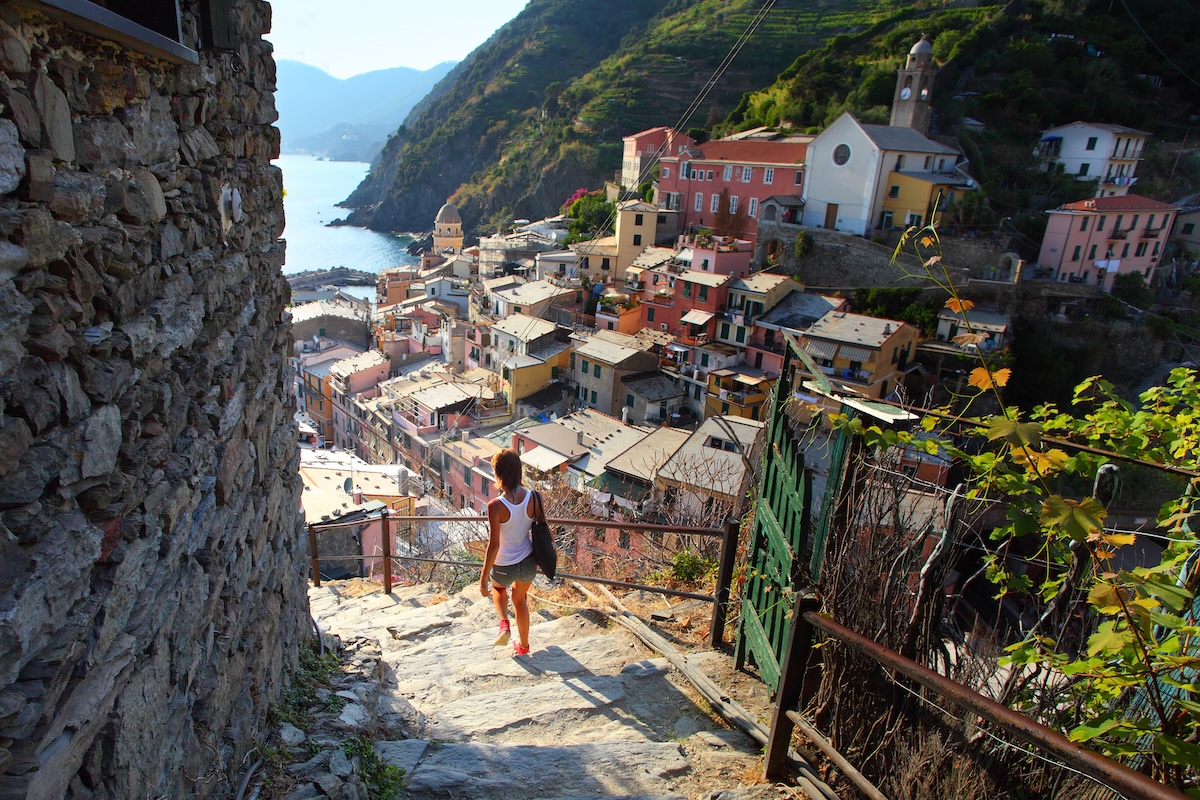
Five fishing villages cling to the Ligurian coast connected by trains that tunnel through the cliffs and hiking trails that climb between them. Cars are banned in the historic centers, and the narrow roads leading to the villages are restricted to residents. Trains run constantly between the five towns, taking minutes to travel distances that would require serious hiking.
The trail network connects all five villages, ranging from easy coastal walks to more challenging climbs through terraced vineyards. Each village is small enough to walk completely in less than an hour. Boats also connect the towns during good weather, giving you a third transit option when trains feel crowded. The car-free villages maintain character that would have been destroyed by parking lots and traffic decades ago.
1. Jungfrau Region, Switzerland
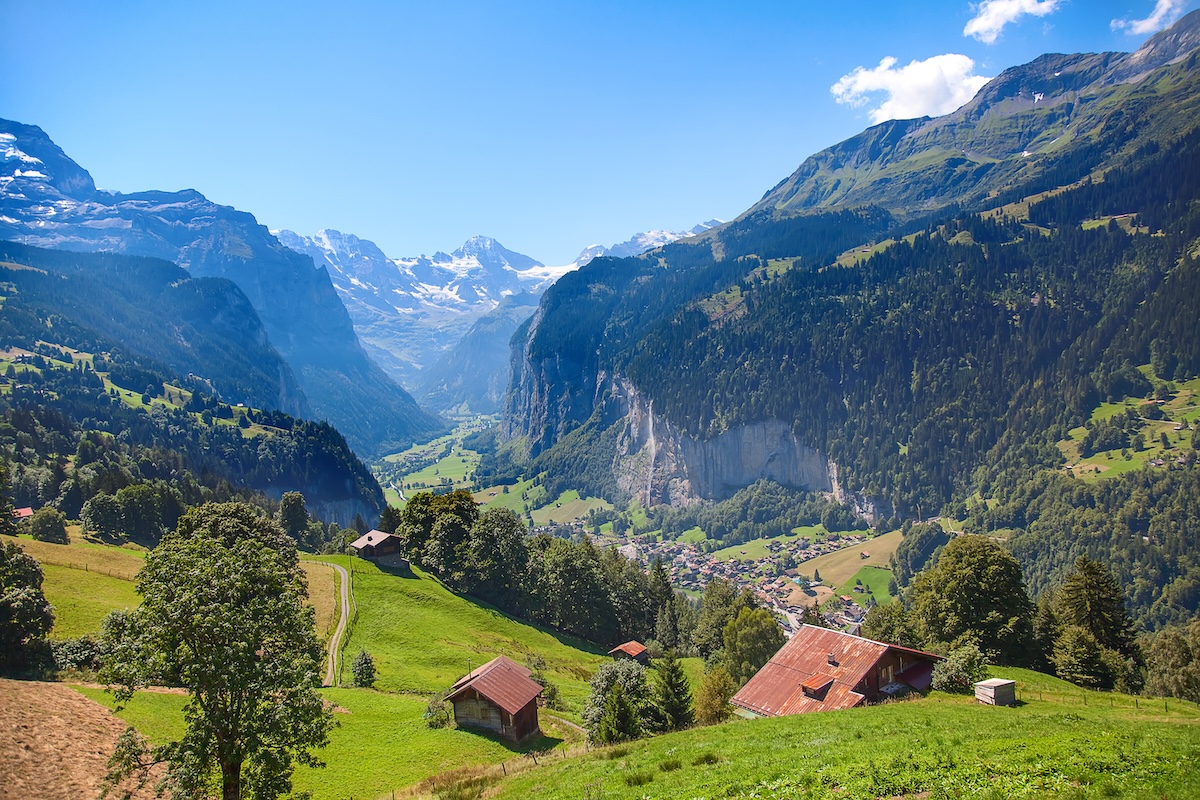
Swiss efficiency applied to mountain tourism created a network so comprehensive that cars become completely redundant. Trains climb from Interlaken to Grindelwald, Lauterbrunnen, and Wengen, while cable cars and cog railways reach the Jungfraujoch, Schilthorn, and other peaks. Buses fill the gaps, and boats cross Lake Thun and Lake Brienz. The Swiss Travel Pass covers most of it, making unlimited transport cheaper than a single tank of gas.
Wengen and Mürren ban cars entirely, accessible only by mountain railway or cable car. The Jungfrau Railway climbs to Europe’s highest railway station at 3,454 meters through tunnels drilled through the Eiger. Hiking trails connect villages and mountain stations, and the infrastructure means you can hike downhill between destinations and catch trains back up. The region designed itself around trains before cars existed, and that car-free foundation still works better than any driving alternative.