
The northern lights, or aurora borealis, are one of the most stunning natural sights out there. You can catch these colorful lights dancing overhead from a handful of countries around the world.
If seeing the northern lights is on your list, you’ve got some solid choices for where to go. Each spot brings its own twist to this wild sky show.
Iceland
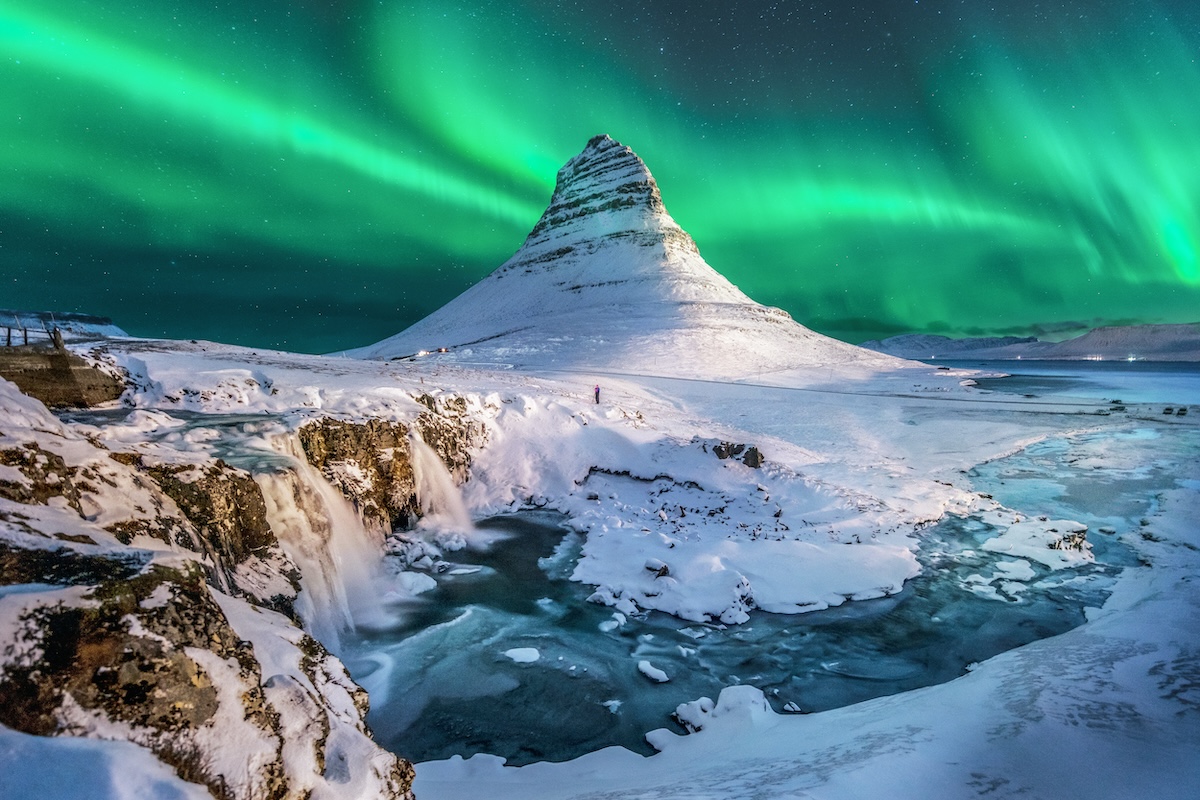
In Iceland, you can actually check the northern lights off your bucket list. The best time to catch them runs from September to April, especially around midnight when it’s darkest.
You don’t have to leave Reykjavik for a decent view, but heading out to places like Jokulsarlon glacier lagoon? That’s next-level. Less light, more sky—always helps.
Icelandic weather does what it wants, so bundle up and keep an eye on the aurora forecast. Clear, dark nights are your golden ticket. With a bit of luck, you might spot the lights right outside your hotel window.
Norway

Want to see the Northern Lights? Norway’s a top pick. The country stretches way up north, giving you a good shot at the aurora in lots of places.
Tromsø is a favorite for Northern Lights chasers. Its spot above the Arctic Circle means extra-long, dark nights in winter. From mid-September to early April, your odds are best.
You could also check out the Lofoten Islands or Alta for another angle. Sometimes, even the southern areas get lucky when the aurora is really active.
Nights get cold—really cold—so layer up. Local guides run tours that help you find the lights, even if the weather’s not playing nice.
Sweden
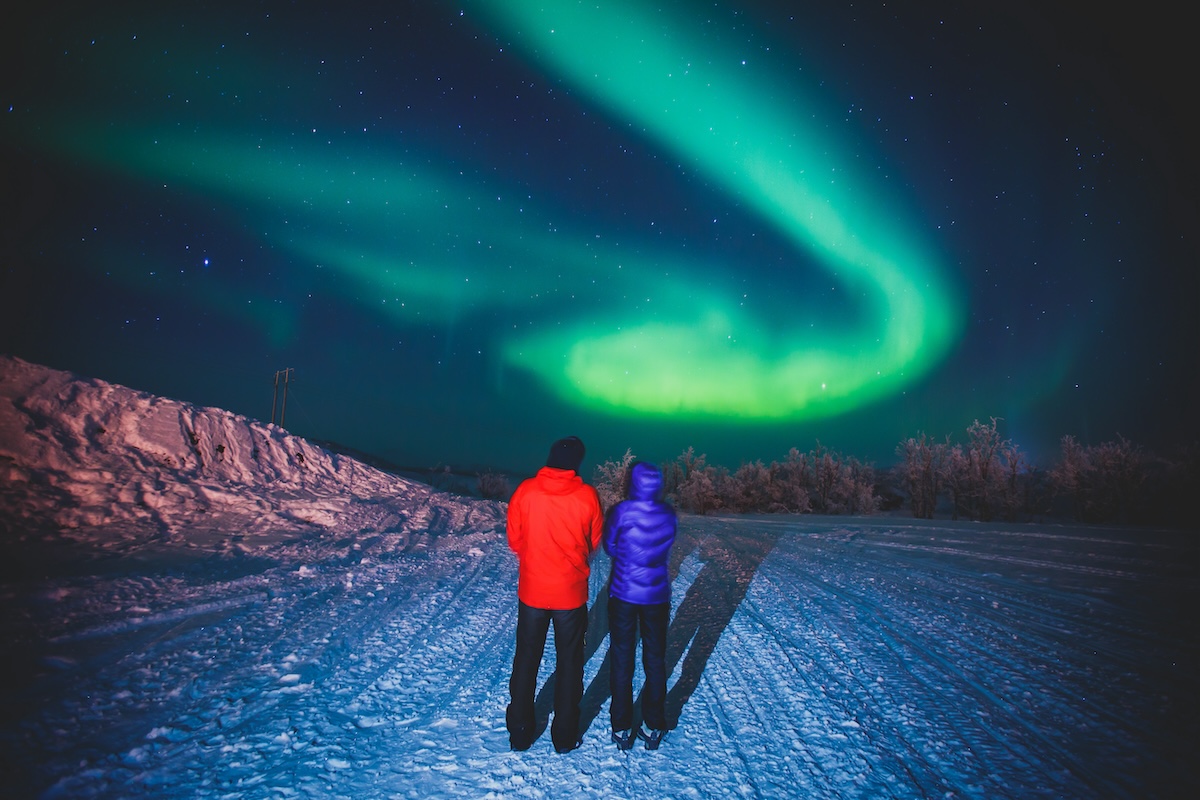
In northern Sweden, especially up in Swedish Lapland, the northern lights put on a pretty good show. This area sits above the Arctic Circle, making it one of Europe’s best bets.
Abisko is a tiny town that’s famous for its clear skies. The Aurora Sky Station here draws folks hoping for a glimpse. Your chances are solid between September and March.
The Icehotel and Kiruna also offer cool views. Even if you’re in town, just a quick trip away from the streetlights can make a world of difference. Just don’t forget your warm clothes—winters up there are no joke.
Finland
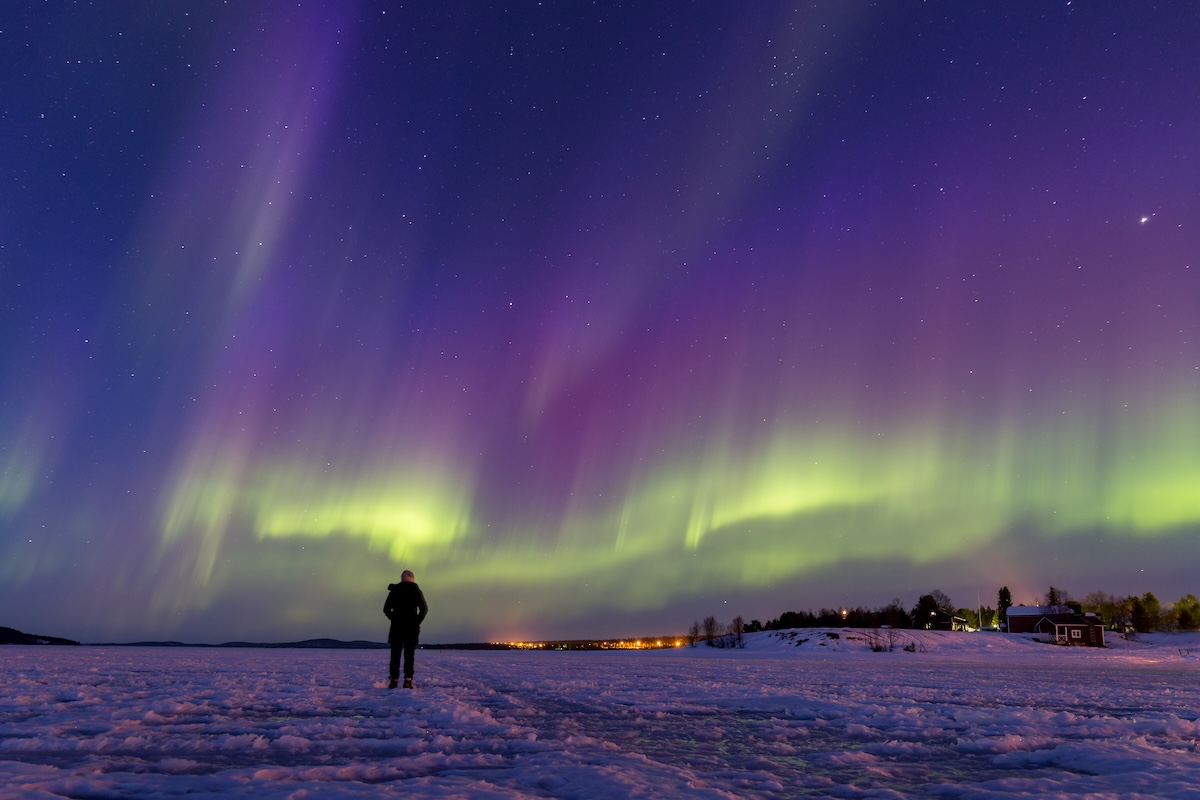
Head to Finland and you’ve got a real shot at seeing the northern lights, especially from August to April. The top spots are way up north in Lapland, where it’s darker and the skies are usually clearer.
Rovaniemi works if you want some city buzz and easy tours. Saariselkä and the nearby wilderness? Perfect if you want peace and quiet.
Just step outside on a clear night, get away from city lights, and look up. No need to climb mountains or trek for hours, honestly.
It gets cold—sometimes painfully so—but standing under the aurora makes it worth it. Some hotels even have glass igloos, so you can watch the lights without leaving your bed. That’s kind of dreamy, isn’t it?
Canada
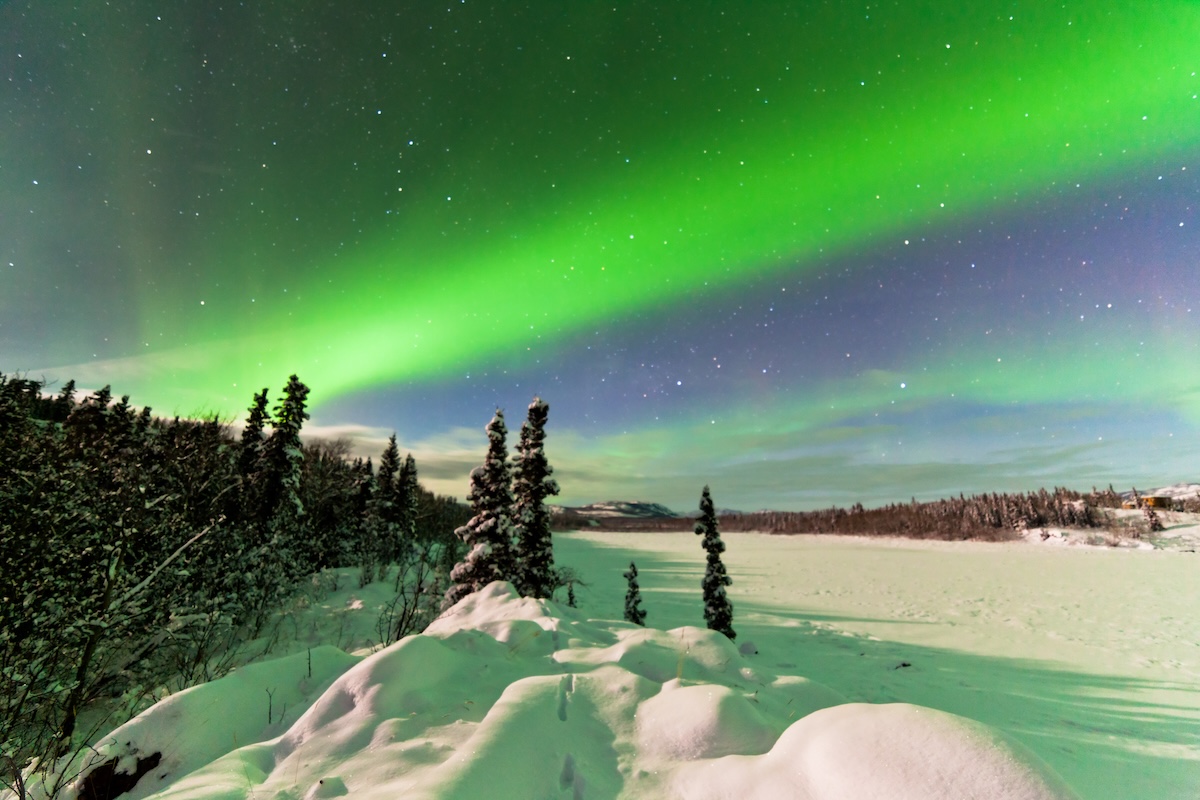
Canada’s got some excellent northern lights viewing. Yukon, Northwest Territories, and Nunavut give you some of the brightest displays. Yellowknife, in particular, is famous for its frequent auroras.
Churchill in Manitoba is another solid option. The skies there are often clear, so your chances are good. Even in northern Quebec, places like Nunavik let you see the aurora over the tundra.
Since Canada sits right under the auroral oval, your odds go up. The long, dark winters from late fall to early spring make spotting the lights easier. Just remember, it gets extremely cold—bring your warmest gear.
Greenland
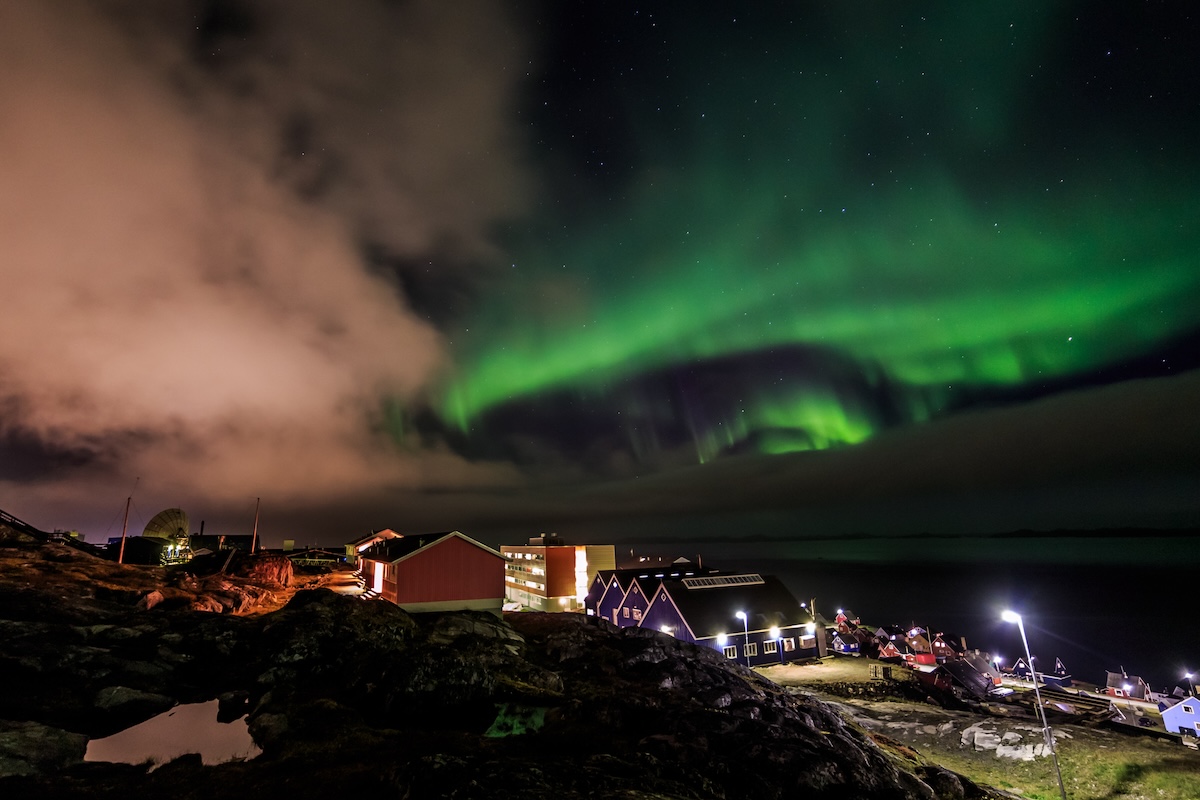
Greenland is another spot where you can catch the northern lights, usually from late August to April. Long, dark nights in winter mean plenty of chances if the skies are clear.
Kangerlussuaq is a popular place to visit since you can fly there nonstop from Copenhagen. The skies there tend to be clearer, which helps a lot.
You’re not stuck in just one place—the lights show up all over, even in South Greenland. Small towns and remote spots can be just as good if the weather cooperates.
Watching the aurora here feels wild and far from city crowds. Pack for the cold, though—it’s no joke during peak aurora season.
Russia
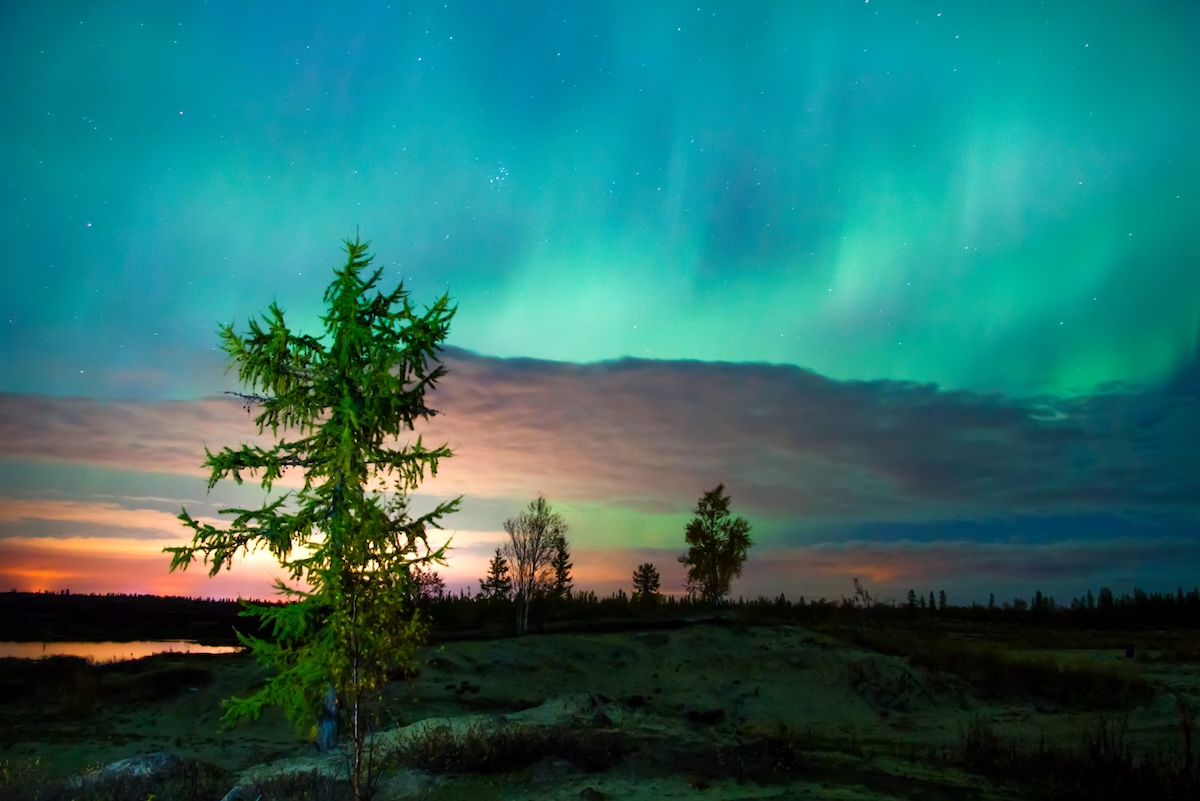
Russia’s got some prime northern lights territory. The Kola Peninsula, especially near Murmansk, is a top pick. It’s way up north, but you can get there by train or plane.
Komi Republic, Arkhangelsk, and the Yamal Peninsula are also good bets. Even parts of Yakutia and Karelia sometimes get a light show.
Late September to March is your best window. Nights are long and, if you’re lucky, the skies stay clear. Bundle up—temperatures can drop fast.
Places like Murmansk have tours and places to stay, but if you want to go remote, there are wilder options too. Russia gives you those huge, open skies and plenty of dark, quiet spots for watching.
Alaska (USA)
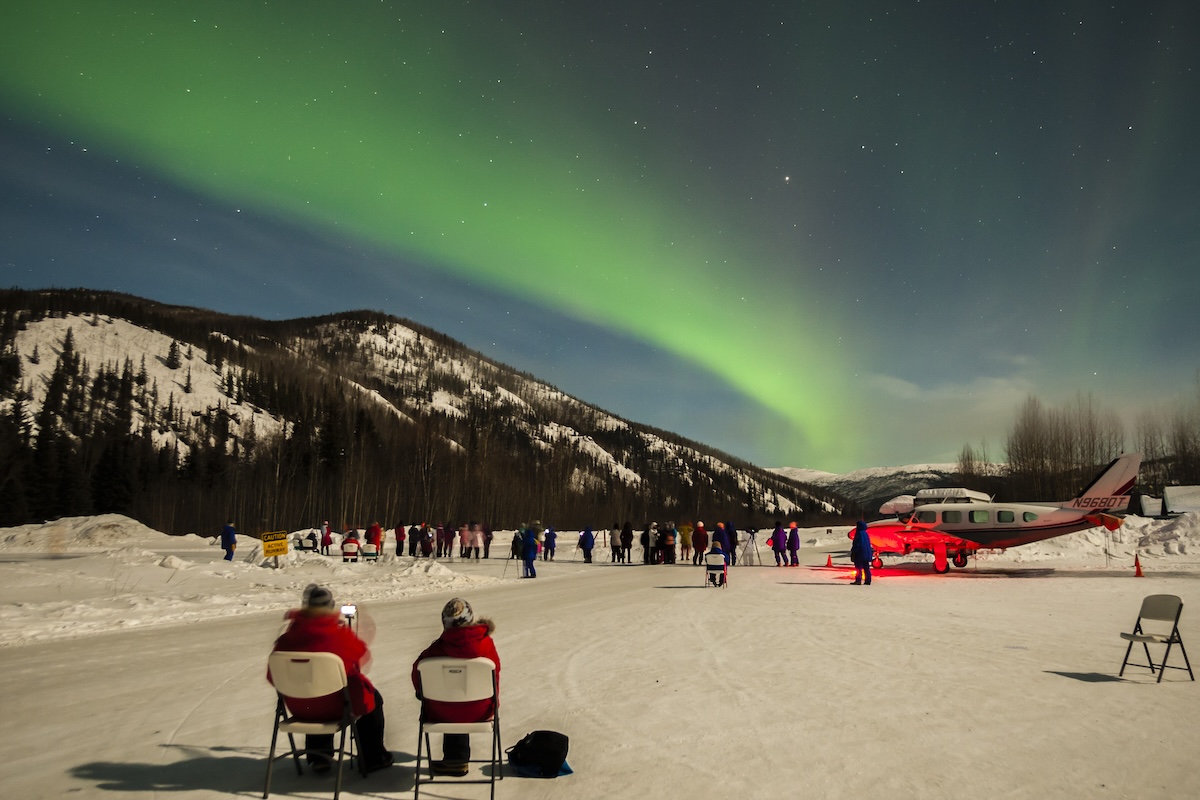
For northern lights in the U.S., Alaska is the place. Long, dark winters and clear nights make it a top aurora destination.
Fairbanks is super popular for aurora seekers. There are lots of tours and cozy lodges focused just on northern lights trips.
If you want to try somewhere else, Anchorage or farther north toward the Arctic Circle works too. Sometimes, you can just step outside your hotel and look up—no hiking needed.
Late August to April is prime time, when the nights are longest. It gets extremely cold, especially in deep winter, so bring your warmest clothes and maybe some hot chocolate for good measure.
Scotland
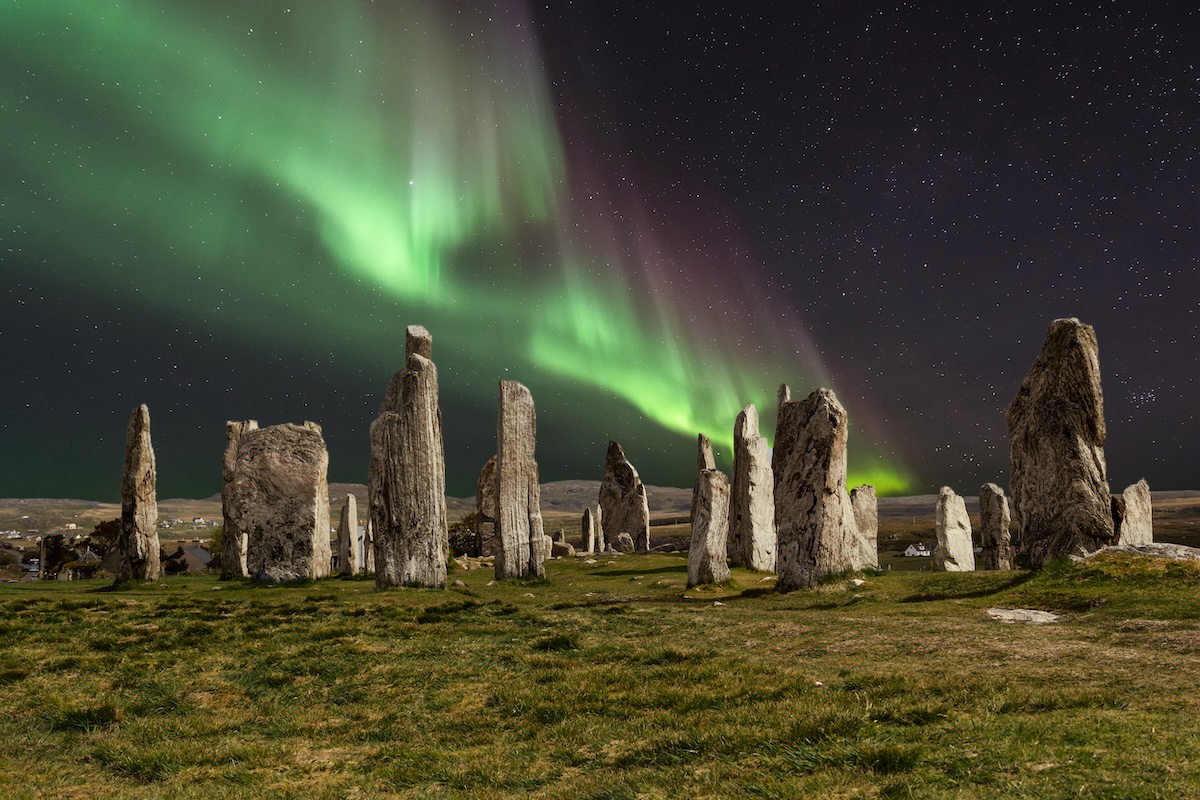
Yeah, you can spot the northern lights in Scotland, though you’ll need a bit of luck on your side. Folks usually have the best luck up north, especially around the Shetland and Orkney Islands. Sometimes, people even catch a glimpse from the Isle of Skye or the Outer Hebrides.
If you’re hoping to see them, try between September and March, when nights get really dark. Getting away from city lights helps—honestly, the more remote, the better.
Scotland’s auroras aren’t as bold or frequent as what you’d find in Norway or Iceland. But there’s something about seeing them here, with all those dramatic landscapes and quiet corners. Check the forecast, bundle up, and maybe you’ll catch that magical show overhead.