
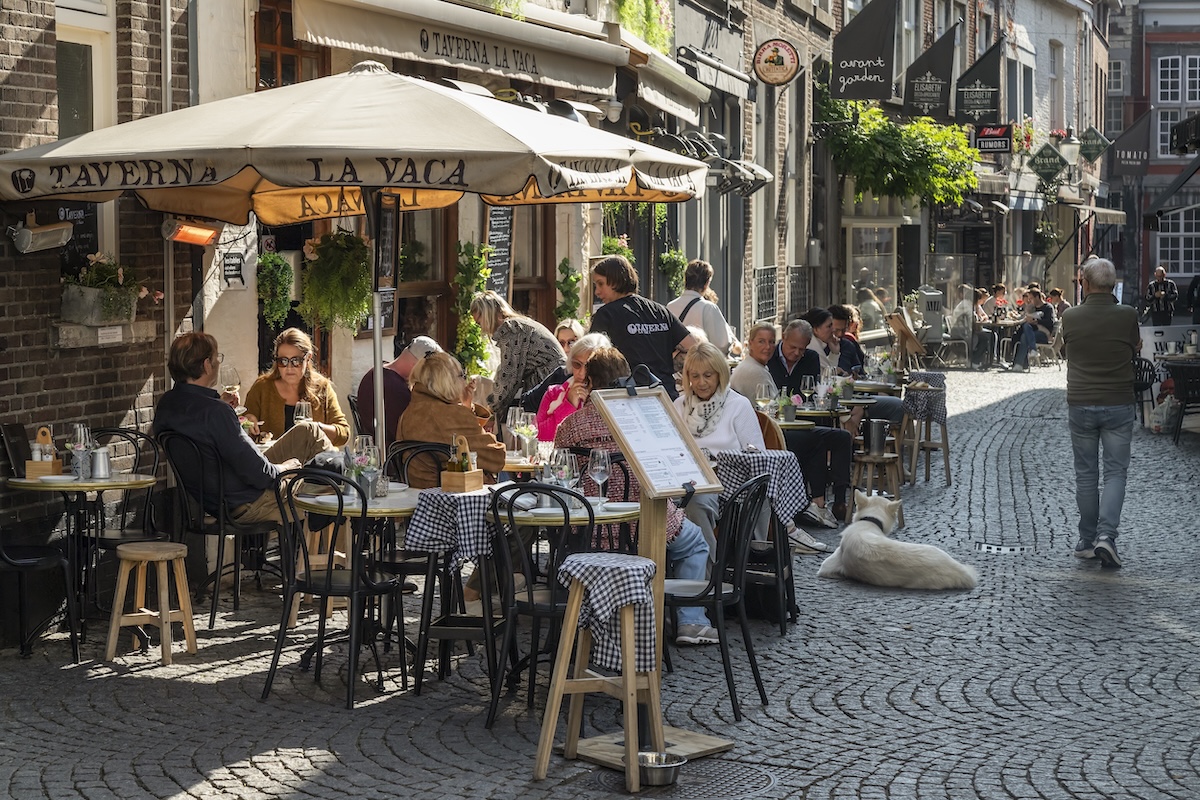
Set at a crossroads of cultures where borders blur and traditions intertwine, this historic city has long been shaped by influences from beyond its own frontiers. Its lively streets feel distinctly international, filled with youthful energy and an inviting mix of cafes, bars, and restaurants where local dialects are still proudly spoken.
Maastricht lies right on the Belgian border with Germany just a short distance away, and this unique position has given it a character unlike anywhere else in the Netherlands. Straddling the River Meuse, the country’s southernmost city is a joy to explore, with fascinating museums and historic landmarks dating back to Roman, Carolingian, and medieval rule.
Among its most impressive features is a vast network of 13th-century tunnels hidden beneath the city streets, a reminder of its strategic importance over the centuries. Often regarded as one of the most beautiful cities in the Netherlands, Maastricht offers no shortage of things to do—especially in February, when the colorful and exuberant Prince Carnaval brings the city to life.
12. Bonnefanten Museum
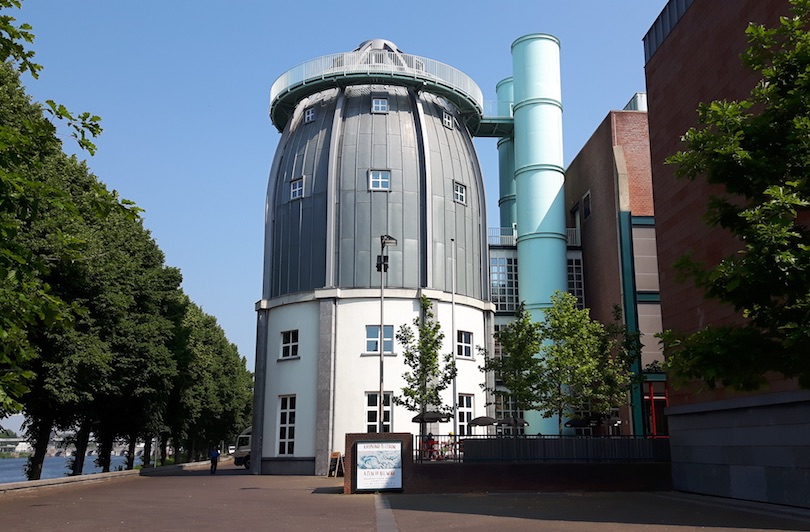
Founded all the way back in 1884, the Bonnefanten Museum’s fabulous fine arts collection is now housed in one of the most distinctive-looking modern buildings in Maastricht. Shaped somewhat like a spaceship, its glimmering cupola was designed by the architect Aldo Rossi. It is set just to the south of the city center on the banks of the River Meuse.
On display are loads of brilliant artworks, with medieval sculptures and old Italian, Flemish, and Dutch paintings lying alongside contemporary pieces and art installations from the Ecole de Paris and Arte Povera movements. Among its most popular exhibitions are paintings by Pieter Brueghel the Younger and Peter Paul Rubens, with its gallery of Limburgish artworks being another highlight.
11. Boekhandel Dominicanen
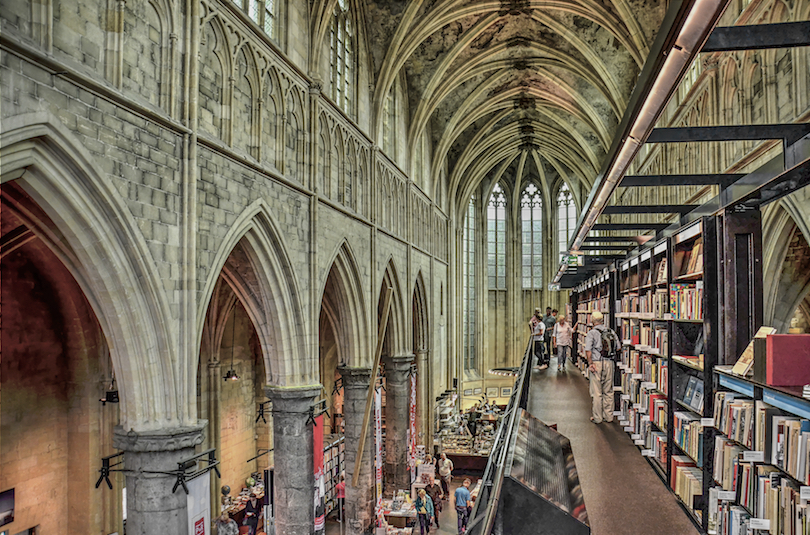
Once a Dominican Church, this magnificent 13th-century building is now home to a wonderful bookshop. With its vaulted arches, sturdy stone pillars, and Gothic architecture, it is a lovely peaceful place to visit. You can either peruse its endless bookshelves or grab a coffee and cake at its little cafe.
Besides the 50,000 or so books it has for you to choose from, the beautiful church also has fantastic stained glass windows, frescoes, and stuccoes. As such, it is well worth visiting Boekhandel Dominicanen – even if you’re not after the latest title or literary classic.
10. De Bisschopsmolen
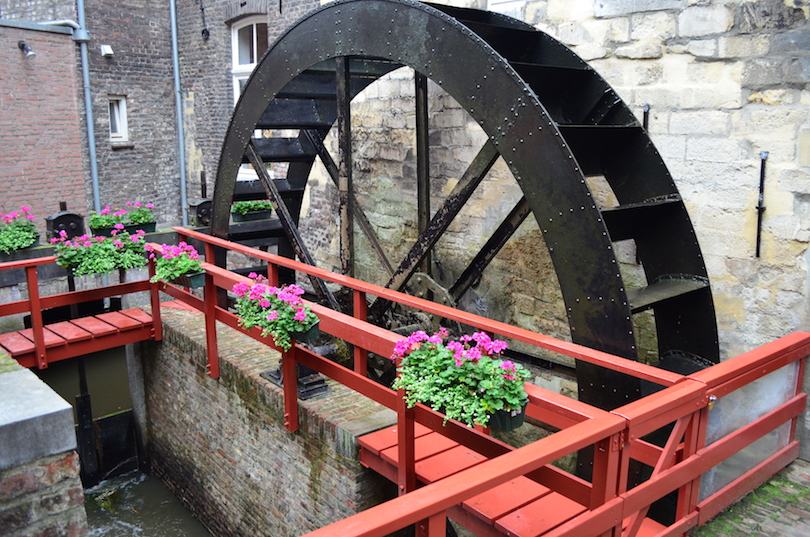
Remarkably still in use to this day, De Bisschopsmolen’s waterwheel has been powering the adjoining flour mill since the seventh century. Located just a short walk from the city center, the old mill lies on the Jeker River, a tributary of the Meuse, and is now home to a very popular bakery.
Besides buying some delicious breads and pastries or sampling them in the site’s cozy little cafe, you can take a tour of the mill to see how the flour has been produced for over a millennium.
9. Fort Eben-Emael
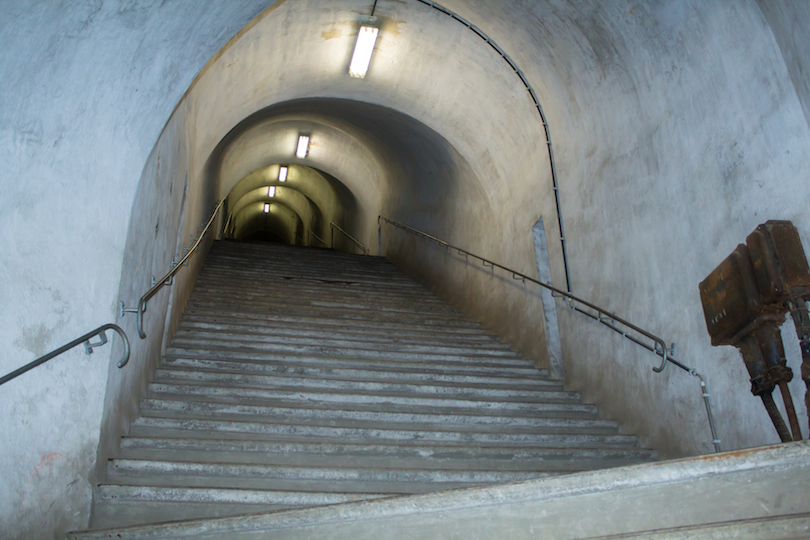
Lying just across the border in Belgium, Fort Eben-Emael was built between 1932 and 1935 in the run-up to the Second World War. At the time, it was one of the largest fortifications in the whole of Europe. Designed to defend the country against a German attack, the fortress was believed to be impregnable. This, however, proved not to be true; in a daring and audacious attack, German paratroopers parachuted behind the defenses on 10 May 1940 and captured the fort.
Set over three levels, Fort Eben-Emael has 17 bunkers for you to explore, as well as barracks, artillery cupolas, and over five kilometers of underground tunnels. In addition to this, there is a great museum that tells you about the history of the fort, how it was captured, and the role it played in WWII.
8. Helpoort
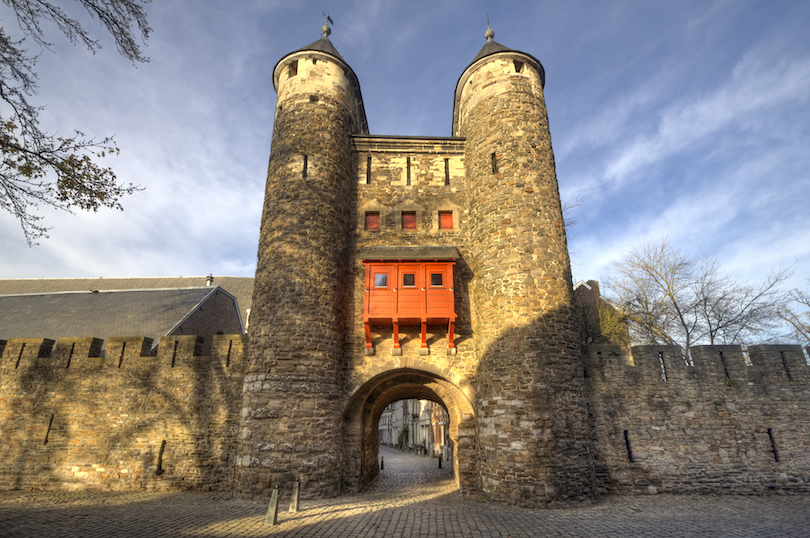
Built around the year 1230, Helpoort is the oldest remaining city gate in the country and is one of the only parts of the old city wall that still remain. Very well-preserved, its two stone towers look every bit their age. Between them is a gateway that still welcomes people into the city to this day.
Meaning ‘Hell’s Gate’ in English, Helpoort is so named because prisoners used to be kept locked up in the towers while awaiting their fate. Nowadays, they contain an excellent museum that has lots of interesting exhibitions and displays telling you all about Helpoort and Maastricht’s fortifications.
7. Fort Sint Pieter
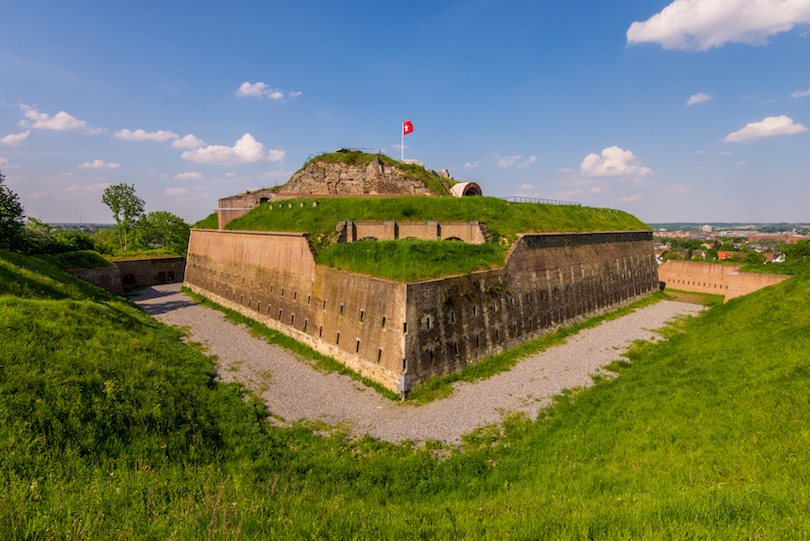
Located to the south of Maastricht atop a mount of the same name, Fort Sint Pieter once played an important role in the city’s defenses. It was erected in 1703. The hulking brick fort is surrounded by a deep and now dry moat and is connected to a vast network of underground tunnels, which also helped to protect the town.
Taking a tour of the crumbling fort is a captivating experience as you explore its barracks, tunnels, and cannon rooms. While wandering around, you’ll learn a lot about its past. Overlooking both the river Meuse and the city of Maastricht, Fort Sint Pieter also boasts a breathtaking view. It is easy to see why it was built in such a prominent and strategic location.
6. Valkenburg
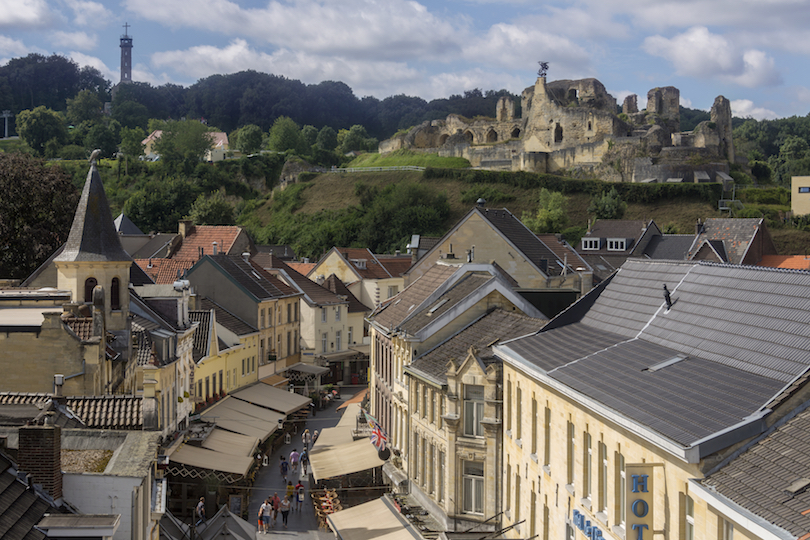
If you’re looking to escape Maastrict for an afternoon and want to see a little more of the surrounding countryside, then you can’t beat a trip to the charming town of Valkenburg. Meandering their way through its center, its two small rivers are crisscrossed by a series of scenic little bridges, with cafe-strewn cobbled streets lying to either side of them.
Overlooked by the crumbling remains of an old castle, Valkenburg is a very picturesque place and makes for a popular day trip from Maastricht. As the area around it is home to lots of delightful old Dutch farmhouses and pretty farmland, it is well worth spending a little longer in town to go hiking or cycling in the nearby countryside.
5. Market Square
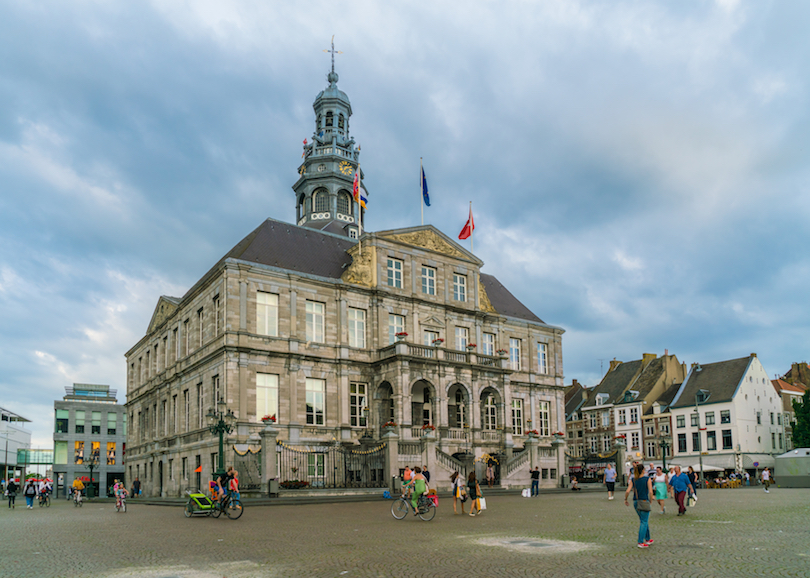
Known as the ‘markt’ in Dutch, the city’s main market square is large and spacious and hosts a number of different markets each week. While it is lined by lots of cafes, restaurants, and shops, the star of the show is undoubtedly the gorgeous town hall that dominates one side of it.
Built in 1664, the beautiful building exhibits some magnificent Dutch Baroque architecture, and its tall spire towers over the square below. When the markets are on, the square is a very lively, fun, and atmospheric place to be, with endless rows of stalls and stands coating its cobblestones.
4. Basilica of Our Lady
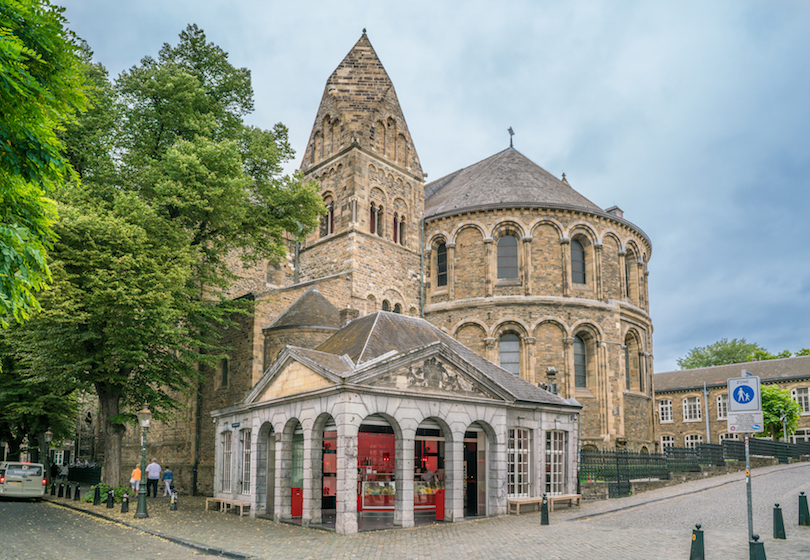
Built between the 11th and 12th centuries, the Basilica of Our Lady lies right in the city center. It is one of the best examples of Romanesque architecture in the whole of the Netherlands. Looking more like a castle wall than the front of a church, its imposing yet impressive facade is flanked by two round towers.
Quite gloomy and atmospheric inside, its interior has some lovely stained glasses windows for you to check out, as well as a superb choir, which is lavishly decorated with elaborately carved scenes from the Old Testament.
In addition to this, its treasury houses a stunning collection of sparkling gold and silver objects, with crucifixes and statuettes on display alongside chests, horns, and pilgrim badges. The main attraction on show, however, is its fabulous 15th-century statue of the Virgin Mary. Located in a candle-filled chapel, it still attracts hundreds of worshippers and pilgrims every day. It is from this holy shrine that the basilica gained its nickname ‘Star of the Sea’ – an ancient title used for Our Lady.
3. Saint Pietersberg Caves (Maastricht Underground)
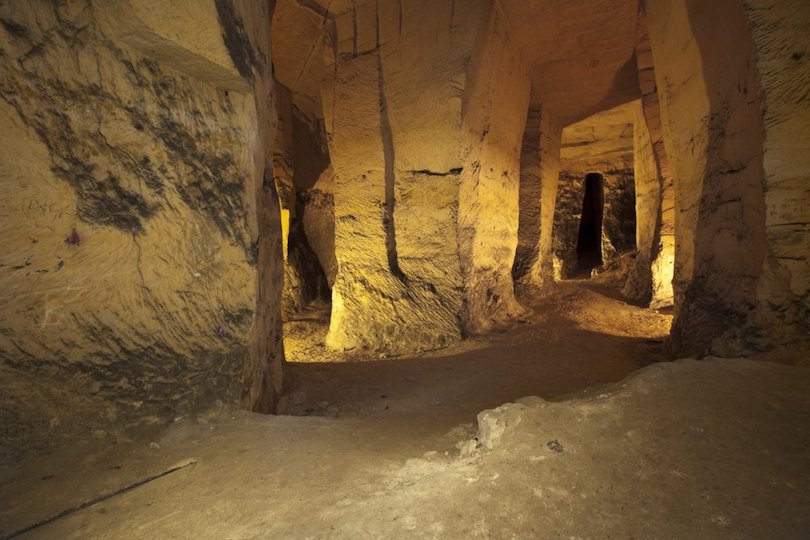
Stretching for over 200 kilometers, this vast network of underground tunnels and caves is mesmerizing to explore, and visiting them is a must when in Maastricht. Originally used to mine Marl, the Saint Pietersberg Caves were hewn out of the rock between the 13th and 18th centuries. Over the years, they served several different functions.
During WWII, for instance, citizens of Maastricht sheltered in the caves during bombing raids and even hid some of the national art collections in them. Now you can take tours of the Saint Pietersberg Caves and learn all about their fascinating past as you explore the amazing human-made tunnels.
2. Basilica of St. Servatius
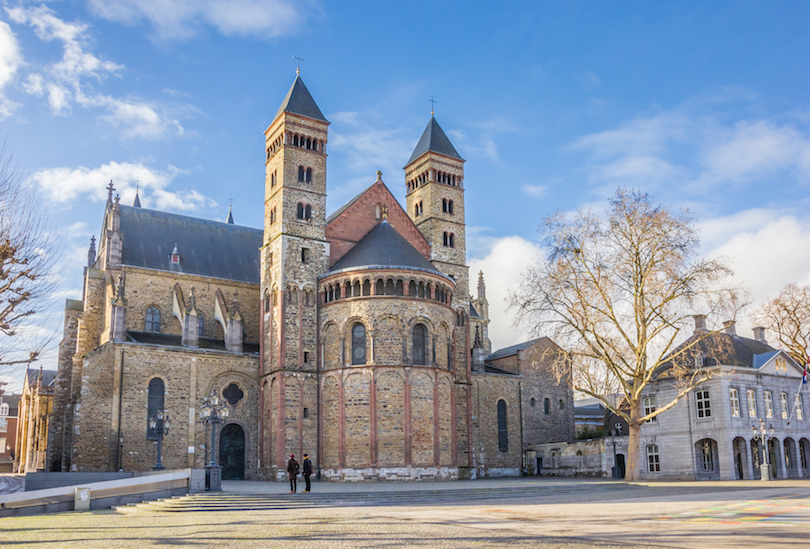
Lying at one corner of the Vrijthof, the main square in the city, the Basilica of St. Servatius certainly makes for a spectacular sight. Exhibiting both Romanesque and Gothic features, its design is unique and unusual: two bell towers flank the central part of the basilica, and lots of delightful statues coat its exterior.
Built between the 11th and 12th centuries, it is believed to lie above the grave of Saint Servatius, who died in Maastricht in 384 AD. While its interior is not quite as impressive, it is still well worth visiting. Vaulted ceilings and arches can be found alongside some brilliant choirs, chapels, and a treasury full of glittering artifacts. The basilica makes for some fantastic photos. With Saint John’s Church towering next to it, it is one of the most recognizable landmarks in the city.
1. Vrijthof
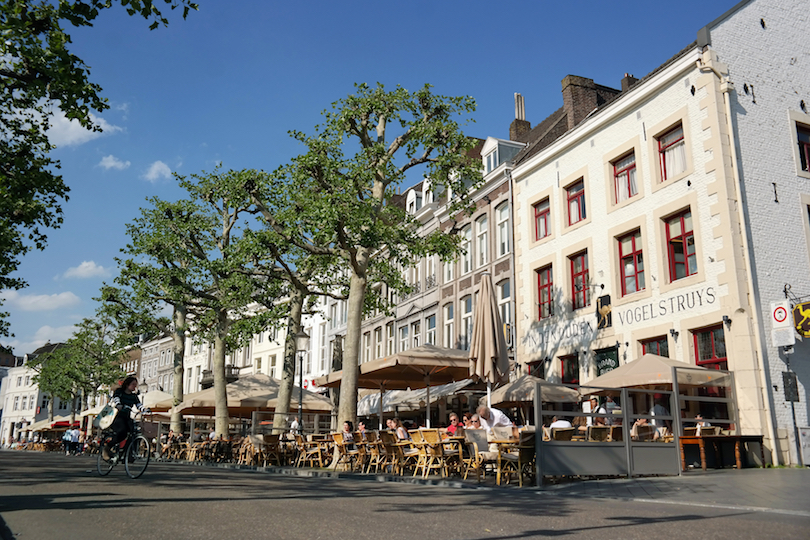
The beating heart of Maastricht, it is in Vrijthof that many of the city’s main cultural events and festivals take place during the year. Lined by historic buildings such as the Basilica of St. Servatius, St John’s Church, and the Spanish Government House, the city’s main square is a lively place to visit, with lots of cafes, restaurants, and bars also on offer.
While its many markets are lots of fun to explore, the highlight of the year is undoubtedly in February, when the Prince Carnaval is held. With lots of brightly colored costumes and amazing parade floats passing through the square, the Vrijthof is a fantastic place to see traditional songs, dances, and performances that proudly showcase Limburg’s rich cultural heritage.