
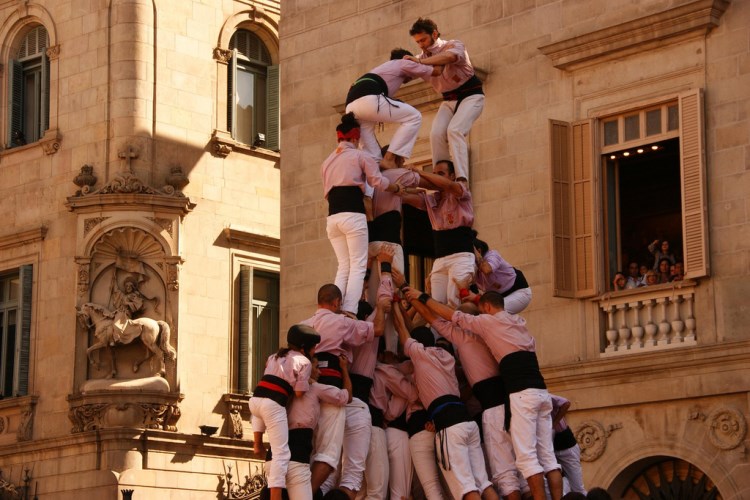
September is a great month for international travel. The weather is good, regardless of the hemisphere. Crowds are smaller, since kids will be back in school. As an added bonus, prices are likely to be lower. With the sun shining almost all over the world, which comes to life with seasonal festivals, travelers may be hard-pressed to find a better time to go globe-trotting. An overview of the best places to visit in September:
10. Santa Tecla Fiesta in Tarragona
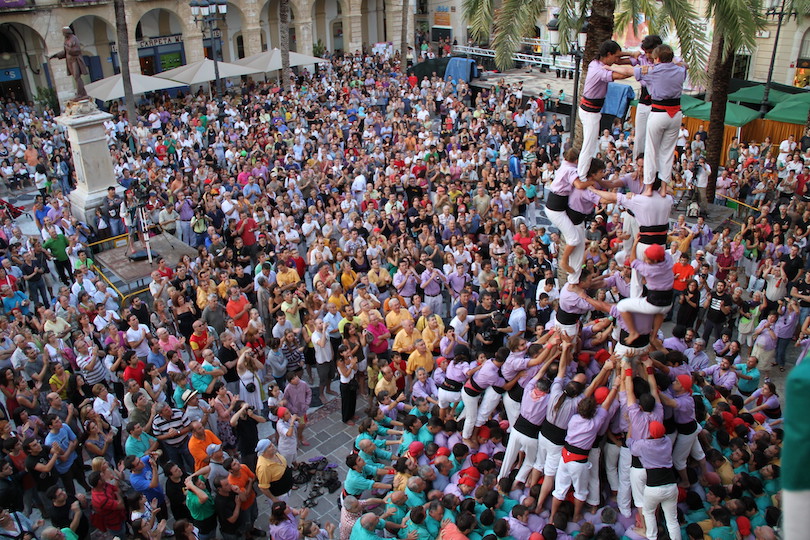
The Santa Tecla Fiesta in Tarragona has a couple of unusual features travelers won’t find at other celebrations. One is the casteller in which humans form a huge tower, sometimes as many as nine layers of people standing on top of each other.
Another unique feature is the Correfoc or fire-running, an event that requires participants to sprint over costumed devils and dragons while carrying fire. This event ends the festival, which also includes a parade of costumed characters with big heads proceeding through town while dancing to music played on traditional Catalonian instruments.
9. Braemar Gathering
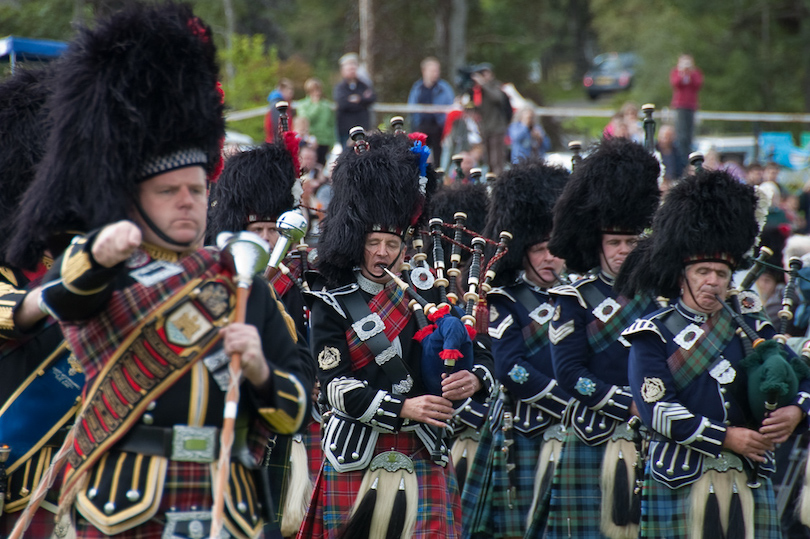
Travelers who find the combination of athletic competition and bagpipe music stirring may want to consider the Braemar Gathering for their travel plans. Held the first Saturday in September, these highland games involve a variety of strenuous athletic events, such as a hill run, a tug of war and hammer tossing, guaranteed to give spectators sore muscles.
Kilted bagpipers play traditional Highland tunes. The Braemer Gathering are said to be Scotland’s most famous Highland games and certainly among the oldest, as the event dates back 900 years to King Malcolm Cranmore.
8. Giostra del Saracino, Arezzo
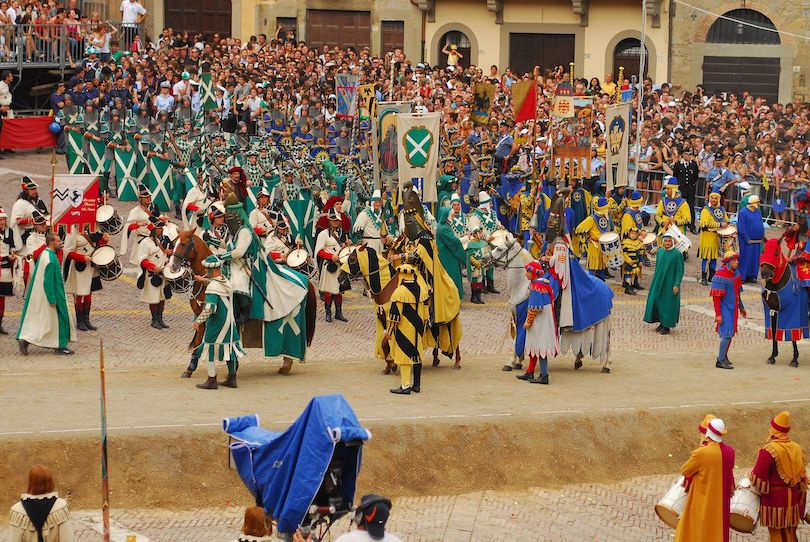
Located in Tuscany, Arezzo offers travelers who enjoy sporting events and the Middle Ages an opportunity to enjoy both at the Saracen Joust of Arezzo, held the first Sunday in September. Also known as the Giostra del Saracino, the event transports visitors back in time to when jousts were popular. Instead of trying to knock another knight off his horse, knights now gallop toward a wooden figure wearing armor.
When the figure’s shield is hit, it rotates and shoots lead balls at the knight. A parade of colorfully dressed participants winds its way through this Italian town before ending in the area where the jousting begins.
7. California
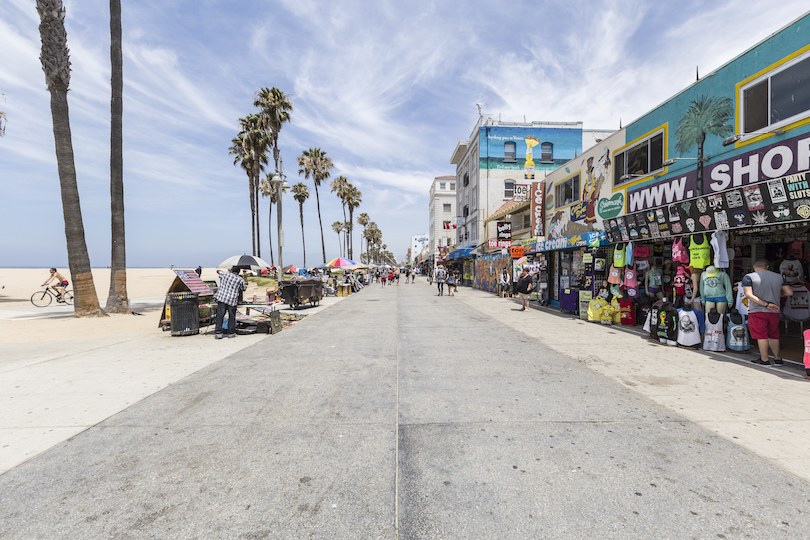
Visiting California in September offers a great opportunity to beat the heat and the crowds. Daytime temperatures in southern California can be sizzling in the summer, but will be starting to cool down now. Families won’t be on the road as much since the kids are back in school.
Grapes will be ripening in the Napa and Sonoma valleys, so wine touring is comfortable at this time. And San Francisco, a city known for its fog, has some of the clearest days of the year.
6. Namaqualand
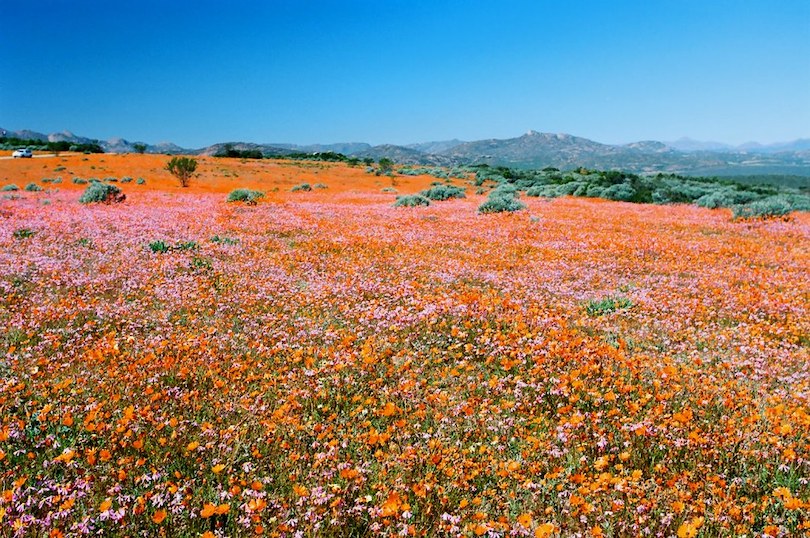
Namaqualand is an arid region on the west coast of southern Africa, transversing the borders of South Africa and Namibia. The desert is one of the best places to visit in September as it heralds the start of spring in the southern hemisphere. This translates into fields of gorgeous flowers for visitors to Namaqualand.
Orange and white daisies are the most prevalent, but many other varieties of vibrantly colored flowers now adorn the normally dry, barren land as a result of winter rains. Some of the blooms, such as the yellow Leucospermum reflexum, the blue Lachanaea filamentosa and the pink Cyanella alba aren’t found anywhere else in the world.
5. Greek Islands
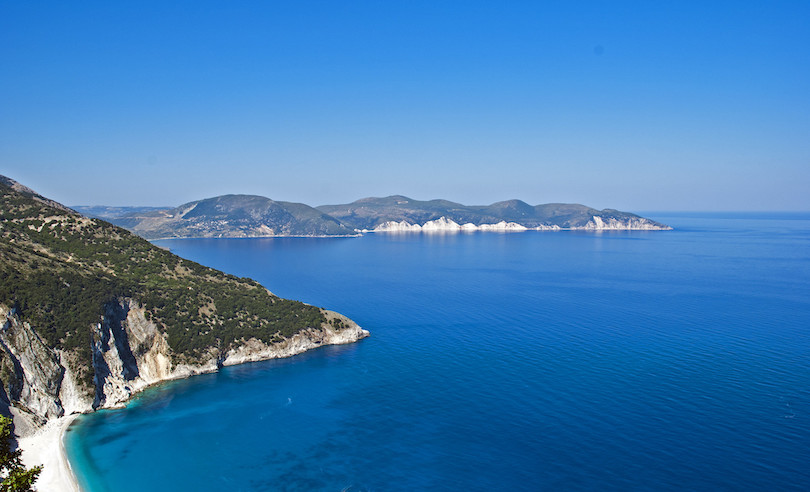
The mainland of Greece may be best known for the ancient ruins in Athens and the founding of the Olympic games, but those who crave sandy beaches and azure blue waters may very well prefer visiting the Greek Islands. The weather in September is still good enough for sunbathing and exploring.
With the possible exception of Santorini, crowds are less likely to be found. Santorini, with its ruins and picturesque churches, is popular any time of the year. Travelers who prefer sunbathing may like the island of Naxos, which has some of the best beaches in Greece.
4. Hermanus Whale Festival
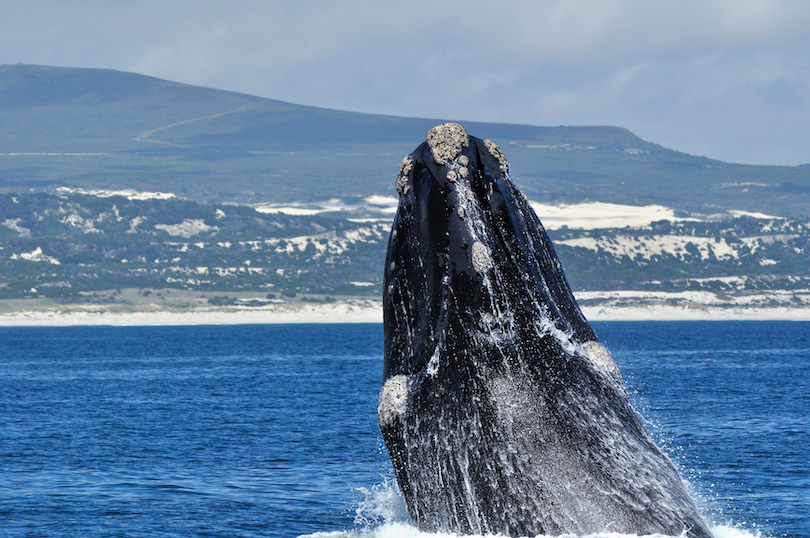
If travelers who want to watch whales get seasick cruising out into the ocean, they should head for Hermanus, South Africa, which offers the best land-based whale watching in the world. If they want to watch the massive mammals perform with humans, they’ll want to go there in late September or early October for the annual whale festival.
That’s when whales share the spotlight with musicians and other performers in this seaside resort. Food, arts and crafts, and kids’ entertainment round out the festival as visitors celebrate spring in the southern hemisphere.
3. Cure Salee, In-Gall
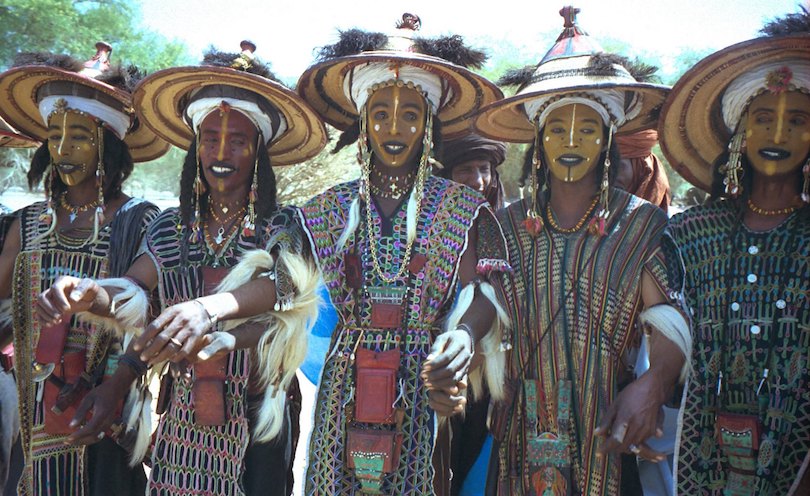
Lonely Planet rates the Cure Salee (Salt Cure) in – In-Gall, Niger, as one of the world’s best festivals. The Festival of the Nomads, as it is also known, centers around the Tuareg and Wodaabe people, and takes place in a remote area of the Sahara. The event marks the end of the rainy season, so people gather at the salt flats to prepare their animals for the coming dry season.
It’s a chance to see cowboys on camels chase the animals across the desert. It is also an important social gathering, popular with single people who are seeking spouses. Highly-decorated men dance until they catch the eye of a single woman.
2. La Mercè in Barcelona
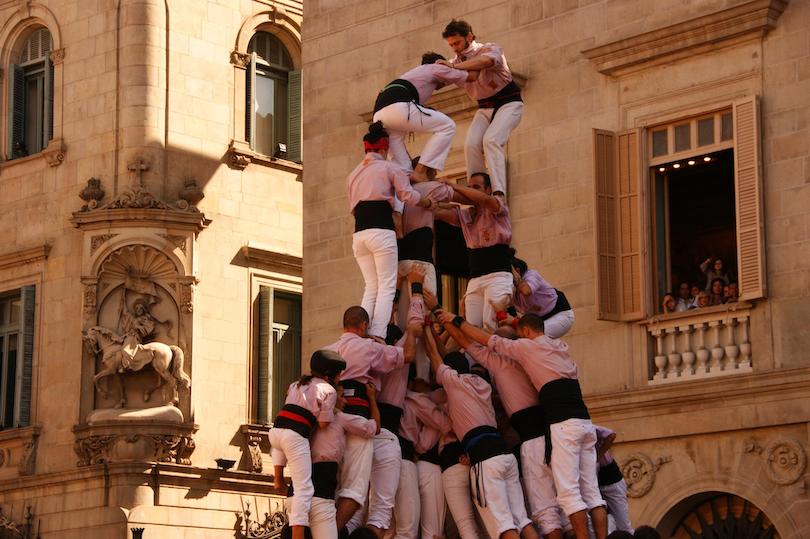
Barcelona, a Spanish city on the Mediterranean Sea, honors Our Lady of Mercy (La Mercè) every September 24, a tradition that became a city holiday in 1871. New traditions, such as a parade featuring papier mache giants and a tower (castell) made of humans, were added in 1902 as the festival grew in popularity.
Other events were added over the years, until today they include a fun run, fireworks synchronized to music, a wine fair, music at Montjuic Mountain and water fountains. The event has grown into Barcelona’s largest street party.
1. Regata Storica, Venice
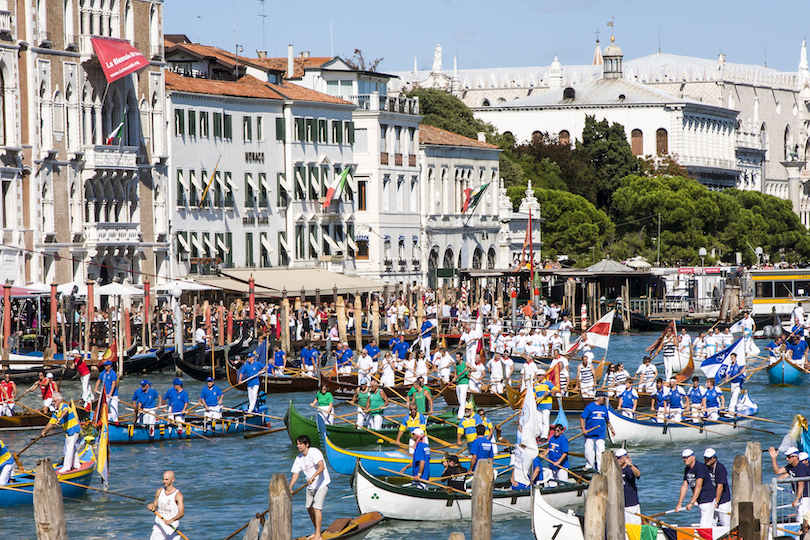
The canal of Venice jump back in time to 1489 on the first Sunday in September as the Regata Storica (Historic Regatta) takes place. The rowing races honor Catarina Cornaro who, as wife of the Cyprus king, renounced her throne in favor of Venice.
Crews and their gondolas are both decked out in 16th century costumes and regalia race through the Grand Canal from Castello to the former convent of Santa Chiara where they turn around and race back to the finish line at Ca’ Foscari. The winning crew gets a red pennant for their efforts.