
Travelers are drawn here for many different reasons. Some come to immerse themselves in unspoiled nature or to experience a culture shaped by strong local traditions, while others arrive simply to enjoy sun-soaked days by the sea and world-class watersports.
Lombok, part of Indonesia’s Lesser Sunda Islands, is especially loved for its stunning white-sand beaches and crystal-clear turquoise waters. Snorkeling, scuba diving, and surfing are all popular pursuits, thanks to the island’s rich marine life and consistent waves.
Map of Lombok
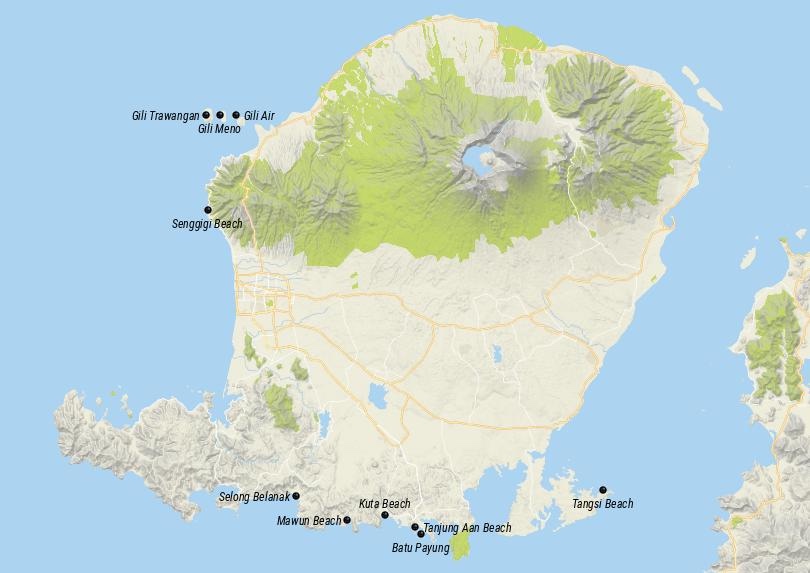
Quieter and more laid-back than neighboring Bali, the island offers a more authentic beach experience without sacrificing beauty or adventure. Whether you’re seeking peaceful shores or active days on the water, Lombok has a beach to suit every mood and style of travel.
10. Selong Belanak
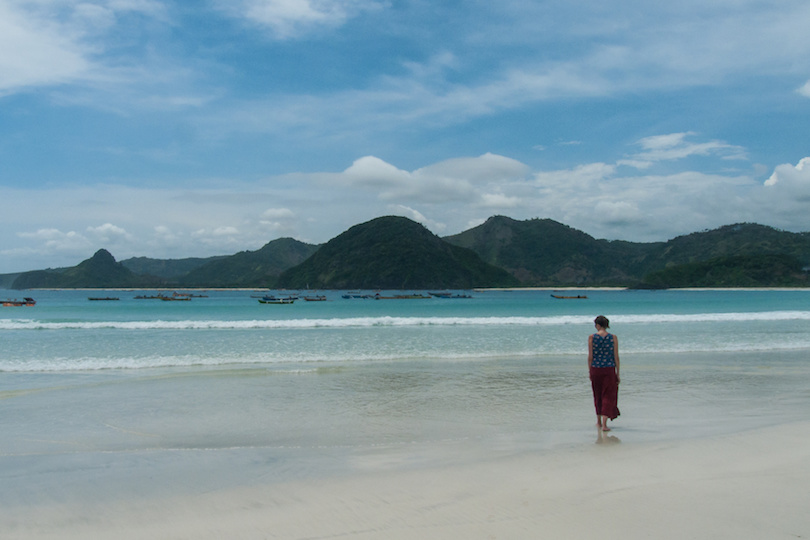
Selong Belanak, located on the bay of the same name, is the place to go if you like white sandy beaches. This crescent-shaped beach is one of the best on the island. It’s not a very long beach, but close enough to a fishing village for exploration, buying refreshments or renting a boat to get in a little fishing.
The water is clear with waves that aren’t as high as other Lombok beaches, which makes it nice for swimming. The beach can get crowded during the holidays, but otherwise it’s quiet place to relax.
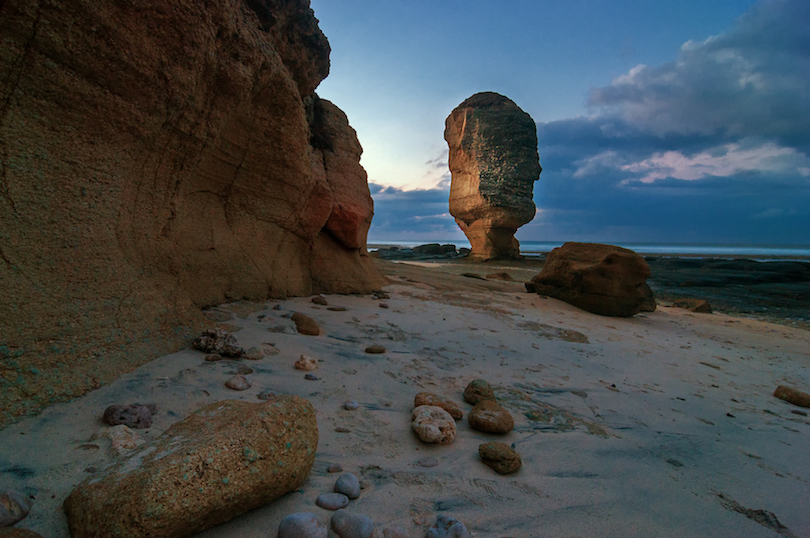
9. Batu Payung
 © Rahim / Dreamstime
Batu Payung isn’t like any other beach on the island of Lombok. It’s got the usual gorgeous blue seawater, but there’s no white sand, just rocks. But what it does have is a humungous rock rising out of the beach.
Depending on the direction from which you approach the formation, it looks like a profile of a craggy face; others say the formation resembles an umbrella. But then, again, it might be the inside of a scallop shell. What do you think?
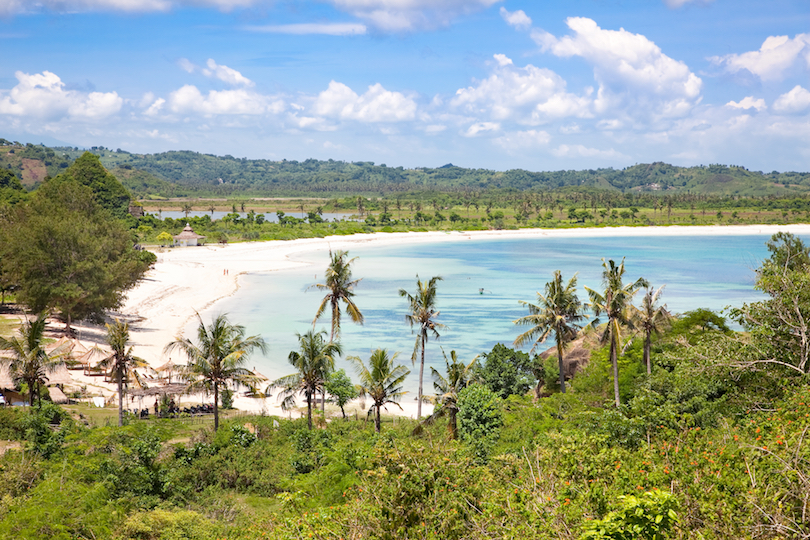
8. Tanjung Aan Beach
 © Todorovic / Dreamstime
Tanjung Aan Beach faces the Indian Ocean. It’s perfect whether you want to have fun on the beach or in the water. The white sand is very fine, almost like pepper, with space to lie out in the sun. For much of the day, the waves aren’t that big, fine for swimming or snorkeling.
Wave action picks up in the afternoon, bringing the surfers out. There’s an outlook in the hills behind Tanjung where you view the beach. Every February the beach celebrates Bau Nyale, a ritual that commemorates a princess who jumped into the ocean rather than marry.
7. Senggigi Beach
 © ade prasetyo / Dreamstime
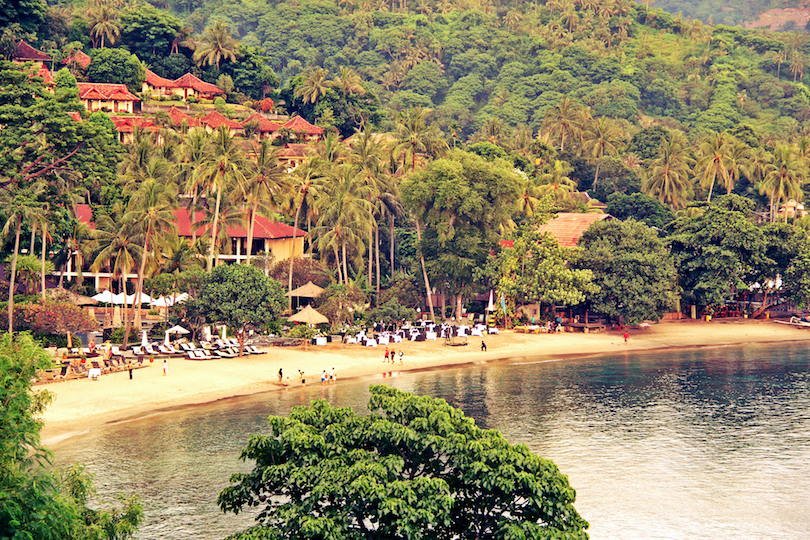
If ending the day with a stupendous sunset appeals to you, head to Senggigi Beach with its west-facing beaches. After the sunset, nightlife action starts in the central part of town. Senggigi town is a traditional resort destination on Lombok. Here you’ll find enough bars, pool tables, TV screens with sports broadcasts, relaxing lounge areas and beach side restaurants to keep you occupied for a few days.
It’s a picturesque beach, with the white sand sandwiched between gorgeous blue water and swaying palm trees. If you need a break from beachcombing, you can visit Puta Batu Bolong, a Hindu temple with 14 altars overlooking the beach.
6. Gili Air
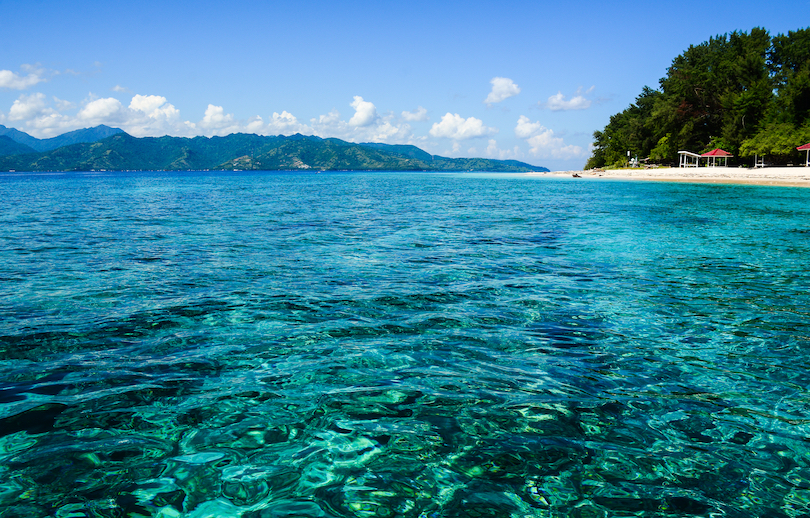
Gili Air is the closest of the three Gili Islands off Lombok. Referred to as an island paradise by many, it’s not overrun with tourists like the other two, though it is popular with backpackers. Mostly, it’s a quiet place with nice beaches.
It’s a good place to just chill out on the beach or get in a some snorkeling, scuba diving or surfing. Be sure to bring comfortable walking shoes, as there are no motor vehicles on the island. Lombok and the other Gili islands are visible from Gili Air.
5. Gili Meno
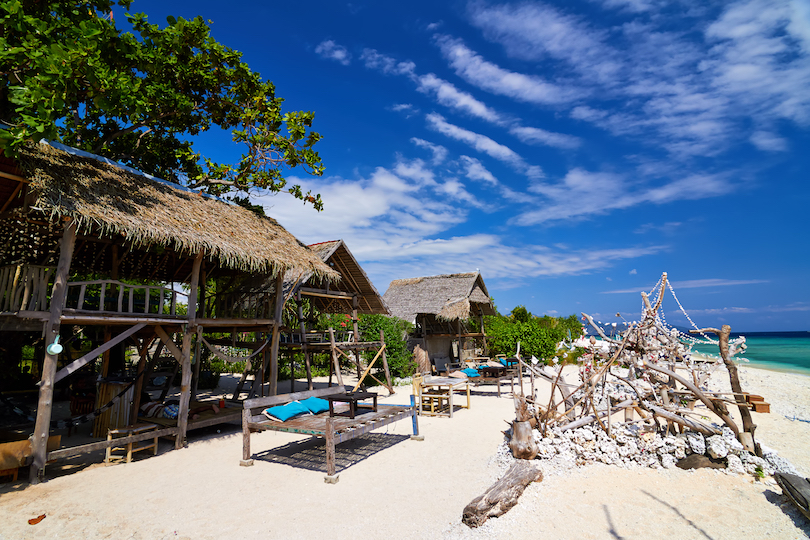
Gili Air may be an island paradise, but Gili Meno has been called the ultimate deserted island. This isn’t exactly true, since it’s popular with families and single travelers who want to experience island life.
Gili Meno is just the smallest and least developed of the three islands. Gili Meno is the best of the Gili islands when it comes to seeing turtles; some have been spotted by snorkelers off the shallow reef. And the beaches? Like walking on white powder.
4. Tangsi Beach
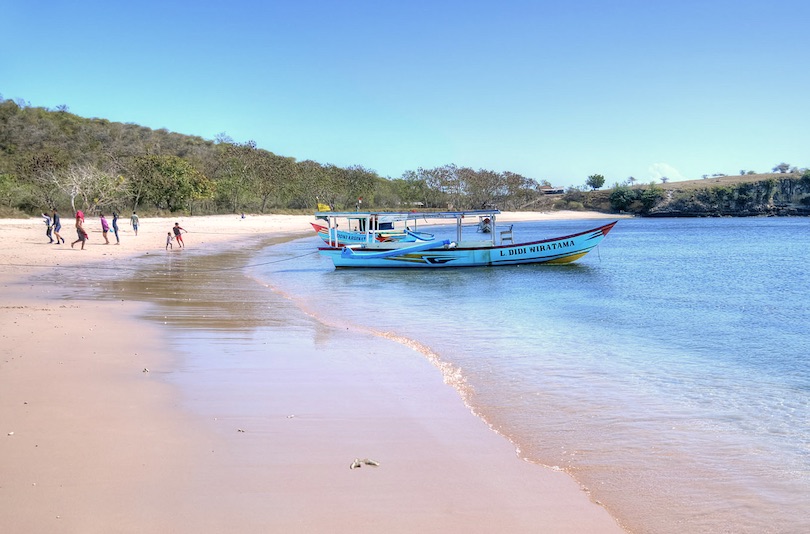
Tangsi Beach is like any other beach on Lombok. It’s got the requisite sand, pretty blue water, boats in the bay and trees at the rear. But it’s also different from the other beaches with their fine white sand.
Tangsi Beach has pink sand, only one of 10 known beaches in the world to have pink sand. The pink comes from the waves washing dead red coral fragments onto the beach where they blend with the white grains. Because the water is calm here, it’s a good place to swim and snorkel.
3. Mawun Beach
 © Philip Curtis / Dreamstime
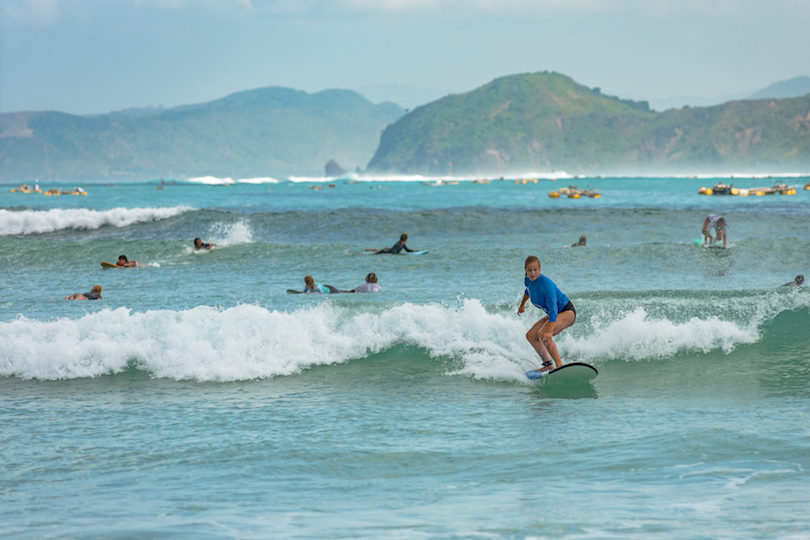
Probably because it’s so picturesque, Mawun Beach is one of the top beaches on Lombok. This pretty beach is shaped like a horseshoe, with hills on two sides. The turquoise blue sea is calm here, so it’s safe for swimming and snorkeling. This is assuming, of course, that you won’t want to spend the whole day sunbathing.
If you like fresh pineapple, this is the place to try some. Locals peel and spiral cut baby pineapples so they look like an ice cream cone. Most days this dream of a beach is all but empty though its popular with surfers in the wet season.
2. Gili Trawangan
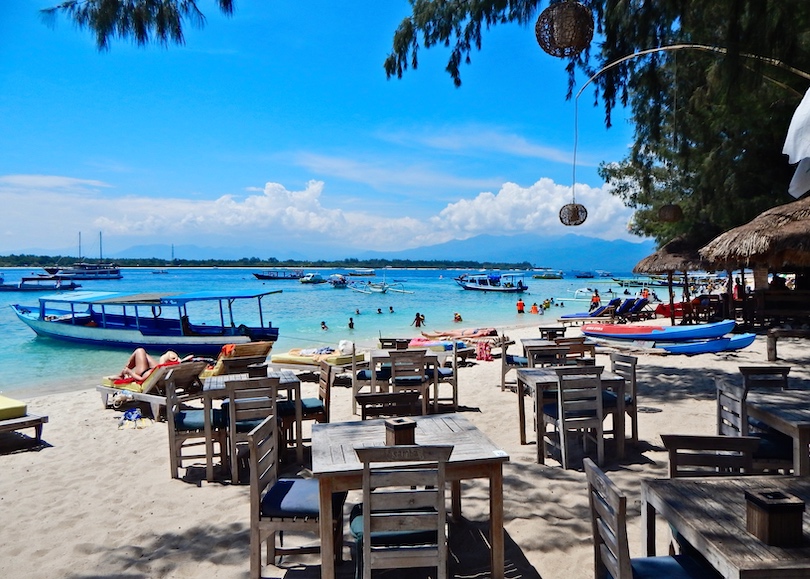
Gili Trawangan, the largest of the Gili Islands, is the party island. Just 30 minutes by boat from Lombok, Gili Trawangan, it attracts the most visitors and is more upscale in its amenities. The island is a good place for diving as well as learning to dive; it’s considered a world class teaching center.
It also offers some great coral reefs for snorkelers and some of the best beaches in Lombok for sunbathers. Surfers head to the south coast where waves are higher; booties are recommended since the coral reefs are sharp if you take a spill.
1. Kuta Beach
 © Mazurkevich / Dreamstime
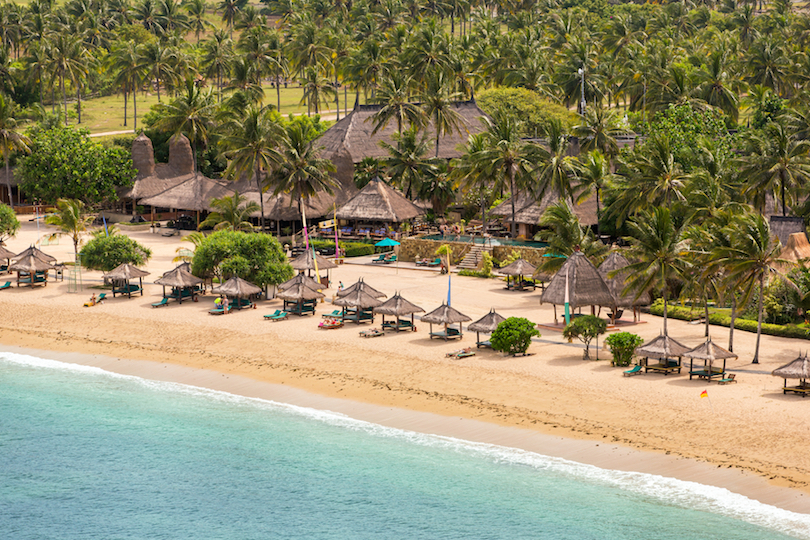
Located in south Lombok, Kuta Beach is known for its white sand and turquoise water so crystal clear you can see the coral reefs from the top of a nearby hill. It’s the most famous beach on Lombok, which makes it the most crowded.
The town has a wide variety of accommodations and restaurants, ranging from backpacker offerings to 4-star luxury resorts. Kuta offers world-class surfing, including at nearby Gerupuk. Most people come to Kuta to just chill out on the beach (the sand isn’t as fine here, however) and to take in the evening sunsets. Snorkeling is another popular activity.