
Indonesia is the largest cluster of islands in the world, made up of an incredible collection of no fewer than 14,000 jungle-clad islands floating off the coast of Asia. Five islands are considered major islands due to their massive size, and the rest are split up between 30 smaller Indonesian archipelagos.
From Flores in the Lesser Sunda Islands to New Guinea – the only Indonesian territory in Oceania – and everything in between, here are the largest islands in Indonesia when measured by total surface area.
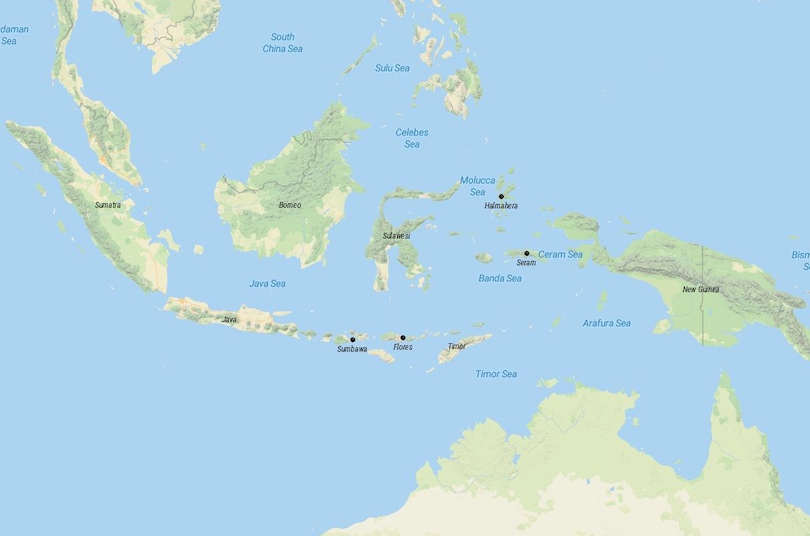
Map of Indonesia’s Largest Islands
10. Flores (14,154 km2)
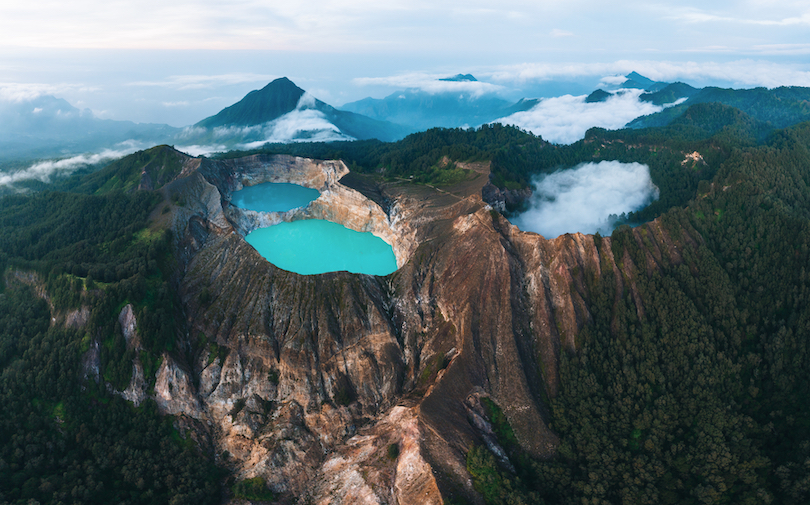
Located to the east of Komodo and the west of Lembata, the island of Flores (which means ‘Flowers’ in Portuguese) is part of the Lesser Sunda Islands – a cluster of islands in eastern Indonesia. At last headcount back in 2010, the island had a population of 1.8 million people.
Not only is Flores Island one of the country’s largest, but it is also the 10th most populated. But there is a reason for the crowds – and many more reasons to visit Flores. The island is most known for its massive Kelimutu volcano with its three multicolored crater lakes that make for some adventurous hiking.
9. Sumbawa (14,386 km2)
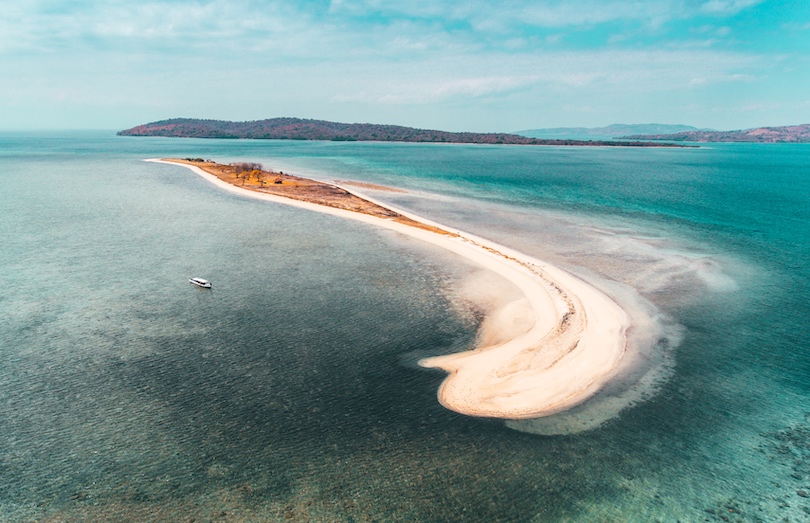
The island of Sumbawa is located in the heart of the Lesser Sunda Islands archipelago in Indonesia. With a history dating back many hundreds of years, the island, with its volcanoes, rice paddies, and dry savannah, is celebrated for its local resources of honey, sandalwood, and sappanwood.
Sumbawa is home to two fascinating cultures – split between the people who speak Sumbawarese in the east and those who speak Bimanese to the west. Yet despite the island’s convenient location for getting between Lombok, Bali, and Flores, Sumbawa is largely (and blissfully) off the tourist radar.
8. Seram (17,454 km2)
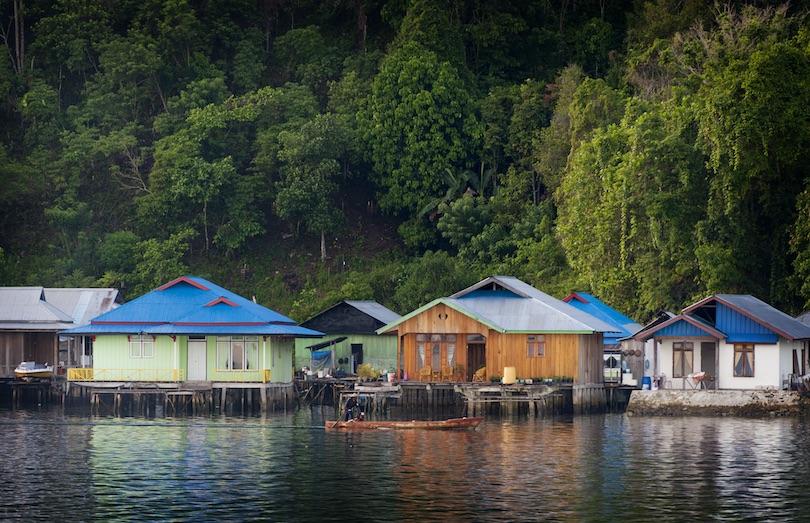 © Edmund Lowe / Dreamstime
Seram is both the largest and most prominent island of Indonesia’s Maluku province. A major natural hotspot and tropical oasis with massive mountains and limestone karsts dotting its surface area, it boasts a plethora of biodiversity within its rainforests and coastlines.
The island of Seram is home to the deepest cave in the country and one of the largest underground rivers on Earth, the river Sapalewa. Over 100 different bird species call the island home, 14 of which are endemic. There are various endemic mammals and Australasian marsupials living within the jungles, as well as saltwater crocodiles lurking beneath the surface of the water.
7. Halmahera (18,040 km2)
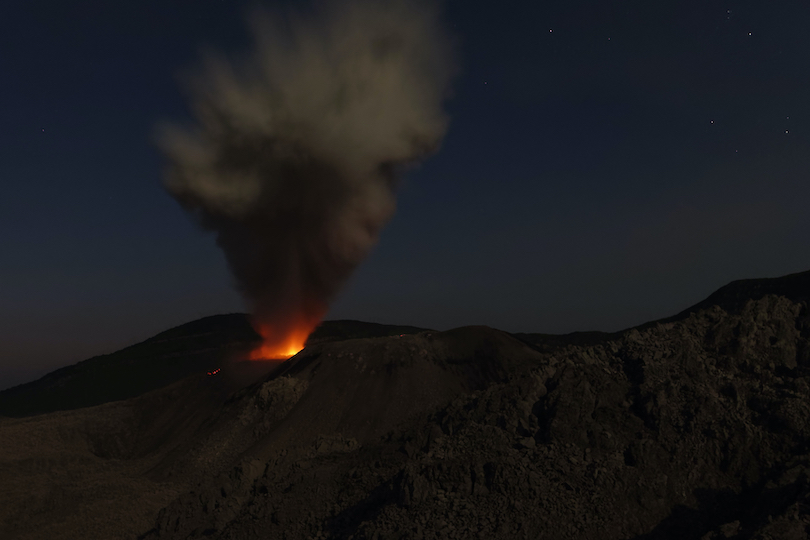 © Andre Labetaa / Dreamstime
The volcanic island of Halmahera, previously known as Jilolo, is the largest of the Maluku islands in Indonesia. It is the largest island in Indonesia outside of the country’s five major islands.
Located on a chain of active volcanoes that encompasses the Raja Ampat Islands, the K-shaped island of Halmahera is characterized by beautiful sandy beaches, seemingly untouched forests, and mountain vistas.
6. Timor (28,418 km2)
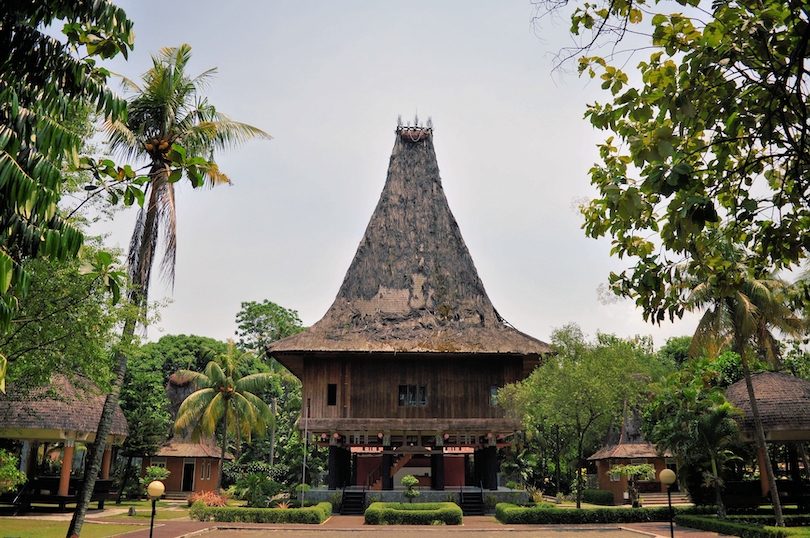 © Florian Blumm / Dreamstime
While not solely part of Indonesia (it is shared with the Democratic Republic of Timor-Leste), the coffee-growing region of Timor can be found in the south of Maritime Southeast Asia. It is found above the Timor Sea, which divides it from the Australian mainland.
The name Timor means ‘east’ in Malay; it is so-called because of its location as one of the easternmost islands of Indonesia’s Lesser Sunda archipelago. Unlike the rest of the island group, Timor is not volcanic and is much older.
5. Java (138,794 km2)
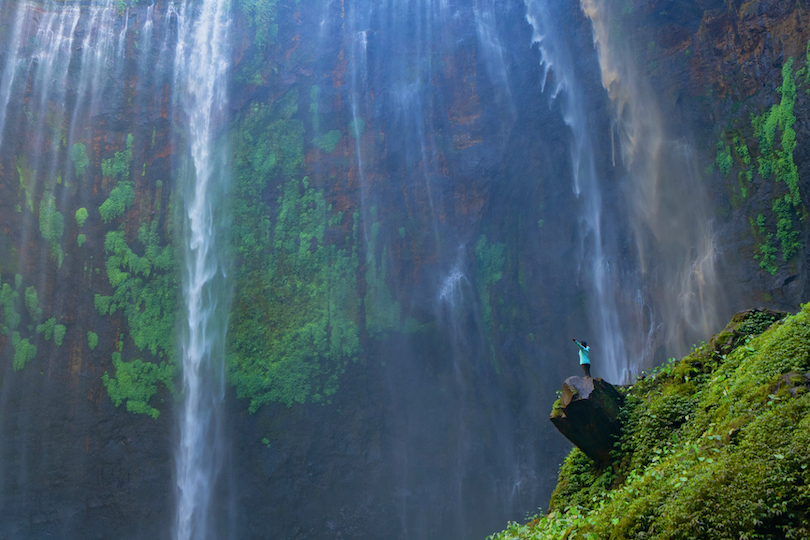 © Tampatra1 / Dreamstime
Due to its sheer size as the world’s 13th largest island, it should come as no surprise that Java falls within the top five of Indonesia’s largest islands. Surrounded by the Indian Ocean on one side and the Java Sea on the other, the island provides a home for over 140 million people – more than half of all of Indonesia’s population put together!
The island of Java is a mix of different cultures, languages, and religions. The seat of countless Hindu-Buddhist empires and Islamic sultanates, Java has constantly been the site of historical importance and bloody battles.
4. Sulawesi (180,681 km2)
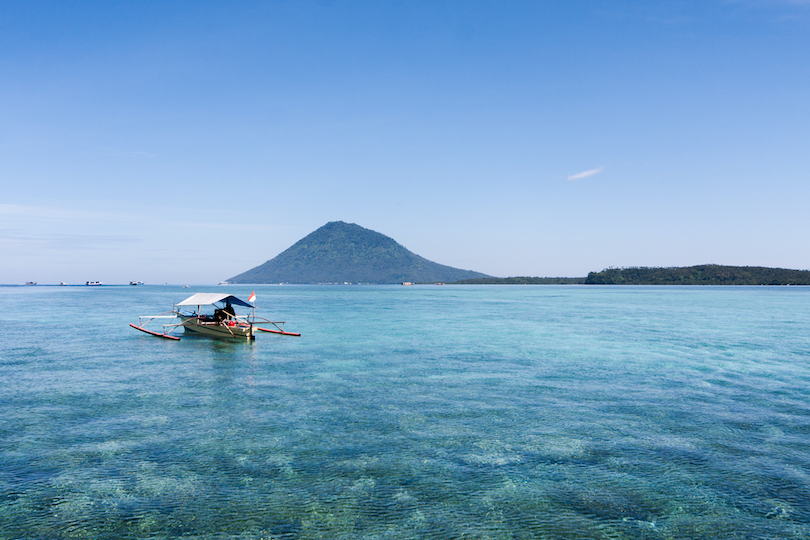 © Asiantraveler / Dreamstime
Sulawesi, also referred to as Celebes, is part of Indonesia’s four Greater Sunda Islands. As the 11th-largest island on Earth, it spreads across no less than four peninsulas that are themselves separated by three gulfs. For this reason, the uniquely-shaped island is better connected by sea than by road.
The Strait of Makassar separates the island from Borneo on its western end, and a series of islands in the south that include the Selayar Islands all contribute to make up the island’s six provinces. Despite being overshadowed by Bali and Lombok, Sulawesi offers similar temptations – from glorious beaches to vibrant local markets.
3. Sumatra (473,481 km2)
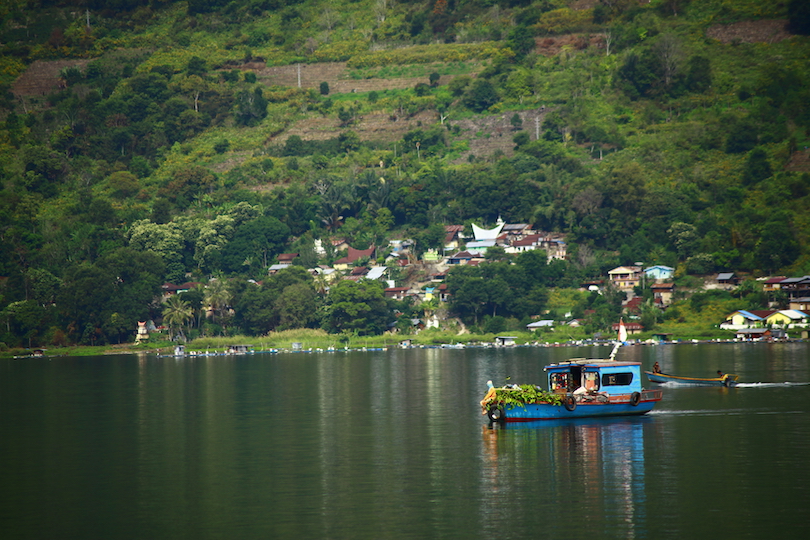 © Ikscreation77 / Dreamstime
Sumatra, also known as Sumatera, is the sixth-largest island in the world. Forming part of the Greater Sunda Islands in western Indonesia, it can be found to the west of Java and to the south of the Malay Peninsula. Sumatra is an island revered for its incredible biodiversity and gigantic volcanic crater lake – the largest in the world.
Within its rainforests and volcanic terrain, there is some astonishing wildlife, such as the Sumatran orangutan, the Sumatran rhino, and the Sumatran tiger – all of which have been listed as critically endangered species.
2. Borneo (748,168 km2)
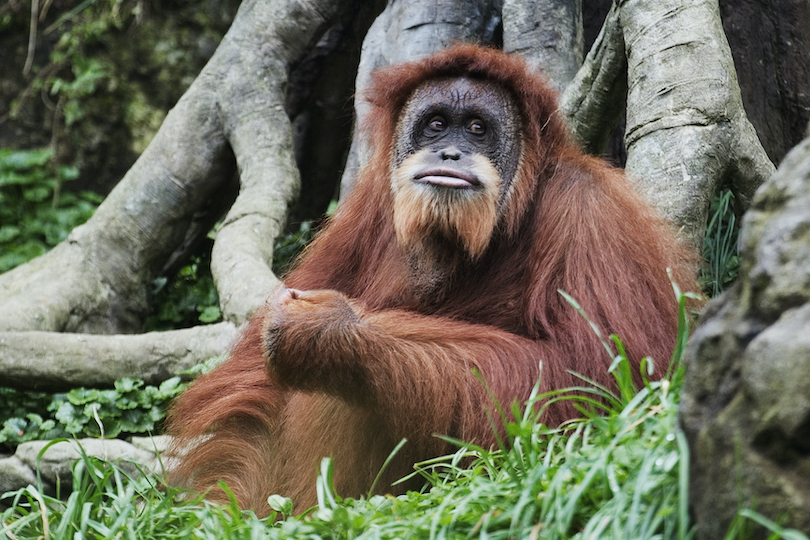 © Dndavis / Dreamstime
Indonesia shares the claim to Borneo, the third-largest island, with two other countries – Brunei and Malaysia. However, the largest section of the island is Indonesian territory.
Located in the very heart of Maritime Southeast Asia and dating back over 100 million years, Borneo’s rainforest is one of the oldest on the planet. It provides a home for some elusive kinds of wildlife, such as the Bornean orangutan – a great ape species that cannot be found anywhere else in the world.
1. New Guinea (785,753 km2)
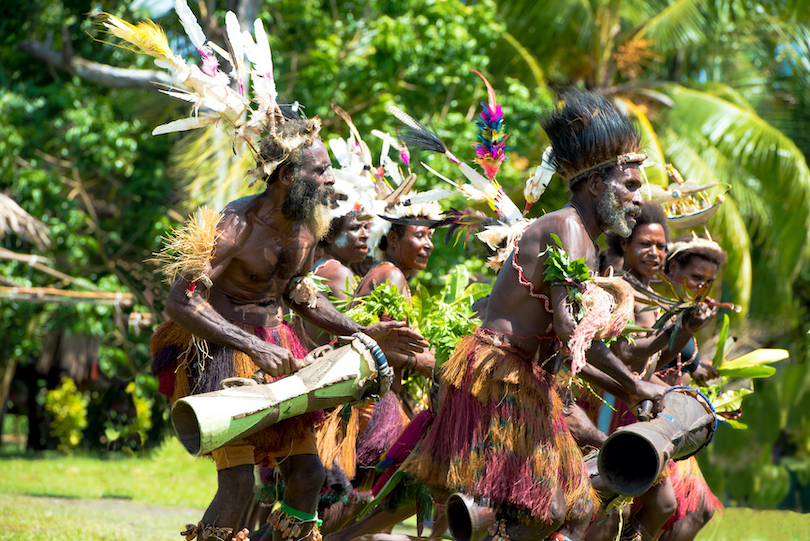 © Hel080808 / Dreamstime
The massive island of New Guinea sprawls for more than 1,500 miles surrounded by the Pacific Ocean, the Coral Sea, and the Arafura Sea in the eastern Malay Archipelago. It is the second-largest island in the world, trumped in size only by Greenland.
Indonesia shares possession of the island with independent Papua New Guinea, but its own section is known as Western New Guinea, made up of the provinces of Papua and West Papua. Interestingly, the island is the only Indonesian island that falls within Oceania.