Bright colors can change the appearance of a city significantly. When Edi Rama became mayor of Tirana, the capital of Albania, in 2000 he launched a campaign to add color to the post-communist city. Apartment blocks and public buildings were painted in intense colors, transforming the city into a colorful capital with pink, green, blue and red colors. So if colors can brighten up the crumbling tower blocks of Tirana imagine what they can do for some of the prettiest cities around the globe.
From Caribbean islands to old European towns, you’ll stumble across houses where bold blues, sunny yellows, and vibrant reds take over the streets. Sometimes the colors started out as a practical thing, sometimes as a way to celebrate culture or lure in curious travelers. You’ll see coastal towns where colorful houses shimmer in the water, mountain villages that stand out against snowy backdrops, and historic neighborhoods that have been brightening up their corners for centuries.
25. Nassau, The Bahamas

Nassau’s streets explode with color, making it one of the most eye-catching cities anywhere. Colonial buildings cover the city in pinks, yellows, blues, and greens. This colorful capital sits on New Providence Island. Nassau mixes old-world charm with a tropical, playful vibe around every corner.
The rainbow buildings aren’t just for show; they tell the story of the island’s history and culture through their bold facades. Walking through Nassau feels like you’ve stepped into a living postcard. The colorful architecture pops against the crystal-clear Caribbean waters.
Your camera will probably get a workout here. Coral pink buildings next to turquoise ones—there’s a photo op at every turn. The colors mirror the lively Bahamian spirit. Each street offers something new for anyone exploring this tropical paradise.
24. Bristol, United Kingdom

Bristol is the UK’s most colorful city, hands down. The southwestern city earned that title thanks to its wild mix of bright hues across the skyline. Lime greens, oranges, hot pinks, and royal blues splash across the buildings. The Clifton district stands out, with Georgian houses in blue, red, yellow, and purple.
Bristol sits on hills, with the River Avon cutting dramatic valleys through town. Buildings along the cliffs get painted in cheerful colors that really pop. The city’s street art scene adds another layer of color. This creative energy helped Bristol land on travel guides as a must-visit spot.
You won’t find many places in the UK with such a wild range of bold colors. Bristol just outshines the rest.
23. Longyearbyen, Norway

One of the world’s most colorful cities sits in a place you’d never expect. Longyearbyen is tucked inside Norway’s Arctic Circle, up on the Svalbard islands. This small town creates a striking scene against endless snow and glaciers. Bright red, blue, yellow, and green houses dot the landscape like scattered confetti.
The buildings aren’t just for show—they help locals spot their homes during the long, dark winters up here. Longyearbyen claims the title as the world’s northernmost settlement with over 1,000 people. It’s Svalbard’s capital and biggest community.
Snow covers the town most of the year, but those house colors make it anything but dull. Visit this spot where polar bears outnumber people. The clash between bright buildings and icy surroundings just begs for a photo.
22. San Juan, Puerto Rico

San Juan easily ranks as one of the Caribbean’s most vibrant cities. The Old San Juan district bursts with pastel buildings along cobblestone streets. Row houses painted in bright blues, pinks, and yellows create a cheerful vibe that matches the island’s lively culture.
The UNESCO World Heritage site goes back to 1521. Spanish colonists built this historic area, making it the second oldest European settlement in the Americas. Wandering the narrow streets feels like stepping into a rainbow. Every corner reveals new shades and quirky architectural details—honestly, it’s a photographer’s playground.
Centuries-old buildings meet tropical colors for a charm you won’t find elsewhere. Painted doors and balconies give each street its own flavor. This Puerto Rican capital blends history and visual wow-factor like almost nowhere else.
21. Porto, Portugal

Porto sits on the Douro River in northern Portugal, and it’s famous for colorful riverside houses and beautiful tile work. The Ribeira district is the heart of it all. Rows of bright houses line the waterfront in yellow, orange, and red. Cafes and restaurants nestle between these vibrant facades.
Portuguese azulejos tiles cover many buildings. These blue and white ceramic tiles make stunning patterns on churches and house fronts. Port wine cellars dot the riverbank. You can tour the historic cellars and taste the sweet wine Porto’s known for.
The city’s UNESCO World Heritage center oozes old charm and lively culture. Narrow cobblestone streets wind between painted houses and grand churches. Around every corner, there’s another burst of color and a new bit of history.
20. Innsbruck, Austria

One of Europe’s most vivid cities sits tucked in the Austrian Alps. Innsbruck sits in a valley surrounded by snow-capped mountains—pretty hard to beat for scenery. The Old Town steals the spotlight with its famous colorful houses. Bright buildings line cobblestone streets, making it a magnet for photographers.
Herzog-Friedrich-Straße leads straight to the city’s most photographed corner. The colorful facades stand out against dramatic mountain backdrops. Climb the City Tower for sweeping views. You’ll spot all the bright buildings spread across the historic center from up there.
The Inn River runs through the city center—Innsbruck literally means “bridge over the Inn.” This Austrian gem draws in over 3 million visitors yearly. The mix of colorful architecture and Alpine setting makes it something special.
19. Kinsale, Ireland

Kinsale sits on Ireland’s southern coast in County Cork. This small town packs a punch with its rainbow buildings. Houses painted in pink, blue, yellow, and green brighten up every street—honestly, it’s like walking through a postcard.
The town is just 25 kilometers from Cork City. If you fly into Cork Airport, you’ll get there in about 25 minutes by car. Stroll through the old town and you’ll spot cafes, pubs, and restaurants all sporting different colors. It almost feels like the buildings are competing for attention.
Kinsale is also a hotspot for great food and restaurants. Bring your camera—you’ll want those colorful street shots for your feed.
The bright buildings against Ireland’s green backdrop create a bold contrast that makes Kinsale pop among Irish towns.
18. Rovinj, Croatia

One of Europe’s most colorful coastal gems sits on Croatia’s Istrian Peninsula. Rovinj spills across the Adriatic Sea like a painter’s palette. The old town bursts with pastel buildings—pink, yellow, orange, and blue houses crowd the narrow cobblestone streets.
This former fishing village started out as an island. Over time, it linked to the mainland but never lost its charm. Wandering the winding alleys feels like moving through a colorful maze. Each turn reveals another bright facade or painted doorway.
The Venetian influence pops out in the architecture. Buildings reflect in the harbor where fishing boats bob on the water. Rovinj rivals more famous spots but without the crowds. It’s got Mediterranean vibes and a dash of Italian-style charm.
The teardrop-shaped peninsula forms perfect harbors. Bright homes tumble down to the blue sea below.
17. St. John’s, Canada

St. John’s sits on Canada’s eastern coast in Newfoundland. The city’s colorful row houses make it one of the most vibrant places you’ll find. Locals call these “Jellybean Row Houses” because they’re painted in every color you’d find in a bag of jellybeans.
People started painting their homes to brighten up the endless foggy days. The tradition stuck and now it’s the city’s signature look. You’ll spot these colorful houses climbing the hills downtown. Every house rocks a different bold shade, standing out against the gray Atlantic weather.
The bright paint gives the old port city a cheerful energy. Walking the streets feels like moving through a rainbow. St. John’s is both the oldest city in North America and one of its most colorful. The painted houses make this coastal spot a must-see in Canada.
16. Júzcar, Spain

You’ll find this tiny blue village tucked away in Spain’s Andalusia region. About 300 people live in Júzcar. Before 2011, it looked like any other white village in the area. Then Sony Pictures rolled in with a wild idea.
They painted every building bright blue for “The Smurfs” movie premiere. After filming, Sony wanted to repaint everything white. Locals had a different plan. They voted to keep the blue. Tourists started pouring in.
You can wander the blue streets in about an hour. The contrast with the surrounding mountains is pretty striking. Hidden Smurf figures peek out around corners as you explore. It’s just a 20-minute drive from the historic town of Ronda.
This quirky spot proves how one bold move can put a sleepy village on the map.
15. Wrocław, Poland

You’ll stumble upon one of Europe’s most vibrant cities hidden in western Poland. Wrocław explodes with color in its stunning market square, where Gothic and Baroque buildings crowd together in a wild palette. The city feels like a living art gallery. Over 400 bronze gnome sculptures peer out from streets and squares, adding a bit of mischief and surprise wherever you wander.
Locals call Wrocław the “Venice of Poland”—rivers and canals crisscross the city, and Cathedral Island sits quietly wrapped in water. The market square sprawls out, easily one of Europe’s largest and most colorful. At sunset, the buildings catch fire in oranges, yellows, and reds. Gnome hunting here turns into a kind of joyful scavenger hunt, all while you soak up the city’s mix of architectural styles.
This underrated gem fuses history with playful public art. Those cheeky gnomes? They really do capture the city’s humor and creative spirit.
14. Trinidad, Cuba

One of Cuba’s most colorful gems waits in Trinidad. This UNESCO World Heritage town feels like a time capsule from the 18th century. Cobblestone streets twist past houses in gentle pastels—mint green, canary yellow, peach—all with delicate wrought-iron touches.
Trinidad sits up against the Escambray Mountains, and the backdrop makes those painted houses pop even more. The town has held onto its Spanish colonial look. Some streets barely seem to have changed at all over the centuries.
Each house tells its own story in color. Blues echo the nearby Caribbean, yellows beam like tropical sunlight, and pinks call up images of conch shells scattered on the sand. Your camera will have a field day here. The one-story homes and old-world charm create perfect photo spots at nearly every turn.
13. Burano, Italy

Burano floats in the Venetian lagoon, just a 40-minute boat ride from Venice. For such a tiny island, it packs a punch—color everywhere you look. By law, every house gets a different color. The result? A rainbow of buildings along sleepy canals and narrow lanes.
Legend has it fishermen painted their homes bright so they could spot them in the thick lagoon fog. True or not, those vibrant walls now make Burano one of Italy’s most photographed spots.
The island’s also famous for lace making. Burano lace was once the world’s finest, though machines do most of the work now. Colorful houses huddle together along the water. Blues, pinks, yellows, greens—it’s a cheerful, almost surreal scene that draws visitors from all over.
Some studies have even called Burano the world’s most colorful destination, thanks to its wild chromatic mix.
12. Nyhavn, Copenhagen, Denmark

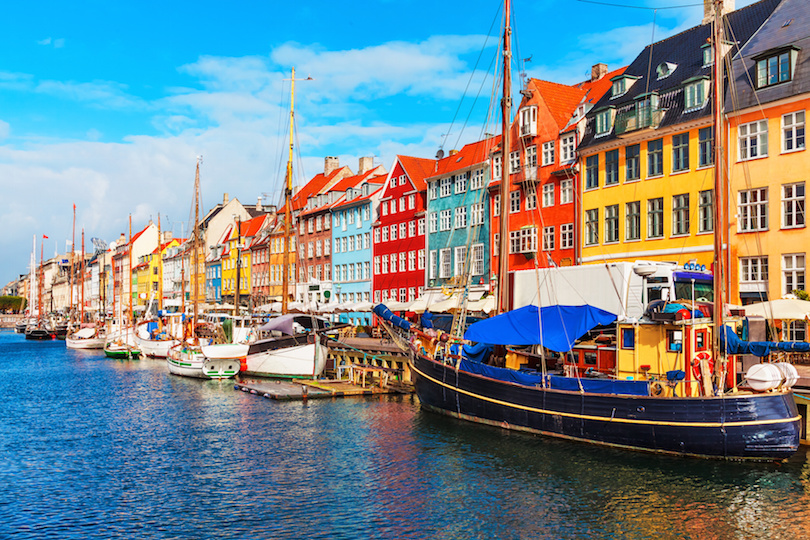
While Denmark’s capital of cool is a wonderful place to visit, it is the historic harborside town of Nyhavn that attracts the most attention. Lying at the heart of Copenhagen, ‘New Harbour’ is lined by multi-hued townhouses that were built in the 17th and 18th centuries.
Bobbing on the harbor in front of them are many wooden ships, and the lively cafes, bars, and restaurants along the waterfront only add to the ambiance. Be sure to visit number 9, the oldest standing building in Copenhagen, constructed in 1681. Danish author Hans Christian Andersen lived at number 18 for some years.
11. Chefchaouen, Morocco

Chefchaouen nestles in Morocco’s Rif Mountains. Folks call it the “Blue Pearl“—and honestly, it’s easy to see why. Every street and building glows in blue. You can walk through turquoise, powder blue, and indigo alleys, each one a little different from the last.
The city started as a fortress in 1471. Later, Jewish refugees may have brought the blue paint tradition in the 15th century.
No one really knows why everything’s blue. Some say it keeps mosquitoes at bay, others think there’s a spiritual reason. Who’s to say?
Wandering the narrow streets feels like stepping into a dream. Blue walls around every corner—perfect for photos, if you’re into that kind of thing. Chefchaouen often lands on lists of the world’s most colorful cities. The mountains make the blue pop even more. It’s no wonder travelers call this place magical.
10. Valparaíso, Chile

On Chile’s Pacific coast, you’ll find Valparaíso—one of the world’s most colorful cities. It sprawls up steep hills, covered in bright houses and wild street art. Locals call it “Valpo.” This port city sits just 90 minutes from Santiago. You can hop on old funiculars and ride up the hills for a better view.
Artists from all over have covered walls and buildings in murals. The city feels like an open-air museum. Rainbow staircases, painted patterns—there’s something new on every street.
UNESCO named Valparaíso a World Heritage Site for its unique design. The colorful neighborhoods mix art and history in a way that’s hard to describe. Walking through bohemian streets full of galleries and cafes, you’ll feel the creative energy. Poets and painters have loved this place for centuries. Against the blue ocean, those bright houses look almost unreal.
9. Bo-Kaap, Cape Town, South Africa

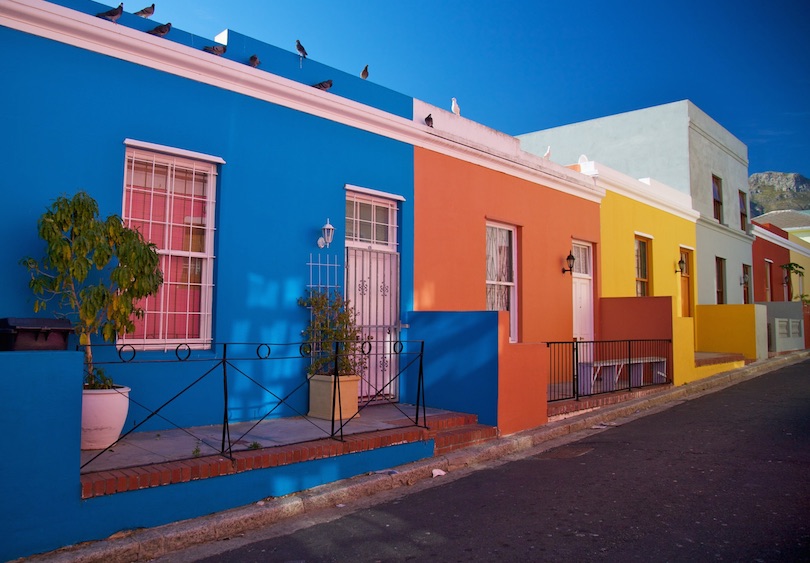
Bo-Kaap is a picturesque part of Cape Town, South Africa, situated on the slopes of Signal Hill above the city centre. Bo-Kaap is locally referred to as the Malay Quarter since the majority of its inhabitants are descendants of India, Indonesia, Sri Lanka and Malaysia. They were brought here as slaves by the Dutch East Indian Trading Company in the 17th and 18th centuries.
Tourists can walk the narrow and winding streets and take in all the bright and vibrant colors adorning the buildings.
8. Zacatecas, Mexico
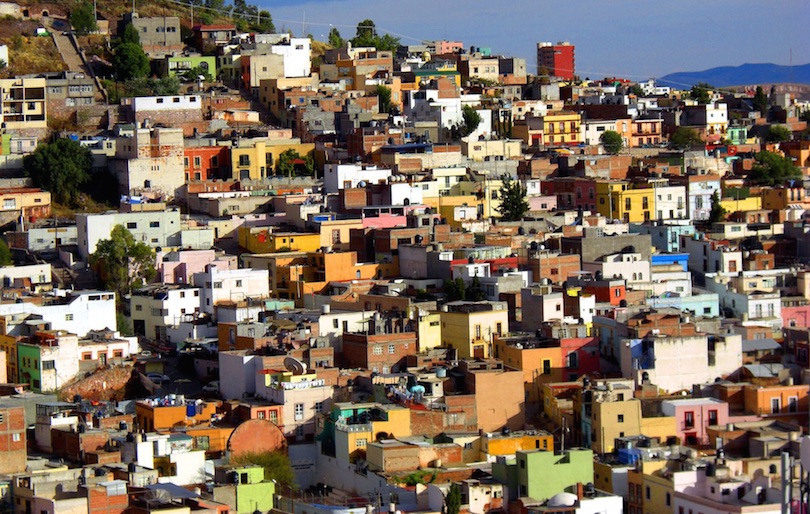
High in the mountains of central Mexico sits one of its most stunning cities. Zacatecas gets called “the pink city” because of the gorgeous pink limestone in its buildings. Founded in 1548 for silver miners, the city climbs steep hillsides, with narrow cobblestone streets winding every which way.
The pink stone cathedral grabs your attention right away. Most buildings show off that same rosy color, making everything seem to glow. Strolling the streets, you’ll see colonial buildings from the 1700s and 1800s painted in bold colors. Pink stone mixed with bright walls—it’s a look you won’t find anywhere else.
At night, streetlights hit the pink limestone and the city turns magical. The steep valley setting just adds to the drama. This UNESCO World Heritage Site keeps its old-world charm but still manages to surprise with dazzling architecture.
7. Kulusuk, Greenland

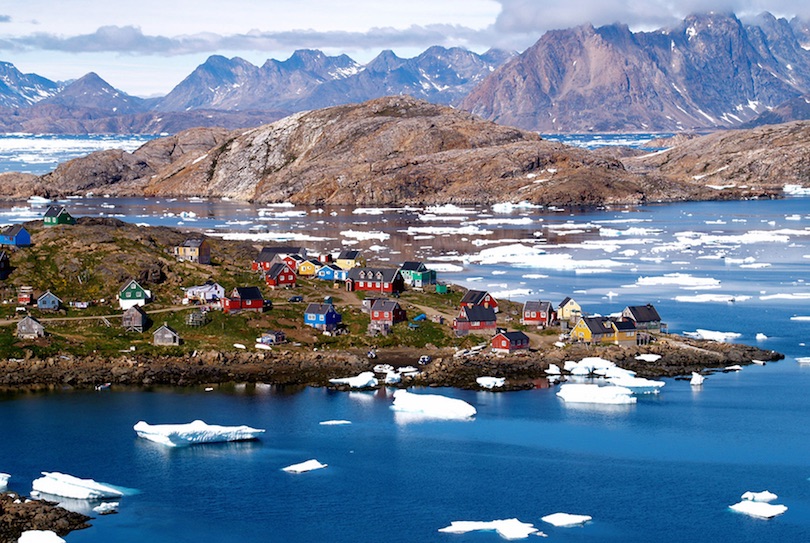
Greenland seems to have plenty of colorful houses that brighten up the otherwise bleak landscape. A good example is the settlement of Kulusuk located on a small rocky island . This tiny village is the gateway to east Greenland. Adventurous tourist can find stunning views of the enormous icebergs in the Denmark Strait and East Greenland’s magnificent mountains. Kulusk has one hotel built in 1999 and a youth hostel.
People here focus on hunting and fishing. Only about 250 folks live in Kulusuk year-round. Mountains and crystal-clear fjords surround the village. Icebergs drift past the painted houses all year, which is honestly pretty wild to see.
The bright colors help residents find their homes in harsh winter weather. You’ll see how the paint makes navigation easier when snow blankets everything else. Kulusuk offers a rare mix of traditional Greenlandic culture and jaw-dropping Arctic scenery.
6. La Boca, Buenos Aires, Argentina

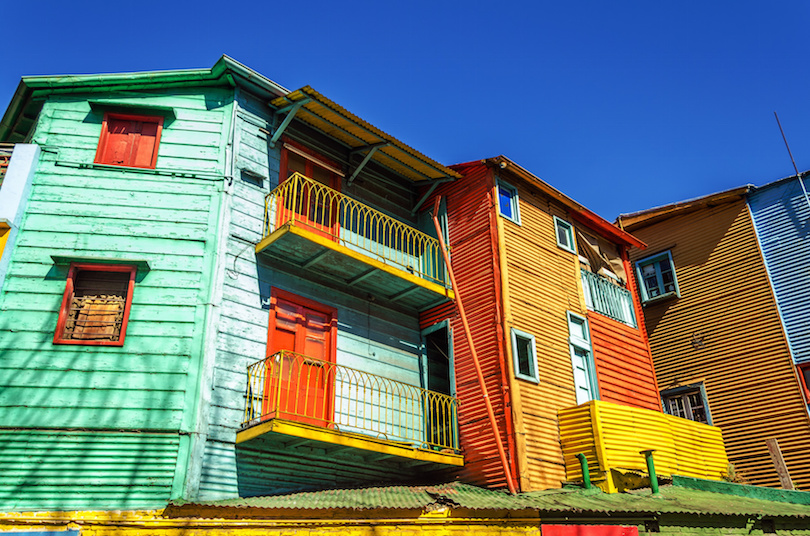
La Boca is is a working class district of Buenos Aires, Argentina. The artistic panache of it’s inhabitants put La Boca firmly on this list. Caminito street makes this place unforgettable. Houses line both sides, painted in blues, yellows, reds, and greens—artists used leftover ship paint from the docks, giving the area its signature look.
The colourful houses are stunning examples of the independent nature of La Boca’s residents. Most of the brightly colorful houses are clustered by the port. Other attractions include many tango clubs and Italian taverns, as well as La Bombonera, home of the famous football club Boca Juniors.
You can walk here from San Telmo. The area stretches about two miles and bursts with street art. Local artists keep adding new murals, so the neighborhood always feels fresh.
5. Pelourinho, Salvador, Brazil

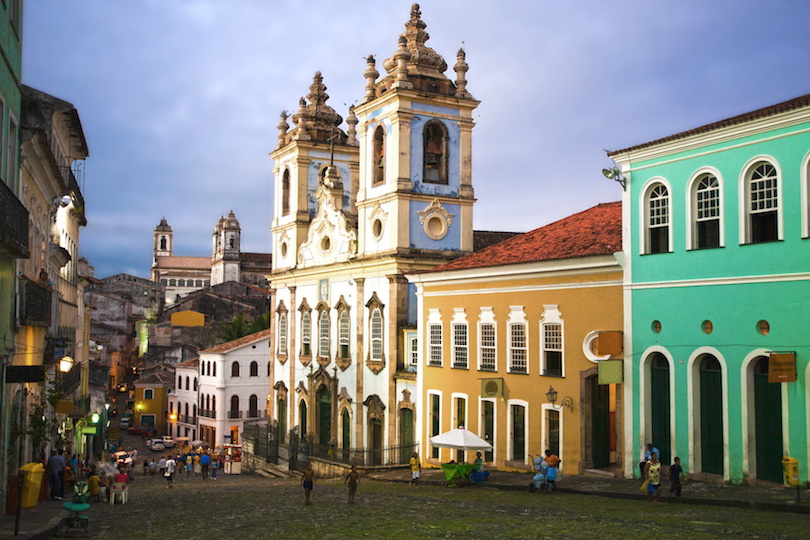
Salvador’s historic center, Pelourinho, is awash with color. Magnificent colonial-era buildings line its cobbled streets and squares. The first colonial capital of Brazil, Salvador boasts lots of pastel-colored monuments and historic houses dating from the 17th through the 19th centuries.
The city – and Pelourinho in particular – is renowned for its rich Afro-Brazilian heritage and culture. It’s a fantastic place to visit during carnival. This is when bright, chaotic celebrations take over Salvador’s streets in the form of parades, dancing, and other festivities.
This “city within a city” keeps its colonial soul. The bright colors really do tell the story of Salvador’s blended African and Portuguese heritage.
4. Manarola, Italy
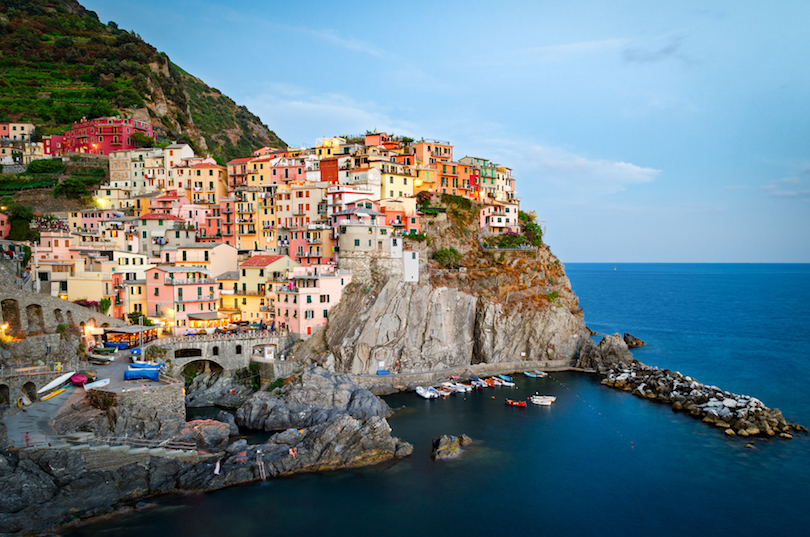
© Marco Saracco / DreamstimeManarola is one of the oldest towns in Cinque Terre and is nestled in the Italian Riviera. This picturesque village sprouts out of the mountainside to provide a breathtaking view of the Mediterranean sea. Just climb the winding streets and enjoy and espresso at any of the outdoor cafe’s and absorb the stunning scenery of one of the most popular tourist attractions in Italy.
The town’s colorful houses tumble down to the sea like a rainbow waterfall. Yellows, pinks, and oranges light up the buildings, all squeezed together on the rocks. Narrow streets wind through town, where only about 350 people live. Down below, fishing boats bob in the tiny harbor against the bright blue Ligurian Sea.
Best of all? Just walking around and soaking up those colors doesn’t cost a cent.
3. Jodhpur, India

Once the capital of the Kingdom of Marwar, Jodhpur, on the edge of the barren Thar desert, is now popularly known as the ‘Blue City.’ As the cultural capital of Rajasthan State, it is blessed with centuries-old temples, beautiful palaces, and imposing forts.
Its most distinctive features, however, are the beautiful blue-washed buildings of the old town that lie clustered beneath the imposing walls of Mehrangarh Fort, which itself is perched atop of a mount overlooking the city. Legend has it that the city was painted blue because local priests thought it was an auspicious color.
With lots of alluring sights, sounds, and smells for you to immerse yourself in, Jodhpur and its many blue hues are sure to leave you with lots of incredible photos and memories of an unforgettable trip.
2. Willemstad, Curacao

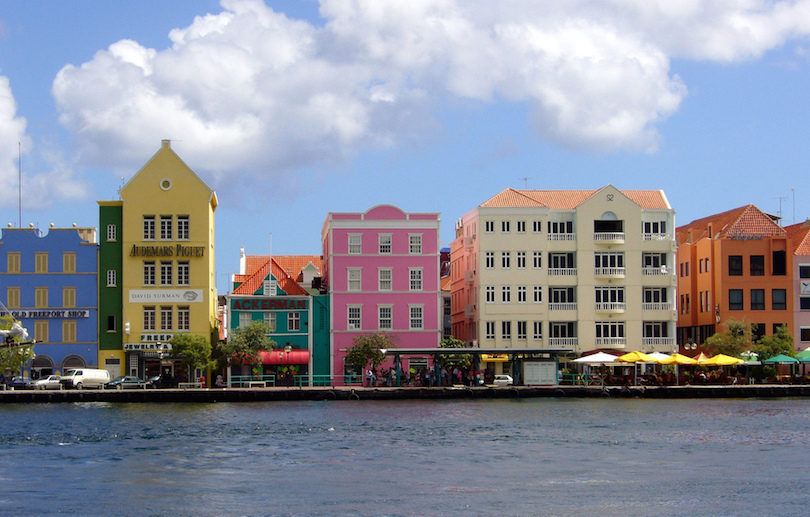
On the island of Curacao, you’ll find one of the Caribbean’s most colorful capitals. Willemstad greets you with rows of pastel buildings—pinks, yellows, blues—almost too bright to seem real. The city’s rainbow palette has a quirky backstory. A former governor thought white paint was too harsh in the tropical sun, so he ordered buildings painted in brighter shades instead.
This Dutch colonial architecture creates a stunning waterfront. The buildings line the harbor in colors that pop against the sea. Willemstad became a UNESCO World Heritage Site in 1997. The downtown area mixes Dutch design with Caribbean flair, making for a unique vibe.
You can wander the colorful streets right from the cruise port. The floating Queen Emma Bridge connects different parts of the city across the harbor, adding another splash of charm.
1. Guanajuato, Mexico

You’ll find Guanajuato tucked into a narrow valley in central Mexico. The city’s known as Mexico’s most colorful destination—honestly, it’s hard to argue with that. Bright houses climb the steep hillsides, like a rainbow just spilled down the mountains. Every street corner throws another burst of color at you, and it never really gets old.
Founded way back in 1554, this colonial gem landed a spot as a UNESCO World Heritage Site. Spanish architecture here whispers stories from centuries ago; you can almost feel the history under your feet. Most streets don’t allow cars. The narrow alleys twist between buildings painted in wild blues, pinks, and yellows—sometimes you have to squeeze past someone with a basket of bread, and that’s just part of the charm.
Underground tunnels run beneath the city, creating a maze that adds a bit of mystery to wandering around. Sometimes you’ll pop out somewhere totally unexpected—kind of fun. The pronunciation throws off a lot of visitors. If you say “Gwah-nah-WAH-toh,” locals usually give you a nod or even a grin.
This place isn’t your average tourist trap. You get genuine Mexican culture here, and you’re not elbowing through massive crowds. That’s rare these days, right?


The blue city is Chefchaoeun in Morocco. That needs to be on list.
should also include the Island of Burano, Venice Italy, but a great list
EEEK, How can you leave off Valparaiso in Chile!!