
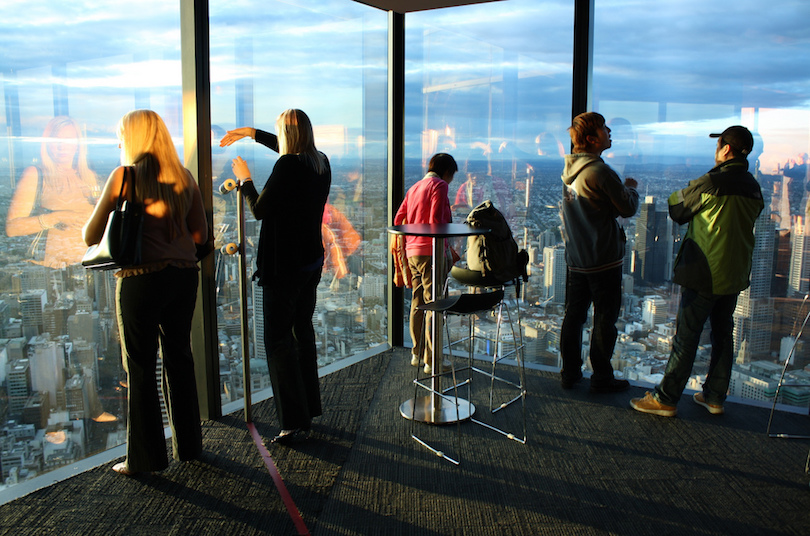
The city of Melbourne, is a coastal metropole with a cosmopolitan vibe. It is considered to the be the cultural capital of Australia, and it is easy to see why. Melbourne is home to galleries, gardens, museums and nature reserves. There is an abundance of interesting architecture ranging from Victorian structures to contemporary designs. With great food, nightlife, shopping and sports, Melbourne is a clear winner for an Australian getaway. An overview of the best attractions in Melbourne:
10. Royal Exhibition Building
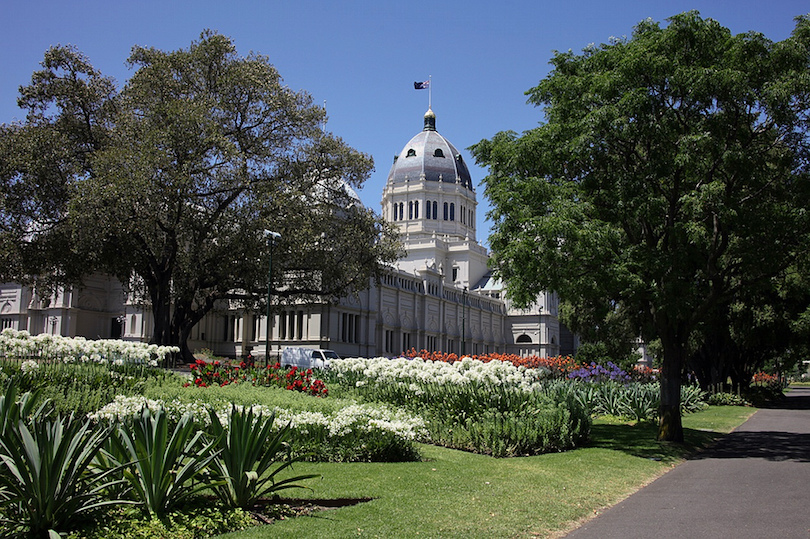
Make your way to the district of Carlton in order to visit the magnificent Royal Exhibition Building. Constructed in 1880, the structure served as the meeting place for the very first Australian Federal Parliament. While parts of the building are gone thanks to fires, the main hall still stands, topped by an incredible domed ceiling. The Royal Exhibition Building is a common place for local events and conventions, but you can walk right in during open hours for a self-guided tour. Explore the incredible galleries, the beautiful furnishings and the impressive designs of the original architect, Joseph Reed.
9. Fitzroy Gardens
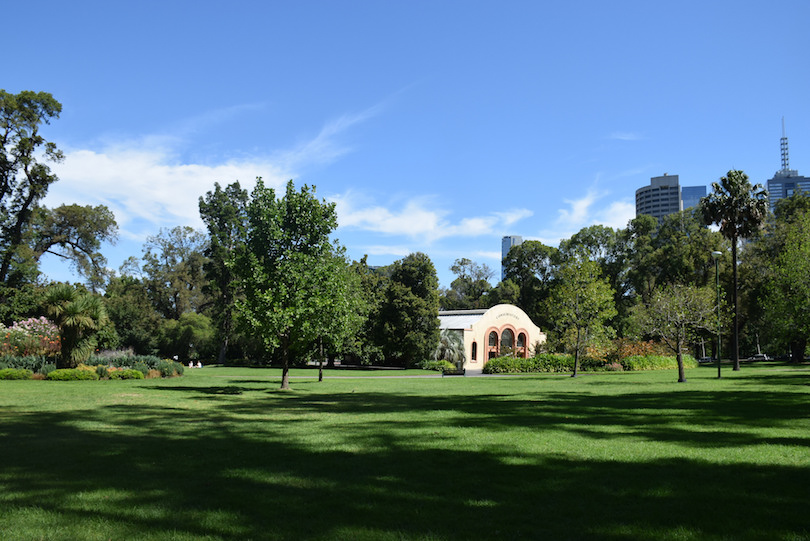
Just on the edge of the CBD, or Central Business District, is Fitzroy Gardens. The gardens date back to 1848, when they were set aside as a public space. At the time, the establishment of a beautiful public park was rare, so it is an important reminder of Melbourne’s role as the people’s city and as the garden city. Since Fitzroy Gardens is more than 160 years old, it boasts a number of older, tall trees. Blue gums, willows and elm trees were all popular during the 19th century. Today, you can tour the Victorian landscapes, but you can all see an ornamental lake and even the cottage where James Cook’s parents once lived, which was brought all the way from England to Melbourne.
8. Hosier Lane
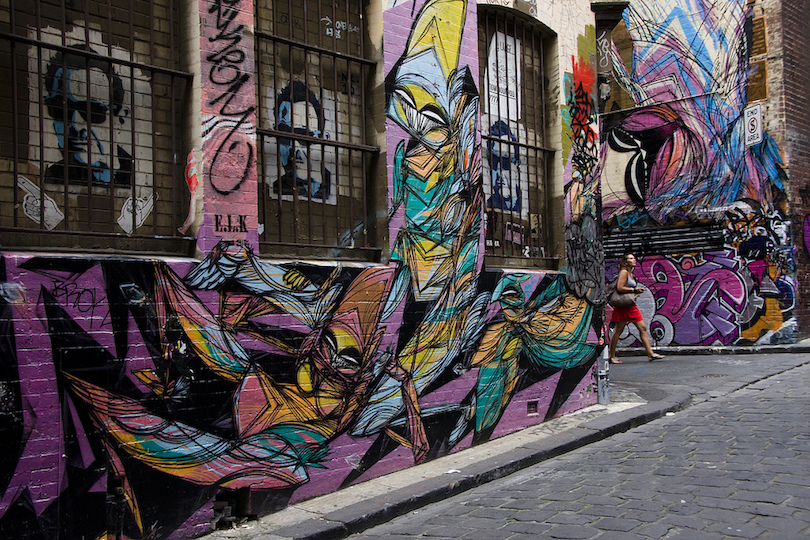
Inject some local flavor into your trip to Melbourne by exploring Hosier Lane. Just a short walk from the banks of the Yarra River, Hosier Lane is ground zero for local street art and culture. The stone pathway is lined with walls that serve as canvases, and each is decorated with a variety of pieces. You can admire hastily drawn sketches next to murals using bold, bright colors. Grab a camera and walk up and down the lane on your own, or take part in a guided tour. Since you’re in the area, keep walking until you hit Rutledge, a less known but equally impressive gallery street in the area.
7. Melbourne Zoo
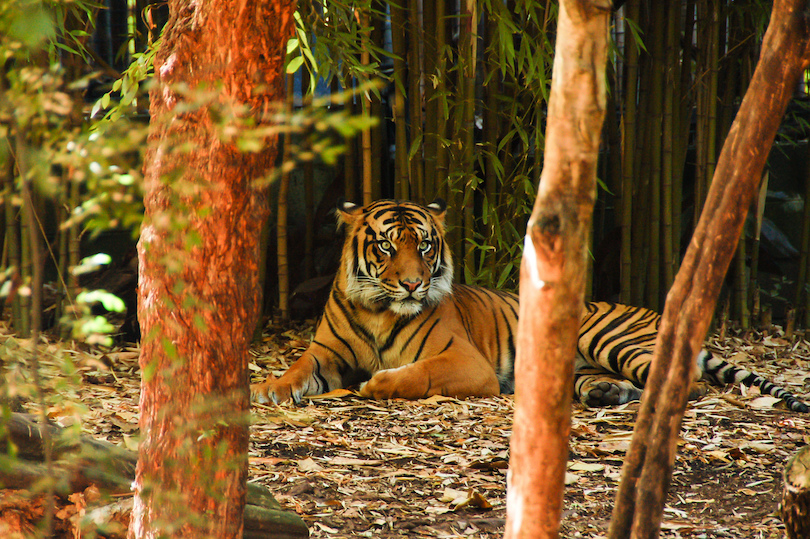
In the Parkville district of the city, you’ll find the Melbourne Zoo. This zoo is special because the animals live in natural settings, their habitats designed for animal comfort rather than visitor views. While the Melbourne Zoo boasts plenty of local animals, you’ll find some less common species as well. Don’t miss the Wild Sea Exhibit, where you can see penguins and seals up close. Also noteworthy is the baboon lookout, a spectacular spot where you can look for the members of a large baboon family. There’s also a 19th century English carousel in the zoo that kids will definitely want to ride.
6. Federation Square
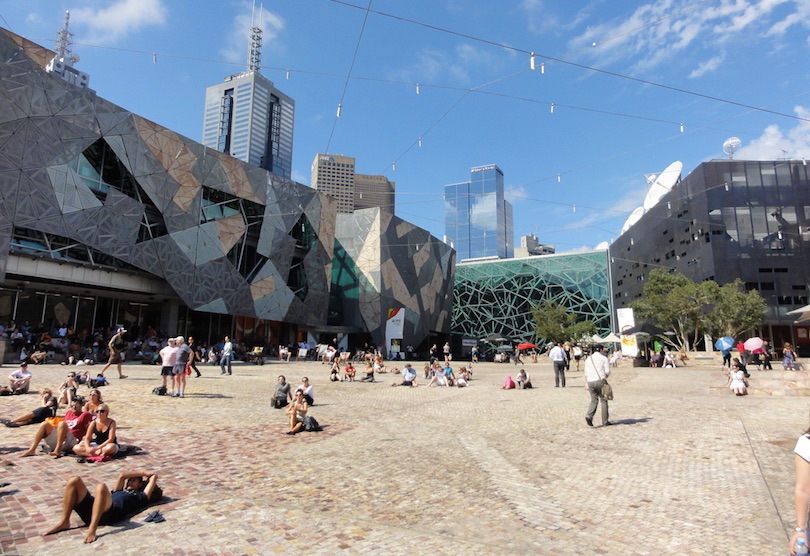
If you want to get to the heart and soul of Melbourne, make your way to Federation Square. This is a central meeting place where lots of locals gather, and it is the ultimate spot for people watching. It’s also a place you’ll almost certainly pass through at some point, since it is a major transport hub and the site of the city’s Visitor Centre. Federation Square is where you’ll find the Australian section of the National Gallery of Victoria as well as the Australian Centre for the Moving Image. Come for the attractions but linger at the sidewalk cafes and bars to experience some of the local flavor.
5. National Gallery of Victoria
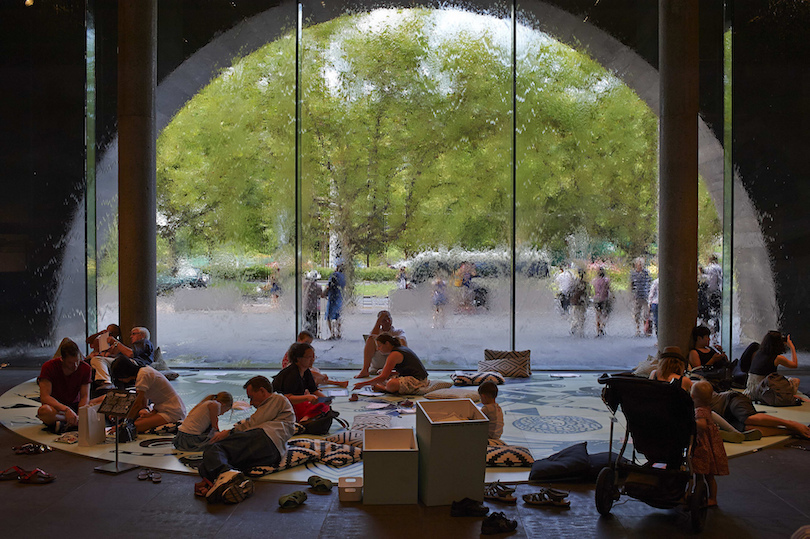
Australia’s biggest, oldest and most impressive art museum is located right in the city. The National Gallery of Victoria, known to locals as NGV, boasts an incredible collection of important works of art. The NGV is actually made up of two parts. The first, located in St. Kilda, is called the NGV International. This is where you’ll find art from Europe, Asia and the Americas. At The Ian Potter Centre: NGV Australia, works come indigenous people, early colonial settlers and contemporary Australian artists. The two NGC branches are home to pieces by Rembrandt, Monet and Tom Roberts, just to name a few.
4. Melbourne Cricket Ground
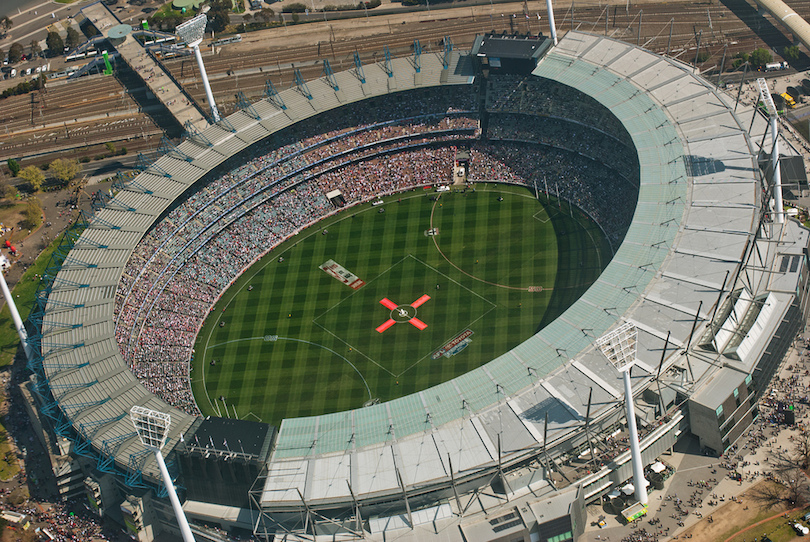
The largest cricket stadium in the country, and one of the largest in the world, is the Melbourne Cricket Ground. Located in Yarra Park, the stadium is known to locals as simply The G. Built in the middle of the 19th century, the Melbourne Cricket Ground is virtually always going through some sort of renewal or remodel. Even if you’re not able to attend a cricket game while you’re visiting, the Melbourne Cricket Ground is worth a visit. You’re free to check it out while exploring the National Sports Museum, which is located on the grounds.
3. Eureka Tower
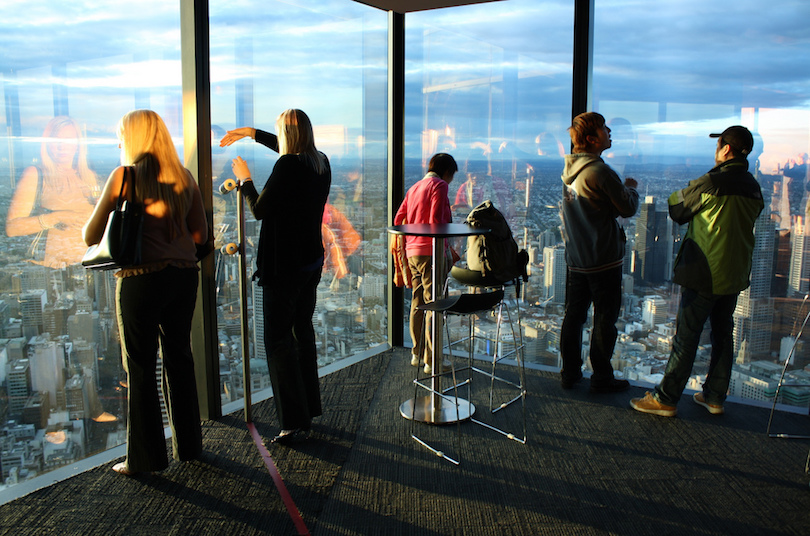
Smack dab in the city center is Eureka Tower, the tallest observation deck in all of Melbourne. If you want panoramic views over the city, this is the only spot worth visiting. When you visit, you’ll head to one of the twin elevators. In under 40 seconds, you’ll be whisked all the way from the ground level to the 88th floor. If you’re feeling bold, you can exchange the views of the Skydeck for the thrills of The Edge. The Edge is a glass square where even the floor is clear, providing unparalleled views from every single angle.
2. Queen Victoria Market
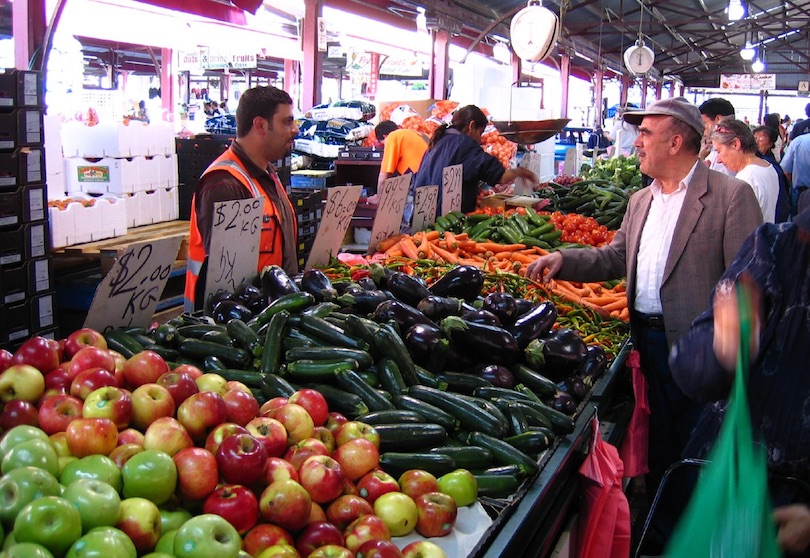
One of the must-see attractions in Melbourne is the Queen Victoria Market. It’s a huge open-air market, one of the largest in the world, and it dates back to the 19th century. Locals call is the Queen Vic or just Vic Market, and the name comes not from the Queen but from the location at the corner of Queen and Victoria Streets. The best way to experience the market is on foot, browsing the stalls and vendors selling everything from fresh farm veggies to handmade jewelry to specialty clothing items. Grab something tasty to eat, or pick up a refreshing beverage, and spend the day in this relaxed, exciting environment in the heart of the city.
1. Royal Botanic Gardens
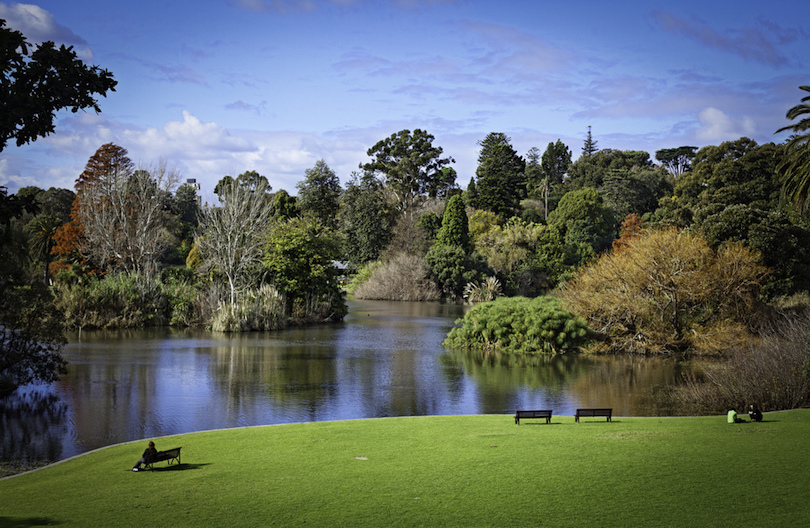
In the high-end neighborhood of South Yarra, you’ll find the Royal Botanic Gardens. This is a lush, green oasis just steps from the heart of Melbourne, but it feels a million miles away. Within the Royal Botanic Gardens, you can stroll along the Australian Forest Walk, admiring local species and plant life along the way. Breathe in deeply while in the Rose Collection, a colorful array of blooms with a very romantic atmosphere. For a special treat, head to Ornamental Lake. On the shore, you can join a brief guided tour from a punt, a small boat that lets you see the garden from a new perspective.