
The problem with secret places is that writing about them immediately defeats the point. Guilty! These ten towns survived the influencer era with their souls mostly intact, drawing visitors who did their research properly instead of just following a tour bus to the nearest obvious landmark.
Some stay quiet through sheer geographic stubbornness, requiring enough effort to reach that only committed travelers bother making the trip. Others hide in plain sight, overshadowed by famous neighbors absorbing the crowds. All of them reward the kind of slow, unscheduled travel that package holidays make structurally impossible. And thank goodness for that!
20. Vogogna, Italy
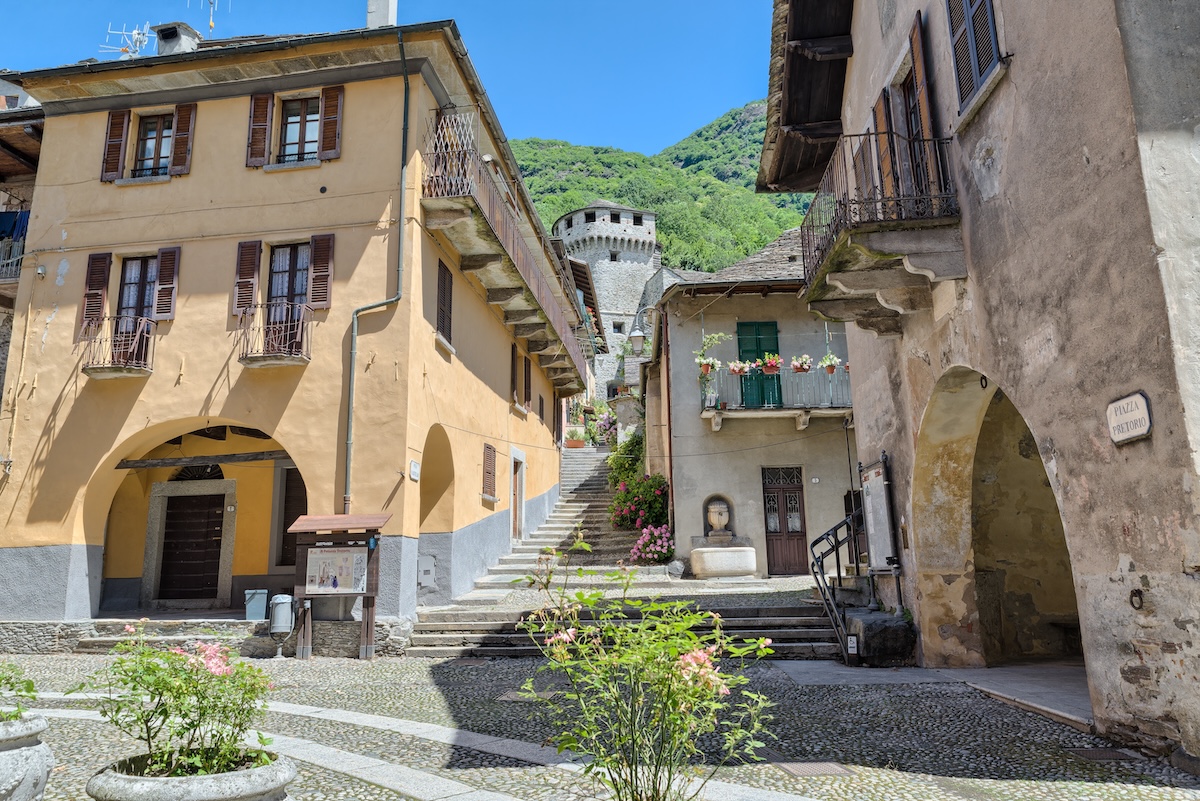
Vogogna sits hidden in the Piedmont region, where medieval towers still break up the skyline. The village lies in the Ossola Valley, right by Italy’s biggest wilderness area. Locals have somehow kept this place feeling untouched.
The Visconti Castle looms over everything. Built in the 14th century, its stone tower keeps watch above narrow streets and old houses. You’ll spot faded frescoes and family crests on the walls if you look close enough. The historic center shows off pointed arches and thick columns from the 1300s. Most travelers just zip past on their way to bigger places. That’s probably what keeps Vogogna so charming.
Val Grande National Park’s offices are here, and you’re just minutes from wild hiking trails almost nobody talks about. The village keeps its old-school feel because it really hasn’t changed much since medieval times.
19. Mogarraz, Spain
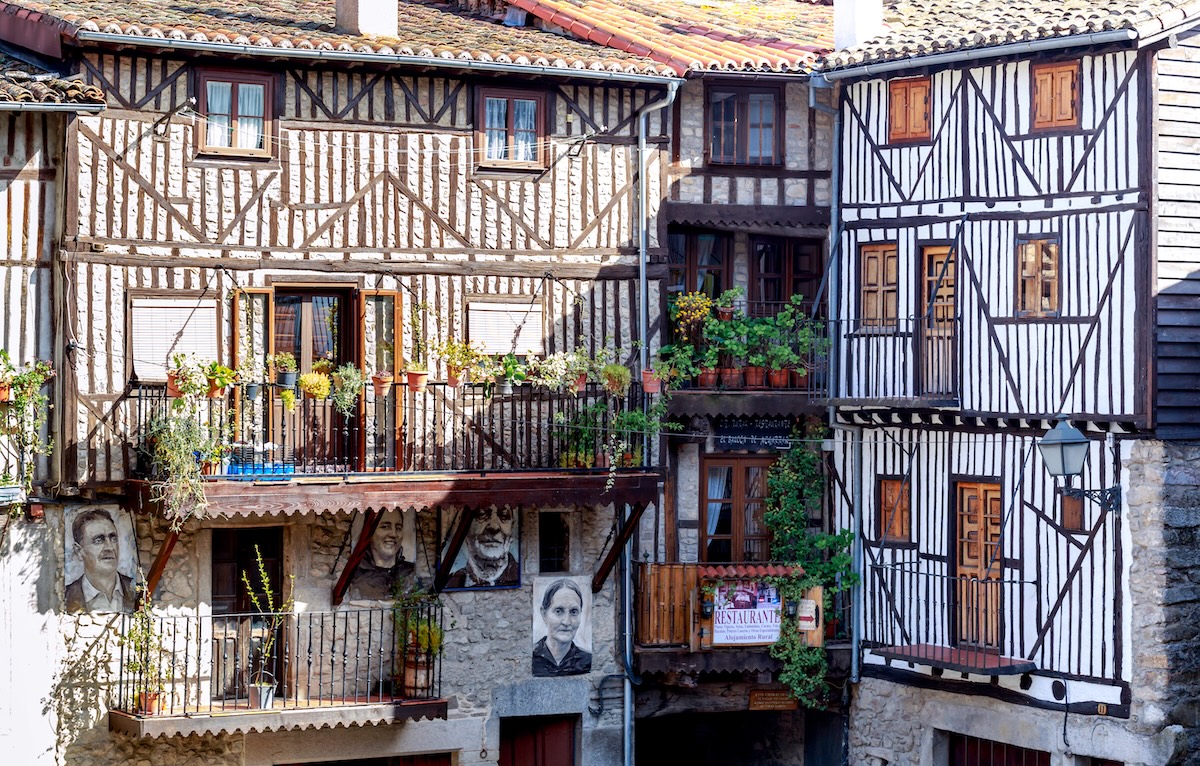
Mogarraz hides deep in the Sierra de Francia mountains, about 80 kilometers southwest of Salamanca. Fewer than 300 people live here, and honestly, they’d be fine if it stayed that way.
Cobblestone streets wind through stone houses that look nearly the same as they did centuries ago. What really sets this place apart? The art. In 2012, a local artist painted nearly 400 portraits of villagers on wooden boards and hung them all over town. Faces stare down at you from almost every corner.
The village sits inside Las Batuecas-Sierra de Francia natural park, wrapped up in dense forests and hiking trails if you want to dodge the handful of tourists who make it out this far.
18. Thorn, Holland
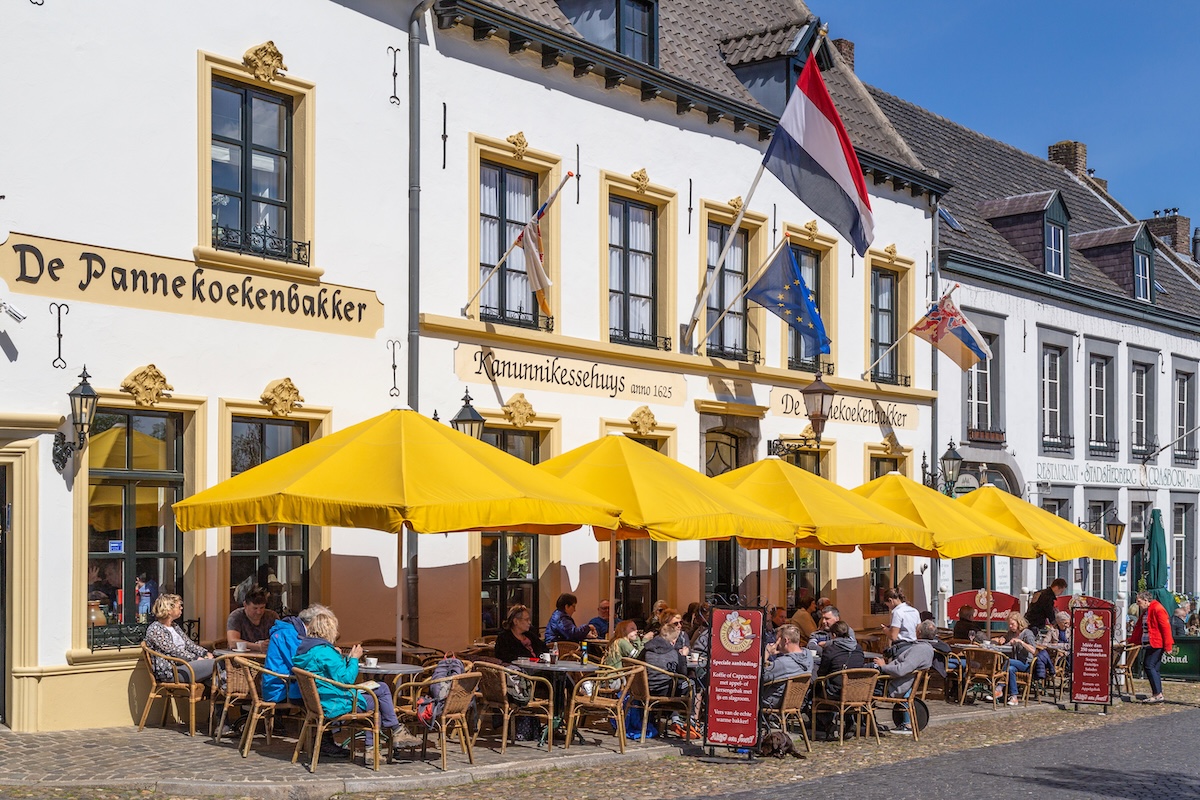
Chances are, you’ve never heard of Thorn—and Dutch locals would rather keep it that way. This tiny white village sits in southern Limburg, right by the Belgian border. The entire historic center is painted white. Every house, every building, everything glows in the same whitewashed style. Cobblestone streets twist between these bright buildings, making it feel a bit unreal.
Thorn didn’t always look like this. The white paint started as a protest against French taxes in the 1700s. Before that, a powerful abbey of women ran the show here for centuries.
The village stays quiet and mostly undiscovered by foreign travelers. You can wander the streets without crowds, take a summer boat ride on the River Maas, and generally explore at your own pace. It’s small enough for an afternoon, but good luck leaving so soon.
17. Summerside, Prince Edward Island
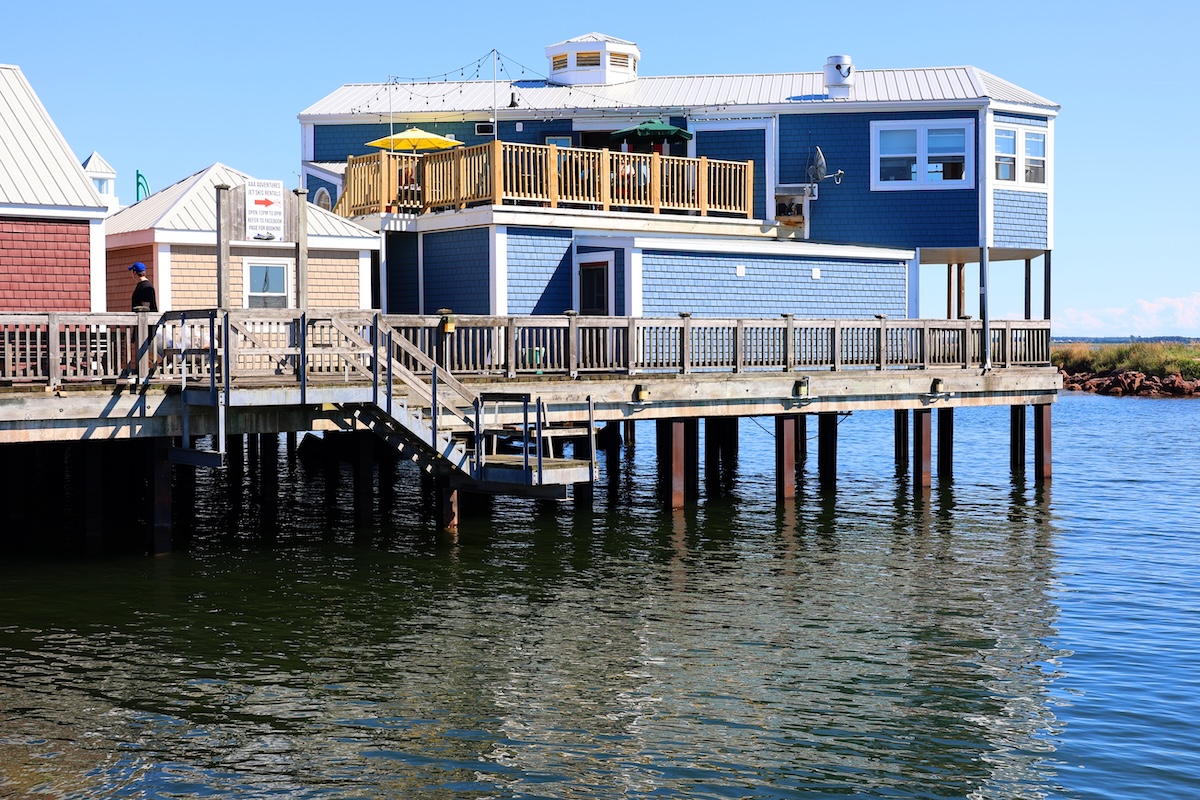
Summerside sits quietly as Prince Edward Island’s second-biggest “city”—though locals would probably laugh at calling it that. It’s tucked along the island’s western shore, acting as the main hub for that side of PEI.
The town became official in 1877, and its name fits the relaxed mood you’ll find here. Stroll the waterfront, browse local shops downtown, or catch some harness racing at the track. Celtic roots run deep, showing up in festivals and music pretty much year-round.
What’s special about Summerside is what you won’t find—no big crowds or tourist craziness. You get the real island experience, no fighting for parking or a table. Locals want to keep it that way, and after a visit, you’ll probably get it.
16. Piódão, Portugal
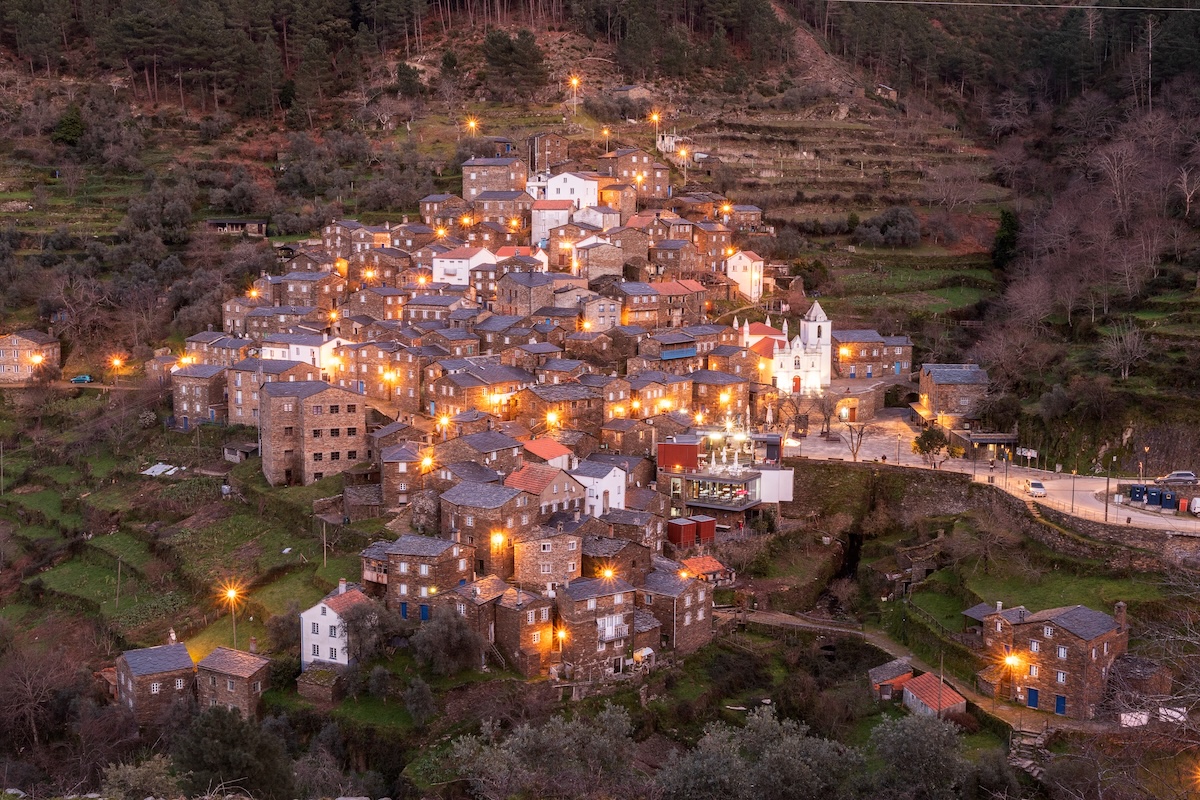
Piódão nestles in the mountains of central Portugal, looking like it just grew out of the hillside. The village is famous for its blue-trimmed schist stone houses stacked tightly along steep lanes. You won’t spot any tour buses here. The streets are narrow and steep, winding between stone buildings that have stood for ages. Blue paint on the doors and windows makes Piódão pop against Portugal’s usual whitewashed towns.
Getting here takes some effort—public transport is pretty much nonexistent. You’ll need to rent a car and wind through mountain roads, but that’s part of why it stays so peaceful.
Local bakeries and cafés open when they feel like it. Everything moves slowly, so plan to wander, snack, and just soak up the mountain quiet.
15. Metamora, Indiana
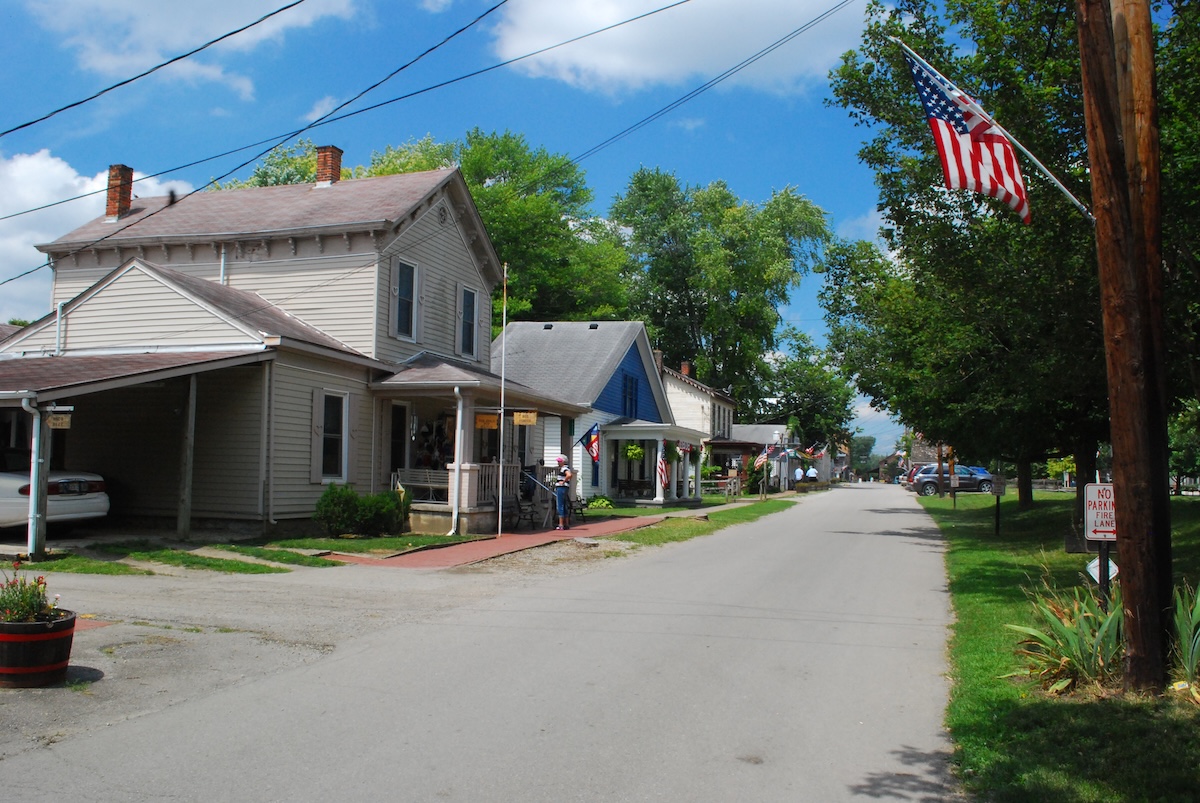
Metamora sits out in rural Indiana, about an hour northwest of Cincinnati. This old canal town from 1838 draws in folks who love a bit of nostalgia, but locals still prefer to keep it off the main tourist map.
The town got its name from a hit 1829 play called “Metamora, or The Last of the Wampanoags.” You’ll spot an odd castle-like building rising out of the rolling fields—a weird surprise in such a sleepy place. Metamora has a reputation as one of America’s friendliest haunted towns.
Preserved old buildings and a slow pace of life keep its appeal strong. It’s a three-and-a-half-hour drive from Evansville, which means it stays calm and mostly tourist-free most of the time.
14. Hongcun, China
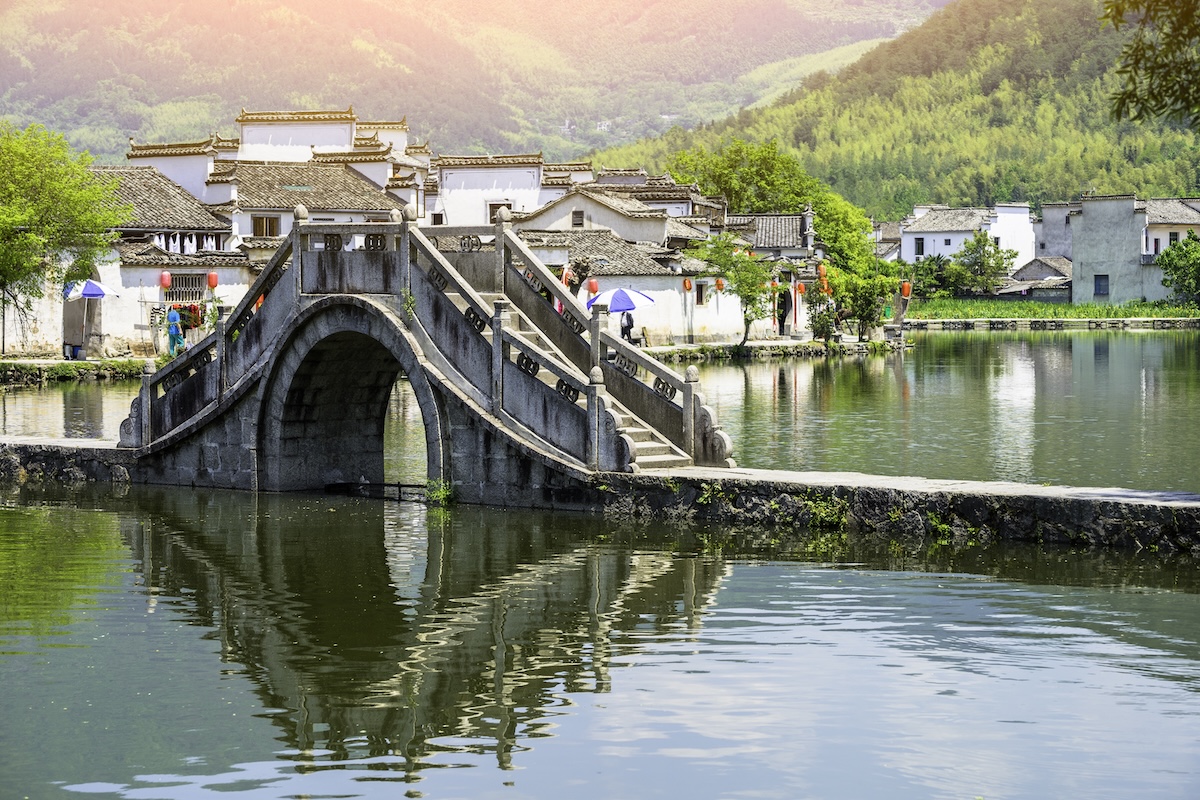
Hongcun hides on the southwest side of Mount Huangshan in Anhui Province. This village is over 900 years old and looks like it wandered out of a Chinese ink painting. The village is shaped like a buffalo—seriously. Narrow cobblestone streets twist between ancient buildings that have stood for centuries. The water system here still works the way it did hundreds of years ago.
UNESCO named it a World Heritage Site in 2000, along with nearby Xidi. The architecture shows off what life looked like in traditional China, and locals have worked hard to keep it that way.
You can walk the same paths people used generations ago. South Lake gives you calm morning views, and the whole place feels frozen in time—without the tourist mobs you’d find at bigger sites.
13. Metsovo, Greece
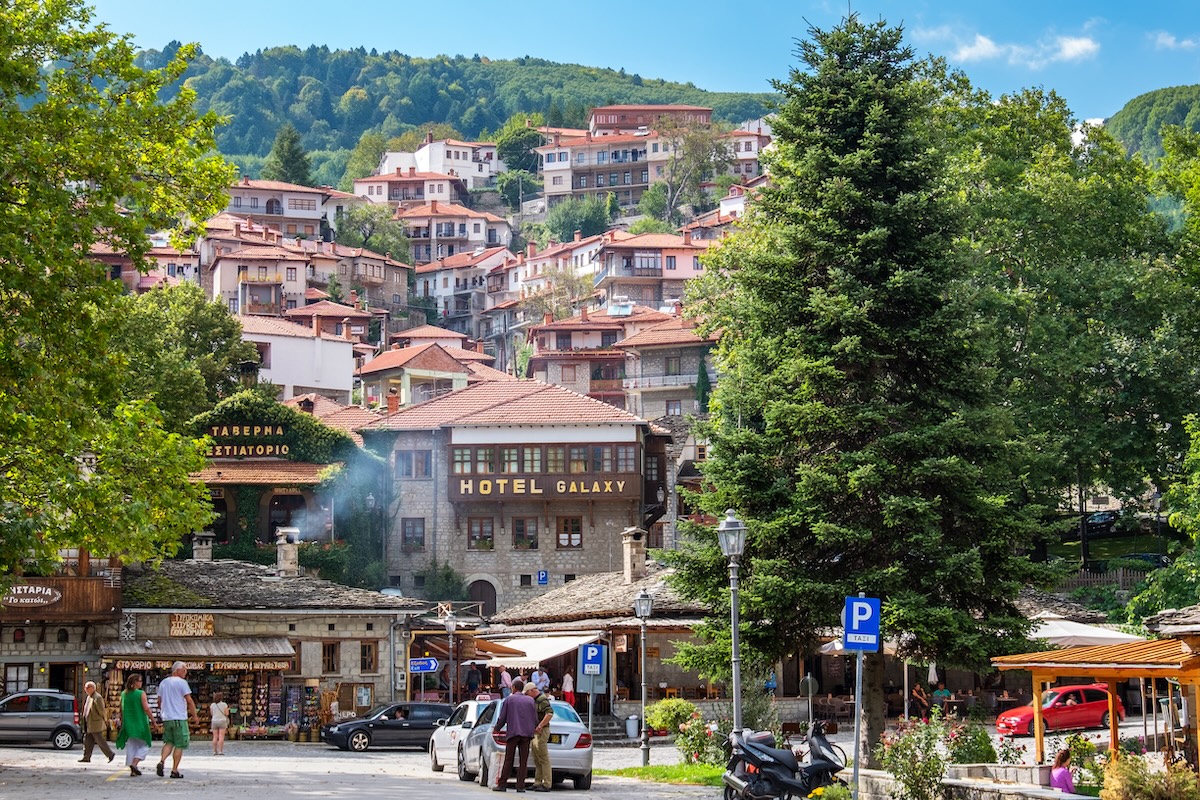
Metsovo hides in the Pindus Mountains, sitting at about 1,200 meters up. This isn’t your typical Greek holiday spot—forget beaches and islands. Instead, you get stone houses, misty mountain views, and a vibe that feels more Swiss than Mediterranean.
Around 1,200 people live here year-round, most from the Aromanian (Vlach) community, which gives Metsovo its own unique flavor. You can wander cobblestone streets past old workshops and cozy cafés, fireplaces crackling inside.
Locals have watched families move away and worry about the town shrinking, but they might not realize how special Metsovo is compared to other mountain villages. You can try local Metsovone cheese, visit vineyards at 1,050 meters (some of the highest in Greece), and breathe in crisp mountain air while everyone else crowds the beaches.
12. Brownsville, Oregon
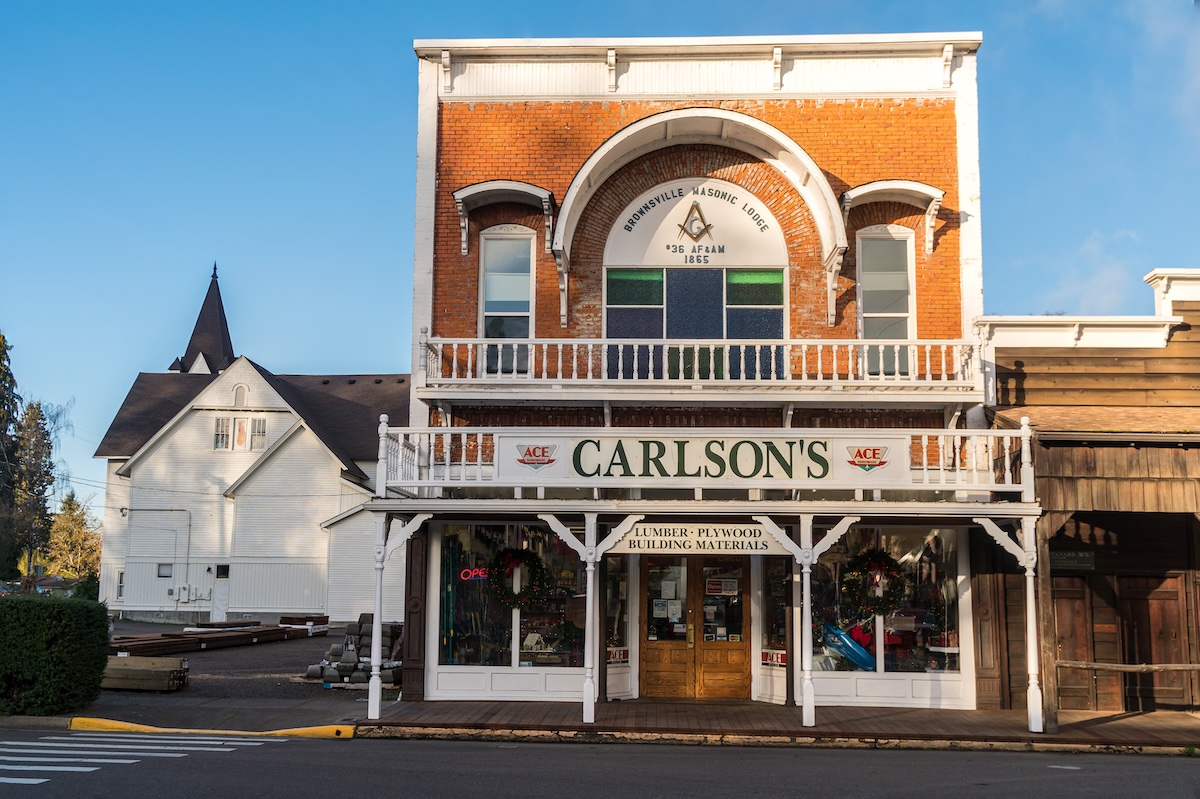
Brownsville sits quietly between Salem and Eugene, home to fewer than 2,000 people who seem happy to keep things small. This town lives and breathes history, but it never feels forced.
The place got famous after the movie Stand by Me filmed here in the 1980s. Still, there’s more to Brownsville than movie trivia. You can browse local art at the Brownsville Art Association or check out handmade jewelry and quilts in the little downtown shops.
The Living Rock Studios stands out—a wild, castle-like building made from stone and cement you just won’t find anywhere else. Every year, Brownsville throws Stand By Me Day, celebrating its quirky claim to fame. Most days, though, the streets stay peaceful, giving you that real small-town Oregon feel without the crowds.
11. Bad Wimpfen, Germany
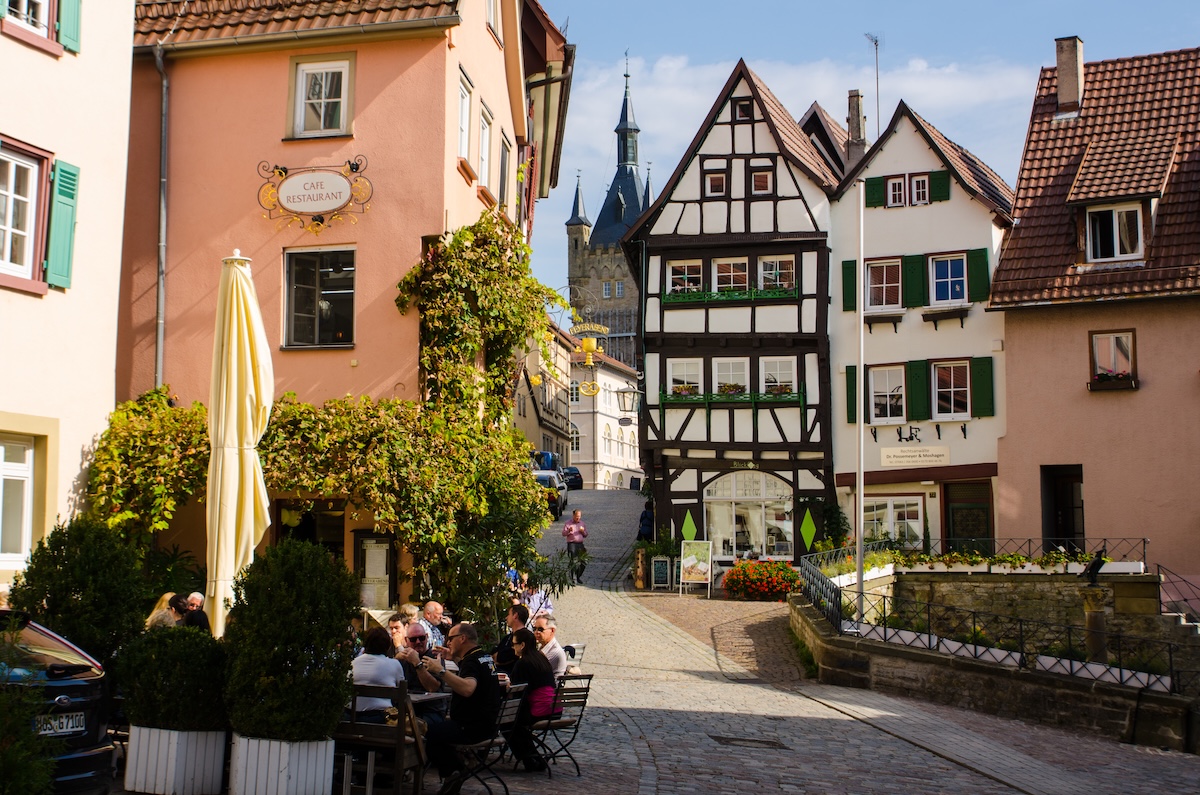
This medieval spa town sits quietly along the Neckar River, home to just over 7,500 people. Bad Wimpfen’s about 40 miles from Stuttgart—close enough for a spontaneous day trip, but honestly, most folks haven’t caught on yet.
Wandering the streets here, with their 13th-century timber-framed houses, feels nothing like the touristy buzz of Rothenburg. It’s calmer, more lived-in—maybe even a bit secretive. The Blue Tower looms above cobblestone lanes that twist past the old imperial palace ruins. You can actually stop and admire the half-timbered houses without weaving through crowds or dodging endless selfie sticks.
Regional trains roll in from places like Heidelberg and Mannheim, but most travelers just zip by, aiming for bigger cities. That’s probably why Bad Wimpfen still feels so real.
10. St. Wolfgang, Austria
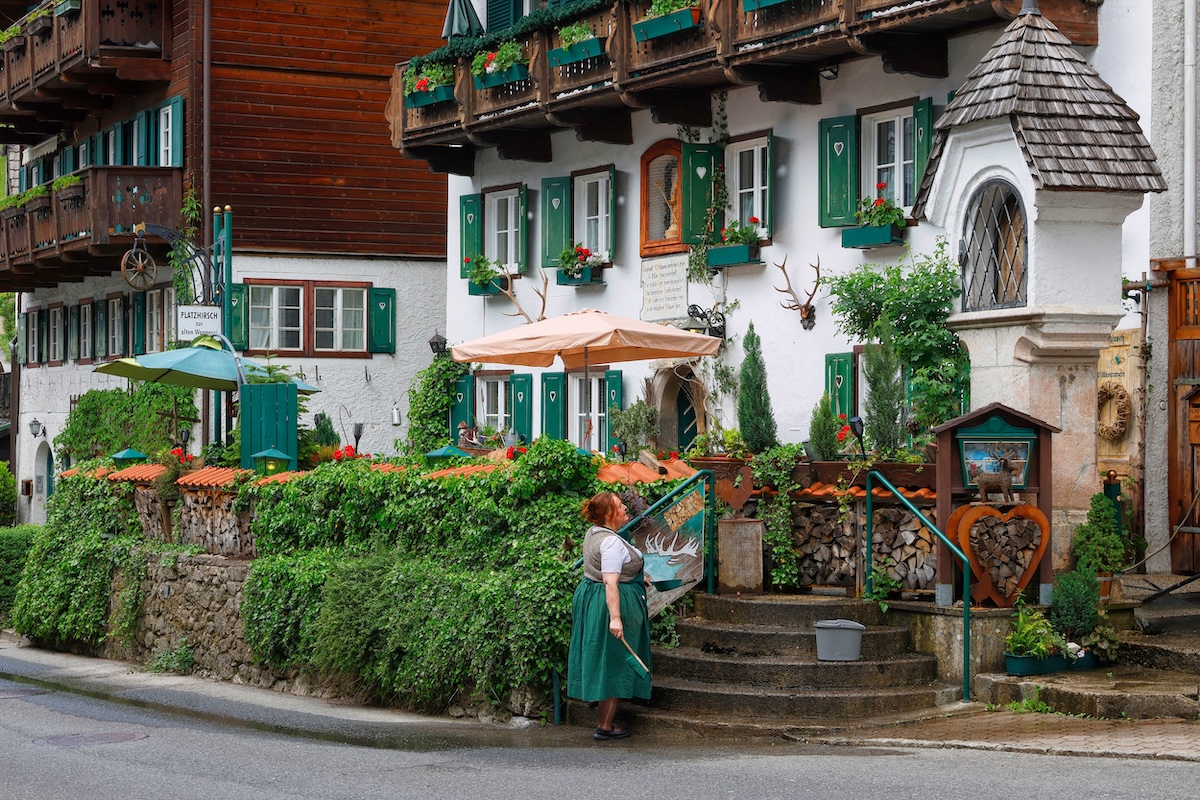
The Salzkammergut lake district already features Hallstatt pulling enormous tourist crowds, which works entirely in St. Wolfgang’s favor. This smaller lakeside village on the Wolfgangsee sits about 30 kilometers away with comparable Alpine scenery and a fraction of the foot traffic that currently makes Hallstatt feel like a theme park during peak season.
The White Horse Inn gave the town literary fame through a popular operetta, which turned out to be a gentler form of publicity than social media ever produces. Boat trips across the lake and a rack railway climbing the Schafberg peak above town give visitors enough to work with across a full long weekend.
9. Veli Lošinj, Croatia
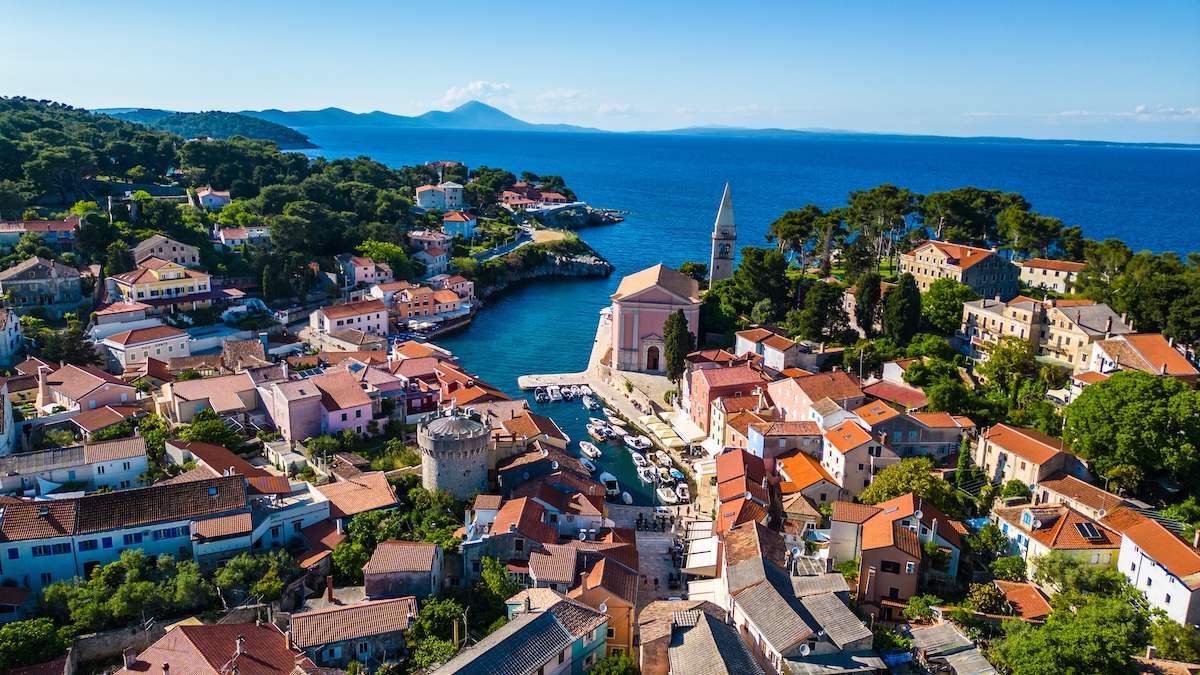
Croatia’s Dalmatian coast absorbs millions of visitors every summer while this Kvarner Gulf island town quietly offers cleaner air, warmer sea temperatures, and significantly fewer people fighting over sunbeds. Veli Lošinj sits at the southern tip of Lošinj Island, connected to Mali Lošinj by a short coastal path running through pine forests the locals are justifiably proud of.
The town’s therapeutic air quality drew health tourists from across Europe in the 19th century, and the same pine-scented atmosphere still does the work without the sanatorium context. Dolphins regularly appear in the surrounding waters but that doesn’t make spotting them from the waterfront stops feel less remarkable after a couple of days.
8. Morretes, Brazil
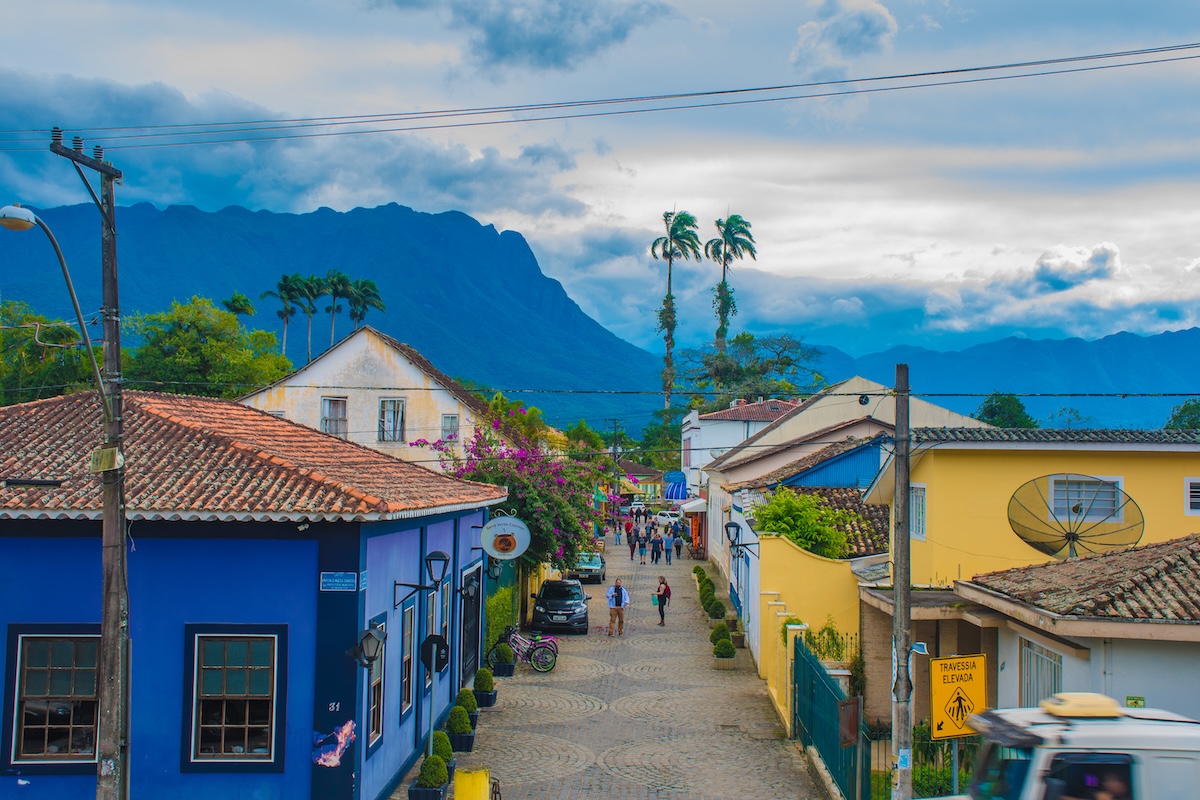
Paraná state’s most charming small town sits in the Atlantic Forest at the foot of the Serra do Mar, and the train from Curitiba that descends through cloud forest and waterfalls to reach it ranks among South America’s most spectacular rail journeys. That descent takes around three hours and makes arriving by road feel like a fairly poor decision.
Barreado, a slow-cooked beef stew braised in a clay pot and sealed with a flour paste, originated here and commands fierce local pride. The colonial town center stays compact enough to cover on foot in an hour, leaving considerable time for sitting in riverside restaurants doing nothing of particular importance.
7. Ojai, California
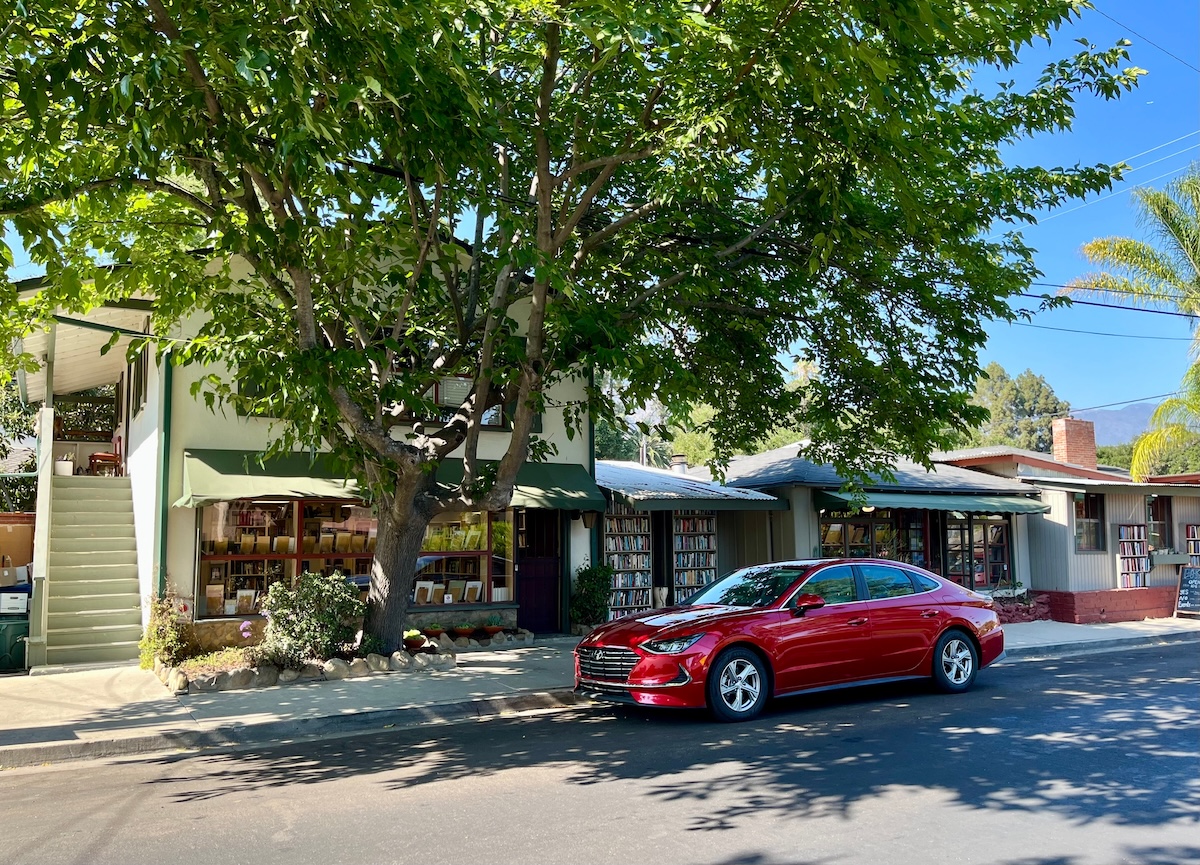
The Ojai Valley sits around 90 miles from Los Angeles, behind a mountain range that creates a microclimate and psychological distance that those miles don’t fully explain. The town built a creative reputation through artists, spiritual retreats, and organic farms that established deep roots before wellness tourism turned those exact selling points into a global industry.
The famous “pink moment” happens every clear evening when the setting sun hits the Topa Topa mountains in shades of rose that residents pretend to take for granted but definitely don’t. Ojai’s walkable downtown runs along Ojai Avenue with plenty independent shops, tasting rooms, and restaurants to keep you entertained.
6. Kalpa, India
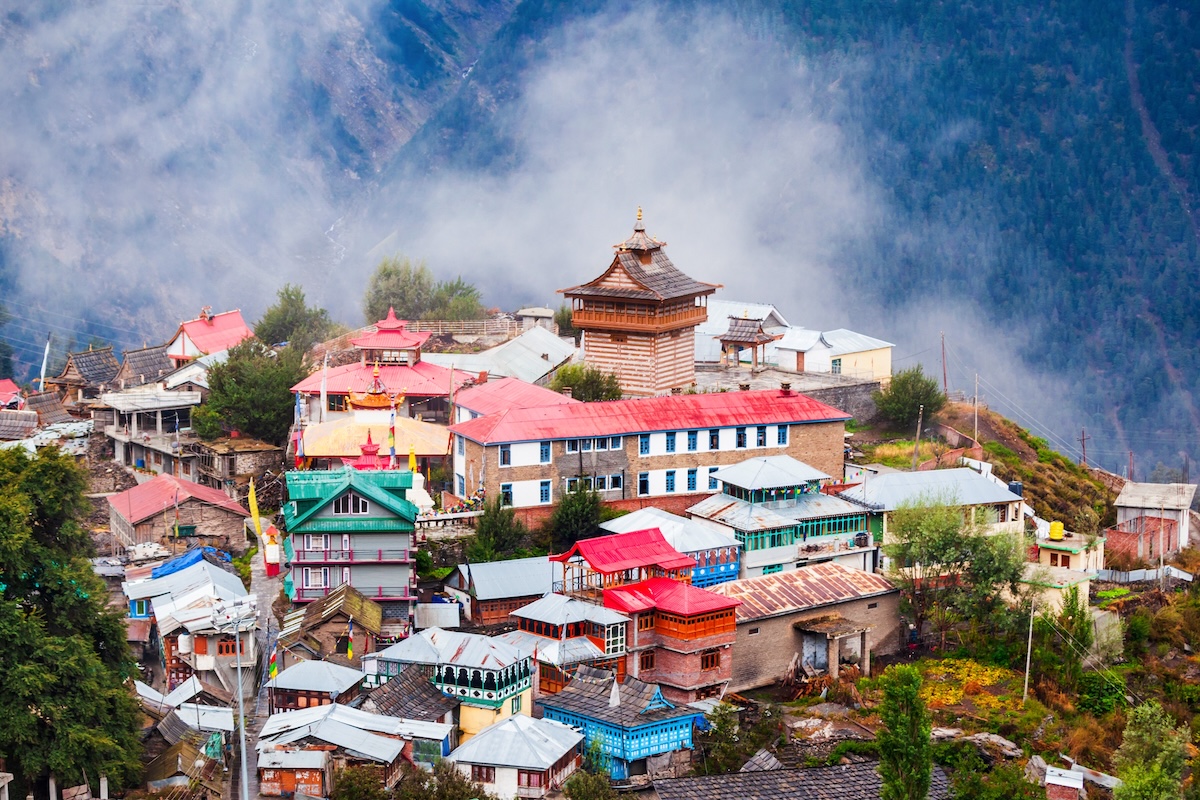
Himachal Pradesh contains more spectacular mountain villages than most travelers ever reach, and Kalpa sits high enough above the Sutlej River valley to watch the sun rise behind Kinnaur Kailash peak at 6,050 meters. The Kinnaur region blends Tibetan Buddhist traditions with local Kinnauri practices, creating an atmosphere entirely removed from better-known Himalayan tourist circuits.
Apple orchards cover the surrounding terraced hillsides, and autumn harvest season brings the valley to peak color just as the high passes begin closing for winter. The roads here require patience and a driver familiar with mountain conditions, a combination that keeps the crowds at very manageable levels.
5. Doolin, Ireland
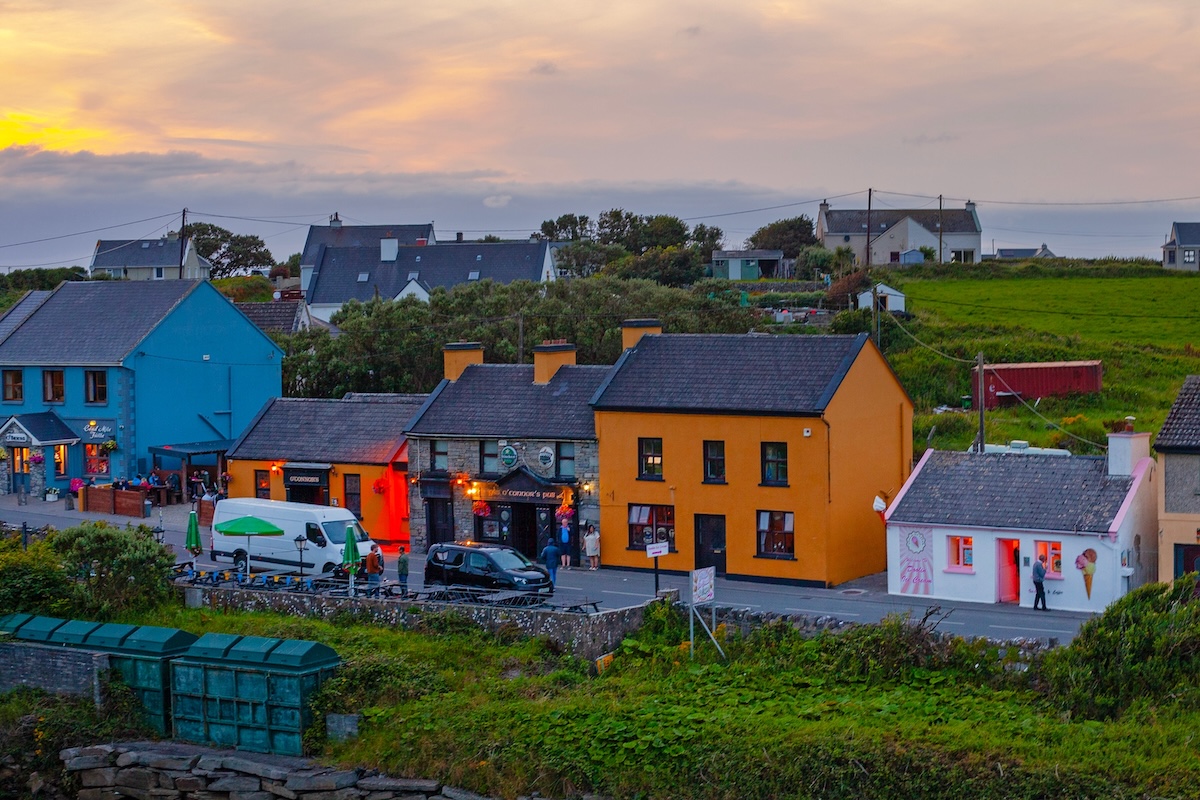
County Clare’s most famous small village built its reputation on traditional Irish music sessions that happen in three pubs almost every night. McGann’s, McDermott’s, and O’Connor’s divide the town’s musical loyalties, and locals hold strong opinions about which establishment treats the tradition most respectfully.
Doolin also sits as the departure point for Aran Islands ferries and within cycling distance of the Cliffs of Moher, giving it more geographic importance than its small population suggests. The surrounding Burren landscape, a limestone karst plateau supporting plant species that have absolutely no business thriving in the same location, surprises everyone who is willing to walk in any direction from the village.
4. Russell, New Zealand
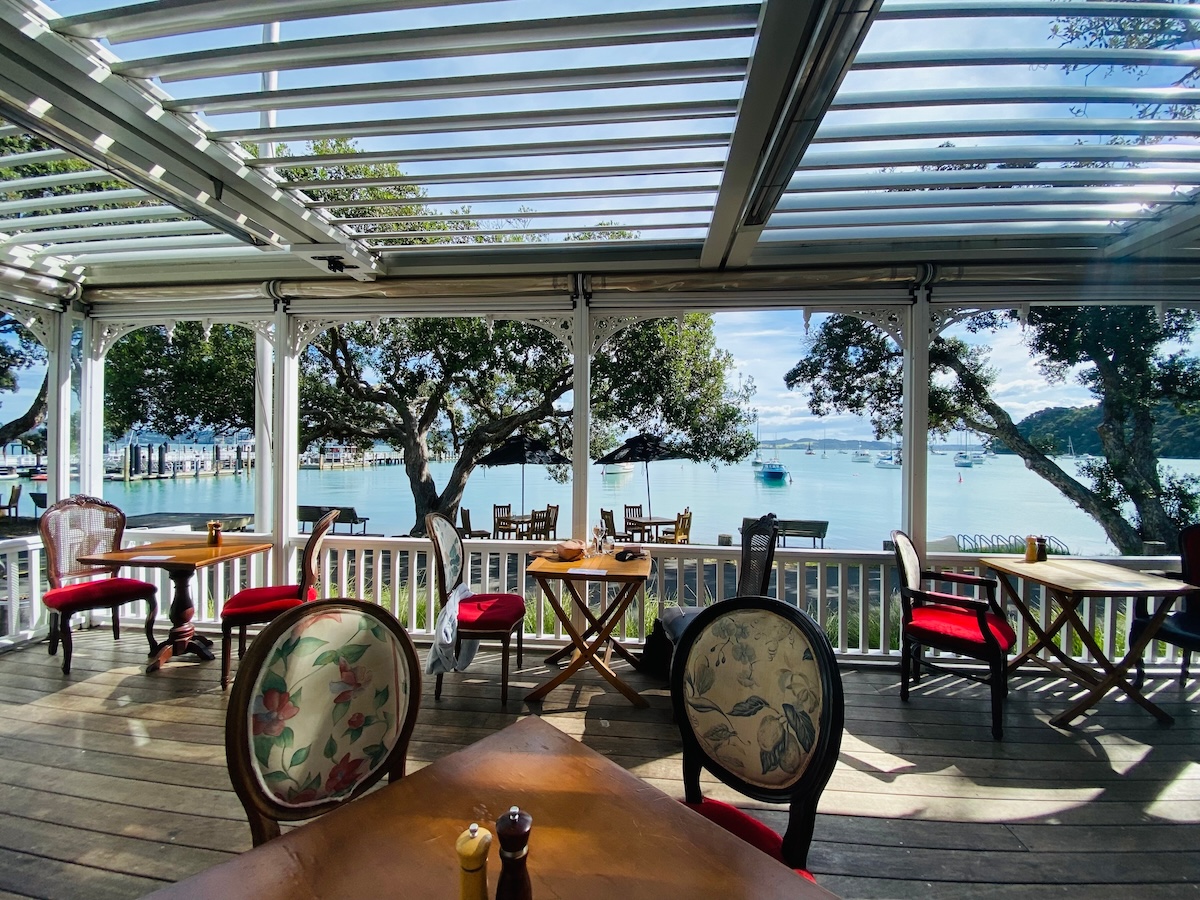
Most Bay of Islands visitors head straight to Paihia while Russell sits across the water on a short ferry ride that filters out a substantial portion of the crowd. New Zealand’s first European settlement has been quietly trading on that history and the surrounding water scenery long enough to develop serious confidence about its own appeal.
Pohutukawa trees hang over the waterfront in summer, dropping crimson flowers into the bay in a display that New Zealanders consider one of the country’s finest seasonal events. The town’s compactness and limited accommodation keep visitor numbers at levels that preserve exactly the unhurried pace that drew people here in the first place.
3. Ares del Maestrat, Spain
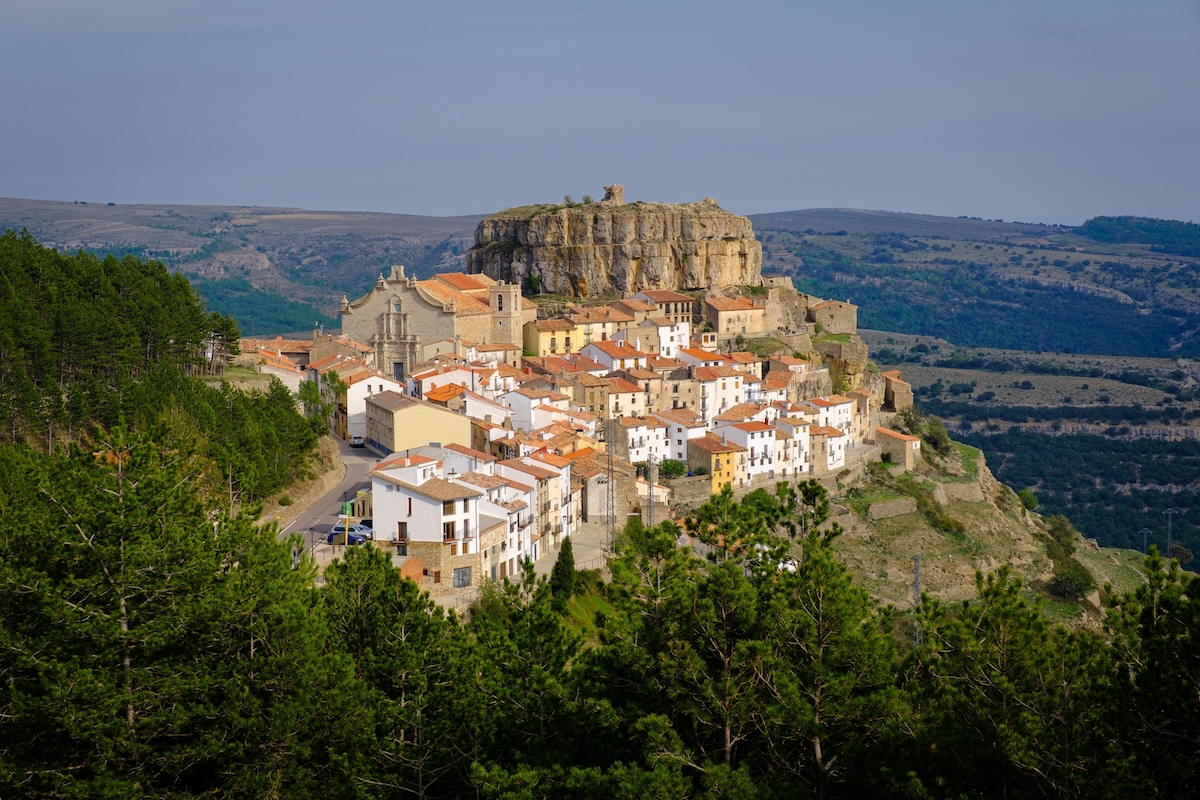
The Valencia region’s most dramatic hilltop village perches atop a rocky outcrop at 1,070 meters with medieval walls, a ruined castle, and views across the Maestrazgo mountain range that arrive without warning and with considerable impact. Most Spanish visitors already know this place well. International tourism simply hasn’t caught up in numbers that would change the atmosphere.
The steep cobblestone streets and stone buildings changed so little over centuries that film crews regularly appear looking for locations requiring authentic medieval character without digital assistance. The village population numbers in the hundreds, which means booking accommodation before arriving rather than assuming the situation will work itself out.
2. Ushguli, Georgia
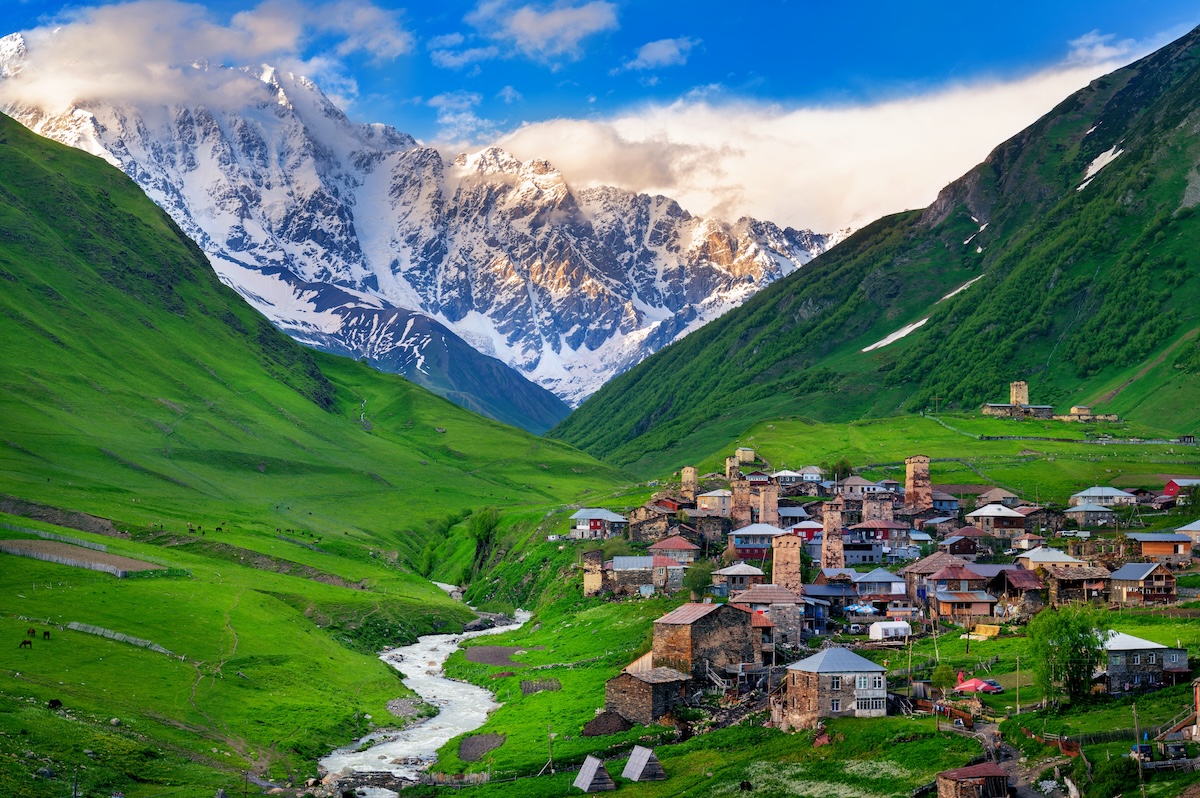
One of Europe’s highest continuously inhabited settlements occupies the Svaneti region of the Caucasus Mountains at around 2,200 meters, at the end of a road that firmly tests the relationship between travelers and their vehicle’s suspension. The UNESCO-listed village complex features defensive towers that Svan families built a thousand years ago, still standing in clusters that produce a skyline unlike anything else the continent offers.
Winter cuts Ushguli off from the outside world for months at a time, concentrating visits into a short summer window when surrounding alpine meadows hit peak color simultaneously. The hospitality of Svan families who open their homes to travelers makes the journey worthwhile regardless of how the roads felt on the way up.
1. Castelmezzano, Italy
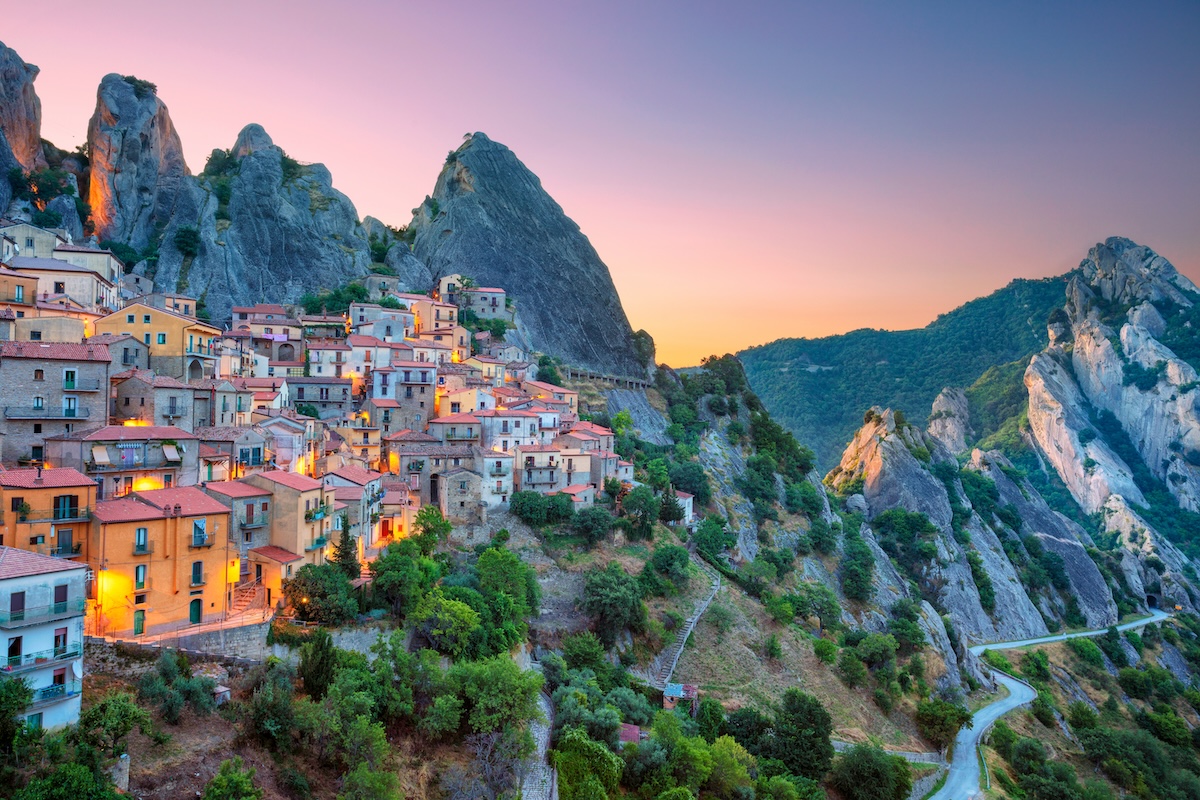
Basilicata sits far enough south to escape the Tuscany tourist orbit entirely, which makes it one of Italy’s most overlooked regions and Castelmezzano one of its most surprising rewards. Around 800 people live in a village clinging to rocky spires in the Dolomiti Lucane at 750 meters, delivering physical drama that makes Tuscan hilltop towns look somewhat modest by comparison.
The Volo dell’Angelo zipline connects Castelmezzano to the neighboring village of Pietrapertosa across a valley dropping 400 meters below the wire, which sounds terrifying and apparently is. Southern Italian food traditions running through local restaurants operate at a standard that the village’s size does absolutely nothing to predict.