
Creating a new country is no simple process. It’s a complex journey shaped by history, struggle, politics, and diplomacy. Not only does it require defining borders, but it also means forming a government and, most importantly, gaining recognition from other countries.
The world’s newest countries have fascinating backstories, often involving decades of struggle, wars, coups, referendums, and the occasional peaceful split. Some countries emerged from the fall of larger states, while others fought tirelessly over sovereignty.
From inland paradises to war-town lands rebuilding their futures one city at a time, these young nations are the newest countries in the world:
Eritrea (1993)
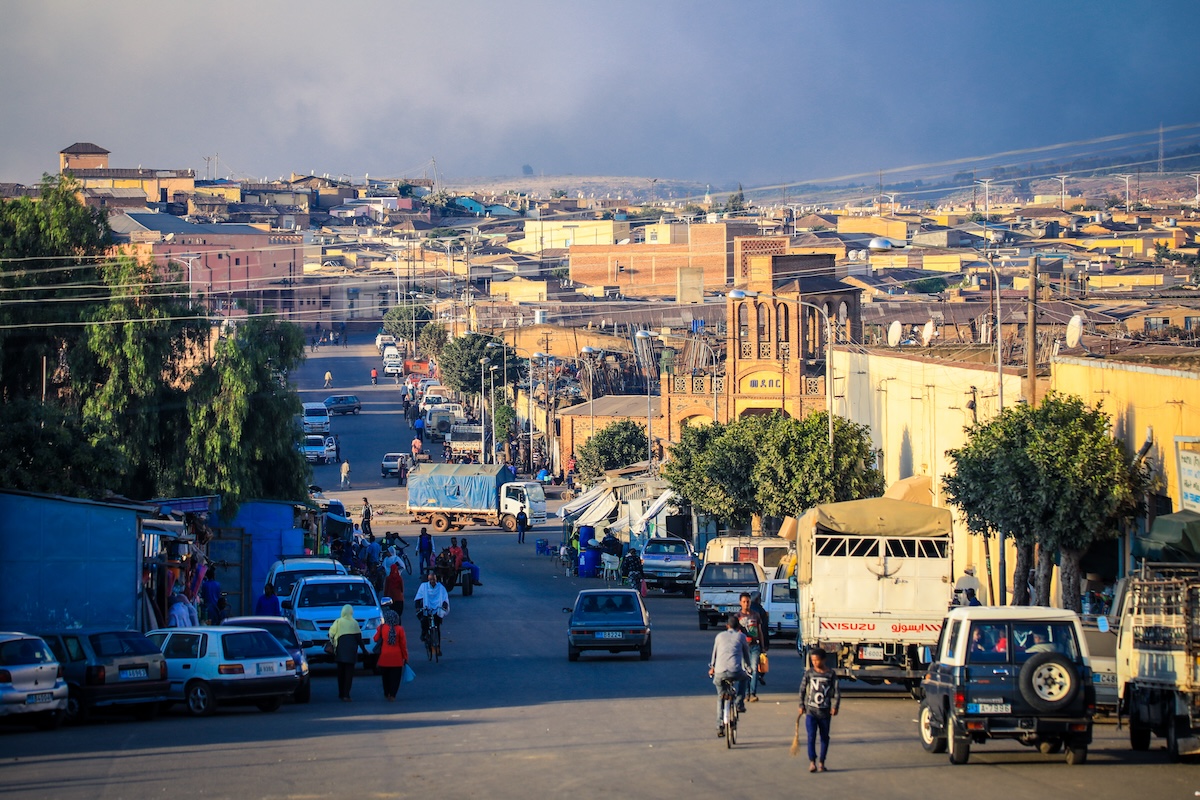
Eritrea’s journey to independence is one of resilience. After a 30-year war with Ethiopia, this little country on the Horn of Africa finally received its sovereignty in 1993. It shares a border with Sudan, Ethiopia, and Djibouti and has a long coastline along the Red Sea.
While it took a long time to gain its independence, regional acceptance hasn’t been smooth sailing, particularly with Ethiopia.
What makes Eritrea special? Its capital, Asmara, is a melting pot of Italian colonial architecture and Art Deco styles. These streets feel a bit like stepping back in time onto a set of a 1930s Italian mafia film.
The country is also a multi-ethnic melting pot, with nine recognized ethnic groups, each with their own dialects, living in the country.
Czechia and Slovakia (1993)
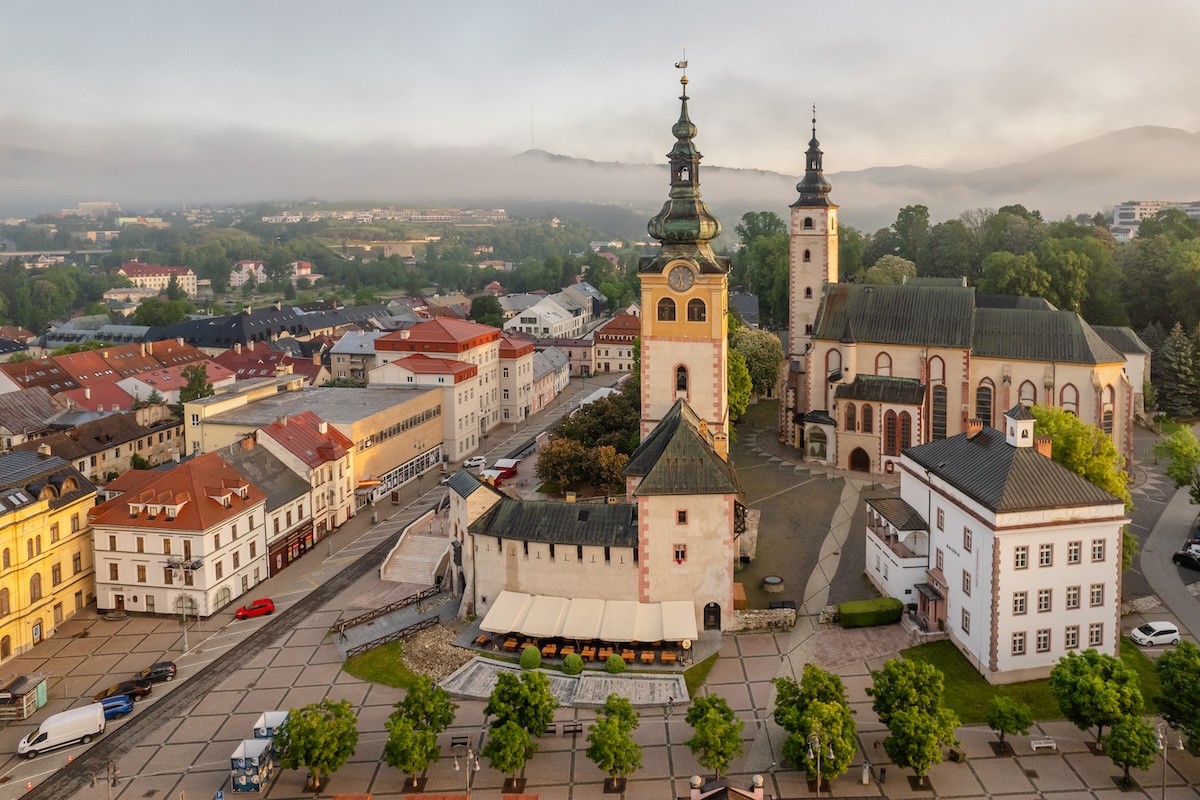
The fall of the Soviet Union between 1991 and 1993 created a bloom of new countries in Eastern Europe. Most of what we know as Eastern Europe today was formed when this communist power splintered into 15 new countries.
Czechoslovakia was a satellite state of the USSR. That is, until it was split in two during an amicable separation in 1993, creating what we know today as Czechia and Slovakia.
It was a rare, non-violent separation and made it possible for both nations to chart their own futures. Czechia borders Germany, Austria, Poland, and Slovakia, while Slovakia shares a border with Czechia, Austria, Poland, Ukraine, and Hungary. Today, both countries are part of the EU and NATO.
In Czechia, Prague’s Charles Bridge and the stunning Old Town are a bustling example of what a peaceful political split can look like. And while Prague might have the architecture, Slovakia has the High Tatras mountains.
Palau (1994)
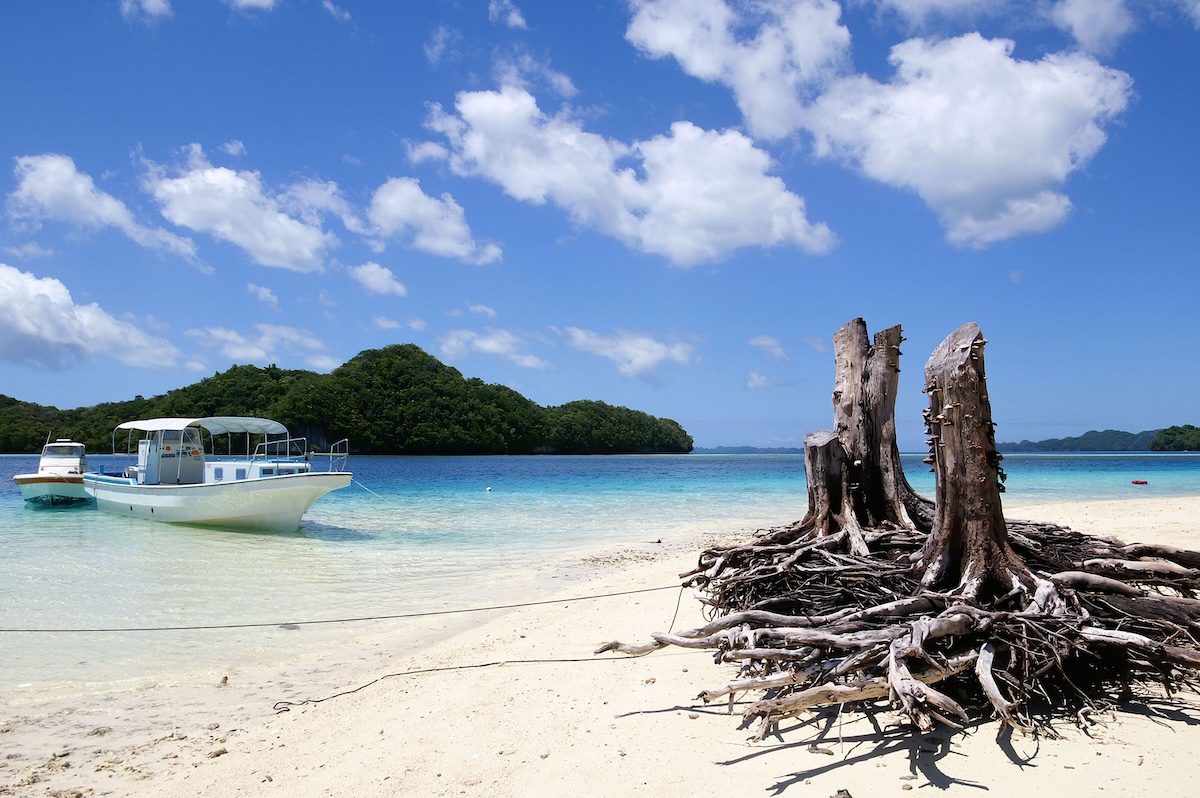
Palau is an archipelago of around 340 islands in the Western Pacific. There are few places as naturally beautiful as this Micronesian country. After the First World War, the islands were ruled by Japanese forces. America then gained control of the region during World War Two in 1947. Forty years later, in 1994, Palau’s islands gained full sovereignty as their own country.
The country is still somewhat linked to the US, which sends funding and defense to the island nation when needed. However, the country has continued to be proactive with its regional affairs, especially when it comes to environmental conservation.
The best thing to do here is to dive or snorkel over the incredible coral reefs. The Blue Corner Barrier Reef and Jellyfish Lake are some surreal diving locations worth checking out!
Timor-Leste (2002)
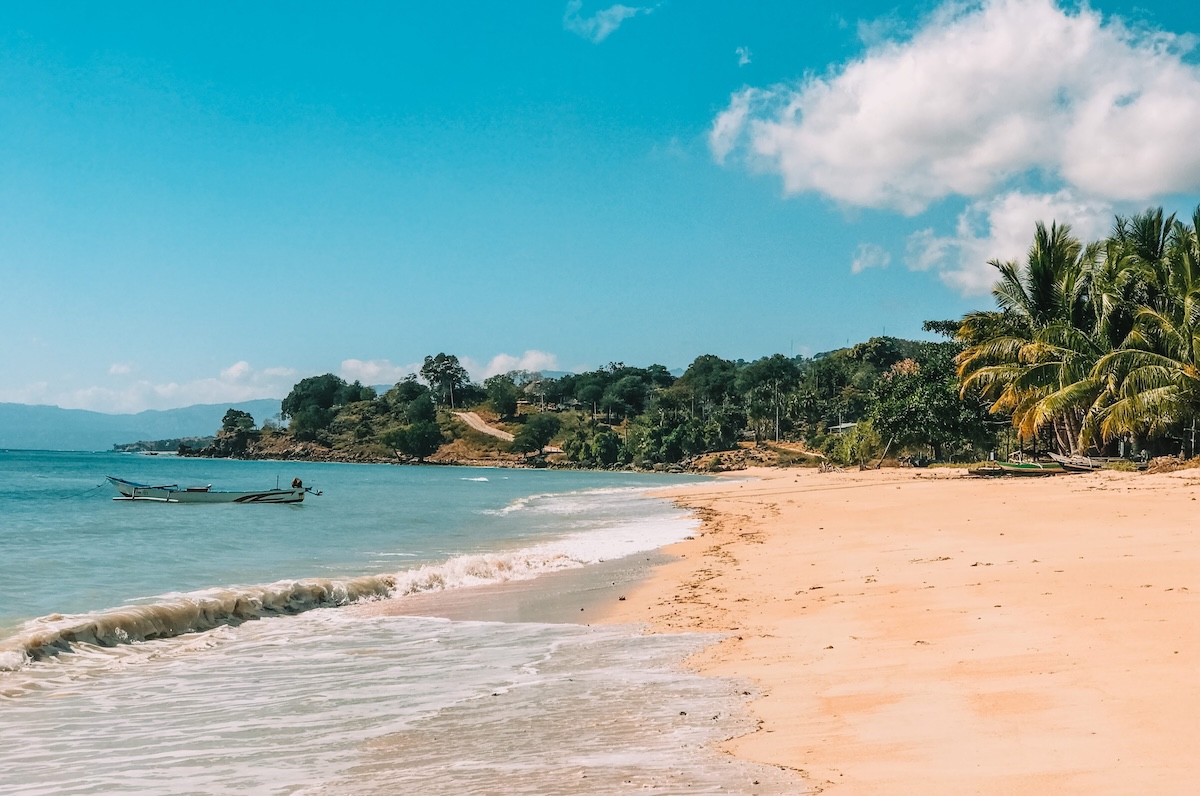
Also known as East Timor, Timor-Leste only gained its sovereignty in 2002 after years of struggle and a brutal occupation by Indonesia. The country takes up the eastern part of the island of Timor (as well as a small territory in the western part), in the Indian Ocean.
Before Indonesia invaded and took control, Timor-Leste was a historic Portuguese colony from the 16th century until 1975. While its path to independence wasn’t easy, Timor-Leste is slowly gaining its footing with regional support. It’s still a relatively fragile economy that relies primarily on oil and gas supplies, which are slowly dwindling.
Difficulties aside, it remains one of the most beautiful Indian Ocean countries, teeming with marine biodiversity and incredible inland mountains.
Serbia and Montenegro (2006)
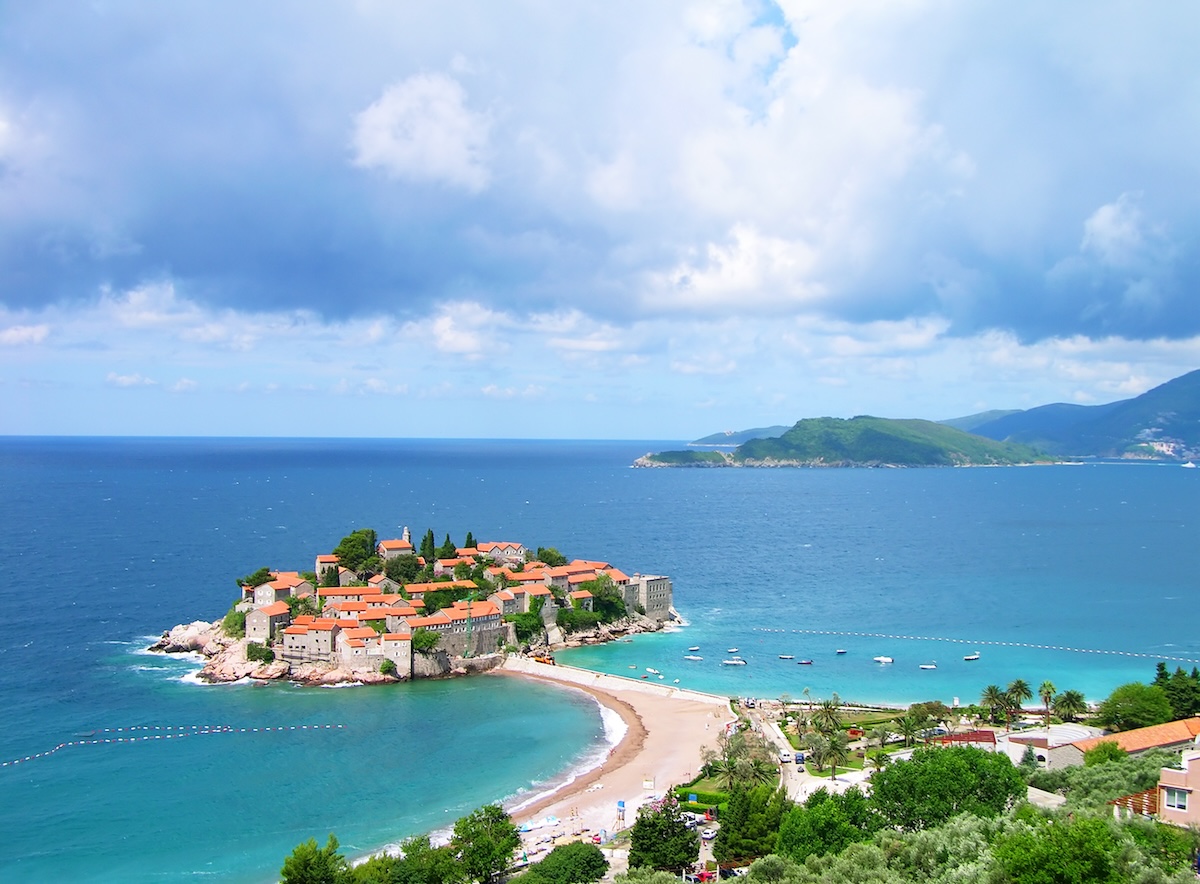
Serbia and Montenegro, together with Bosnia and Herzegovina, Croatia, Macedonia, and Slovenia, were once one large country known as Yugoslavia.
Located in Southeast Europe along the Balkans, Yugoslavia collapsed in the 1990s. Serbia and Montenegro continued as a rump state from 1992 to 2006 until their union was dissolved in 2006. The separation was mostly peaceful, signed off with mutual agreements by each side and amicable discussions.
Serbia is a landlocked country with Hungary, Romania, and Bulgaria as its neighbors. On the other hand, Montenegro has one of the most stunning Adriatic coastlines, neighboring Croatia, Bosnia and Herzegovina, Serbia, and Albania.
There are plenty of reasons to visit both countries. From the bustling medieval city of Belgrade in Serbia to the exquisite fjord-like Bay of Kotor in Montenegro.
South Sudan (2011)
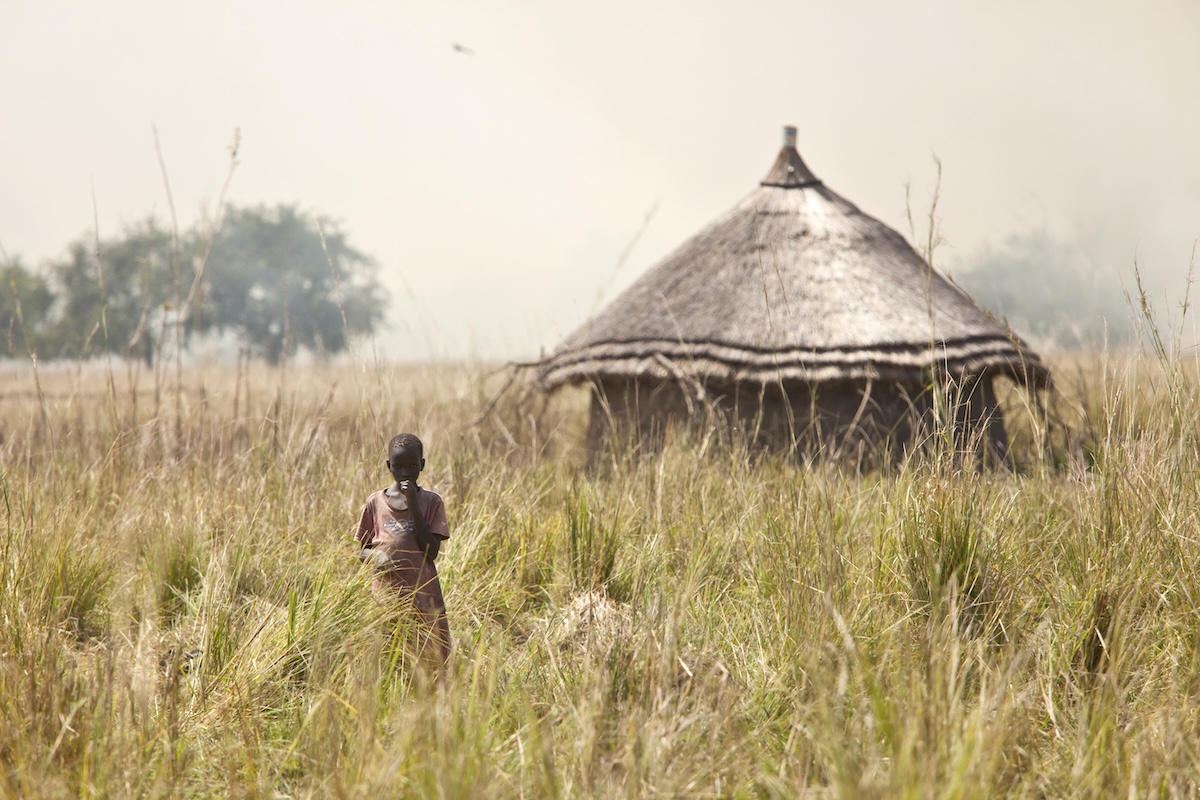
South Sudan is currently the newest country in the world. It only gained its independence from Sudan in 2011, after decades of civil war and unrest. The new country is landlocked in a tumultuous part of East Africa and has experienced one of Africa’s most intense refugee crises. It’s one of the poorest countries in the world, and unfortunately, experienced yet another civil war between 2013 and 2020.
Geography-wise, it’s home to an incredibly diverse landscape made up of plains and plateaus, dry and tropical savannahs, forested mountains, and floodplains. The Nile River runs north to south through the country, with a huge swamp called the Sudd at its center.




Leave a Reply