
The USA built itself around the car, which makes finding streets worth actually walking feel like discovering buried treasure. The best walkable streets share a particular quality that city planners spend entire careers trying to bottle: the perfect blend of interesting storefronts, comfortable scale, good food options, and enough visual variety to keep your feet moving without checking the time.
These streets earned their spots by delivering something beyond mere foot traffic. Whether through historic architecture, independent business culture, or natural settings that make walking feel like a reward and not a chore, each one represents American pedestrian life at its most compelling.
12. Main Street, Galena
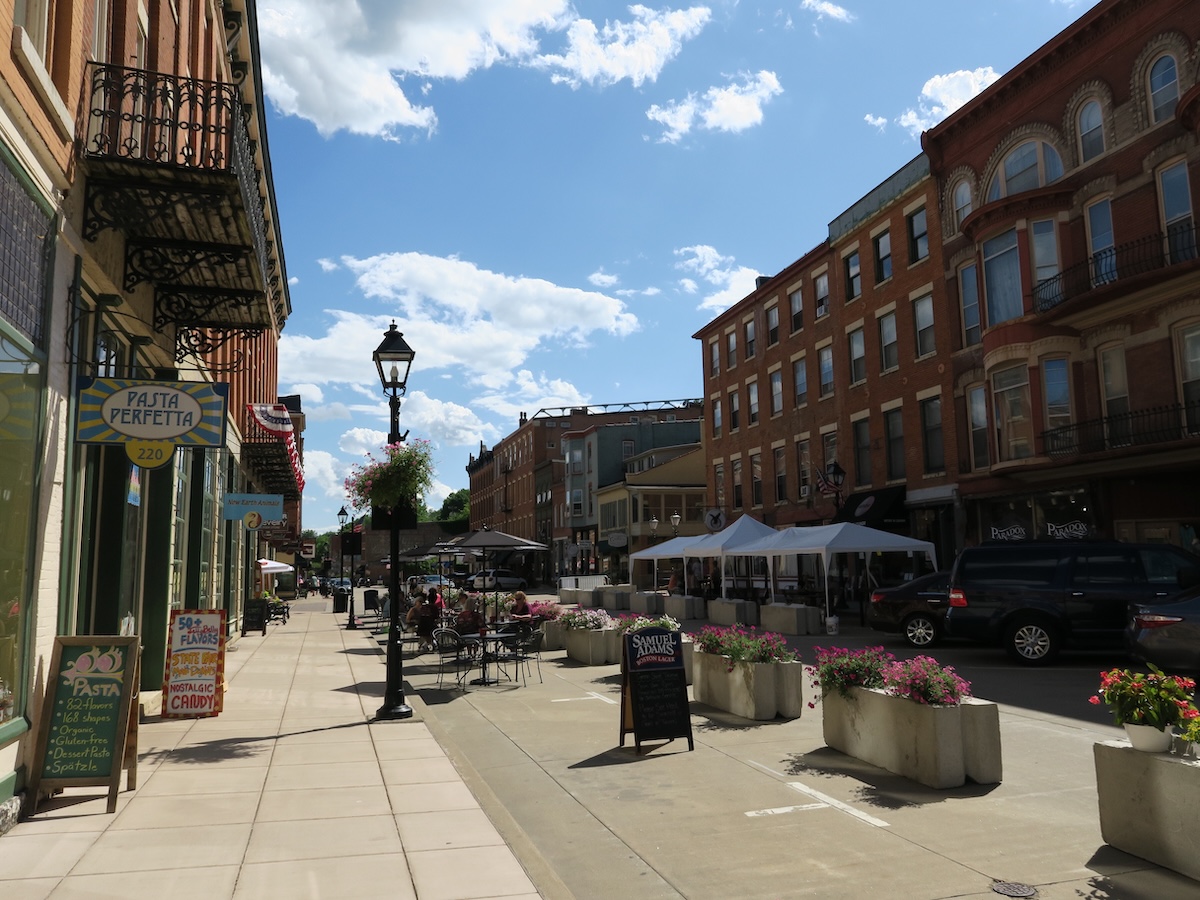
Illinois mining towns don’t usually appear on walkability shortlists, but Galena’s improbably well-preserved historic district earns serious consideration. The street runs through a hillside of 19th-century commercial buildings that survived the kind of urban renewal that flattened similar towns across the Midwest, leaving behind a compact corridor packed with independent shops and restaurants.
Architecture does a lot of heavy lifting here, with Federal and Italianate storefronts creating visual interest that makes window shopping worthwhile even in winter. Ulysses S. Grant lived nearby, and his presence saturates local history, popping up unexpectedly throughout the street. The small scale keeps everything comfortable and unhurried.
11. Bleecker Street, New York City
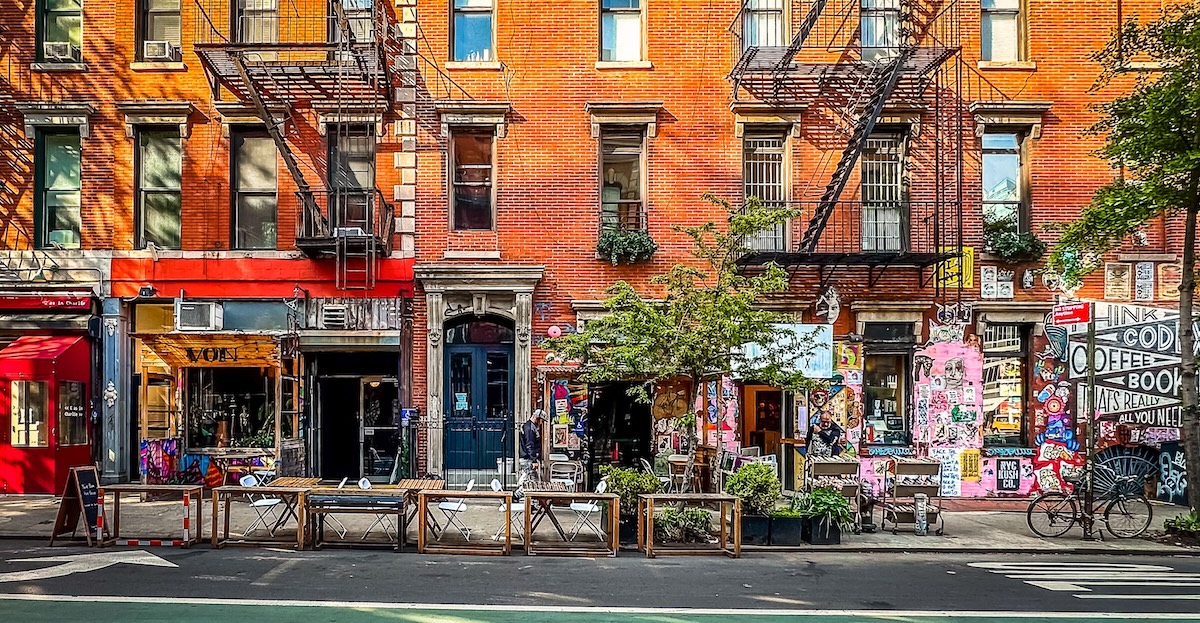
Greenwich Village’s most storied street changed identities so many times that its current version as an upscale retail corridor barely hints at the folk music clubs and bohemian bookshops that defined it for decades. Bob Dylan played here before anyone knew his name, and the creative DNA persists in neighborhood character despite real estate prices that cleared out the original bohemian tenants years ago.
Tree-lined residential blocks between the commercial sections deliver some of Manhattan’s most pleasant walking, where brownstones make a human-scale streetscape that feels rare in skyscraper-crazy New York. Weekend mornings belong to dog walkers and brunch-hunters discovering a street that demands slow wandering far more than destination-focused rushing.
10. 16th Street Mall, Denver
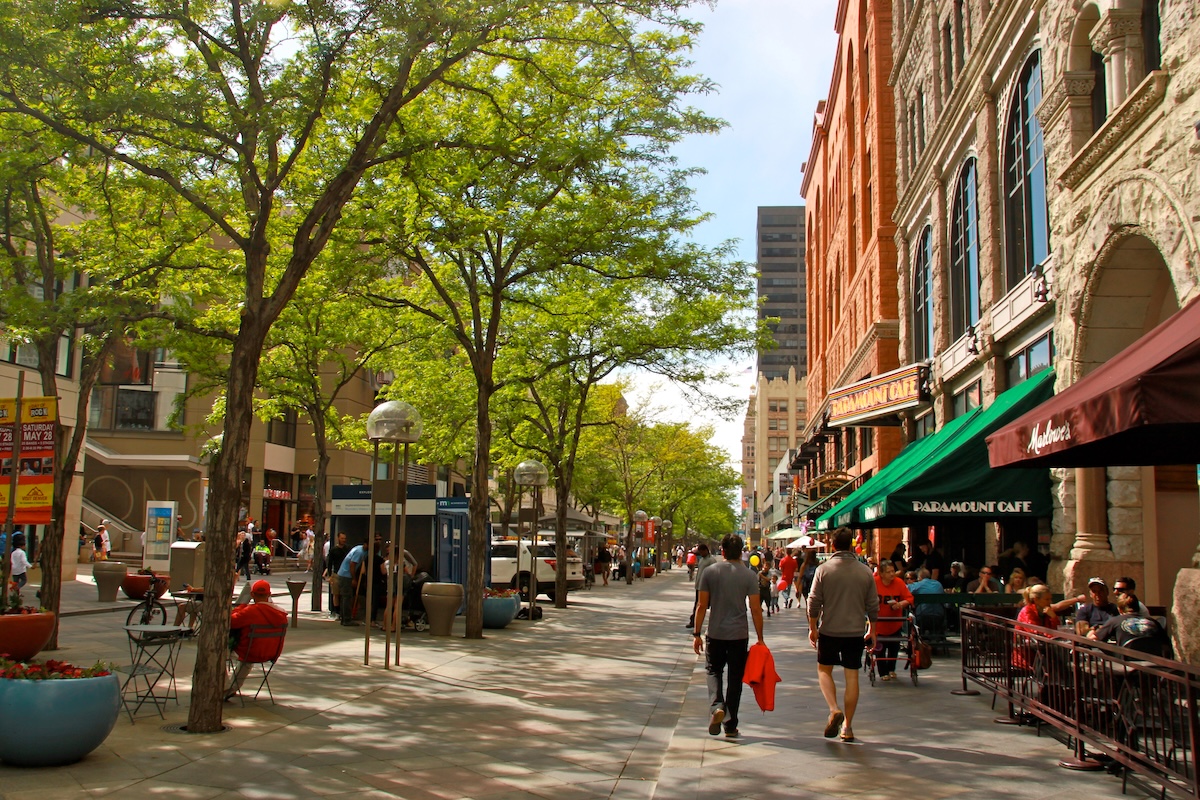
Denver built a 16-block pedestrian and transit corridor through downtown that most American cities would absolutely kill for. Free shuttle buses run the entire length, giving walkers the option to rest tired feet between stops while the street has enough restaurants, shops, and entertainment venues to fill an entire afternoon without covering the same ground twice.
Rocky Mountain peaks visible at the western end add natural drama to an urban setting, with mountain views appearing between buildings on clear days. Street performers, food carts, and outdoor seating keep it buzzing year-round, even through Colorado’s dramatic weather swings. The mall connects several of Denver’s most interesting neighborhoods to make the whole downtown feel more walkable by extension.
9. King Street, Alexandria
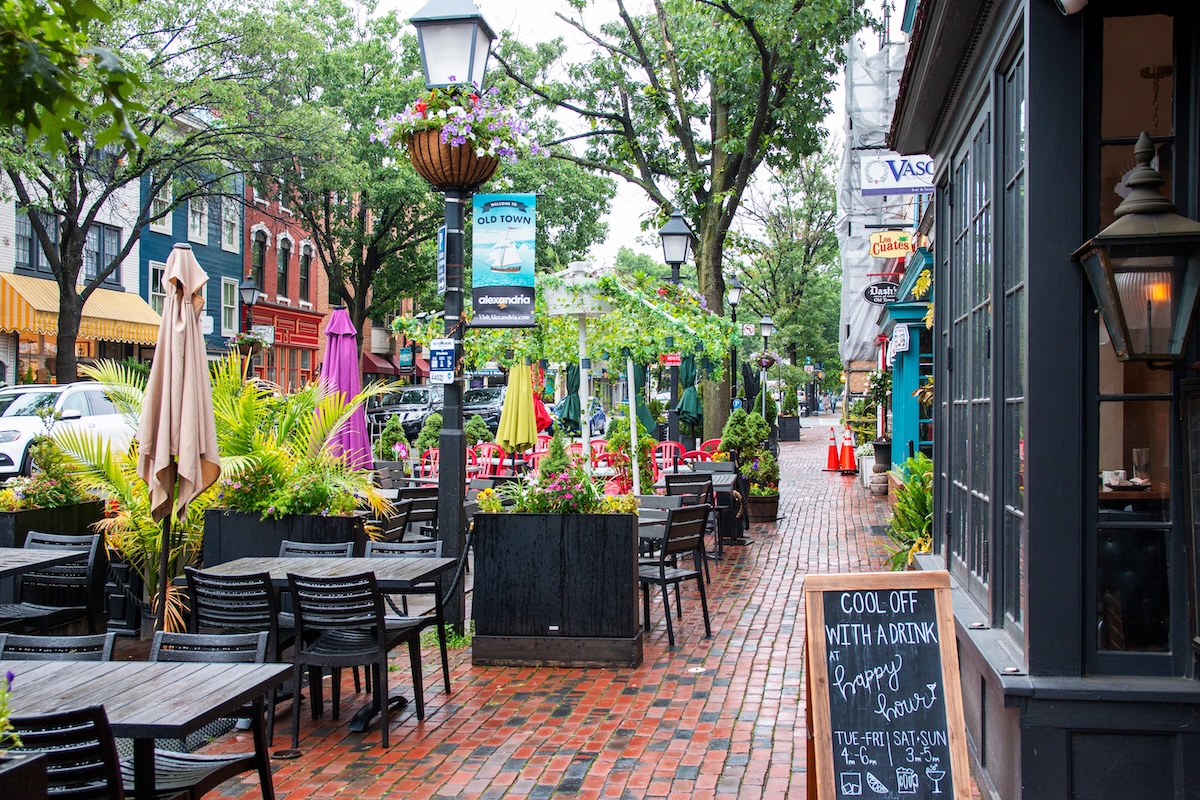
History and independent retail coexist on this Virginia street in proportions that Alexandria maintains despite its proximity to Washington DC’s political machinery. Every block delivers a slightly different mix of Federal architecture, boutique shops, and serious restaurant options along the 23-block stretch from the Metro station down to the Potomac River waterfront.
That waterfront terminus gives King Street something most walkable corridors lack: a clear destination with real payoff. Historic ships at the docks wait for you after the full walk, while the return trip along the opposite side reveals storefronts you missed heading down. Everything stays at a comfortable scale throughout, reflecting Alexandria’s stubborn commitment to streets that work for pedestrians first.
8. South Congress Avenue, Austin
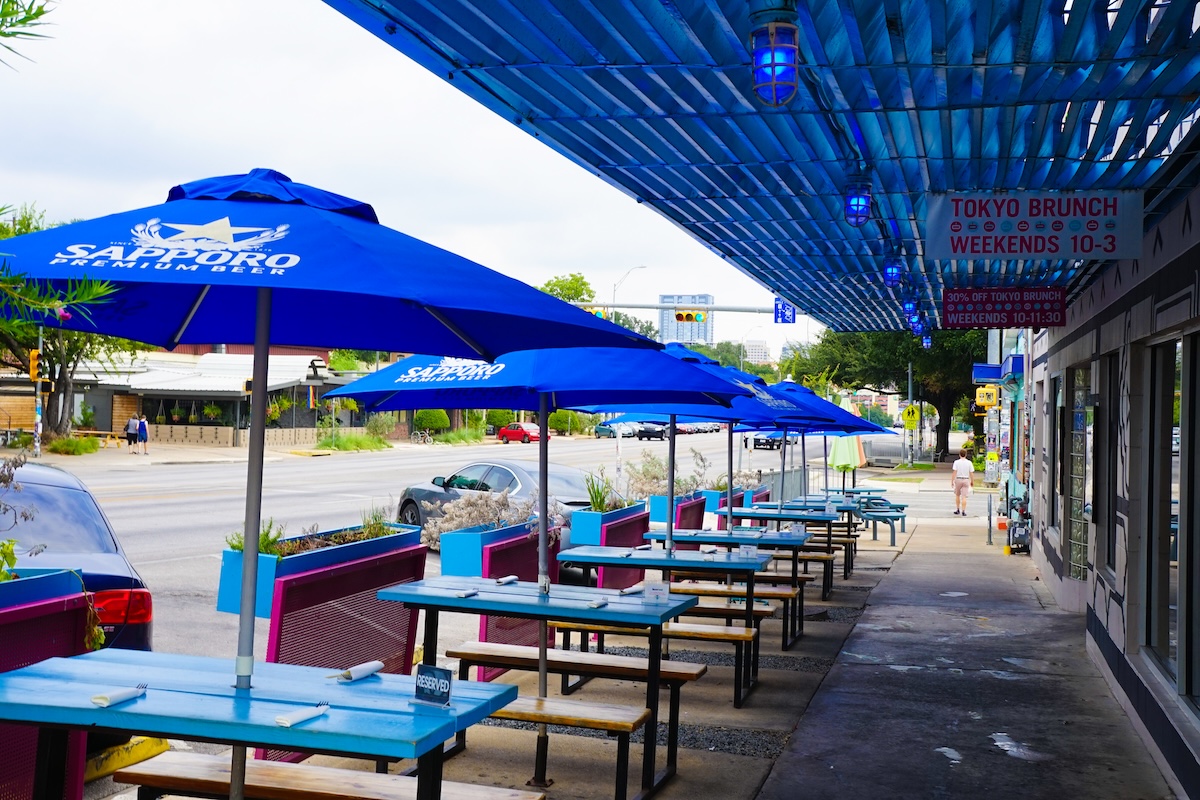
“SoCo” built its reputation through the kind of organic creative development that happens when cheap rents attract interesting people before the real estate market figures out what’s going on. Vintage clothing stores, food trailers, independent music venues, and local restaurants occupy a stretch of South Austin that maintained its character through decades of pressure from the city’s explosive growth.
Food trailer parks cluster along the route, creating informal gathering spaces between storefronts where strangers share picnic tables without any social awkwardness. The Austin personality shows most clearly here: creative, unpretentious, and deeply committed to keeping things weird. The street connects the Congress Avenue Bridge to downtown with enough variety to justify slow exploration in both directions.
7. Third Street Promenade, Santa Monica
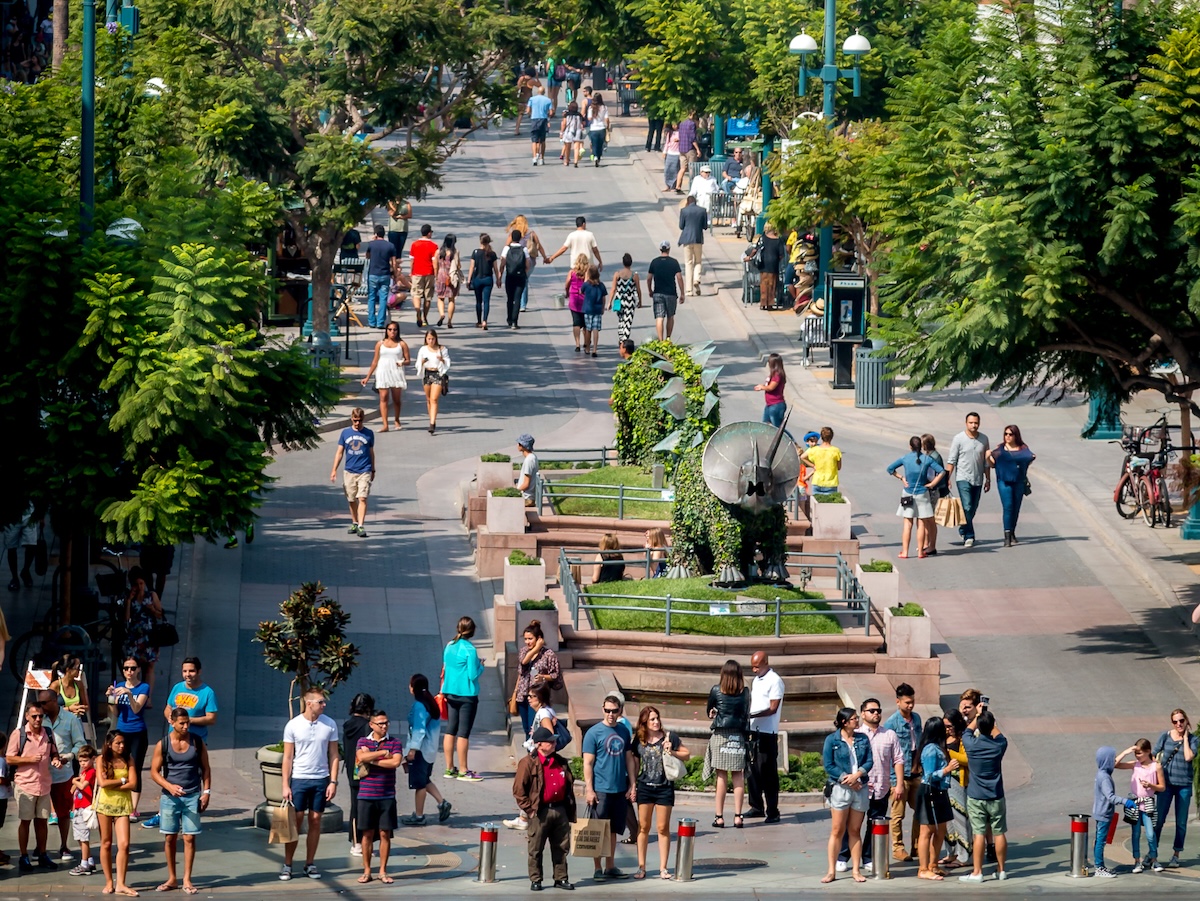
Three blocks of pedestrian-only retail and dining surrounded by California sunshine shape a walking experience that makes walkability feel almost unfairly easy. Street performers claim territory at regular intervals along the promenade, entertaining the steady stream of tourists, local residents, and Santa Monica College students sharing the broad corridor.
The Pacific Ocean sits just three blocks west, close enough to smell on good days and reach within a short walk. The climate alone makes this one of America’s most pleasant streets to walk year-round, which feels like cheating compared to Burlington in January.
6. King Street, Charleston
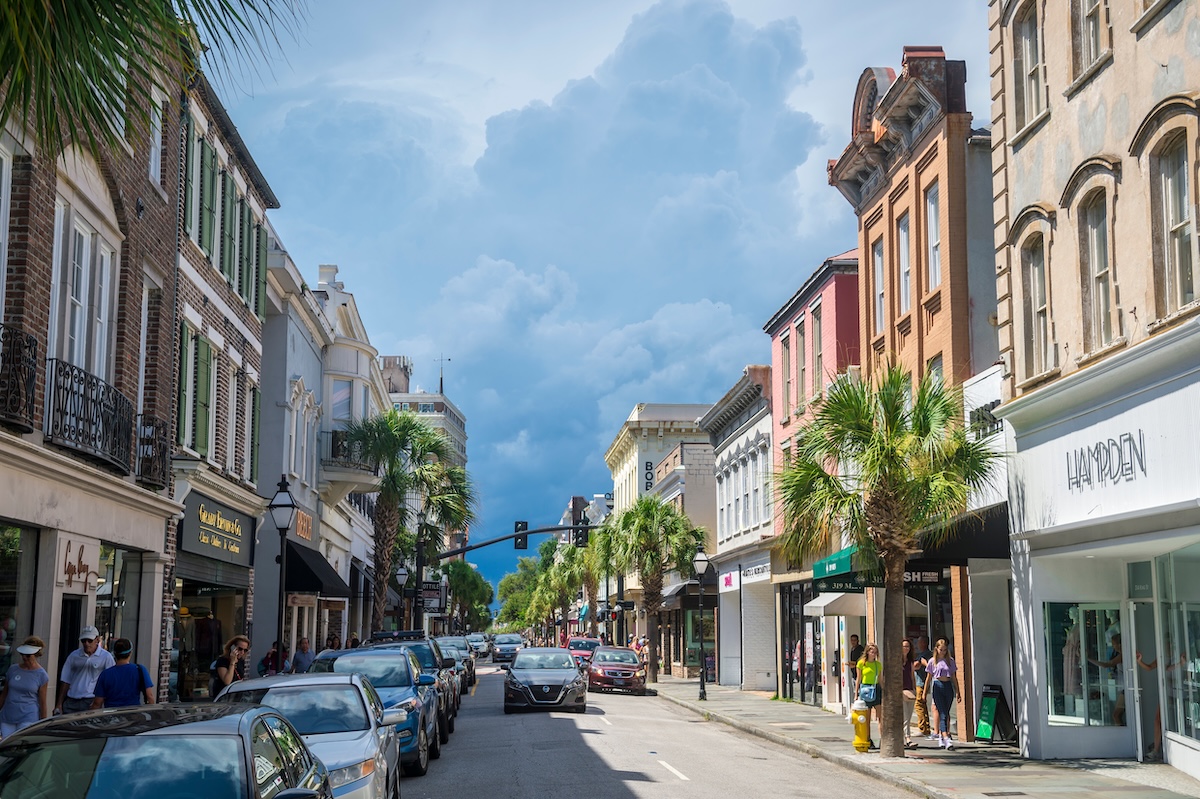
Charleston’s commitment to architectural preservation pays dividends here, where antebellum buildings house restaurants and boutiques within walls that survived the Civil War, multiple hurricanes, and the general forces of American commercial development. Independent retailers dominate the commercial blocks, with a local restaurant culture particularly strong at the southern end near Broad Street.
Local preservation ordinances control building heights and facade modifications so strictly that King Street maintains visual coherence across several centuries of construction. The walkability extends beyond the main corridor into surrounding residential neighborhoods worth exploring once you’ve covered the primary stretch. Few American streets beg for both purposeful shopping and aimless wandering with equal success.
5. Market Street, San Francisco
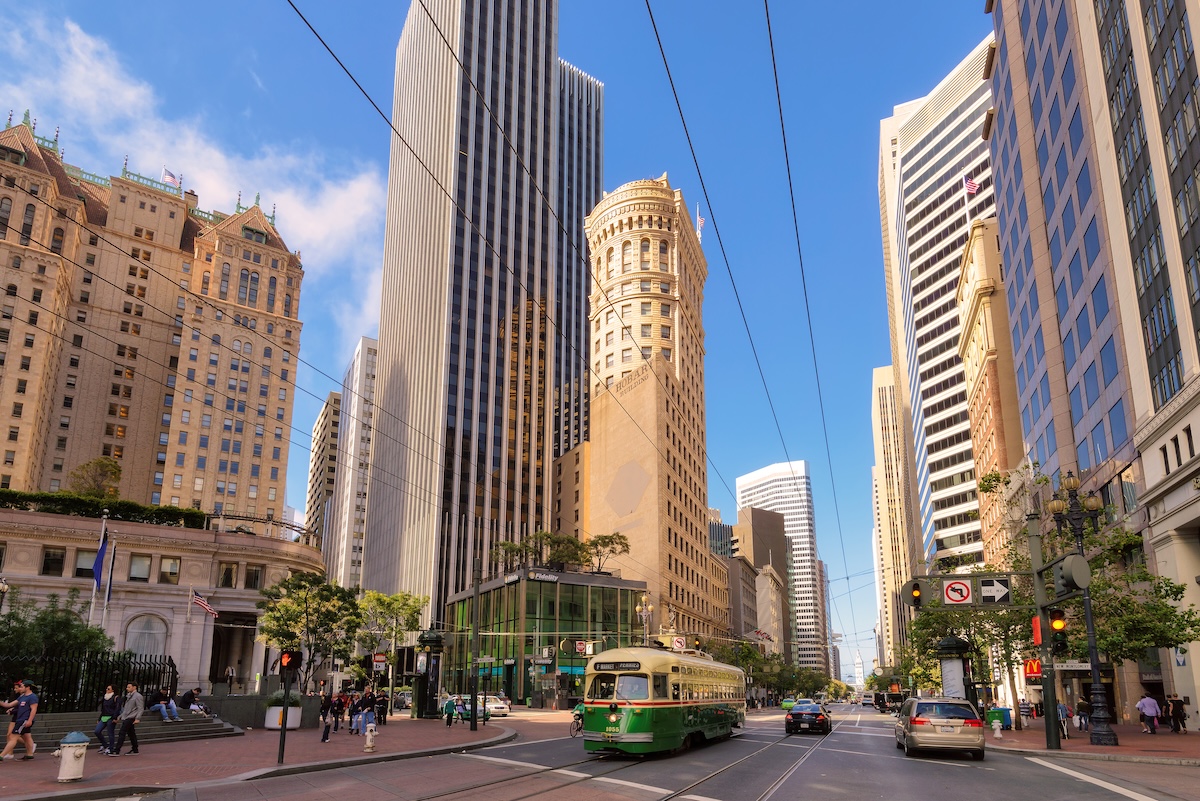
San Francisco’s main diagonal thoroughfare cuts through multiple distinct neighborhoods on its journey from the Ferry Building to the Castro, changing personality every few blocks. The Ferry Building at the eastern end houses one of America’s best food markets, making it a destination worth walking toward regardless of what happens along the way.
Cable cars, historic streetcars, and BART all share the corridor with pedestrians, creating transportation density that reflects the city’s serious commitment to moving people without cars. Hills reveal unexpected city views between buildings, while neighborhood transitions from the Financial District through Civic Center to the Castro provide enough cultural variety to sustain attention across the full length.
4. State Street, Madison
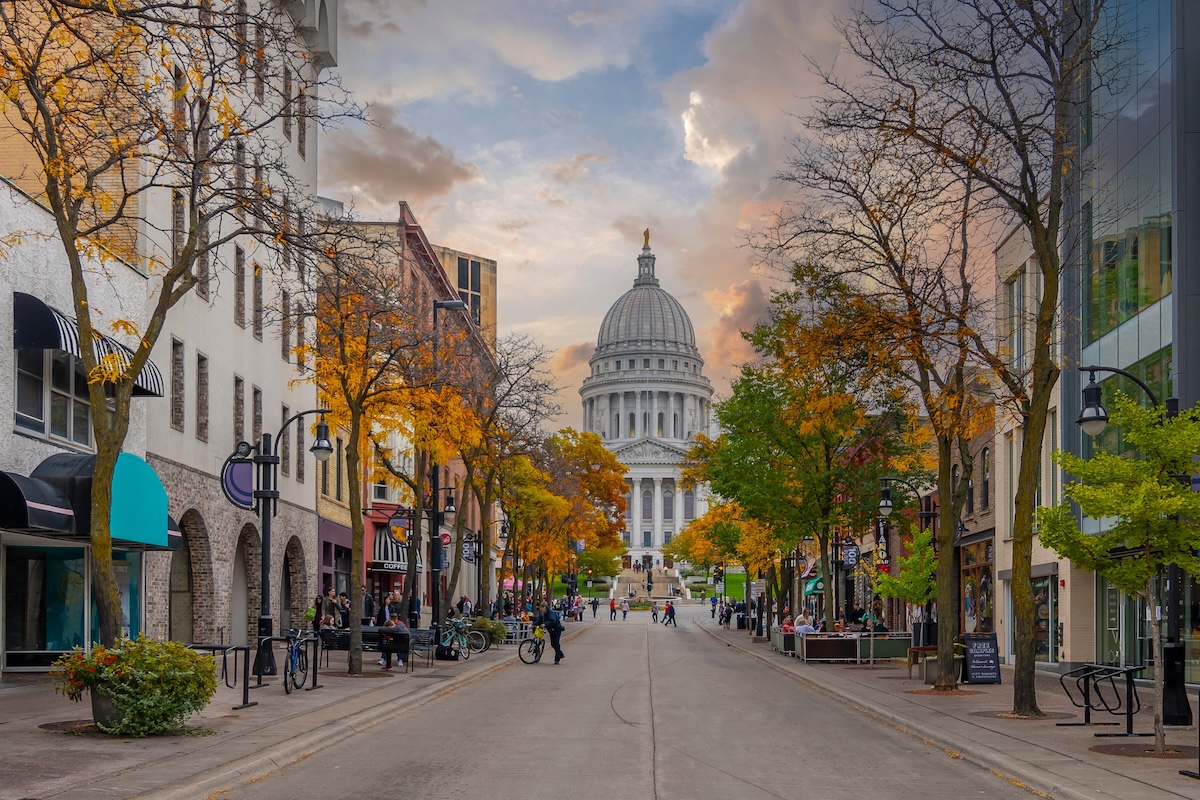
University of Wisconsin students keep this corridor between the State Capitol and campus perpetually alive with foot traffic that sustains independent businesses through decades of economic cycles. Eight blocks of mostly pedestrian-priority pavement support local restaurants, record stores, bookshops, and coffee houses reflecting Madison’s progressive university culture, because chain stores simply cannot.
The Capitol building at one end provides an architectural anchor that most college town main streets lack, while campus energy at the other end ensures the street stays active well into evening hours. Wisconsin winters test these walkability claims seriously, but the general hardiness of Midwesterners and some strategic heated connections between buildings keep State Street busy year-round.
3. Pearl Street, Boulder
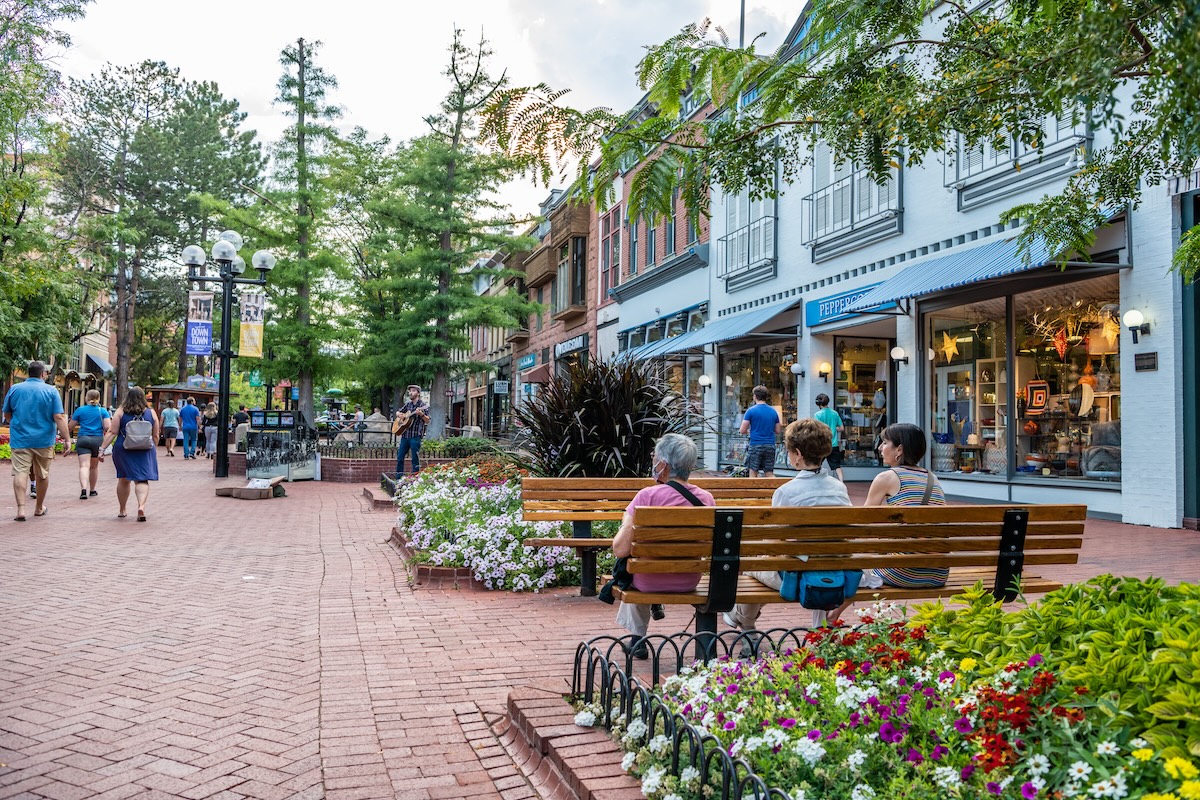
Few American walking streets match the combination of mountain scenery, outdoor culture, and independent retail that Boulder has concentrated into four pedestrian blocks. The flat mall connects to walkable neighborhoods extending in every direction, making Pearl Street a natural hub for a city that treats pedestrian infrastructure as seriously as most American cities treat highway construction.
Street performers earn regular spots on the brick-paved corridor while local restaurants spill outdoor seating onto wide sidewalks during Colorado’s generous warm season. The Flatirons mountain formation visible to the west provides a backdrop that no planning committee could replicate through design alone. Most pedestrians wear hiking gear, treating Pearl Street as a warm-up for mountain activities.
2. Church Street Marketplace, Burlington
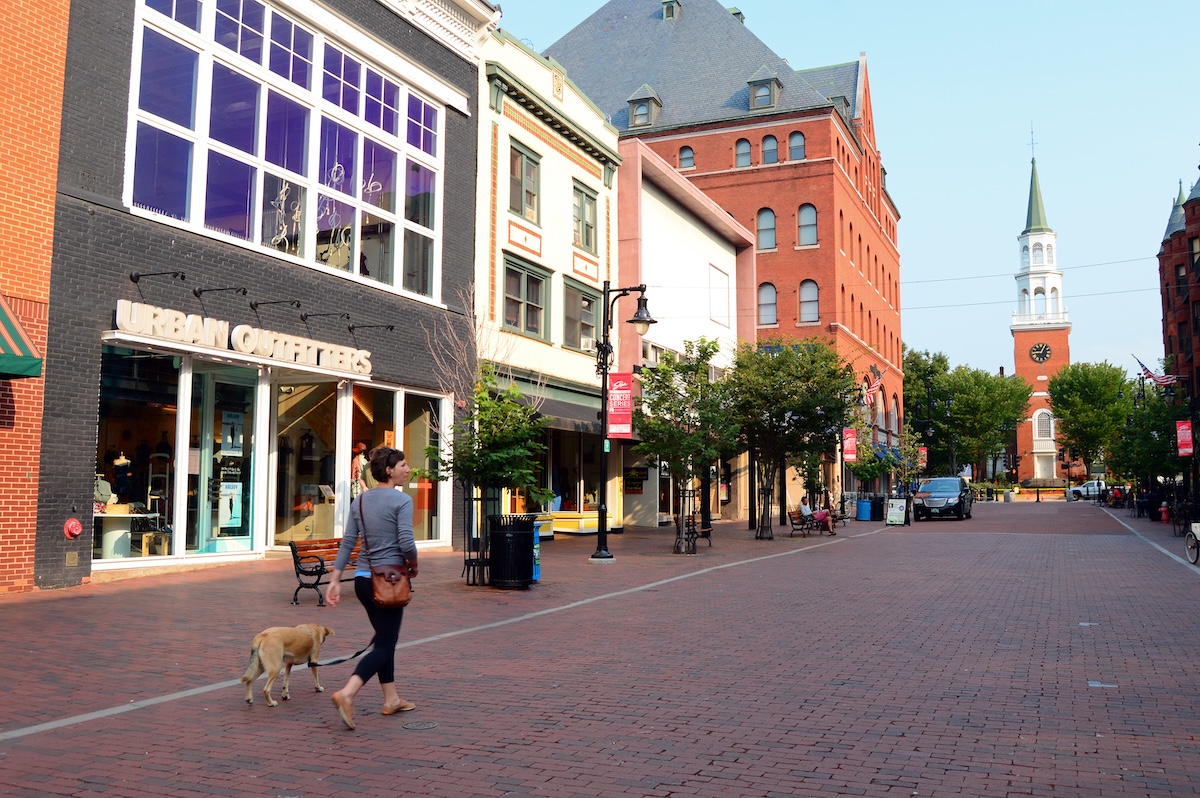
Vermont’s largest city built a four-block pedestrian marketplace that punches well above its weight class, hosting more independent character per square foot than most American streets manage across much larger areas. Burlington kept chains at bay long enough to develop a local business culture. Now, Saturday farmers’ markets and outdoor concert series reinforce that ideology.
Lake Champlain views and mountain scenery amplify an already strong street-level experience throughout the year. Vermont’s dramatic seasonal shifts transform the marketplace completely between summer and winter, with outdoor festivals giving way to holiday markets that keep the corridor active even during serious cold snaps.
1. Main Street, Lake Placid
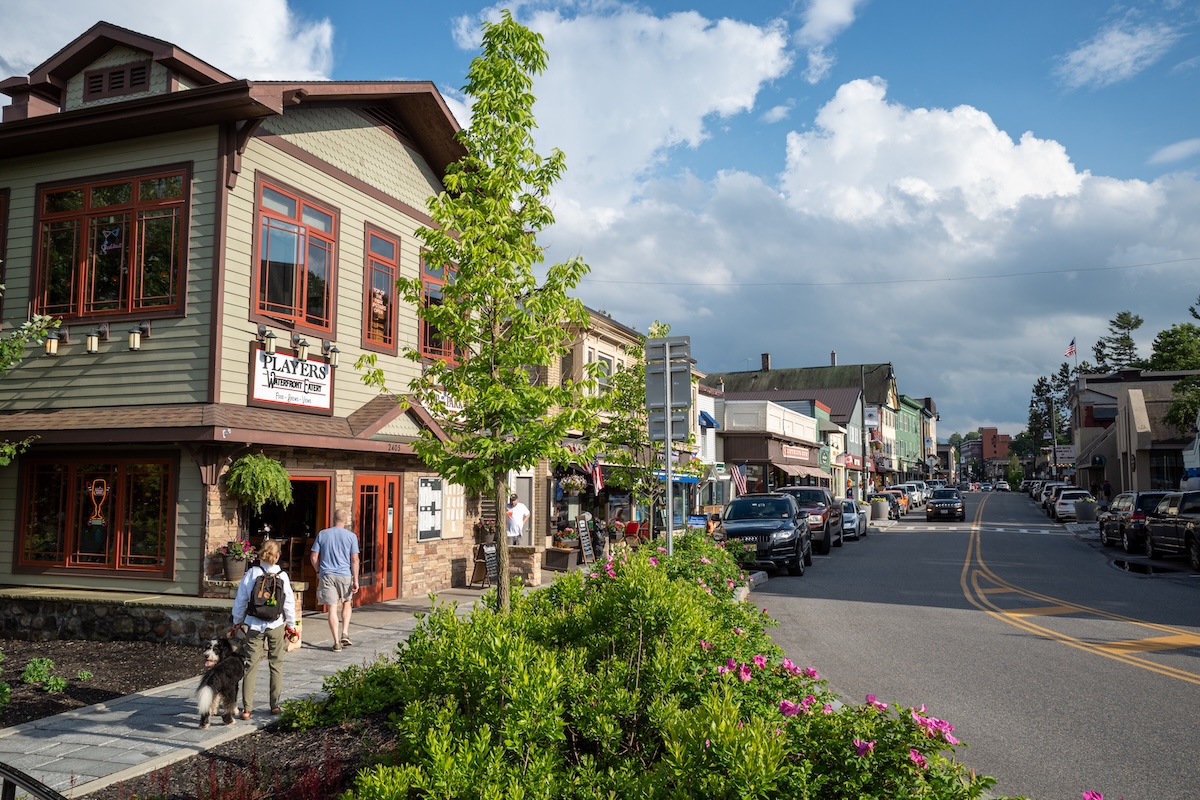
Olympic history saturates every block of this Adirondack village’s main corridor, where two Winter Games left behind world-class athletic facilities while the town itself stayed small enough to walk end-to-end in under ten minutes. It is defined by a combination of mountain scenery, year-round outdoor recreation access, and a commercial district that maintained an independent character through decades of tourism.
Every season transforms the street completely: summer hiking culture gives way to fall foliage tourism, which surrenders to winter skiing energy before spring finally returns. Lake Placid operates at a scale where storekeepers actually recognize returning visitors, giving Main Street the community quality that larger walkable streets often sacrifice for foot traffic volume. The street works because the town around it works, and that combination proves extremely rare.