
Every state in America has its own special food that locals swear by and visitors just have to try. These dishes carry stories—about the people, the history, and all those quirky local traditions. Some foods are famous everywhere, others might catch you off guard.
From Maine’s lobster rolls to Texas barbecue, each state puts something on the table you won’t really find anywhere else. You’ll stumble on sweet treats like Ohio’s buckeye candy, Indiana’s sugar cream pie, or even Colorado’s Rocky Mountain oysters (yep, those). Many of these recipes have been handed down for ages, showing up at family tables and small-town diners.
If you set out to taste your way through all 50 states, you’ll wander into seafood shacks by the coast, classic southern diners, Midwest cafes, and western grills. Expect everything from old-school desserts to sandwiches piled high, and some regional oddities that might sound weird at first but totally win you over once you dig in.
Alabama: Alabama lane cake
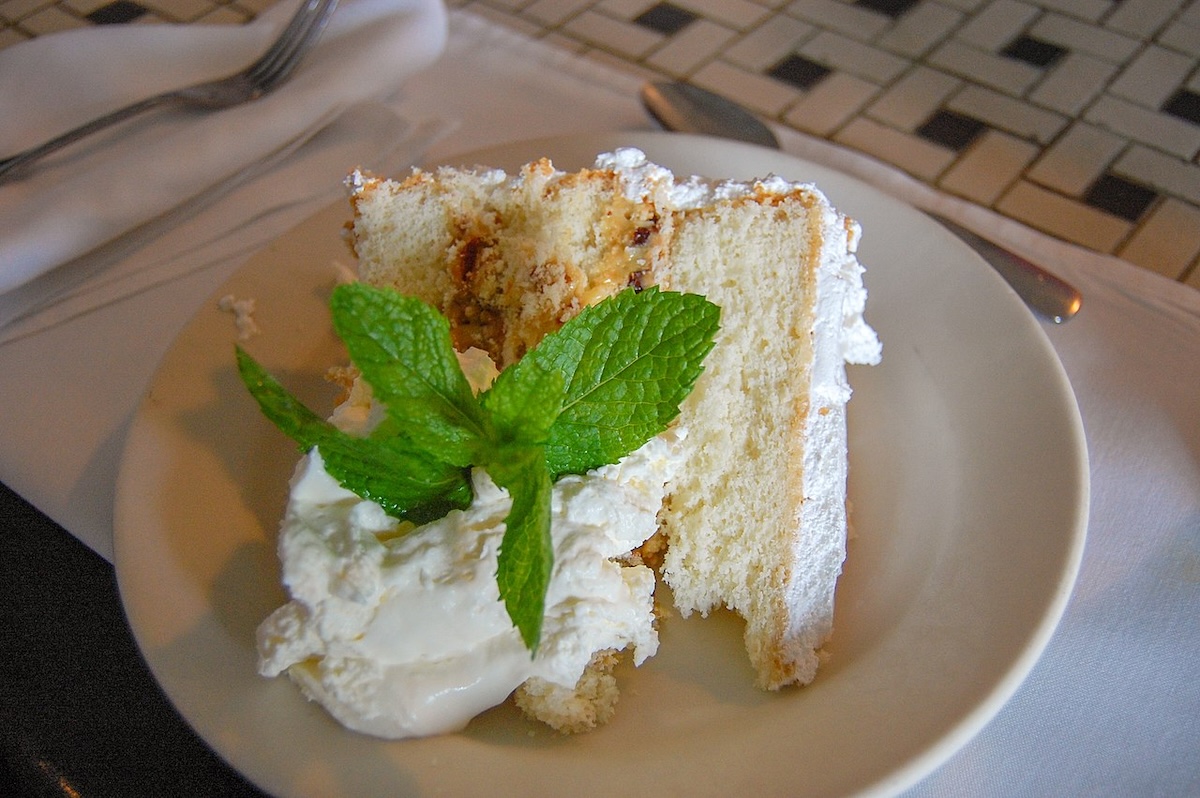
Alabama Lane Cake is a sweet concoction of white sponge cake, pecans, and bourbon-soaked raisins, made for celebratory occasions. It’s the state’s official dessert and gets a mention in Harper Lee’s classic “To Kill a Mockingbird.”
Back in 2016, Alabama made Lane cake its official state dessert. Emma Lane, who grew up in Alabama, invented this cake in the 1890s and even snagged first place at a Georgia County Fair in 1898 with her recipe.
This Southern classic comes together with layers of white sponge cake. The filling? Bourbon or whiskey, raisins, pecans, and coconut all mixed together. Then it’s finished off with a sweet frosting.
Harper Lee even gave it a shout-out in “To Kill a Mockingbird.” These days, you’ll spot all sorts of versions around the South, but a lot of folks stick to Emma’s original—boozy and all.
Alaska: King crab
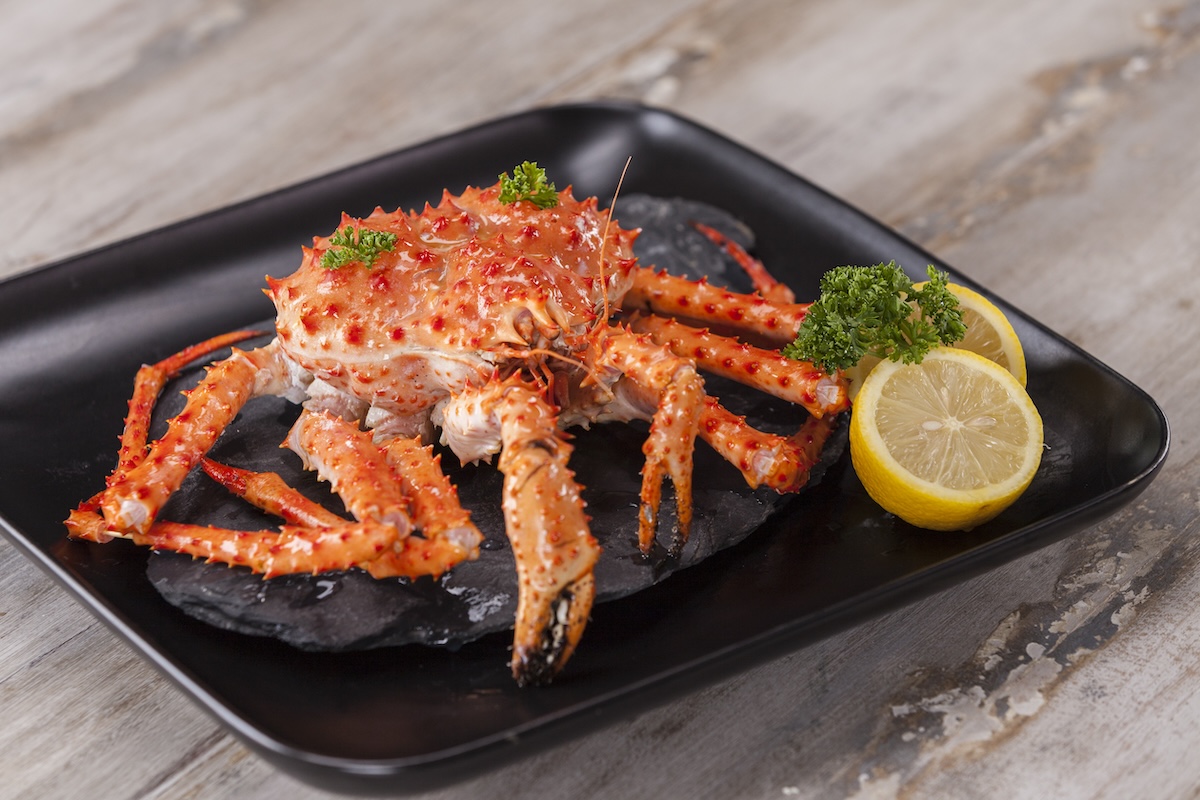
If you’re in Alaska, king crab is the one thing you can’t skip. These crabs are huge—some tip the scales at 25 pounds with legs stretching three feet across.
The meat’s sweet and tender. People just crack the shell, dunk it in melted butter, and dig in. The dockside shacks in Juneau are a favorite spot, especially when you can watch the boats haul in the day’s catch.
Alaska’s icy waters give this crab a flavor you just don’t get anywhere else.
Arizona: Chimichangas
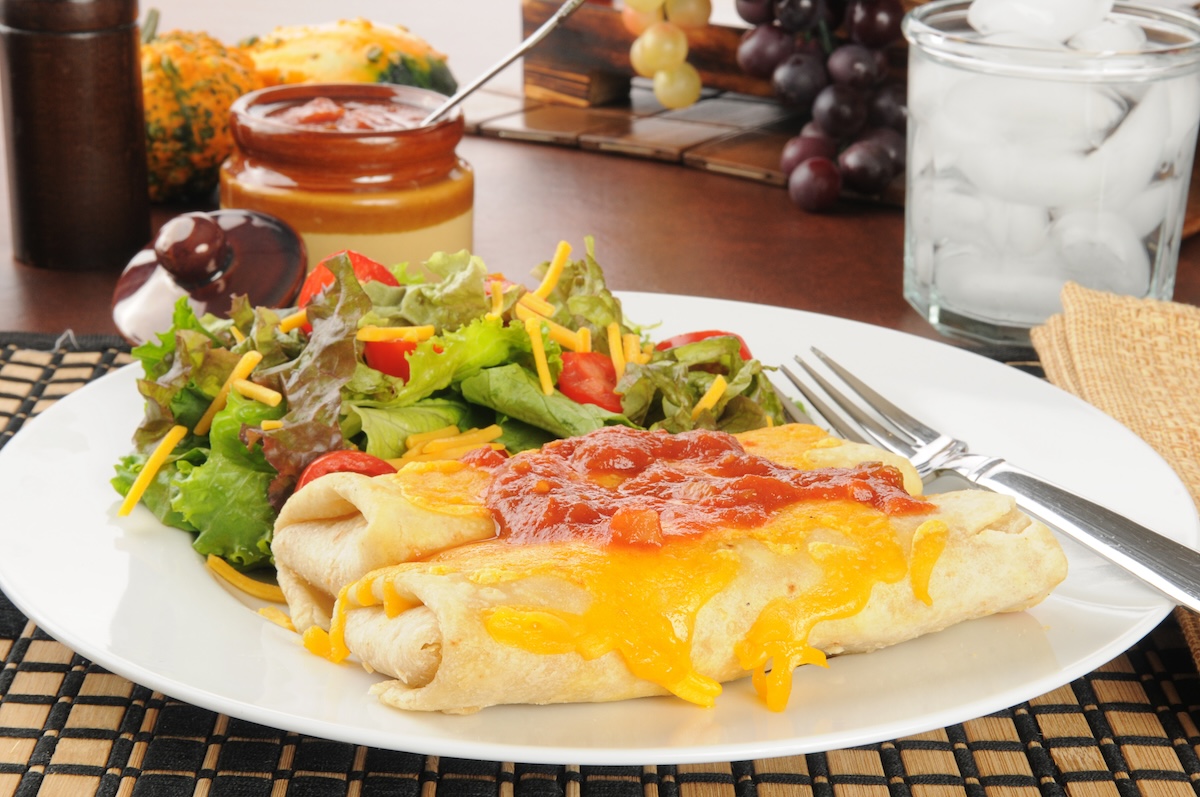
Arizona and chimichangas go hand in hand. Legend says someone accidentally dropped a burrito into hot oil, and, well, the rest is history.
The result? A crispy, golden shell stuffed with seasoned meat, beans, and cheese. Pretty much every Mexican spot in Arizona has them, usually drowning in red or green chile sauce and gooey cheese.
The best chimichangas? Most locals point you to Tucson or Phoenix—those recipes have been tweaked and perfected for years. Don’t forget to pile on sour cream, guac, and salsa for the full effect.
Arkansas: Chocolate gravy
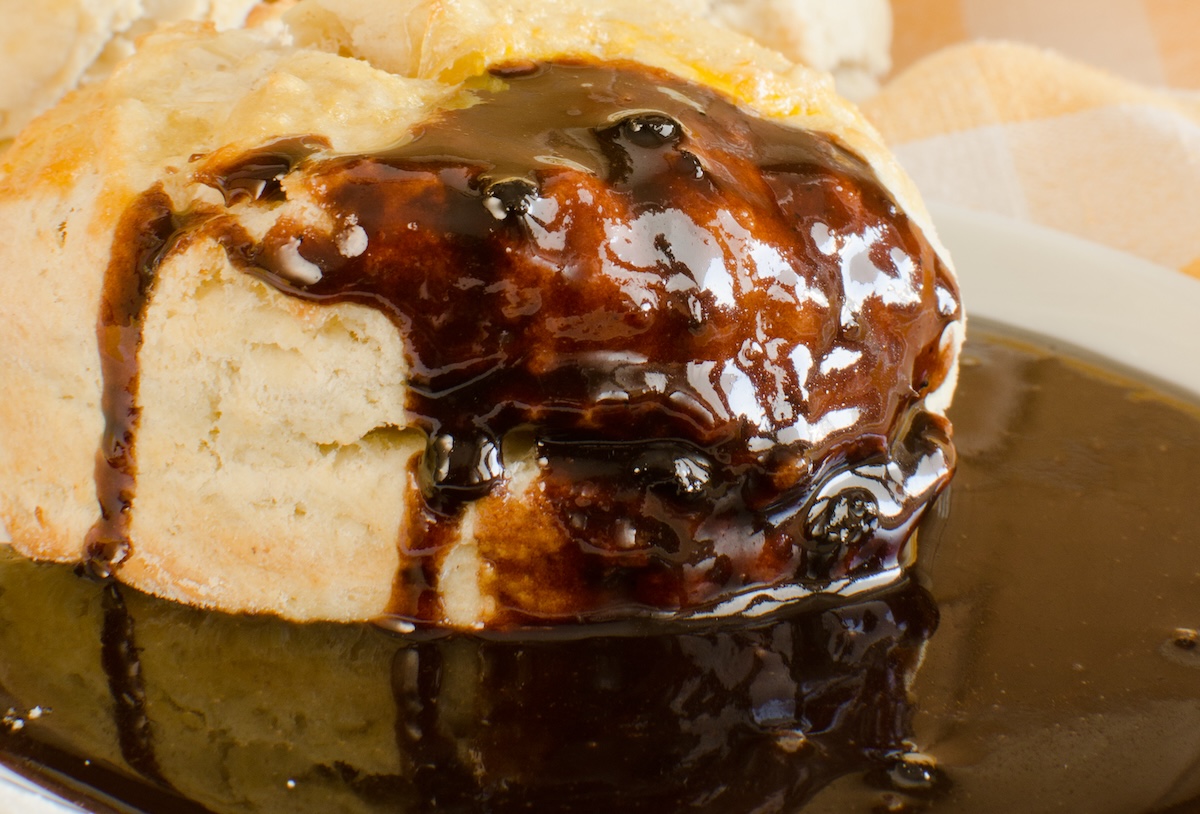
Chocolate gravy for breakfast? Only in Arkansas, especially up in the Ozarks. Locals have been loving this for generations.
This sweet, chocolatey sauce comes together with cocoa, sugar, milk, butter, and flour. Instead of pouring it on meat, you drizzle it over warm, buttery biscuits. It’s pure comfort food.
Chocolate gravy started in the Appalachian and Ozark regions as a cheap treat. Now you’ll find it in diners all over Arkansas, drawing in both curious tourists and locals looking for a taste of home.
California: Sourdough bread
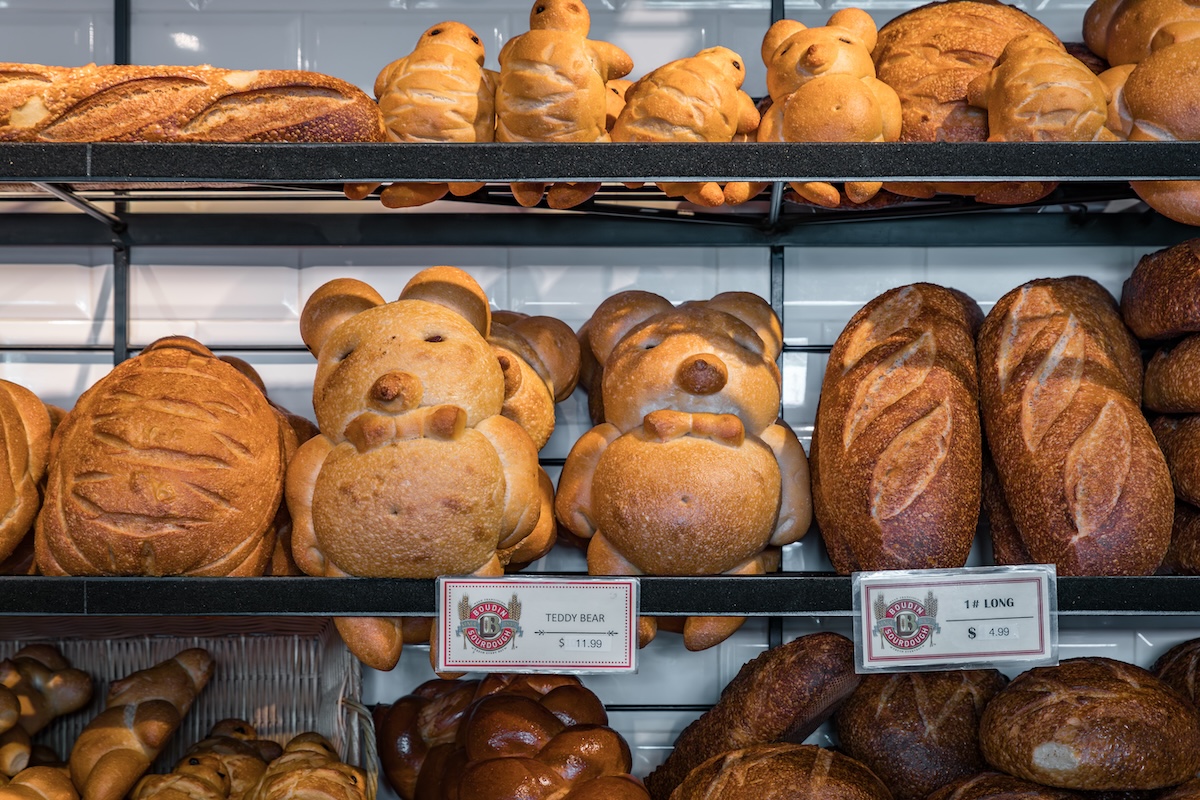
No California food list is complete without sourdough bread. Back in the Gold Rush, miners and bakers found the wild yeast in the air made their bread tangy and unique.
San Francisco turned sourdough into a legend, but you’ll spot fantastic loaves all over the state. Bread bowls are especially popular—bakeries carve out a round loaf and ladle in clam chowder or soup. The bread soaks up all that flavor, and you end up eating the whole thing.
Colorado: Rocky Mountain oysters
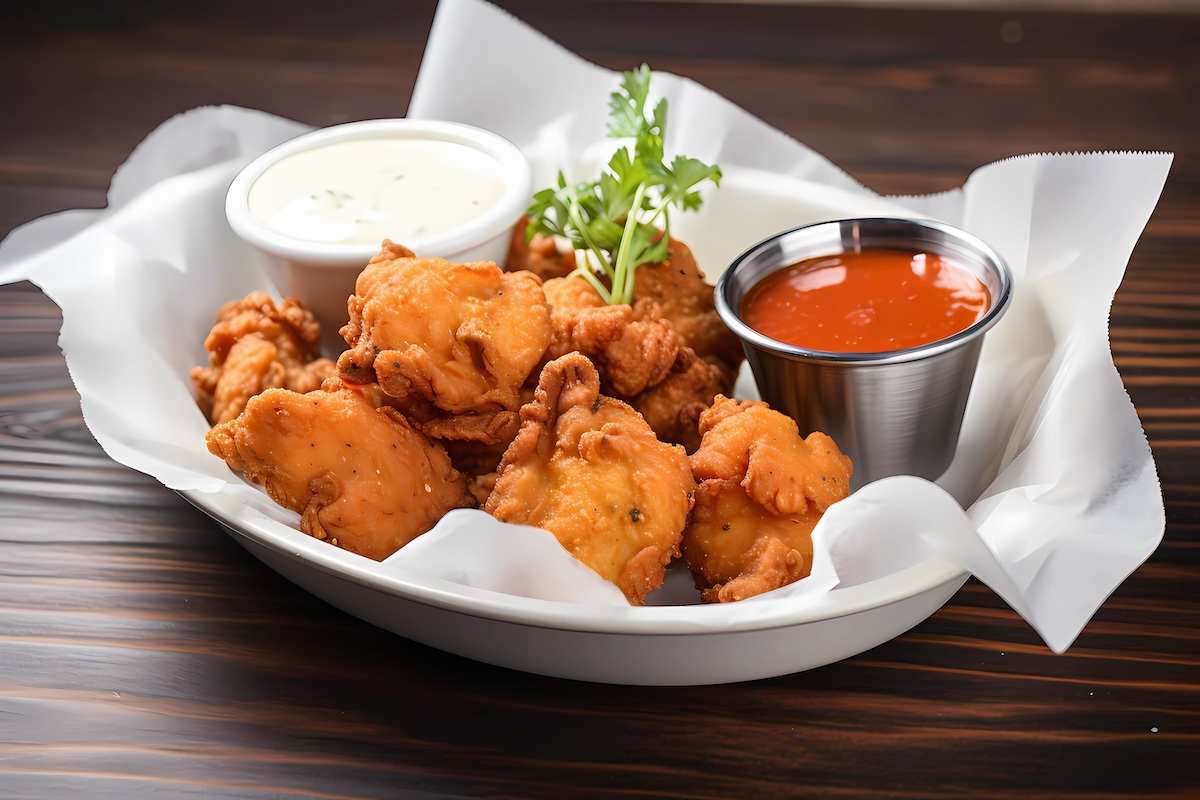
Despite the name, Rocky Mountain oysters aren’t seafood—they’re bull testicles, breaded and deep-fried until crispy. It’s a Colorado thing that’s stuck around for over a hundred years.
Festivals, mountain pubs, and roadside diners serve them up with sauces like chipotle aioli or ranch. Honestly, locals treat it as a rite of passage and love daring out-of-towners to give them a shot.
Connecticut: Hot lobster rolls
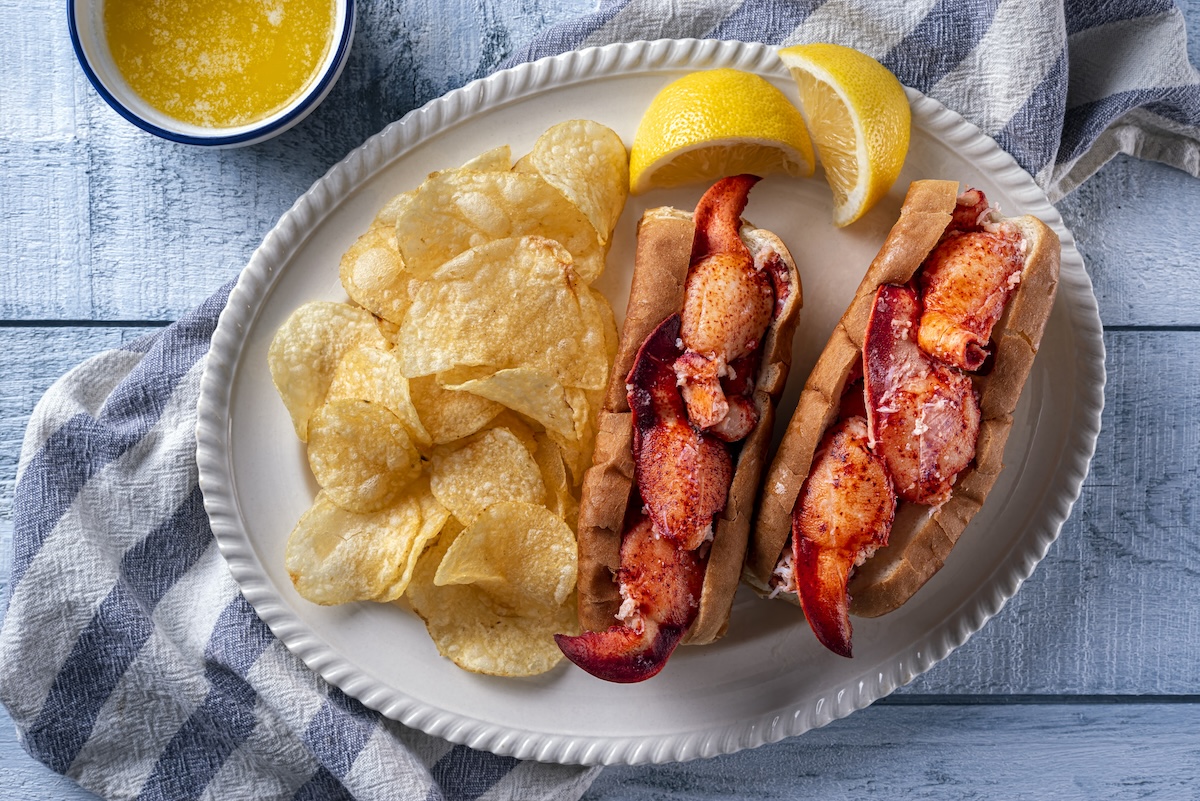
Connecticut does lobster rolls differently. Coastal seafood shacks serve them warm, drizzled in melted butter, instead of the cold, mayo-filled versions you’ll find elsewhere in New England.
The story goes that in the 1920s, a Milford chef whipped one up for a traveling salesman who wanted a quick lobster sandwich. The warm butter brings out the lobster’s sweetness, and the toasted bun soaks up every last drop.
Delaware: Dilly crab dip
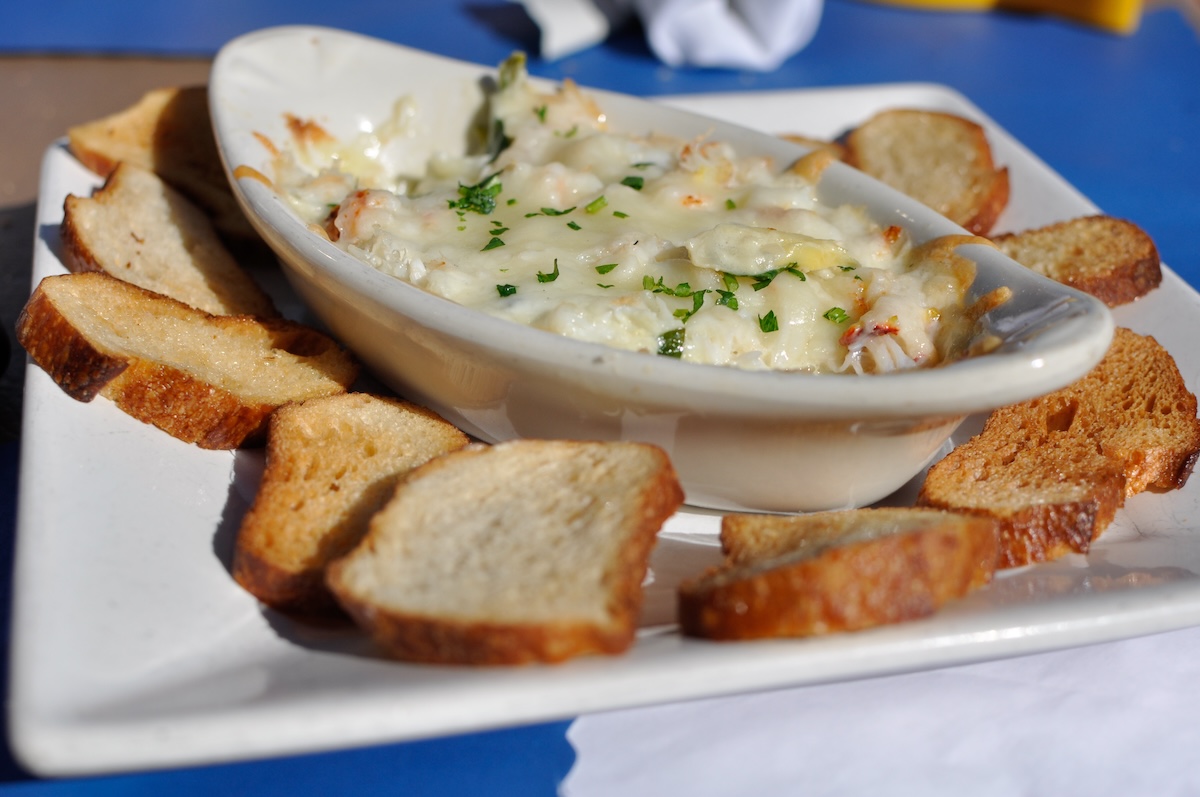
Delaware sits between the Delaware and Chesapeake Bays, so seafood is everywhere. When locals want something a little special, they go for crab dip.
Dilly crab dip stands out because you mix flaked crabmeat with mayo, sour cream, and a generous amount of dried dill. Most people serve it cold, making it perfect for summer parties or tailgates.
Restaurants across the state serve this dip, and honestly, it’s one of those flavors that just shouts “Delaware.”
Florida: Key lime pie
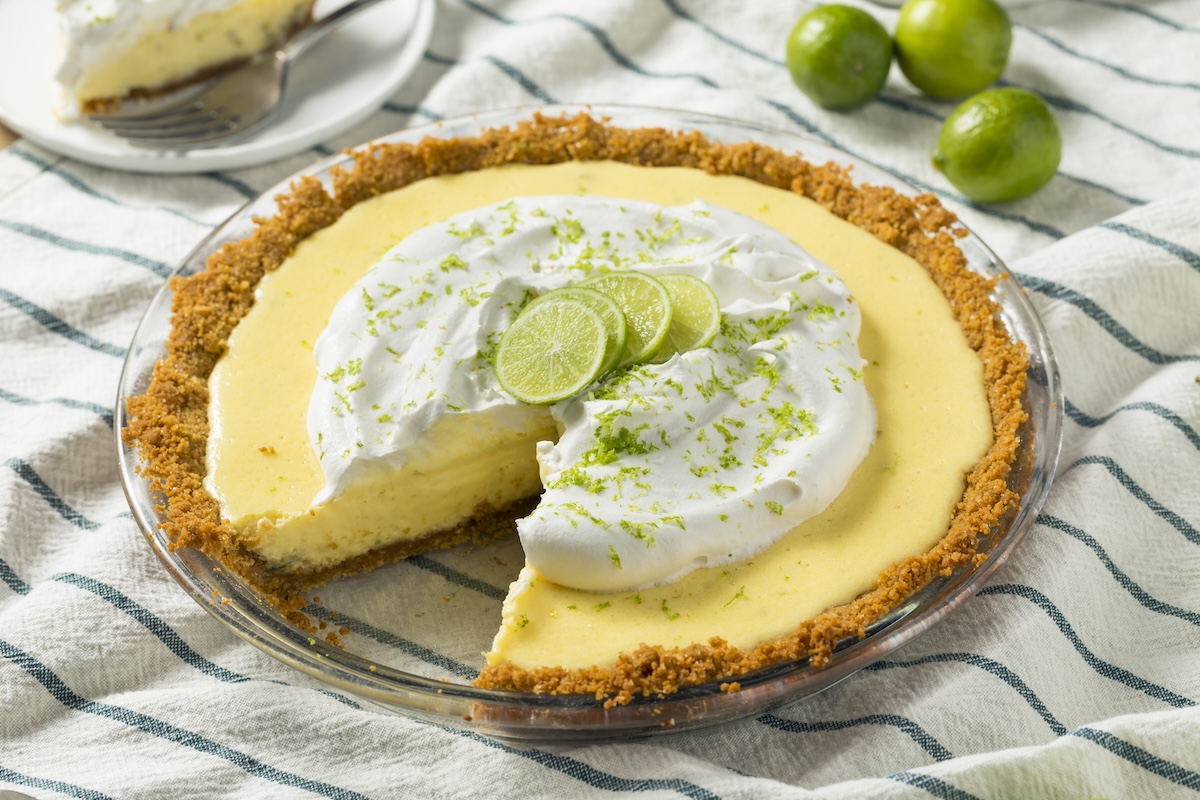
Florida’s official pie is the legendary key lime pie, and you’ll see it in bakeries all over the state. It got its official title in 2006, but locals have loved it for way longer.
The real thing uses key limes and condensed milk for a pale yellow filling—never green. The custard sits in a graham cracker crust, topped with whipped cream.
Key limes are tiny and packed with seeds, so juicing them takes patience. That tart flavor, though, makes it all worth it.
Georgia: Peach cobbler
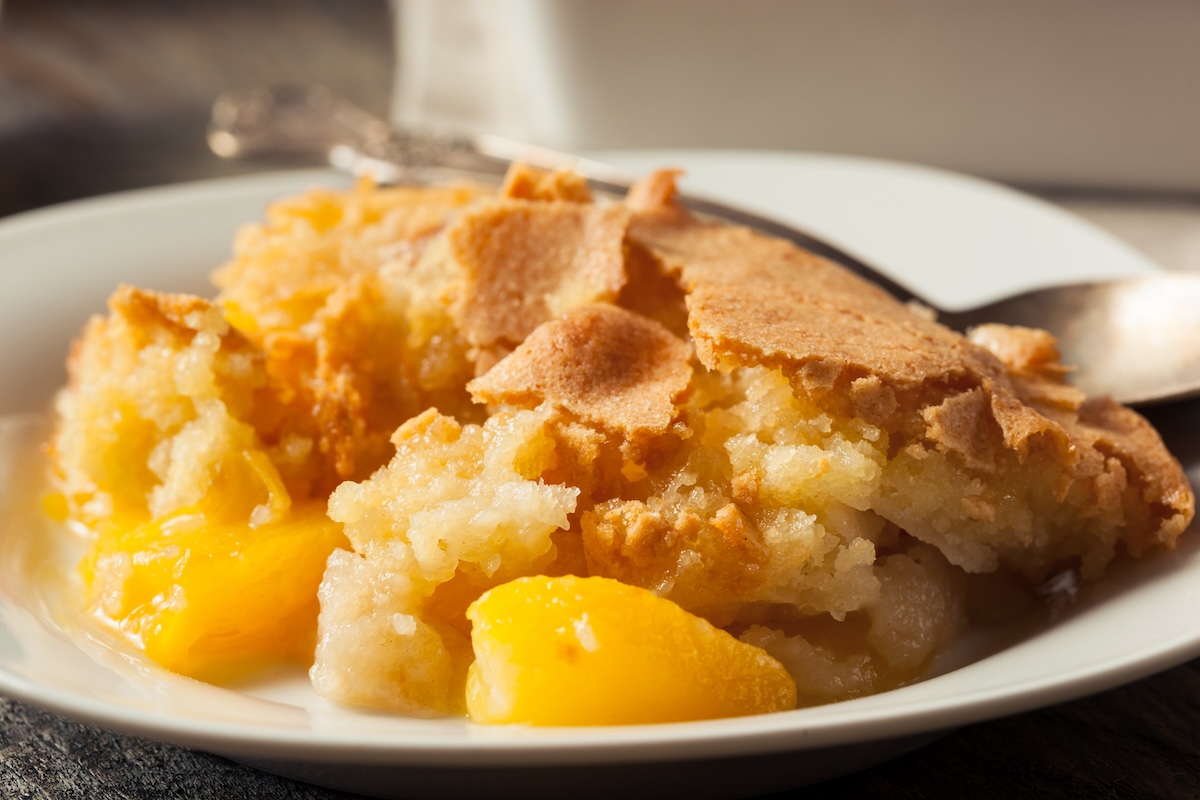
Georgia’s called the “Peach State” for a reason. With 40+ peach varieties and thousands of tons grown, it’s no wonder peach cobbler is the dessert of choice.
Restaurants and home cooks across Georgia bake up this warm, sweet treat with fresh peaches and a buttery, crisp crust.
The Georgia Peach Festival even bakes the World’s Largest Peach Cobbler every year. It’s a summer thing, and honestly, it’s hard to beat.
Hawaii: Poi
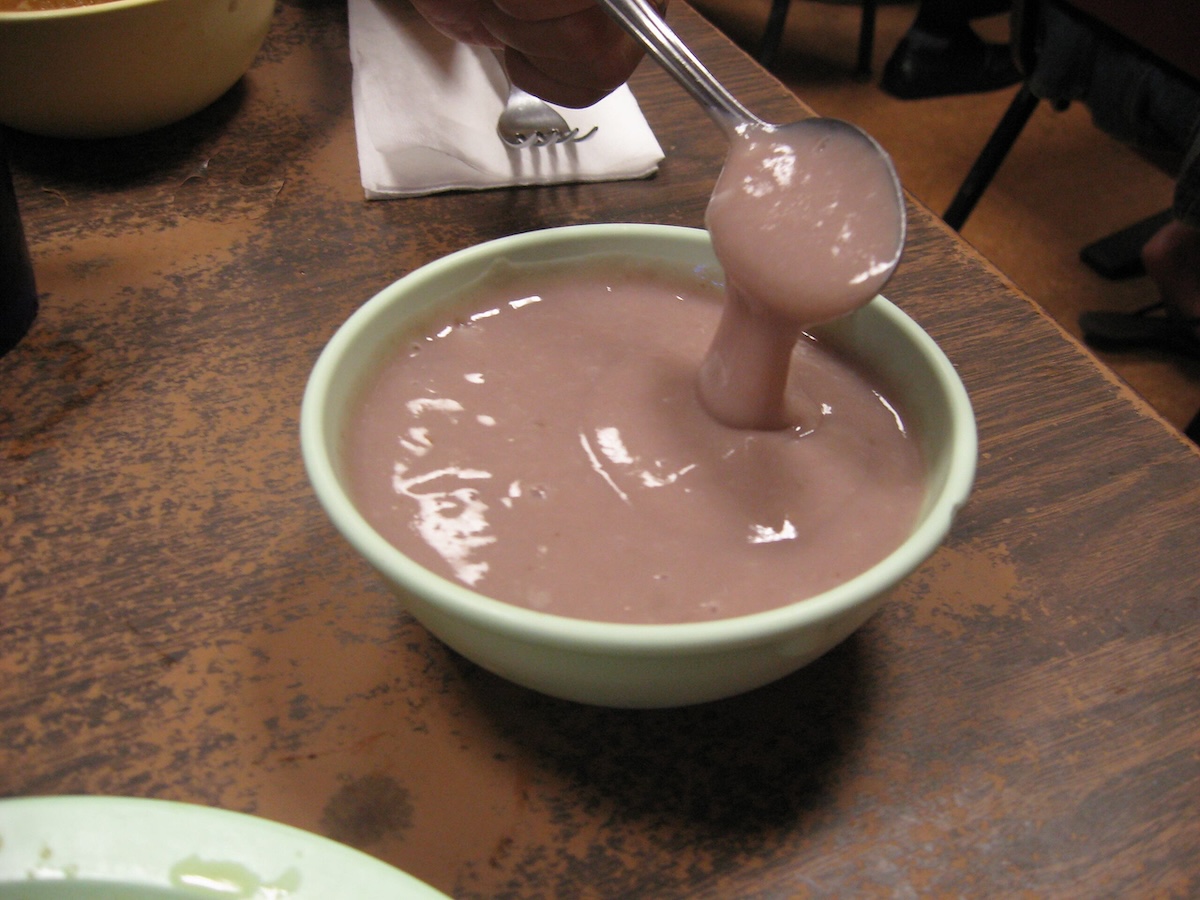
In Hawaii, you really have to try poi. It’s a purple paste made by pounding taro root—a tradition that’s been around forever.
Local spots across the islands sell poi in bags. Waiahole Poi Factory on O’ahu has been making it since 1905, so they know what’s up.
The texture is silky, the taste is a little sour, and people either eat it straight or mix it with other dishes. More than food, poi connects Hawaiians to their roots—literally and culturally.
Idaho: Finger steaks
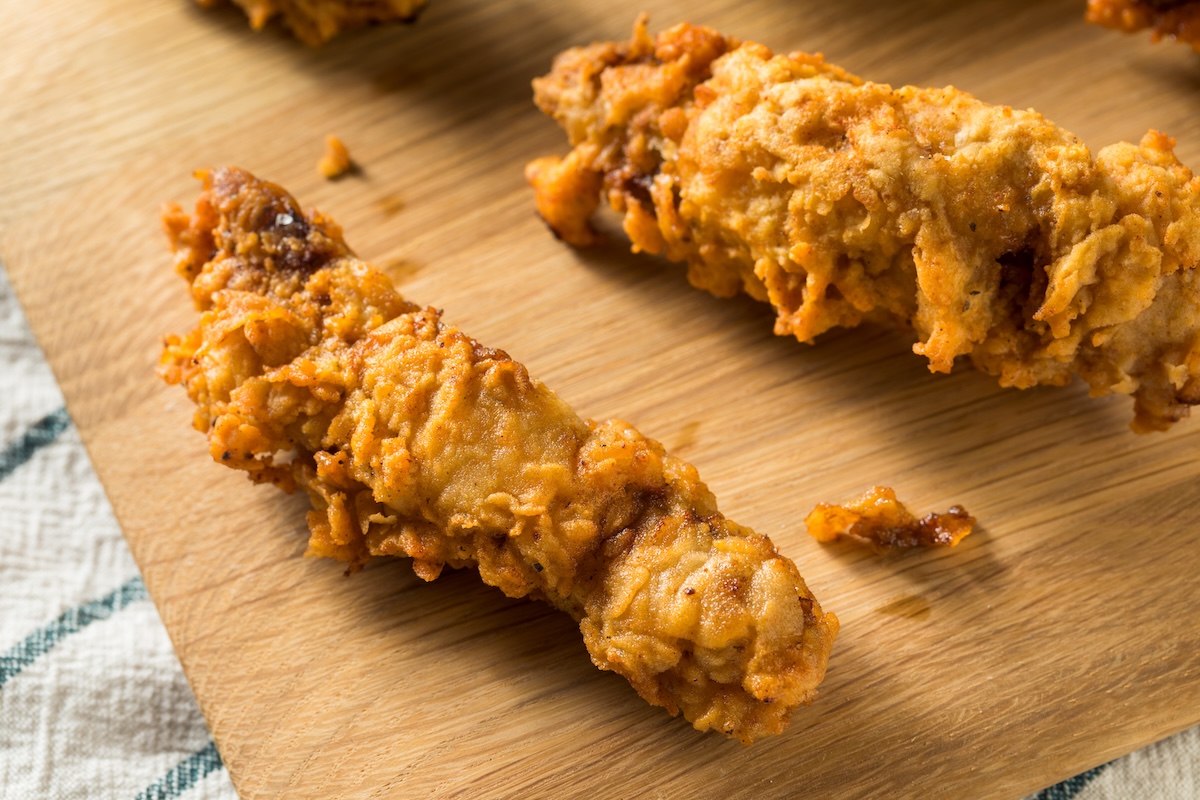
Everyone thinks potatoes when they hear Idaho, but finger steaks are the real local favorite. These battered, deep-fried steak strips started in Boise in the 1950s—kind of the Northwest’s answer to fried chicken.
Bars, diners, and family restaurants all serve them, usually with fry sauce or cocktail sauce. Every Idahoan has an opinion about the best spot to get them, and honestly, they’re all a little different.
Illinois: Chicago deep dish pizza
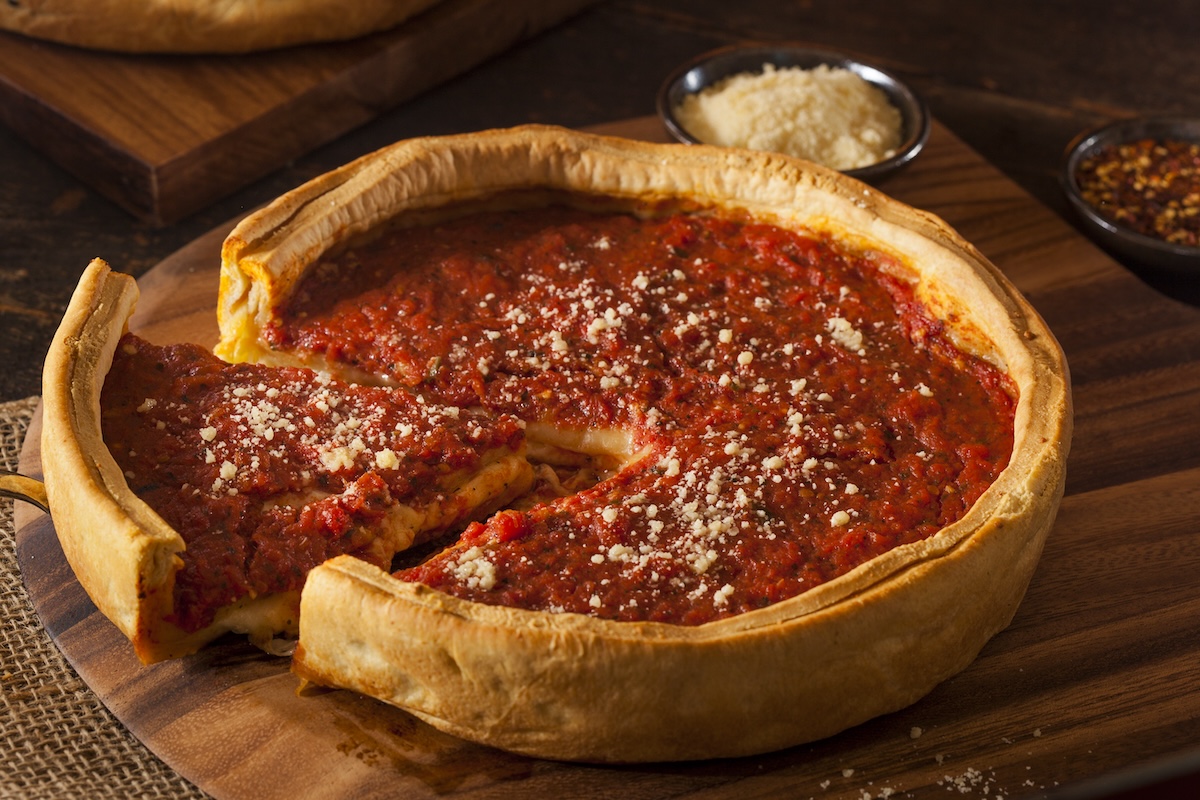
Deep dish pizza is Illinois’ claim to fame, especially in Chicago. Forget flat slices—this pie has thick, buttery crust rising up the sides of a deep pan, holding in all the layers.
Cheese goes on first, then toppings like sausage or veggies, and finally a chunky tomato sauce. It’s pizza, just upside down.
Lou Malnati’s says their family helped invent it back in 1943, and they’re still making it the same way. Chicago’s packed with great deep dish spots—just be ready for a fork and knife.
Indiana: Sugar cream pie
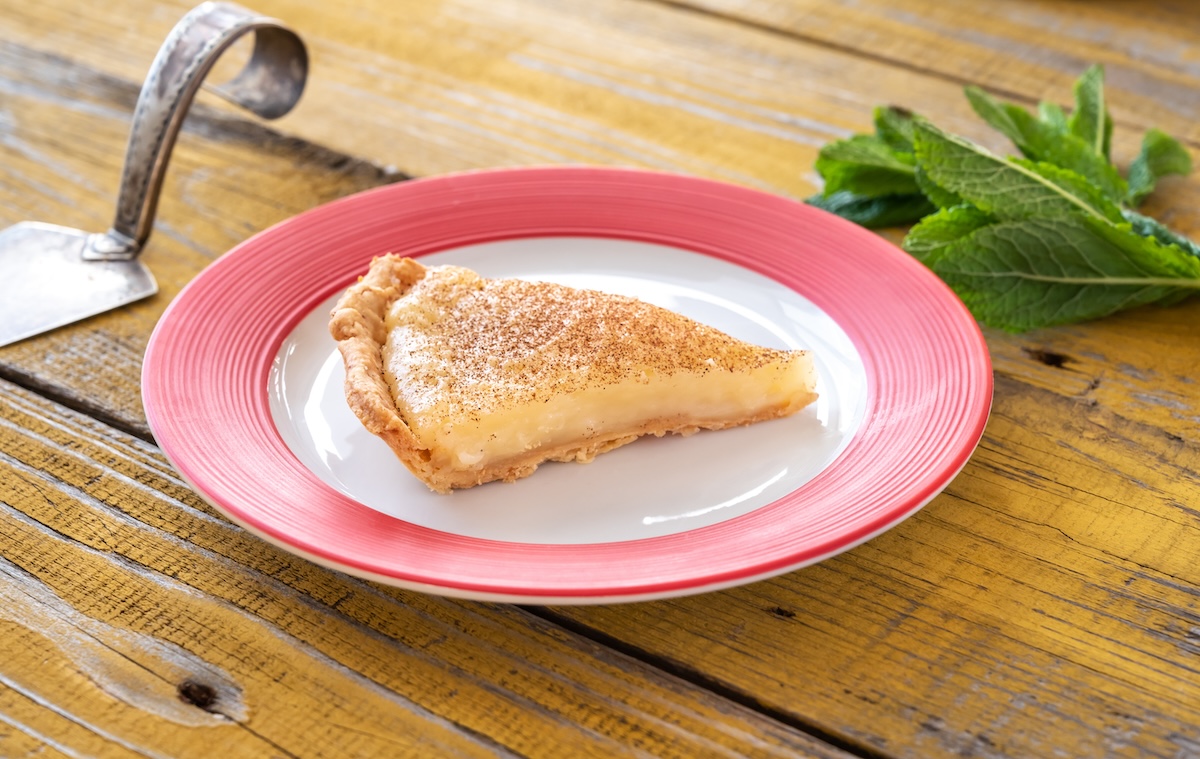
Indiana’s unofficial state pie since 2009, sugar cream pie is sometimes called “desperation pie” because you make it from stuff you probably already have in your kitchen.
The filling is just a simple vanilla custard, no eggs needed. A caramelized cinnamon sugar topping finishes it off. Amish and Shaker communities brought it here in the 1800s, and it’s stuck around ever since.
Honestly, it’s the kind of pie you want with a cup of coffee in the morning.
Iowa: Breaded pork tenderloin
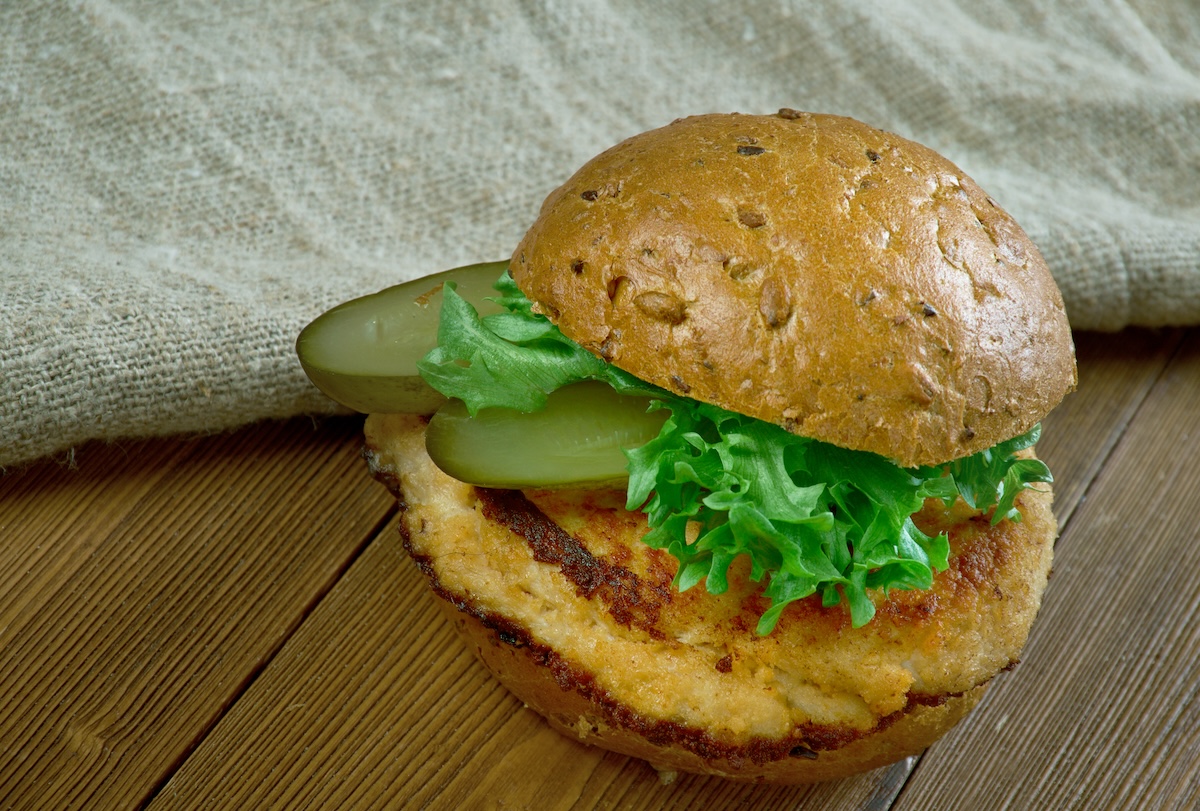
Iowa’s most famous sandwich is the breaded pork tenderloin, and it hangs way over the sides of the bun. They pound the pork thin, bread it, and fry it until golden and crisp.
It’s not just a sandwich—it’s a state icon. Small-town diners and roadside joints all have their own recipes, and Iowans are passionate about which one’s best.
The Iowa Pork Producers Association even runs a contest to find the top tenderloin every year. There’s even a Tenderloin Trail if you’re feeling adventurous.
Kansas: Bierocks
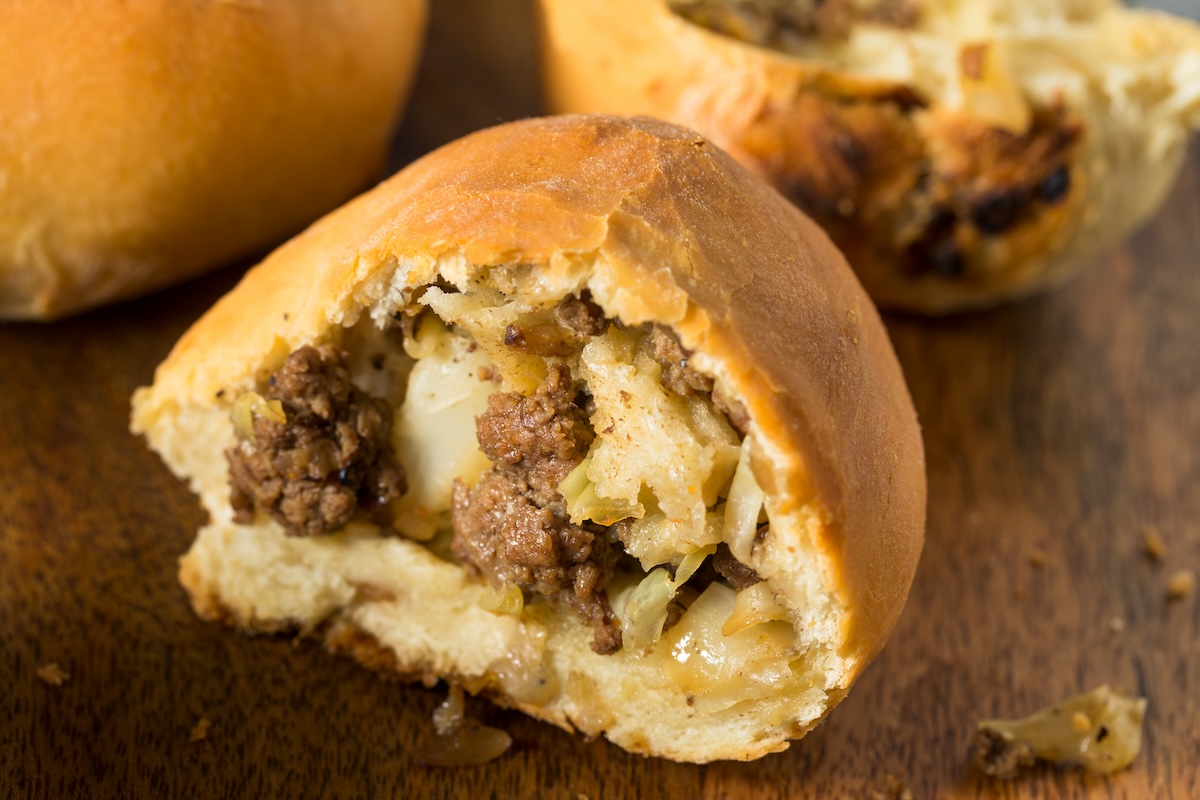
Bierocks are everywhere in Kansas—think golden dough pockets filled with seasoned beef, cabbage, and onions. Volga German immigrants brought them over in the 1800s, and Kansans have been baking them ever since.
Farmers loved bierocks because they were easy to take out to the fields. Now, you’ll find them in bakeries, small-town restaurants, and at food festivals. They’re hearty, warm, and just plain satisfying—a true Kansas comfort food.
Kentucky: Bourbon balls
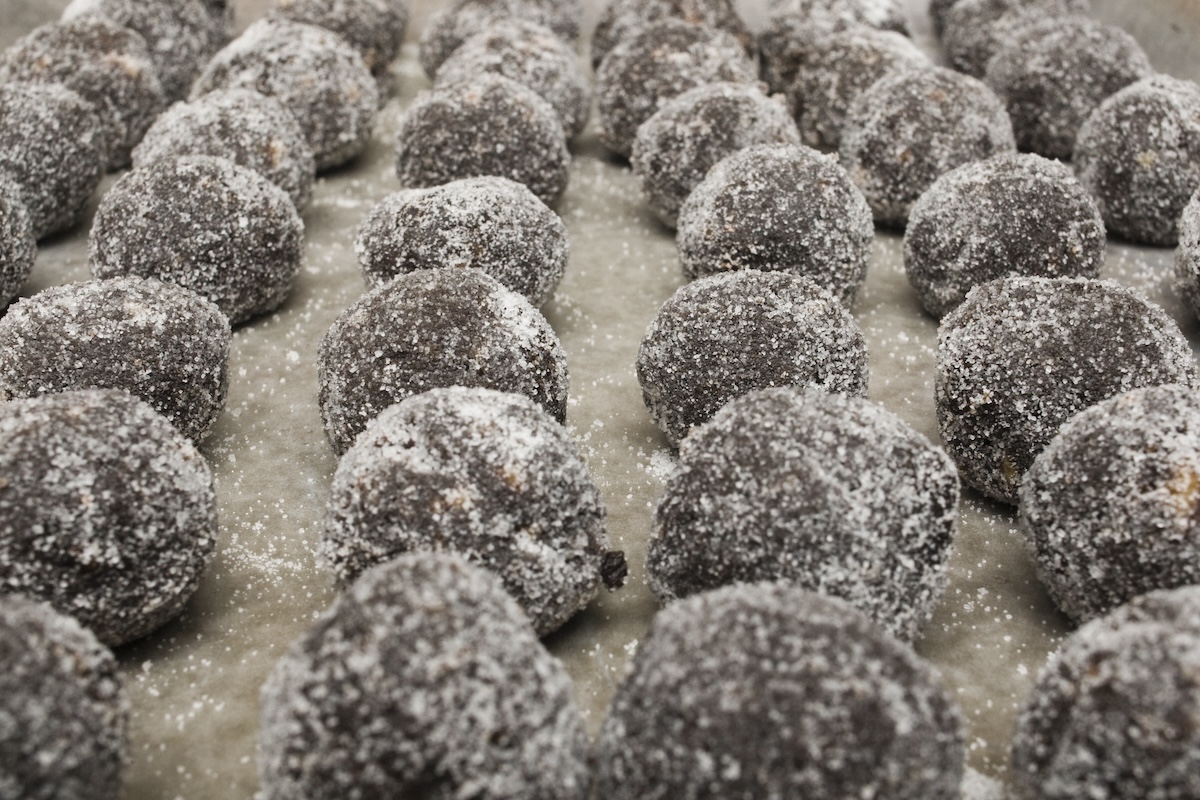
Bourbon balls are a Kentucky staple for good reason. These little candies mix chocolate, pecans, and Kentucky bourbon into a rich, boozy bite. They’re smooth, sweet, and definitely pack a punch.
Ruth Booe invented them in the 1930s at Rebecca Ruth Candies in Frankfort. She used a secret recipe that’s still around. Now, candy makers and distilleries all over Kentucky make their own versions.
You’ll find them in shops everywhere, or you can try making a batch at home if you’re feeling brave.
Louisiana: Po’boy sandwich

[credit_image]
Louisiana’s po’boy sandwich comes on crunchy French bread that shatters when you bite in. It started during a 1929 streetcar strike, when two brothers fed striking workers for free and called them “poor boys.”
Now, you can get yours filled with fried shrimp, oysters, or catfish. Some go for roast beef swimming in gravy. The bread’s just as important as the filling—that New Orleans-style loaf has a crackly crust and a soft middle that holds everything together without falling apart.
Maine: Lobster rolls
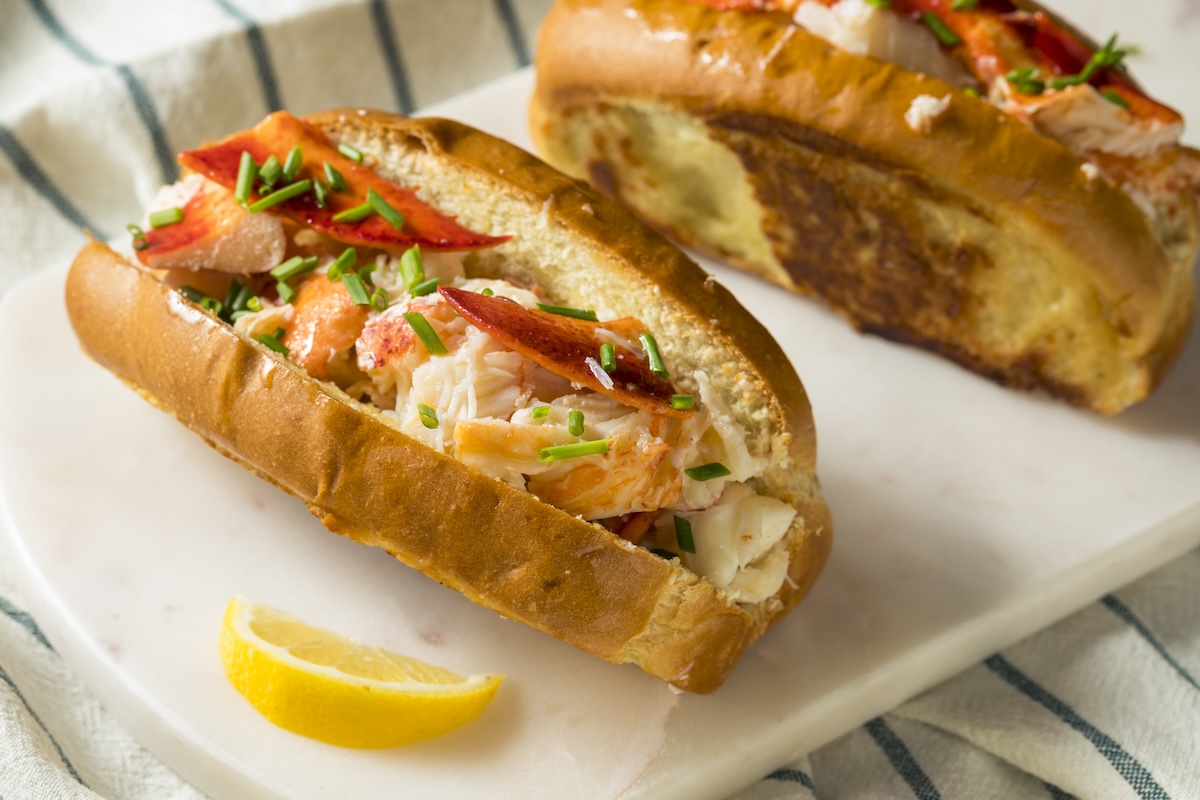
Maine’s lobster roll is a must. Fresh lobster gets stuffed into a toasted split-top bun, and then things get interesting.
Most places serve it Maine-style: chilled lobster with a little mayo, keeping it simple so the sweet meat stands out. That’s what you’ll find at most roadside shacks.
Some spots do it Connecticut-style, tossing the lobster in melted butter and serving it warm. Either way, you’re getting a sandwich that’s pure Maine.
Maryland: Crab cakes
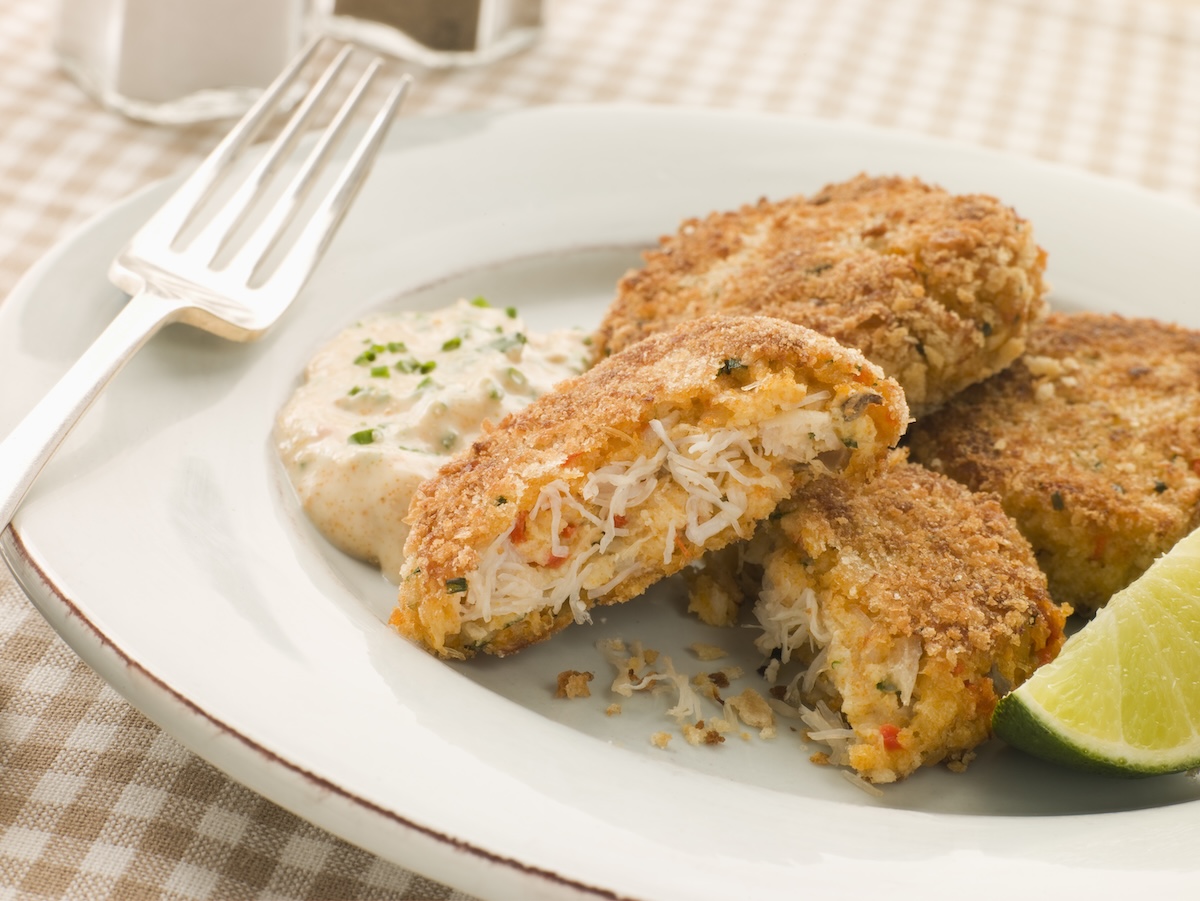
Maryland and crab cakes go together like, well, crab and Old Bay. These golden patties are stuffed with sweet blue crab and just enough filler to keep them together. The best ones let the crab do the talking.
Faidley’s in Baltimore’s Lexington Market has been frying them up since 1886, but every Marylander claims their local spot is better. Broiled or fried, on a bun or with sides—every recipe sparks debate, and honestly, that’s half the fun.
Massachusetts: New England clam chowder
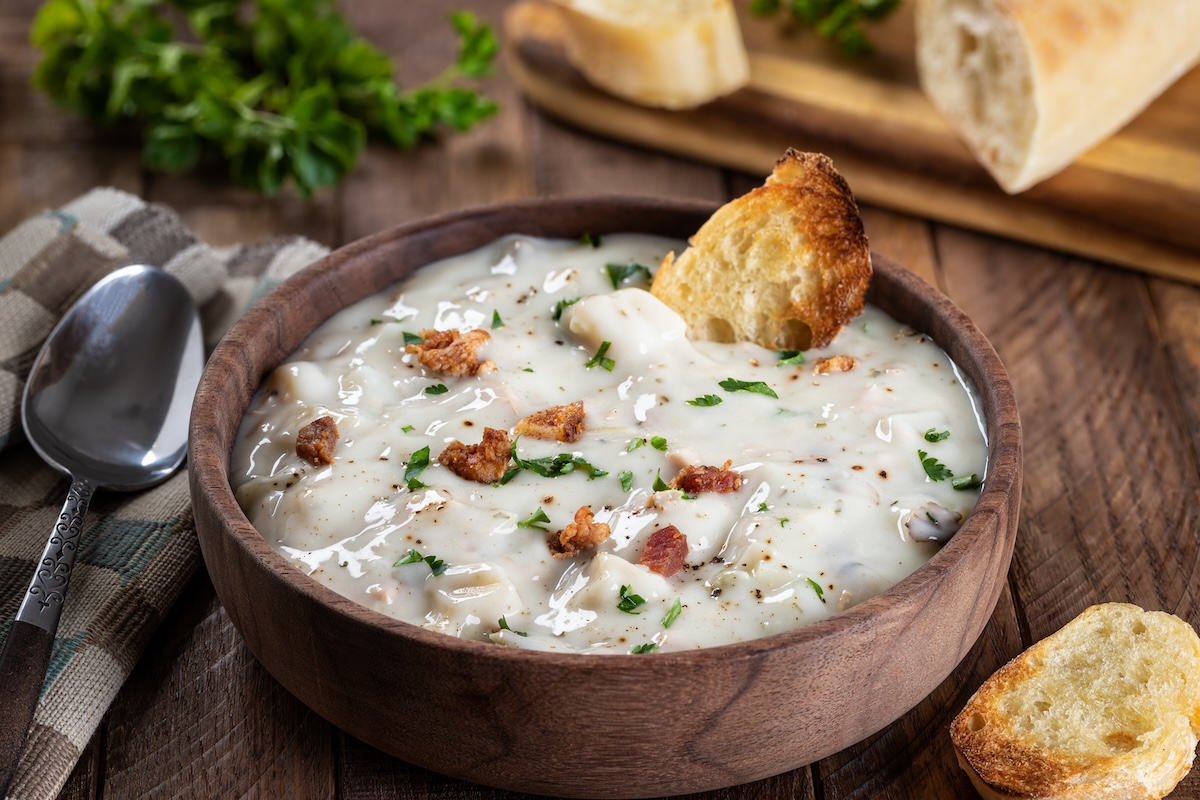
When you visit Massachusetts, you’ll see New England clam chowder on just about every menu. This thick, creamy soup really put the state on the map, food-wise.
The chowder uses a white, cream-based broth packed with clams, potatoes, onions, and celery. Some folks toss in bacon for an extra punch. You get the saltiness from the clams and the smooth, rich creaminess in every spoonful.
Restaurants serve it piping hot, usually with a pile of oyster crackers. You’ll spot it at seaside shacks and fancy Boston spots—nobody here skips the chowder.
Michigan: Mackinac Island fudge
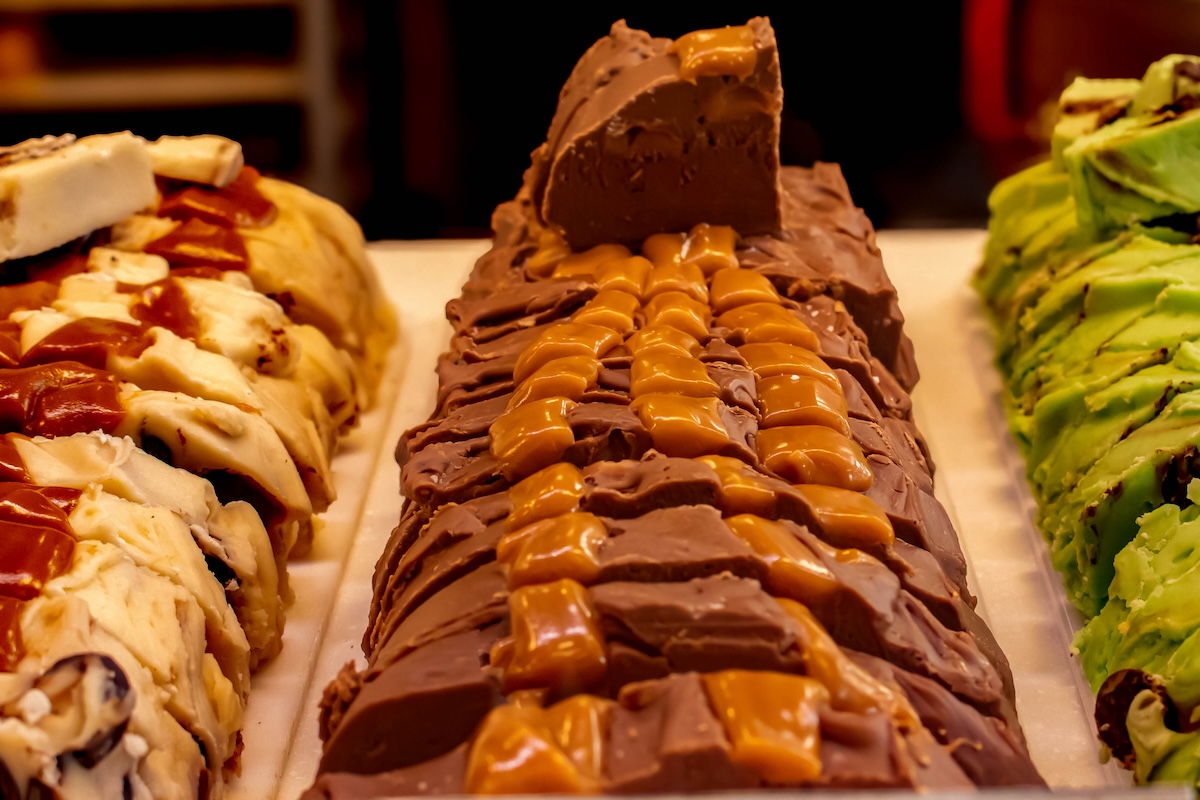
If you’re in Michigan, you have to try Mackinac Island fudge. This creamy treat has been a local staple since the 1880s, and the old-school methods haven’t changed much.
Fudge makers pour hot fudge onto marble slabs and work it by hand in open-air shops. Classic flavors like chocolate and vanilla are everywhere, but you can also find peanut butter or maple—sometimes made with Michigan ingredients.
During summer, the island churns out thousands of pounds of fudge daily. Visitors who come for fudge even get a nickname—fudgies.
Minnesota: Juicy Lucy
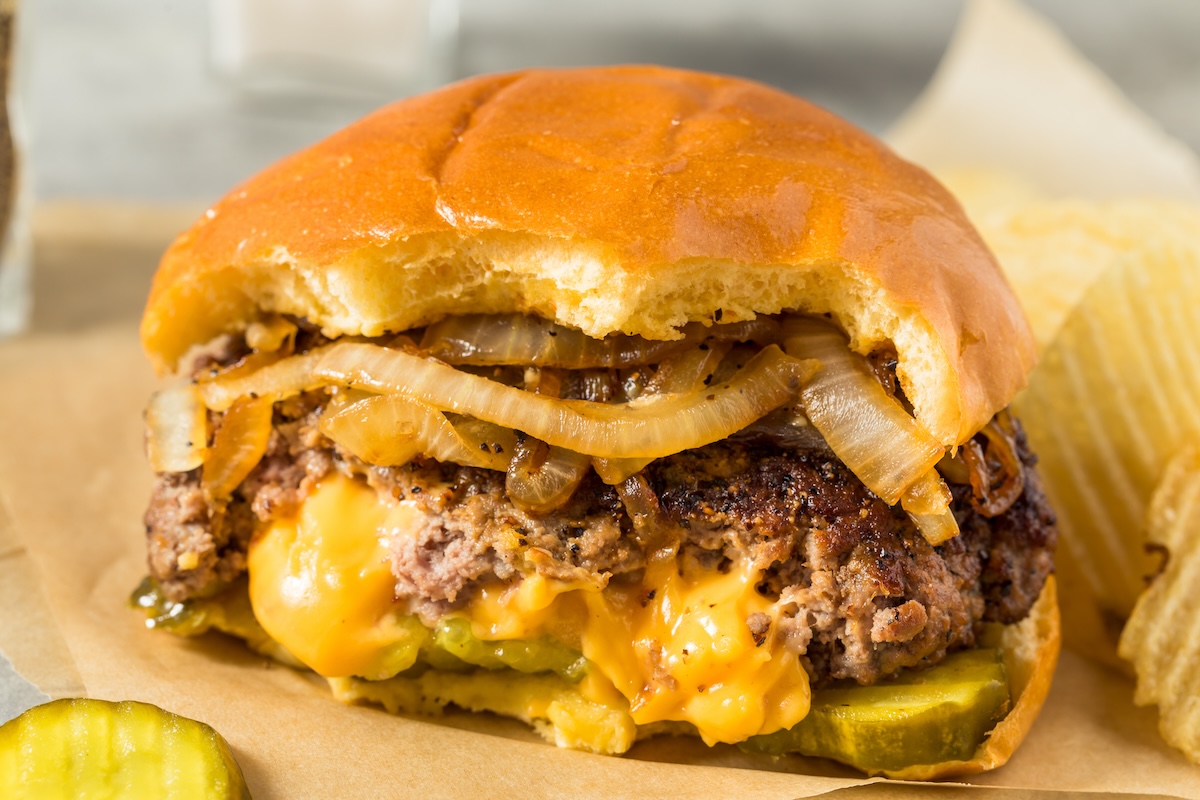
Minnesota’s got a burger twist you won’t forget: the Juicy Lucy. Instead of cheese on top, they seal it right inside the beef patty. The result? A molten cheese center that flips the classic cheeseburger idea on its head.
You’ll mostly find it in Minneapolis and Saint Paul, where locals can’t agree on the spelling—”Jucy Lucy” or “Juicy Lucy.” Either way, it’s a point of pride.
Bite carefully; that cheese center gets dangerously hot. Usually, it comes with pickles and fries—a classic meal with a Minnesota spin.
Mississippi: Fried catfish
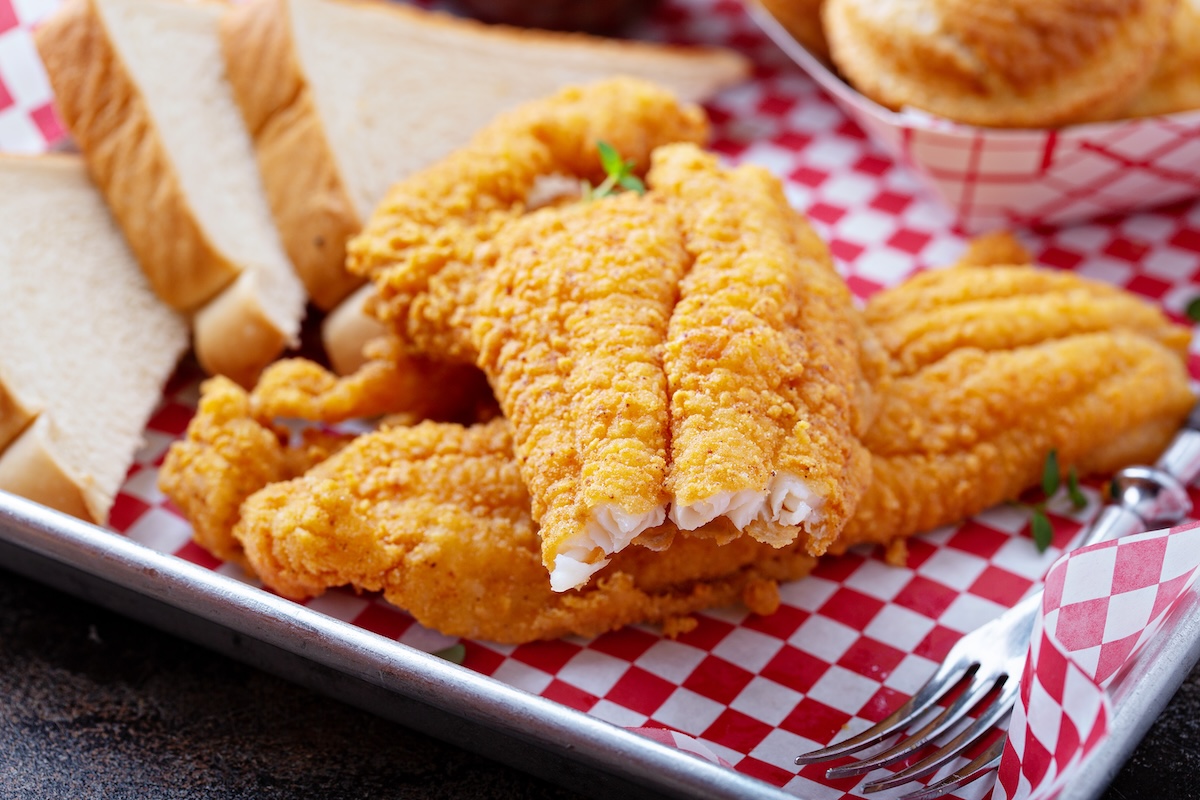
In Mississippi, fried catfish is everywhere, and people here treat it like a tradition. They coat tender fillets in cornmeal and fry them until they’re golden and crisp.
Family-run restaurants across the state serve up their own takes, each with that signature crunch. Order it with hush puppies, fries, or classic Southern sides. Whether you’re new or grew up here, it’s pure comfort food.
Fried catfish isn’t just popular—it really defines Mississippi’s soul food scene.
Missouri: Toasted ravioli
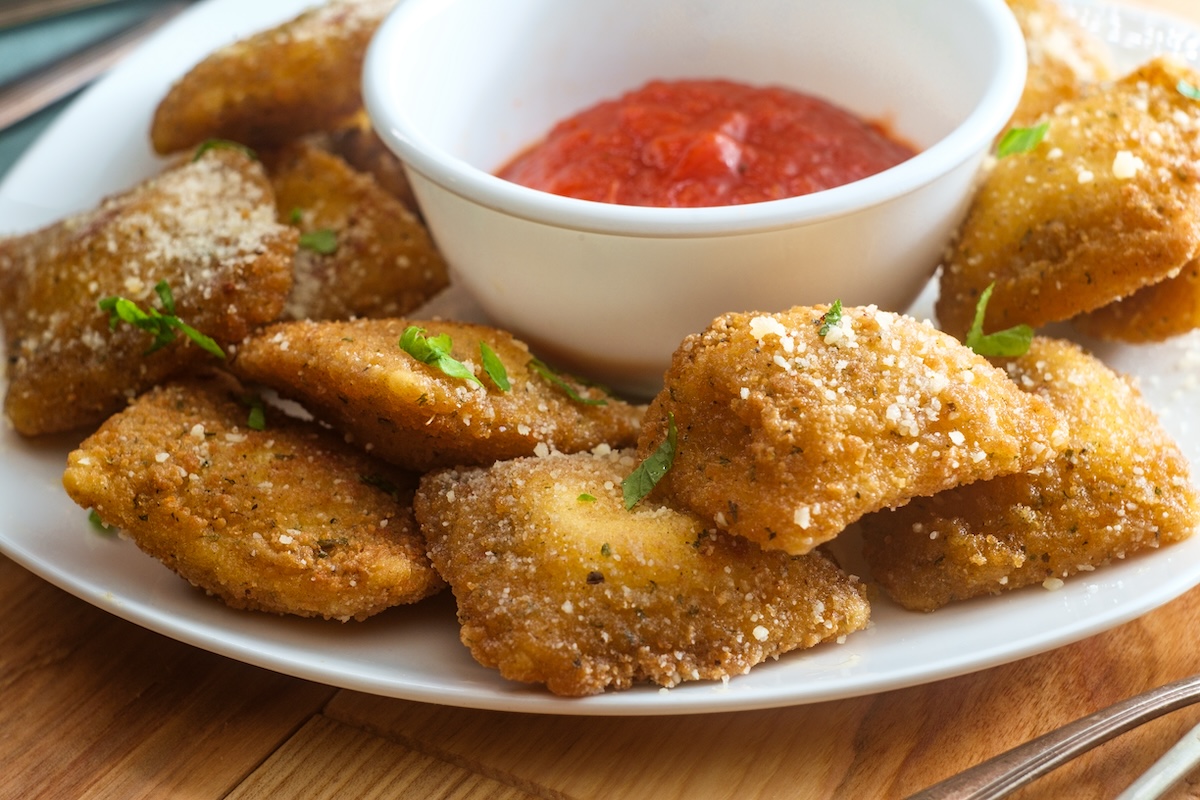
Missouri’s claim to fame sits in St. Louis: toasted ravioli. Legend says someone dropped ravioli into hot oil by mistake, and the crispy result became a local obsession.
These breaded, fried pasta pockets come stuffed with beef, cheese, or spinach. They’re served hot with a side of marinara for dipping, and a sprinkle of parmesan finishes them off.
Locals insist toasted ravioli is their invention, and you’ll see it on menus throughout St. Louis.
Montana: Huckleberries
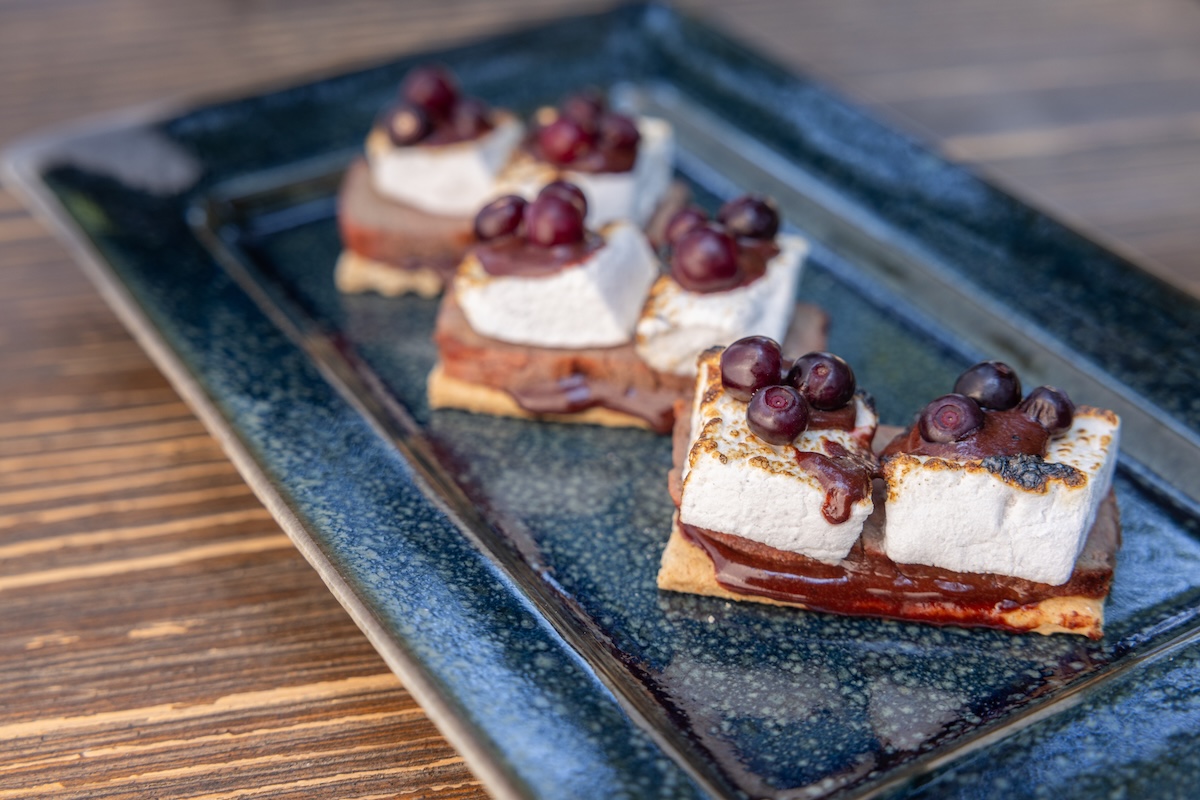
Montana loves its huckleberries. These wild purple berries grow in the mountains, and indigenous tribes have used them for centuries in both cooking and medicine.
When you’re in Montana, it’s almost impossible to avoid huckleberry treats. Shops and restaurants turn them into jams, pies, pancakes, ice cream—even beer.
Trout Creek, which calls itself the Huckleberry Capital, throws a festival every August. The tart berries really capture Montana’s wild side.
Nebraska: Runzas
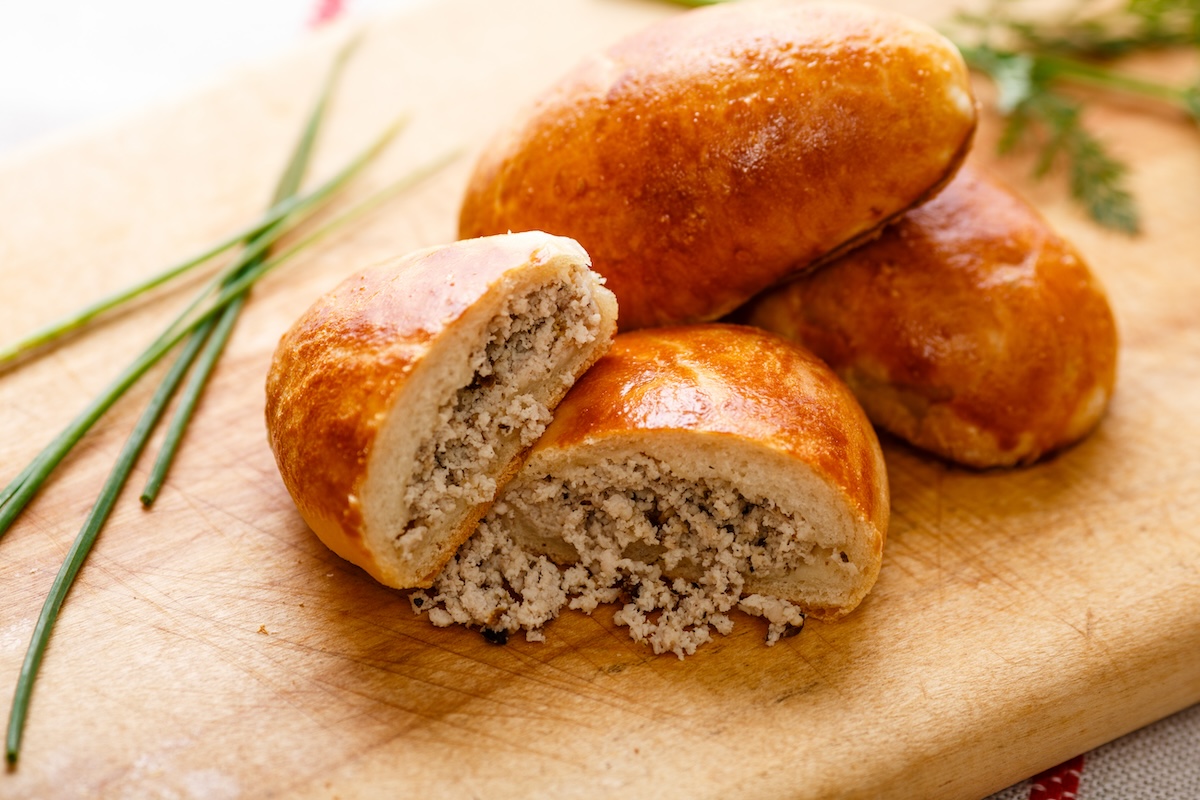
Nebraska has a sandwich you won’t find just anywhere: the runza. Picture a bread pocket stuffed with seasoned ground beef, cabbage, and onions—a recipe brought over by German-Russian immigrants.
Sally Brening Everett started serving runzas at her family’s stand in Lincoln, and now you can grab one at Runza restaurants across Nebraska and even in nearby states. Fans especially love them at football games when it’s cold out.
The runza became Nebraska’s official state sandwich, and locals are pretty passionate about it.
Nevada: Shrimp cocktail
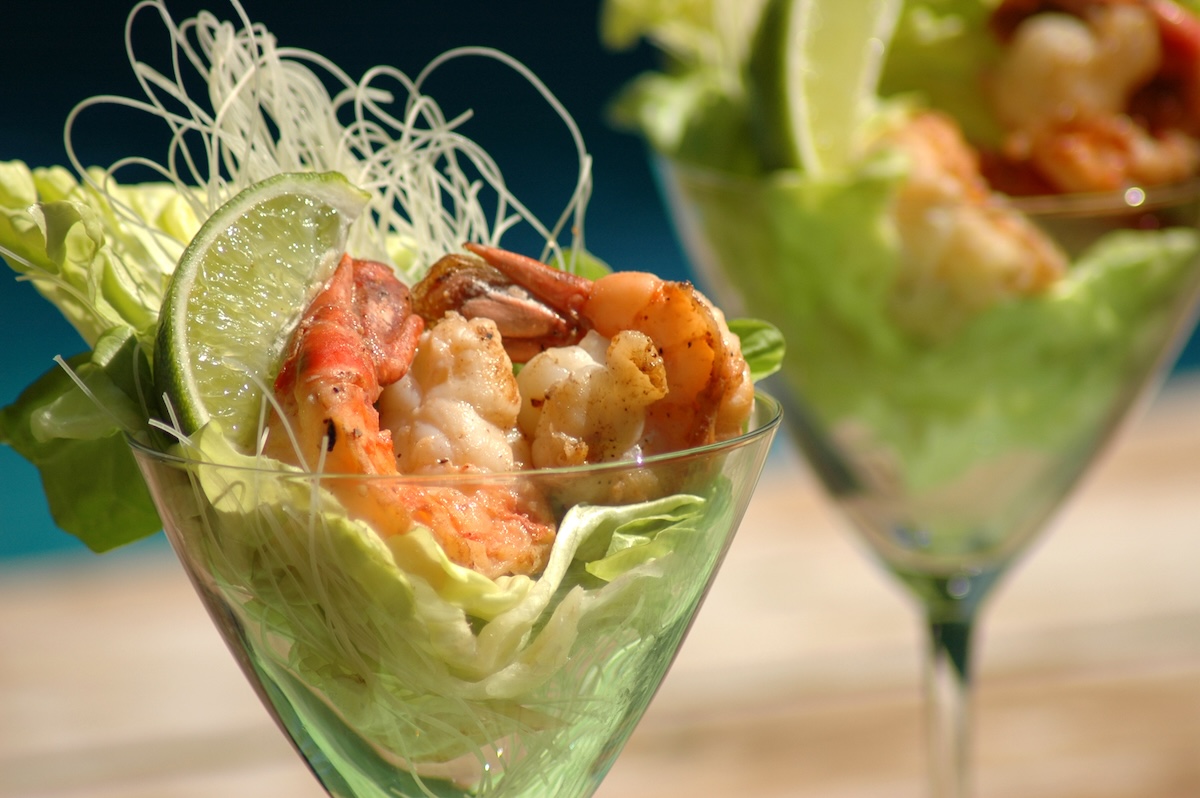
It might sound odd, but Nevada—despite being landlocked—has a thing for shrimp. Las Vegas alone downs 22 million pounds of shrimp each year, making it the shrimp capital of America.
Shrimp cocktail became a Vegas icon in the 1950s when casinos used it to lure in crowds. Back then, you could get one for just 99 cents at places like the Golden Gate Casino. It comes with cold, plump shrimp hanging off a glass filled with spicy cocktail sauce.
Nevada never picked an official state food, but locals treat shrimp cocktail as their signature dish.
New Hampshire: Boiled dinner
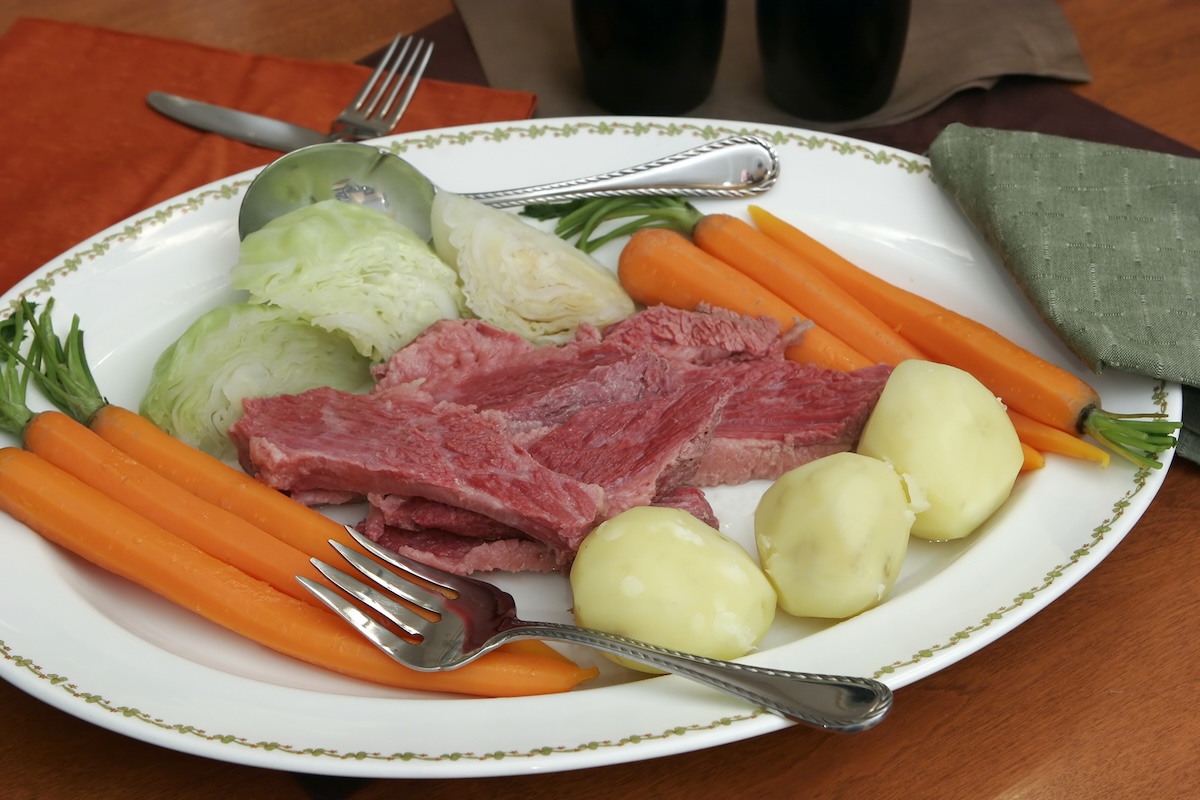
New Hampshire’s boiled dinner is pure comfort. This one-pot meal brings together corned beef or ham with potatoes, carrots, and cabbage.
Irish immigrants brought the tradition over, often swapping ham for brisket since it was easier to find. Over time, boiled dinner became the state’s unofficial favorite.
Most people cook the meat first—maybe in a slow cooker—then add the veggies and let it all simmer until everything’s tender.
New Jersey: Pork roll sandwich
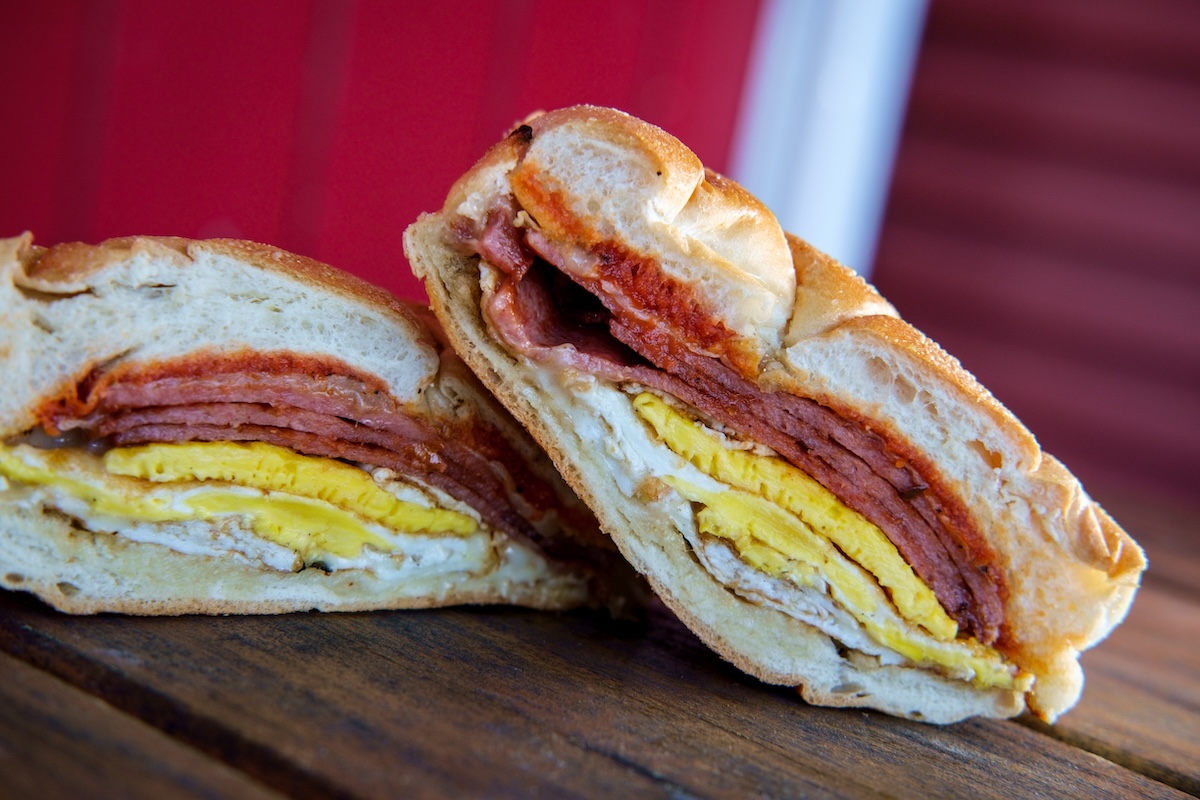
New Jersey’s breakfast scene revolves around the pork roll sandwich. This pink, tangy processed meat has been around since the 1800s, and its salty, smoky flavor is unforgettable.
The classic version comes on a round roll with fried egg and cheese. Depending on where you are, locals might call it Taylor ham or pork roll. The name debate splits North and South Jersey, but everyone agrees the sandwich is a must.
New Mexico: Frito pie
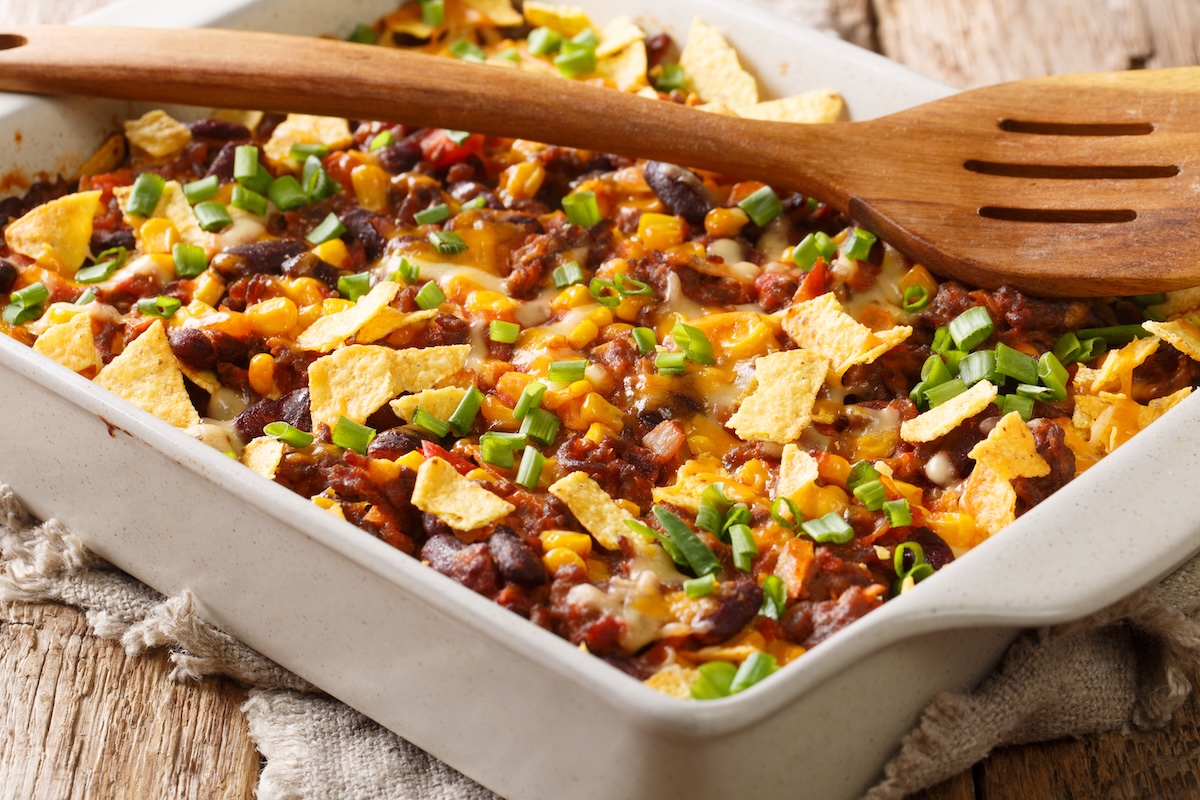
New Mexico serves up Frito pie in a way that’s hard to forget—sometimes right in the chip bag. Start with Fritos corn chips, then pile on ground beef, red or green chile, beans, and cheese.
Santa Fe claims a strong connection to the dish, though New Mexico and Texas still argue over who invented it. When you order, you’ll get the classic state question: “Red or green?” That means your chile choice.
Some places just slice open a Fritos bag and heap everything inside. Others serve it on a plate with lettuce, onions, and tomatoes on top.
New York: Bagels
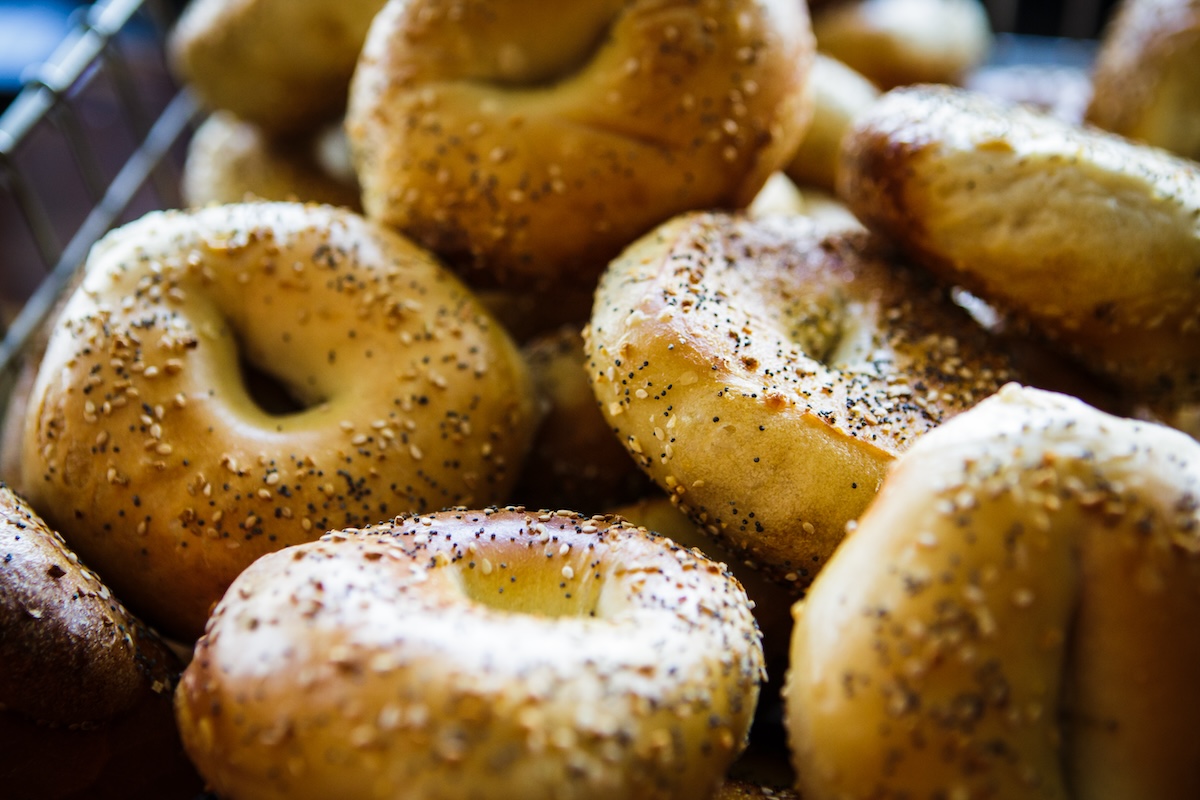
New York and bagels go hand in hand. These round bread rolls have a chewy inside and a shiny crust—something about the water here makes them different.
The classic way is with cream cheese and lox, but bagel shops are everywhere, and you can get them with just about anything. An everything bagel with bacon, egg, and cheese is a city favorite. New Yorkers eat them for breakfast, lunch, or whenever the craving hits.
North Carolina: Sweet potato pie
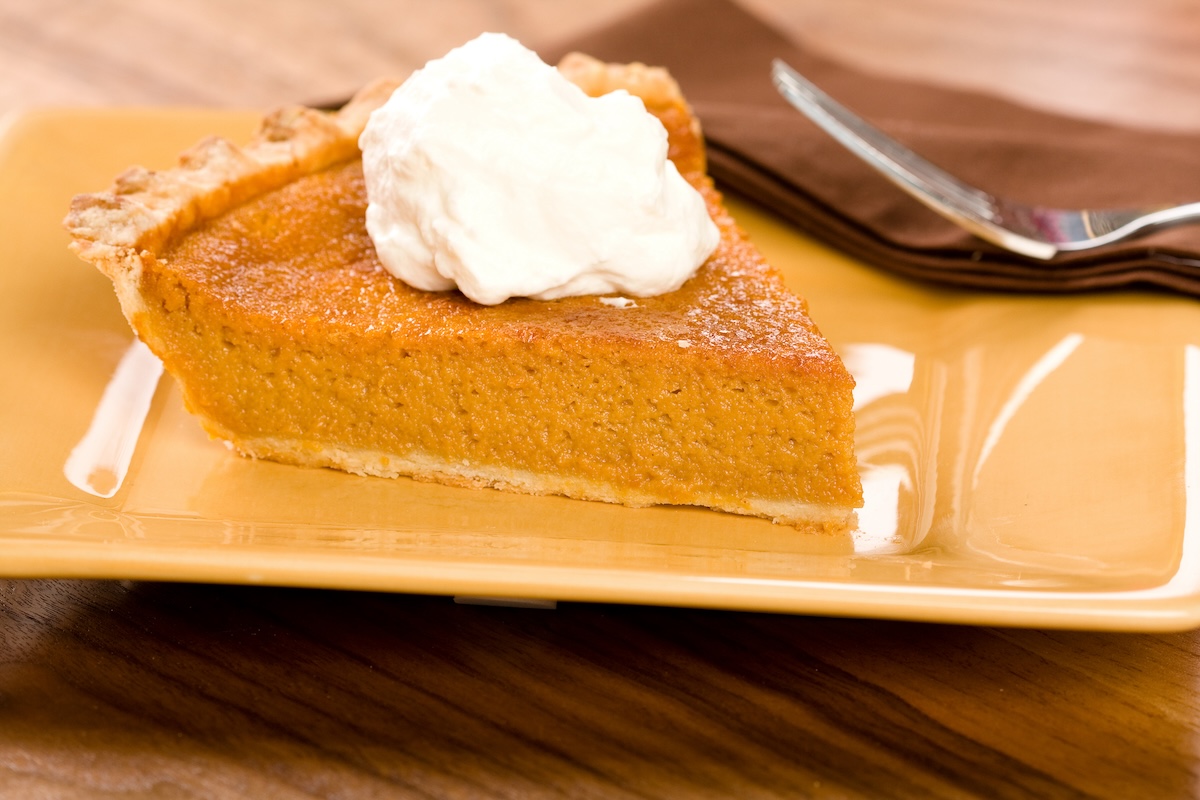
Sweet potato pie is at the heart of North Carolina’s food scene. The state grows more sweet potatoes than anywhere else, so it just makes sense.
The pie has a custardy filling with milk, eggs, butter, and warm spices like cinnamon and nutmeg. It’s lighter than pumpkin pie, with a less creamy texture. You can grab a slice at barbecue joints, bakeries, and farmers markets all over—locals have been perfecting their recipes for generations.
North Dakota: Knoephla soup
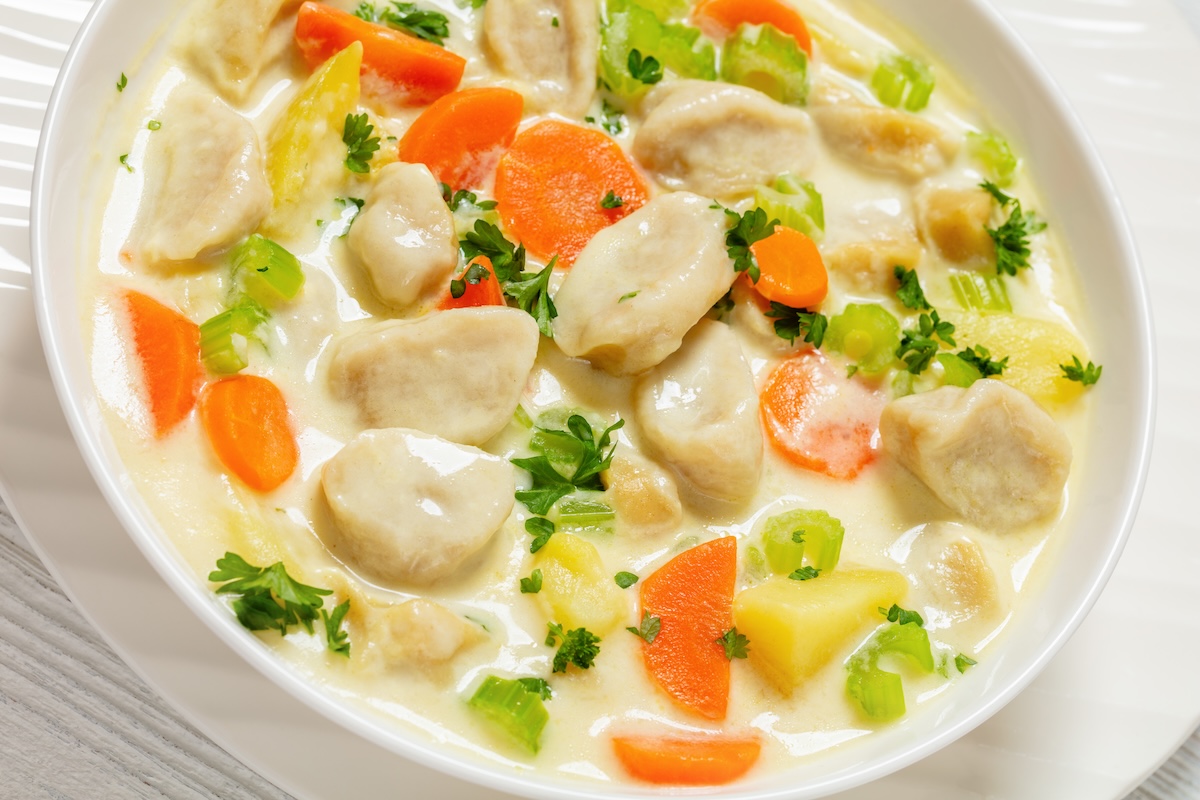
Knoephla soup pops up everywhere in North Dakota. German-Russian immigrants brought this creamy potato and dumpling soup to the state, and it’s stuck around ever since.
The name comes from “knöpfle,” German for little buttons, which is exactly what the small dough dumplings look like in the chicken-based broth. Potatoes, onions, carrots, and celery round out most bowls.
Locals swear by it for cold prairie winters. It’s thick, warm, and incredibly filling.
Ohio: Buckeye candy
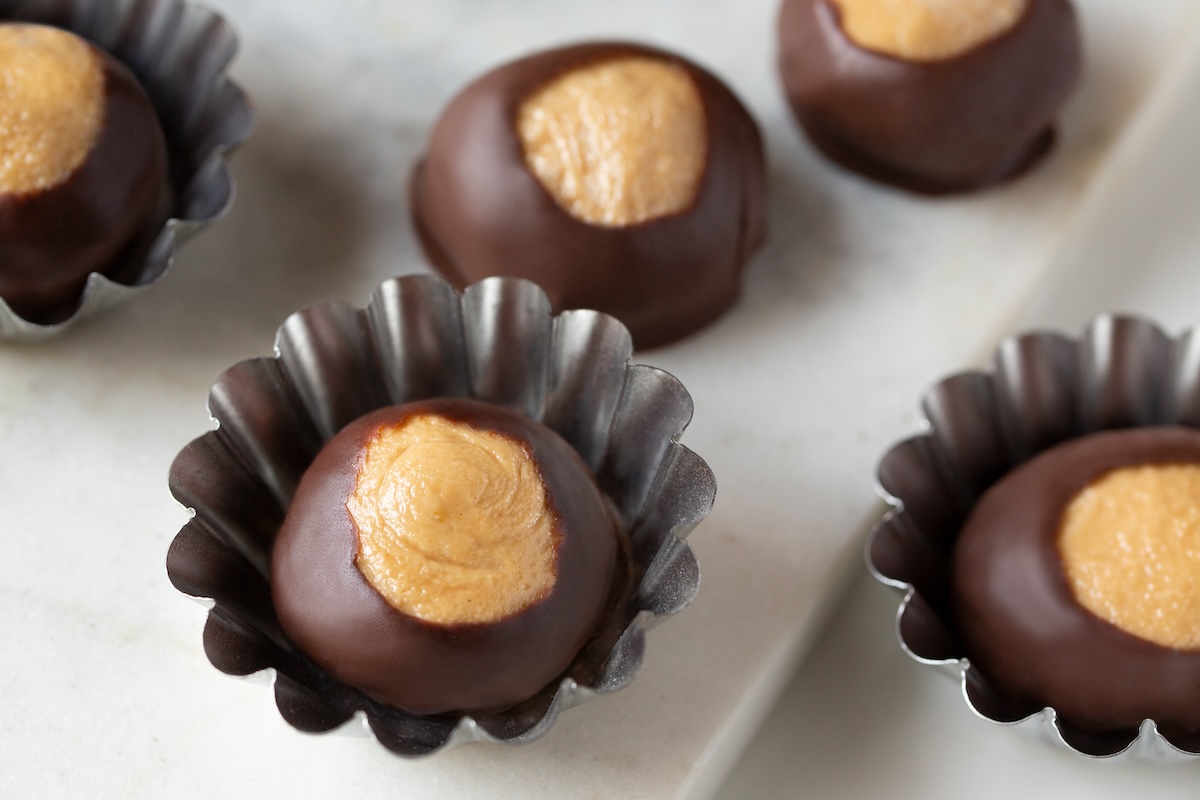
Ohioans love their buckeye candy. You see these treats everywhere—from gas stations to family potlucks. They’re made by mixing peanut butter, butter, and powdered sugar, rolling it into balls, and dipping them in chocolate, leaving a circle of peanut butter showing to look like the state’s buckeye nuts.
The Anthony-Thomas Candy Company in Columbus sold over 24 million pieces in 2024. You can even follow the Ohio Buckeye Candy Trail, which stops at 31 shops making their own versions of this classic.
Oklahoma: Fried pies
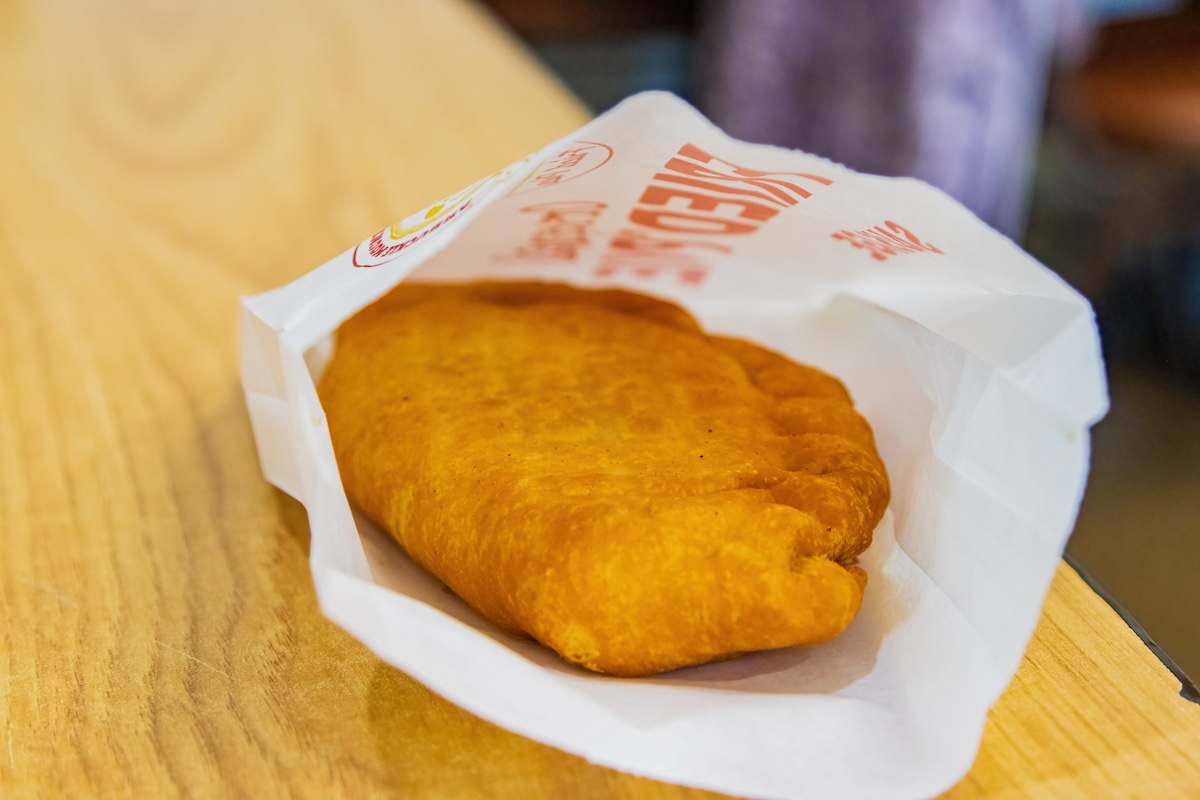
Oklahoma treats fried pies like edible gold. These handheld pastries get stuffed with fruit, sealed, and fried until they’re crispy and golden.
Arbuckle Mountain Fried Pies near Davis is legendary—people have been coming back since they were kids. Apple is the go-to, but you can find peach, blackberry, and more depending on the season.
Food & Wine even called fried pies Oklahoma’s best snack. They’re a hidden gem, right up there with barbecue and onion burgers.
Oregon: Dungeness crab
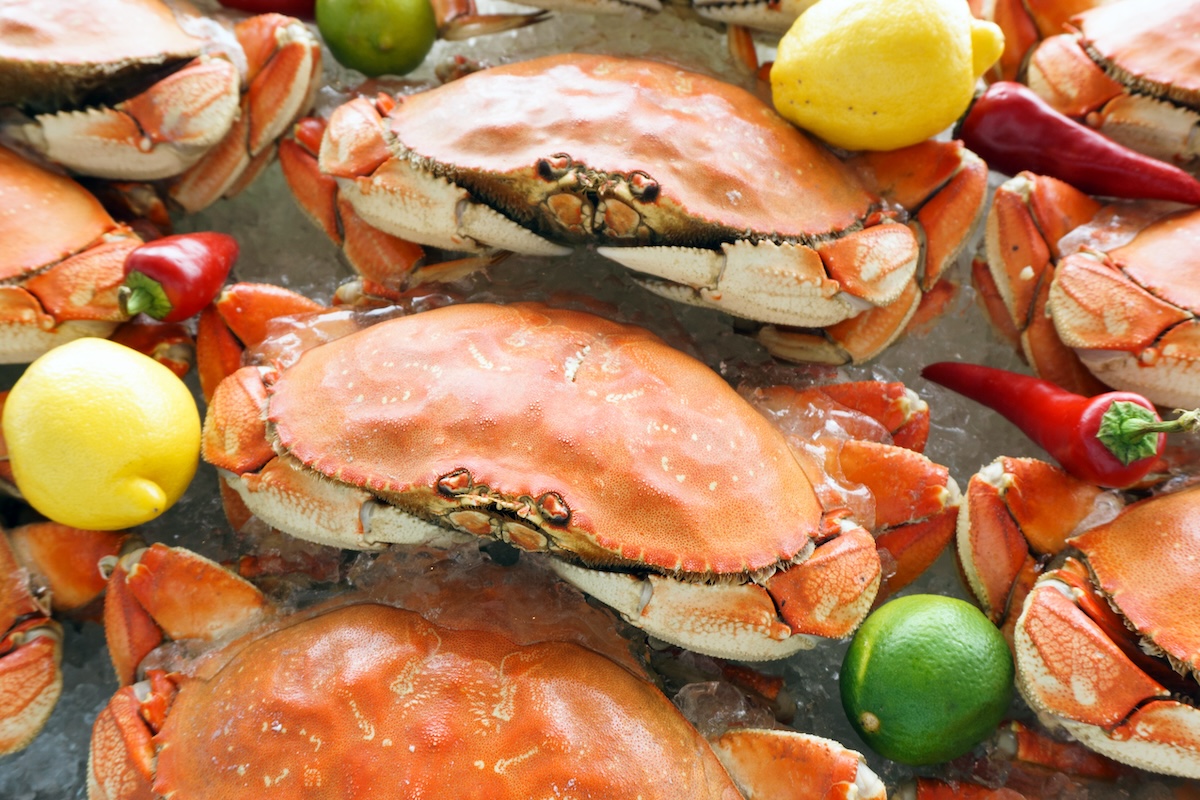
Dungeness crab rules Oregon’s coast. Locals have been hauling it out of the Pacific since the late 1800s, and they take pride in it—even though the crab’s named after a Washington port.
The meat is sweet and delicate, pulled fresh from the cold ocean in late fall and winter. Eat it steamed with butter, crack it into salads, or mix it into crab cakes. Some places serve it in plastic bags with sauce—no frills, just the fresh seafood front and center.
Pennsylvania: Shoofly pie
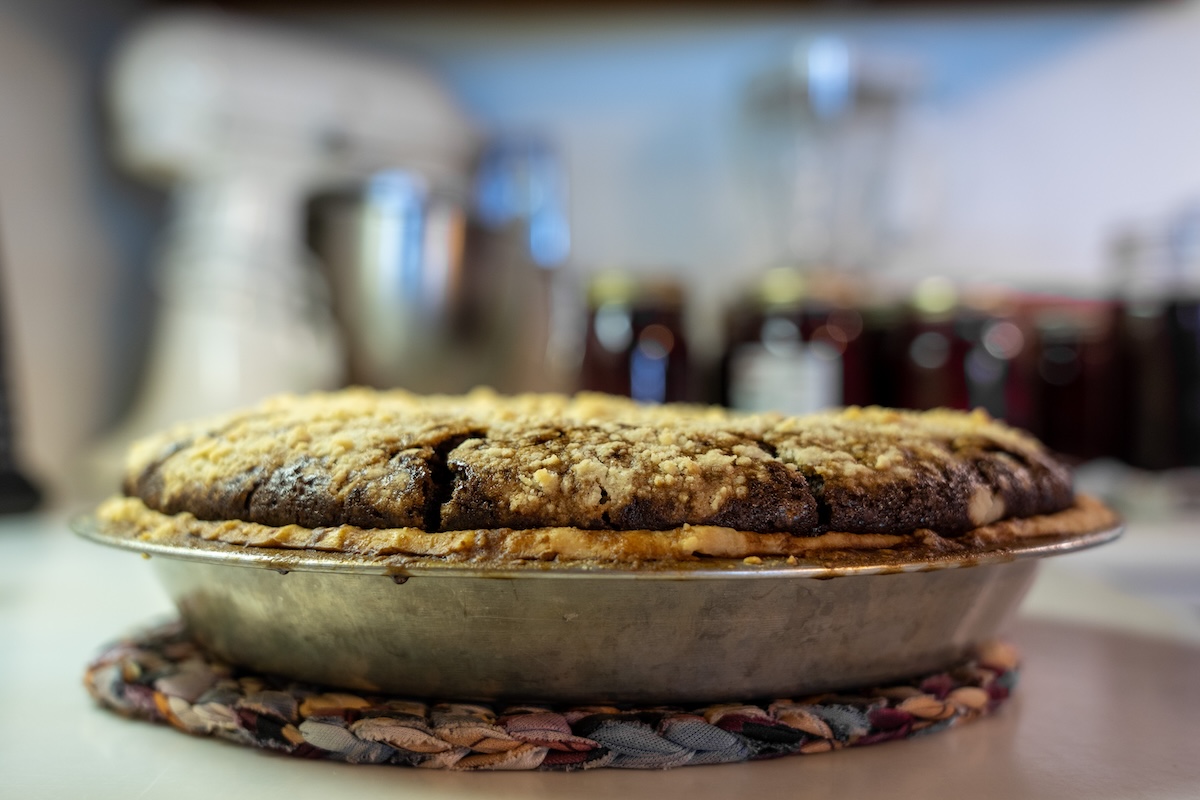
Pennsylvania Dutch country is home to shoofly pie, a sweet treat with deep roots. The pie has a sticky molasses bottom topped with a crumbly, cake-like layer.
Amish and Mennonite families have baked it for generations. The filling blends molasses, brown sugar, and spices in a buttery crust. At spots like Bird in Hand Bakeshop, you’ll taste recipes that haven’t changed in ages.
The name might sound funny, but the flavor is pure Pennsylvania—rich, gooey, and unforgettable.
Rhode Island: Fried clams
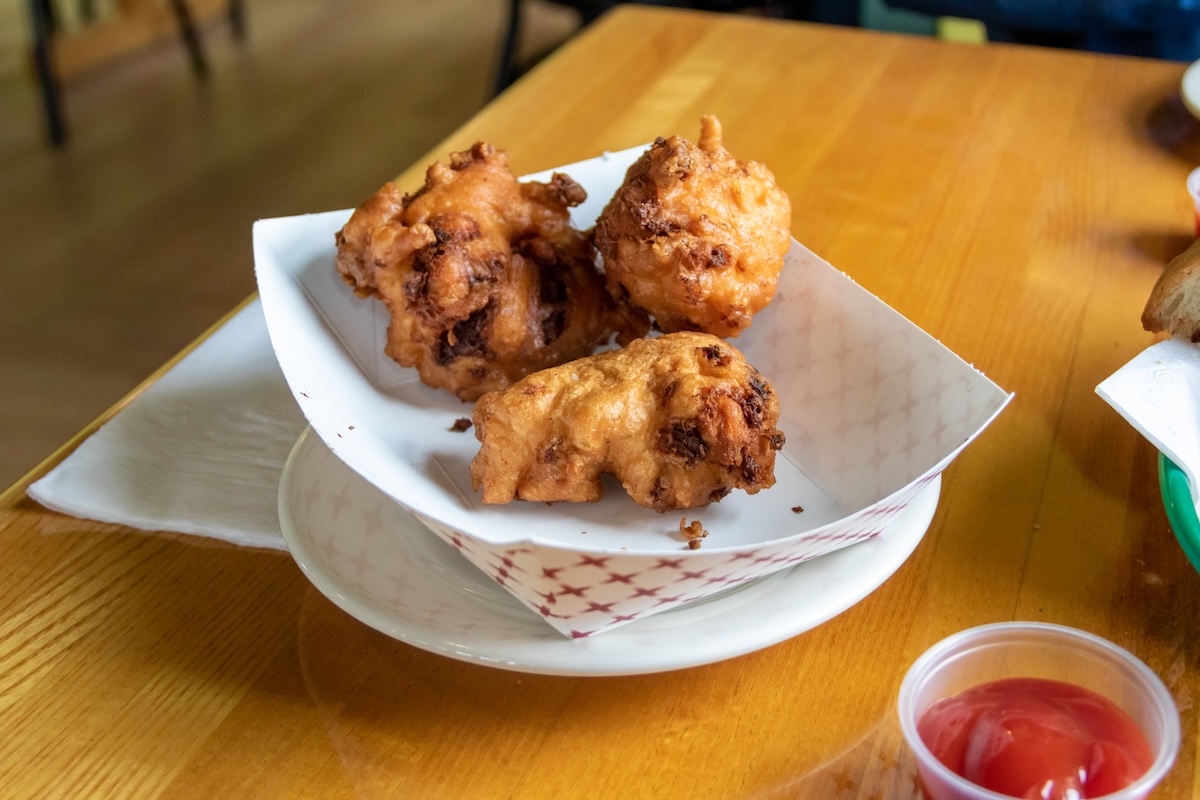
Fried clams show up on nearly every menu in Rhode Island’s seafood shacks. The state takes clams seriously, serving them whole-belly style or as strips for newcomers.
Order a basket and you’ll get a hot, golden, crunchy pile—locals have been perfecting the coating for generations. The briny ocean flavor comes through in every bite. Blount Clam Shack in Warren is a must-visit, and the clam tradition here runs deep.
Rhode Islanders grow up on these, and they’re a core part of the state’s coastal identity.
South Carolina: Frogmore stew
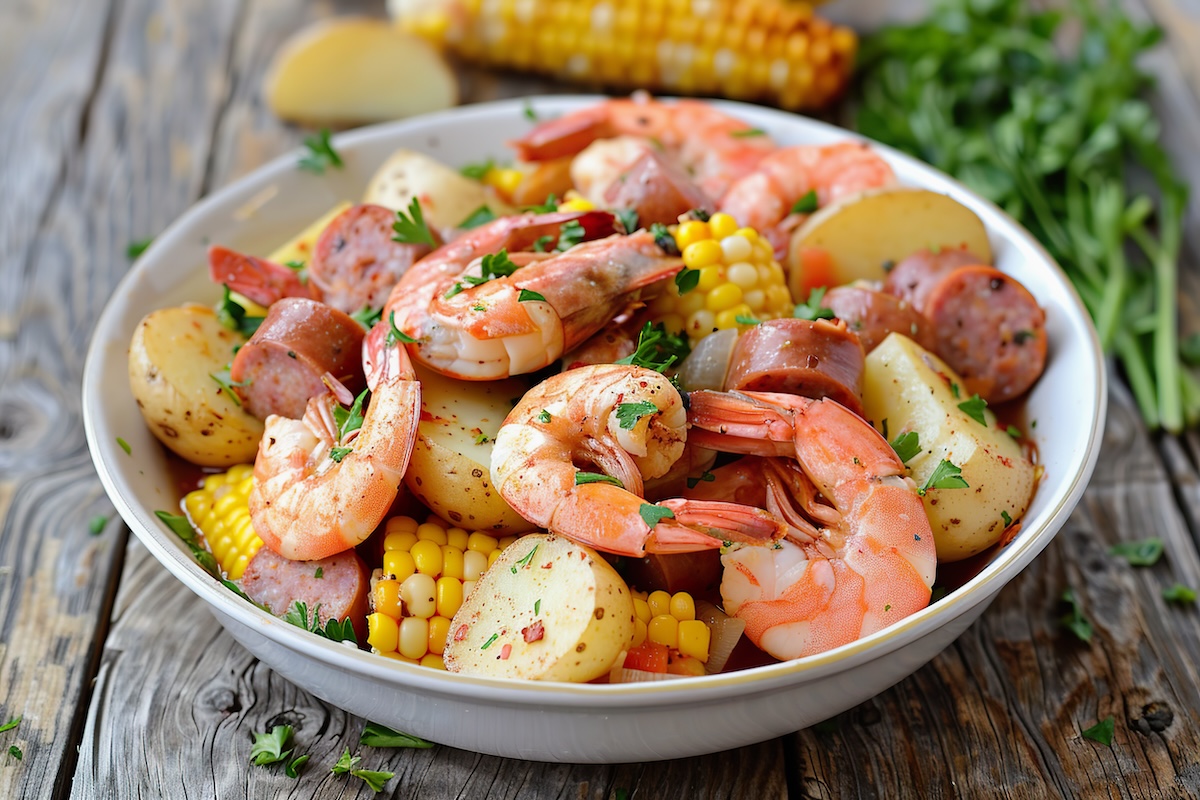
Frogmore stew throws shrimp, corn, sausage, and potatoes into one big pot. You’ll spot this dish all along South Carolina’s coast, especially near St. Helena Island and Beaufort.
The name comes from a little community called Frogmore. People usually dump the whole thing onto a newspaper-covered table, then dig in with their hands—no plates needed.
Some folks call it Lowcountry boil. The dish has Gullah Geechee roots and brings people together for a messy, casual meal that’s pure South Carolina.
South Dakota: Chislic
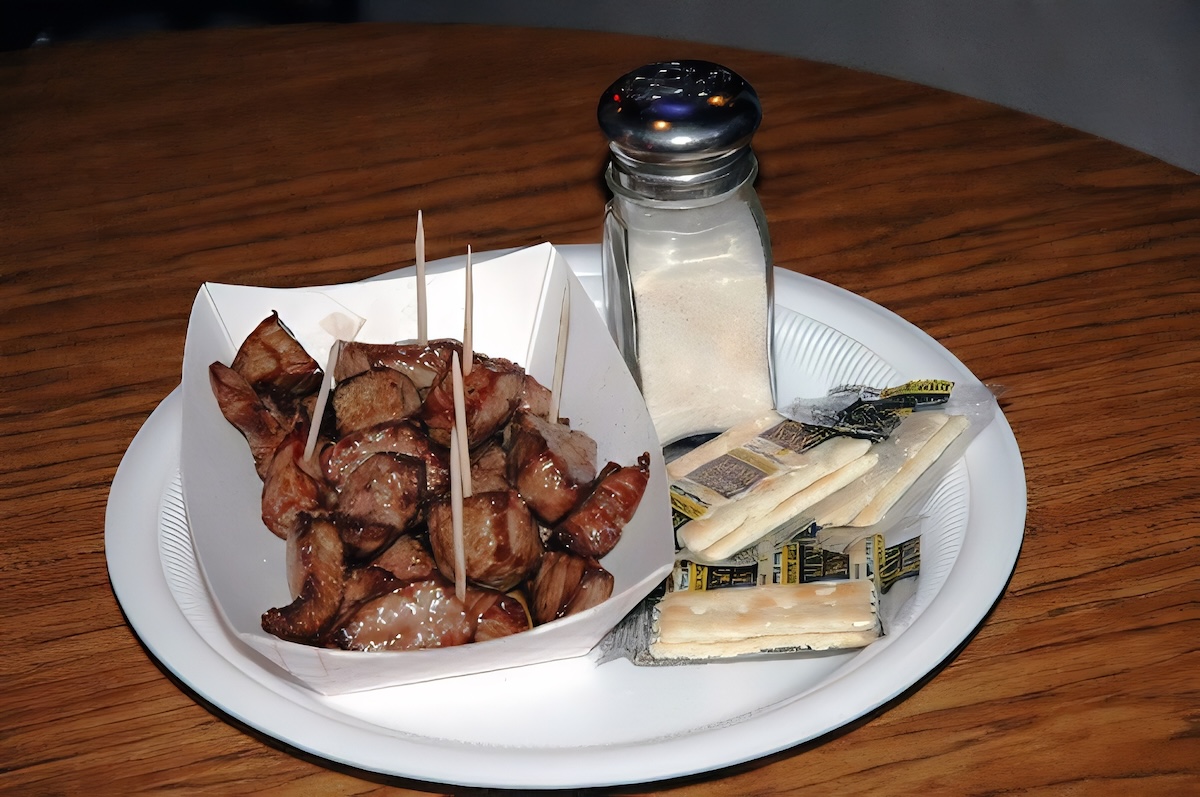
South Dakota’s official snack, chislic, shows up on sticks at bars, festivals, and family dinners all over. It’s made from half-inch cubes of seasoned meat—usually lamb or mutton, but beef and venison work too.
The state named it the “official nosh” back in 2018. Unlike shish kebabs, chislic keeps it simple: just meat, no veggies.
Every town has its own twist. Pierre batters it, Sioux Falls dusts it with flour before frying, and places around Watertown serve it with ranch on the side.
Tennessee: Banana pudding
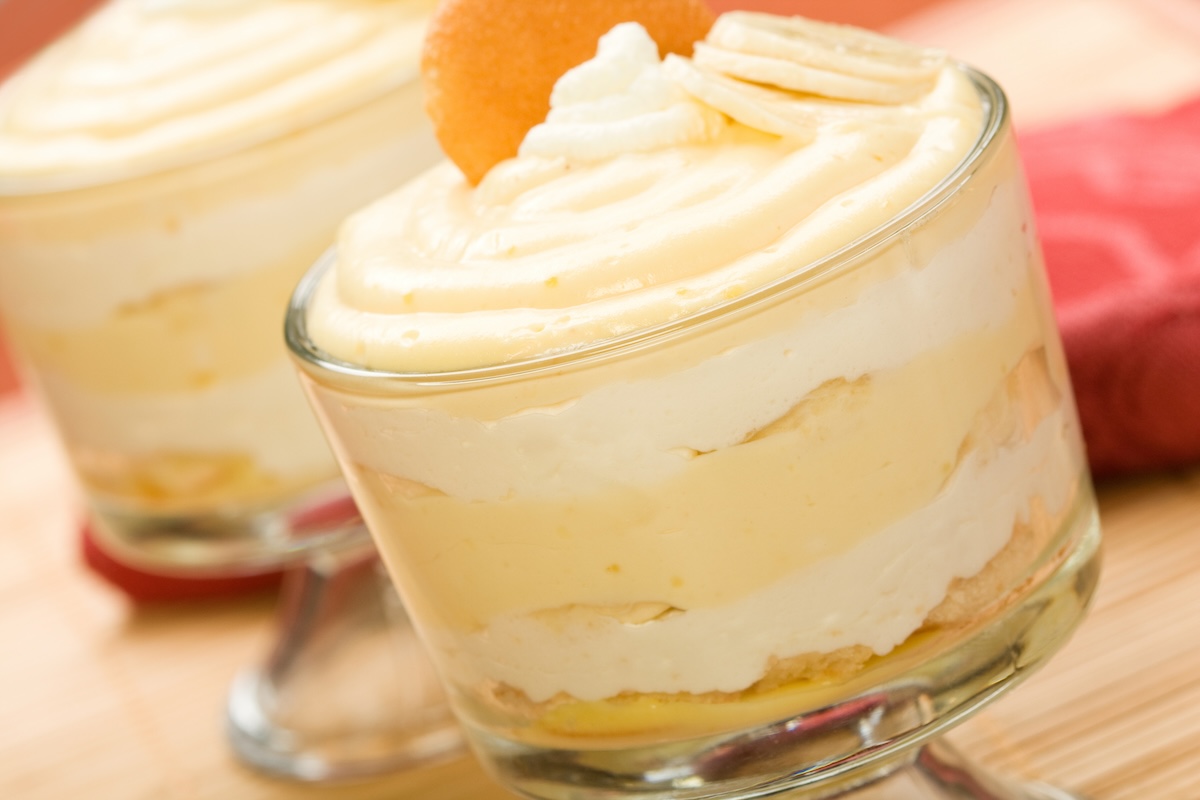
Banana pudding pops up at nearly every barbecue joint and church potluck across Tennessee. This Southern favorite layers vanilla wafers, sliced bananas, and creamy vanilla pudding into a dessert that’s simple but honestly hard not to love.
Centerville even throws a whole festival for banana pudding every October—yeah, people here are pretty serious about it. Some places top it with fluffy whipped cream, others with toasted meringue. Either way, it’s the kind of comfort food you’ll spot at family reunions and Sunday fellowship halls all over the state.
Texas: Barbecue
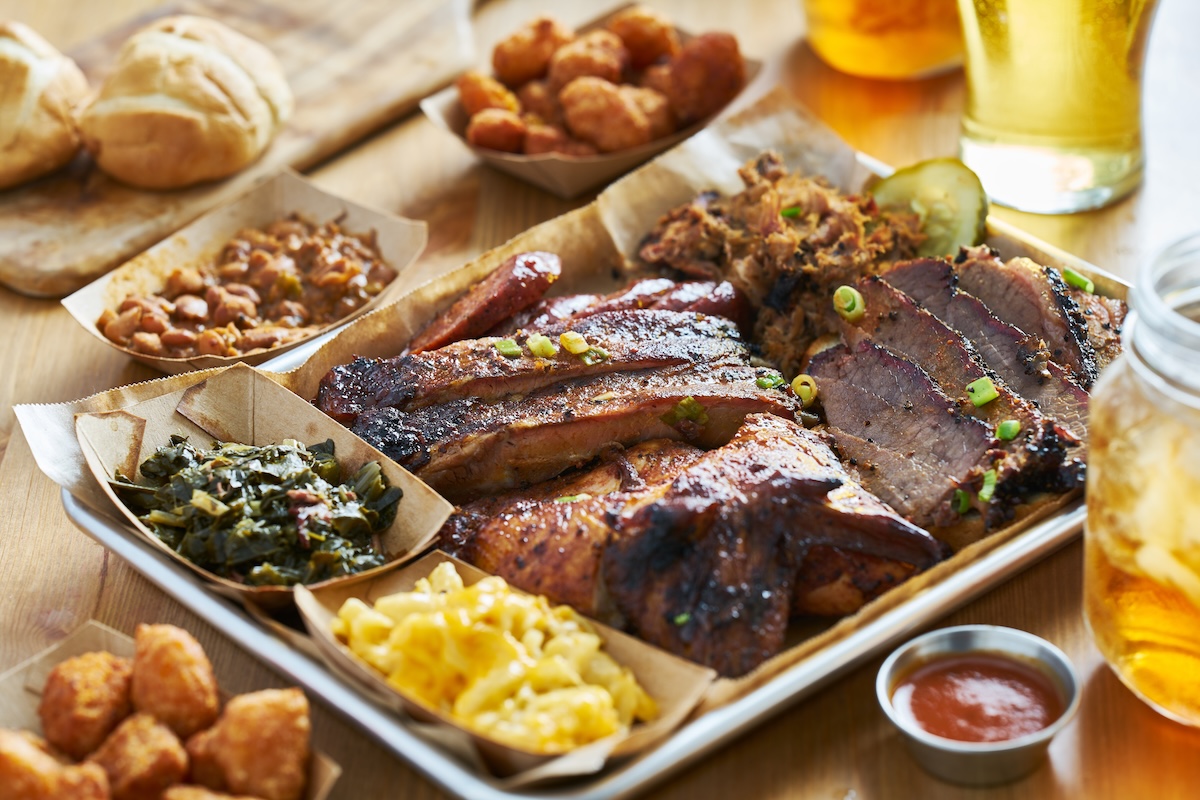
Texas and barbecue—those two just go together. People here really care about their smoked meats, and every region has its own spin.
In Central Texas, folks keep brisket simple: just salt, pepper, and post oak smoke. East Texas loves saucy, sweeter ribs. Down south, Mexican flavors sneak in with barbecued cabrito. Out west, mesquite wood gives the meat a bold, unmistakable taste.
Barbecue isn’t just food here. It’s family gatherings, competitions, and a big part of what makes Texas, well, Texas.
Utah: Funeral potatoes
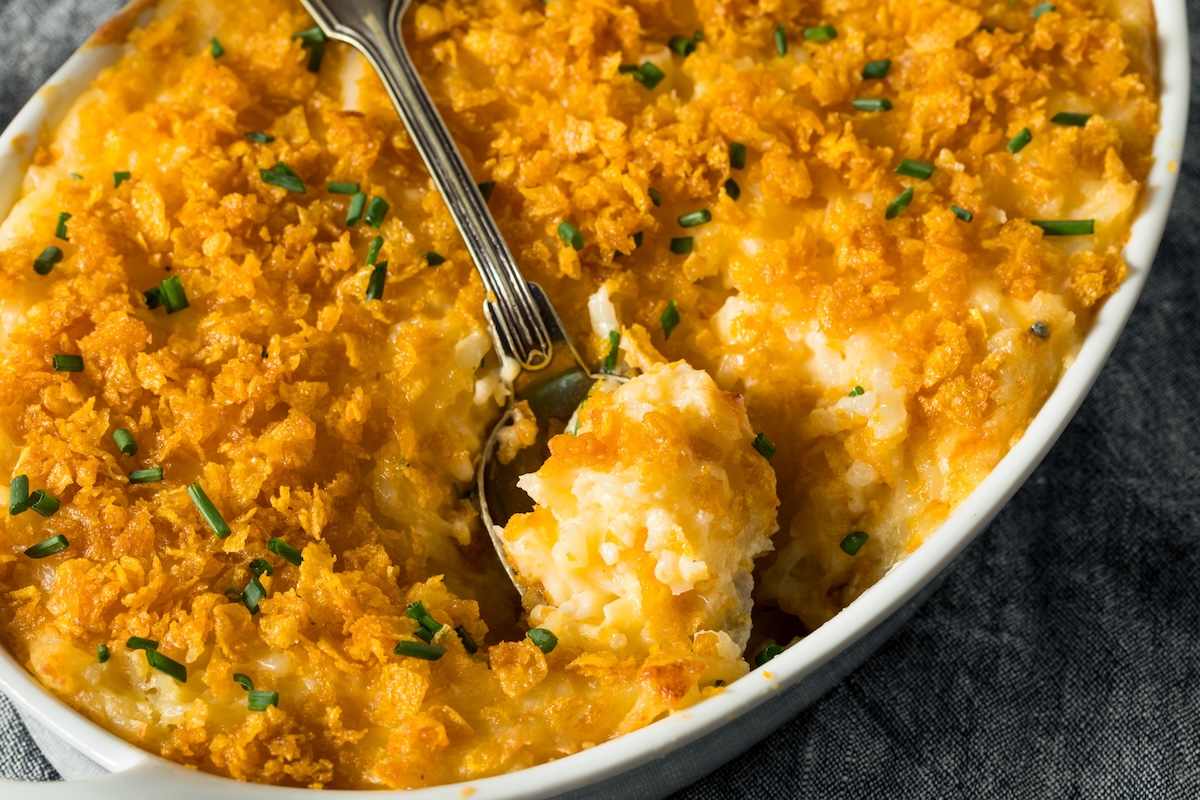
Funeral potatoes show up at almost every family get-together and church potluck in Utah. This cheesy casserole mixes hash browns, sour cream, melted cheese, and a crunchy cornflake topping.
The name comes from its tradition at post-funeral luncheons, but honestly, locals serve it at any celebration. Utahns have really made this dish their own.
It’s easy to make ahead, which probably explains why it became a go-to for feeding big crowds at community events.
Vermont: Maple syrup
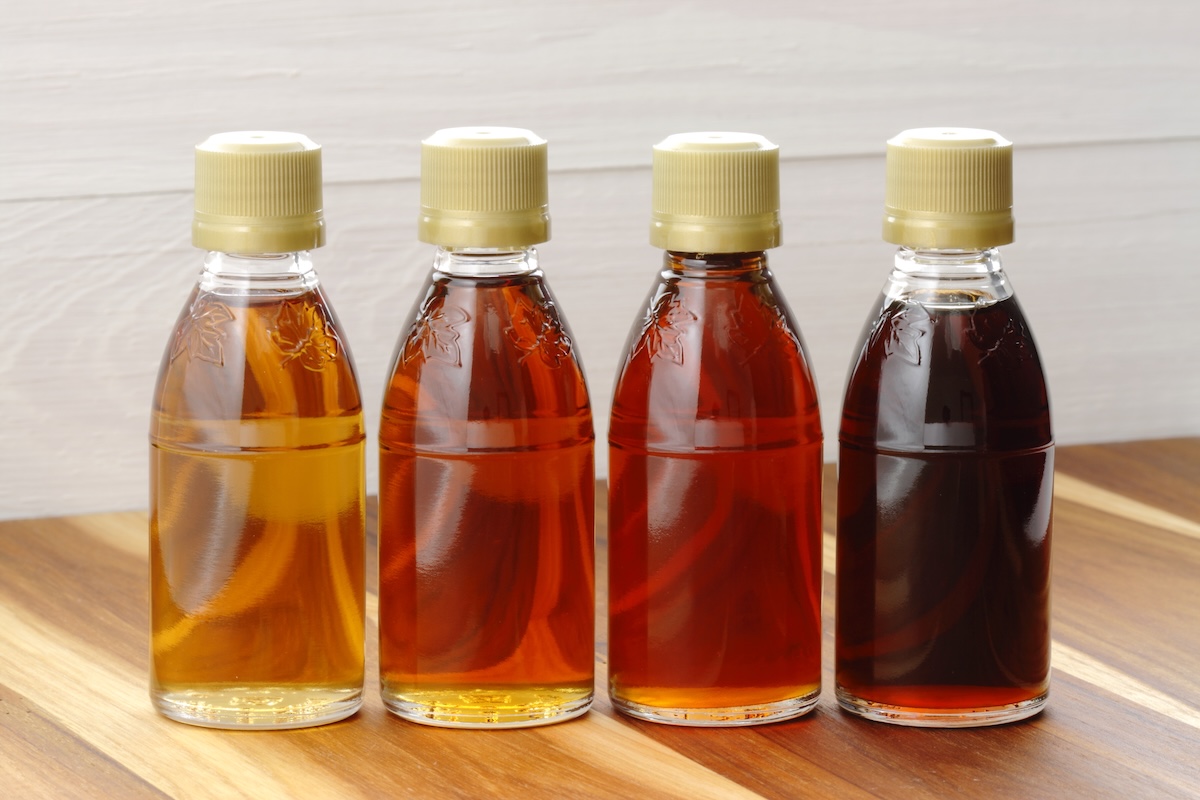
Vermont produces more maple syrup than anywhere else in the country—over half of America’s supply, actually. That’s about 3 million gallons a year from more than 8 million taps. Wild, right?
Maple syrup ends up in just about everything here. Sure, it goes on pancakes and waffles, but Vermonters also put it in beer, ice cream, and honestly, some foods you wouldn’t expect.
It all starts with the sugar maple trees that fill Vermont’s forests. When spring hits and those temperatures flip-flop between cold nights and warm days, the sap starts flowing. Farmers head out to their sugarhouses to collect it.
Virginia: Peanuts
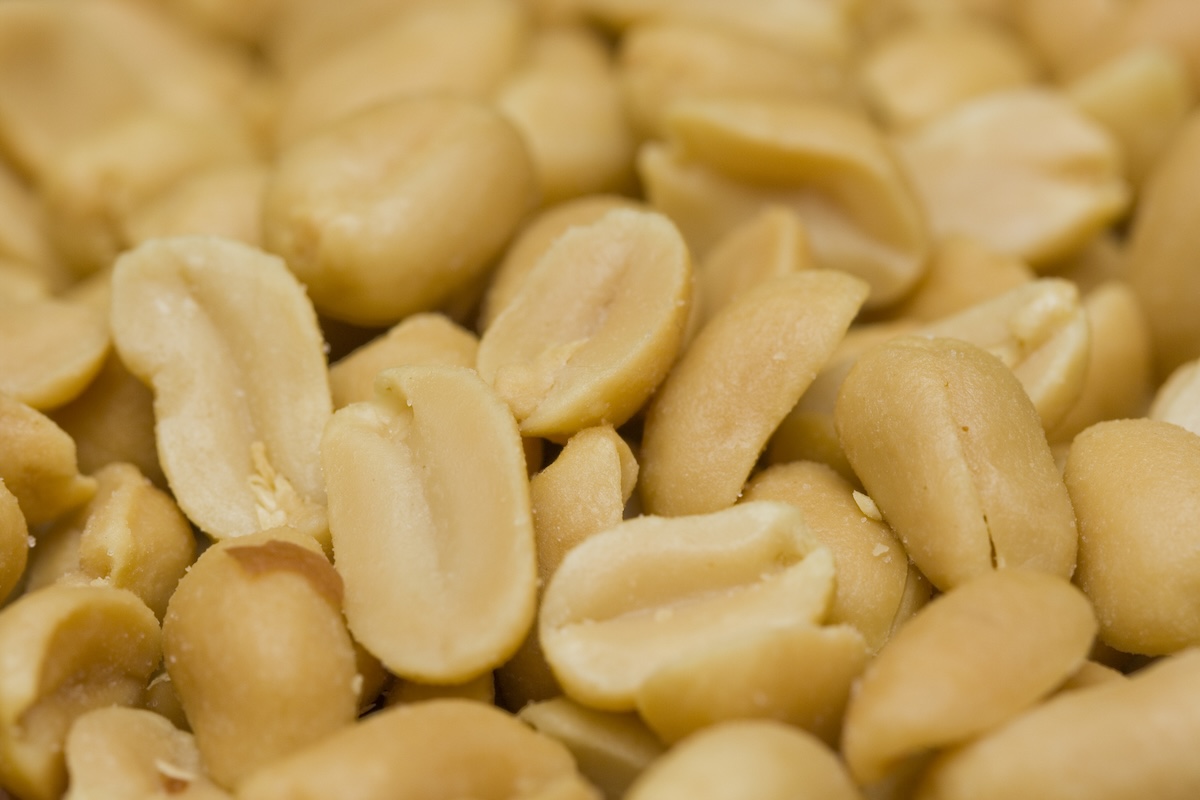
Virginia peanuts aren’t like the usual ones you find at the store. They’re bigger, crunchier, and just better, honestly. Farmers grow them in the southern part of the state, where the soil and weather work their magic.
You’ll spot Virginia peanuts everywhere—from roadside stands to fancy restaurants. Some places even serve peanut soup, a creamy, rich dish with roots going all the way back to colonial times and African cooking traditions.
Peanuts play a big role in Virginia’s economy and food scene.
Washington: Geoducks
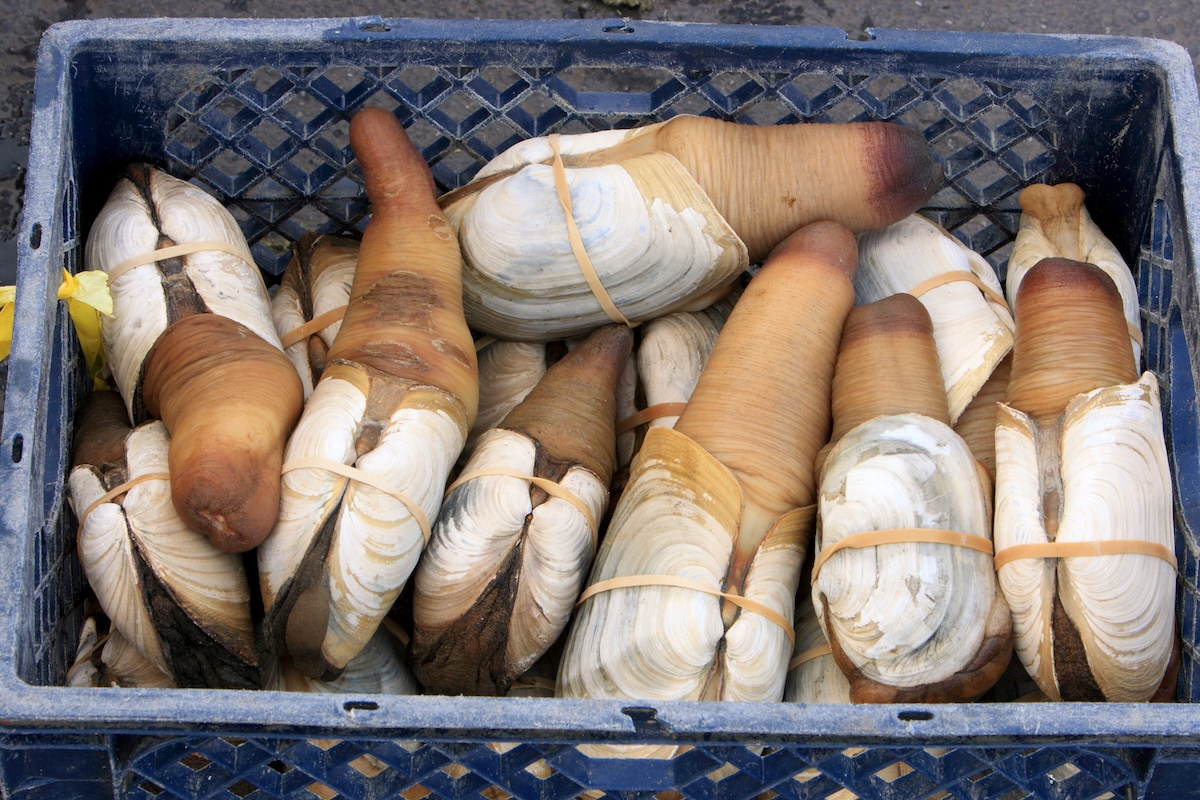
This giant clam might look a little odd, but geoducks (say “gooey-duck”) are a true Washington specialty. These things can hit 10 pounds and live for over 150 years. You’ll find them buried deep in the mud along Puget Sound and the Pacific Coast.
Washington leads the way in geoduck farming and harvesting. Most of the catch actually heads to Asia, where people pay serious money for fresh geoduck. If you’re curious, local restaurants serve it raw as sashimi or cooked in chowders and stir-fries.
West Virginia: Pepperoni rolls
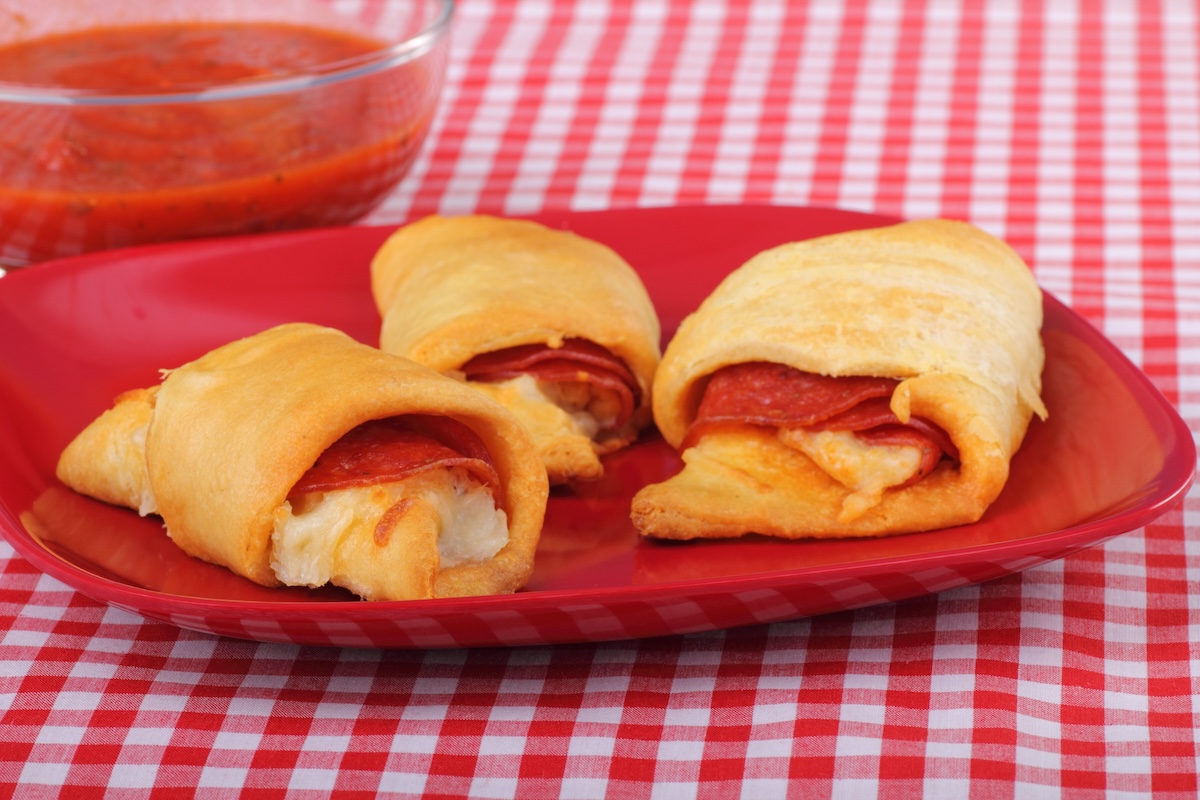
Pepperoni rolls are everywhere in West Virginia—gas stations, bakeries, you name it. Back in the early 1900s, coal miners needed an easy lunch for the mines, and this was the answer.
It’s soft white Italian bread rolled around pepperoni. Giuseppe Argiro, an Italian baker, came up with the first ones at his Country Club Bakery (which is still open, by the way). The rolls didn’t spoil easily and miners could eat them with dirty hands—pretty clever.
Now, pepperoni rolls are basically West Virginia’s unofficial state food. Everyone’s got a favorite spot for them.
Wisconsin: Cheese curds
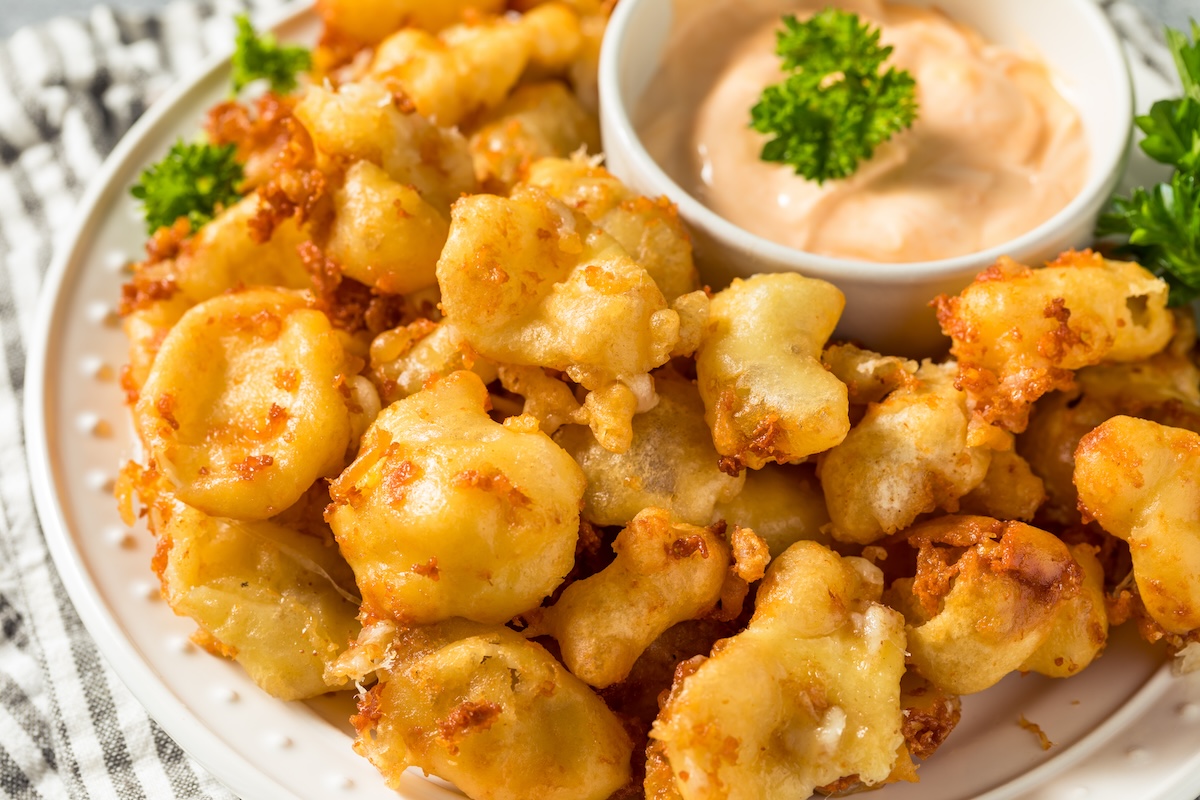
Try talking about Wisconsin without mentioning cheese curds—it’s just not possible. These fresh, squeaky chunks of cheese are a local obsession.
Wisconsin churns out over 600 types of cheese, but curds? They’re special. You’ll find them everywhere, from tiny creameries to massive cheese factories. Most spots fry them up until they’re golden and crisp outside but still gooey inside.
The best curds come straight from dairy farms and cheese makers who’ve been perfecting the process for generations.
Wyoming: Jerky
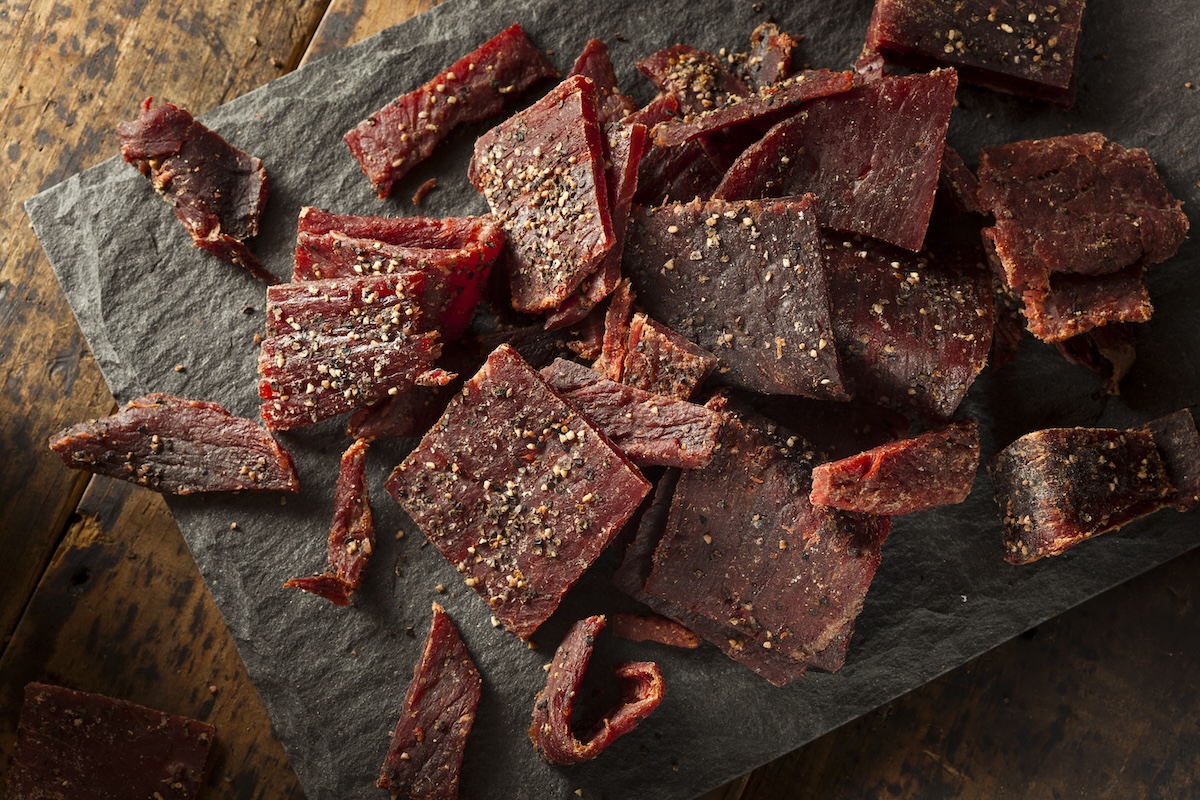
Beef jerky really is Wyoming’s signature snack. Ranchers here have been making it for ages, building on preservation tricks Native Americans started using long before. Cowboys counted on jerky during those endless cattle drives—it stayed good for weeks and fit right into a saddlebag.
Drive through Wyoming and you’ll spot jerky shops everywhere, from tiny highway towns to those kitschy tourist stops. Plenty of local folks still use old family recipes, and you can taste that history in every salty, chewy bite. Honestly, it’s hard not to feel a little bit of the ranching spirit when you try it.