
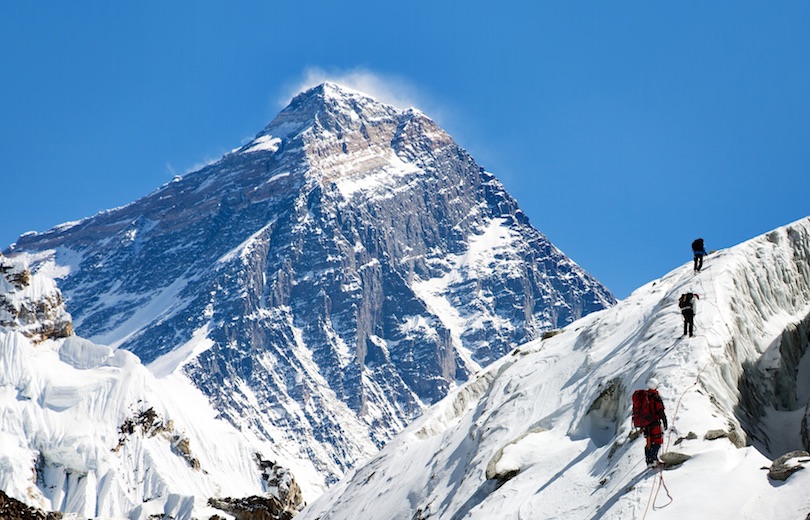
The sport of mountain climbing was born in 1760, when a young Genevese scientist, Horace-Benedict de Saussure, offered prize money for the first person to reach the summit of Mount Blanc, Europe’s tallest peak. But long before that time humans have been climbing mountains for the challenge it poses. Or “because it’s there” as English mountaineer George Mallory famously replied when he was asked why he wanted to climb Mount Everest. A few months later he disappeared on the way to the summit.
Some of the mountains on this list still provide a great challenge for the professional mountaineer. Others can be visited more easily by foot or cableway. But all of them can be appreciated from a safe distance providing magnificent vistas and spectacular scenery.
29. Eiger, Switzerland
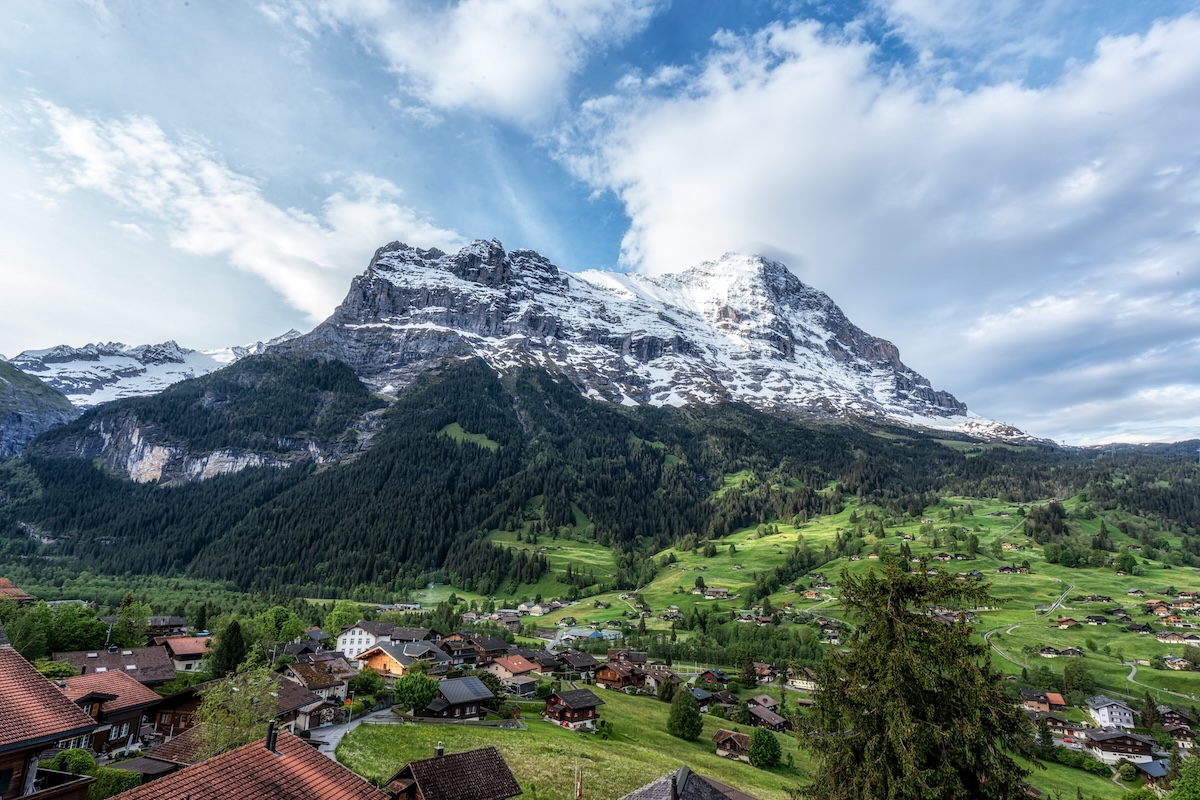
The Eiger rises 3,967 meters above the Swiss Alps in the Bernese Oberland. It stands between the valleys of Grindelwald and Lauterbrunnen, forming a famous trio with Mönch and Jungfrau. The Eiger isn’t famous for its height. It’s that massive north face that grabs your attention. The north wall is the biggest rock face in the Alps, and it’s earned a serious reputation among climbers.
Christian Almer, Peter Bohren, and Charles Barrington made the first successful climb in 1858. But that was the easy way up. The north face? No one managed that until the 1930s. If you’re not into extreme climbing, try the Eiger Trail. It’s a moderate three-hour hike that gives you incredible views of the peak—no need to risk your neck.
28. Mount Rainier, Washington
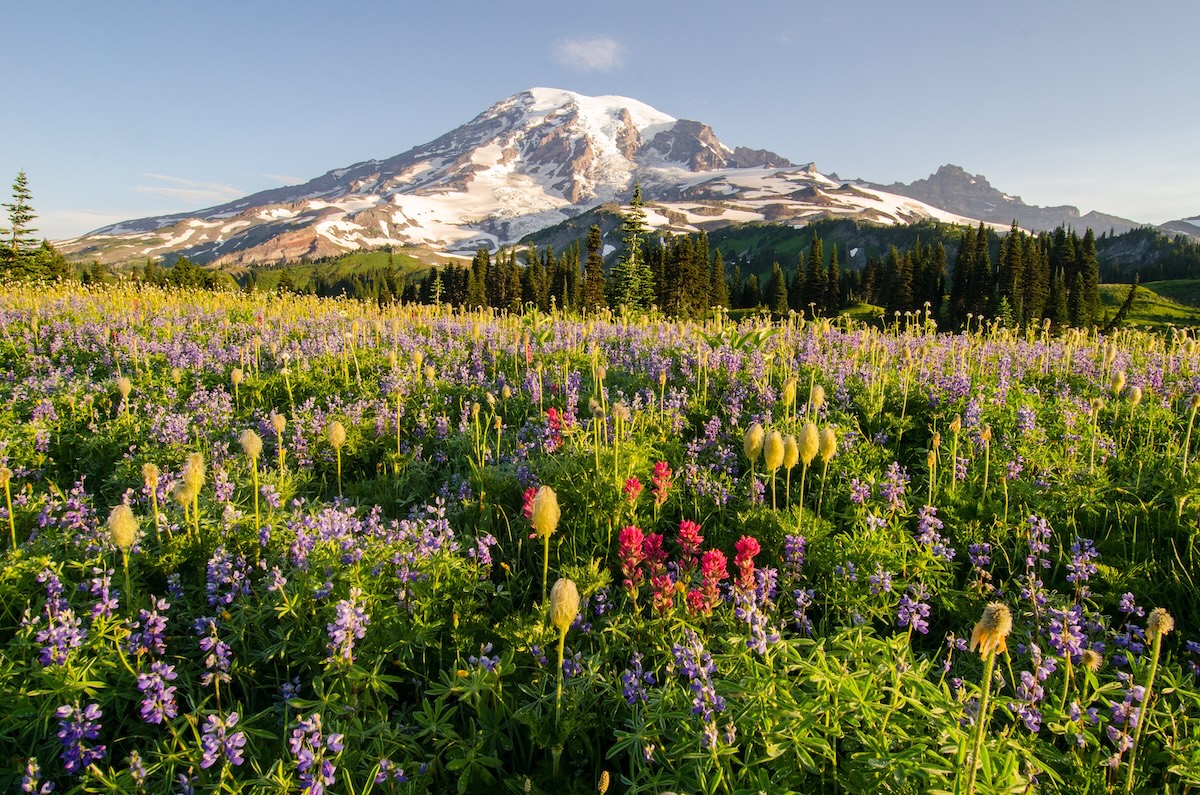
Mount Rainier towers 14,410 feet above sea level in Washington state. On a clear day, you can spot this massive volcano from far away. The mountain sits about 59 miles south-southeast of Seattle inside Mount Rainier National Park. It’s the highest peak in Washington and has more glaciers than any other mountain in the lower 48 states. Five major rivers start from these glaciers.
When you visit, you’ll see wildflower meadows, ancient forests, and plenty of wildlife. The park offers great hiking trails, scenic drives, and amazing views year-round. You can wander rainforests in spring, hike among wildflowers in summer, watch the leaves turn in autumn, and ski or snowshoe during winter.
Mount Rainier is still an active volcano, which just adds to the thrill of seeing it up close.
27. Kangchenjunga, India/Nepal
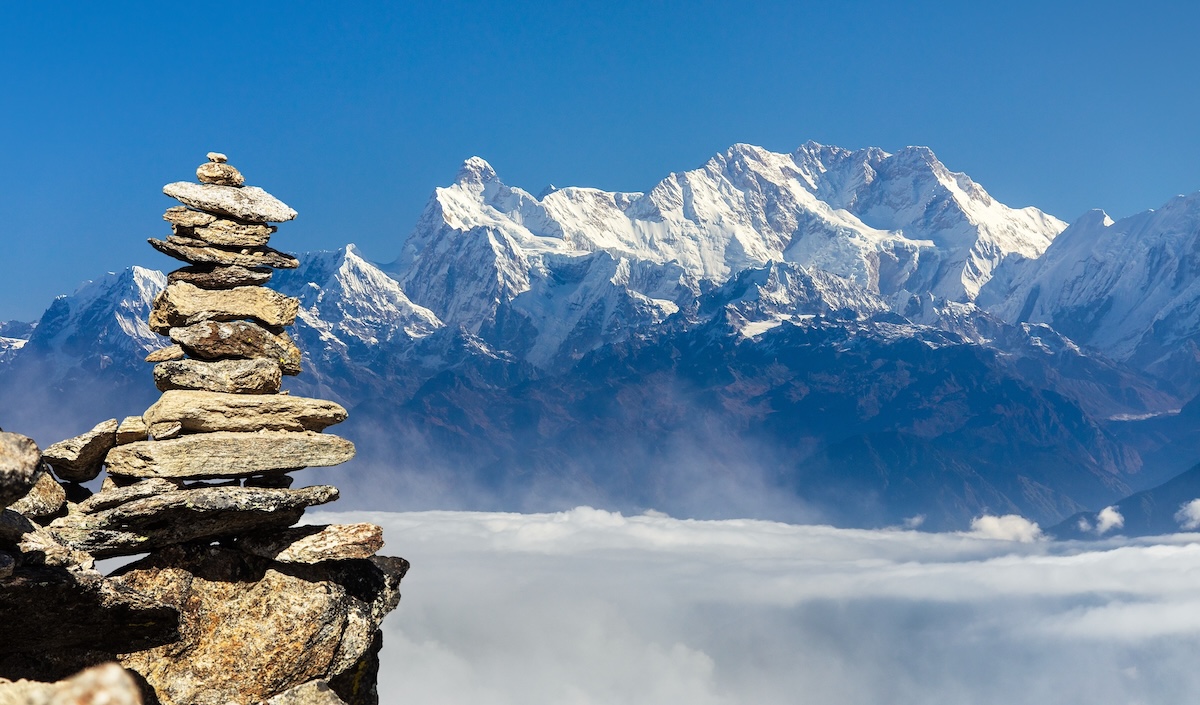
Kangchenjunga is the world’s third-highest mountain at 8,586 meters. It sits right on the border between Nepal and India’s Sikkim state. People once thought Kangchenjunga was the tallest peak until 1852. Its name means a lot to local communities, who consider it sacred. When you look at Kangchenjunga, you’re seeing five separate peaks along a massive ridge.
Joe Brown and George Band were the first climbers to reach the top in 1955, part of a British team that made history. Out of respect for local beliefs, climbers stop just short of the actual summit. You can catch views of Kangchenjunga from several spots in both countries. Taplejung in Nepal is a favorite. Trekkers often head to base camp for the closest look at this impressive mountain.
26. Mount Olympus, Greece
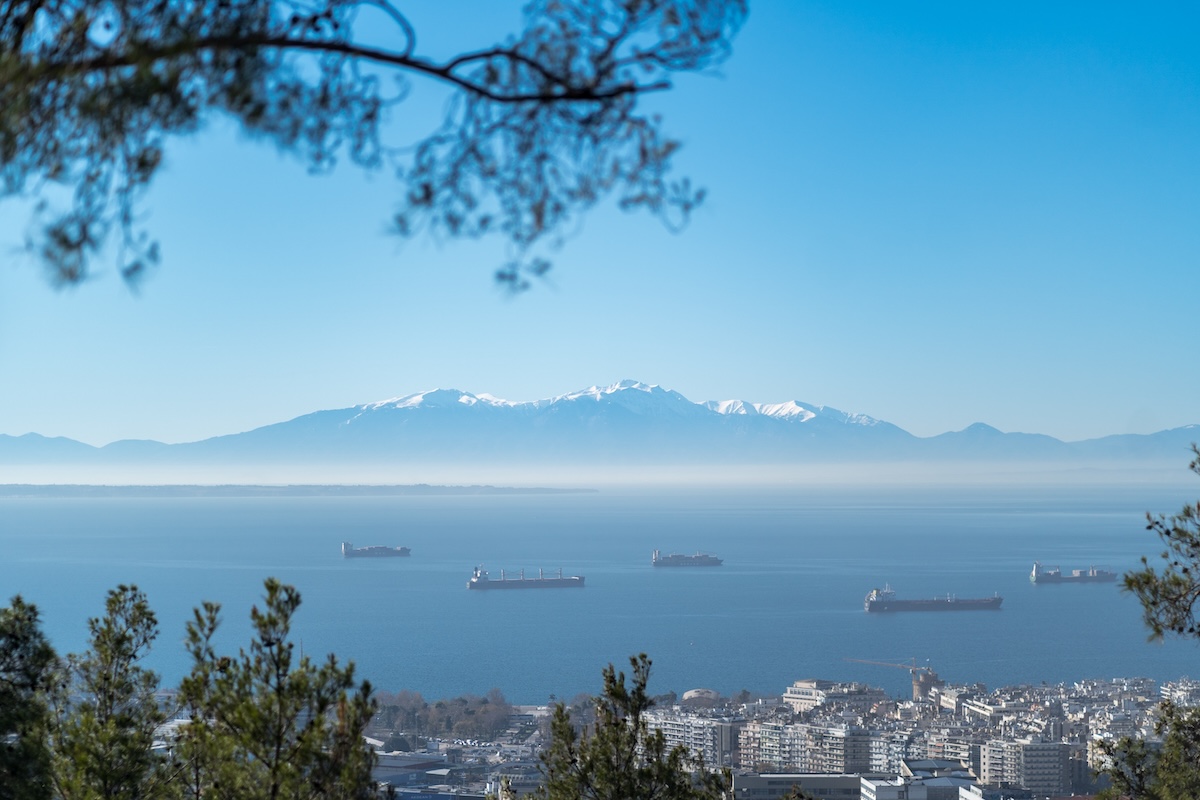
Mount Olympus is Greece’s tallest mountain at 9,570 feet. It sits on the border between Thessaly and Macedonia, about 50 miles from Thessaloniki. Olympus isn’t just a single peak—it’s a sprawling range with 52 peaks and deep valleys. According to Greek myths, this was where the twelve gods lived. Zeus ruled from the top, with Athena, Poseidon, Aphrodite, and the rest nearby. These days, you can actually hike up the same mountain the gods called home.
The area is now a national park packed with different plants and animals. The mountain creates its own weather, so you’ll see the landscape change as you climb. If you’re into hiking, trails wind through forests and rocky ground up to the summit, where you get sweeping views of northern Greece.
25. Pico de Orizaba, Mexico
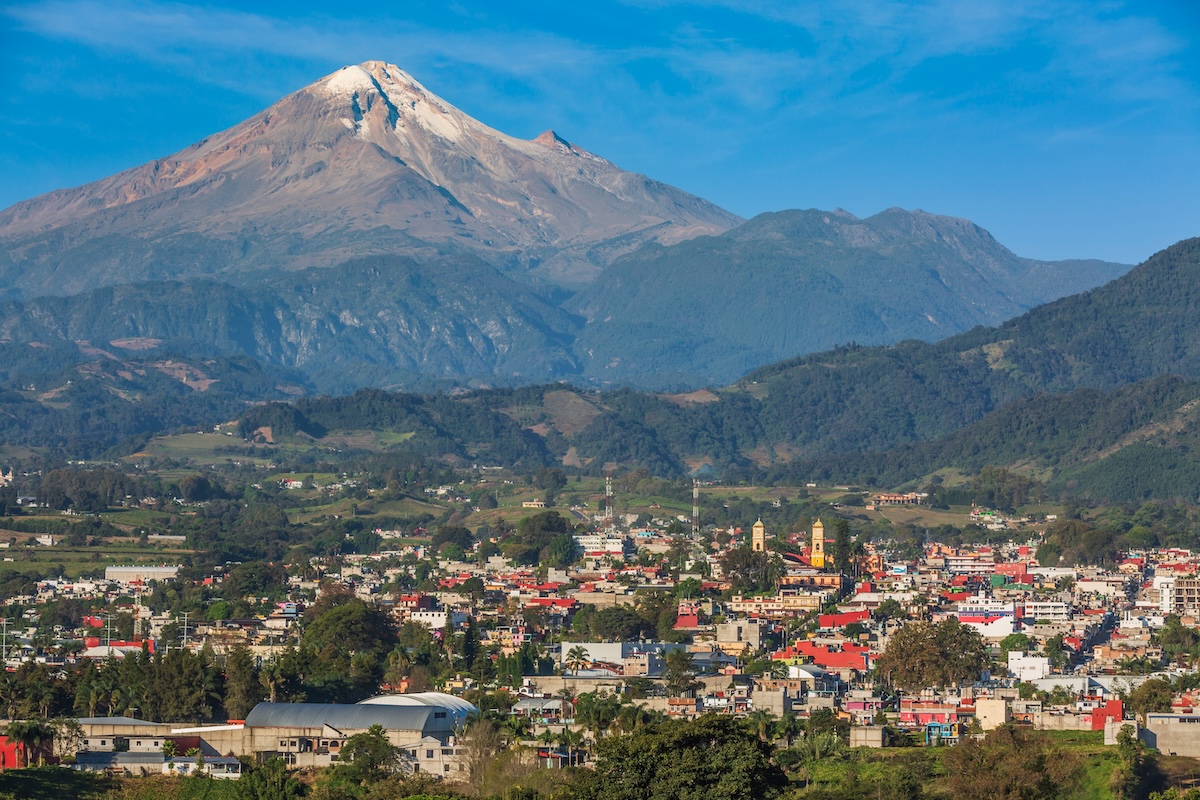
Mexico’s highest peak rises 18,491 feet above sea level on the border between Veracruz and Puebla. Pico de Orizaba is North America’s third tallest mountain, behind only Denali and Mount Logan. The volcano has another name: Citlaltépetl, meaning “Star Mountain” in the Nahuatl language. Snow covers its upper slopes year-round, making it shine like a beacon.
This active stratovolcano isn’t just tall—it’s North America’s highest volcanic summit. The glacier starts around 16,000 feet and blankets the peak in ice and snow. You can spot its perfect white cone from Tlachichuca to the west. The mountain sits about 60 miles east of Puebla on the southern edge of the Mexican Plateau.
24. Mount Sinai, Egypt
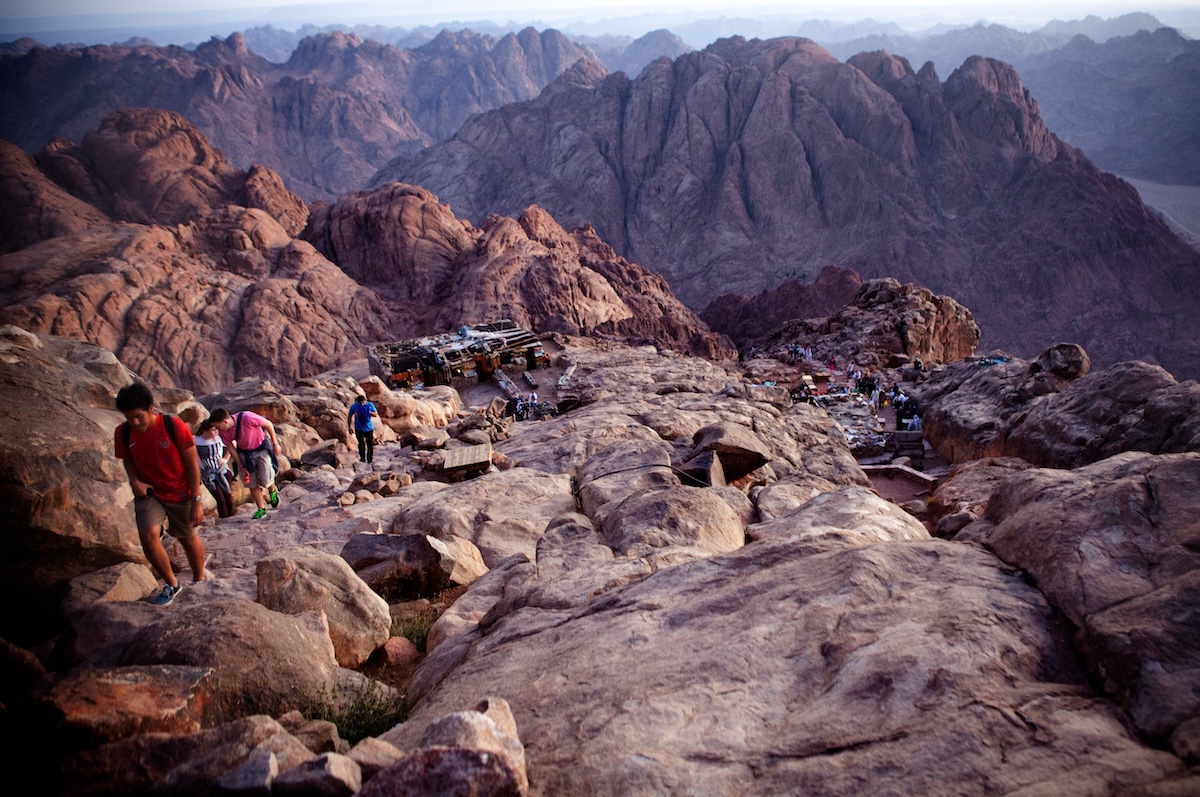
Mount Sinai rises 7,497 feet above Egypt’s Sinai Peninsula. This granite peak sits in the southern part of the region, drawing visitors for thousands of years. The mountain holds deep meaning for Jews, Christians, and Muslims. According to religious texts, Moses received the Ten Commandments at its summit. People call it Jabal Musa—“Mountain of Moses” in Arabic.
At the base sits Saint Catherine’s Monastery, the world’s oldest continuously operating Christian monastery. The site also houses what’s believed to be the Burning Bush from biblical accounts. You can climb Mount Sinai by two main routes. The path winds through rugged valleys and rocky ground. Many hikers start before dawn to catch sunrise from the top, where the desert landscape stretches out below.
23. Ben Nevis, Scotland
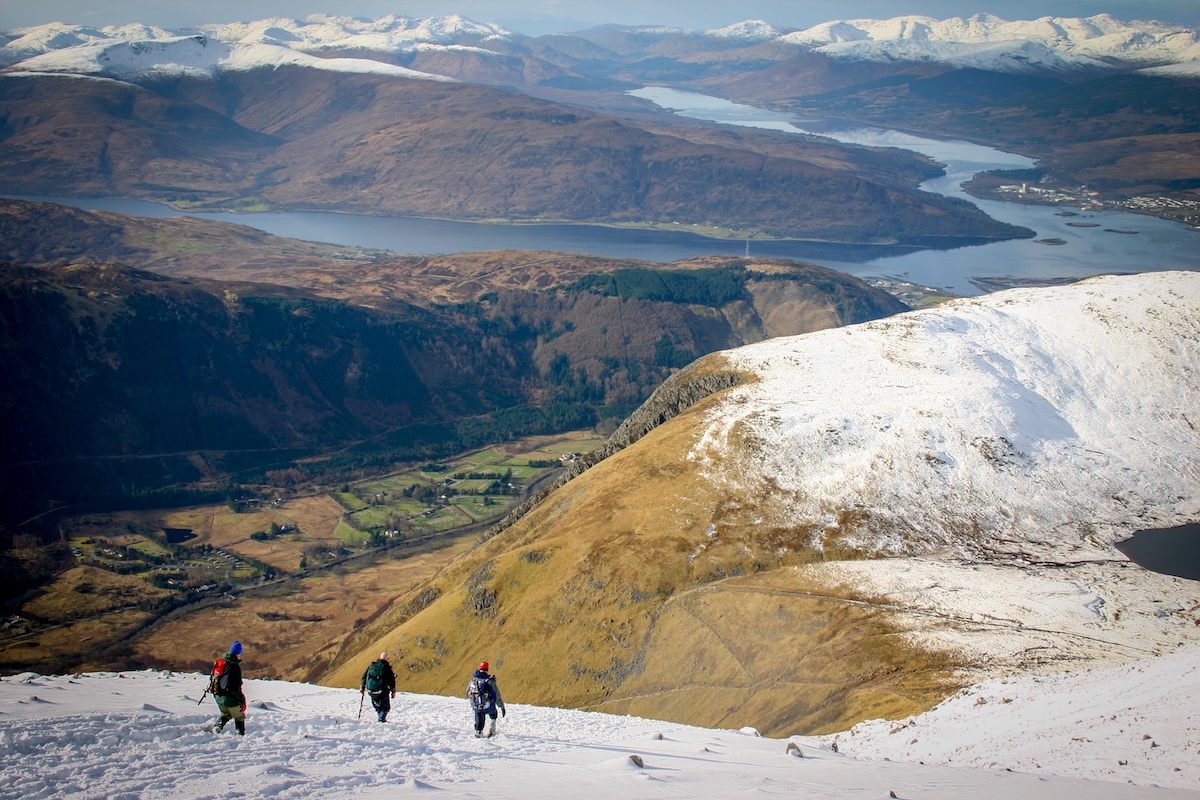
Ben Nevis is the highest mountain in Scotland and the entire British Isles. It stands 4,413 feet above sea level, near the town of Fort William in the Scottish Highlands. The mountain formed over 400 million years ago from volcanic activity. What’s left is the worn-down core of an ancient volcano, shaped by glaciers during the last Ice Age.
Don’t let the height fool you—it’s not an easy climb. Ben Nevis can be dangerous, with fast-changing weather and cliffs on its northern face that challenge even experienced climbers. The summit often hides in clouds, which is why its Gaelic name, Beinn Nibheis, means “Mountain with its Head in the Clouds.” Your trek up Ben Nevis takes you through varied terrain and offers views of the Grampian Mountains.
22. Trango Towers, Pakistan
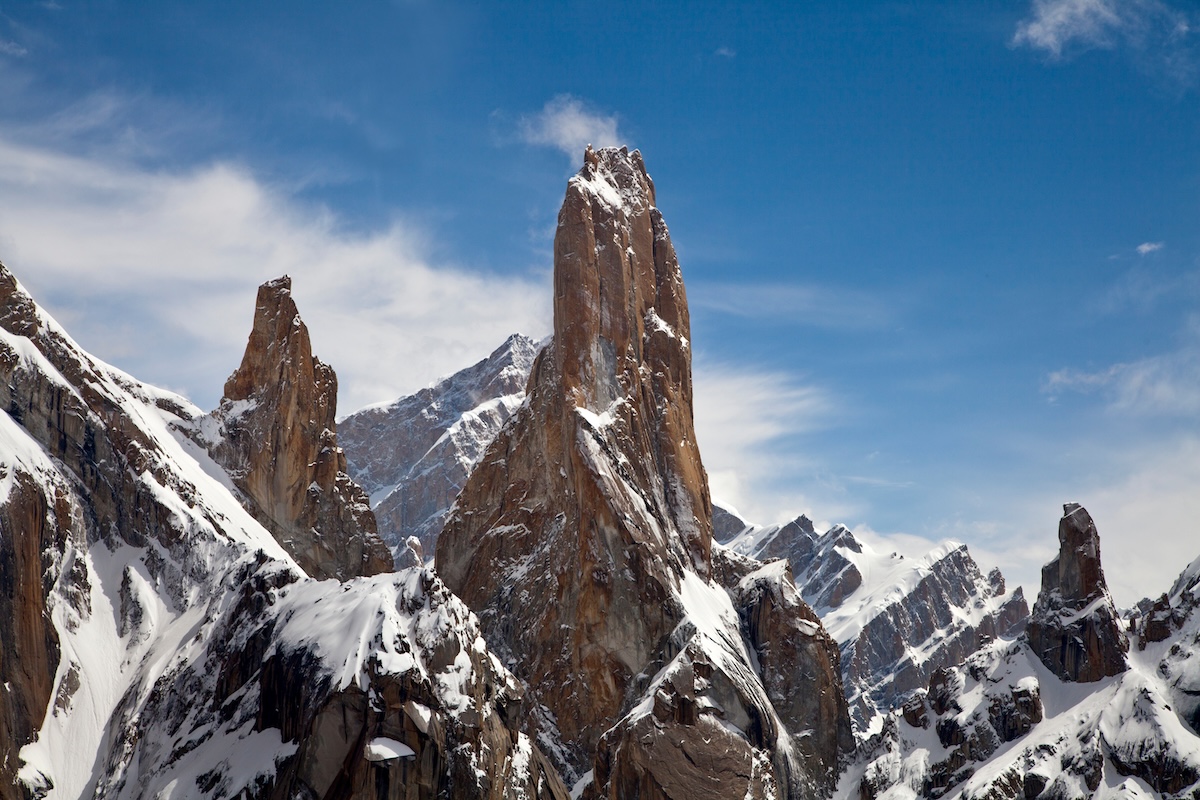
The Trango Towers shoot up from the Baltoro Glacier in northern Pakistan’s Gilgit-Baltistan region. These granite spires are part of the Karakoram range and pull climbers from around the world. Great Trango Tower is the tallest in the group at 6,286 meters. Its eastern face drops 4,396 vertical feet—one of the largest vertical rock faces anywhere.
The towers offer some of the hardest big wall climbing routes out there. The sheer granite walls test even expert climbers with technical challenges that few mountains can match. They sit at over 20,000 feet. Every year, climbing teams travel to this remote area hoping to take on these massive rock faces. Extreme altitude, vertical terrain, and unpredictable weather make any ascent a serious challenge.
21. Mount Elbrus, Russia
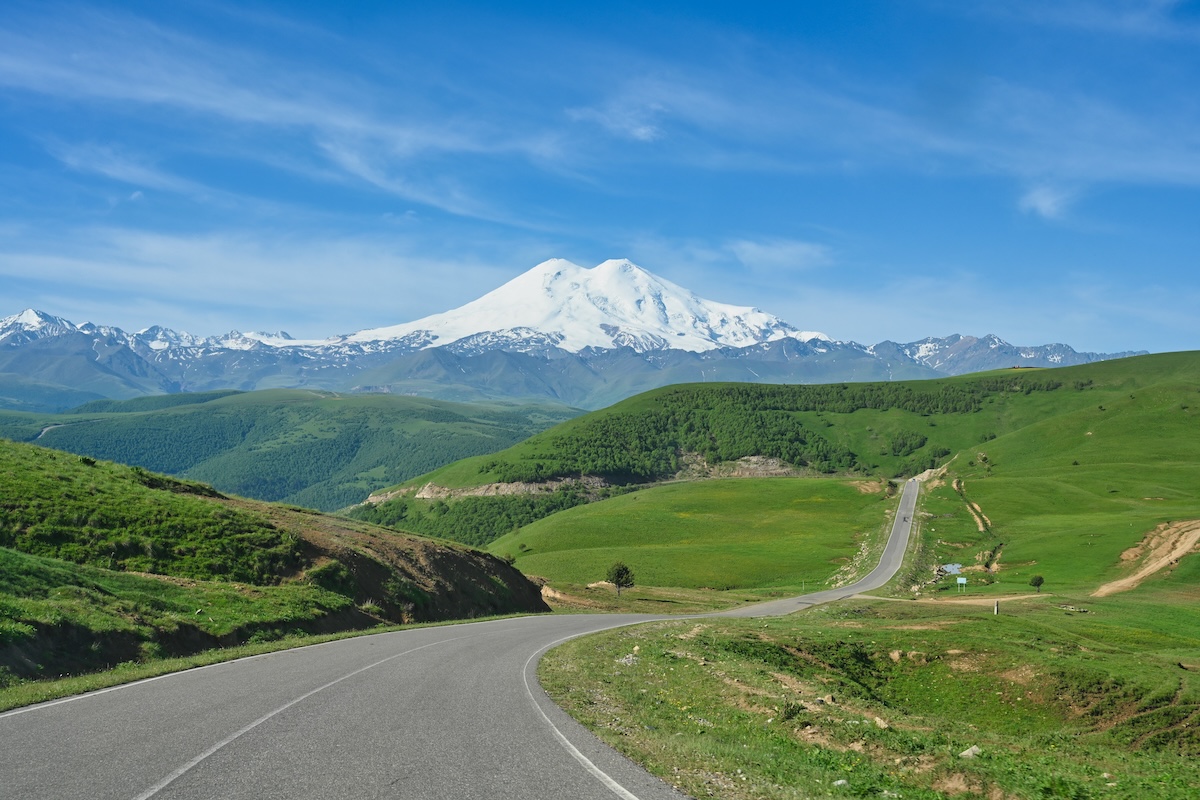
Mount Elbrus is Europe’s tallest peak at 18,510 feet above sea level. It stands in the Caucasus Mountains of southwest Russia and sits as a dormant volcano that hasn’t erupted in over 2.5 million years. The mountain actually has two summits, both covered in snow year-round. The western peak is a bit higher than its eastern twin. From a distance, Mount Elbrus really dominates the landscape.
This peak is part of the Seven Summits—the highest mountain on each continent. Thousands of climbers visit yearly to take on its slopes. The surrounding area is Prielbrusye National Park, where you can ski, hike, or just enjoy views of glaciers and alpine meadows.
20. Chimborazo, Ecuador
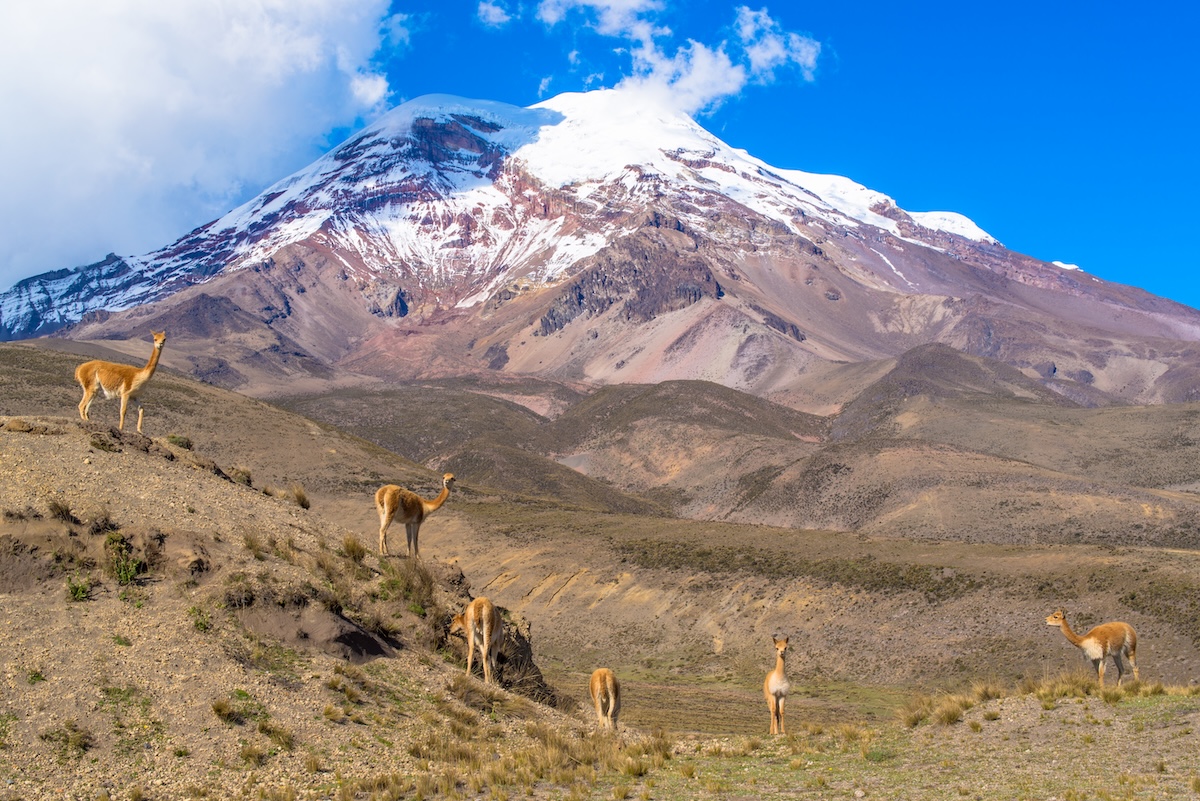
Chimborazo is Ecuador’s highest peak at 6,263 meters above sea level. This dormant volcano sits in the Andes, its summit covered in glaciers even though it’s near the equator. Here’s the wild part: If you measure from Earth’s center instead of sea level, Chimborazo is actually the farthest point from the planet’s core. Earth bulges at the equator, so Chimborazo gets the edge over Everest in that quirky stat.
The stratovolcano dominates central Ecuador. It has several craters from its volcanic past, though it hasn’t erupted in recorded history. If you want to climb it, go for it. The ascent is considered non-technical, so you don’t need advanced mountaineering skills. Still, you’ll need proper acclimatization and gear to handle the altitude.
19. Mont Blanc, France/Italy
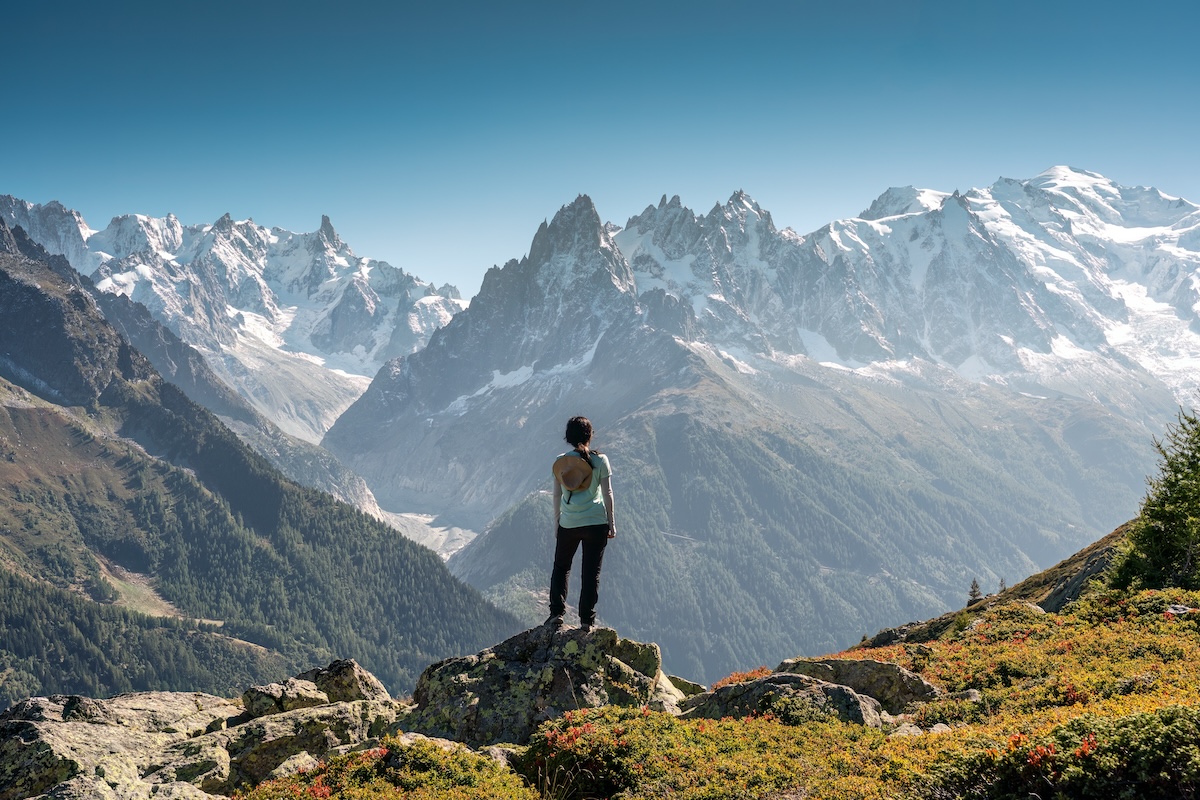
Mont Blanc rises 15,774 feet above sea level, the highest mountain in the Alps and Western Europe. It sits right on the border between France and Italy, with the massif stretching into Switzerland too. The name means “white mountain” in French; Italians call it Monte Bianco. Both countries claim the summit, which has sparked friendly debates for centuries.
You can access Mont Blanc from Courmayeur in Italy or Chamonix in France. These towns offer cable cars, hiking trails, and stunning views. It’s the second most prominent mountain in Europe after Mount Elbrus. Scientists recognized Mont Blanc as Western Europe’s highest peak back in the 1740s, launching it into fame among climbers and adventurers.
18. Puncak Jaya, Indonesia
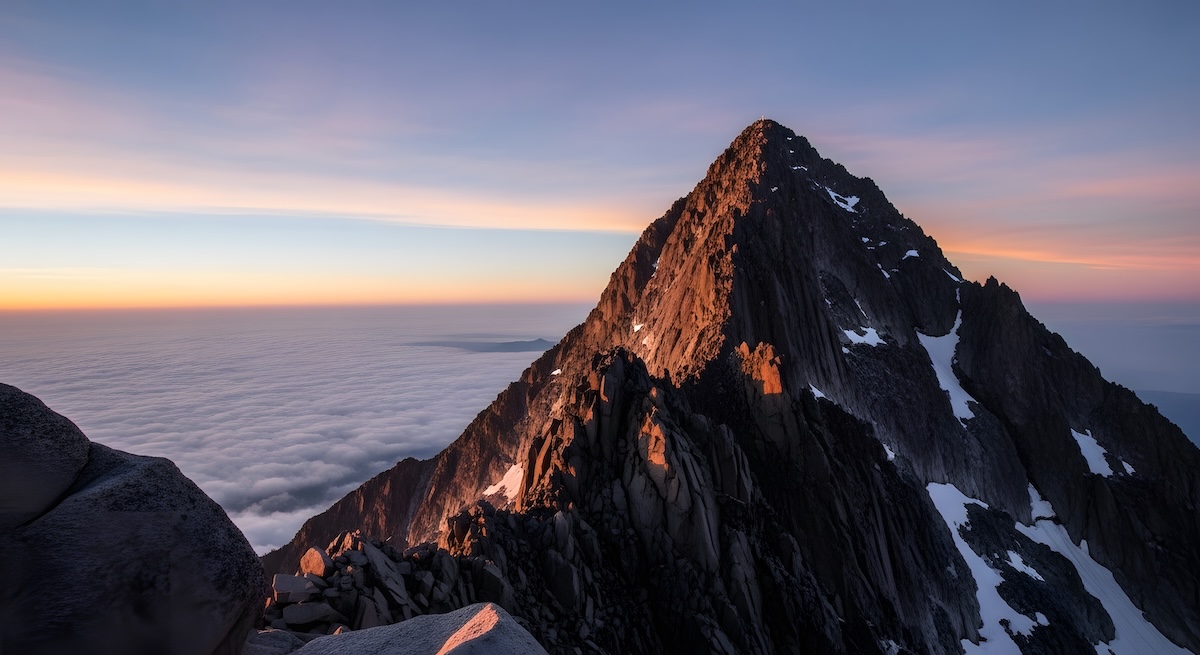
Puncak Jaya rises 4,884 meters above the tropical jungles of Papua, Indonesia. It’s also known as Carstensz Pyramid. This is the tallest peak in both Indonesia and Oceania. What’s really wild? It’s the highest island mountain on Earth.
The mountain sits in the Sudirman Range in Central Papua. Getting there means trekking through remote rainforests and facing some serious technical climbing. Despite being near the equator, you’ll actually find glaciers on Puncak Jaya.
Climbers count this peak among the Seven Summits—a huge deal in mountaineering circles. Your adventure here mixes jungle trekking with alpine climbing. The local indigenous cultures have lived in these mountains for thousands of years, adding something special to the experience.
17. Annapurna, Nepal
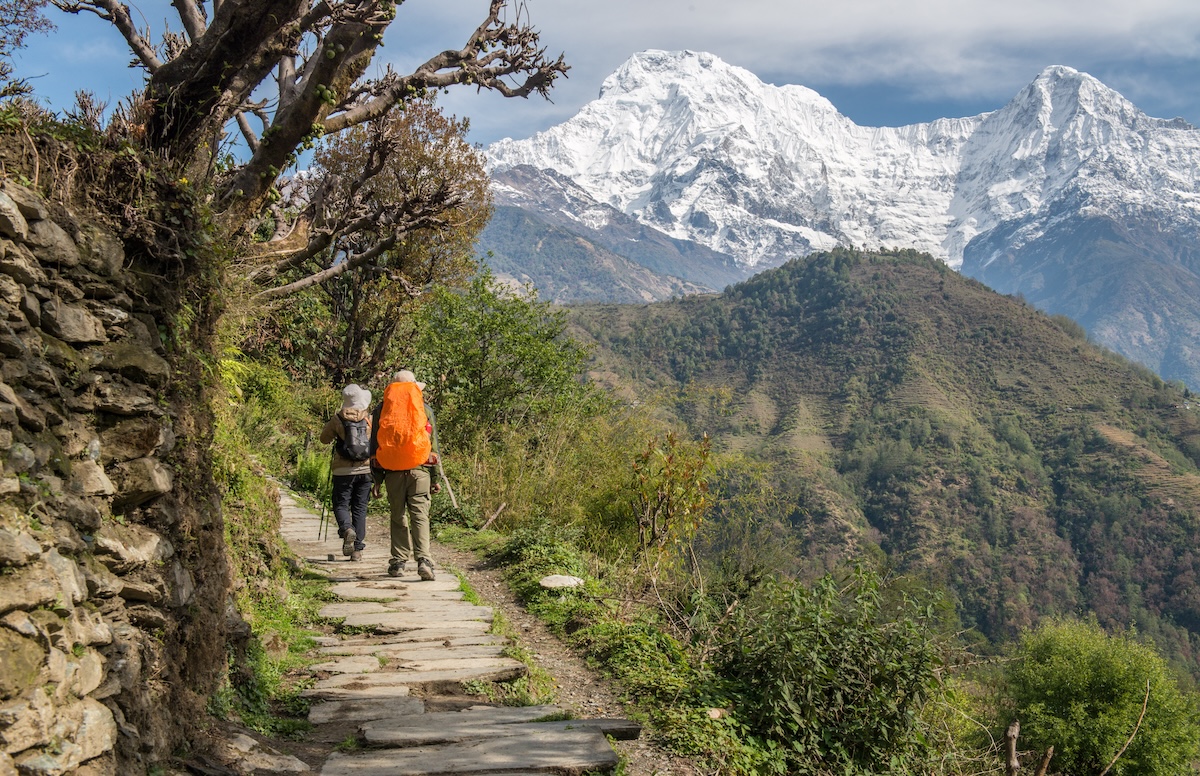
Annapurna rises in north-central Nepal, about 30 miles from Pokhara. At 8,091 meters, it’s the tenth highest mountain on Earth. This peak made history in 1950 when a French team became the first to climb any mountain over 8,000 meters. That put Annapurna on the map before many of its taller neighbors were even attempted.
The mountain sits within a massive range stretching about 34 miles. Sharp ridges and steep faces define its character. The Kali Gandaki Gorge runs along its western edge, while the Marshyangdi River flows to the east. Annapurna has a reputation as one of the world’s most dangerous climbs. The terrain demands serious skill and experience from anyone who tries its slopes.
16. Yosemite’s Half Dome, California
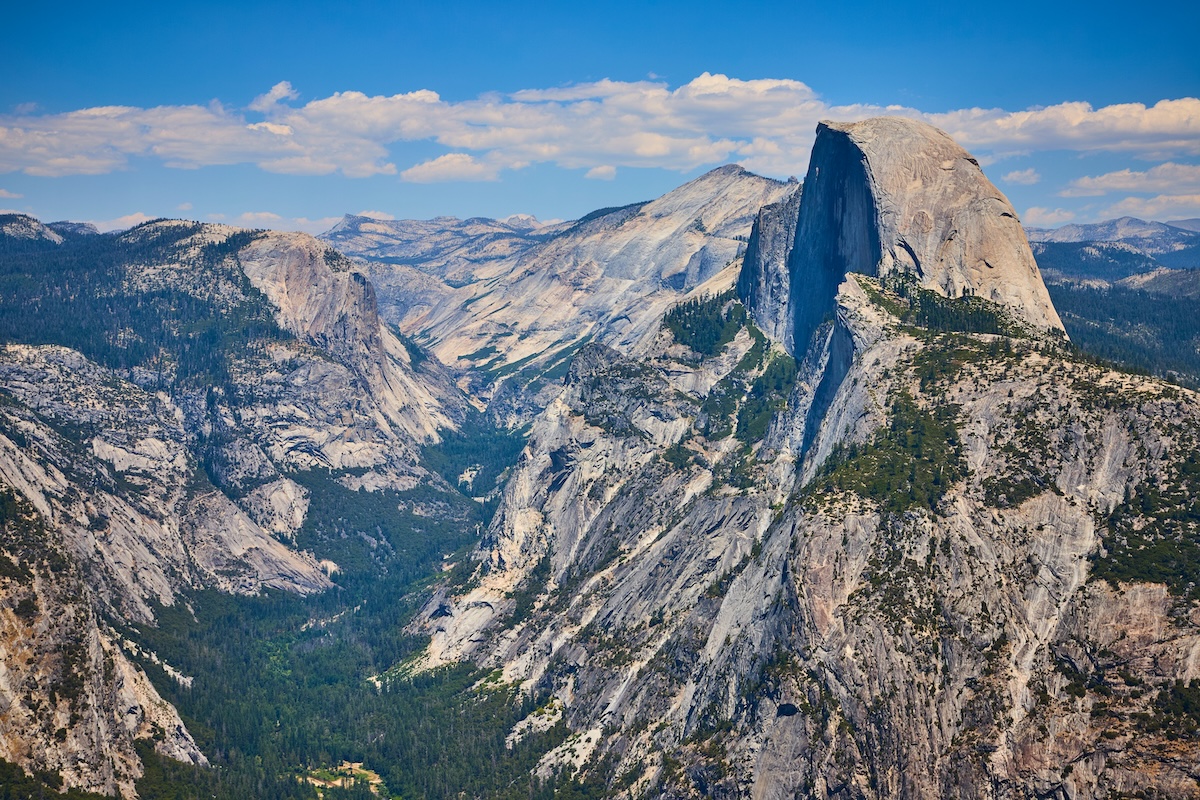
Half Dome stands as one of California’s most recognizable peaks. This massive granite formation rises 8,846 feet above sea level in Yosemite National Park. The rock gets its name from its unique shape, which looks like a dome that’s been sliced in half.
Half Dome sits at the eastern end of Yosemite Valley, towering nearly 5,000 feet above the valley floor. It’s made of quartz monzonite, a type of granite that formed deep underground millions of years ago.
The hike to the summit is legendary and, honestly, pretty tough. You’ll climb about 4,800 feet over 10 to 14 hours, finishing with a steep cable section that lets you scramble up the final stretch. The views from the top? They cover the entire Yosemite Valley and the surrounding Sierra Nevada mountains—totally worth the effort if you ask me. Even if hiking’s not your thing, you can spot Half Dome from lots of places in the park, like Glacier Point or various valley viewpoints.
15. Aconcagua, Argentina
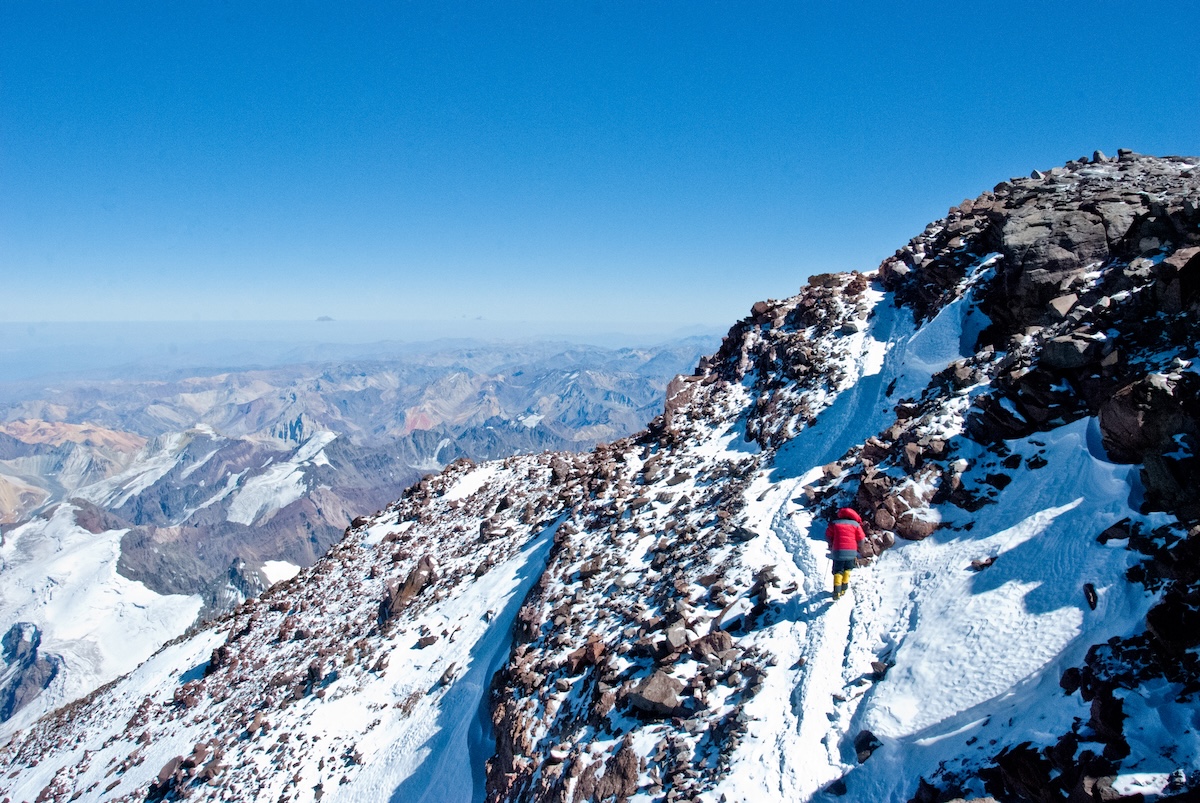
Aconcagua rises in western Argentina, near the Chilean border. It’s the highest mountain in South America and reaches about 22,831 feet above sea level. This giant stands in Mendoza Province and claims the title of tallest peak in both the Western and Southern Hemispheres. Only Asian mountains climb higher than Aconcagua.
The mountain formed from volcanic activity ages ago, though it doesn’t erupt anymore. It belongs to the Andes mountain range and draws climbers from all over who want to see what they’re made of. Aconcagua Provincial Park protects the mountain and the lands around it. The peak actually has two summits—a north peak and a slightly lower south peak. From a distance, its snow-covered slopes really pop against the sky.
14. Mount McKinley, Alaska
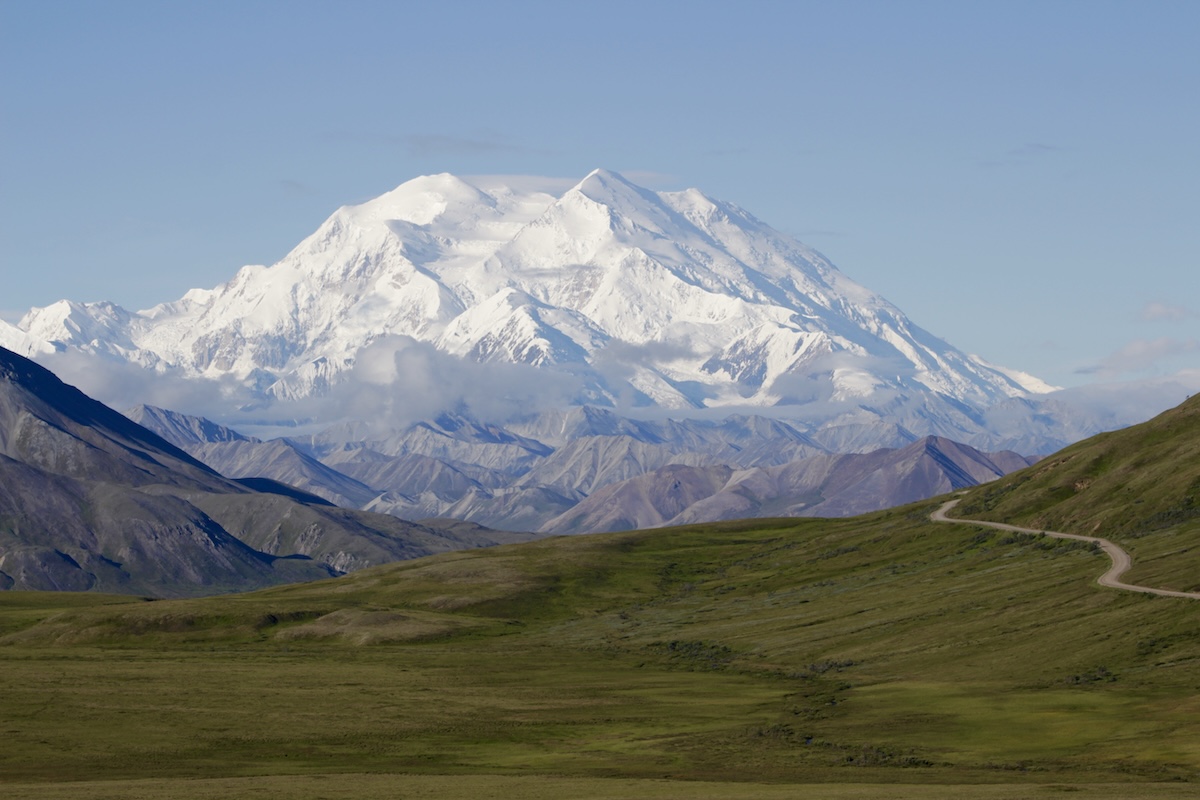
Mount McKinley rises over Alaska at 20,310 feet above sea level. Most people know it as Denali, its Native Alaskan name meaning “the High One.” This peak is North America’s tallest. When you measure from base to summit on land, it stretches an incredible 18,000 feet—one of the most massive mountains you’ll find anywhere, honestly.
Denali sits in south-central Alaska, about 130 miles north-northwest of Anchorage. The mountain lives inside Denali National Park and Preserve, where you can experience some of the wildest terrain Alaska offers.
What really sets Denali apart is its sheer presence on the horizon. It’s a white giant that dominates the landscape—there’s nothing else quite like it. The peak ranks as the third-highest of the Seven Summits, which are the tallest mountains on each continent.
13. Mount Kinabalu, Malaysia
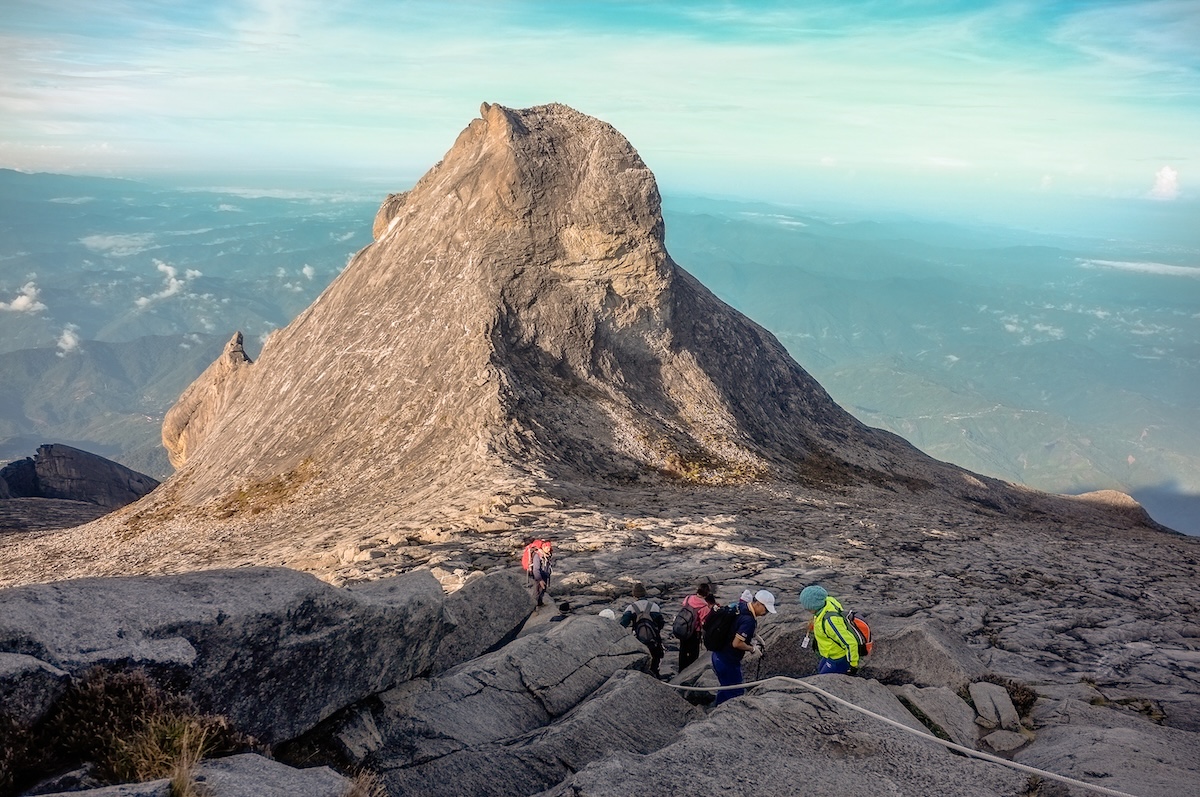
With a summit height at 4,095 meters (13,435 ft), Mount Kinabalu is the highest mountain in Borneo. The mountain is known worldwide for its tremendous botanical and biological species biodiversity. Over 600 species of ferns, 326 species of birds, and 100 mammalian species have been identified at Mount Kinabalu and its surrounding.
The main peak of the mountain can be climbed easily by a person with a good physical condition, and requires no mountaineering equipment although climbers must be accompanied by guides at all times.
12. Drakensberg Amphitheatre, South Africa
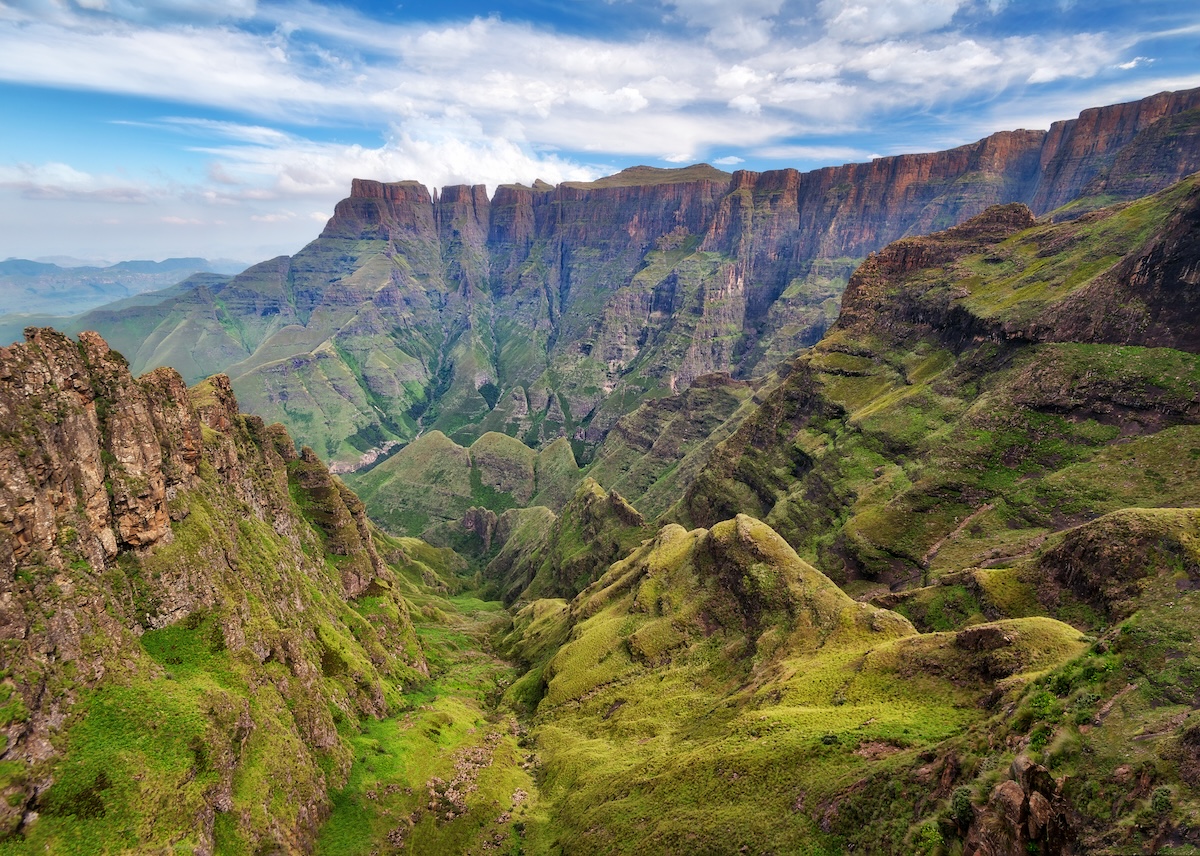
The Drakensberg is the highest mountain range in Southern Africa, rising to 3,482 metres (11,420 ft) in height. The name is derived from the Dutch and means “dragons mountain”. The Amphitheatre is one of the geographical features of the Northern Drakensberg, and is widely regarded as one of the most impressive cliff faces on earth.
The Amphitheatre is over 5 kilometers (3 miles) in length and has precipitous cliffs rising approximately 1200 meters (4000 ft) along its entire length.
11. Mount Huang, China
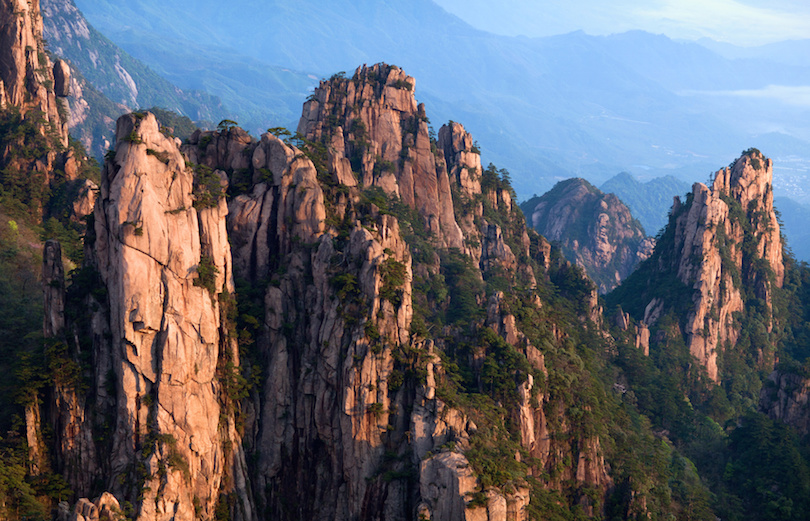
Mount Huang is a mountain range in eastern China also known as Huangshan (“Yellow Mountain”). The area is well known for its scenery, sunsets, peculiarly-shaped granite peaks and views of the clouds from above. Mount Huang is a frequent subject of traditional Chinese paintings and literature, as well as modern photography.
The tallest peak in the Huangshan mountain range is the Lotus Peak at 1,864 meters (6,115 ft). In ancient times almost 60,000 stone steps were carved into the side of the mountain. Today there are also cable cars that tourists can use to ride directly from the base to one of the summits.
10. Aoraki/Mount Cook, New Zealand
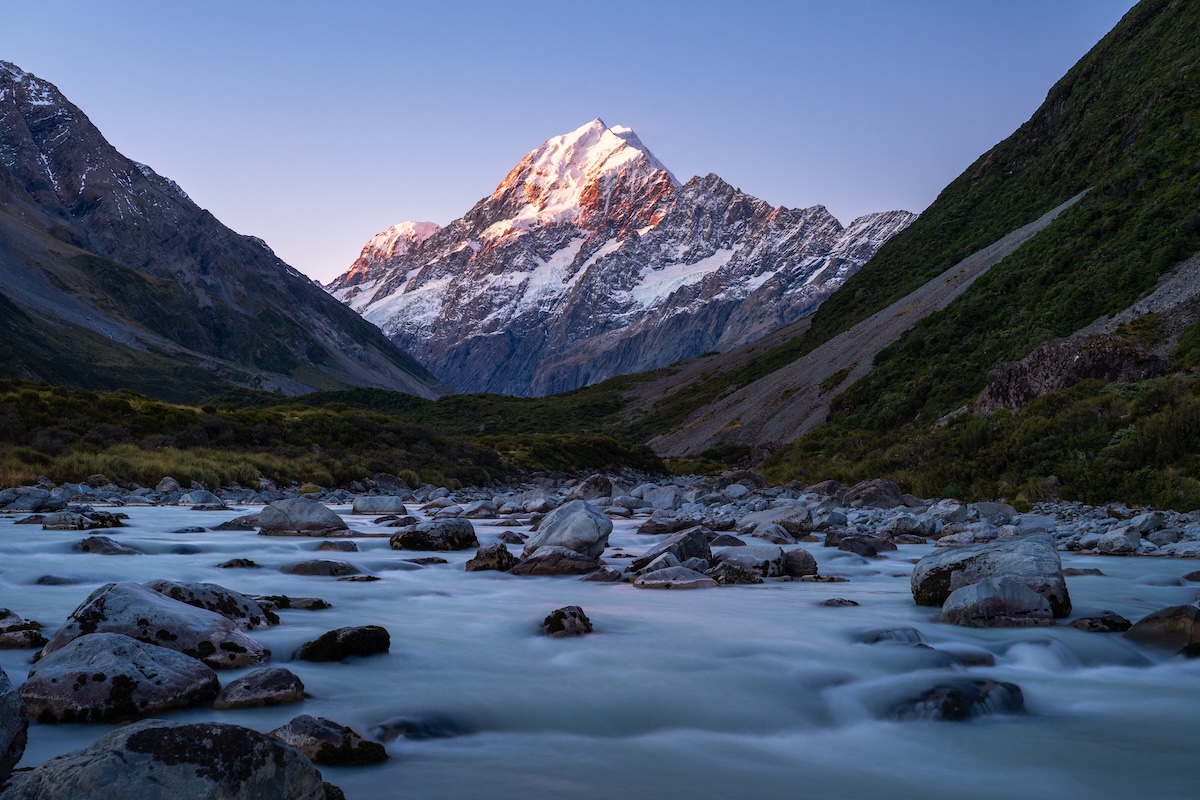
Aoraki Mount Cook is the highest mountain in New Zealand, reaching a height of 3,754 metres (12,316 ft). Aoraki means “Cloud Piercer” in the Ngai Tahu dialect of the Maori language. The mountain lies in a national park of the same name which contains 27 other mountains which peak at over 3000 meters. A popular tourist destination, it is also a favorite destination for mountain climbers.
It is is a challenging ascent, with frequent storms and very steep snow and ice climbing to reach the peak. The mountain was first climbed successfully in 1894 by three New Zealanders who reached the summit via the north ridge.
9. Kilimanjaro, Tanzania
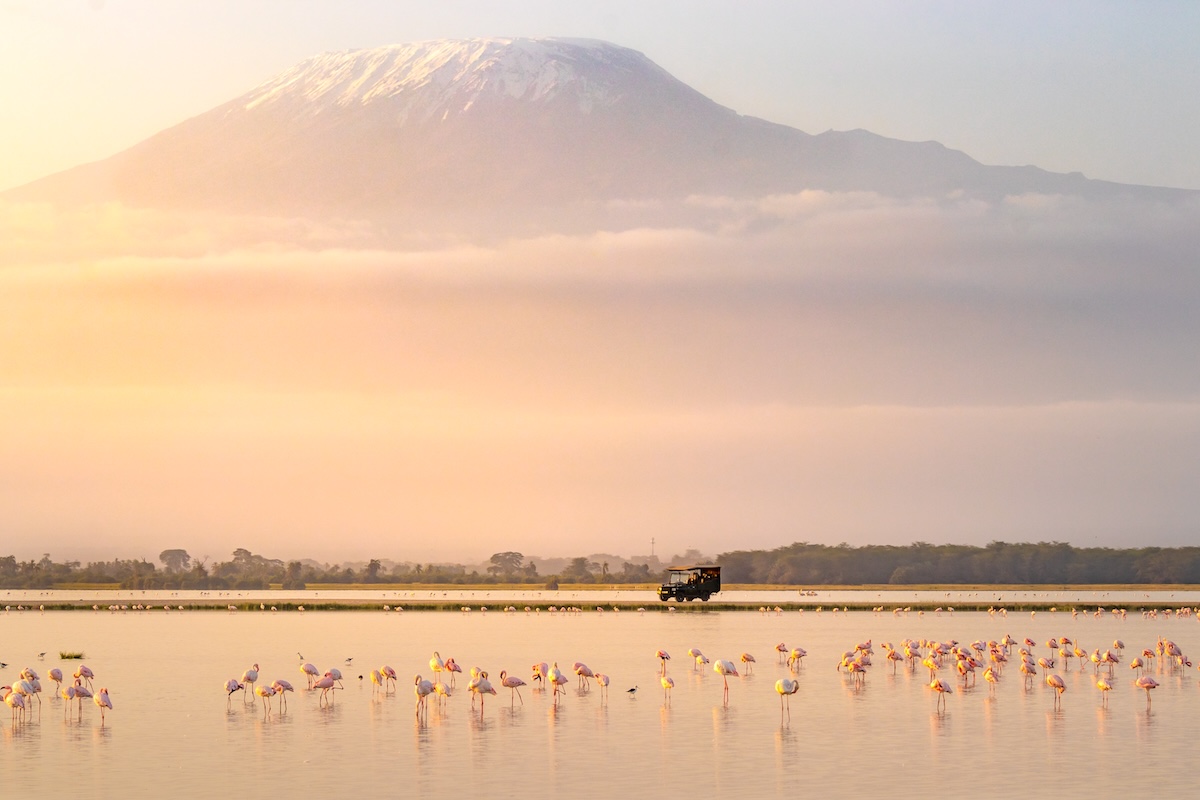
Mount Kilimanjaro stands at 5,895 meters, making it Africa’s tallest mountain. This massive dormant volcano rises in northeastern Tanzania, near the border with Kenya. Kilimanjaro stands out as the world’s highest free-standing mountain. It rises alone from the plains, not as part of a range. On clear days, you can spot its snow-capped peak from more than 160 kilometers away.
The mountain has three volcanic cones: Kibo, Mawenzi, and Shira. Kibo holds Uhuru Peak, the highest point you can reach. Even though it’s near the equator, Kilimanjaro’s summit stays cold enough for glaciers and snow—pretty wild, right? Kilimanjaro National Park protects the mountain and covers 1,688 square kilometers. The park draws hikers from all over who want to test themselves against this iconic African peak.
8. Monte Fitz Roy, Chile/Argentina
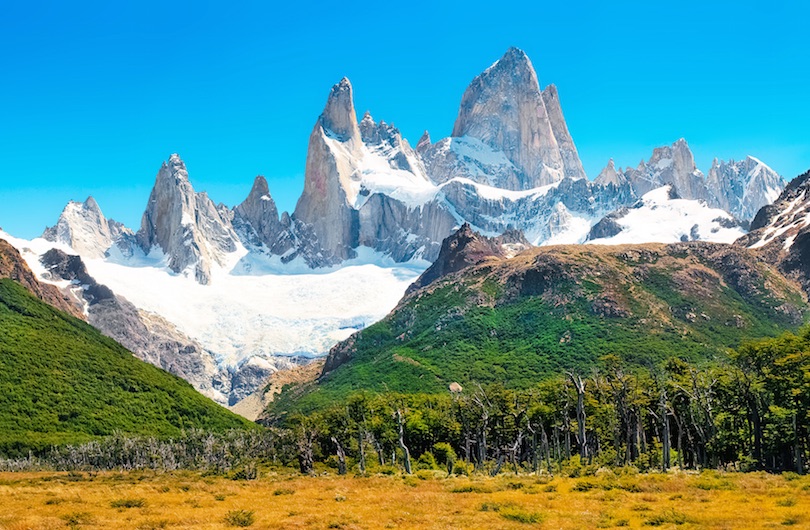
Monte Fitz Roy is a 3,375 meter (11,073 ft) high mountain on the border between Argentina and Chile. Despite its average height the mountain has a reputation of being extremely difficult to climb because the sheer granite faces present long stretches of arduous technical climbing.
In addition, the weather in the area is exceptionally severe and treacherous. The mountain also attracts many tourists and photographers thanks to its otherworldly shape. It was first climbed in 1952 by French alpinists Lionel Terray and Guido Magnone.
7. Mount Kailash, Tibet
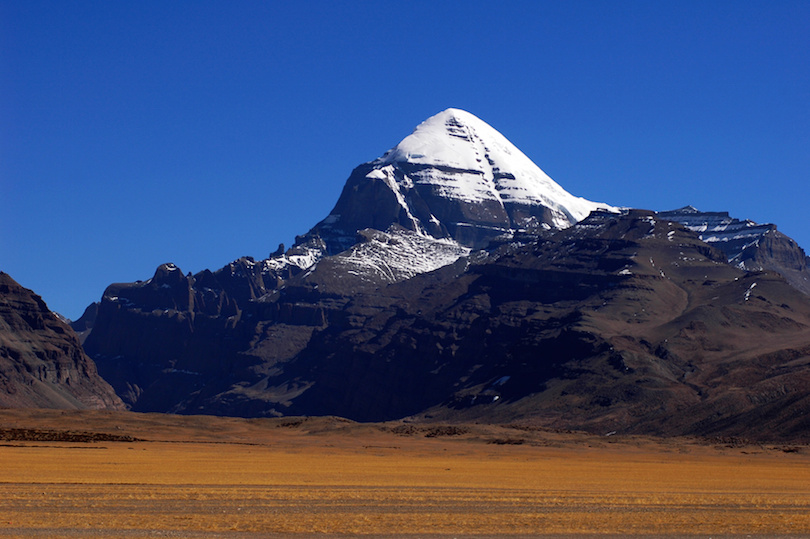
Located in Tibet, Mount Kailash is considered as a sacred place in five religions: Hinduism, Buddhism, Jainism, Ayyavazhi and the Bön faith. In Hinduism, it is considered to be the abode of Lord Shiva. Every year, thousands make a pilgrimage to Kailash, following a tradition going back thousands of years.
It is believed that moving around Mount Kailash on foot will bring good fortune. Because of these beliefs the mountain is considered off limits to climbers and there have been no recorded attempts to climb the 6,638 meter (21,778 ft) high Mount Kailash. It is the most significant peak in the world that has not seen any known climbing attempts.
6. Valley of the Ten Peaks, Banff, Canada
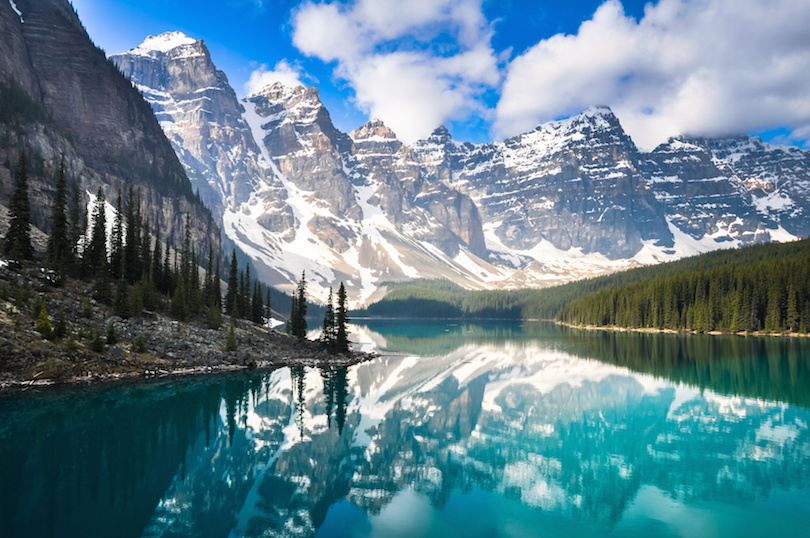
This stunning valley sits in Banff National Park, tucked away in Alberta about 180 kilometers west of Calgary. Ten massive mountain peaks rise above the valley, each one topping 3,000 meters. That’s where the name comes from, obviously—though seeing them in person is something else entirely. If you want to visit, just take Moraine Lake road near Lake Louise. The famous Moraine Lake waits at the base of these giants, its turquoise water mirroring the jagged skyline. You’ve probably seen photos, but honestly, they don’t do it justice.
Each of the ten peaks has its quirks and personality. Mount Temple towers as the tallest in the Lake Louise area, wedged between Paradise Creek and Moraine Creek. It’s hard not to stare.
5. Mount Fuji, Japan
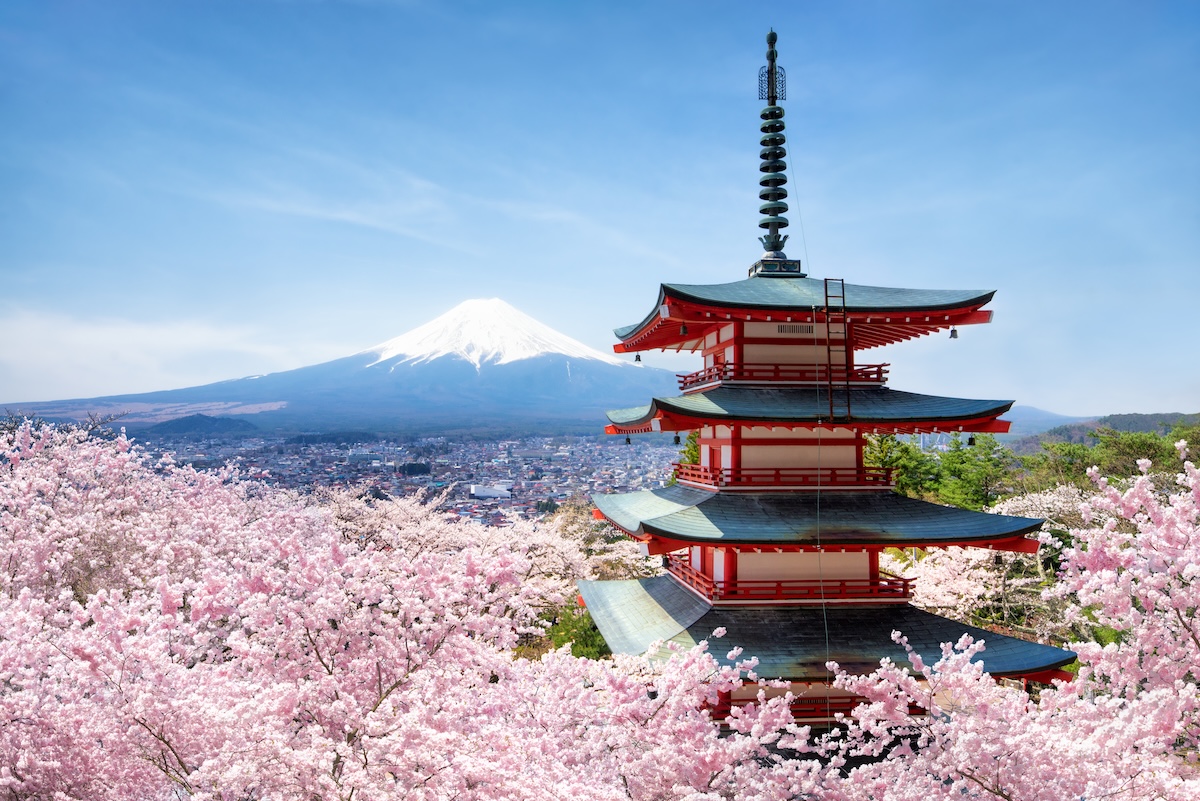
Mount Fuji stands 3,776 meters tall, making it Japan’s highest mountain. This active volcano sits between Yamanashi and Shizuoka prefectures, just 100 kilometers from Tokyo. The mountain’s almost perfect cone shape has made it special to Japanese people for centuries. It’s not just a pretty sight—it stands as a sacred symbol of purity and strength in Japanese culture.
If you want to climb it, you’ll need to go during summer. The official climbing season runs from July to mid-September, when conditions are safest. Over 300,000 people make the trek each year to reach the summit shrine. That’s a lot of footsteps on those slopes. You can enjoy Mount Fuji without climbing it, too. The Fuji Five Lakes area on the north side gives you amazing views and plenty to do. The mountain last erupted in 1707, but it’s still considered active.
4. K2, China/Pakistan
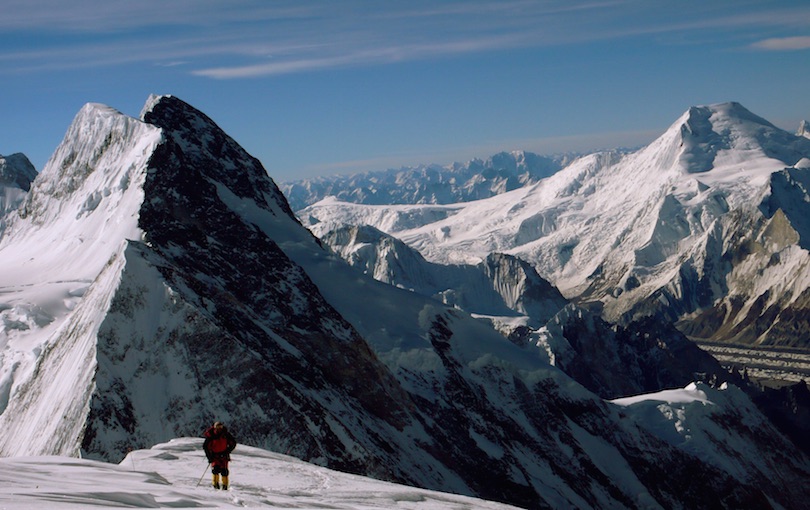
With a peak elevation of 8,611 meters (28,251 ft), K2 is the second-highest mountain on Earth, after Mount Everest. The mountain is part of the Karakoram range, located on the border between China and Pakistan. K2 is also known as the Savage Mountain due to the difficulty of ascent and one of the highest fatality rate for those who climb it.
K2 is notable for its local relief as well as its total height. It stands over 3,000 meters (9,843 ft) above much of the glacial valley bottoms at its base. More extraordinary is the fact that it is a consistently steep pyramid, dropping quickly in almost all directions. An Italian expedition succeeded in ascending to the summit of K2 on July 31, 1954.
3. Table Mountain, South Africa
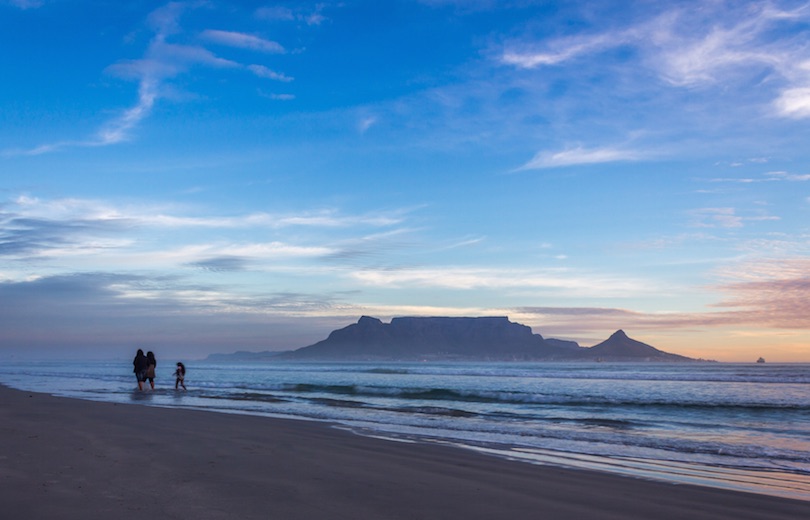
Table Mountain is a flat-topped mountain overlooking the city of Cape Town in South Africa. It’s main feature is a level plateau approximately 3 kilometers (2 mi) from side to side, surrounded by steep cliffs. The highest point on Table Mountain is 1,086 meters (3,563 ft) above sea level.
There is a cableway that takes passengers to the top of the mountain with views overlooking Cape Town, Table Bay and Robben Island to the north, and the Atlantic seaboard to the west and south. António de Saldanha was the first European to land in Table Bay. He climbed the mighty mountain in 1503 and named it ‘Table Mountain’.
2. Matterhorn, Switzerland
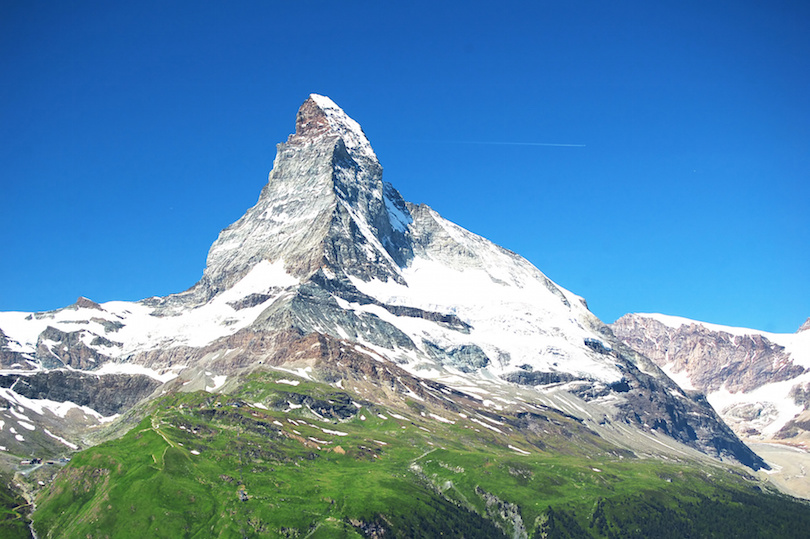
The Matterhorn is a famous mountain and an iconic emblem of the Swiss Alps. The mountain derives its name from the German words Matte, meaning meadow, and Horn, which means peak. With its 4,478 meters (14,692 ft) high summit, lying on the border between Switzerland and Italy, it is one of the highest peaks in the Alps.
It is also one of the deadliest peaks in the Alps. From the first time it was climbed in 1865 to 1995, 500 alpinists have died on it. The Matterhorn’s faces are steep, and only small patches of snow and ice cling to them while regular avalanches send the snow down to accumulate on the glaciers at the base of each face.
1. Mount Everest, Nepal/China
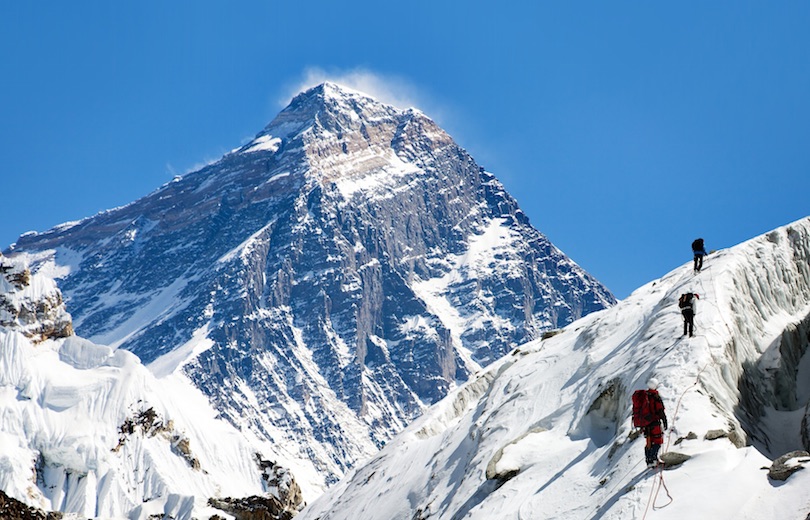
At 8,848 meters (29,029 ft), Mount Everest is the highest mountain on Earth. It is located on the border between Nepal and Tibet. The highest mountain in the world attracts climbers of all levels, from well experienced mountaineers to novice climbers willing to pay substantial sums to professional mountain guides to complete a successful climb.
Although other eight-thousanders such as K2 are much more difficult to climb, Mount Everest still has many inherent dangers such as altitude sickness, weather and wind. People who die during the climb are typically left behind and it is not uncommon to find corpses near the standard climbing routes. On May 29, 1953, Sherpa Tenzing Norgay Sherpa and New Zealander Edmund Percival Hillary were the first to climb to the summit of Everest.