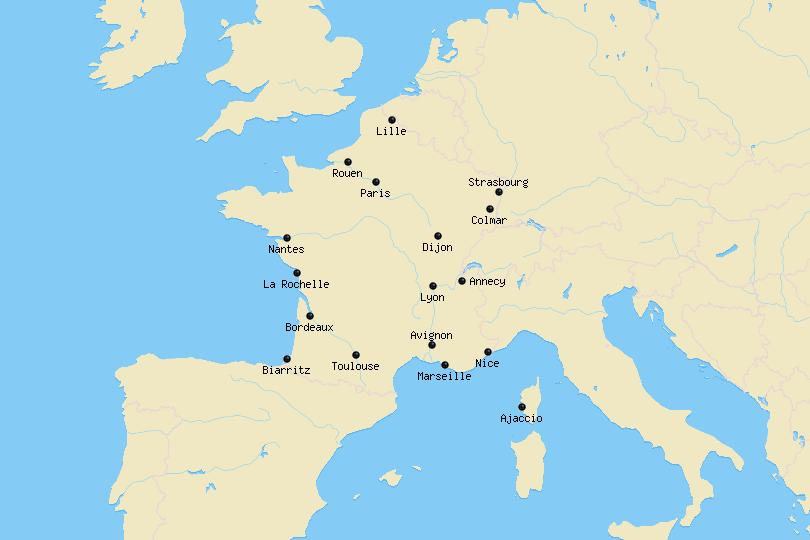
Much more than just Paris, France has a number of unbelievably beautiful cities that are waiting to be explored. History abounds throughout the land, and cathedrals, castles, culture and refined cuisine combine to entice you on a journey of discovery of all things French.
With such a wealth of wonderful sights on offer, the best cities in France are simply a joy to visit. So, what are you waiting for? Bienvenue and happy travels!
Paris
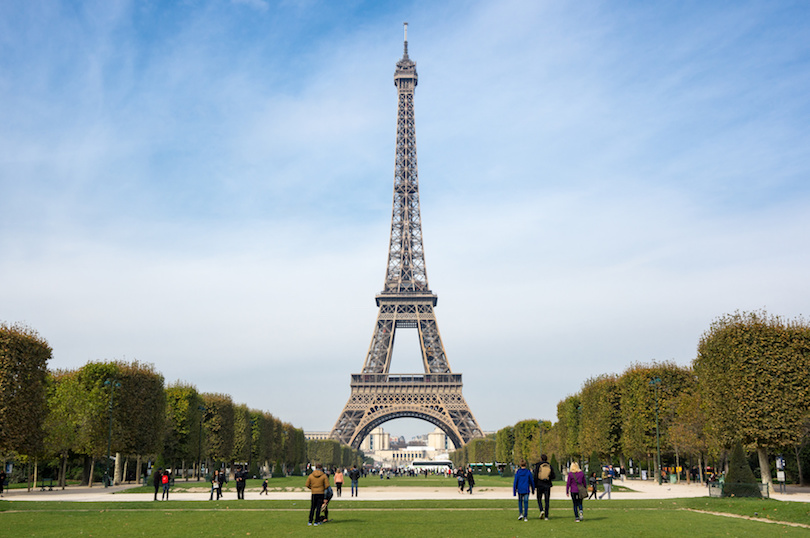
With some of the most recognizable buildings and monuments in the world, Paris is a must-see city to visit, with a never-ending array of things to see and do. Situated on the banks of La Seine, the elegant and stylish capital of France is a romantic place, with lovely boulevards, beautiful buildings, and sights like the Eiffel Tower and gleaming Sacre-Coeur rising towards the heavens. Renowned for its cuisine, Paris has a plethora of restaurants to choose from – watch out though, it is very easy to spend a lot of money in a short amount of time.
From the stunning art collections at the Louvre to the eerie catacombs beneath the streets and the breath taking Notre-Dame Cathedral, you could spend a lifetime getting to know all of Paris´ wonderful sights.
Lyon
 © Ed Francissen / Dreamstime
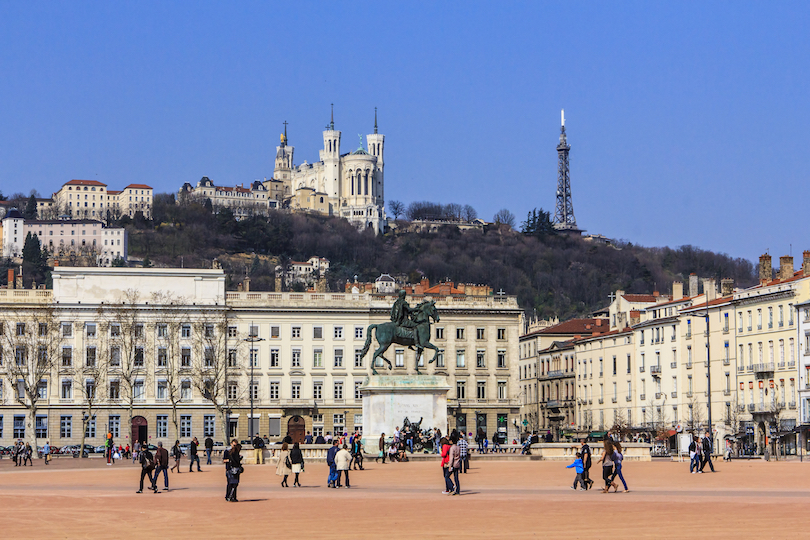
Lyon, the third largest city in the country, is located where the Rhone and Saone Rivers join. Its strategic location has enabled it to attract merchants and industries to the city ever since it was founded by the Romans in 43 BC.
An orderly and sophisticated place, renaissance buildings dot its streets. Lyon seamlessly mixes the new with the old, with a rich cultural heritage that encompasses gastronomic delights and fine architecture. Lyon Cathedral is one of the most impressive sights, and the old town is lovely to walk around. Make sure to try some of the sumptuous cuisine before you continue on your way.
Bordeaux
 © Milosk50 / Dreamstime
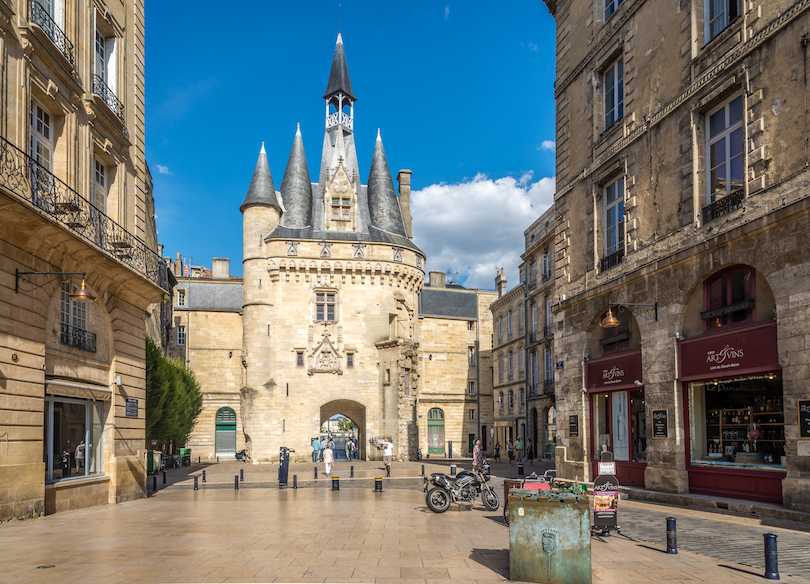
Straddling the banks of the Garonne River, Bordeaux is a large city with a lot to offer. Its impressive old town is delightful to walk around, and the architecture on show is ravishing. Surrounding Place de la Bourse, you can find 18th century mansions rubbing shoulders with decadent palaces, as well as a number of great art museums.
With a modern feel to it, Bordeaux has a thriving university community. In recent years, a number of vintage shops have sprung up. For a great walk, head to Les Quais and gaze out over the waters of the river – at night, the view of the city lights from the Napoleonic-era Pont de Pierre is magical. Home to some of the best wines in the world, make sure to give them a taste before you head off.
Nice
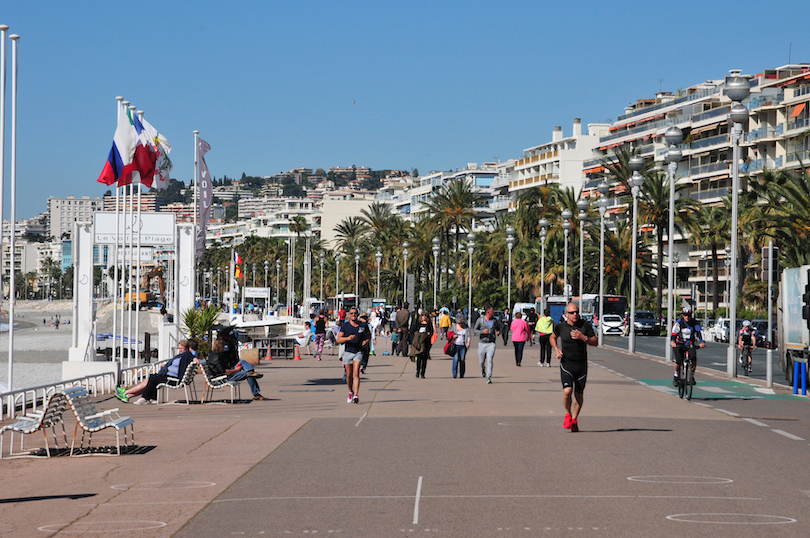
Located on the French Riviera, or Cote d´Azur, as it is known in French, Nice is constantly bathed in sunshine. As the fifth largest city in France, it has a vibrant mix of cultures. Because it is a port city, Nice has a gritty side to it, which contrasts with its Italian inspired architecture and the medieval streets of the old town.
Walking along the famous Promenade des Anglais and gazing out over the turquoise waters is simply heavenly. For a great view of the city and the shimmering Mediterranean Sea below, head to the Colline du Chateau. A charming place to spend some time, Nice has something for everyone, as it combines city life with a beautiful setting.
See also: Best Neighborhoods & Hotels in Nice
Dijon
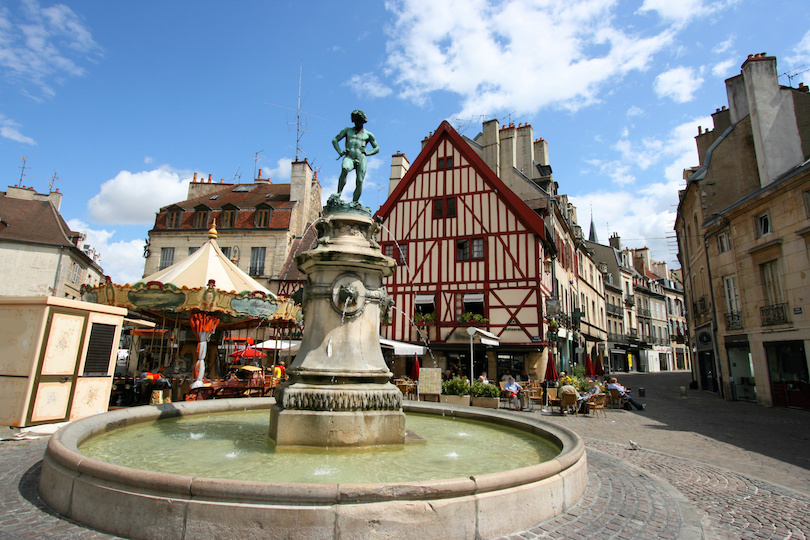
Formerly a capital to the Dukes of Burgundy, Dijon flourished in the 14th and 15th centuries, as the city sponsored the arts and sciences. As such, the old city center is lovely to walk around due to its delightful sculptures and architecture, with the cathedral being particularly resplendent. While it is not enormous, Dijon is definitely worth stopping by for a couple of days, as it is one of the best-looking French cities.
Lille
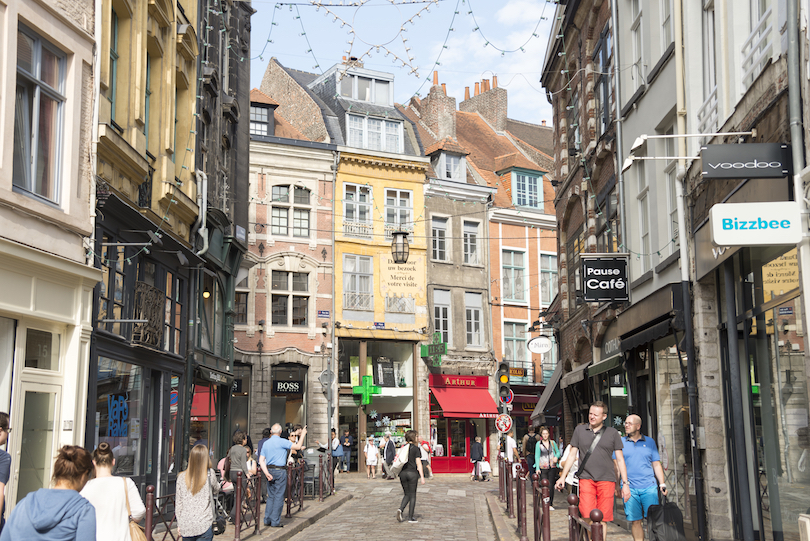
The largest city in the north of France, Lille was formerly a merchant city that owes its wealth to the fact that it lies between Flanders and Paris. Nowadays, it has a lovely city center and vibrant cultural sector, with numerous museums that are worth checking out.
With a lively university community, some great places to go shopping and a thriving nightlife, Lille is a dynamic city with a lot going on. For a glimpse of some of the beautiful Flemish and French architecture on offer, head to the Grand´place, La Vielle Bourse or the winding streets of the old town.
Toulouse
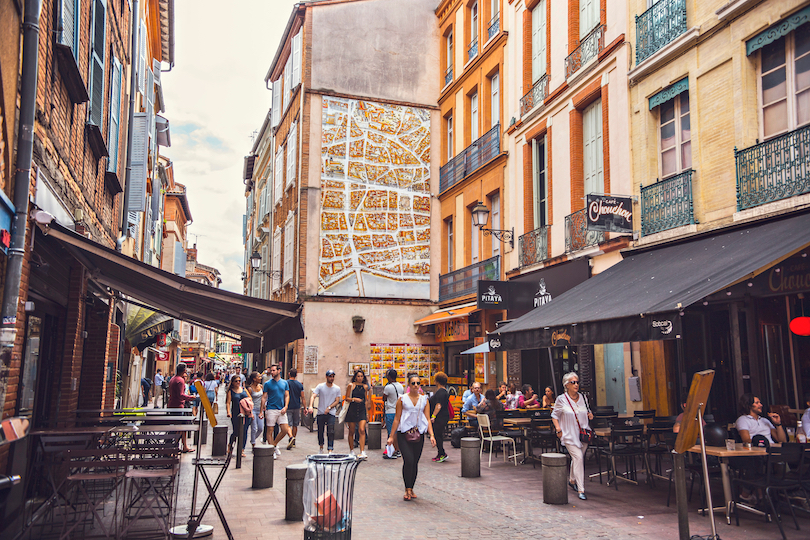
The fourth largest city in the country, Toulouse is a lively place, in part thanks to its huge university community. With bustling markets, a vibrant music scene and a penchant for the alternative, there are different sides to Toulouse – the old town remains a peaceful and picturesque place to wander around.
Nicknamed ´the Pink City´ due to its rose-colored buildings, a lovely way to see Toulouse is to go on a boat trip along the Canal du Midi or Garonne River that frame the center.
Rouen
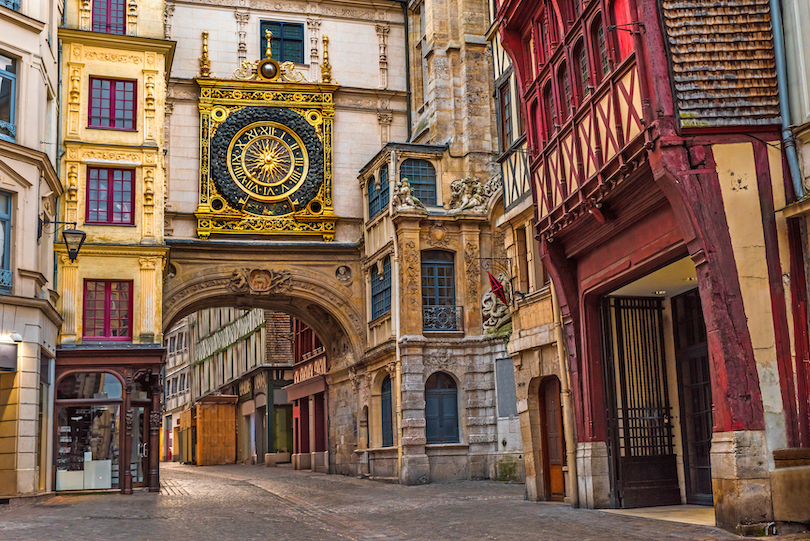
The city where Joan of Arc was burned at the stake is a pleasant contrast to this violent event, and a picturesque place to wander around. The old town is full of restored medieval buildings constructed from wattle and daub.
Situated on the banks of the Seine, one sight stands alone when it comes to visiting Rouen: that of the majestic cathedral that dominates the center. Dating all the way back to the 4th century it encompasses an eclectic mix of architectural styles – inspiring Monet to create over thirty paintings of it.
Ajaccio
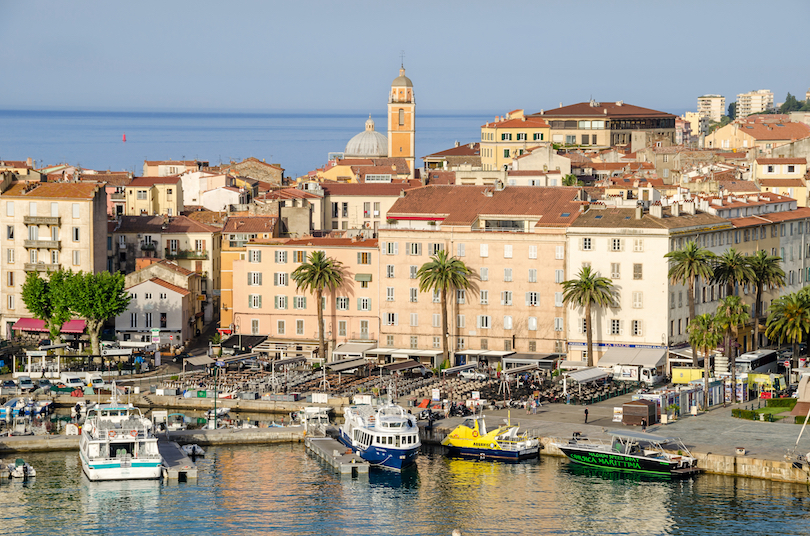
Located on the lovely Mediterranean island of Corsica, Ajaccio – its capital city – is worth stopping by, even if only to use it as a base from which to explore the beautiful landscapes surrounding it.
The old town itself has some nice streets to wander around, while the harbor surrounding it conjures up images of the Cote d´Azur. Famed as the birthplace of Napoleon, Ajaccio is pleasant enough to visit without setting the world alight.
La Rochelle
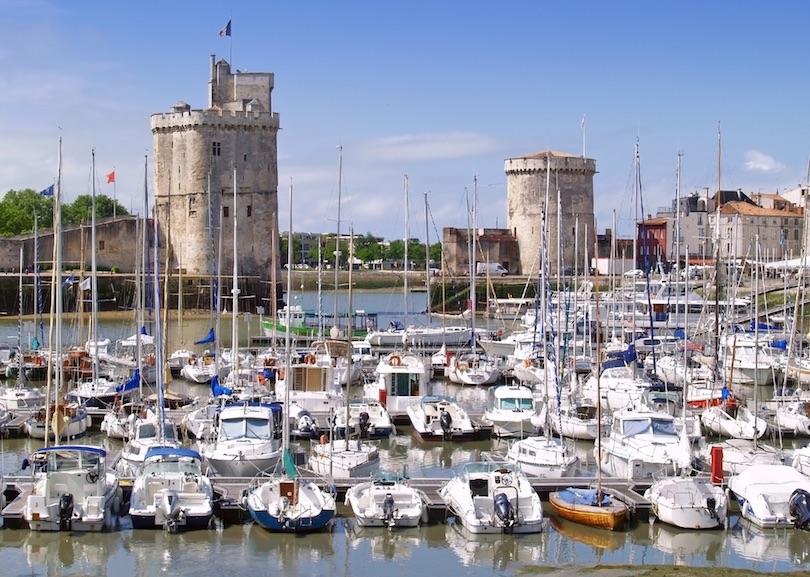
Nicknamed the ´White City,´ due to its limestone edifices that are so beautifully illuminated at night, La Rochelle is a charming place to visit. Once an important seaport in centuries gone by, the old port, historic center and picturesque waterfront are reason enough to visit La Rochelle. With a huge marina at Port des Minimes, and sandy beaches in the vicinity, it´s a nice laidback place to spend some time.
Colmar
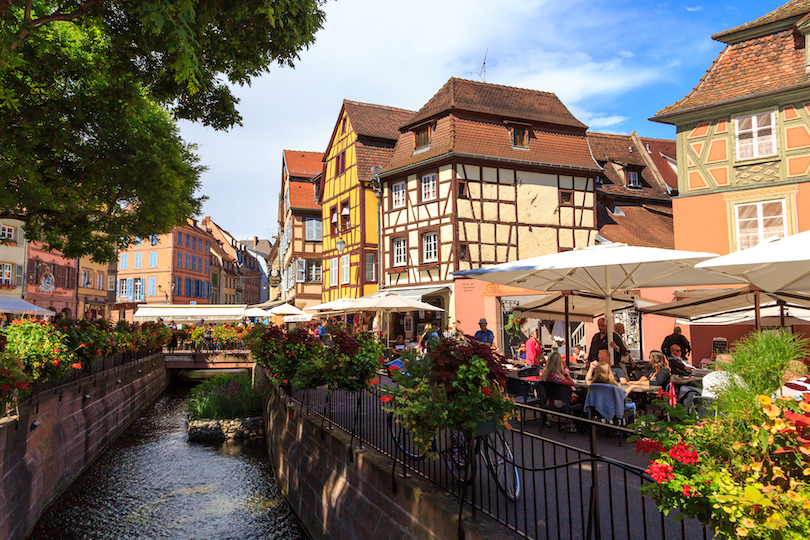
Situated in the Alsace region, Colmar´s proximity to Germany has meant that it has changed hands numerous times between the two nations over the course of its history. Tourists flock to the city for its stunning old town that so perfectly combines weaving cobblestone alleys with delightful canals, and the distinctive houses that line its streets.
Churches and museums are dotted around the place, and the Isenheim Altarpiece is particularly impressive to behold. As it is in the wine region, take the time to sample some of the best wines that Colmar has to offer.
Annecy
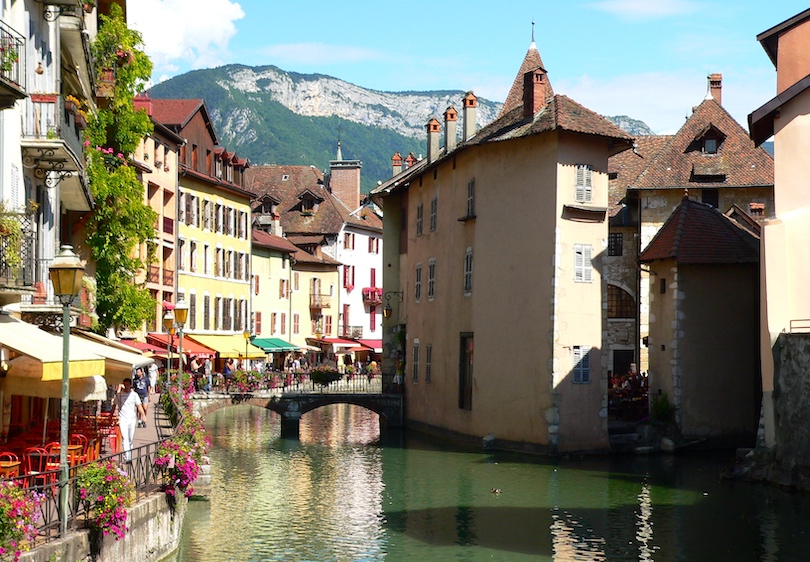
Located in the north of the Alps, Annecy´s proximity to Geneva, along with its historic city center, make it a popular day-trip among tourists. Also known as the ´Venice of Savoie´, quaint canals crisscross Annecy and weave their way between its ancient buildings.
Lying on the shores of Lake Annecy, the city´s surroundings are stunning, and visitors can hike, bike or swim in the nearby natural attractions. With a 14th century castle located in the center, it´s a picturesque and memorable place to visit, though it can get a bit too crowded in summer.
Avignon
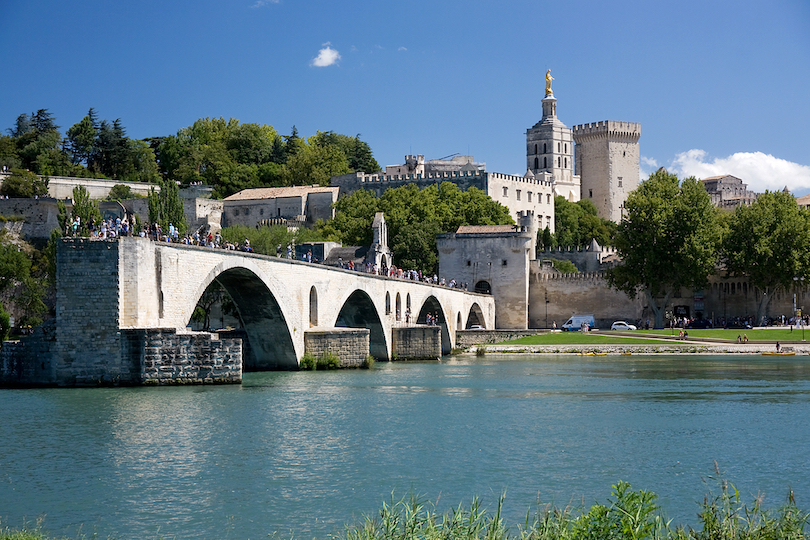
Famous for the popes that set up shop in the city after fleeing Rome in the 14th century, Avignon was the capital of the Catholic Church for a period during the Middle Ages. The colossal palace that the popes built is impressive for its size and Gothic architecture, while the ramparts, towers and gates that line the old town are also fantastic to view.
The old part of the city is beautifully enclosed by the River Rhone that snakes its way around it. A great time to visit is during the art festival in July, though you will have to battle your way through the crowds at this popular destination.
Biarritz
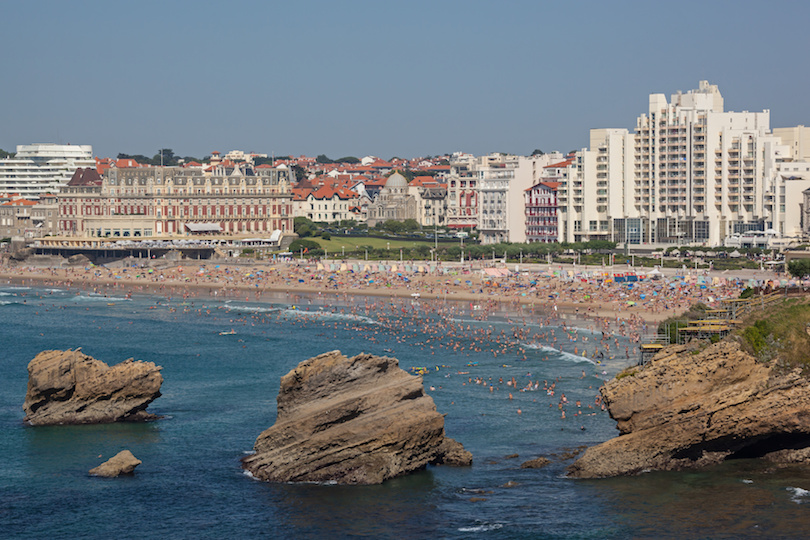
Formerly a playground for the rich and famous, this seaside resort now attracts families, surfers and sun-worshippers alike. Situated in the Pyrenees-Atlantiques, Biarritz´s town center lies on the Bay of Biscay, and is famed for its beautiful coast and excellent beaches, which are its main attraction. While the town is not the most picturesque to look at, its great location right next to the water more than makes up for that slight downfall.
Strasbourg
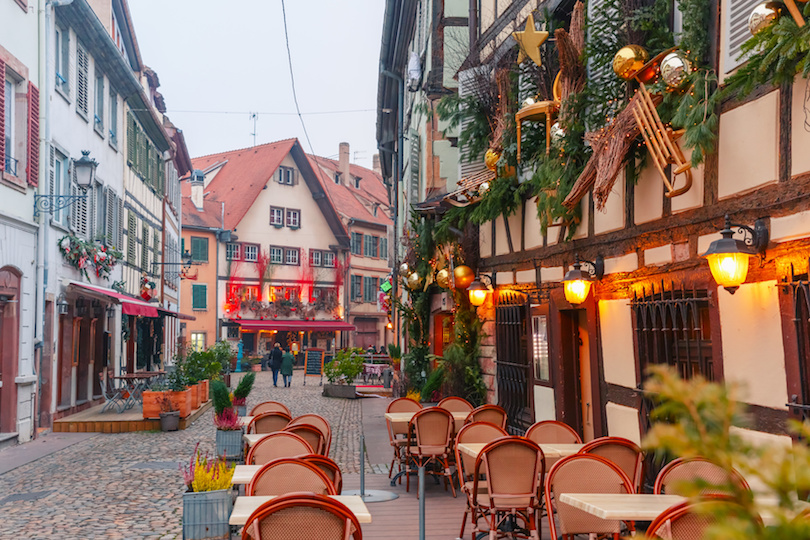
Capital of Alsace, Strasbourg has a stunning historical center and occupies a strategic setting on the west bank of the Rhone. Consequently, it has been fought over by France and Germany throughout its long history.
Now, however, the glassy European Union buildings glitter in the sun and, along with the teeming student body, help to give a modern air to this ancient city. The gothic cathedral is simply stunning to behold, as is the delightful La Petite France that is home to the old part of town.
Nantes
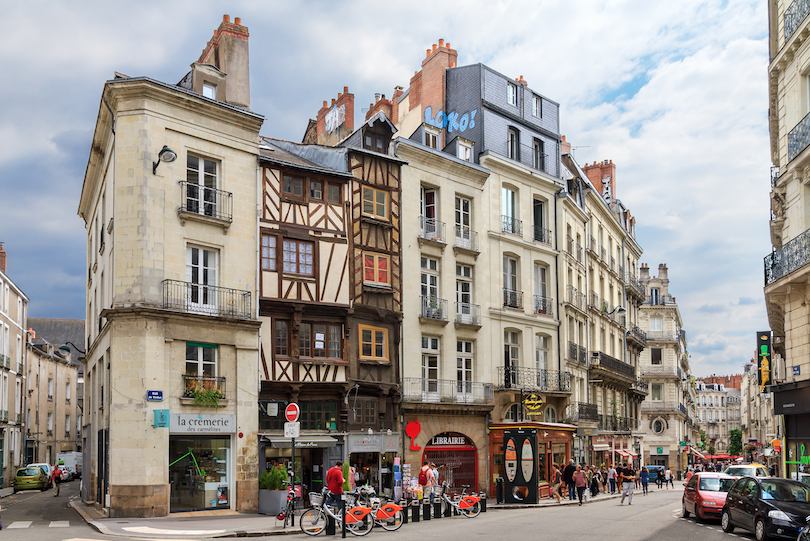
Situated on the banks of the Loire, Nantes´ long and tumultuous history has seen the city constantly reinvent itself. As such, it has numerous sites from different epochs that entice visitors to its shores.
As the historic capital of Brittany, Nantes´ old medieval center, with its cathedral and castle, is enchanting to explore. In recent years, it has developed a thriving student body that gives the city its energetic vibe. An incredible and unique attraction to visit is the Machines de l´Ile – a fantastical and futuristic exhibition of giant mechanical animals.
Marseille
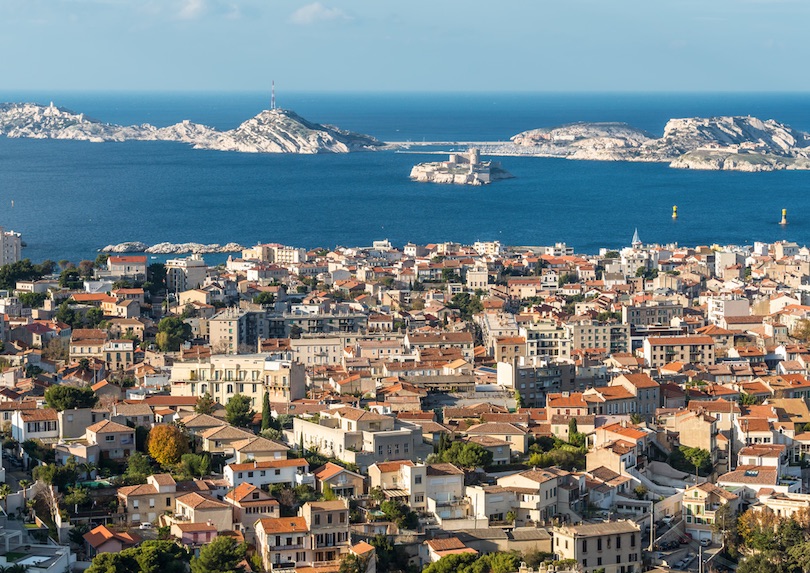
France´s second city is a diverse melting pot of people and cultures that all call Marseille their home. Traditionally thought of as grimy and a bit run-down, this bustling port city has undergone something of a renaissance in recent years, though its primary attractions remain the same.
The old harbor, for instance, is a magical setting from which to watch fishermen returning to shore with their catch. It is the heart of Marseille, and you´ll really get a feel for the city here. The oldest neighborhood, Le Panier, is definitely worth checking out, as is the stunning Notre Dame de Major cathedral that overlooks the sea.