
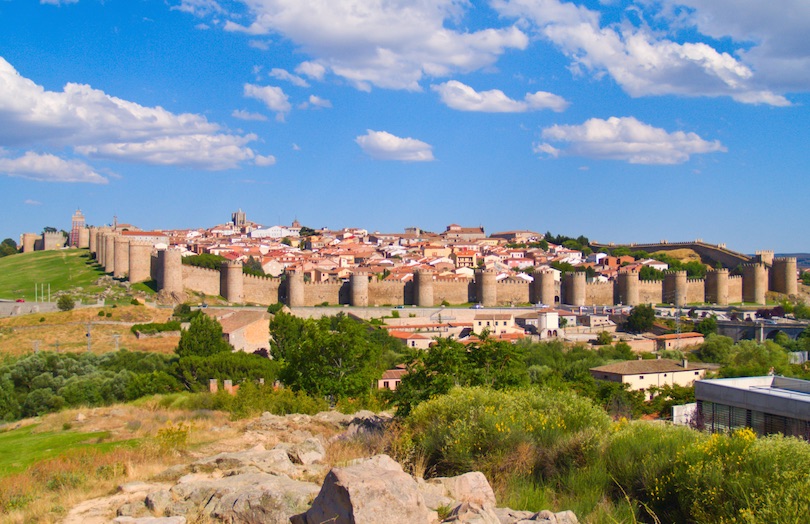
Throughout history city walls were made as protection from the enemy. They were usually massive structures, punctuated with guard towers. Some were built on hills, making invasions more difficult, while others fronted seas and oceans to protect the towns from invaders in ships or, in some cases, pirates. Today well preserved walls bring tourist from the whole world to wonder around these medieval walled cities.
22. Monteriggioni
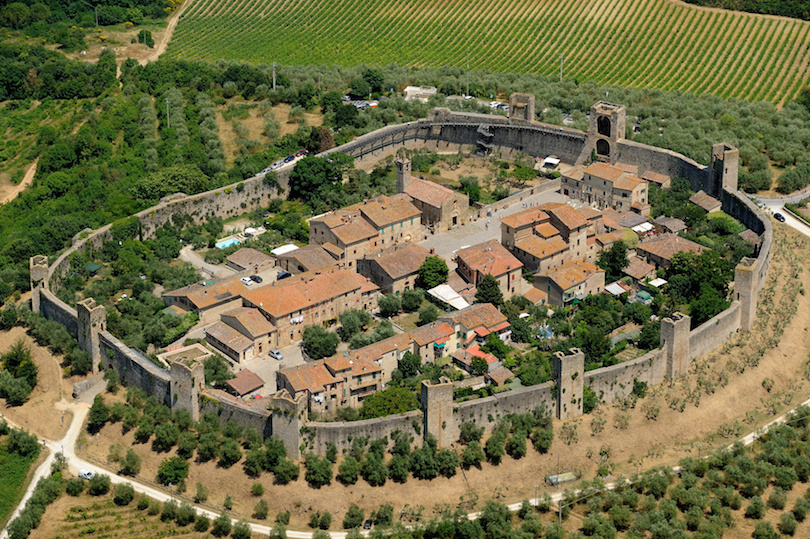
Located on a small natural hillock, this completely walled medieval town was built in the 13th century by the overlords of Siena to command the Cassia Road running through the Val d’Elsa and Val Staggia just to the west of Monteriggioni. Very little work has been done to Monteriggioni’s walls or buildings since they were first erected. Subsequently, Monteriggioni’s walls and the buildings that make up the town are the best preserved example of their kind in all of Italy, so it is not surprising that this little town attracts buses full of tourists.
21. Znojmo
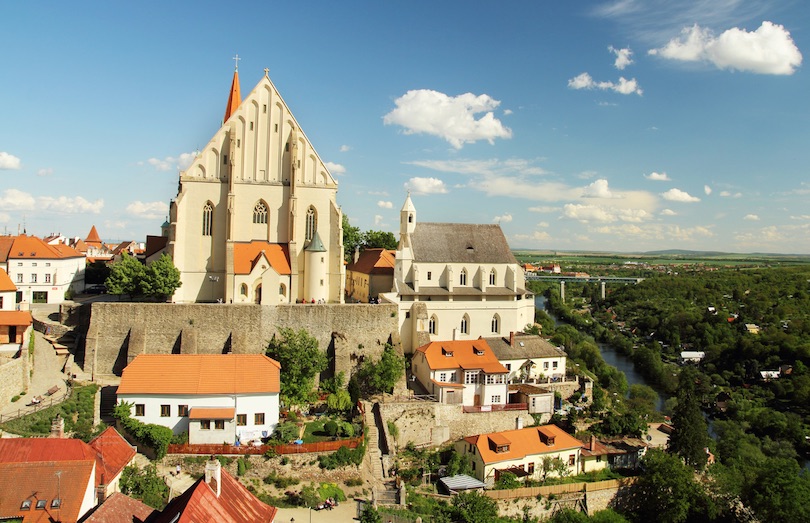
Znojmo is one of the most historic cities in the Czech Republic, with the city wall one of the key elements to see. This medieval wall is actually several walls with ditches or moats in between. Once known as a fortified royal city, Znojmo’s wall served as part of the line of defense on the border with Austria. Znojmo visitors recommend walking around the wall, using a map obtained from the city tourist office.
20. Diyarbakir
The first city wall surrounding Diyarbakir, Turkey, was constructed by the Romans in the late third century, though the present wall dates back to the Byzantines. The black basalt walls are second only to the Great Wall of China in length and how well it’s been preserved. The four-mile-long wall has five gates, 16 keeps and 82 watchtowers. The fortifications, which are up to 11 meters (36 feet) high and 3 to 5 meters (9 to 15 feet) wide, are considered a good example of Middle Ages military architecture.
19. Briancon

Briançon is a small town in the Hautes-Alpes that is the highest altitude city in France. The old town is heavily fortified with a wall built in the 17th century to protect the region from Austrian invaders and to guard the road to Italy, less than 16 km (10 miles) away. Located on the Durance River, Briançon is built on a peak, with the wall surrounding it. The Fort des Tetes is the most important part of the wall.
18. Budva
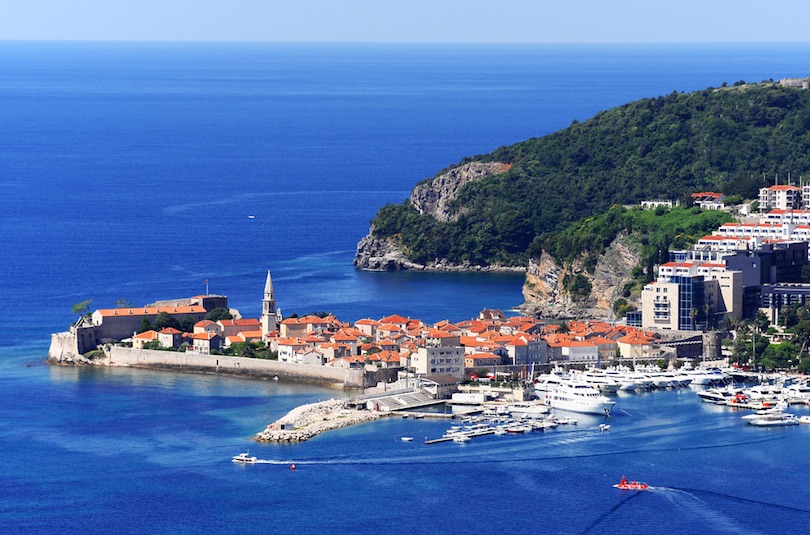
Budva, on the Adriatic coast in Montenegro, dates back to 500BC. Its city wall, however, is only a few hundred years old, built by the Venetians in the Middle Ages to protect the city from Ottoman invaders. Only one side of the wall faces the sea today; the other sides have been incorporated into the old and new towns. Within the walls, travelers can find narrow cobblestone streets and stone buildings. Great sea and Old Town views can be seen from atop the wall.
17. Cartagena Walled City
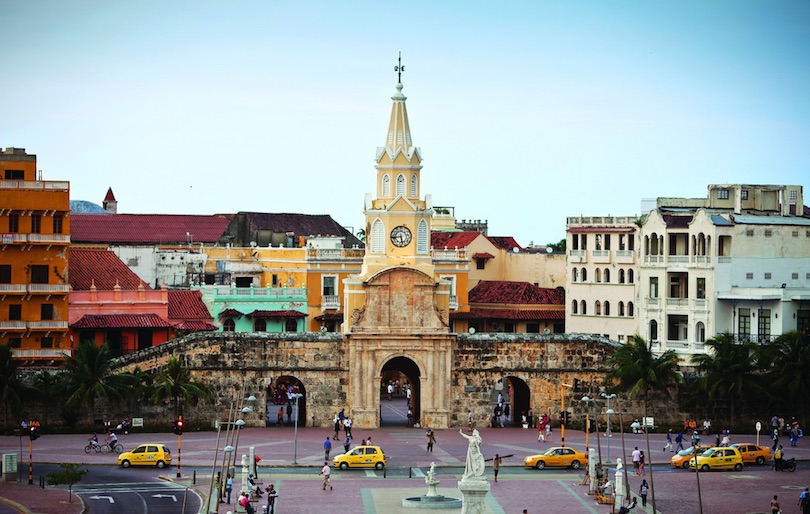
When the Spanish conquered parts of South America in the 16th century, they sent the riches back to Spain from Cartagena. The Caribbean Sea port became a favorite target for pirates, who attacked it one after another. The Spanish fought back by erecting a sea wall that is up to 18 meters (60 feet) wide in some places. Fortifications began in the late 16th century, with the initial walls enclosing what is now San Diego and El Centro.
16. Lugo City Walls
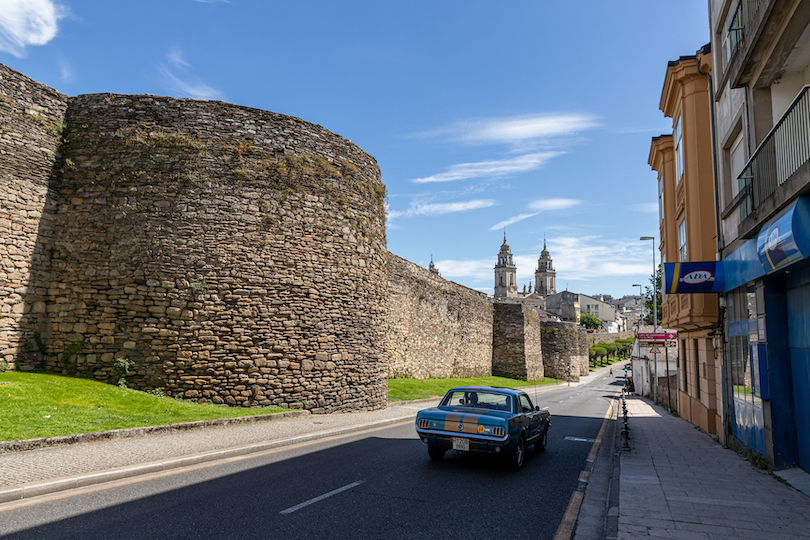
The wall at Lugo, Spain, stands out from other walls, which are rectangular; Lugo’s wall is shaped like a quadrangle. Much of the original wall, built in the late 3rd century by the Romans, is still intact, though the moat is missing. The 2.5-km (1.5-mile) long wall still has two towers and 82 of its original 85 turrets. The wall originally had five gates; today it has 10 to accommodate the increased need to get from the old town to the new.
15. Mdina
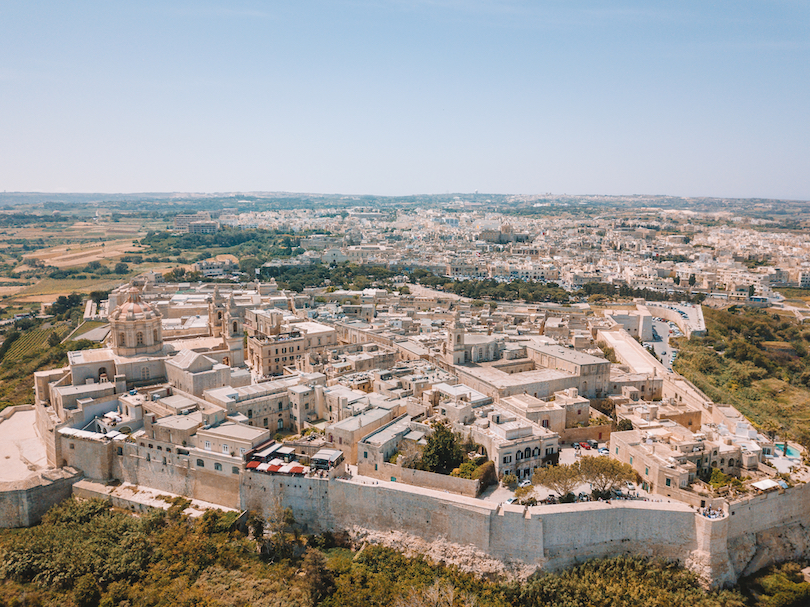
Mdina, Malta, stands out among ancient walled cities because, just like when it was built, the entire city remains inside the walls. In Mdina’s case, this is easy since it has only about 250 residents left. Sitting in the center of the island, Mdina’s thick, stone fortifications were first built by the Phoenicians, with the Normans adding the bulk of the wall and a moat. After the Knights Hospitaller arrived in the mid 1500’s the importance of Mdina as the seat of power faded steadily. Today Mdina is known as the “silent city” since few motor vehicles are allowed inside the walls.
14. Visby
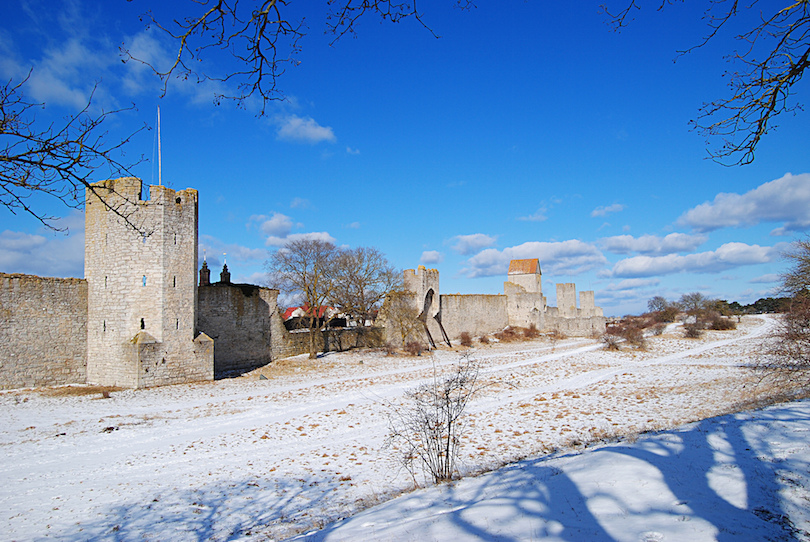
Residents of the Baltic coast town of Visby, Sweden, began building their city wall in the 12th century, a time when walled cities were being built throughout Europe. The original city wall was about 6 meters (18 feet) high and did not have towers. The oldest part is a citadel where gun powder was kept. A 13th century war provided the impetus for Visby citizens to continue working on the wall, when extra height and towers were added; 27 of the 29 towers remain today.
13. Tallinn
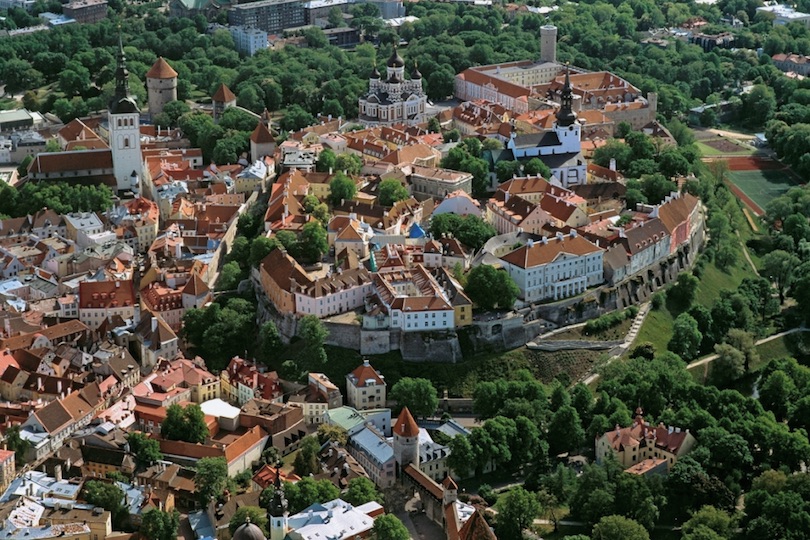
The original wall surrounding Tallinn in Estonia was called Margaret Wall because Margaret Sambiria ordered it built in 1265. Only 5 feet wide then, the wall was widened and enlarged over the years. In the 14th century, Tallinn residents were required to do guard duty on the wall, most of which, along with its gates, is still intact today. Key parts of the wall to visit include the Long Leg Gate Tower, and the Nun’s Gate and Tower, and Fat Margaret Tower.
12. York
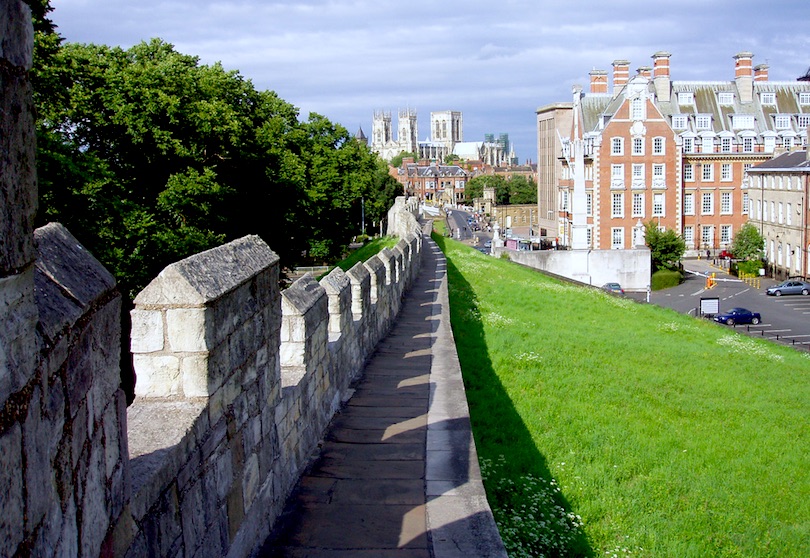
York is an ancient city in the north of England. The city was founded by the Romans, taken over by the Angles, captured by the Vikings and finally incorporated in the Kingdom of England in 954. It boasts the largest Gothic cathedral in northern Europe. Since Roman times, the city has been defended by walls of one form or another. The majority of the remaining walls, which encircle the whole of the medieval city, date from the 12th – 14th century.
11. Harar
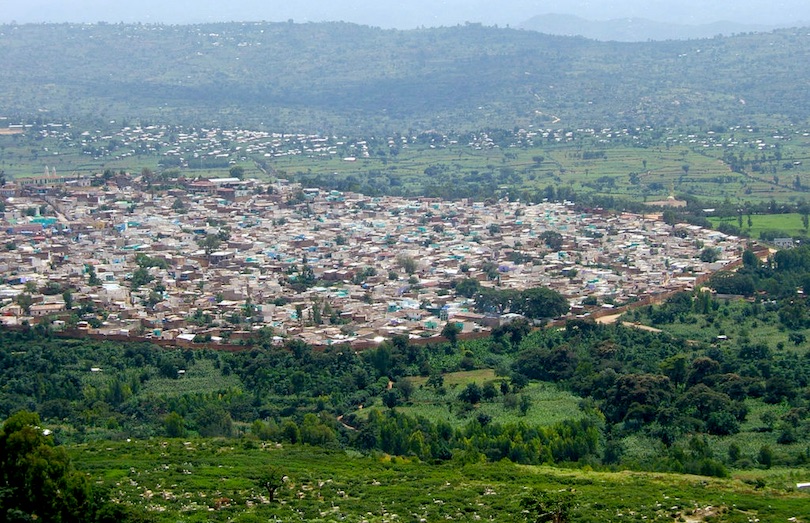
Harar is an ancient walled city in eastern Ethiopia. For centuries, Harar has been a major commercial center, linked by the trade routes with Africa and Arabia. With 82 mosques, three of which date from the 10th century, and 102 shrines it is one of the most important cities of Islam. Harar was part of the Adal Sultanate, a medieval muslim state located in the Horn of Africa. In the 16th century the city was encircled with a wall including five gates. This wall, called Jugol, is still intact, and has become the symbol of the city.
10. Taroudant
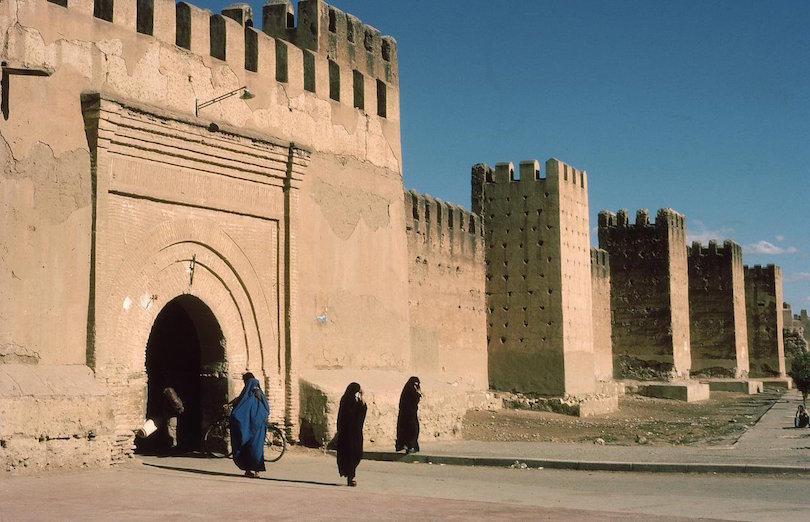
Taroudant is a fascinating and authentic Berber town in the heart of the Souss Valley, with the best preserved city walls in Morocco. It is often called the “Grandmother of Marrakech” because it is a scaled down, slowed down town that resembles Marrakech with its surrounding city walls. The walls were constructed in the 16th century under the Saadi Dynasty. Today the town is a market town and has a souk near each of its two main squares.
9. Toledo
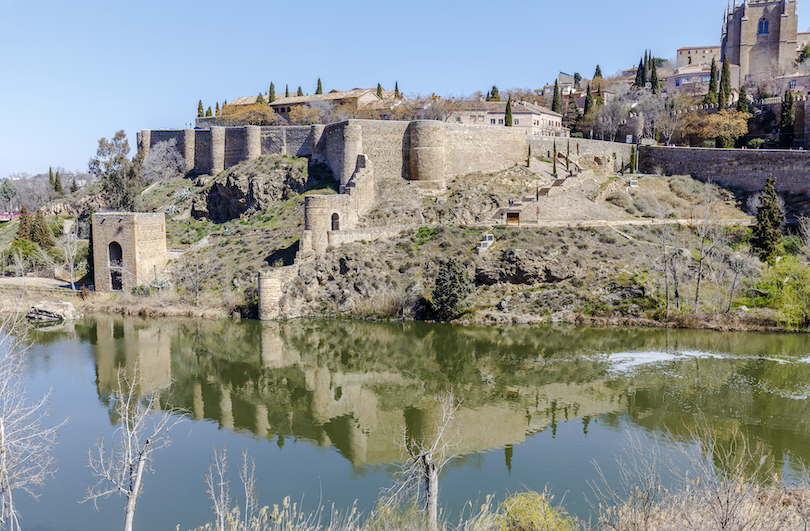
An often overlooked gem, Toledo is one of the former capitals of the Spanish Empire. The history of Toledo dates back to Roman times. Roman occupation was followed by Visigothic rule, Muslim rule and finally the Reconquista of Toledo in 1085 AD. It was the capital of the Spanish empire until the mid 1500’s when the royal court moved to Madrid. The city is surrounded by the River Tajo on three sides and two medieval walls on the fourth side.
8. Pingyao
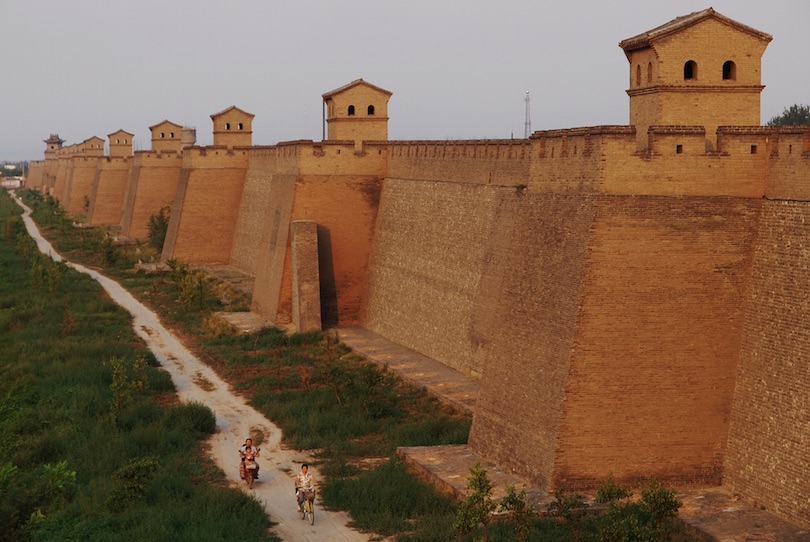
Pingyao is a small Chinese city renowned for its well-preserved ancient city wall. The majestic wall, which includes six major gates and 72 watchtowers, encircles an old city which has little changed architecturally over the past 300 years. In 2004, part of the southern walls collapsed but were reconstructed. However, the rest of the city walls are still largely intact and Pingyao is considered to be one of best-preserved walled cities in the world.
7. Obidos
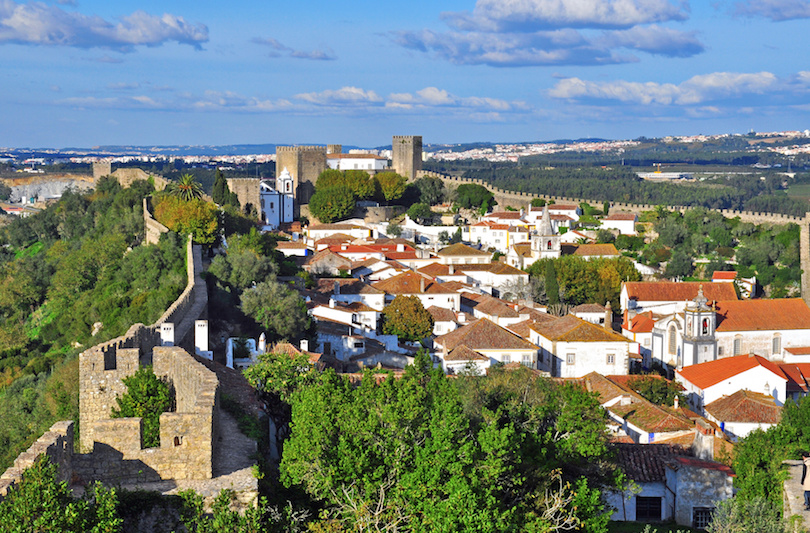
The town of Óbidos is located on a hill and is encircled by a fortified wall. In the 8th century the Moors established a fortification on top of the hill. It was taken from the Moors by the first King of Portugal, Afonso Henriques, in 1148. The castle of Óbidos and the walls of the village were remodeled in the 14th century. The walls are made out of local limestone and marble. The village was also enlarged around this time, with settlements created outside the city walls. The well-preserved mediaeval look of its streets, squares, walls and its massive castle have turned the picturesque village into a popular tourist attraction in Portugal.
6. Xi’an
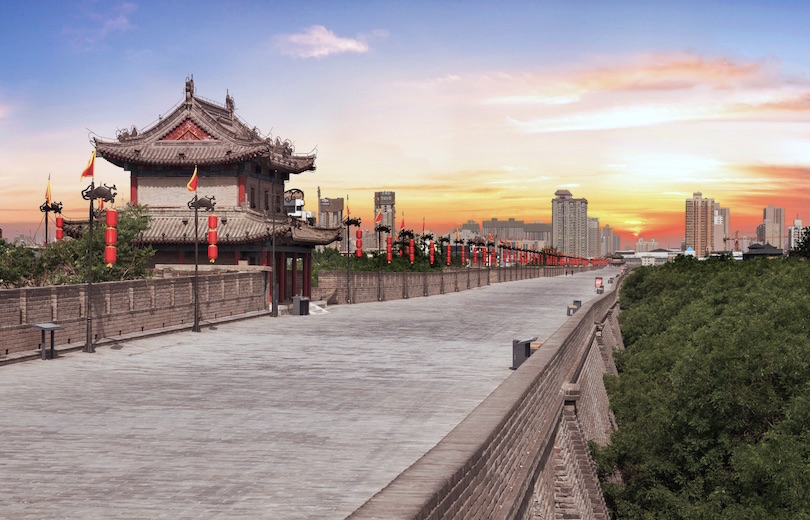
Xi’an one of the oldest cities in China, with a history of more than 3,100 years. For 1,000 years, the city was the capital for 13 dynasties, and a total of 73 emperors ruled here. Xi’an is the eastern terminus of the Silk Road and home to the Terracotta Army. A well-preserved city wall, which was re-constructed in the 14th century during the early Ming Dynasty, surrounds the city. One of the world’s largest city walls, it is wide enough to easily ride 5 bikes across.
5. Itchan Kala
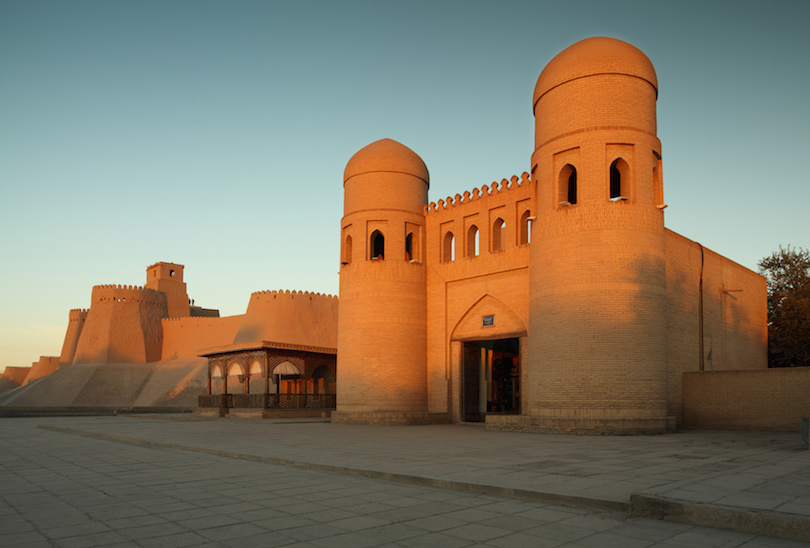
Itchan Kala is the walled inner town of the city of Khiva in Uzbekistan. The old town retains many historic monuments and old houses, dating primarily from the eighteenth or nineteenth centuries. The most spectacular features of Itchan Kala are its sun-dried brick walls and four gates at each side of the rectangular fortress. The city walls were destroyed several times, but they were always rebuilt.
4. Avila
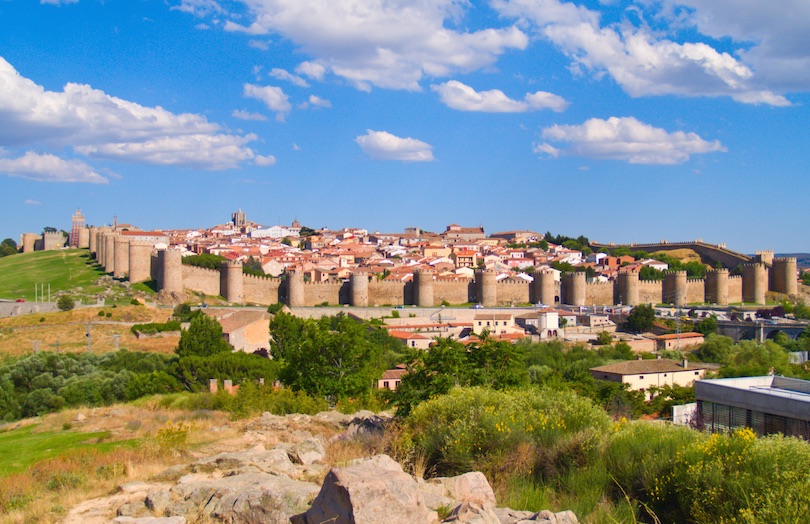
Located in western Spain, the medieval city of Ávila is built on the flat summit of a rocky hill, which rises abruptly in the midst of a veritable wilderness. Ávila has a magnificently well-preserved city wall which encircles the entire old town. The ramparts have nine gates and 88 towers many topped with stork nests. The city walls were primarily constructed in the 11th and 12th centuries.
3. Carcassonne
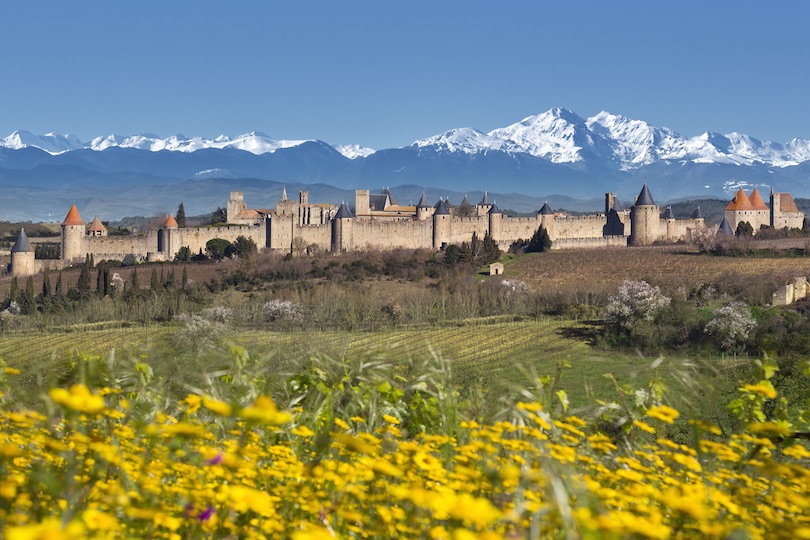
The French city of Carcassonne is one of the most perfectly preserved walled cities of the world and the largest walled city in Europe. The fortification consists of two outer walls, towers and barbicans built over a long period of time. One section is Roman and is notably different from the medieval walls with the red brick layers and the terracotta tile roofs. One of these towers housed the Catholic Inquisition in the 13th Century and is still known as ‘The Inquisition Tower’. Portions of the 1991 film ‘Robin Hood: Prince of Thieves’ were shot in and around Carcassonne.
2. Jerusalem
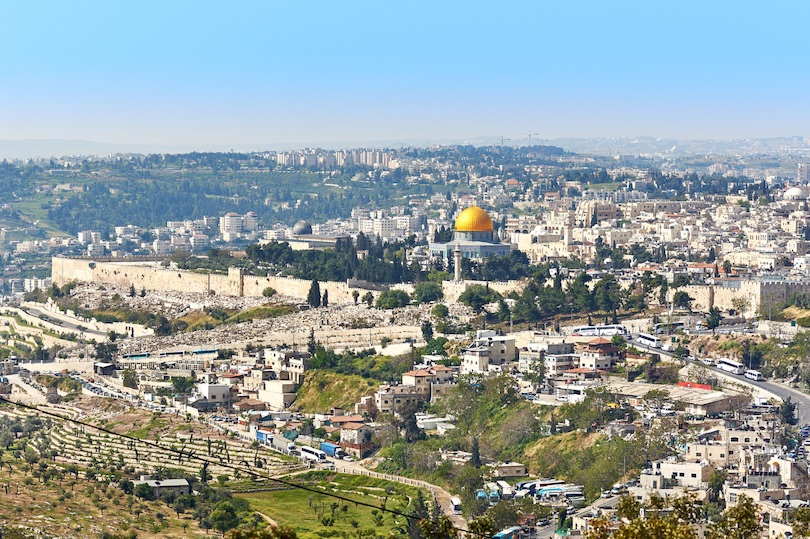
Jerusalem is a holy city to three religions, Judaism, Christianity, and Islam, whilst being the modern capital of the State of Israel and the country’s largest city. It is a fascinatingly unique place where the first century rubs shoulders with the twenty-first century, and where picturesque old neighborhoods nestle against glistening office towers and high-rise apartments.
The walled city of Jerusalem, which until the late nineteenth century formed the entire city, is now called the Old City. It is divided into four quarters: The Armenian, Christian, Jewish, and Muslim Quarters. Jerusalem has been surrounded by walls for its defense since ancient times. In the 16th century, during the reign of the Ottoman empire in the region, it was decided to fully rebuild the city walls on the remains of the ancient walls. The construction lasted from 1535-1538 and these walls are the walls that exist today.
1. Dubrovnik
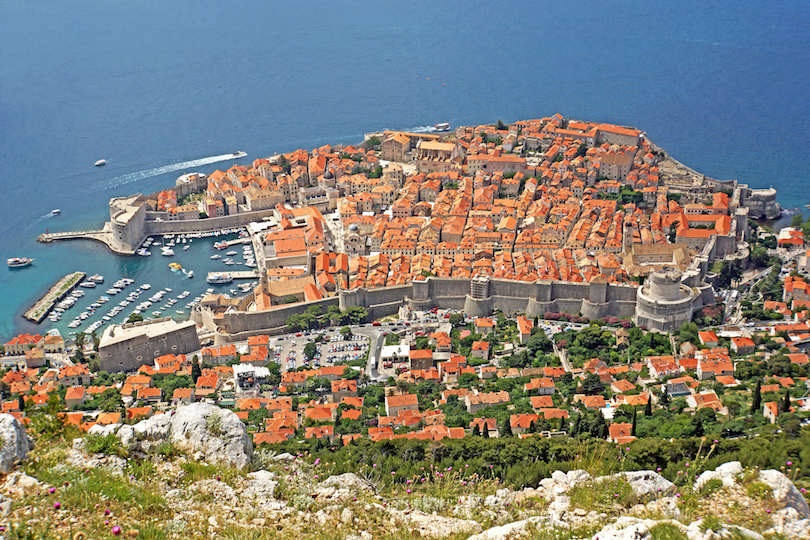
Dubrovnik is a walled city on the Adriatic Sea coast in the extreme south of Croatia. Nicknamed “Pearl of the Adriatic”, it is one of the most prominent tourist destinations of the Mediterranean. The walled city was built on maritime trade. In the Middle Ages it became the only city-state in the Adriatic to rival Venice and achieved a remarkable level of development during the 15th and 16th centuries. The world famous walls surround the old city. Constructed mainly during the 12th–17th centuries, they have been well preserved to the present day.