
If you’ve eyed Napa or Sonoma but crave something smaller, less crowded, and friendlier on your wallet, this place makes a solid argument. The weather usually cooperates from late spring through October—warm days, cool nights, and barely any of that endless western Washington rain.
Walla Walla sits in the southeastern corner of Washington, about six miles from the Oregon border, surrounded by rolling wheat fields and the foothills of the Blue Mountains. The name comes from a Nez Perce word meaning “place of many waters,” and the town’s been a regional crossroads since the Lewis and Clark expedition passed through in 1806. These days, just under 34,000 people live here, and honestly, the pace feels genuinely unhurried—almost like the town collectively decided to keep things mellow.
Most folks know Walla Walla for its wine. More than 120 wineries call the valley home, and you can wander from tasting room to tasting room downtown without ever needing to drive. But let’s not pretend wine is the whole story. The city pairs its vineyards with a real culinary scene, preserved historic architecture, independent shops, and easy access to the outdoors—think golf courses, mountain trails, and more. It’s the kind of place where a long weekend feels just right, and somehow, three days never feels like too much.
Downtown Streets, Stays, And Daily Stops
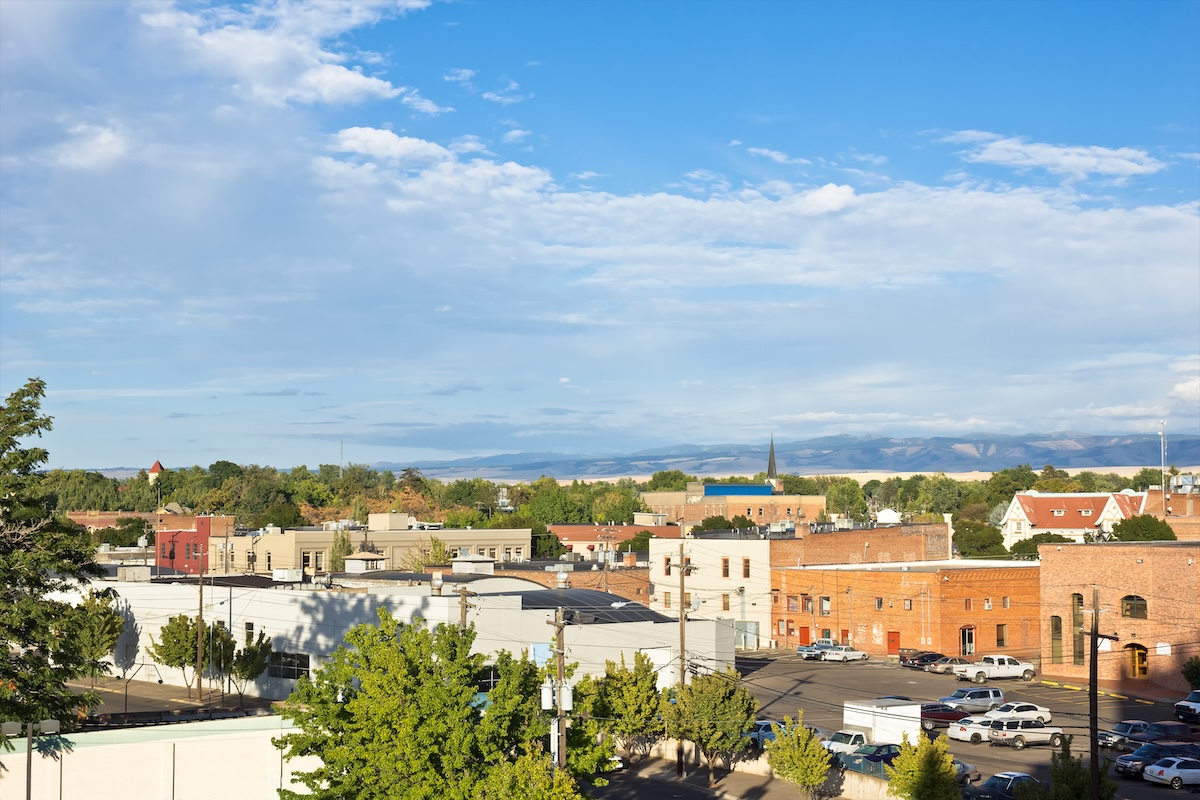
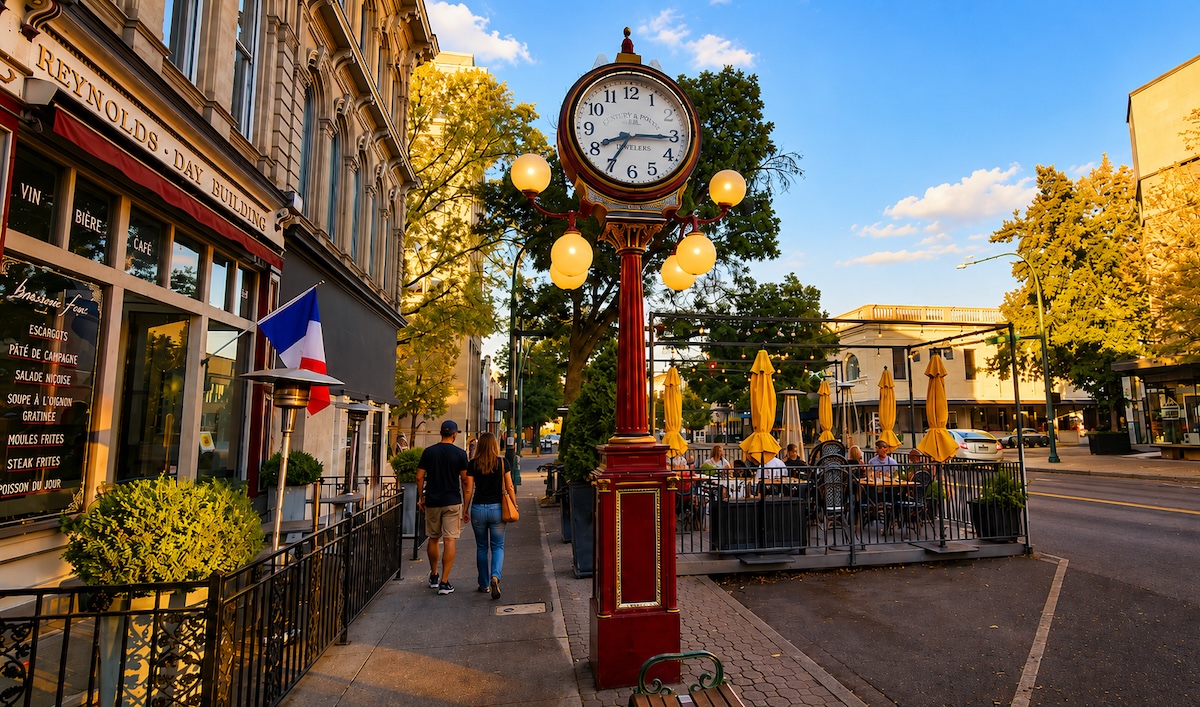
Downtown Walla Walla scored a “Best Main Street in the West” nod from Sunset Magazine, and honestly, it still deserves it. You can walk Main Street end to end in about fifteen minutes, passing restored brick storefronts from the late 1800s. The Baker Boyer Bank Building holds down one stretch with its Italianate facade, and thanks to the Downtown Walla Walla Foundation’s decades of work, these blocks look sharp without feeling like a museum. Check the city website for event schedules—Food Truck Night and seasonal street fairs sometimes close parts of the road to traffic, and you’ll want to know what’s up.
When it comes to lodging, the Marcus Whitman Hotel is the classic pick. Built in 1928 and now updated with modern touches, it puts you within a few blocks of just about anything you’d want to do on foot. Smaller boutique hotels and vacation rentals fill the nearby streets, many tucked inside converted historic homes. If you book a few weeks ahead, you’ll find something that fits your budget, though September and October (that’s harvest season) tend to fill up fast.
Downtown’s walkability really ties everything together. Grab a morning coffee at one of the cafes along Main Street, poke around a bookshop or vintage store before lunch, then pick a spot with a seasonal menu built around local produce and those famous Walla Walla sweet onions. Bike rentals make it easy to stretch your range a little farther without dealing with parking. The whole district feels made for strolling, not rushing—which, honestly, sets the tone for the rest of your trip.
Tasting Rooms And Notable Wineries
If you want to dip your toes into Walla Walla wine, start downtown. About 40 tasting rooms cluster close to Main Street, so you can wander between pours of Cabernet Sauvignon, Syrah, and Merlot—no car keys needed. Smaller producers like Kontos Cellars and Gramercy Cellars share the neighborhood with the bigger names. Most spots keep things casual, and the staff actually seem happy to talk you through their current releases, no snobbery in sight.
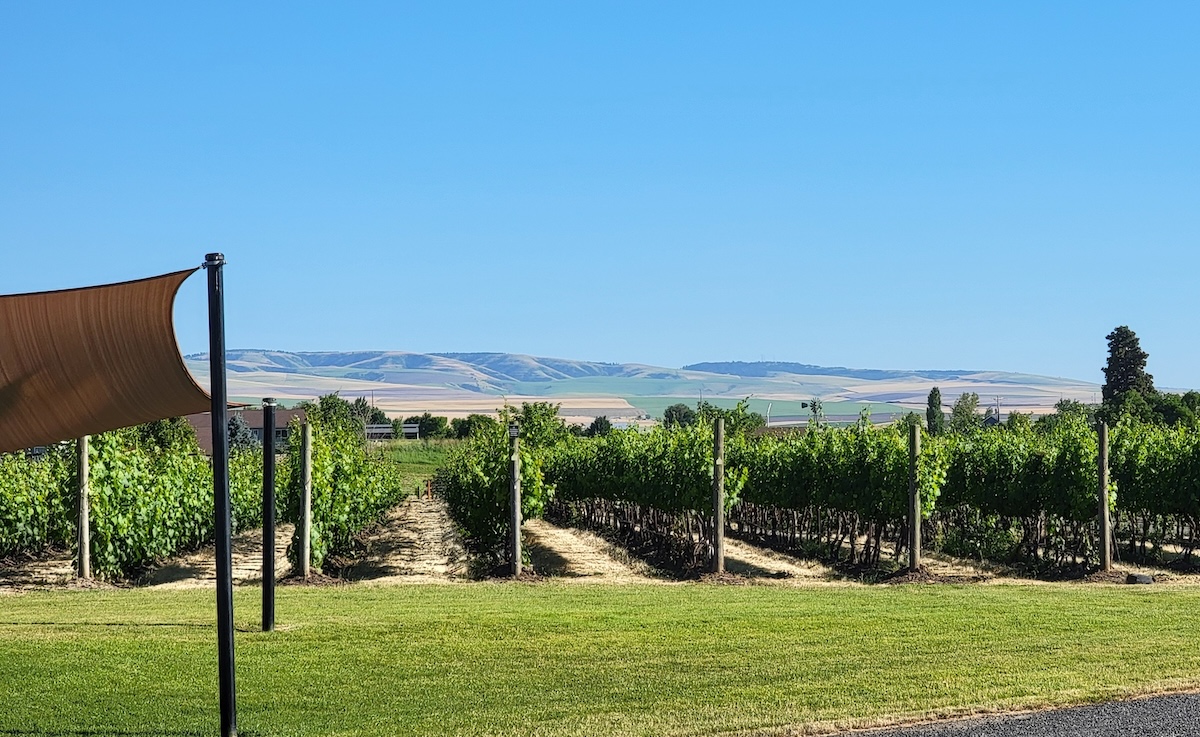
Once you’ve got a feel for the scene, it’s worth venturing outside the center. Woodward Canyon, one of the valley’s original wineries, sits south of town and still sets the bar for structured, age-worthy reds. Seven Hills Winery pours estate wines from some of the oldest vines around. Northstar Winery? Pretty much all-in on Merlot, and their bottles might just surprise anyone who’s written off the grape. For a longer outing, Eritage Resort pairs vineyard views with a tasting, and Wine Valley Golf Club lets you sneak in eighteen holes between sips. Most estate wineries are less than a twenty-minute drive apart, so it never feels like a trek.
Walla Walla wines tend to be bold, fruit-driven reds, thanks to the valley’s sunny days and cool nights at about 1,000 feet up. You’ll taste ripe flavors, but there’s enough acidity to keep things lively. Whites like Viognier and Riesling don’t get as much hype, but honestly, they’re worth a try. Tasting flights usually cost ten to twenty bucks, and plenty of places will waive the fee if you buy a bottle. The whole experience feels more relaxed—and, frankly, less pricey—than what you’d find in other West Coast wine regions.