
New England certainly doesn’t have a quality problem when it comes to its attractions; it’s just that most people don’t know where to look. The region pushes fall foliage tours, Cape Cod beach houses, and Salem witch trials, while interesting places sit quietly off the main roads, unbothered by tour buses.
These spots are for those looking for substance, not just scenery checklists. Some hold history so concentrated it practically seeps through the architecture. Others offer natural landscapes that the obvious New England tourist trail somehow walks past entirely. Pack a flexible schedule and low expectations for cell service.
23. Old Saybrook, Connecticut
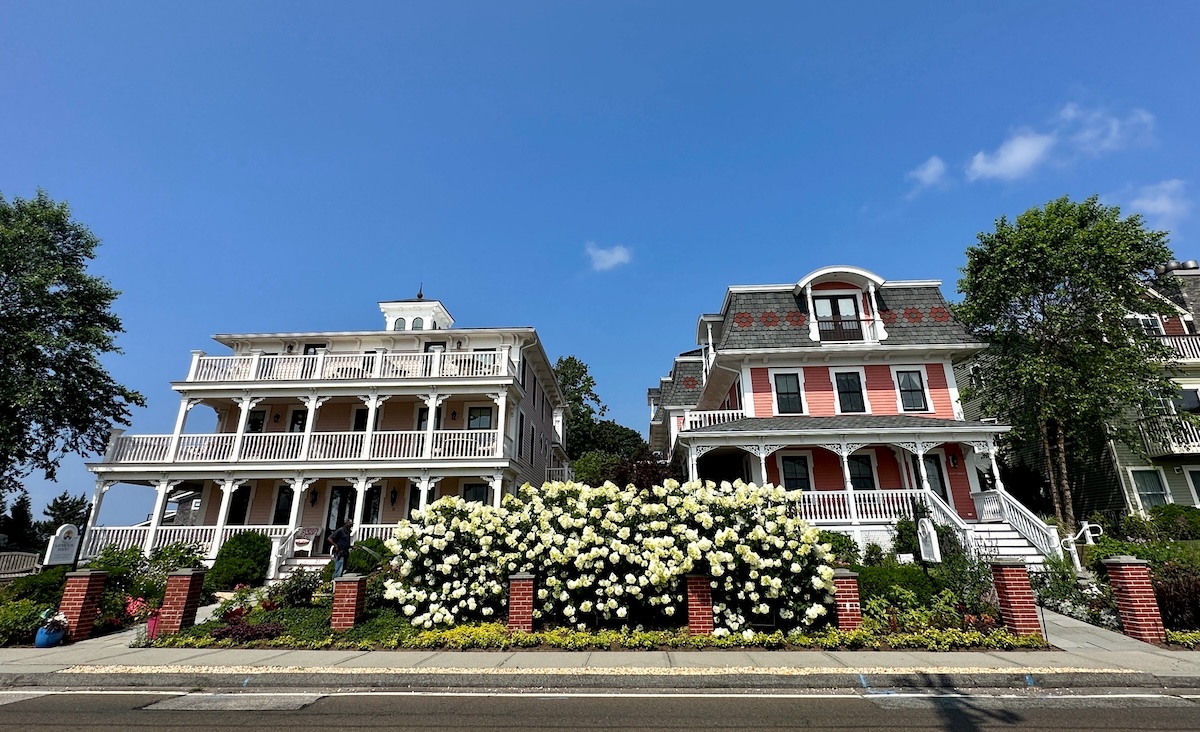
Old Saybrook sits right where the Connecticut River meets Long Island Sound. This quiet coastal town is just off I-95, about thirty minutes east of New Haven, but most folks zip right past it.
The beaches here actually give you space to breathe. Unlike other crowded Connecticut spots, you can stretch out and relax.
Main Street’s dotted with antique shops and restaurants serving up fresh seafood. The historic architecture has that classic New England look, but it doesn’t feel staged or overdone. You can stroll along the shore, visit the lighthouse, or wander through conservation areas. The town’s got that authentic seaside vibe without the noise—or the price tags—of the bigger names.
Old Saybrook’s a solid pick if you want a real New England beach day. You can even get here by train on Amtrak or Shore Line East, so driving’s optional.
22. Newburyport, Massachusetts
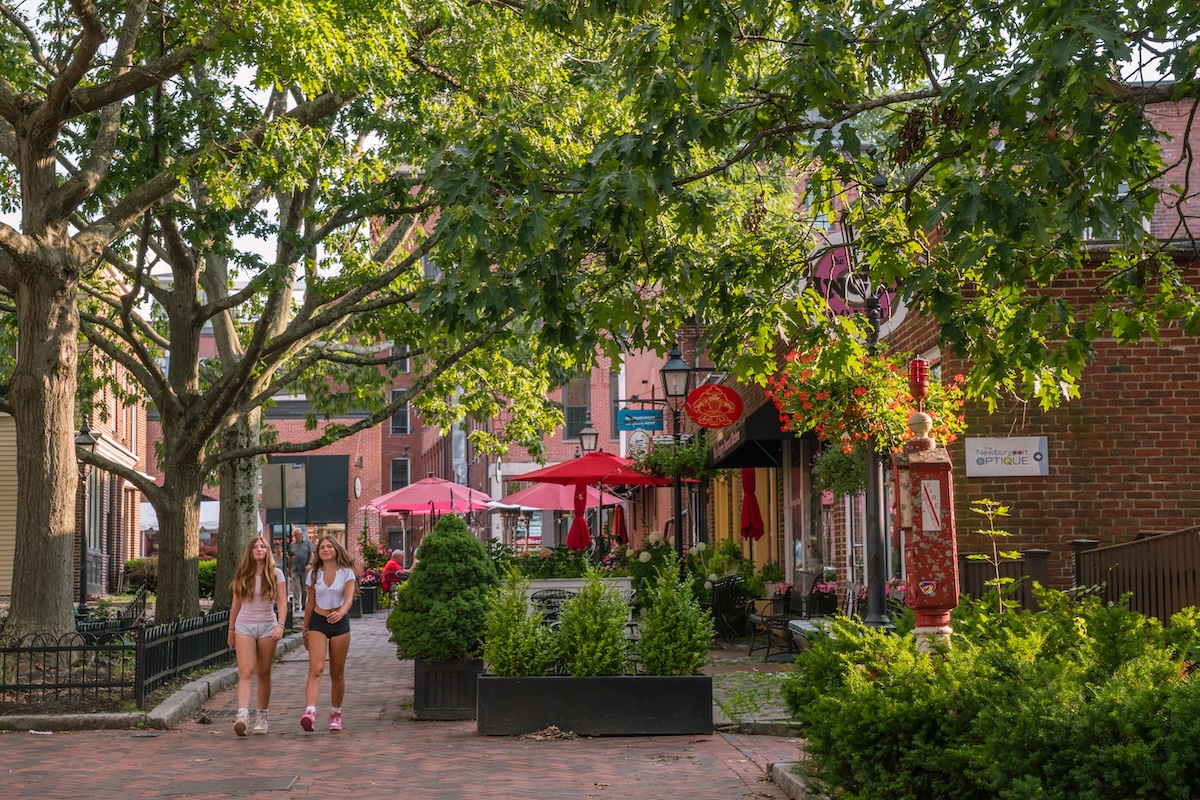
Newburyport sits along the Massachusetts coast, often overlooked as tourists rush past on their way to bigger spots. But this small waterfront town gives you the New England experience without the hassle.
Downtown’s packed with local shops and seafood joints along brick sidewalks. You can grab a lobster roll, browse indie boutiques, and—imagine this—actually find parking. Plum Island is just outside town, offering sandy beaches and the Parker River Wildlife Refuge, where you might spot birds or even a few seals. It’s much quieter than Cape Cod’s beaches.
The historic district shows off homes from the 1600s and 1700s. Walk the waterfront boardwalk and watch boats drift in and out of the harbor. Summer brings festivals and outdoor concerts, but even then, things feel way more relaxed than other coastal spots.
21. Brattleboro, Vermont
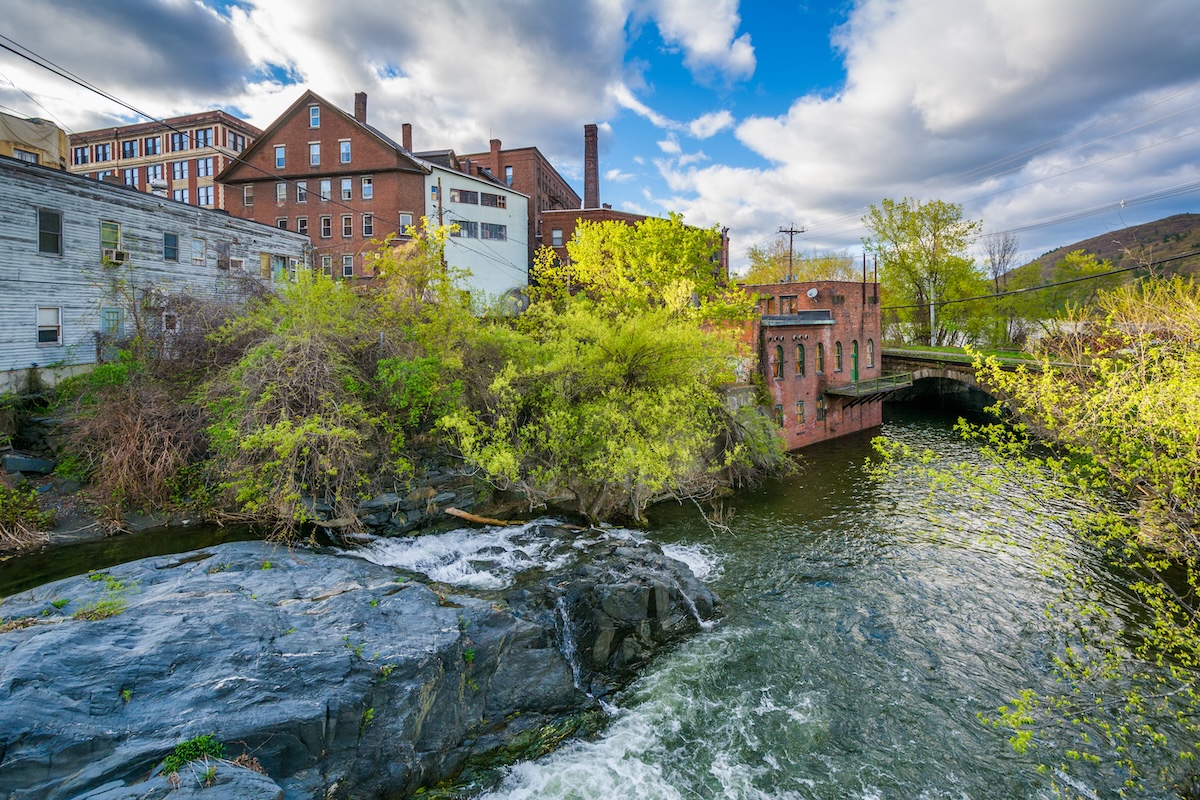
Brattleboro rests in southern Vermont’s hills, right where the state meets New Hampshire and Massachusetts. With about 11,000 people, it’s small but surprisingly lively.
Art galleries dot downtown, alongside music venues and restaurants serving up farm-fresh meals. The red-brick buildings give the place a classic vibe, but there’s no big-city rush here. The arts scene punches above its weight. You might catch a show at the New England Youth Theatre or take a class at the River Gallery School of Art. Downtown’s also full of quirky shops to poke around in.
Outdoorsy types can hike nearby trails or, in winter, watch the Harris Hill Ski Jump. The area’s views are tough to beat.
20. Kancamagus Highway, New Hampshire
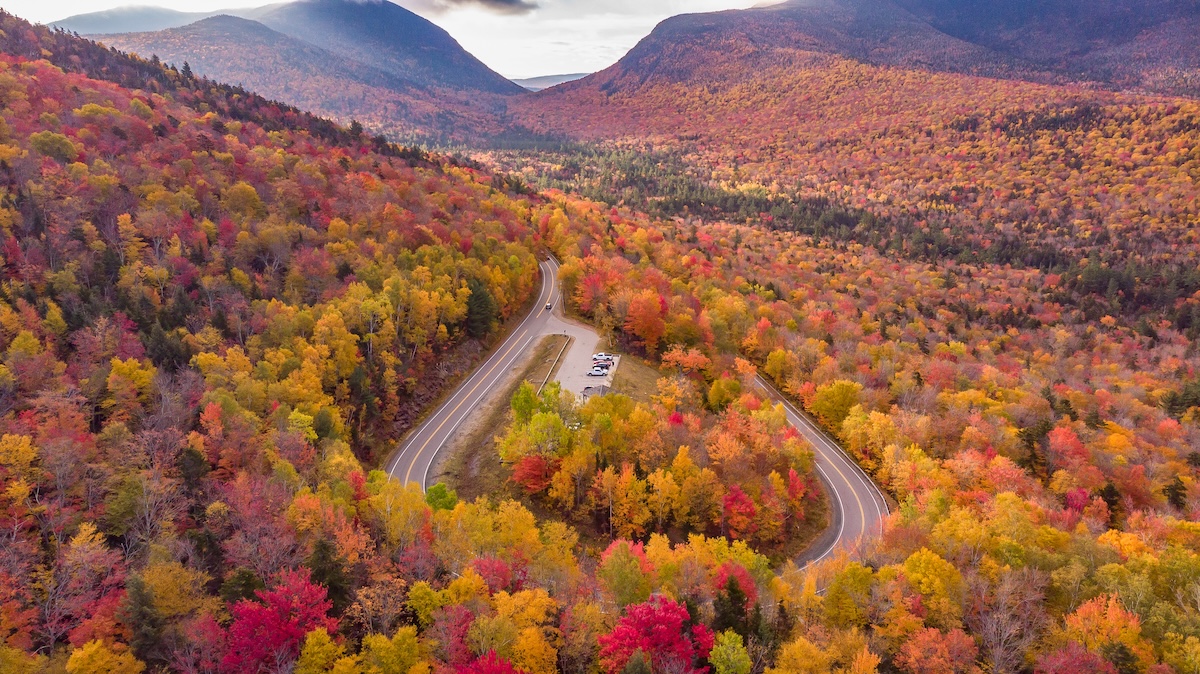
The Kancamagus Highway—locals just call it “The Kanc”—connects Lincoln and Conway through 34 miles of mountain scenery.
This National Scenic Byway winds through the White Mountains with almost no development along the way. No gas stations, no restaurants, just peace and wild views. You’ll pass waterfalls, easy hiking trails, and mountain overlooks where you can pull over and take in the peaks. Covered bridges pop up here and there too.
Fall brings those famous leaves, but summer and spring have their own charm with fewer people and lush forests. Winter closes some areas but opens others for snow sports.
19. Rockport, Massachusetts
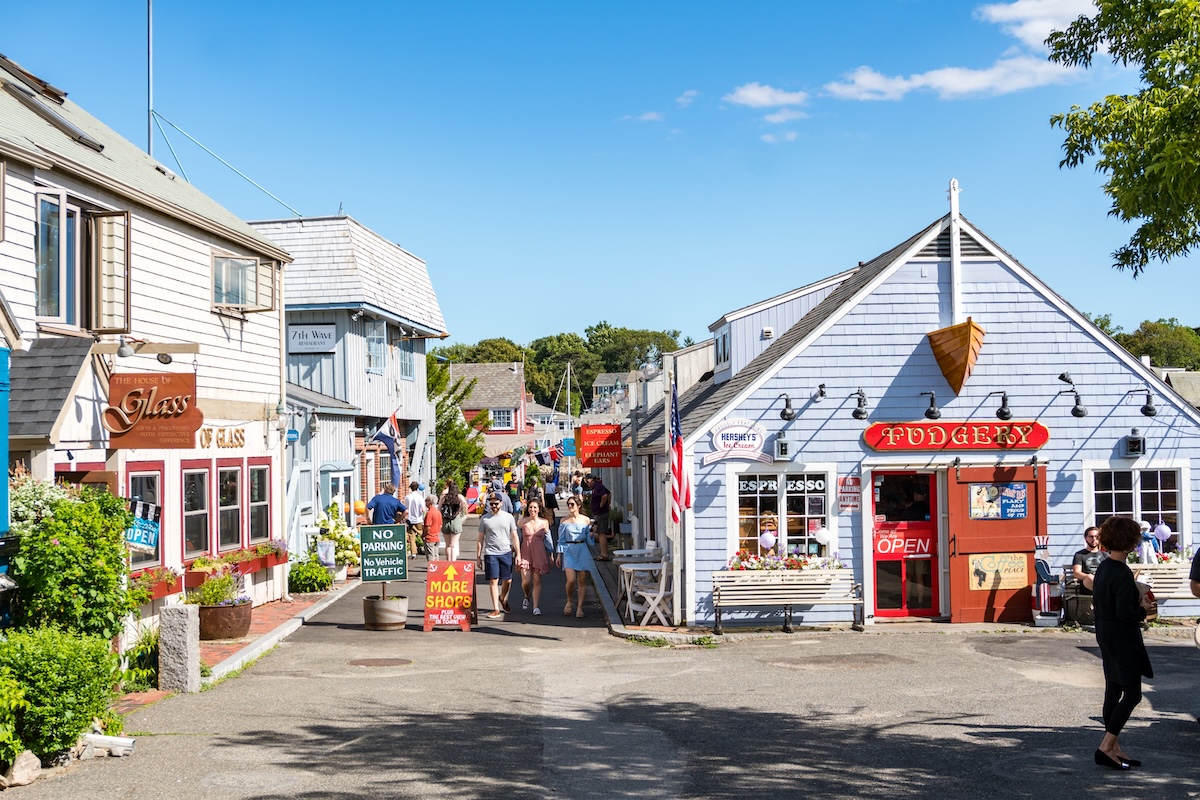
This coastal gem sits just an hour north of Boston, tucked along Cape Ann’s rocky shores. Rockport looks like it leapt out of a postcard—colorful fishing shacks, sailboats bobbing in the harbor, the works.
There’s more happening here than you’d expect. Bearskin Neck’s lined with art galleries, and you can poke around tide pools at Halibut Point State Park or grab lobster at a waterfront shack.
The main drag has candy shops and quirky stores that locals actually use. Walk the historic streets and you’ll spot old church steeples rising above weathered cottages that have seen a lot of years.
18. Rangeley Lakes, Maine
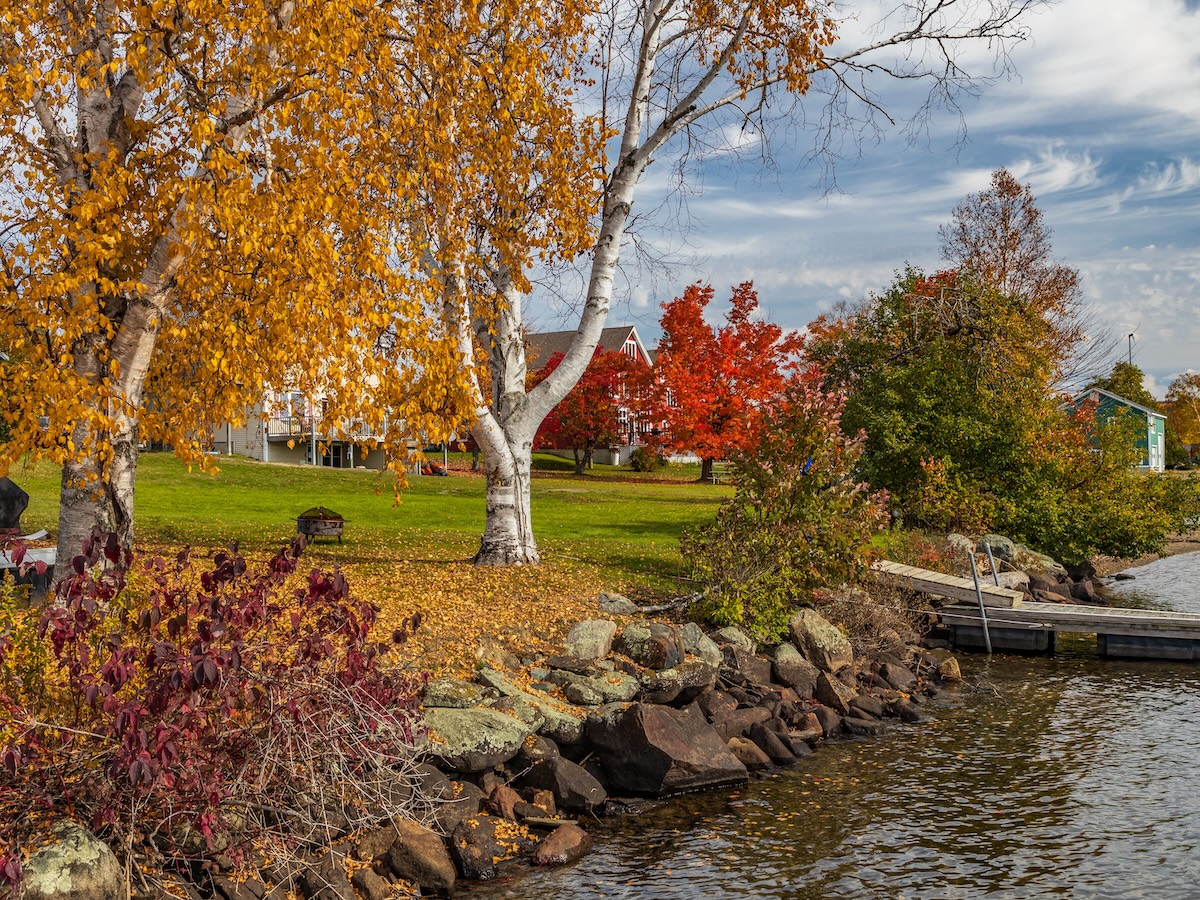
Rangeley sits tucked away in western Maine’s mountains, about 130 miles from Portland. The long drive keeps the crowds away.
The area’s up at 1,500 feet and has 112 bodies of water. Rangeley Lake and Mooselookmeguntic Lake are the big ones. You can fish for brook trout, go boating, or camp out on the shore. The Rangeley Lakes National Scenic Byway runs 35 miles along Routes 17 and 4, winding past mountains, forests, and quiet lakes. In fall, the hardwoods explode with color.
Rangeley itself is a good base for exploring. Ski Saddleback Mountain in winter or hike the Appalachian Trail when it’s warm. Unlike Maine’s coast, this spot stays peaceful year-round.
17. Bethel, Maine
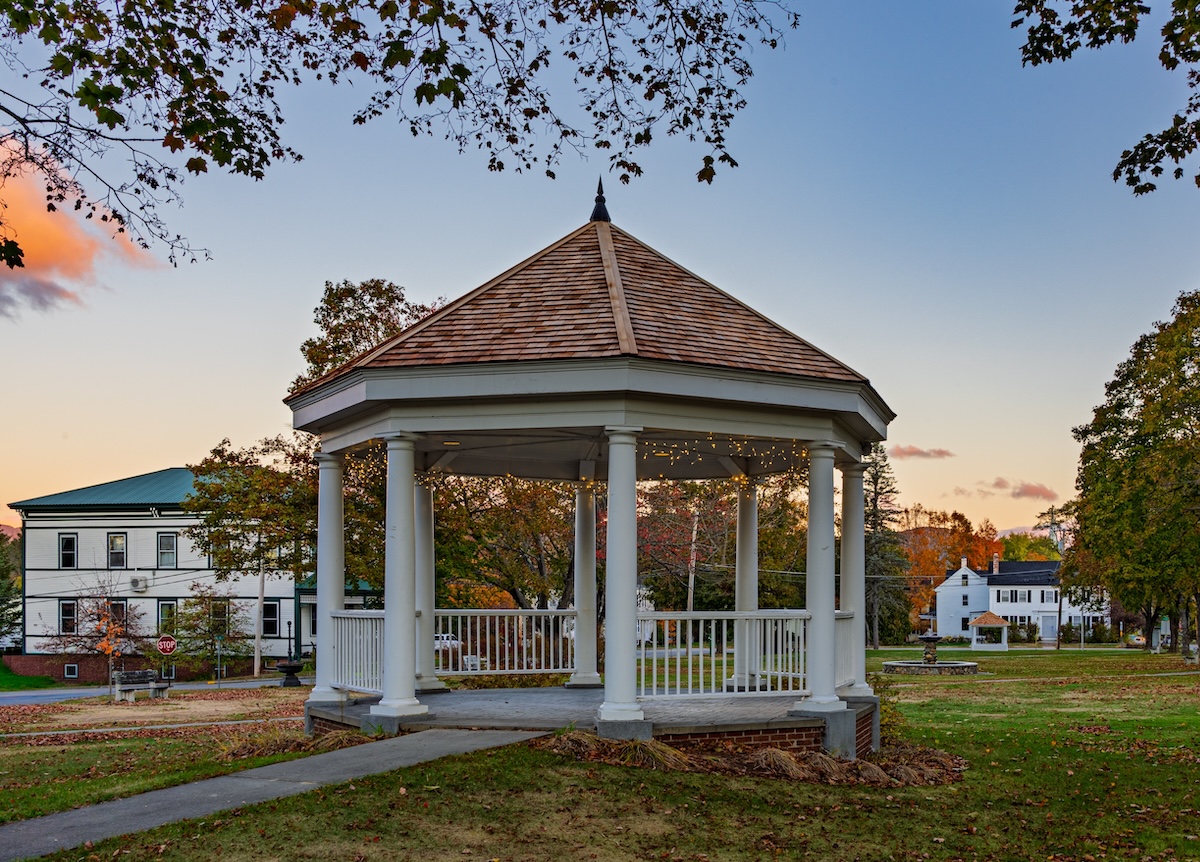
Bethel sits in western Maine’s mountains, near the New Hampshire border. It doesn’t get the buzz of coastal towns, but maybe it should.
Sunday River ski resort draws winter sports fans all year. The slopes are some of New England’s best. When the snow’s gone, the trails turn into hiking paths through the woods. Grafton Notch State Park is close by, with waterfalls and gorges to explore. The Androscoggin River runs right through town, perfect for paddling or fishing.
Downtown Bethel keeps things simple. Walk the village center and you’ll find local restaurants that surprise you with how good they are. Shops sell antiques and handmade stuff. The Lovejoy covered bridge is a quick photo stop.
16. Cornwall, Connecticut
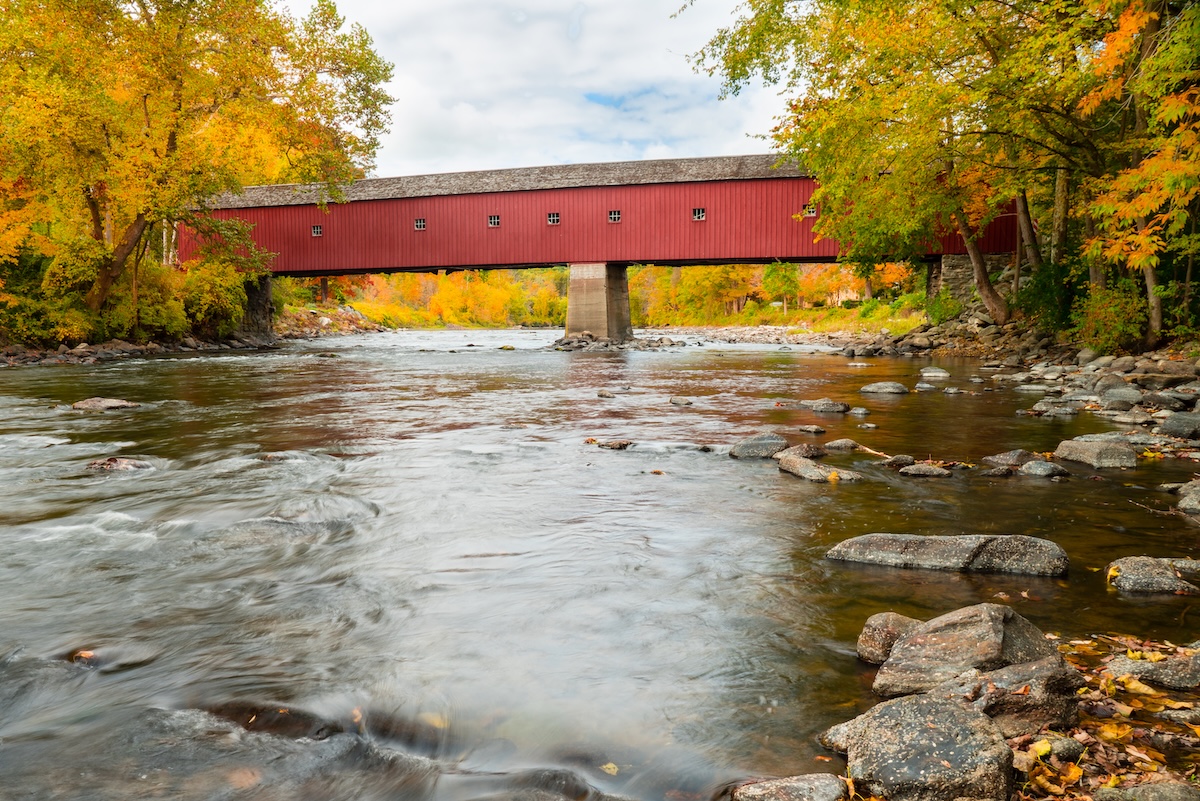
Chances are you’ve driven past Cornwall without realizing it. This tiny town in Litchfield County sits in Connecticut’s northwest corner, right where the state bumps up against Massachusetts and New York.
The West Cornwall Covered Bridge still carries cars across the Housatonic River after 160 years. Locals drive over it every day, like it’s no big deal. Mohawk Mountain has 25 ski trails spread over 330 acres. When the snow melts, you can raft the Housatonic or try fly fishing.
Cornwall dates back to 1740 and was named after a region in England. The town has five small villages within its borders. You won’t find crowds, just quiet roads winding through green hills and postcard-worthy farmland.
15. Beavertail State Park, Rhode Island
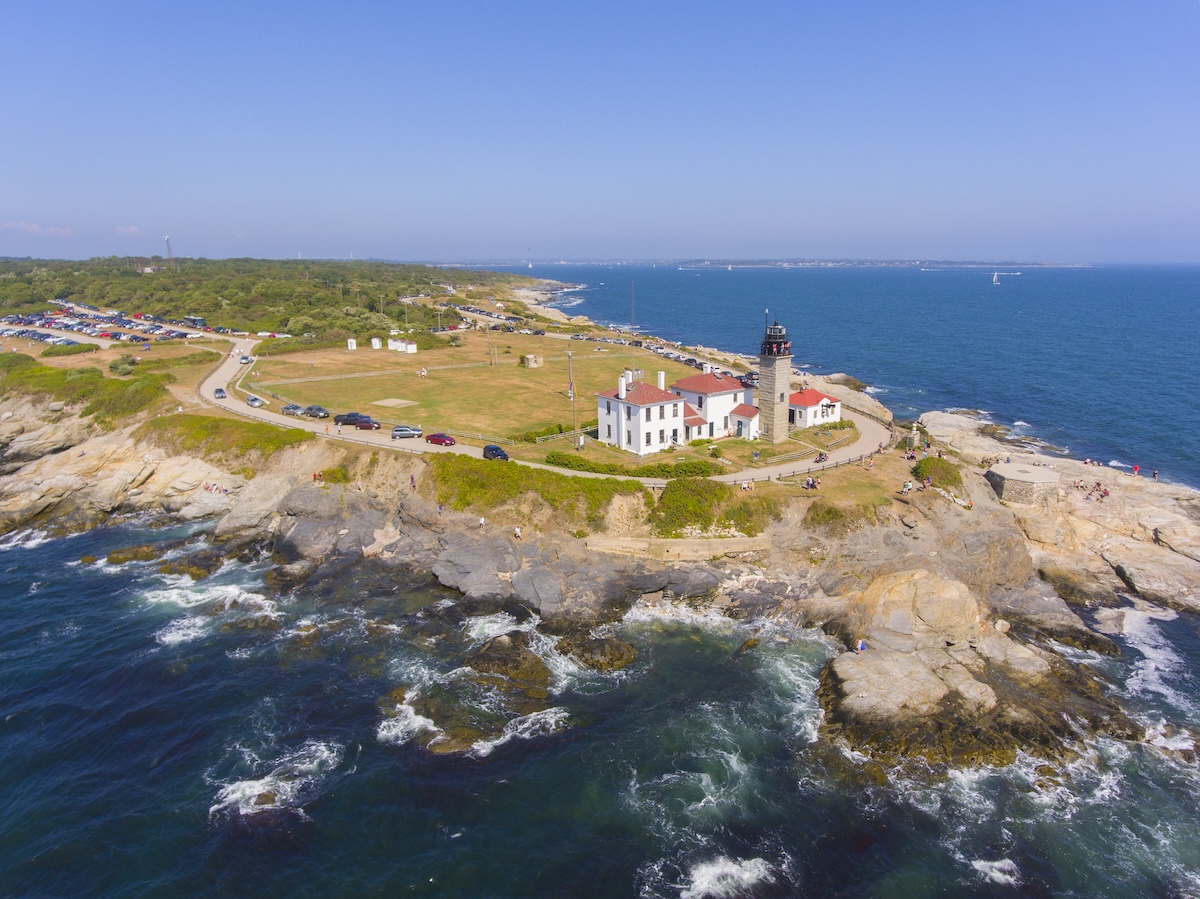
Beavertail State Park sits at the southern tip of Conanicut Island in Jamestown. It covers 153 acres and gives you some of the best New England coastal views—without the crowds you’d see at more famous parks.
The park’s home to Beavertail Lighthouse, built in 1856 on the site of the third-oldest lighthouse station in North America. You can take in the views from your car at one of four overlooks or walk the rocky shoreline.
If you fish, you’ll love the saltwater angling here. There are hiking trails, and birdwatching’s especially good in winter. The place stays clean and well-kept, and it’s free to visit, which is always a plus.
14. Norwich, Vermont
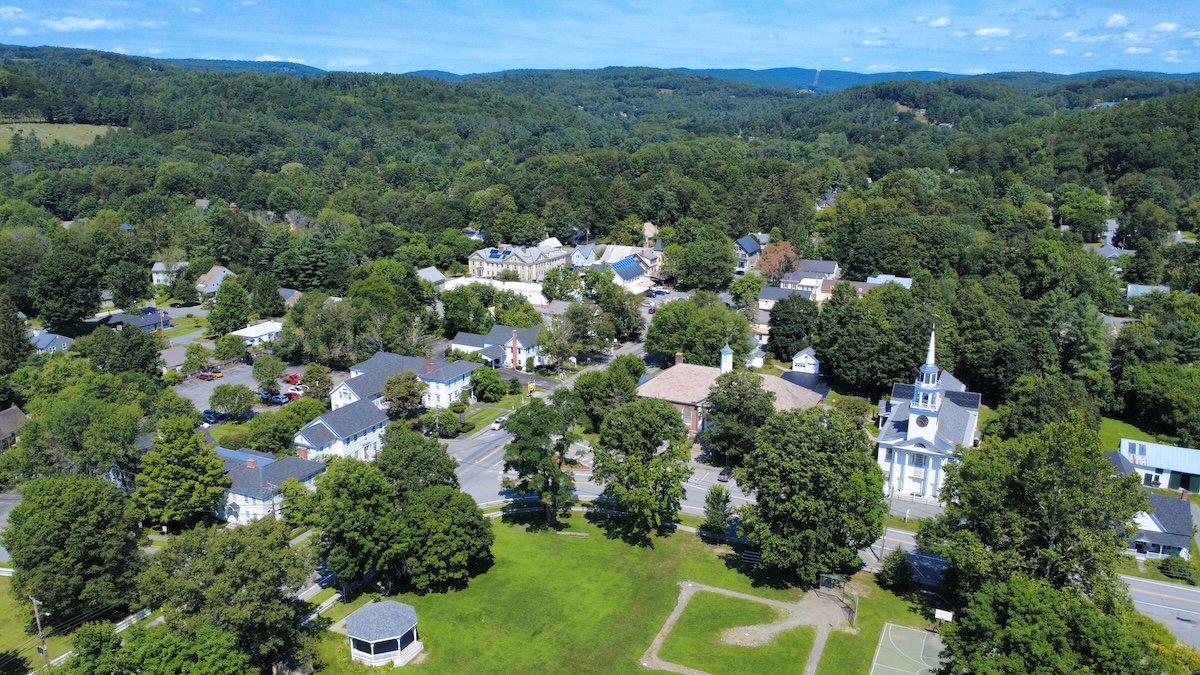
Most people haven’t heard of Norwich, but this small Vermont town sits quietly in the Upper Valley with just over 3,600 residents. The Main Street historic district landed on the National Register of Historic Places, and the old buildings and New England architecture make it feel like a step back in time.
The Montshire Museum of Science is a fun stop, especially if you’re traveling with kids. The Norwich Farmers Market has local goods, and Gile Mountain offers hiking trails with great views.
Norwich stays low-key, even though it’s close to everything. Many locals commute to New Hampshire, but the town keeps its quiet charm. No tourist crowds here, and honestly, that’s a big part of its appeal.
13. Mount Greylock, Massachusetts
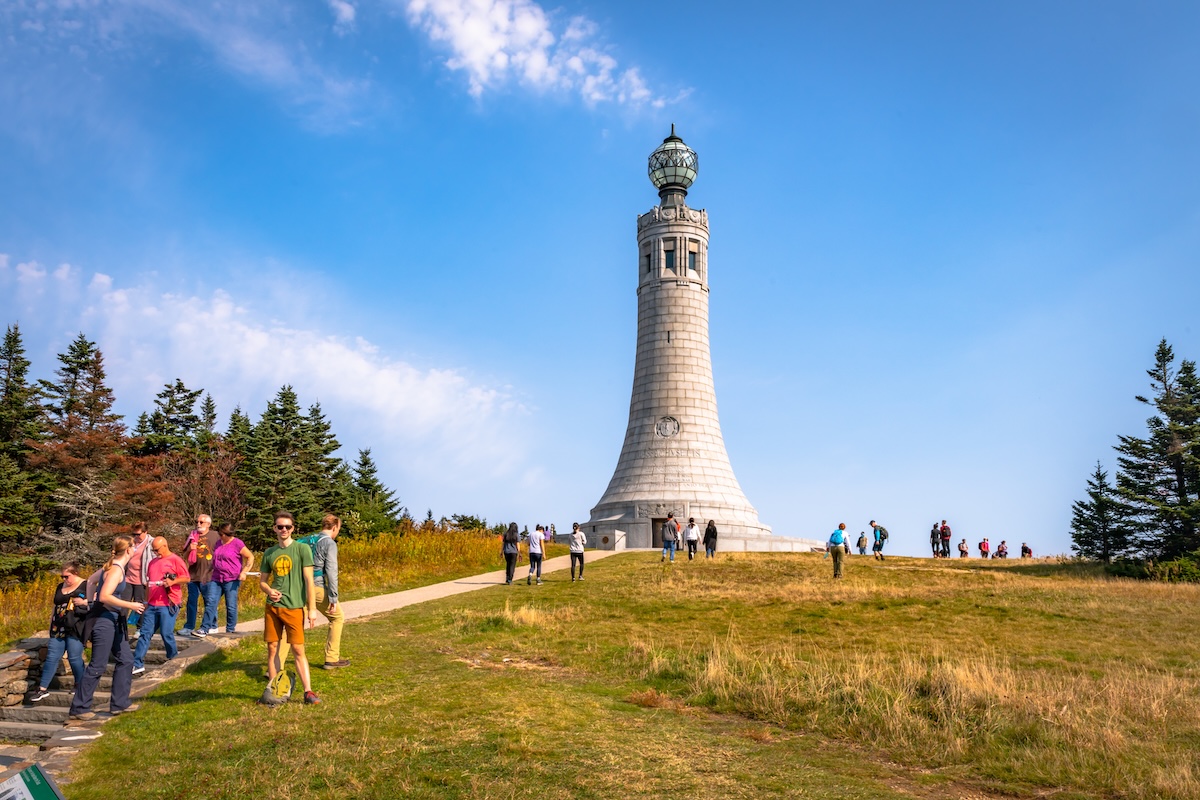
Mount Greylock rises to 3,491 feet, making it the tallest peak in Massachusetts. Maybe you haven’t heard much about it—honestly, it doesn’t get the same hype as some other spots—but on a clear day, the views go for nearly 90 miles. That’s wild.
Sitting out in Western Massachusetts, Greylock has its own vibe. It’s got the only subalpine ecosystem in southern New England, which feels a little unexpected. When you finally reach the summit, a rare boreal forest greets you—almost like you’ve wandered into another region entirely.
You can hike up if that’s your thing, or just drive to the top and skip the sweat. The Veterans Memorial Tower marks the highest spot, and from there, five states sprawl out in every direction. Trails twist through the reservation, so you’ve got choices whether it’s muggy July or you’re braving the snow. Mount Greylock State Reservation stretches across a handful of Berkshire County towns, giving you a real wilderness fix—without the mobs of people you might run into at other New England peaks.
12. Damariscotta, Maine
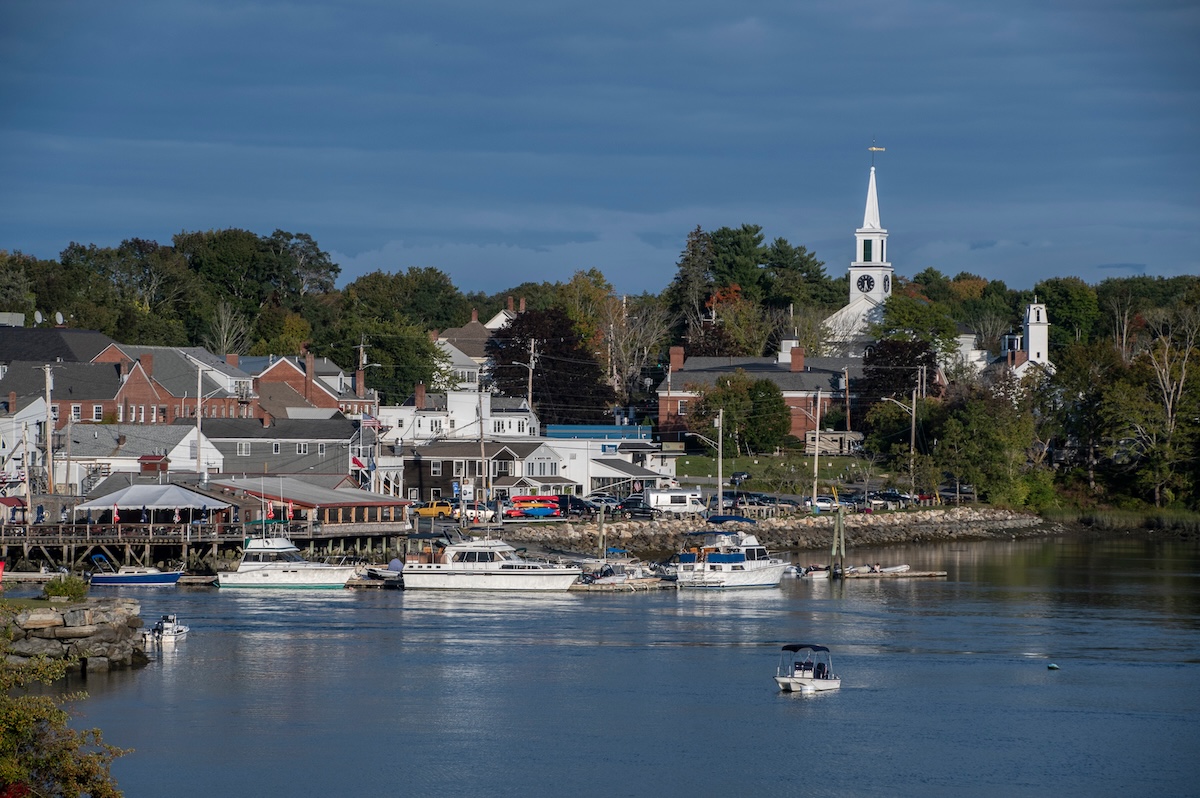
This Midcoast Maine town sits at the tidal limits of the Damariscotta River estuary, where oyster farming built a food culture epic enough for its own annual festival. The Main Street commercial district is where you’ll find the usual independent bookshops, galleries, and restaurants, everything from a picture-perfect Maine town.
The river draws kayakers and harbor seal watchers who time visits around tidal cycles. Across the bridge, the twin town of Newcastle adds colonial history and a white clapboard church to the scene. Show up with no particular agenda and the combination fills a very productive day.
11. Shelburne Falls, Massachusetts
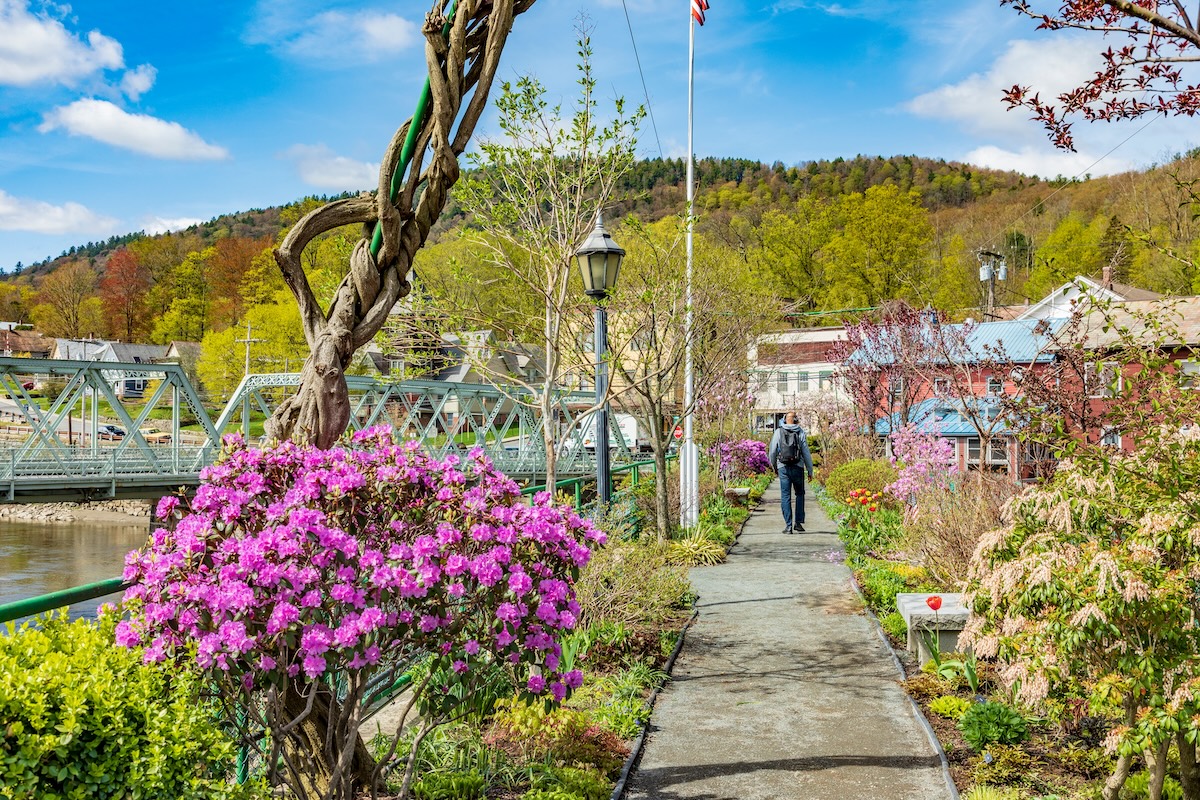
Volunteers converted a former trolley bridge crossing the Deerfield River into a garden in 1929 and have maintained it ever since. The Bridge of Flowers sounds like a tourism board invention, but it’s a legitimate community project, and the town around it also has galleries, studios, and a craft economy that developed long before anyone called it an arts district.
Just downstream, glaciers carved potholes into the bedrock thousands of years ago that now provide free entertainment for geology enthusiasts and curious children alike. Shelburne Falls stays compact enough to cover entirely on foot, which makes it a very easy afternoon.
10. New Castle, New Hampshire
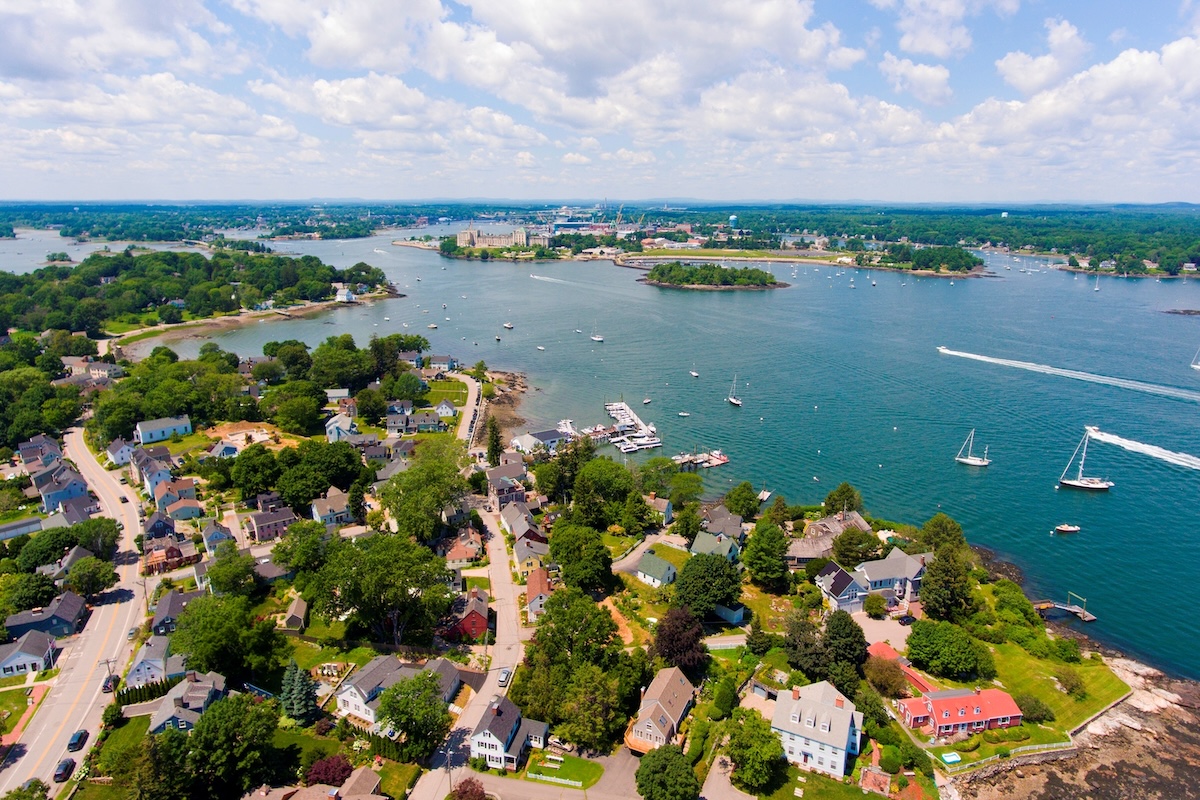
New Hampshire’s smallest town by area occupies a small island that a bridge connects to Portsmouth, and most visitors driving toward the city never cross the next bridge to see what sits just beyond. Fort Stark and Fort Constitution carry Revolutionary War history, while the surrounding tidal waterways and rocky shoreline give the island a geographic character entirely different from the mainland city nearby.
The residential village has some of the state’s finest historic houses along streets carrying a fraction of the traffic Portsmouth absorbs daily. The walk along Great Island Common at the southern tip delivers harbor and open ocean views that the Seacoast region doesn’t advertise nearly enough.
9. Cutler Coast Public Reserved Land, Maine
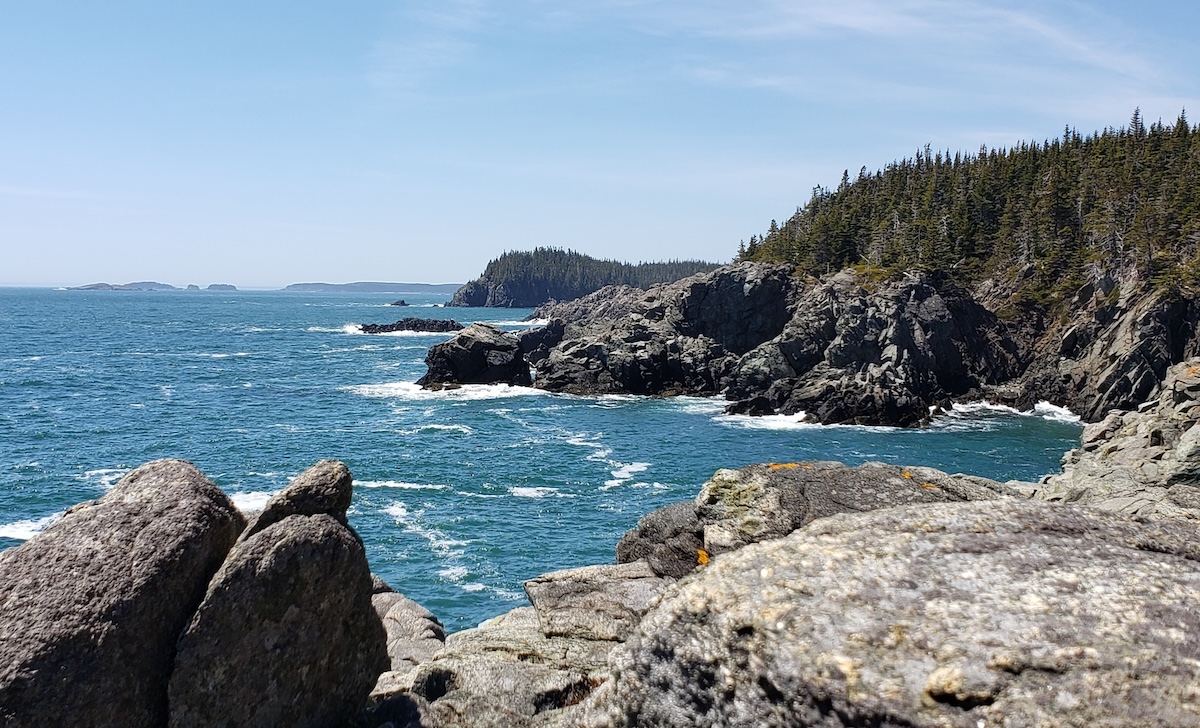
The Bold Coast trail system in Washington County runs along clifftops above the open Atlantic, through boreal forest, and across headlands. Most Maine visitors never reach it because the drive from Portland takes considerably longer than the Acadia trip already on the itinerary. The payoff involves some of the most dramatic coastal scenery the state holds, without a gift shop in sight.
Primitive camping along the trail puts hikers on clifftops with seabird rookeries below and fog rolling in from the Bay of Fundy. Arriving here after a long drive and seeing the coast for the first time makes the little bit of extra effort entirely reasonable.
8. Eastport, Maine
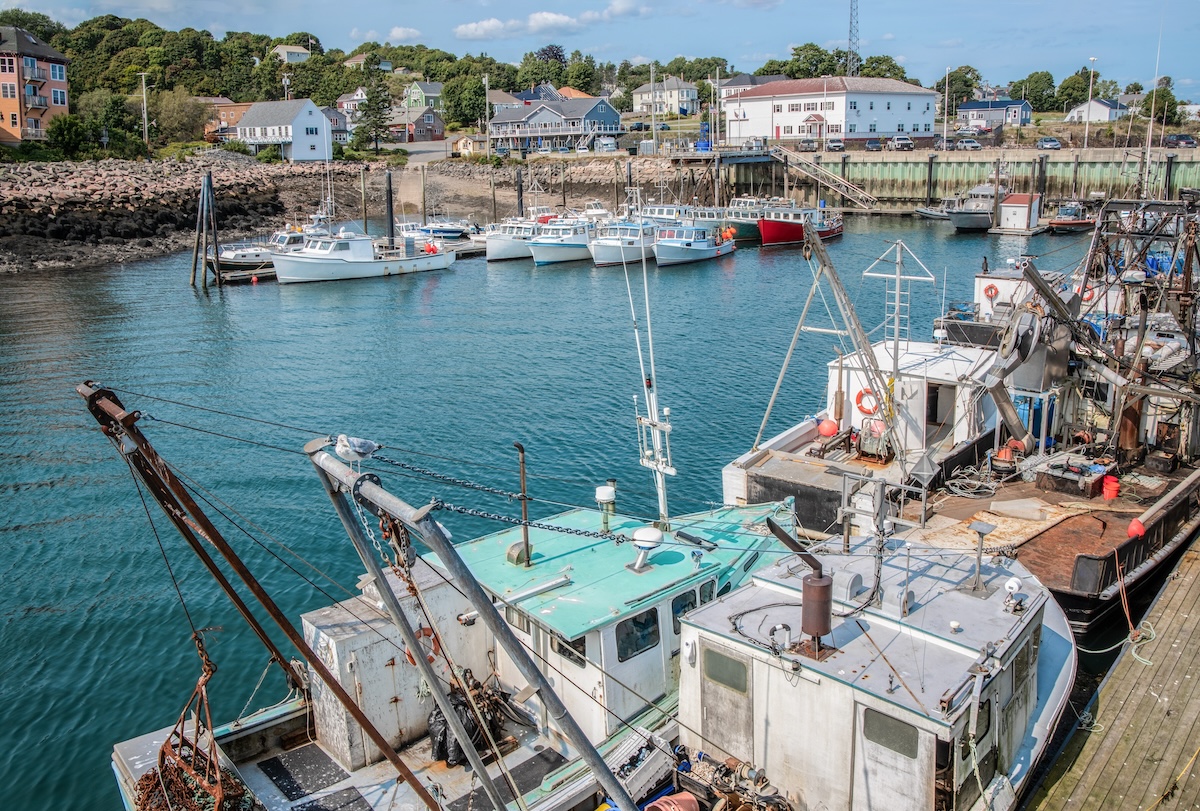
The easternmost city in the United States sits on Moose Island in Passamaquoddy Bay. It is close enough to New Brunswick that Canada feels just like a view from the waterfront. The bay has massive tidal ranges, and the twice-daily surge creates whirlpools and currents that the local fishing community navigates with casual expertise.
Victorian commercial buildings from a sardine canning boom that peaked a century ago line the downtown, alongside a small arts community that settled here specifically because the isolation suited them. The annual Fourth of July celebration runs as one of the best in Maine and is worth timing a visit around.
7. Kent, Connecticut
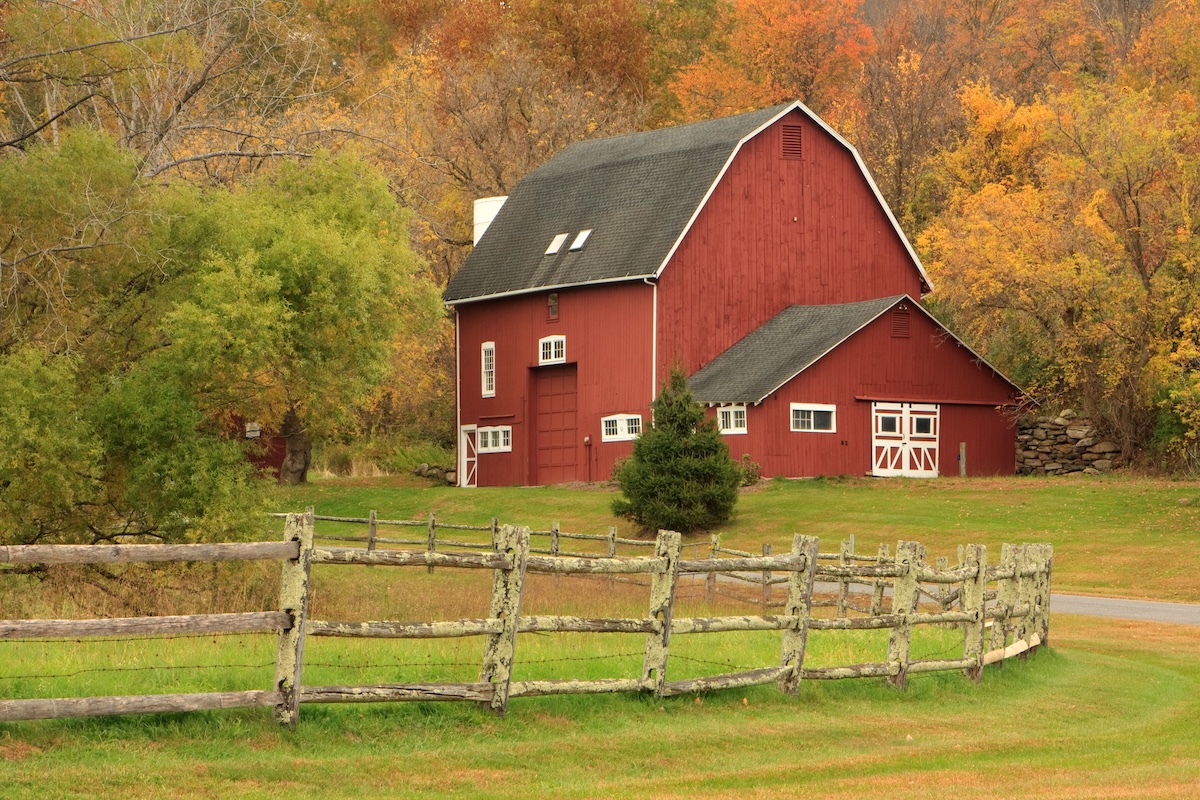
Litchfield County’s most scenically positioned small town sits in the Housatonic River valley. Sadly, the Berkshires across the state line get all the credit for the surrounding leaf season colors. Kent’s Main Street is beloved for its art galleries, independent bookshops, and restaurant options, drawing day trippers from New York. The classy kind.
The Appalachian Trail crosses the Housatonic just south of town, and Macedonia Brook State Park holds trail networks keeping outdoor visitors occupied across multiple seasons. You will see metropolitan money, but for all the right reasons.
6. Lake Willoughby, Vermont
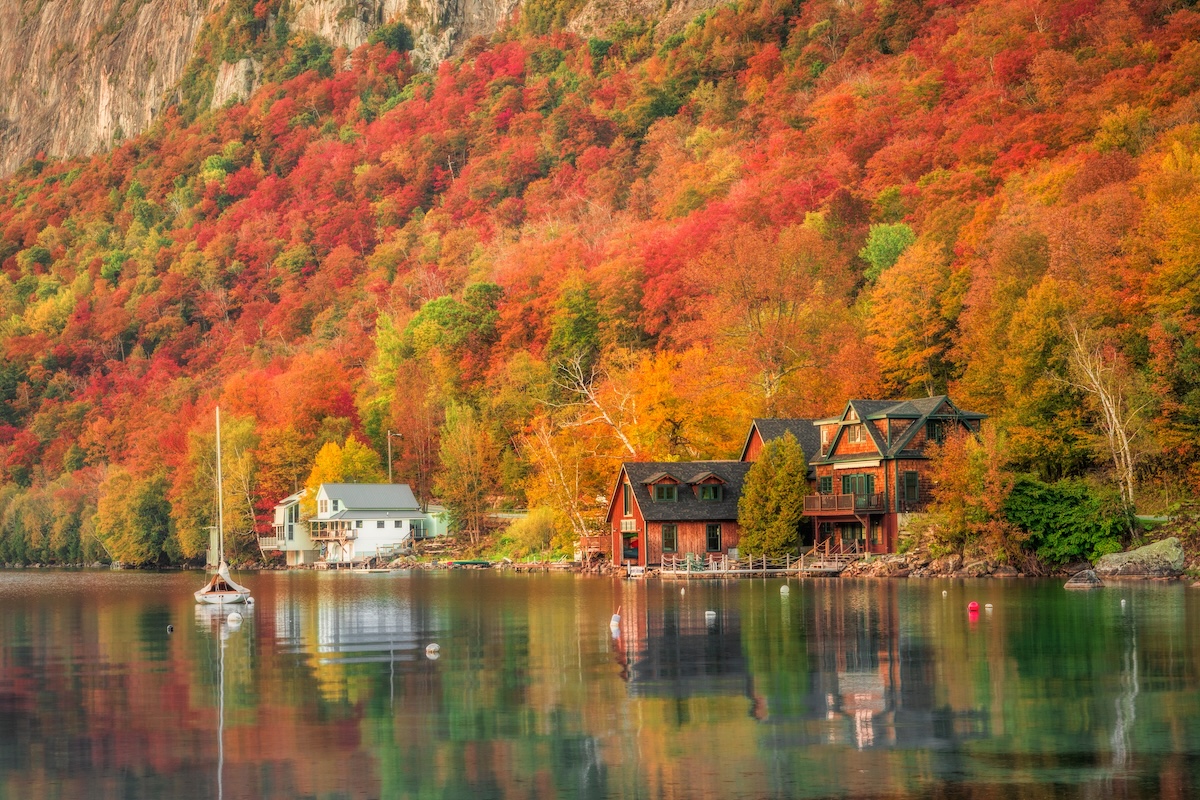
Two mountains drop directly into the lake on both sides, creating a fjord-like geography that doesn’t belong in Vermont climatologically but arrived anyway. It was through glacial processes that left the state with several unusually dramatic landscapes. The water stays clear through summer while the surrounding cliffs and hiking trails on Mount Pisgah and Mount Hor give the lake a unique vertical dimension.
The Northeast Kingdom location puts Lake Willoughby in the state’s least visited region, keeping the beaches and campgrounds at human scale. Swimming here on a clear August day, surrounded by forested cliffs, produces one of New England’s more memorable afternoons.
5. Great Barrington, Massachusetts
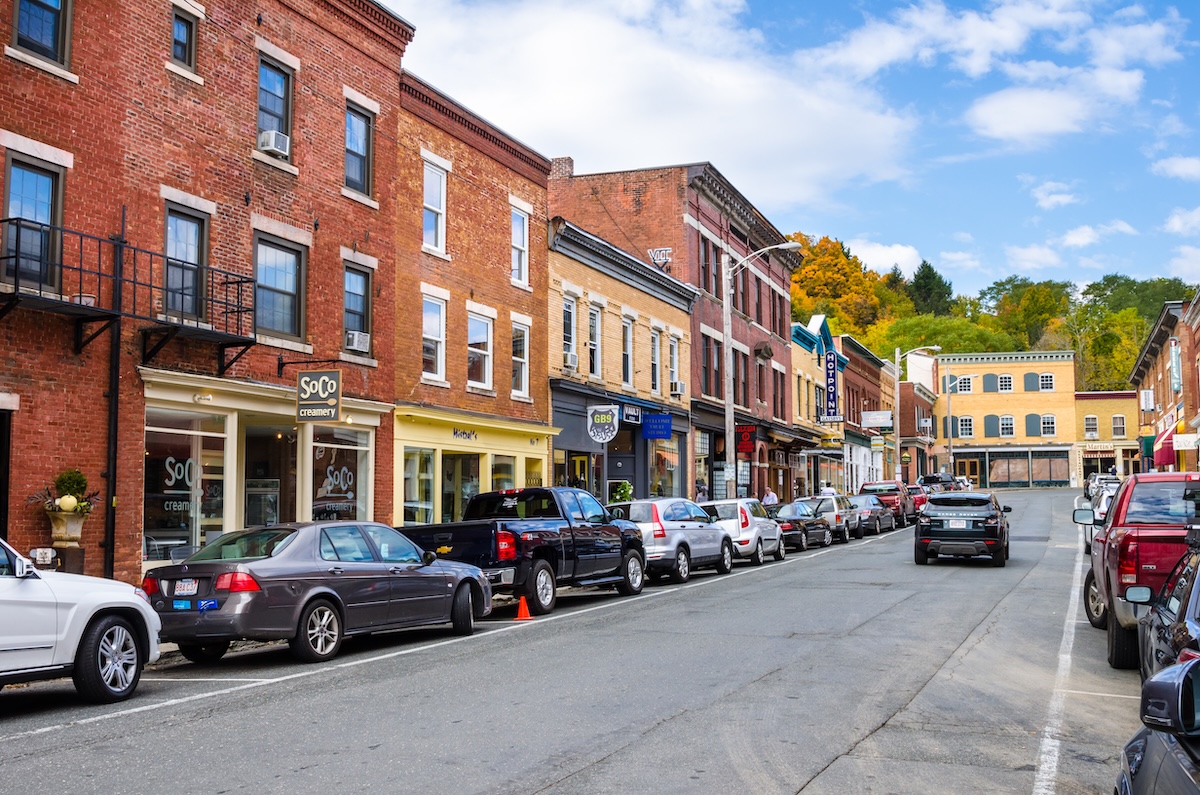
The southern Berkshires has a concentration of good eating, live music, and cultural programming that Great Barrington anchors successfully. Main Street is the place to be for farm-to-table restaurants, a natural food culture that arrived decades ago, and a Saturday farmers’ market that functions as the town’s primary social event.
W.E.B. Du Bois was born here, and the town’s progressive history runs deep enough to shape its current character in ways that still show. The surrounding hills hold hiking trails, swimming holes, and Tanglewood, a short drive north. Great Barrington has enough depth to work as a base for exploring the wider region.
4. Castine, Maine
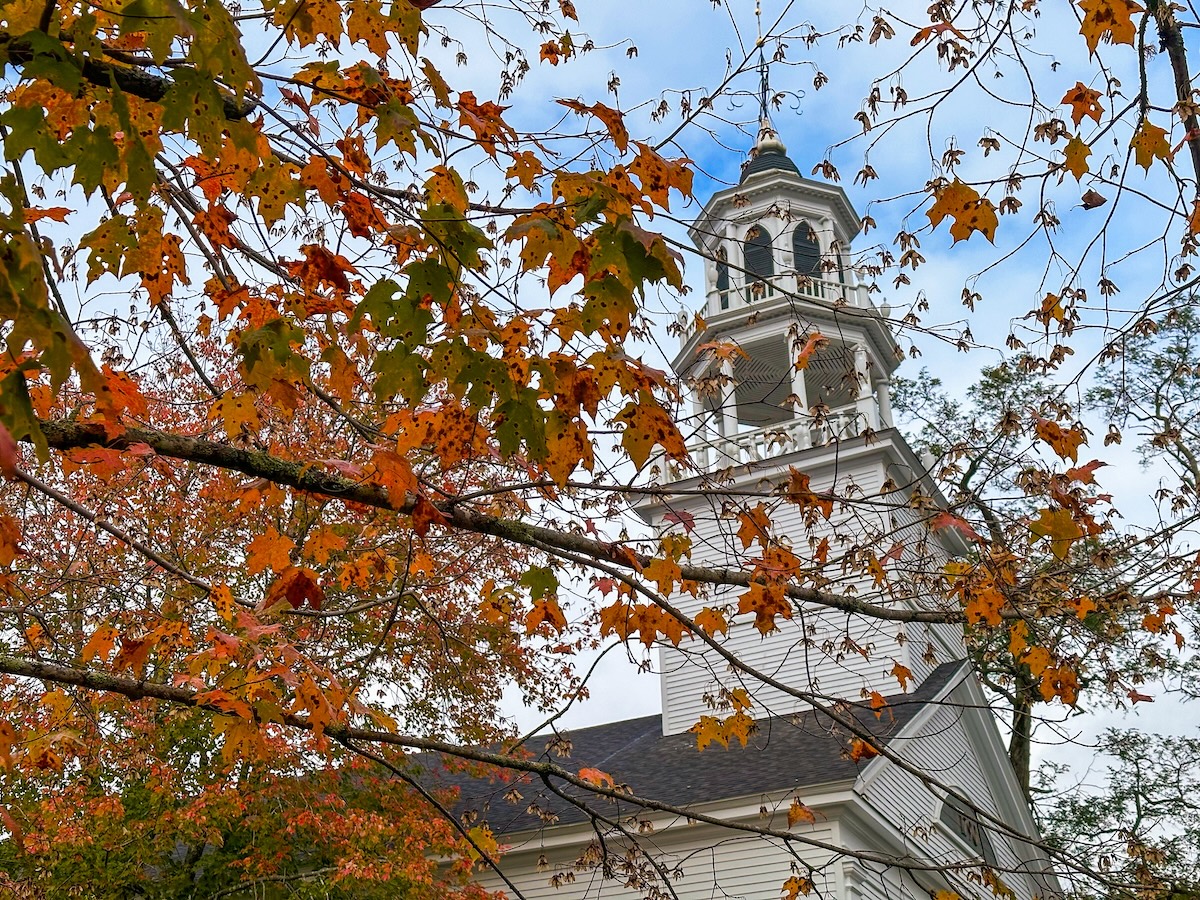
The Maine Maritime Academy trains merchant marine officers on a waterfront that French, British, Dutch, and American forces fought over more times than any comparable patch of the Maine coast. The resulting historical density shows throughout the architecture, and the compact peninsula holds more significant historic sites per square foot than anywhere else in the state.
Elm trees lining Perkins Street survived the Dutch elm disease that cleared most of New England’s canopy, giving Castine a summer streetscape that stops first-time visitors mid-walk. The harbor views and the local inn at the end of Main Street make the detour from Route 1 worth planning ahead for.
3. Little Compton, Rhode Island
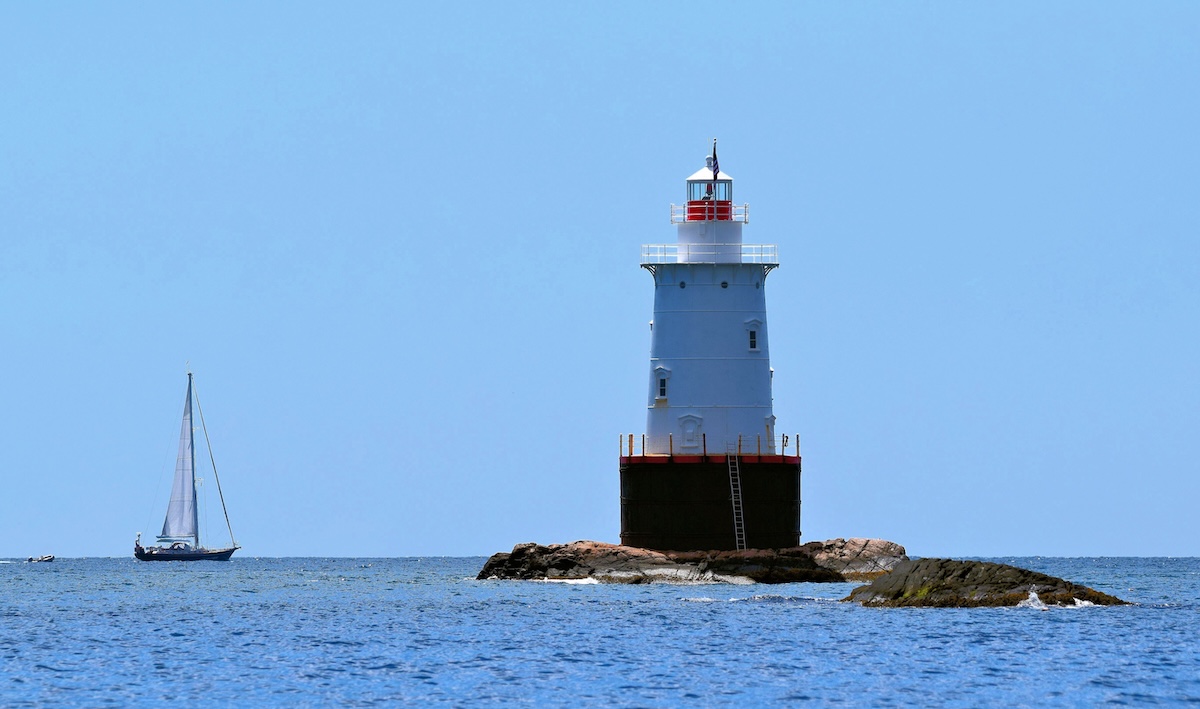
Rhode Island’s most agricultural town occupies a peninsula between the Sakonnet River and the Atlantic, growing vegetables, wine grapes, and the Rhode Island Red chicken that a historical marker on the Commons claims originated here. The town green, surrounded by a Congregational church, cemetery, and agricultural co-op, operates as a functioning community center, not a preserved exhibit for visitors.
Sakonnet Vineyards sits at the peninsula’s southern end, pouring wines from estate vines planted in the 1970s. The coast road delivers water views, and farm stands selling local produce through late autumn. Little Compton keeps a low profile and seems perfectly content with it.
2. Grafton, Vermont
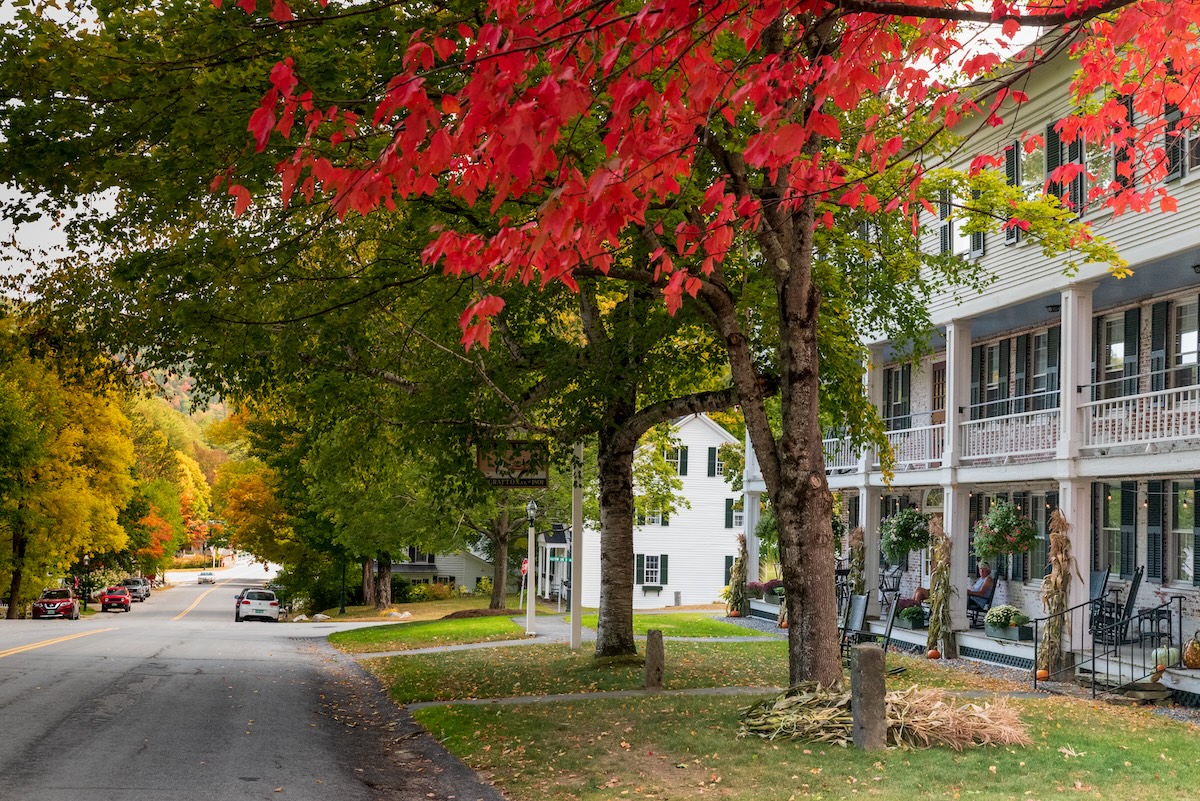
The Windham Foundation spent decades carefully restoring this southern Vermont village to something resembling its 1800s appearance. The Old Tavern at Grafton dates to 1801 and still operates as an inn, the cheese company produces a clothbound cheddar worth seeking out, and the village green and white clapboard buildings create an atmosphere of pure class and prestige.
Cross-country ski trails run directly from the village in winter, and the surrounding Windham County roads deliver cycling and leaf peeping that makes New England’s autumn reputation entirely justified.
1. Stonington, Maine
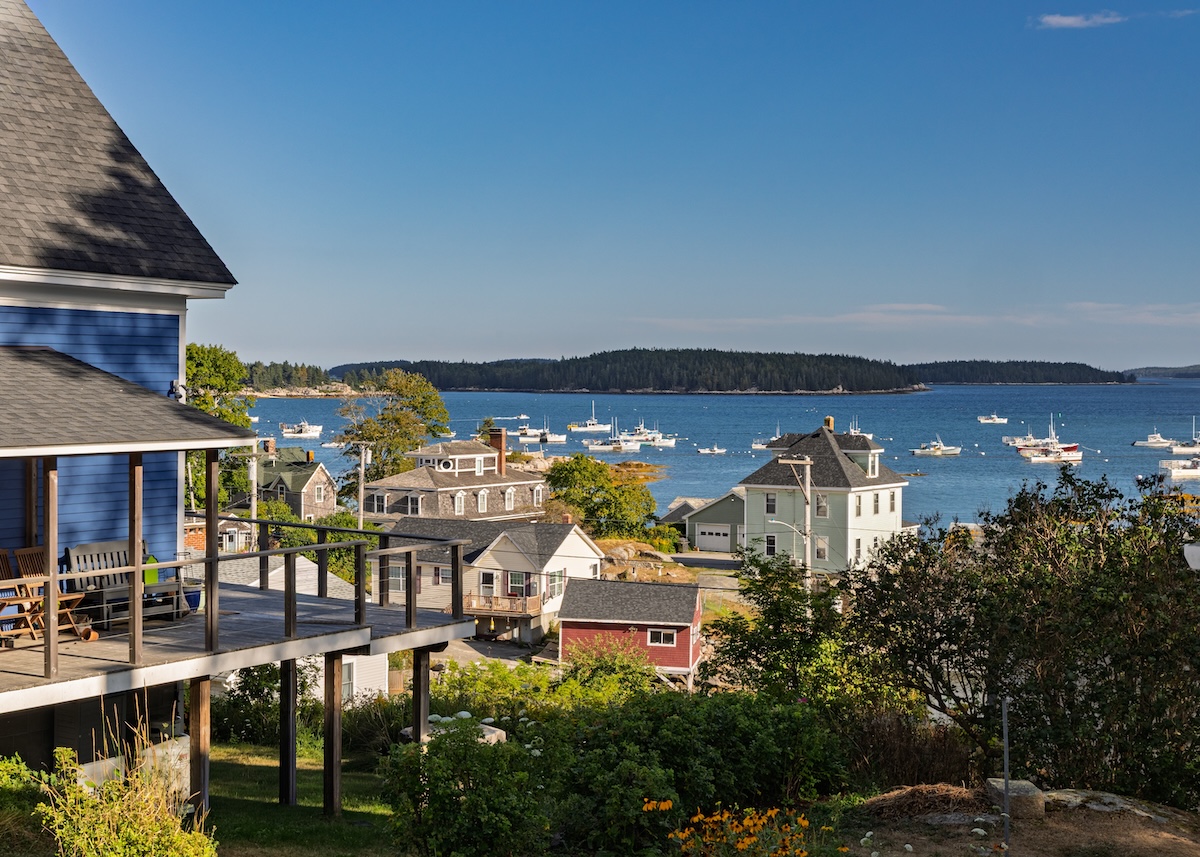
Deer Isle’s southernmost village works as a commercial fishing port first, and a tourist destination somewhere further down the priority list, and that hierarchy produces exactly what makes Stonington worth the drive. The working waterfront holds lobster boats, fish houses, and the Stonington Lobster Co-op operating on its own schedule, entirely indifferent to visitor timetables.
The surrounding archipelago of small islands makes Stonington one of Maine’s best sea kayaking bases, with Merchant Row and the Deer Isle Thorofare offering protected paddling through pristine island scenery. The town’s handful of excellent restaurants and the Haystack Mountain School of Crafts are the finishing touches to this blissfully underappreciated gem.