
The classic caveat of white sandy shores and crystal clear water seems lovely, but these coastal oddities rewrite the rules of sun and sand. While most beaches offer the standard mix of waves, umbrellas, and sunburned tourists, these peculiar shores serve up something completely different.
Expect everything from disappearing oceans to plane-spotting paradises; these beaches prove that Mother Nature has quite the sense of humor (and maybe a slight obsession with showing off). Pack your sunscreen and sense of adventure as we explore beaches where “normal” is just a setting on your washing machine.
25. Scala dei Turchi, Italy
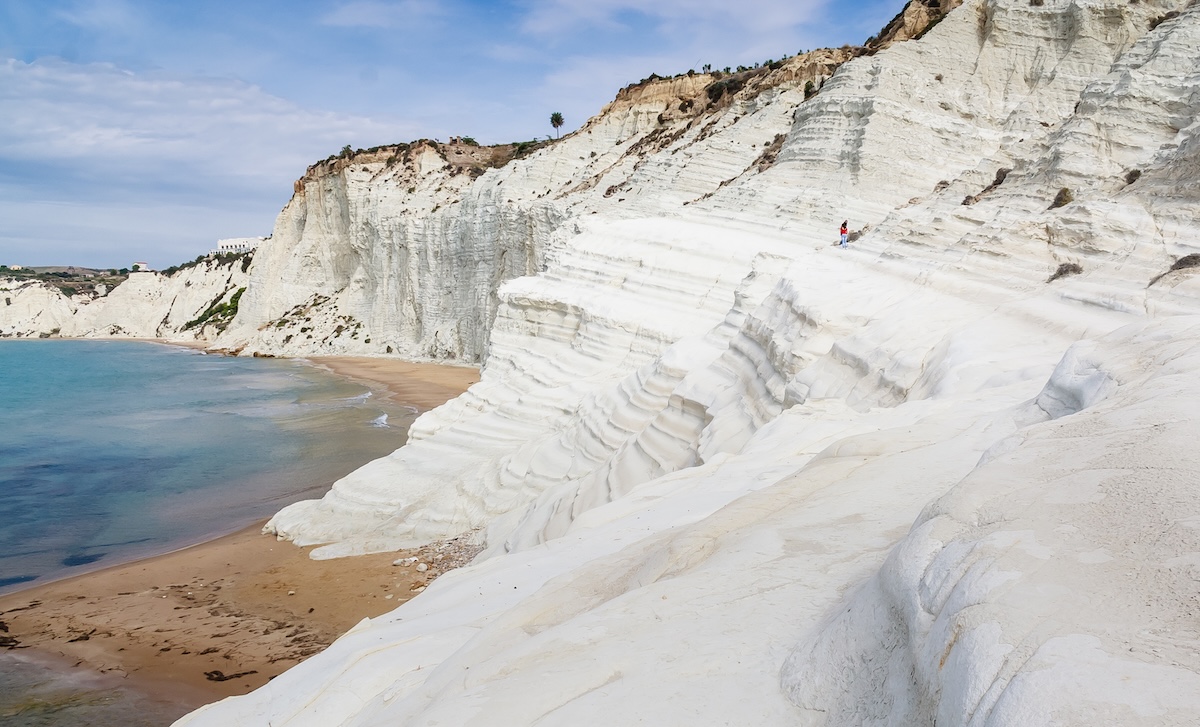
Sicily’s southern coast near Realmonte hides one of the world’s strangest beaches. Scala dei Turchi looks nothing like a typical beach. Bright white cliffs rise from the Mediterranean like a giant natural staircase. Wind and waves spent millions of years carving the soft limestone and marl into smooth, curving steps. The white stone pops against the blue sea below.
The name means “Stair of the Turks,” a nod to old stories about Turkish pirates using the natural steps to reach shore. You can actually walk down the rock formations to the sandy beach at the bottom.
Starting in 2026, you’ll need a timed ticket since they now control access to protect the cliffs. The site typically opens 10am to 7pm, though sometimes it closes for preservation.
24. Legzira Beach, Morocco
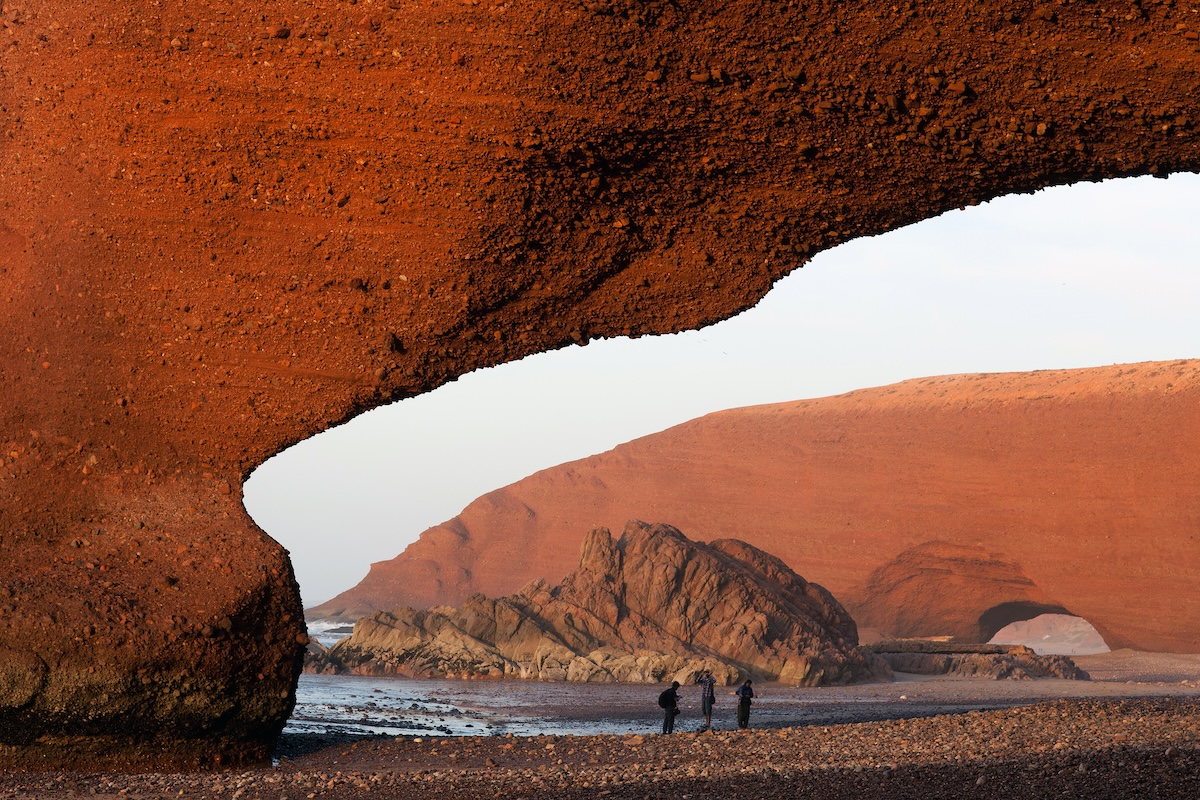
Legzira Beach sits along Morocco’s southern Atlantic coast, between Agadir and Sidi Ifni. This 8-kilometer stretch of sand stands out for its dramatic red rock arches that shoot right out of the beach into the ocean. Wind and water carved these formations over thousands of years. The arches glow deep red and orange against the golden sand and blue Atlantic.
The beach stays quiet compared to Morocco’s busier spots. You won’t find crowds here, which makes it perfect if you want a peaceful day by the ocean. The atmosphere feels wild and untamed.
At low tide, you can walk under the arches and explore the rocky coastline. Local restaurants serve up fresh fish right by the water. There’s no admission fee, so you can hang out as long as you want, relaxing on the sand or watching waves crash into the cliffs.
23. Playa de Gulpiyuri, Spain
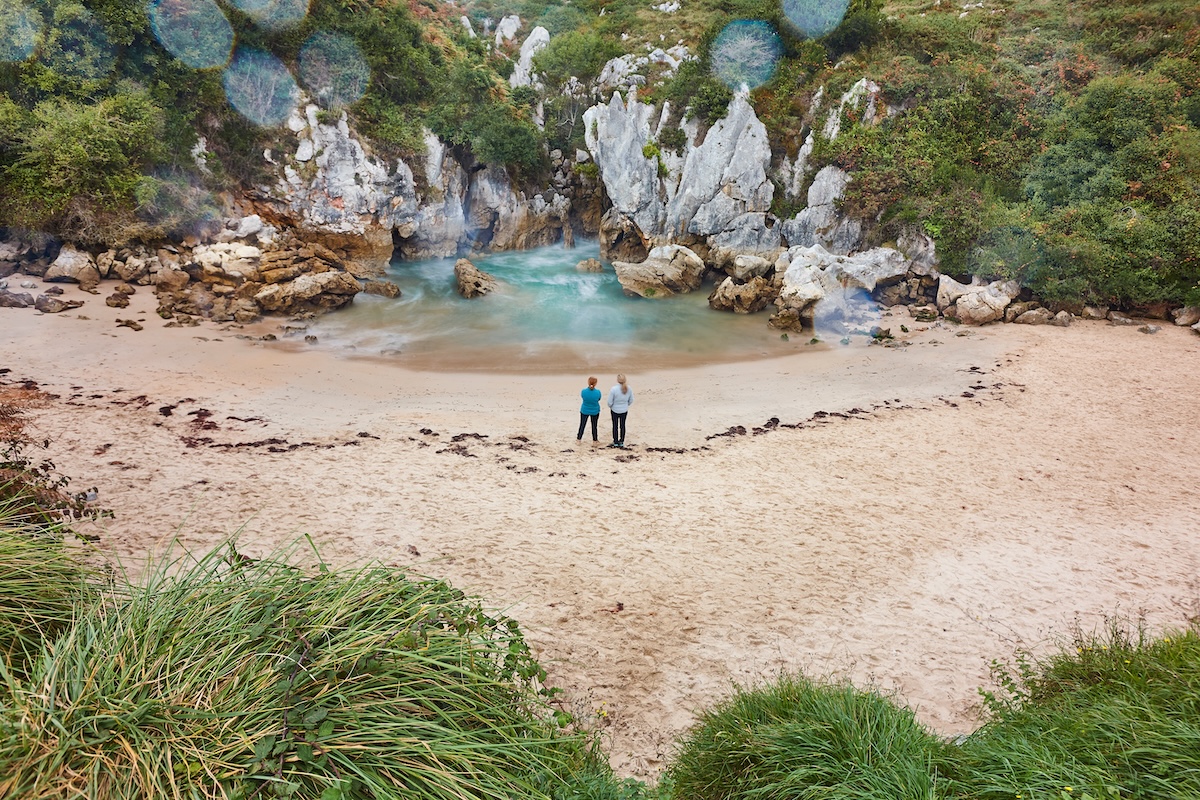
This beach isn’t anywhere near the ocean. Playa de Gulpiyuri sits over 300 feet inland, hidden in a grassy meadow in northern Spain’s Asturias region. It’s only about 130 feet long, making it one of the world’s smallest beaches. Even though it’s landlocked, you’ll still see waves and tides. Seawater flows in through underground limestone tunnels connected to the Cantabrian Sea.
“Gulpiyuri” means “circle of water” in the ancient Asturian language. Over thousands of years, ocean waves carved through limestone cliffs, creating this flooded sinkhole. Now a tiny cove sits surrounded by green fields instead of coastline.
22. Tortuguero Beach, Costa Rica
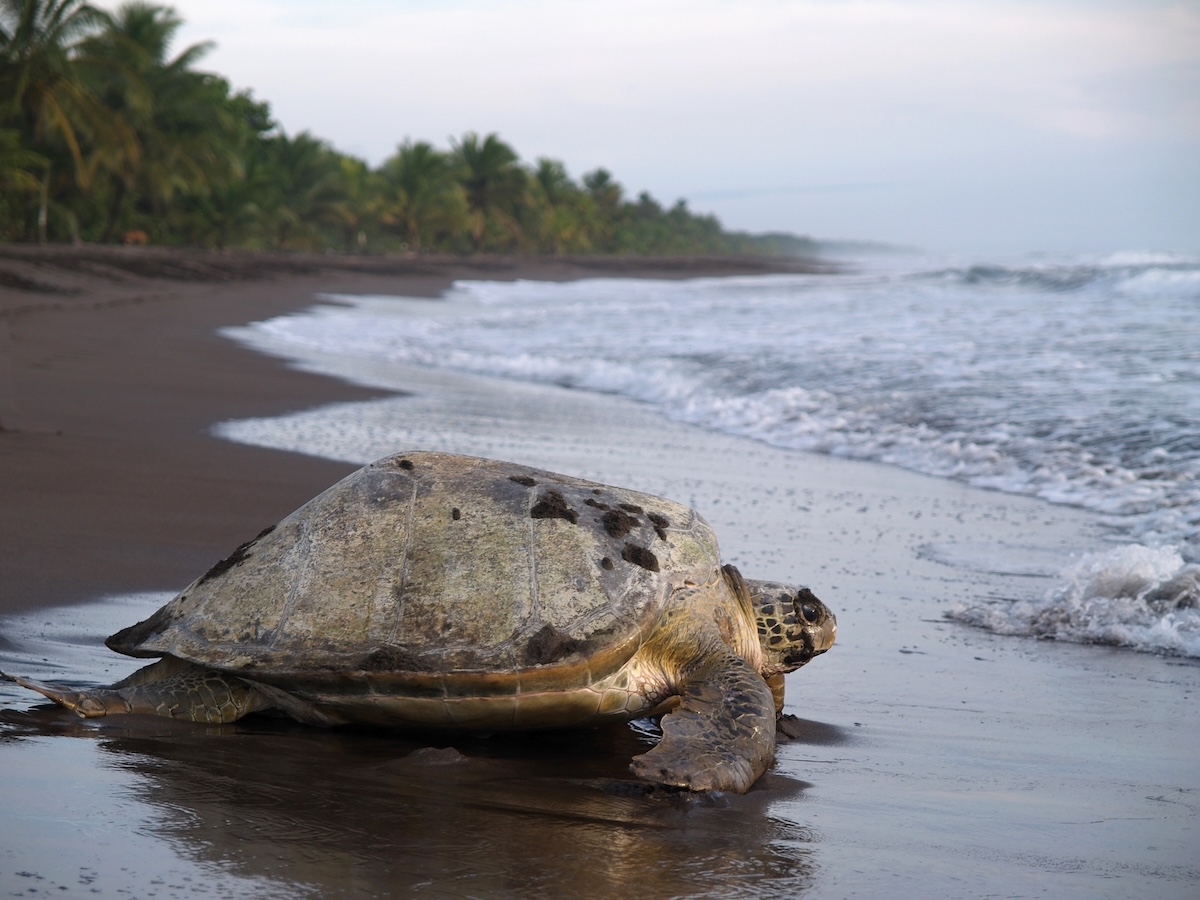
No beach chairs or surf shops here. Tortuguero Beach sits inside Tortuguero National Park, where thick rainforest meets black sand beaches. The name means “place of the turtles,” and that’s exactly what makes this beach unusual. Four sea turtle species come here to nest each year. You can watch them during guided night tours, but you’ll need to follow strict rules to protect the turtles.
Getting here is half the adventure—there are no roads. You’ll travel by boat through jungle canals that look straight out of a lost world. The beach stays wild and undeveloped. Swimming isn’t safe because of strong currents, but honestly, that’s not why you visit. You come to witness one of nature’s oldest rituals on a remote Caribbean shore.
21. Ussuri Bay, Russia
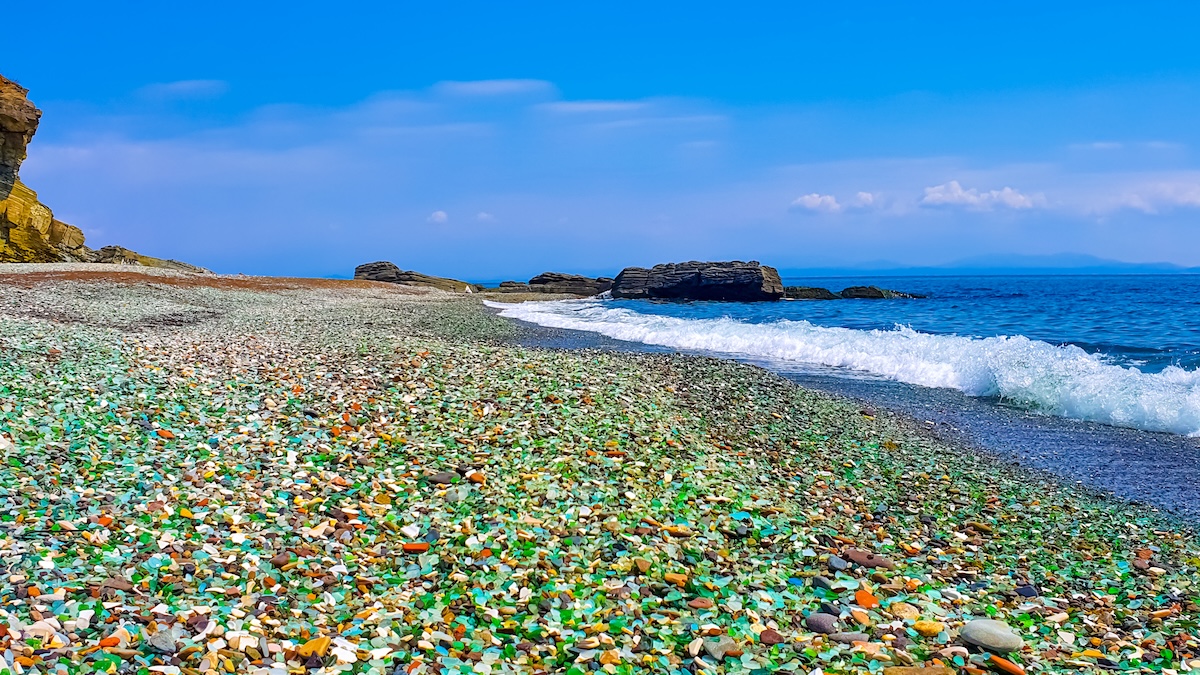
Near Vladivostok in Russia’s Far East, Ussuri Bay looks like it’s covered in colorful gems. But they’re not precious stones. During the Soviet era, people dumped glass bottles and ceramic waste here for decades. The beach turned into a garbage site full of broken glass. But nature had other plans.
Waves from the Sea of Japan tumbled and smoothed the sharp pieces over the years, turning them into round, polished pebbles. Now the shore sparkles with smooth glass in green, blue, brown, and clear white.
The Russian government turned this area into a protected zone. You can walk along the glittering shore, but you’re not supposed to take the glass home.
20. Pig Beach, Bahamas
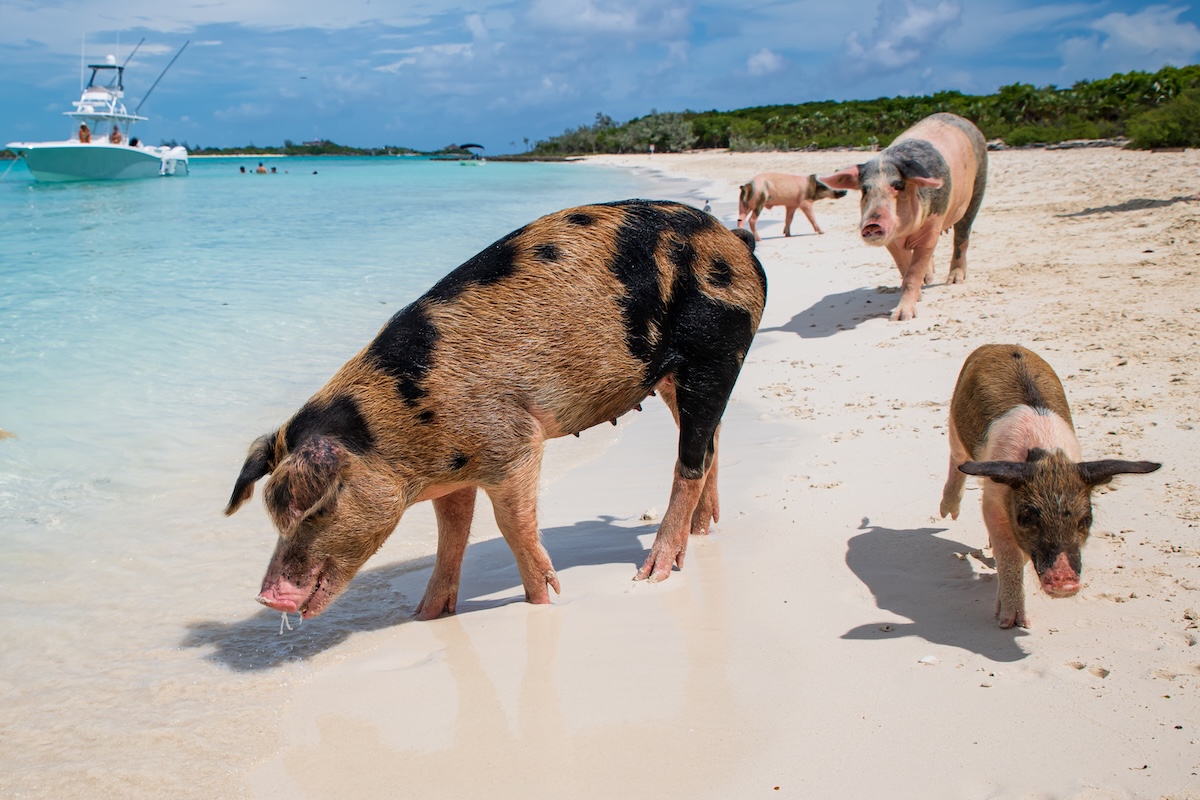
Swimming pigs live on Big Major Cay, a tiny island in the Exuma Cays of the Bahamas. The beach is about 80 miles south of Nassau, and it’s now one of the Caribbean’s most famous spots. Wild pigs actually live here and swim right up to visitors in the turquoise water. They’re friendly and used to people, so you can get surprisingly close.
Getting there means a boat trip since the island is uninhabited. Most people start from Nassau or nearby Exuma islands. You can book a day tour or arrange private boat transport.
The pigs wade into the shallow water to greet visitors, hoping for food and attention. The whole thing is weird and wonderful at the same time.
19, Praia do Norte, Nazaré, Portugal
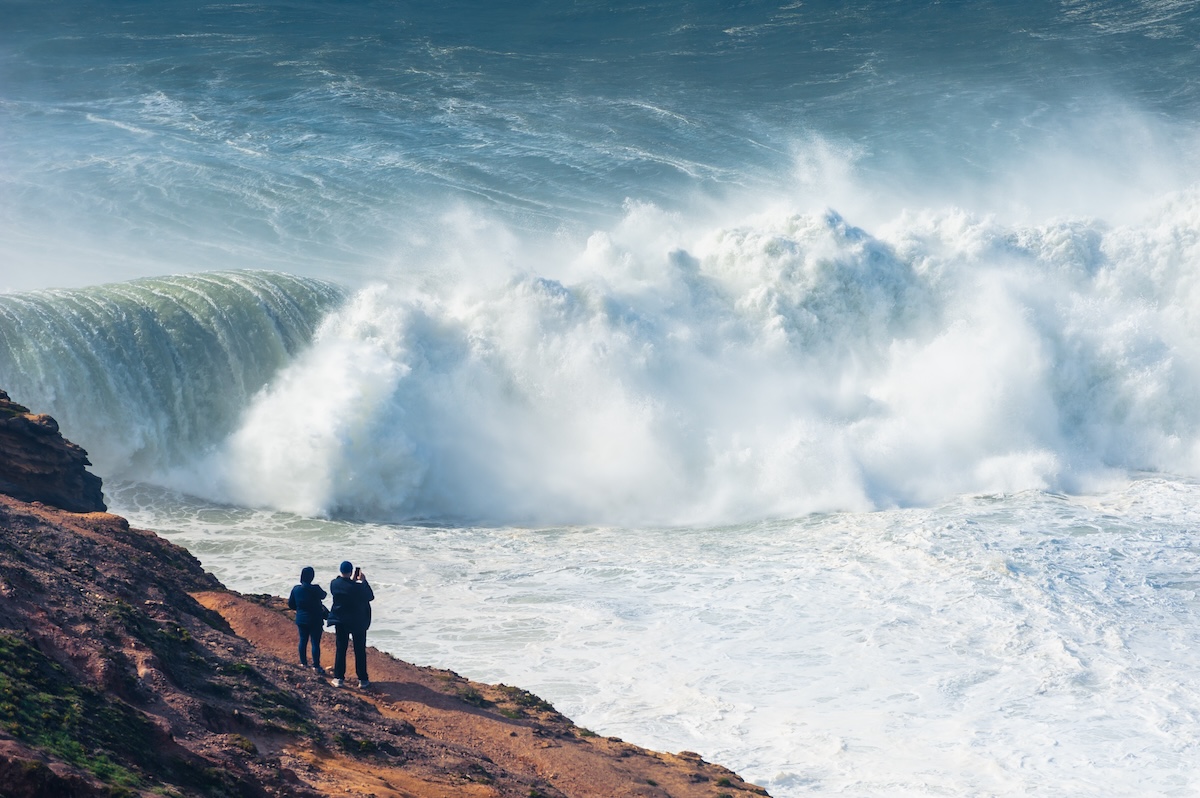
Praia do Norte on Portugal’s Atlantic coast near Nazaré is home to some of the biggest surfable waves on Earth. Waves here can tower over 80 feet high during winter.
An underwater canyon called Nazaré Canyon funnels ocean energy straight toward the shore, creating the perfect conditions for these monsters. It’s broken world records more than once.
When Garrett McNamara surfed a record-breaking wave here in 2011, the beach shot to worldwide fame. Since then, six of the top seven largest waves ever surfed have happened right here. You can watch from the cliffs above as pro surfers tackle these beasts, or just feel the ground shake when the Atlantic crashes into shore.
18. Assateague Island Beach, Maryland/Virginia
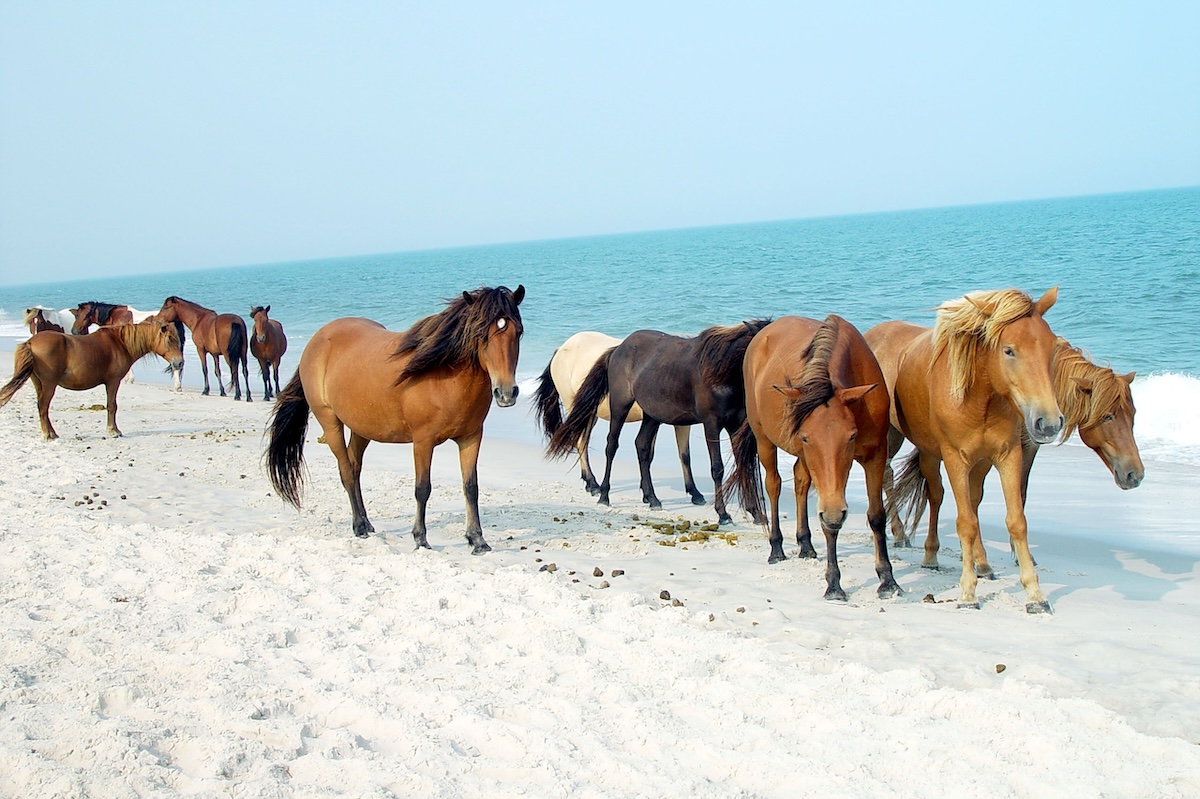
Wild horses roam freely along this 37-mile stretch of coastline spanning Maryland and Virginia. These ponies have lived here for generations, and seeing them walk across the windswept beaches is something you just don’t get at most seaside destinations.
The island is one of the last fully intact barrier island ecosystems in the Middle Atlantic. You can check out maritime forests, coastal bays, and pristine beaches all in one trip.
Besides horse-watching, there are hiking trails, kayaking through quiet coves, and surf fishing. Over 200 bird species call this place home, so bring binoculars if you’re into that. The beach stretches far enough that you can usually find your own quiet spot, even during busy times.
17. Cathedral Cove, New Zealand
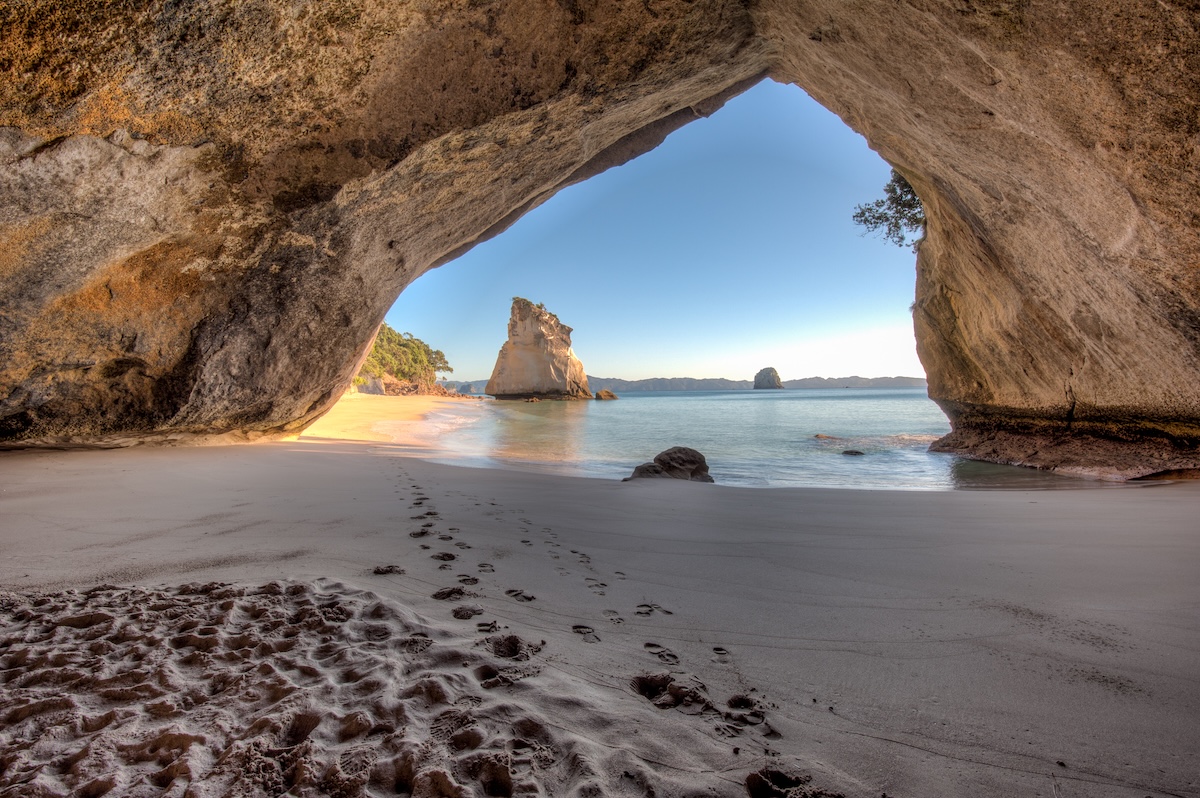
Cathedral Cove sits on New Zealand’s Coromandel Peninsula, where a massive limestone arch frames the beach like a natural doorway. The arch creates a tunnel between two coves that looks like the inside of a cathedral. Getting there is part of the adventure. You can walk a 2.5 km trail through native forest, paddle over in a kayak, or arrive by boat. The beach has golden sand and clear turquoise water.
The arch became famous after appearing in The Chronicles of Narnia movies. It’s been voted one of the world’s top 50 beaches two years in a row. The local Māori name is Mautohe, and the site holds cultural importance for New Zealand’s indigenous people.
16. Playa Roja, Paracas, Peru
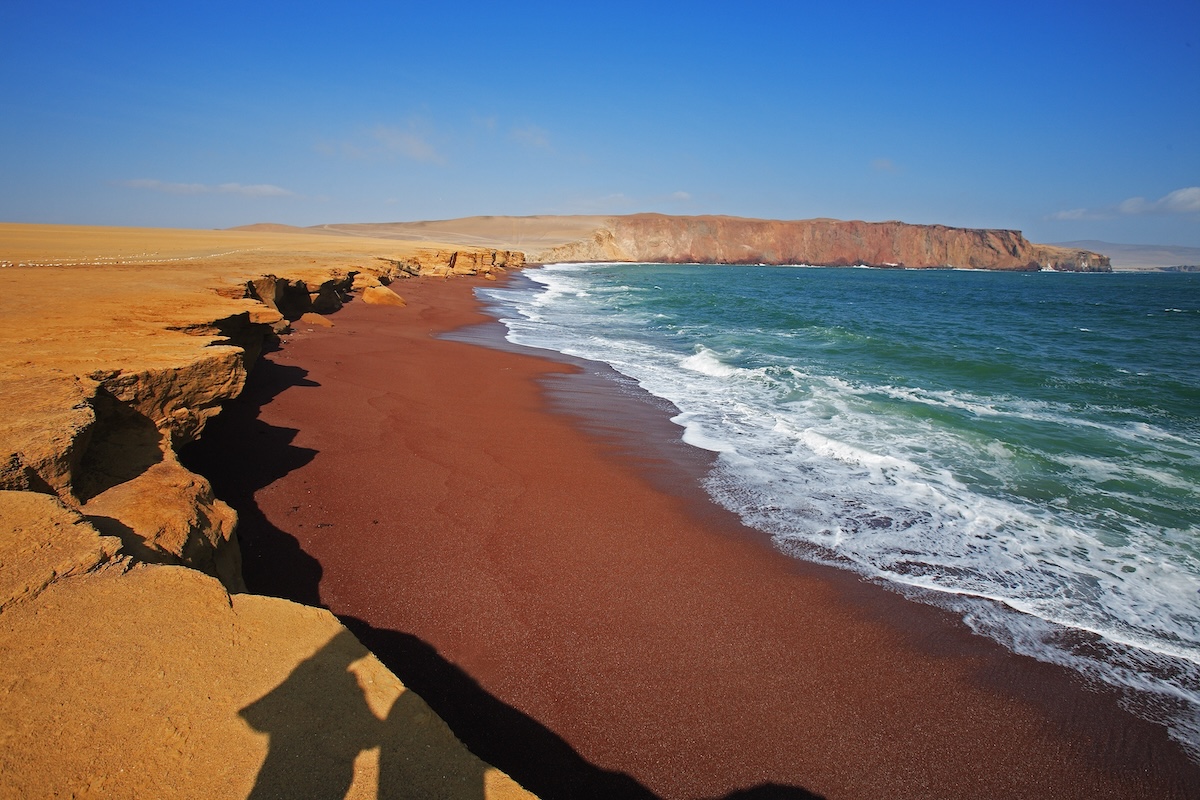
Inside Peru’s Paracas National Reserve, about five hours south of Lima, you’ll find Playa Roja. The sand here isn’t your typical beige or white—it’s red. Volcanic rock broke down over thousands of years to create this crimson shoreline. The beach stretches about 300 meters, but that small space packs a punch where desert meets the Pacific.
You’ll need to pay a small entrance fee to the reserve, usually around 10 soles. The bonus? No crowds of vendors or fees for beach space like at other famous spots. The dramatic scenery makes it worth the trip, even if swimming isn’t your main goal.
15. Boulders Beach, South Africa
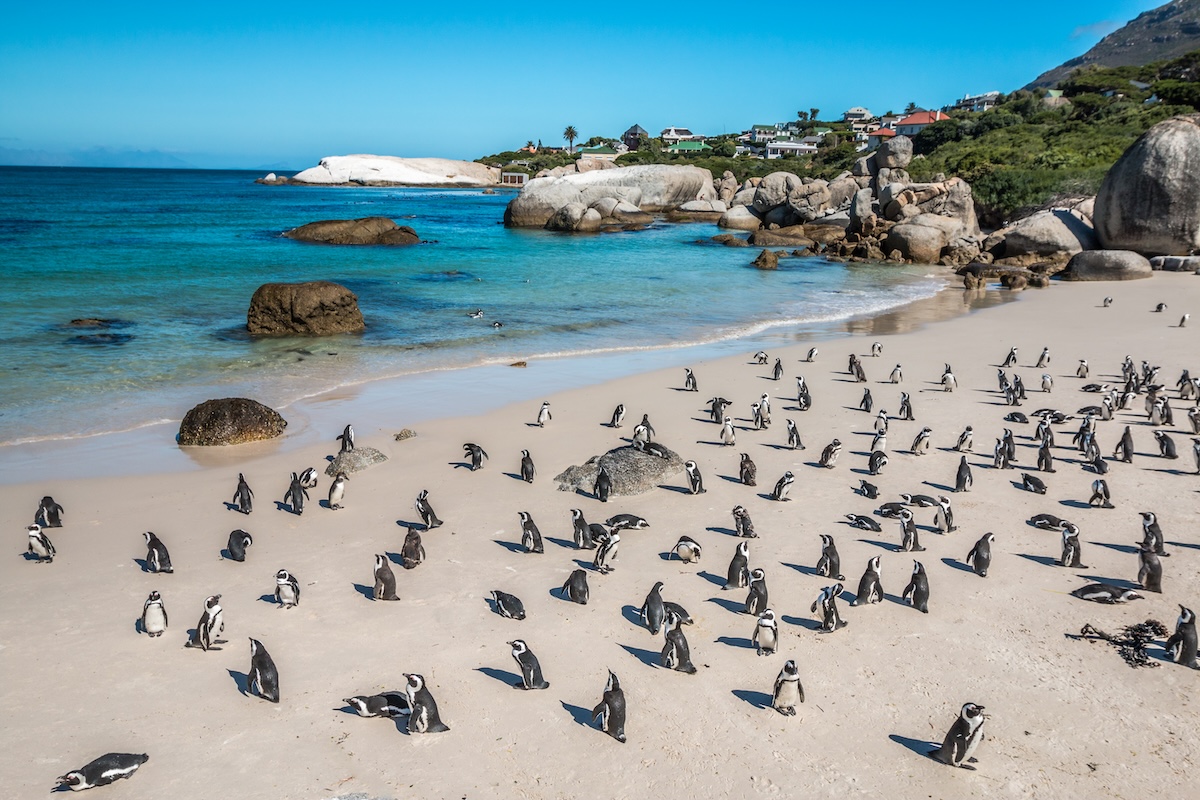
Just outside Cape Town in Simon’s Town, Boulders Beach gets its name from huge granite rocks dotting the shoreline and creating small protected coves. What makes this beach truly special is its residents—over 2,000 African penguins waddle around the white sand while you sunbathe nearby.
The penguins first showed up in 1983 when a breeding pair arrived from nearby Dyer Island. The colony grew fast because the area offered protection and plenty of fish. Now the beach sits within Table Mountain National Park, which helps keep these endangered birds safe. You can swim in the calm water between the boulders or watch the penguins from wooden walkways. Just remember, they’re wild animals and need their space.
14. Zlatni Rat, Croatia
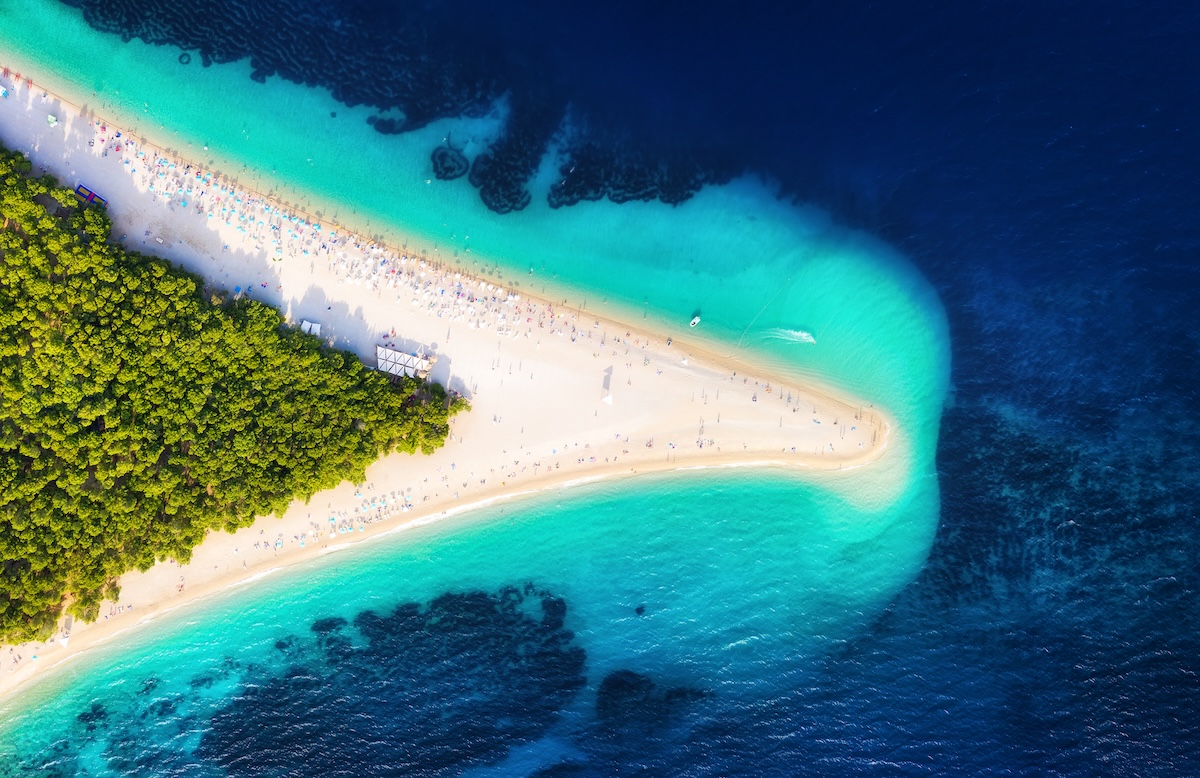
Zlatni Rat on Brac Island is a narrow strip of white pebbles that stretches about 1,300 feet into the bright blue Adriatic. The beach earned its nickname “Golden Horn” for its distinctive pointed shape jutting from the coastline. What makes this spot weird is that it never stays the same. Wind and currents constantly reshape the tip, making it shift left or right throughout the year. Sometimes it curves one way, and a few months later it points somewhere else entirely.
The beach sits near the small town of Bol on the island’s southern coast. You can walk along the smooth pebbles and see how the shape changes with the tide and weather. Sometimes a small lagoon even forms right on the beach.
13. Hoshizuna-no-Hama, Japan
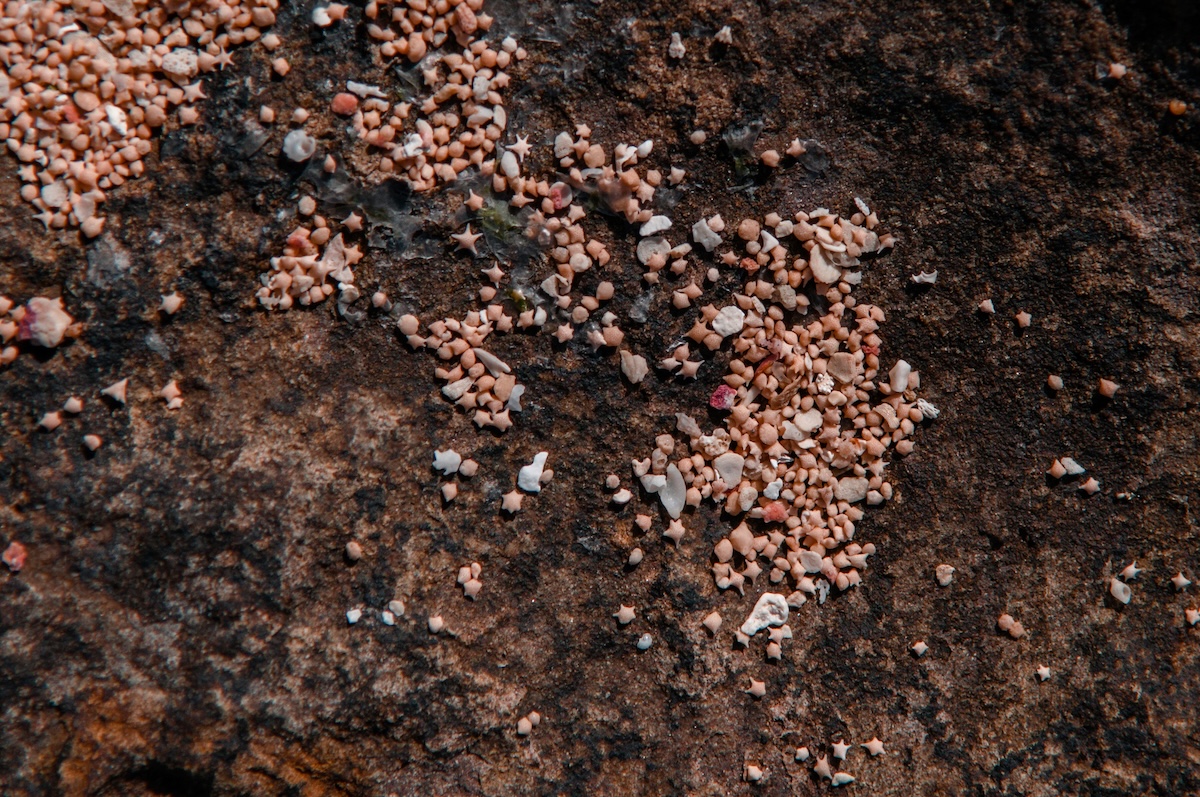
On Iriomote Island in Okinawa, you’ll find something pretty wild. The beach looks normal from a distance, but up close, the sand is shaped like tiny stars. They’re not actually sand grains, though—they’re the shells of little sea creatures called Foraminifera that lived millions of years ago.
You need to look really close to spot them. Some visitors bring magnifying glasses to check out the five and six-pointed stars. The name “Hoshizuna-no-Hama” literally means “Sand in the Shape of a Star.”
Getting there takes a bit of effort. You’ll catch a ferry from Ishigaki Island, then drive about 10 minutes from the port. The beach sits on the northern coast and has restrooms and a rest house for visitors.
12. Vaadhoo Island Beach, Maldives
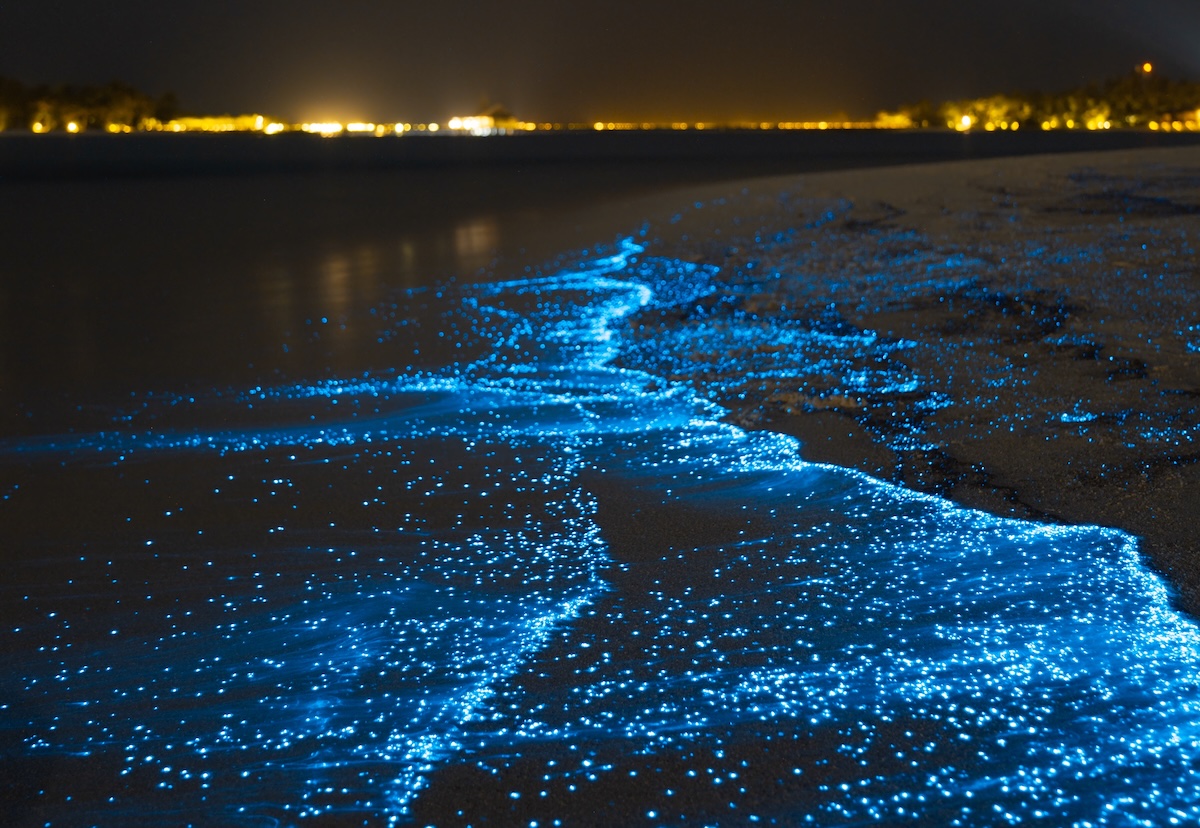
Vaadhoo Island in the Maldives puts on one of nature’s coolest light shows. The beach glows bright blue at night, like someone scattered stars across the sand and water. This happens because of tiny organisms called phytoplankton in the ocean. When waves disturb them, they light up, creating what locals call the Sea of Stars.
The best spot to see this is the village beach on Vaadhoo Island. You can walk along the shore and watch the water sparkle with every step in the sand. The glow looks strongest on dark nights with little moonlight. While the Maldives is famous for white beaches and clear water, Vaadhoo stands out for this wild natural phenomenon that turns ordinary waves into a magical blue glow.
11. Flamingo Beach, Aruba
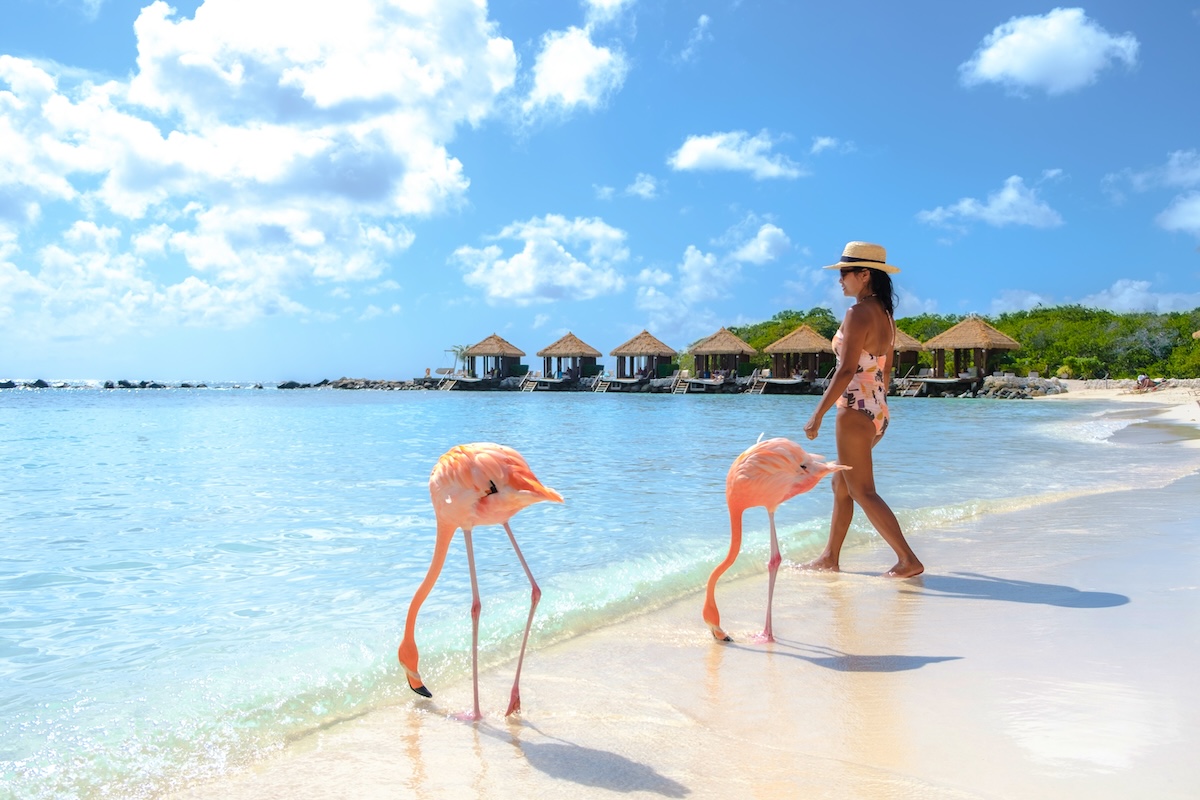
Pink flamingos stroll along the white sand at Flamingo Beach in Aruba. But here’s the catch—this isn’t just any public beach. The flamingos hang out on Renaissance Island, a private spot the Renaissance Hotel owns. If you want to visit, you’ll need to either book a room at the hotel or snag a day pass. Those passes? They disappear quickly since only a handful of people can visit each day. You won’t see flamingos wandering other beaches in Aruba—they stick to this exclusive island.
Flamingos didn’t originally live in Aruba. Someone brought them here, and now they wander the beach like they own the place. You can walk nearby, snap photos, and even feed them if you feel brave. The turquoise water and those shockingly pink birds? Honestly, they make for vacation photos you’ll probably brag about for years.
10. Cathedrals Beach, Spain

The Spanish clearly weren’t satisfied with building actual cathedrals – they had to let nature create one on their coastline too. Located in Galicia, these massive rock arches soar up to 90 feet high, creating stone cathedrals that make Notre Dame look like a beach shack.
Time your visit right though, because low tide transforms the beach into a maze of towering arches, hidden caves, and buttresses that would make any medieval architect jealous. High tide? Well, hope you brought your snorkel. The locals call it Praia As Catedrais, but whatever you call it, just remember – this is one beach where “building sandcastles” takes on a whole new meaning.
9. Jokulsarlon Beach, Iceland

Nicknamed “Diamond Beach,” this isn’t your typical jeweler’s showcase. Chunks of ancient glacier wash up on black volcanic sand like a contemporary art installation about climate change. These crystalline blocks, some as big as cars, break off from the nearby Breiðamerkurjökull glacier and get polished by the waves before landing on shore.
The contrast of sparkling ice against ebony sand creates scenes so surreal, it’s hard to believe you are still on planet Earth. Just don’t try to take one home as a souvenir – besides being illegal, that thousand-year-old ice wouldn’t fit in your hotel minibar anyway.
8. Hidden Beach, Marieta Islands, Mexico
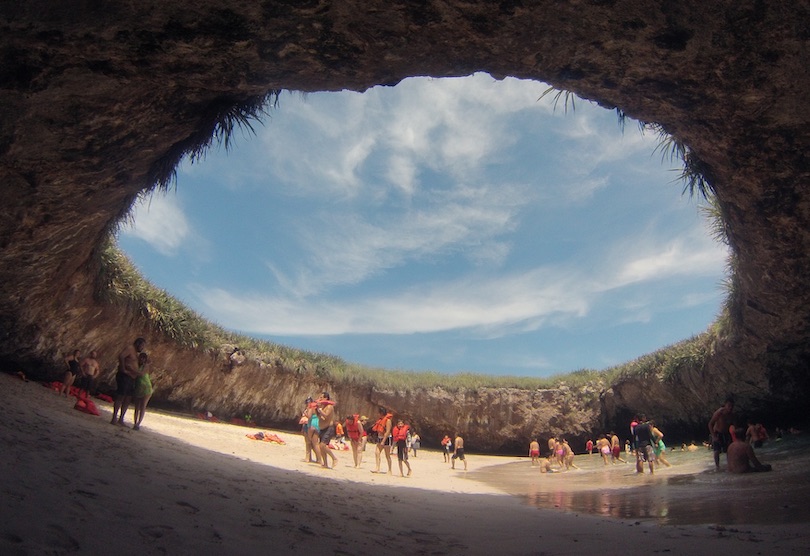
Imagine a beach playing hide and seek – and actually winning. This secluded strip of sand lies inside a massive crater, allegedly created by military testing gone wrong (because apparently, someone thought bombing paradise was a good idea).
Accessing this hidden gem requires swimming through a long water tunnel, making it the only beach where you need to channel your inner James Bond just to work on your tan. Local legend says it was also a favorite smuggling spot, though these days the only thing being smuggled in is probably overpriced sunscreen.
7. Maho Beach, Saint Martin

Ever wanted to combine your beach day with an air show? At Maho Beach, jumbo jets cruise so low over sunbathers you can practically high-five the pilot. The beach sits at the end of Princess Juliana International Airport’s runway, creating the world’s most exciting place to spread your towel.
Warning signs about jet blast don’t stop thrill-seekers from clinging to the airport fence when planes take off – though the resulting sandblasting might save you money on your next exfoliation treatment. The beach bar even posts flight schedules, because nothing complements your piña colada quite like the drone of a Boeing 747 overhead.
6. Shell Beach, Shark Bay, Australia

Most beaches have a few shells scattered around – Shell Beach said “hold my beer” and created an entire shoreline of them. Stretching for over 60 miles, this beach consists of nothing but tiny white cockle shells, piled up to 30 feet deep. The hypersaline water makes it too salty for most predators, letting these little mollusks party like it’s 1999.
In medieval times, people would have built castles with these shells – actually, local settlers did use them to build structures, some of which still stand today. Just remember to wear shoes, because, everything in Australia tries to kill you, even the shoreline.
5. Chandipur Beach, India

Talk about playing hard to get – this beach disappears twice a day. During low tide, the sea recedes up to 6 kilometers, letting you walk where fish were swimming just hours before. Local fishermen time their work with the tides, parking their boats on the seafloor and waiting for the water to come back.
It’s like Moses parting the Red Sea, but on a regular schedule. The phenomenon attracts scientists and tourists alike, though you’ll want to keep an eye on the time – when the tide returns, it comes back faster than your ex on social media.
4. Giants Causeway Beach, Northern Ireland

According to legend, an Irish giant built this causeway to fight a Scottish giant. The real story (volcanic activity creating perfectly hexagonal columns) is almost as cool. Around 40,000 basalt columns create what looks like a trippy geometric puzzle, stepping down into the sea like a giant’s game of Q*bert.
The formations are so perfectly shaped that early visitors refused to believe they weren’t man-made. The best thing to do here is to simply pop a squat on a quiet corner of the formation and let the crisp Irish breeze whip through your hair.
3. Benagil Cave, Portugal
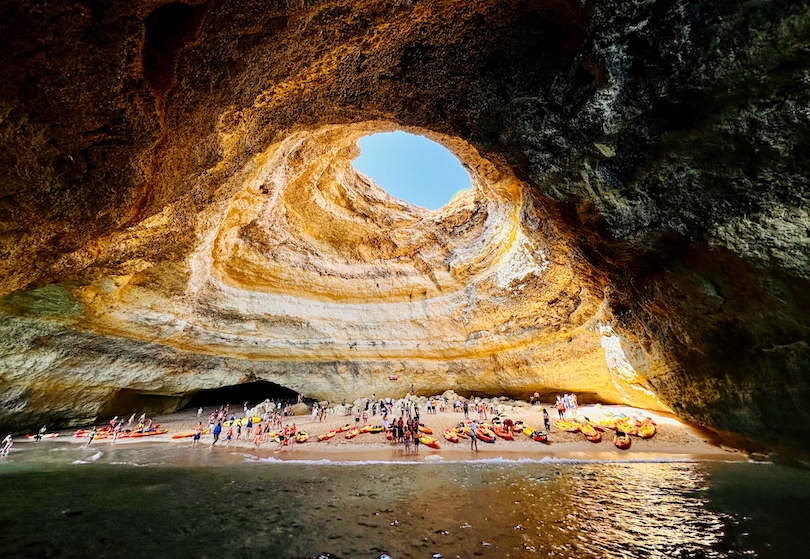
This limestone sea cave features a perfect circular hole in its ceiling, creating a natural skylight that would make any architect envious. The hidden beach inside is only accessible by water, adding an element of adventure to your beach day.
Time your visit right, and the sun creates a natural spotlight through the hole – though getting that perfect Instagram shot might require some Olympic-level paddling skills. Just remember, this is one beach where “cave man” style actually counts as proper etiquette.
2. Glass Beach, California
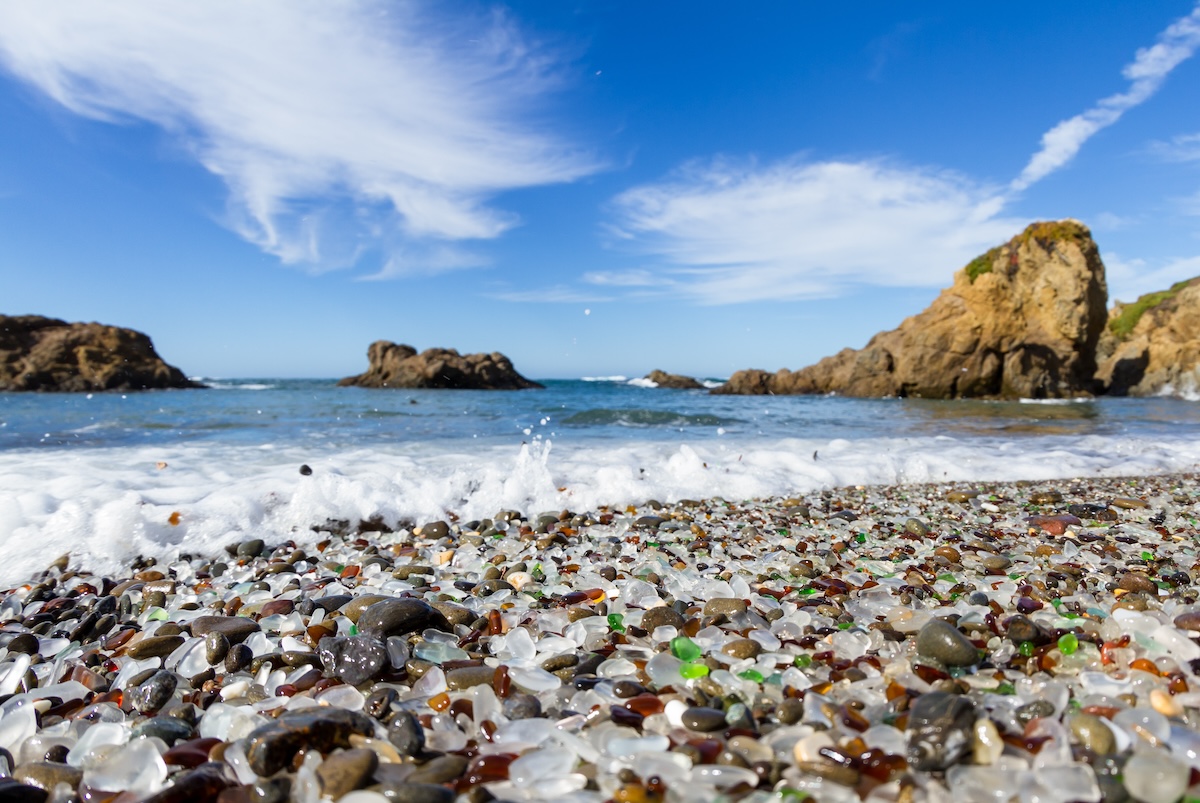
In a plot twist worthy of a Disney movie, this former garbage dump transformed into a treasure trove. Years of waves tumbling old bottles and car taillights created millions of smooth, colorful sea glass pebbles. Nature basically turned littering into art, though please don’t take this as permission to dump your recycling in the ocean.
The glass pieces glitter like gems in the sunlight, proving that sometimes the best beaches aren’t made of sand at all. Ironically, the biggest threat to the beach now is tourists pocketing the glass – apparently, free souvenirs are hard to resist.
1. Koekohe Beach, New Zealand

Someone apparently left their perfectly spherical boulders all over this beach, and nobody’s claimed them for millions of years. These Moeraki Boulders, some weighing several tons, look like giant dinosaur eggs or alien marbles scattered along the shore.
Local Māori legends say they’re the remains of ancient fishing baskets, while scientists bore everyone with talk about “concretions.” Some of the boulders have cracked open, revealing crystalline interiors that make them look even more otherworldly. Just resist the urge to try and roll one home – these balls aren’t meant for your garden collection.