
The locals-only small town is a concept that travel writers keep undermining through the very act of writing about it, and this article is no exception. These places exist in varying states of discovery, and all of them feel like secrets worth keeping.
Some stay hidden through geography that demands effort, and others sit patiently in the shadow of famous neighbors who absorb all the attention. The best small towns work because they developed on their own terms without adjusting for visitors, which is both their greatest appeal and the most compelling argument for treating them carefully when you arrive.
11. Frigiliana, Spain
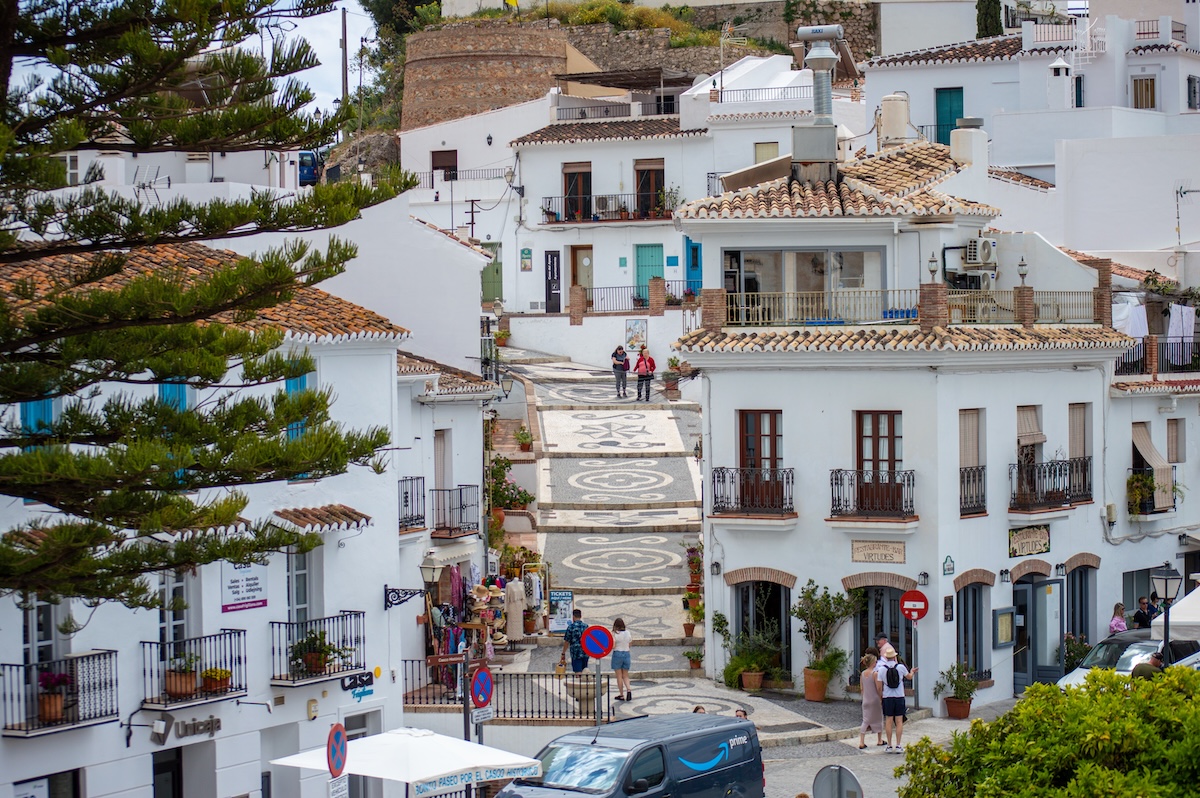
Three kilometers above the Costa del Sol resort town of Nerja, the whitewashed Moorish village of Frigiliana climbs a hillside steep enough that any attempt at efficient navigation dissolves into slow wandering. Flower-filled doorways and ceramic tile murals telling the story of the 1569 Moorish uprising line every alley in the Barrio Morisco at the top.
The village produces a sweet Muscat wine that local bars serve like they have nothing to prove, and the views down to the Mediterranean make the geography self-explanatory. Most Costa del Sol visitors never make it up the hill, and Frigiliana appears entirely unbothered by what goes on at the bottom.
10. Westport, Ireland
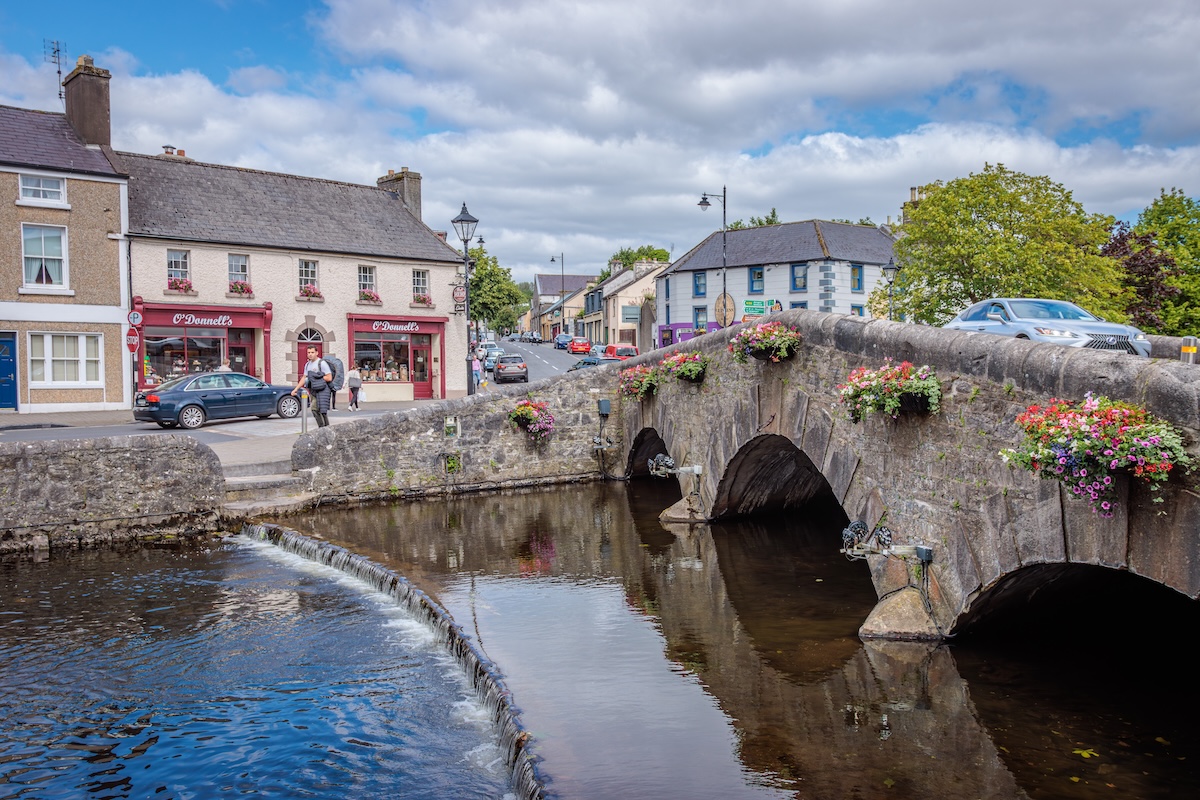
County Mayo’s most charming town sits at the head of Clew Bay with Croagh Patrick, Ireland’s holiest mountain, rising directly behind it to 764 meters. The Georgian street plan gives Westport an elegance unusual for a small Irish coastal town, and the tree-lined Carrowbeg River running through the Mall is a central promenade that anchors the whole place beautifully.
The pub music sessions are unperformative, and the food scene built around Clew Bay seafood has developed plenty of its own depth and character. Connemara National Park, the Doolough Valley, and Achill Island all sit within easy reach, so you can easily fill multiple days without much repitition.
9. Rydzyna, Poland
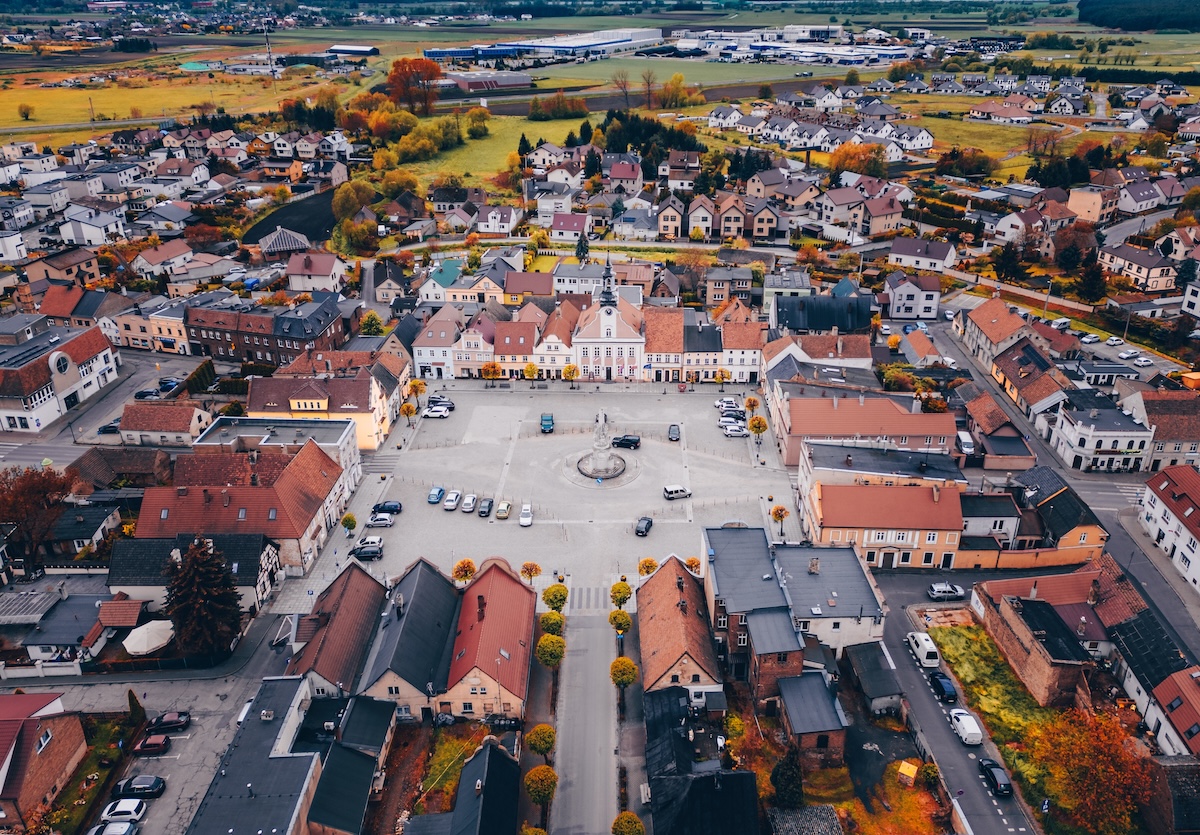
One of Poland’s most perfectly preserved baroque castle complexes anchors this small Wielkopolska town in a setting that most European countries would surround with admission queues and gift shops. The Leszczyński Castle overlooks a planned 18th-century town layout that the Sulkowski family designed and left largely intact, giving Rydzyna an architectural coherence that its modest international profile completely fails to reflect.
The town square and surrounding streets follow the original plan in brick-built townhouses that have been treated generously by the passing centuries. Rydzyna sits within easy driving distance of Poznań, and travelers who detour off the main tourist circuit find a place where the architecture makes no concessions to what small Polish towns typically look like.
8. Hawkshead, England
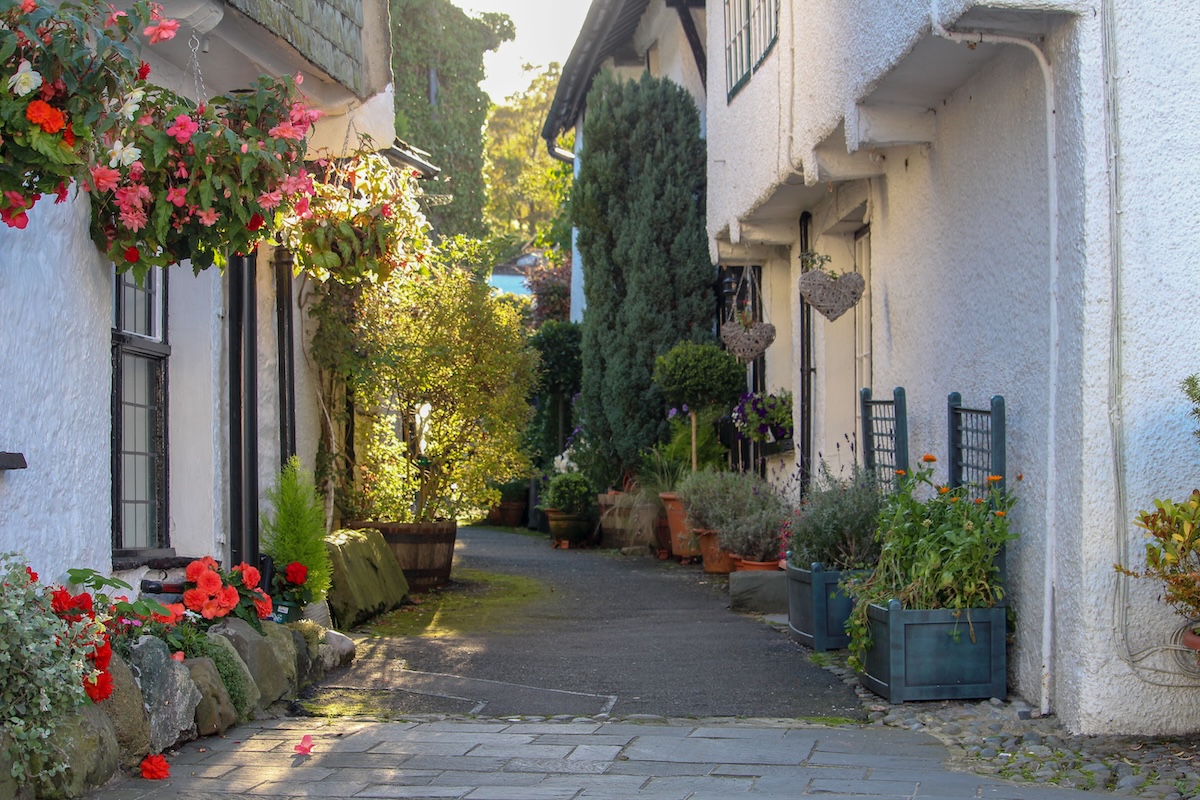
Cars stop at the village edge, and everything from there happens on foot through narrow lanes between whitewashed buildings. The Lake District’s considerable crowds somehow distribute unevenly enough to leave this corner quieter than its quality deserves. Wordsworth attended grammar school here, and the original building still stands with his name carved into a desk that the caretakers display proudly.
The surrounding countryside connects to Tarn Hows and Esthwaite Water on walking routes that start from the village without requiring a car shuttle. Hill Top Farm at Near Sawrey, where Beatrix Potter wrote and illustrated most of her books, sits a few kilometers away for visitors keeping their literary tourism geographically efficient.
7. Flekkefjord, Norway
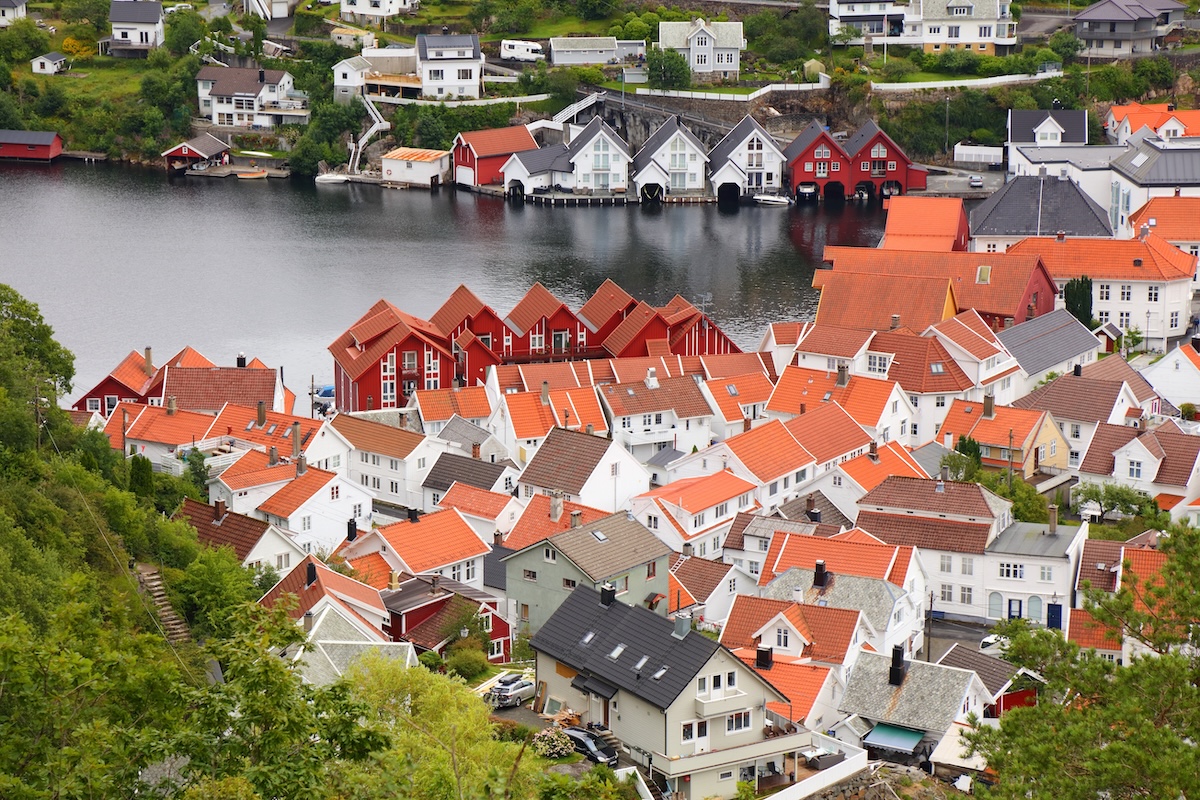
The Dutch Quarter survives in better condition here than almost anywhere comparable on the Vest-Agder coastline. The town sits at the end of a narrow fjord, far enough from Norway’s main tourist circuit to stay off most international itineraries entirely.
Kayaking the sheltered fjord arms covers water calm enough for beginners, and the summer sailing culture gives the harbor an energy that the quiet streets don’t immediately advertise. Norway’s famous scenery pulls most tourist attention further north, which leaves Flekkefjord’s wooden waterfront for visitors who took the trouble to find it.
6. Wertheim am Main, Germany
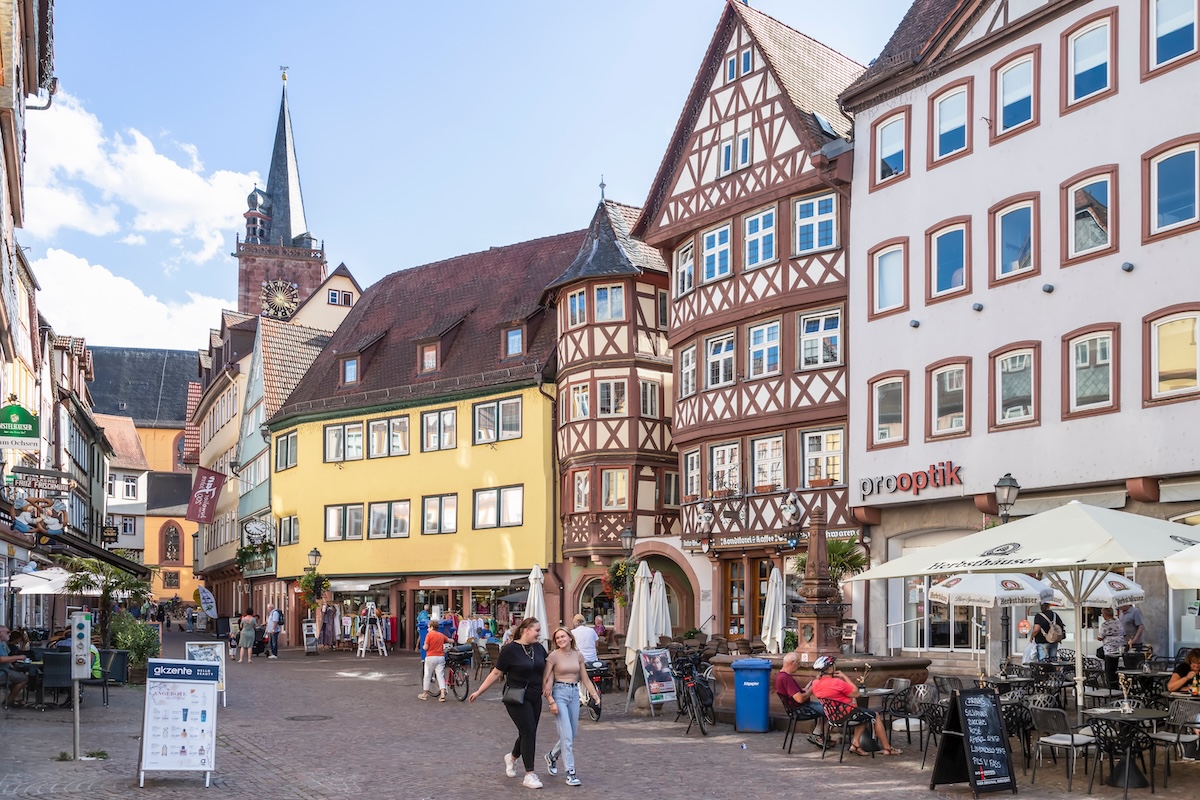
At the confluence of the Tauber and Main rivers in Baden-Württemberg, you will find a medieval half-timbered town center and castle ruins sitting above it. It’s riverside setting is something the Romantic Road tourist circuit captures further east, leaving Wertheim nice and quiet. The ruined castle opens onto views across the river confluence and vineyard slopes lining both valleys.
The walk up from the market square takes under 20 minutes, and the Main-Tauber cycle path connects Wertheim to the wider Romantic Road cycling network. A glass-making tradition left behind a craft museum in the old town that takes the subject considerably further than most visitors expect going in.
5. Puyuhuapi, Chile
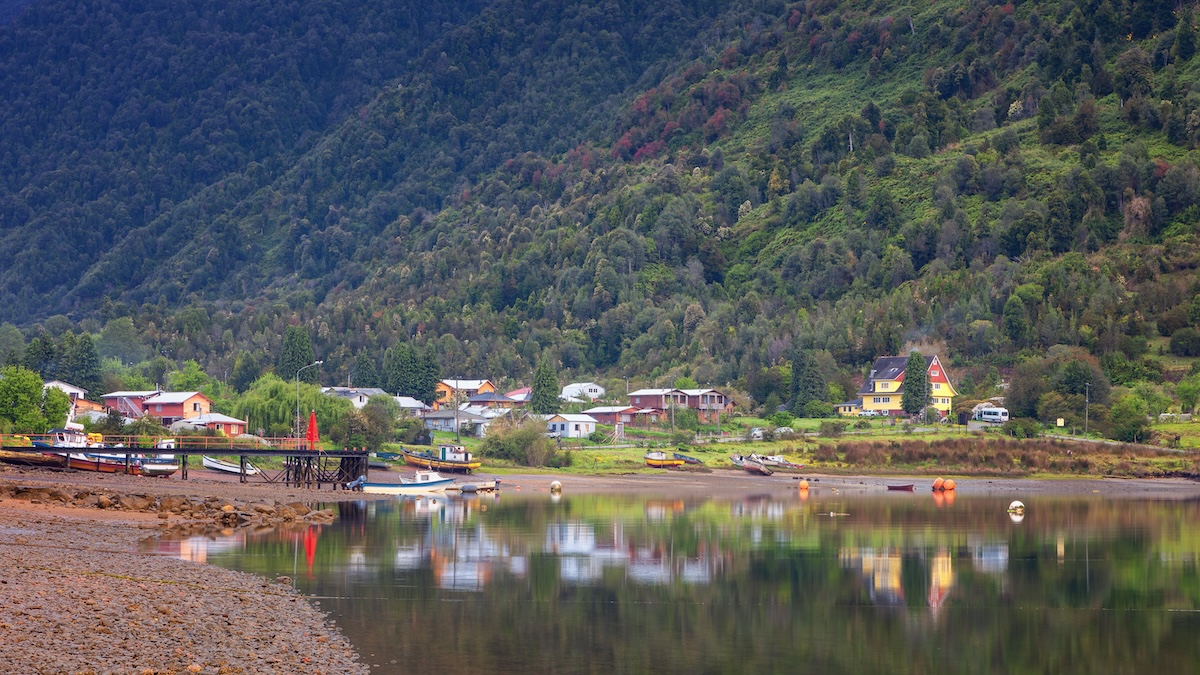
German immigrants founded Puyuhuapi in 1935 after sailing into an uninhabited Patagonian fjord and deciding, with a commitment that still defies easy explanation, to stay. The village sits on the Carretera Austral, the gravel highway cut through Chilean Patagonia in the 1970s, and the drive south through rainforest and fjord scenery makes the remoteness feel entirely appropriate.
The Termas de Puyuhuapi hot springs across the fjord require a short boat trip and reward it with thermal pools overlooking the water. Queulat National Park nearby is home to the Ventisquero Colgante, a hanging glacier visible from a trail. The park’s modest infrastructure keeps everything unhurried, even during the short Patagonian summer.
4. Sant’Antonino, Corsica, France
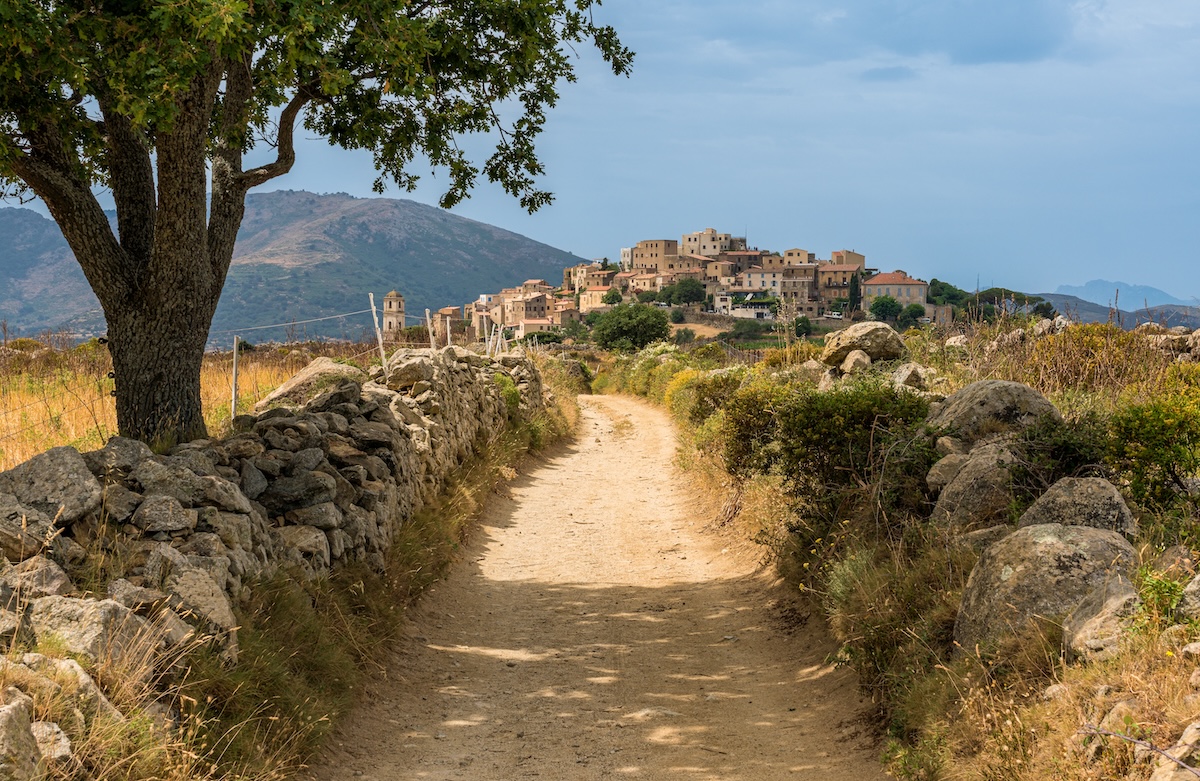
The Balagne region of northern Corsica is overflowing with beautiful hilltop villages to fill days that might bleed into weeks. Sant’Antonino sits above all of them at 500 meters with views stretching across maquis scrubland to the Mediterranean coast. The medieval stone houses crowd together on a granite peak that the inhabitants chose in the 9th century. The reasons become obvious the moment you look down at the landscape spreading below.
The alleys between houses sometimes tighten to single-file passages that locals navigate without breaking stride. The Balagne circuit connects Sant’Antonino to Pigna and Aregno in a morning drive that delivers much more concentrated beauty than heading straight to Calvi’s beaches.
3. Apollo Bay, Australia
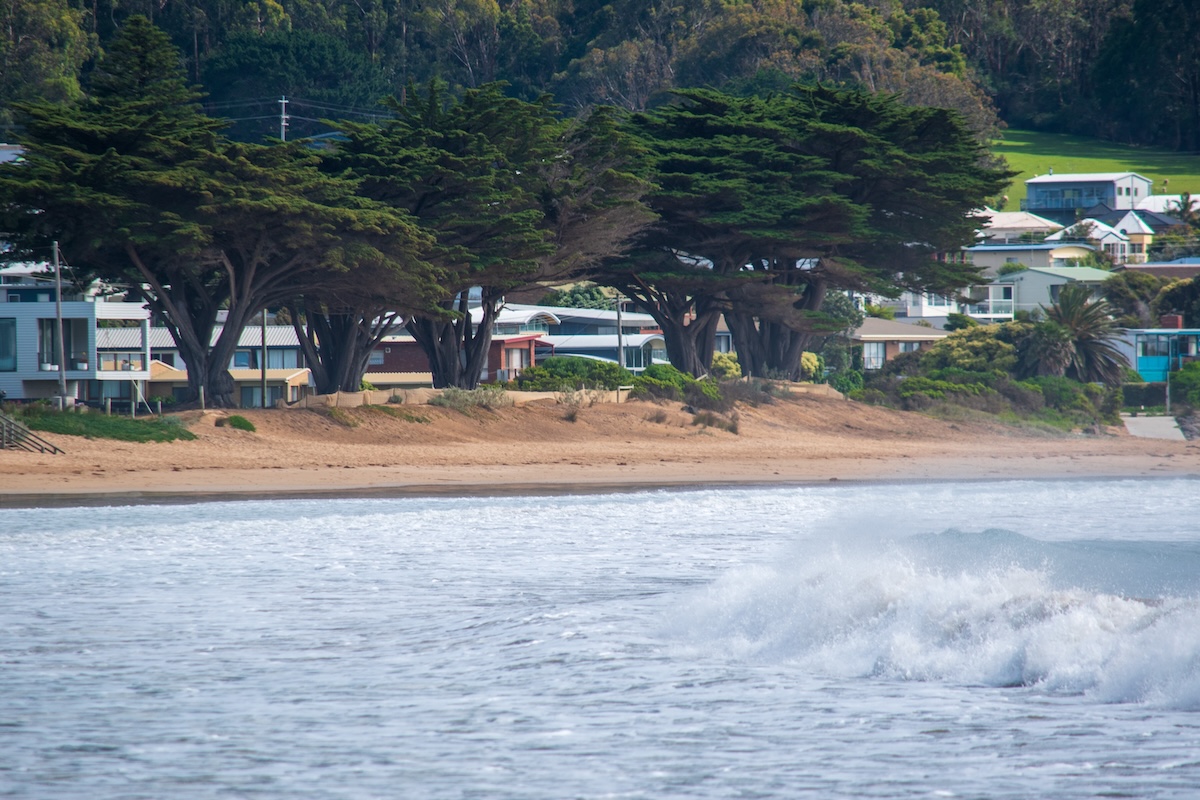
Great Ocean Road itineraries typically push straight through toward the Twelve Apostles, which leaves this fishing town and its excellent seafood restaurants in a comfortable quiet that nobody wants to change. The working boat harbor still lands crayfish and abalone alongside tourist vessels, giving the foreshore a functional character that separates Apollo Bay from the more polished resort towns further along the coast.
The Otway Ranges rise directly behind the town, and the Great Otway National Park trail network starts within a short drive of the main street. Ancient myrtle beech forest, waterfalls, and glowworm sites sit close enough to combine with a morning on the beach, and nowhere else along the drive packs that contrast into such a small area.
2. Pirenópolis, Brazil
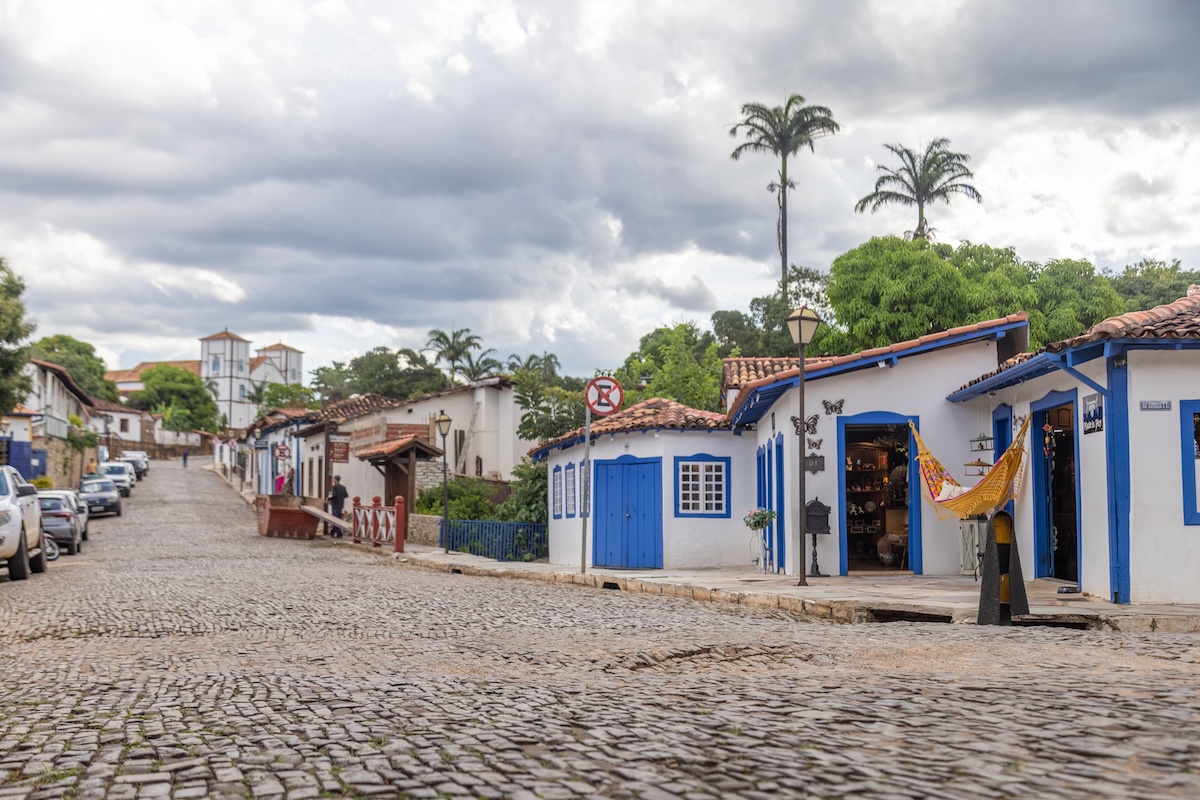
Goiás state’s most charming colonial town sits 150 kilometers west of Brasília on a weekend circuit that the capital’s residents keep quietly to themselves. The historic center has Portuguese colonial architecture from the 18th-century gold rush era in remarkably good condition, and the Pyrenees River drops through waterfalls that short trails from the center reach easily.
The Festa do Divino, a traditional festival running for three days around Pentecost, fills the colonial streets with theatrical performances and equestrian processions that the town has maintained for over 200 years. Dozens of waterfalls and natural swimming holes spread across the surrounding cerrado landscape within a short drive, and the territory will basically force you to stay longer than its charming cobbled streets first suggested.
1. Pitigliano, Italy
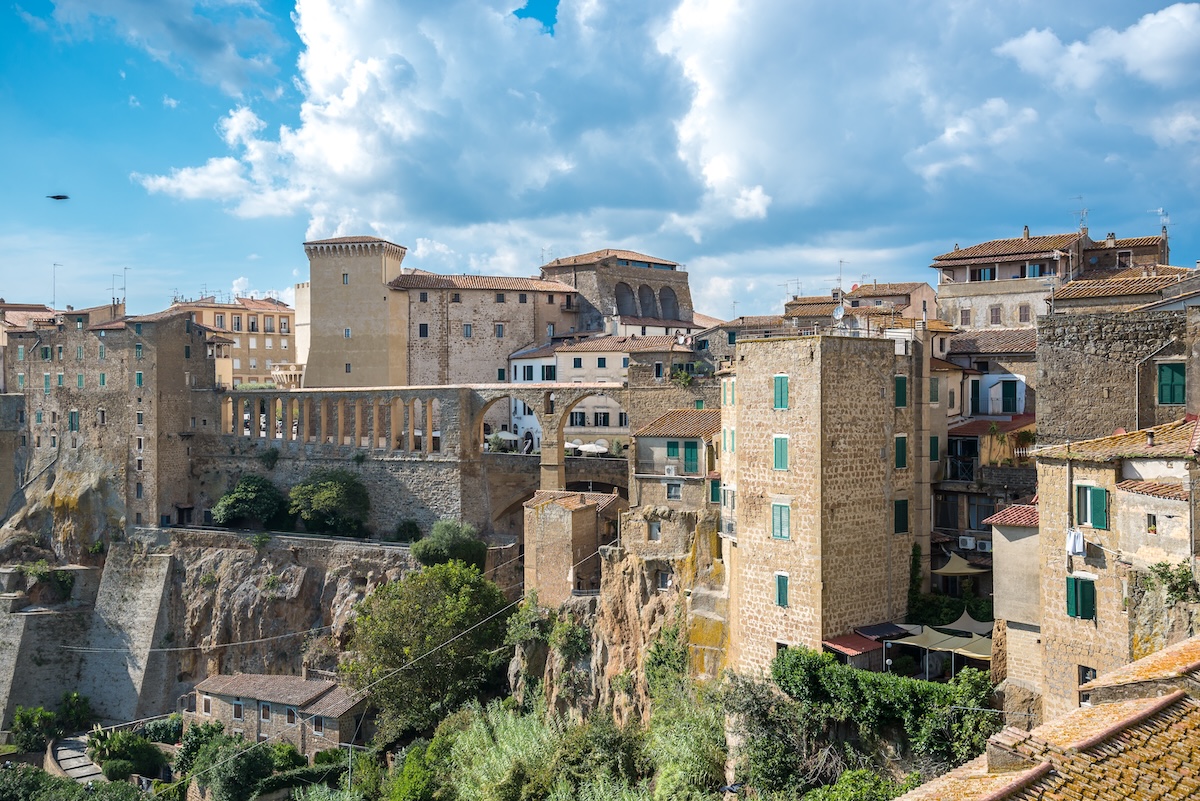
The Maremma, Tuscany’s southern coastal district, absorbs a fraction of the tourist traffic that Florence and Siena collect further north. Pitigliano sits within it on a tufa cliff so dramatically vertical that the medieval buildings at the edge appear to grow directly from the rock face. The town earned the nickname “Little Jerusalem” from a Jewish community that found shelter here during the 16th-century persecutions, and the restored synagogue also documents that history.
Etruscan tunnels cut through the tufa beneath the streets, originally serving as storage and wine cellars, and tours explore the underground network that most visitors walking the cobblestones above never suspect exists. The drive approaching Pitigliano from any direction delivers the clifftop silhouette from across the valley that makes your car basically pull over on its own.