
While most of Portugal’s territory covers the western part of the Iberian Peninsula, it also includes the two wild and remote archipelagos of Madeira and the Azores that lie in the Atlantic Ocean.
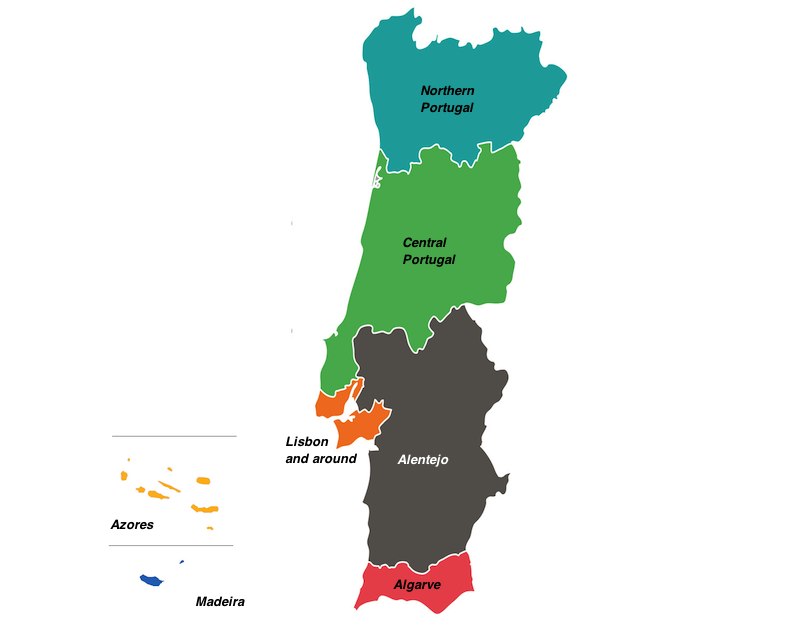
As such, the country’s topography and geography are varied; its long Atlantic coastline is vastly different from its mountainous interior, which is home to rolling hills, plateaus, and river-filled valleys. Blessed with a warm Mediterranean climate, Portugal is a popular holiday destination, and its beautiful regions are dotted with lots of interesting historic towns and cities.
Travelers to Portugal are spoiled for choice, with each region offering a unique vibe. To help navigate your way around this gorgeous country, we have delved into all the regions of Portugal, uncovering the top attractions of each.
Northern Portugal
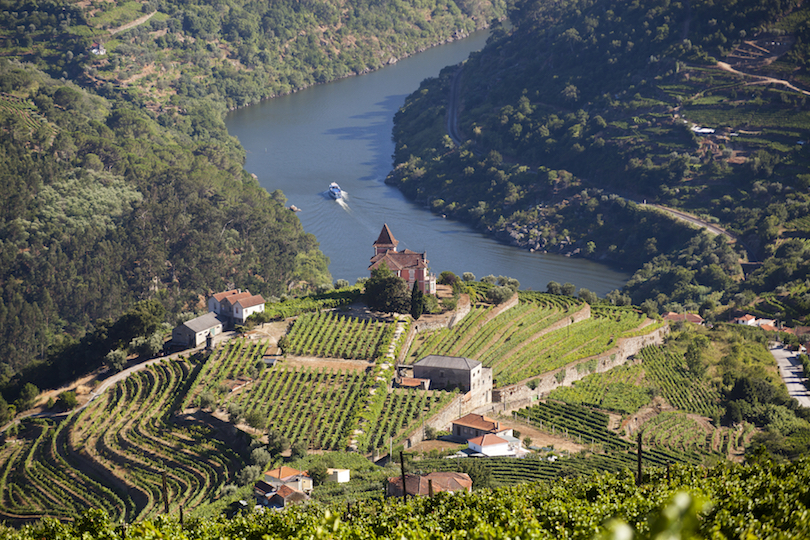
Making up the northernmost part of the country, Northern Portugal is widely considered to be the oldest region, and it is here that the nation was founded. As such, it is home to lots of interesting historical sights of interest, a plethora of famous cultural landmarks, and some gorgeous scenery.
Alongside the beautiful and important cities of Porto and Braga, the medieval castle and stunning palace in Guimaraes, and the incredible architecture and monuments in Viana do Castelo are just some of the fantastic places that are well worth checking out.
Northern Portugal is also blessed when it comes to its wonderful and wild nature. Lovely beaches adorn its rugged coastline, and magnificent mountains can be found in Peneda-Geres National Park – the only one in the country. Another popular activity with visitors to the region is to take a scenic cruise through the Douro Valley, stopping off at the delightful vineyards and wineries that line its verdant slopes.
Central Portugal
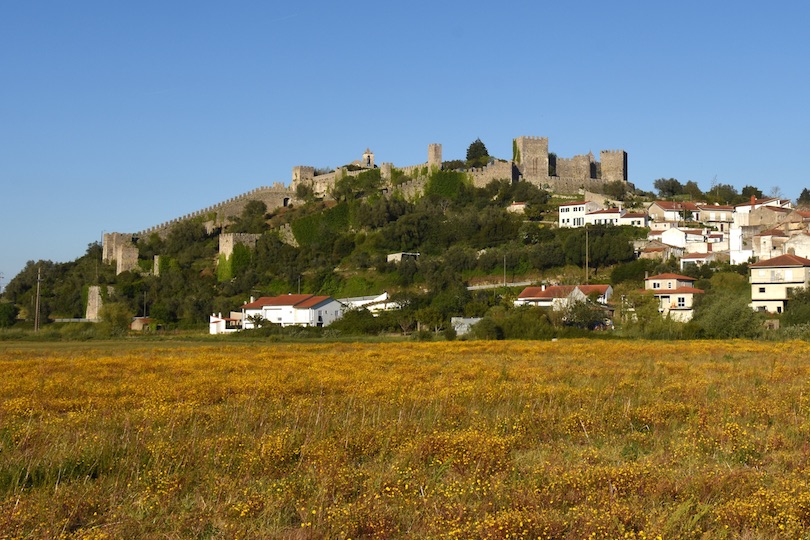
Located between Portugal’s two main cities of Porto and Lisbon that lie to the north and south of it, the central region of the country is very diverse in terms of landscapes; its long Atlantic coastline feels a million miles away from its mountainous interior.
The region again boasts lots of interesting and beautiful cities and towns. Its capital of Coimbra is home to one of the most prestigious universities in the country, as well as a myriad of magnificent old buildings and fascinating monuments for you to discover.
Away from Coimbra, which acts as a hub for the region, Central Portugal also has Aveiro, the ‘Portuguese Venice,’ the world-famous pilgrimage town of Fatima, and the captivating city of Tomar, which was once the seat of the Knights Templar. The region really does offer the perfect combination of history, culture, and nature, with many of its towns and cities located in stunning settings.
Lisbon and around
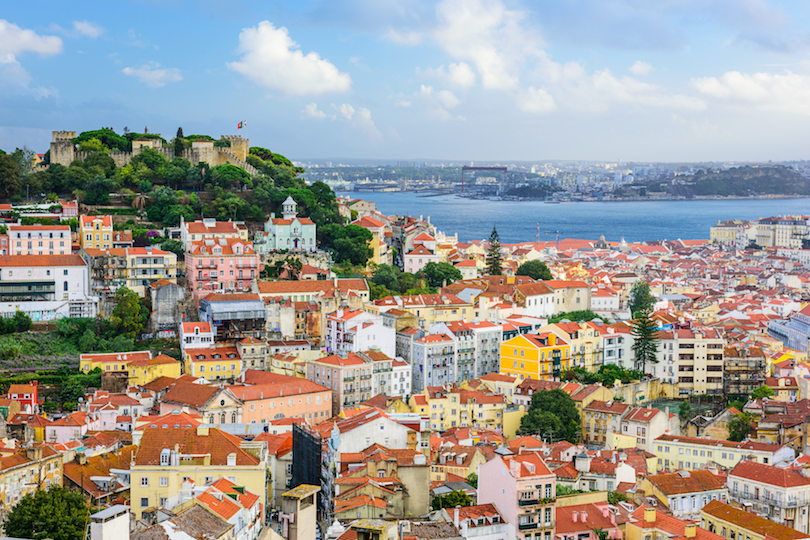
While Portugal’s capital city of Lisbon certainly dominates the region, the surrounding area clustered around the banks of the Tagus River is equally worth visiting. Before heading off to explore, however, make sure to spend at least a few days in Lisbon taking in all its amazing historical sights and cultural landmarks.
Another popular draw is Sintra, which is famous for the beautiful fairytale-like castles and palaces that dot the tops of hills and mountains in the town. The natural beauty in the region is again diverse; from high in the mountains, you can spot the beautiful coastline, which is home to popular resort towns such as Cascais and Setubal.
A lovely place to head is the wild and rugged Nature Park of Arrabida, which has some breathtakingly beautiful scenery. Craggy cliffs, desolate beaches, and forest-coated hills all look out over the Atlantic.
Alentejo
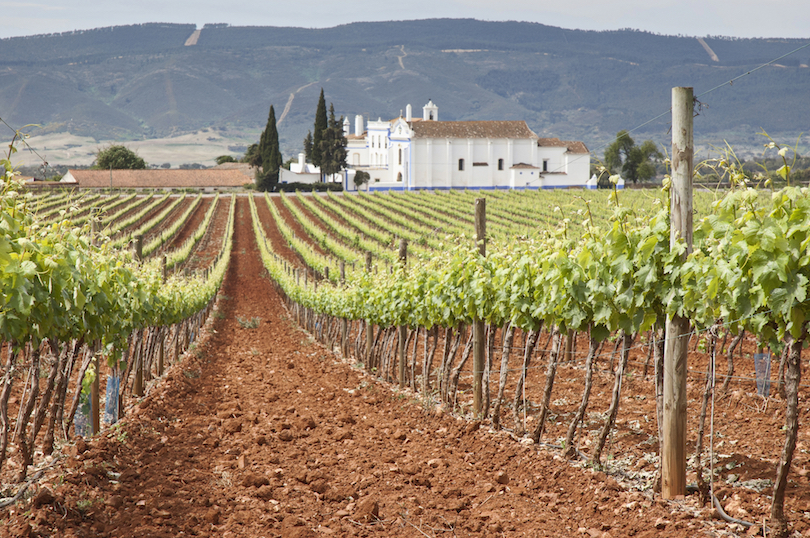
Although Alentejo is mostly rural in terms of its look and feel, the region is home to a diverse range of landscapes, as rolling hills, farms, fields, and forests make up most of its charming countryside.
The capital, Evora, is full of fascinating historical sights, with Roman ruins, ancient aqueducts, and megalithic monuments found alongside its many museums and monuments. It is one of the region’s three ‘marble towns,’ which each have some fantastic facades made entirely out of marble; these really do make the towns sparkle in the sun.
Additionally, there are a number of beautiful castle towns dotted throughout the picturesque scenery, with Marvao, Monsarez and Castelo de Vide all well worth a visit. Although this laidback part of Portugal is full of history – with the historic center of Beja also a popular destination – nature reserves and beautiful beaches are also scattered about here and there.
Algarve
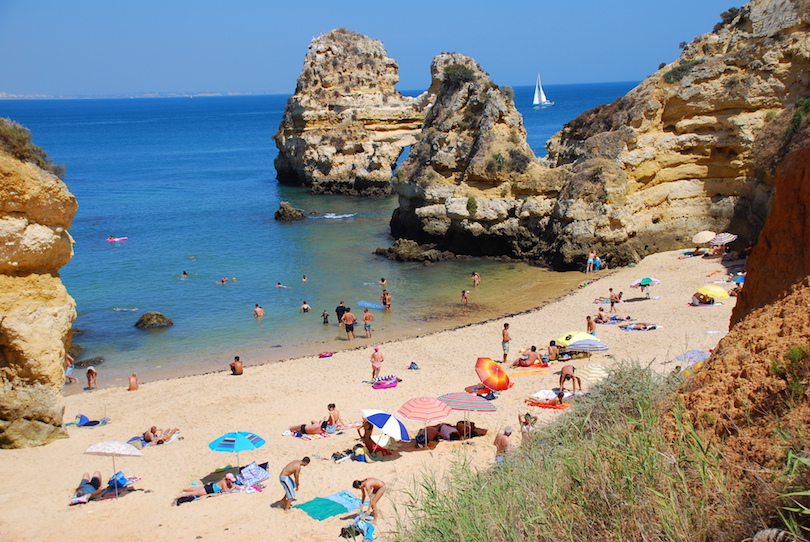
A top-rated holiday destination due to its wonderful beaches and warm climate, the Algarve covers the southernmost area of Portugal, and its long, scenic Atlantic coastline has a wealth of lovely little towns and villages for you to visit.
Traditionally, the region’s cities and towns have been divided into Barlavento in the west and Sotavento in the east. You really can’t go wrong wherever you go, as you are almost guaranteed good weather, clean beaches, sparkling water, and majestic scenery. In addition to all the fabulous watersports, boat trips, and dolphin watching tours the region offers, there are some lovely hiking trails and mountain bike paths snaking their way along the coast.
The regional capital Faro is well worth visiting when in the area, as are the picturesque city of Lagos, the beautiful red castle at Silves, and the delightful Monchique Mountains, which provide stunning views over Algarve’s magnificent, beach-filled coastline.
Madeira
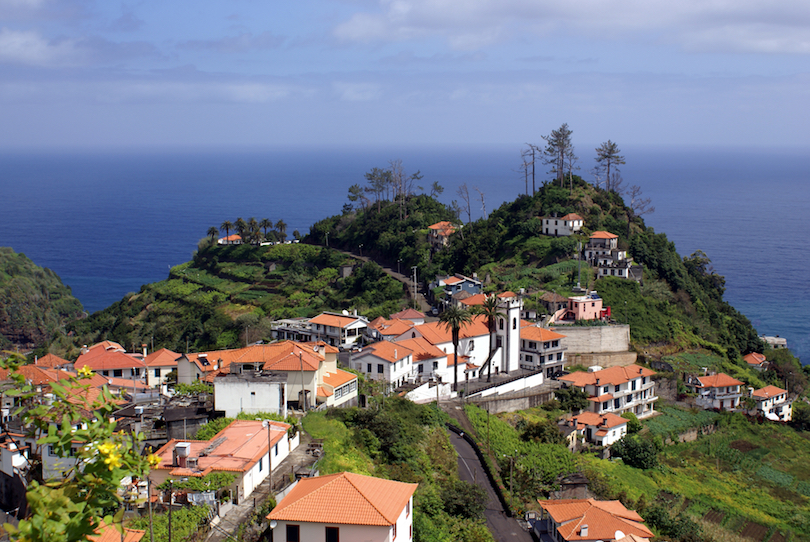
Often called the ‘Garden Island’ or the ‘Pearl of the Atlantic,’ the sub-tropical archipelago of Madeira is a breathtakingly beautiful place to visit, although only two of the islands – Madeira and Porto Santo – are actually inhabited.
As such, the natural wonders are untouched and unspoiled, and the islands’ remote location in the middle of the Atlantic – closer even to Morocco than Portugal – has undoubtedly helped protect and preserve their pristine habitats. Consequently, there are a vast array of great outdoor activities for you to enjoy, with hiking, scuba diving, sailing, and surfing all very popular.
Funchal – the capital of Madeira – is a great place to visit; many people use it as a base from which to explore the archipelago. The views out over the Atlantic from the city are simply stunning. Both Porto da Cruz and Paul do Mar are well worth visiting if you’re looking for a relaxing beach holiday surrounded by beautiful nature.
Azores
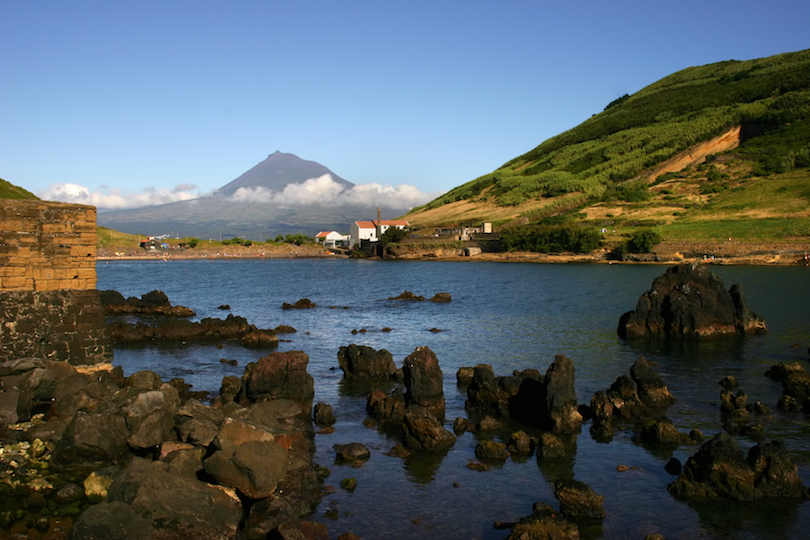
Even further away from mainland Europe or Africa than Madeira, the Azores archipelago is located in the middle of the Atlantic, and its awe-inspiring volcanic islands are renowned for their outstanding natural beauty.
Hiking or trekking around its steaming calderas at Lagoa das Sete Cidades and Lagoa do Fogo is an incredible experience. Everywhere you go, you’re greeted with stunning views of the islands and the Atlantic, with one of the best panoramas available at the top of the towering Mount Pico.
As well as the breathtaking nature above ground, the waters surrounding the islands are full of life, and the Azores are a great place to go dolphin or whale watching. With scuba diving, deep-sea fishing, yachting, and bird watching also available, the Azores really are an outdoor lover’s dream.