
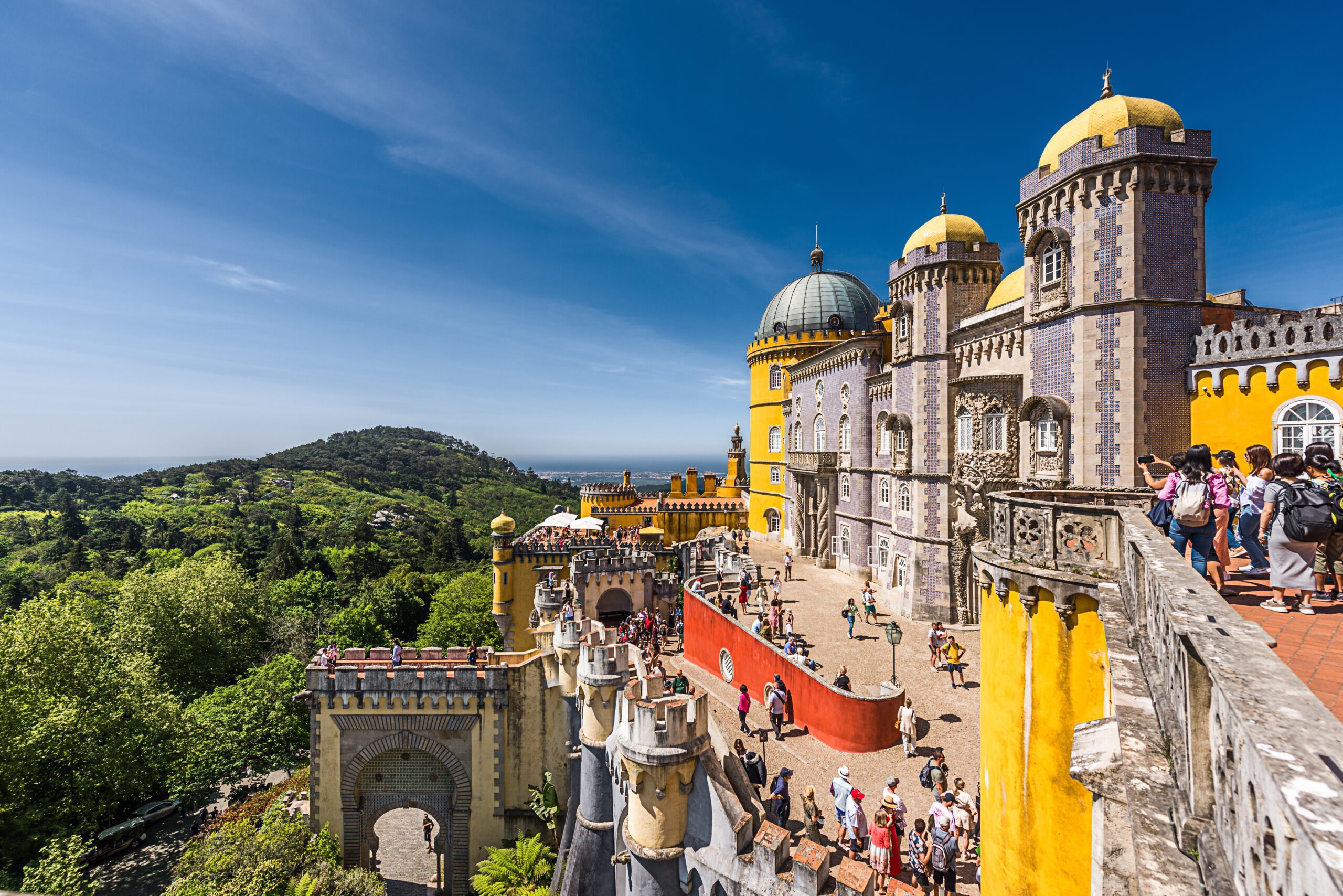
Tucked among rolling hills, this enchanting town feels like something straight out of a fairytale. With its blend of lush landscapes, historic landmarks, and colorful architecture, it offers a captivating mix of nature and culture.
Sintra is a UNESCO World Heritage Site celebrated for its stunning scenery, elaborate palaces, and rich historical legacy. Its cobbled streets, vibrant houses, and forested surroundings create an atmosphere that is both timeless and magical.
Among its most famous landmarks are the hilltop Pena Palace and the atmospheric Castle of the Moors, both of which showcase the town’s dramatic setting and layered history.
With ancient castles, verdant forests, and a storybook ambiance at every turn, Sintra offers a unique journey where the past and present seamlessly intertwine.
Chalet of the Countess of Edla
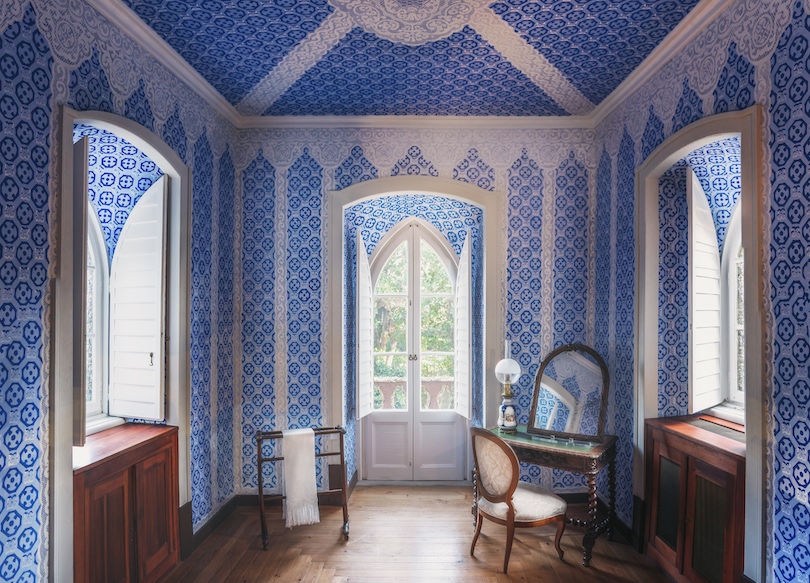
Mimicking what feels like a fairytale set in Pena Park of Sintra, Chalet of the Countess Edla is a testament to the romanticism of the 19th century. It was originally built by King Ferdinand II for his second wife, Elise Hensler, who was later known as the Countess Edla.
The chalet’s exterior flaunts elaborate wooden carvings and intricate balconies, evoking an enchanting atmosphere. Upon entering, the interior showcases a whimsical mix of furnishings, lively tiles, and meticulous artistry, providing a glimpse into the extravagant lifestyle of the 19th-century upper class.
The chalet’s surrounding gardens, with their terraced layout and winding pathways, offer breathtaking views of the surrounding landscapes, a serene place to sit back with a coffee and unwind.
Pena Park
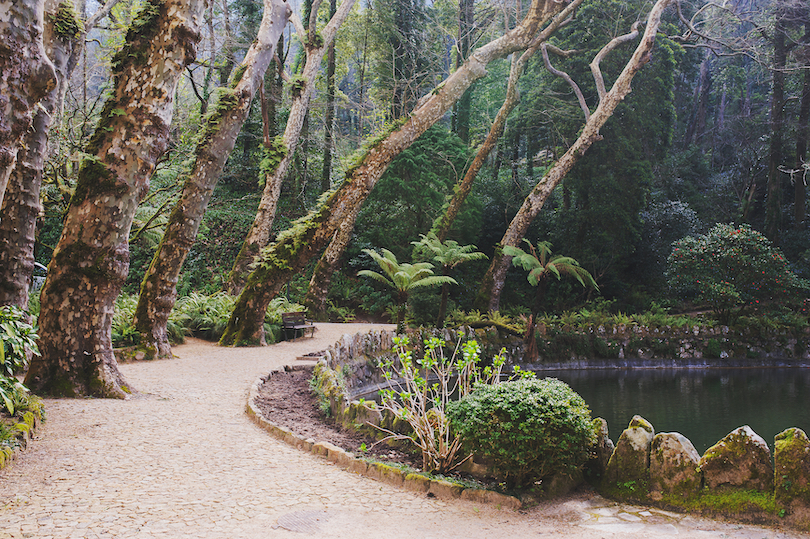
Meander through the winding trails at Pena Park. Here you’ll encounter an array of botanical treasures, from exotic tree species to carefully manicured gardens.
We suggest embarking on the hike to Cruz Alta, the highest point in the park. The trail is clearly marked and shaded, ensuring an enjoyable journey. Upon reaching the summit, you’ll encounter the 16th-century Cruz Alta, a cross commissioned by King Joao III.
While the view of Pena Palace might be somewhat obstructed, the breathtaking southward vistas of Cascais more than compensate for it, making the ascent truly rewarding.
Whether you opt for a cycling adventure through the park or prefer a leisurely stroll, the sights of iconic landmarks such as Pena Palace, the Chalet of Countess Edla, and the serene Valley of the Lakes undoubtedly make it a day well spent in Sintra.
Cabo da Roca
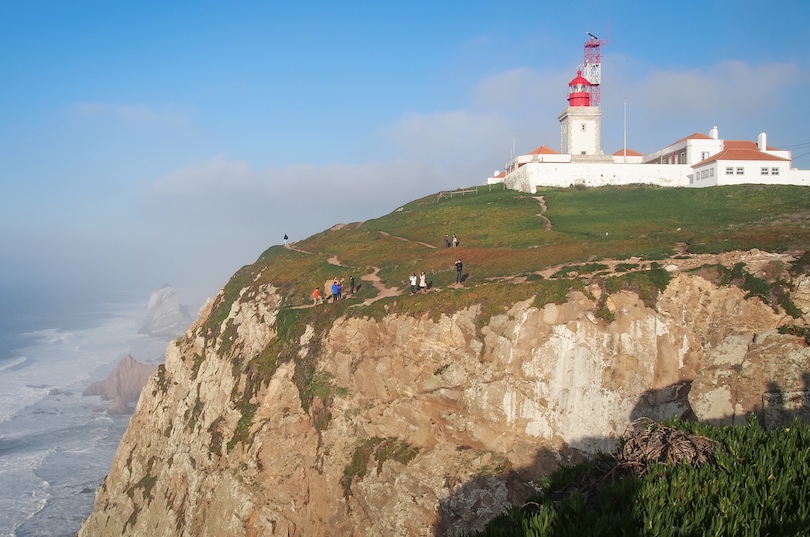
Journey to the westernmost point of continental Europe, Cabo De Roca is where the rugged cliffs meet the vast expanse of the Atlantic Ocean. Upon arrival, a large stone monument welcomes you, bearing the renowned words of Portuguese poet Luís de Camões: “Here, where the land ends and the sea begins”.
Standing at this symbolic location is truly humbling, offering an opportunity to absorb the awe-inspiring vistas that unfold before you. Next, check out the lighthouse, a maritime beacon in service since 1772 and still active today.
Positioned roughly 70 feet above ground level, the lighthouse, sitting atop towering cliffs, reaches an elevation exceeding 500 feet above sea level. This allows the beacon to cast its light up to 30 miles away. While the lighthouse remains closed to the public due to its ongoing operation, it provides magnificent views from a distance.
Convent of the Capuchos
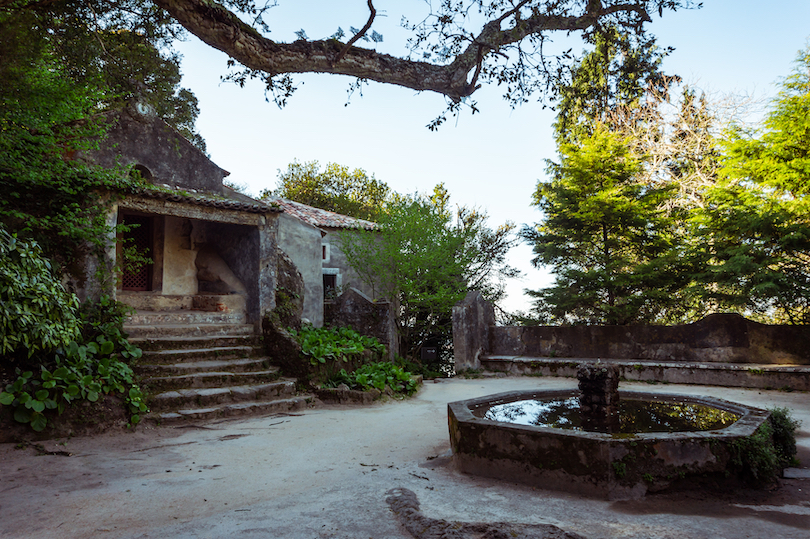
This small convent and its residences were originally created in the sixteenth century to house 12 monks, who lived in incredibly cramped conditions, their tiny cells having low, narrow doors.
It was acquired by the state in the twentieth century and opened to the public. The site includes a farmhouse, courtyard, hall of retreat and hall of penitence, among other buildings. The convent was designed to fit perfectly into the natural environment of large granite boulders along the edge of the Sintra Mountains.
Hidden in the woods, it is located outside of the city even today, due to the fact that it was designed as a reclusive retreat for solitude and prayer for reclusive clergy.
Monserrate Park & Palace
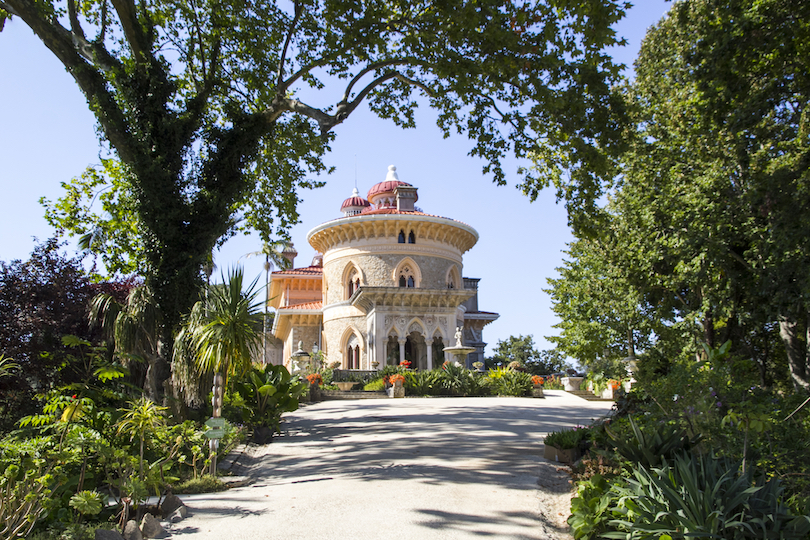
A mesmerizing 19th-century estate, Monserrate Park & Palace is where the harmonious blend of a splendid park and palace captivates visitors. Upon arriving at Monserrate Park, visitors are immediately struck by the lush green surroundings and the idyllic landscape.
The park is expansive and is home to a variety of plant species from around the world. The main attraction of the park is its stunning gardens, which are a perfect mix of English and Mediterranean styles.
The palace is an exemplary showcase of Romantic architecture, often referred to as a genuine masterpiece. Constructed in the 19th century for the English businessman Francis Cook, it represents a harmonious fusion of Gothic, Indian, and Moorish influences. The palace highlights a wealth of ornate details, intricate carvings, and vibrant tiles, creating a spectacular sight.
Castle of the Moors
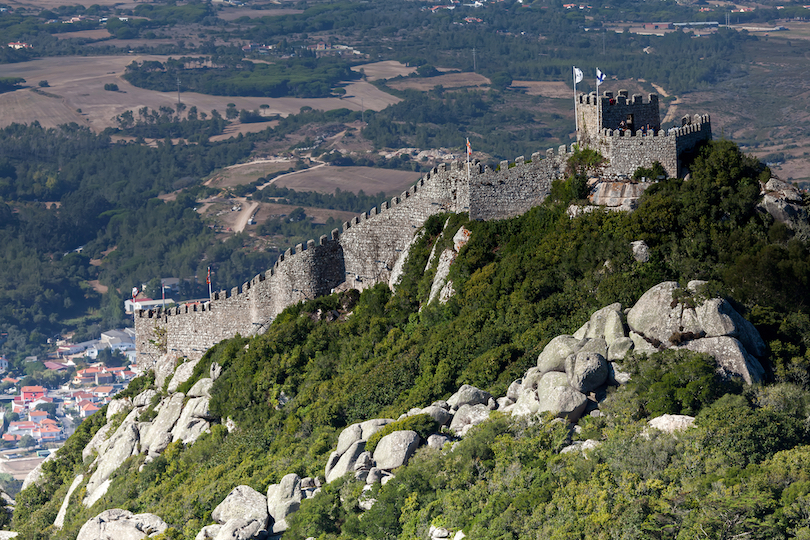
Perched proudly above Sintra, the remnants of the Castle of the Moors stand as an emblem of the Moorish era (8th-12th century), a once-mighty fortress safeguarding the entire region.
Built on a prominent rocky formation, the castle’s elevated position granted the Moors a strategic advantage, allowing them to survey the coastline and surrounding lands. However, in 1147, the Christian Crusaders successfully attacked and captured the castle, leading to its eventual downfall and abandonment.
It was not until King Ferdinand II (1816-1885) was captivated by the natural and tranquil atmosphere of the castle that efforts were made to partially restore it and transform it into a grand feature of his magnificent Palácio da Pena.
Sintra National Palace
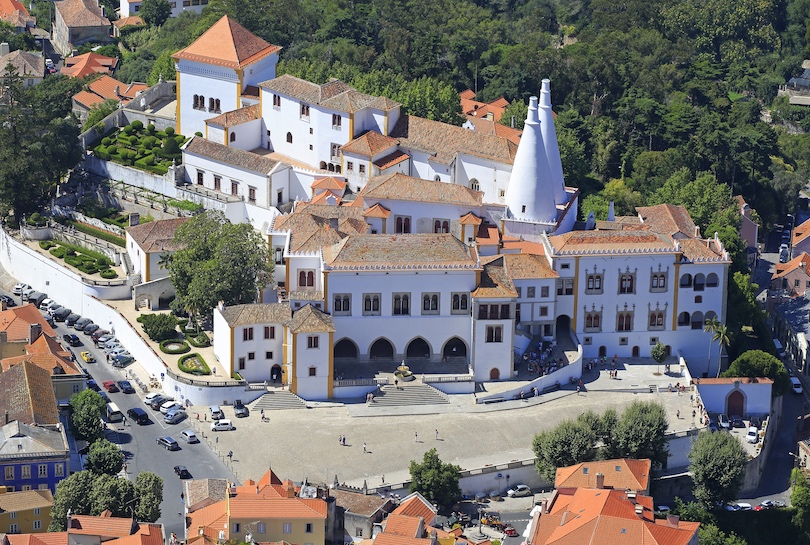
With its iconic twin conical chimneys and lavish interior Sintra National Palace is one of the most beautiful palaces in Portugal. The interior is a mix of Moorish and Manueline styles, with arabesque courtyards, barley-twist columns and geometric tiles.
The palace is of Moorish origins, though much of what can be seen today can be traced back to 1385, when king John I ordered the complete reconstruction of the palace. The palace was in use by the royal family until 1880. Highlights include the octagonal Sala dos Cisnes (Swan Room), adorned with 27 gold-collared swans and the Sala das Pegas (Magpie Room), its ceiling decorated with magpies.
Quinta da Regaleira
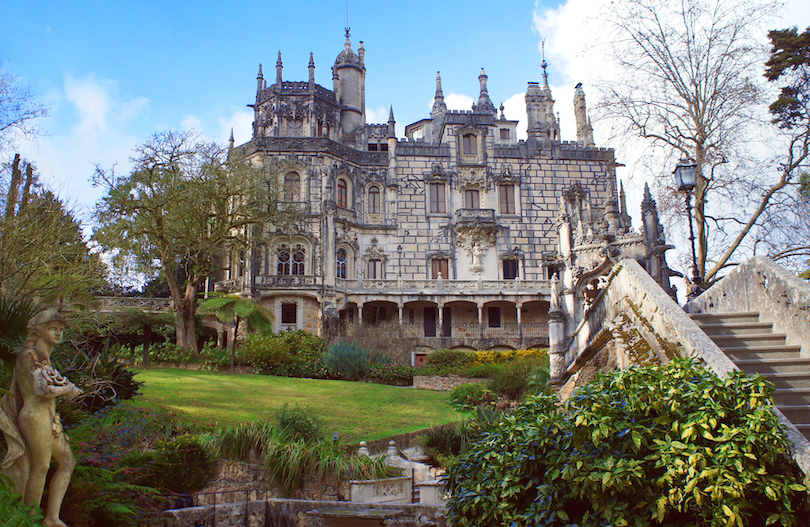
This romantic-styled estate and chapel was most recently a private home of a local millionaire, instead of a regional home for royals. The building has been home to many different barons and merchants.
The large grounds contain many ornate and cryptic buildings, statues and frescoes that depict alchemy, the knights templar, masonry and other mysterious legends. This includes two spiral-staired ceremonial wells whose bottoms served as altars for tarot and other divination ceremonies.
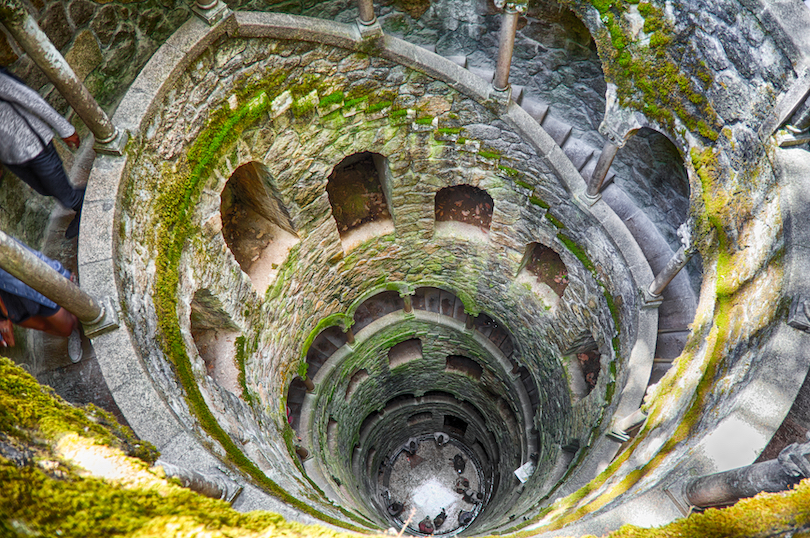
Underground tunnels connect many of the outbuildings, making this the perfect setting for a mystery or crime novel. It has been owned by the city of Sintra as a public building for the past two decades, and is one of the most popular public tours.
Pena National Palace
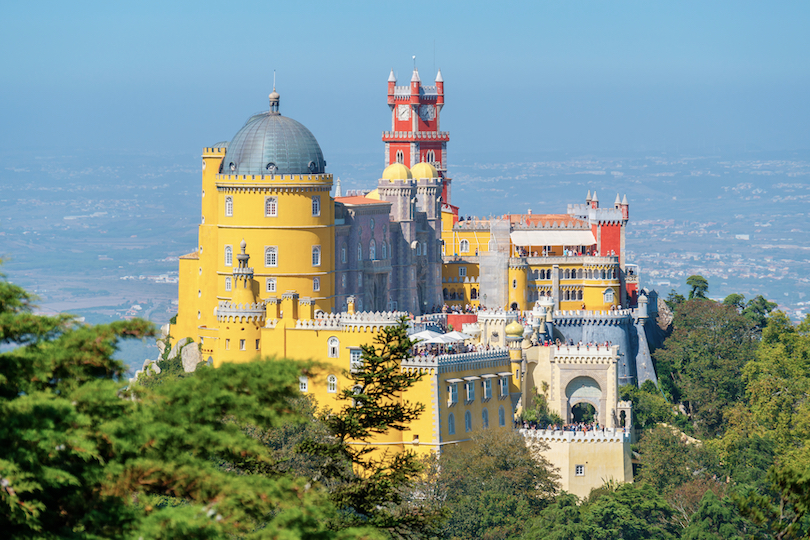
The crown of Sintra Hills, the Pena National Palace, is a dazzling piece of historic architecture. It blends the past with Gothic, Manueline and Moorish influences. While the crenellated towers reach for the heavens, overshadowing the colorful domes.
This fairytale palace, enveloped in warm colors, purple-blue azuelejos, and striking architectural accents, first came to life in the 8th century. Evolving eras and rulers transformed the original monastery into a royal palace of incredible magnificence. Earthquakes damaged the palace, and it was then rebuilt in the 19th century to the grandeur we see today.
Equally exotic is the encompassing gardens. Its grandiosity is immediately clear with several terraces that make for amazing photography spots. So it’s worth getting the full Palace and Park tickets to see the Arches Yard and Queens Terrace.
Explore the Historic Center
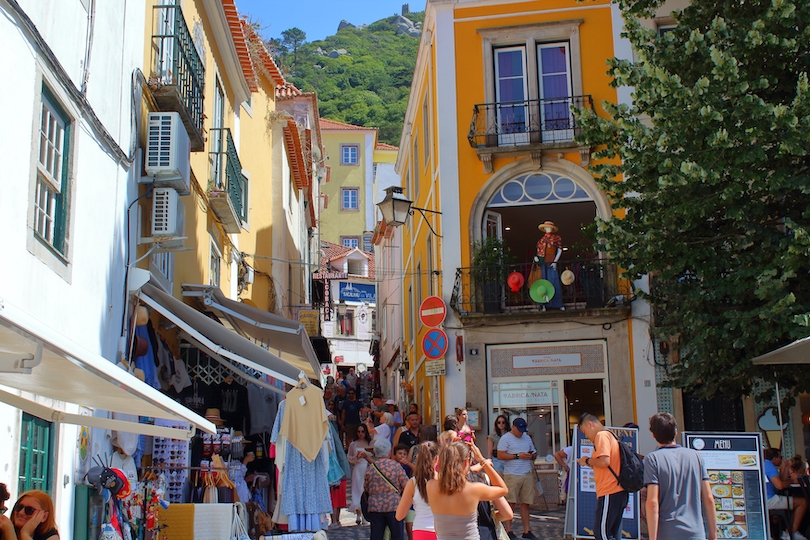
Wandering through the cobblestone streets and immersing yourself in the timeless charm of Sintra’s Historic Center. Start with a visit to the Sintra National Palace, marveling at its unique architecture and rich history.
As the morning unfolds, ascend towards the captivating Pena Palace, sitting atop the hills. Explore the colorful facades, intricate interiors, and lush gardens while taking in the views of the surrounding landscape.
When you’ve worked up an appetite, savor a delicious Portuguese lunch at one of the local eateries, treating yourself to traditional dishes like travesseiros or queijadas.
In the afternoon, wander through the narrow streets of the Old Town, discovering quaint shops that offer local souvenirs and handcrafted items. Take a moment to recharge with a bica (espresso) at a cozy café, allowing yourself to absorb the tranquil and unhurried vibe of the town, offering a welcome break.
Praia Grande
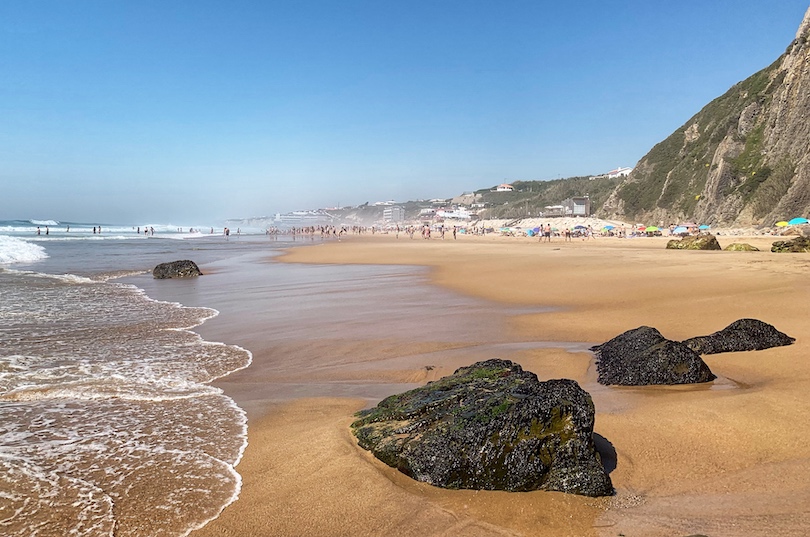
Experience a charming getaway to the Atlantic coast, where you can indulge in the harmonious combination of breathtaking scenery and coastal charm. Praia Grande, a vast beach with its golden sands stretching along the rugged shore, perfectly lives up to its name.
Praia Grande is a well-known spot for both residents and tourists, drawing in surfers, sun-seekers, and nature lovers. Its churning waves make it a prime location for surfing and bodyboarding, with the option of lessons available for those interested in riding the powerful Atlantic swells.
This beach is not just for water sports enthusiasts, however. It also offers a peaceful retreat for those looking to spend a tranquil day by the ocean. The expansive sandy beach invites visitors to soak up the sun, stroll along the shoreline, or simply bask in the soothing sound of the waves crashing onto the shore.